IN
IN₹
Apparel & Fashion
Description
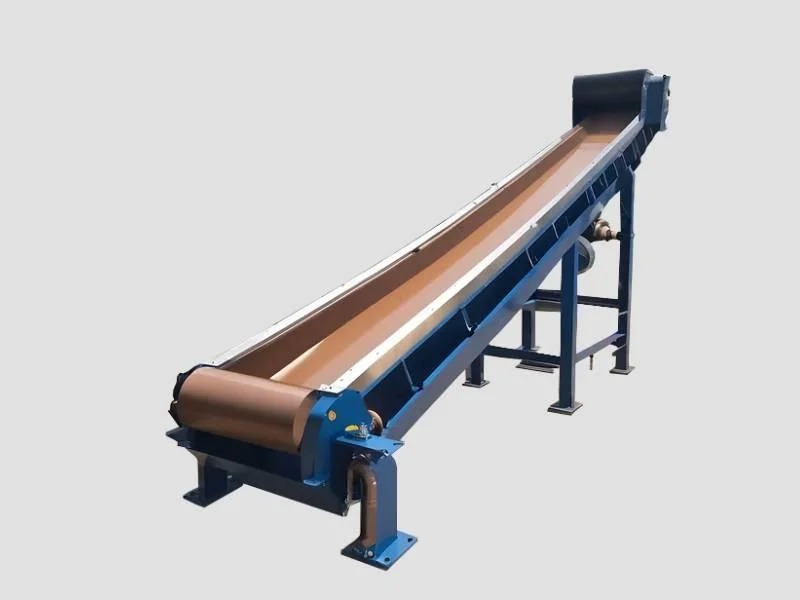
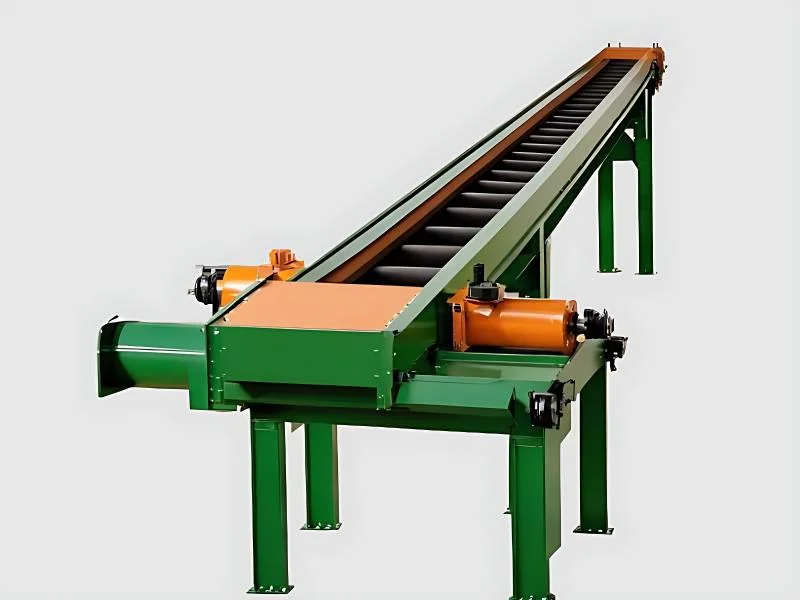
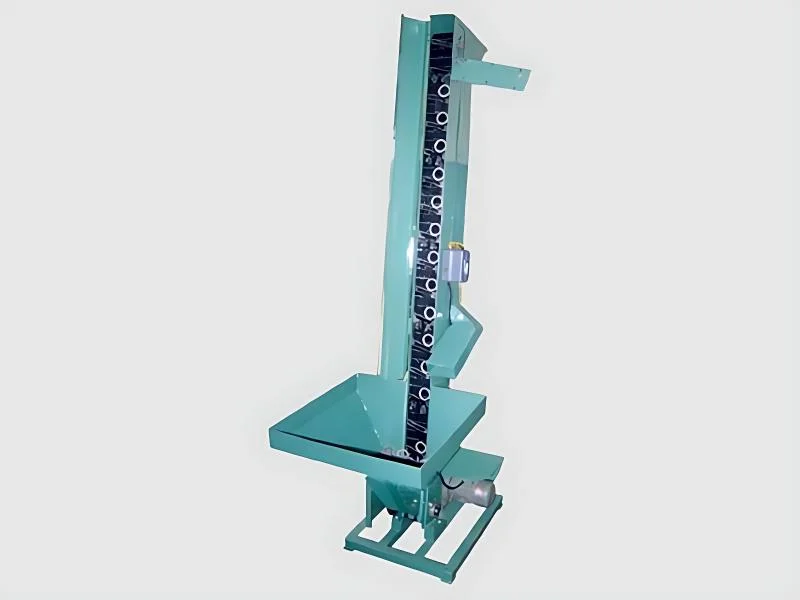
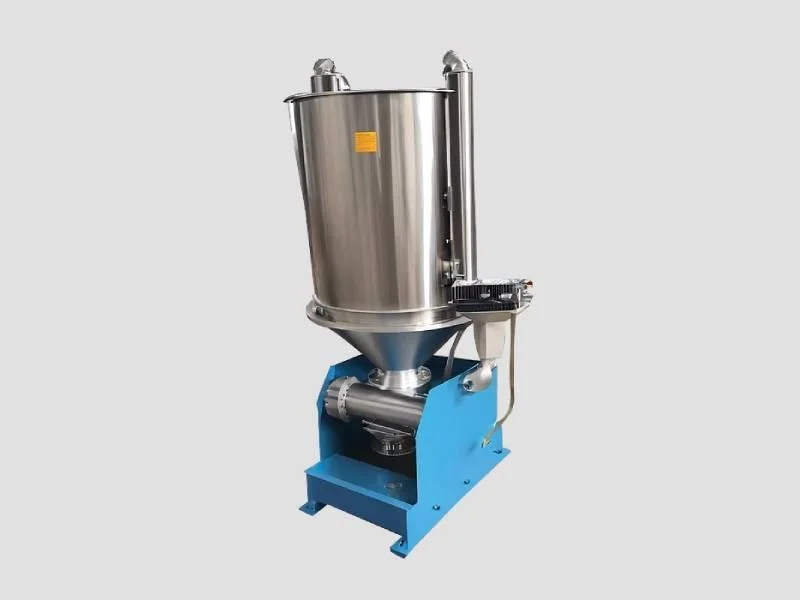
Vibratory hopper feeders are automated material handling systems specifically engineered to store and regulate bulk materials with exceptional precision control. Using advanced vibration technology, these feeders maintain a steady, controlled flow to downstream equipment such as vibratory bowl feeders, conveyors, or processing machines while preventing clogging and spillage. They offer adjustable feed rates suitable for various materials ranging from delicate apparel components like buttons and zippers to industrial granules and powders. Constructed with robust materials including stainless steel or specialized coated finishes, they provide exceptional durability and reliable performance in demanding manufacturing environments, enhancing operational efficiency while significantly reducing manual intervention requirements.

In the apparel and fashion manufacturing sector, vibratory hopper feeders are extensively utilized for handling small items including buttons, sequins, beads, and fa...
Vibratory hopper feeders are automated material handling systems specifically engineered to store and regulate bulk materials with exceptional precision control. Using advanced vibration technology, these feeders maintain a steady, controlled flow to downstream equipment such as vibratory bowl feeders, conveyors, or processing machines while preventing clogging and spillage. They offer adjustable feed rates suitable for various materials ranging from delicate apparel components like buttons and zippers to industrial granules and powders. Constructed with robust materials including stainless steel or specialized coated finishes, they provide exceptional durability and reliable performance in demanding manufacturing environments, enhancing operational efficiency while significantly reducing manual intervention requirements.

In the apparel and fashion manufacturing sector, vibratory hopper feeders are extensively utilized for handling small items including buttons, sequins, beads, and fasteners, ensuring seamless integration into production lines for sewing, embroidery, and packaging operations. They serve adjacent industrial sectors including packaging where they efficiently manage caps and labels, pharmaceuticals for handling tablets and capsules, and food processing for granular materials. Their versatile design supports automation across textiles, footwear, and consumer goods manufacturing, enabling continuous material flow while minimizing waste and maintaining strict hygiene standards in sensitive production processes where contamination control is critical.

For industrial buyers and manufacturing operations, these feeders deliver substantial business value by significantly boosting productivity, reducing labor costs, and ensuring operational reliability in high-volume production environments. Their robust construction guarantees long-term durability with minimal maintenance requirements, while precision engineering ensures consistent performance across varying material types. This reliability minimizes production downtime, enhances supply chain consistency, and supports scalable growth, making them a trusted investment for businesses seeking efficient, automated feeding systems that deliver measurable returns through improved operational efficiency and reduced manual handling costs.

Key Features:
- Automated vibration-driven feeding for consistent material flow without clogging
- Robust construction with stainless steel or coated finishes for durability
- Customizable hopper sizes and configurations to suit specific material requirements
- Adjustable feed rates and controls for precise regulation of bulk materials
- Compatibility with downstream equipment like conveyors and processing machines

Benefits:
- Increased production efficiency through automated material handling
- Reduced manual labor requirements and associated operational costs
- Consistent material flow preventing production bottlenecks and downtime
- Durable construction ensuring long-term reliability and minimal maintenance
- Enhanced precision control for improved product quality and reduced waste
Specifications
| Additional Information | |
|---|---|
| Country of Origin | India |
Application
Vibratory hopper feeders are essential in apparel manufacturing environments where they handle bulk materials like buttons, zippers, sequins, and beads with consistent precision. These systems ensure seamless supply to sewing stations, embroidery machines, and packaging lines while reducing downtime and manual errors in textile and garment production facilities. Their consistent performance maintains high production speeds while minimizing material waste during continuous operations.
Beyond apparel production, these feeders serve diverse industrial sectors including packaging, pharmaceuticals, and electronics by regulating flow of small components, powders, and granules. Their adaptability makes them ideal for automated environments requiring reliability and contamination-free handling, supporting industries from food processing to automotive assembly with efficient, scalable material handling solutions that integrate smoothly with existing production equipment.
- Feeding buttons, zippers, and accessories in garment production lines for consistent assembly
- Regulating flow of sequins, beads, and embellishments in textile and fashion manufacturing
- Handling small packaging components like caps, labels, and fasteners in apparel packaging operations
- Supplying powders and granules for dyeing and fabric treatment processes in textile mills
- Automating material transfer in bulk handling for footwear and accessory manufacturing
Trade Details
| Available Stock | In Stock |
| Sample Availability | No |
Payment Terms
| Payment Terms |
|
Company Profile
Bharath Engineering Works, Karnataka
 Karnataka, India
Karnataka, India31 yrs
Manufacturer
Turn Over
Above ₹10 Crore
Factory Details
Factory Size1000-5000 sqm
Vibratory Hopper Feeders For Apparel Manufacturing Precision Control
Vibratory hopper feeders automate bulk material feeding with precision control for apparel manufacturing. These reliable systems ensure steady flow of components like buttons and zippers while boosting efficiency and reducing manual handling in production operations.
Min. Order Quantity: 1 unit
Shipping
Shipping fee and delivery date to be negotiated. Contact supplier now for more details.
Bharath Engineering Works Karnataka, India
Karnataka, IndiaManufacturer