IN
IN₹
Apparel & Fashion
Description
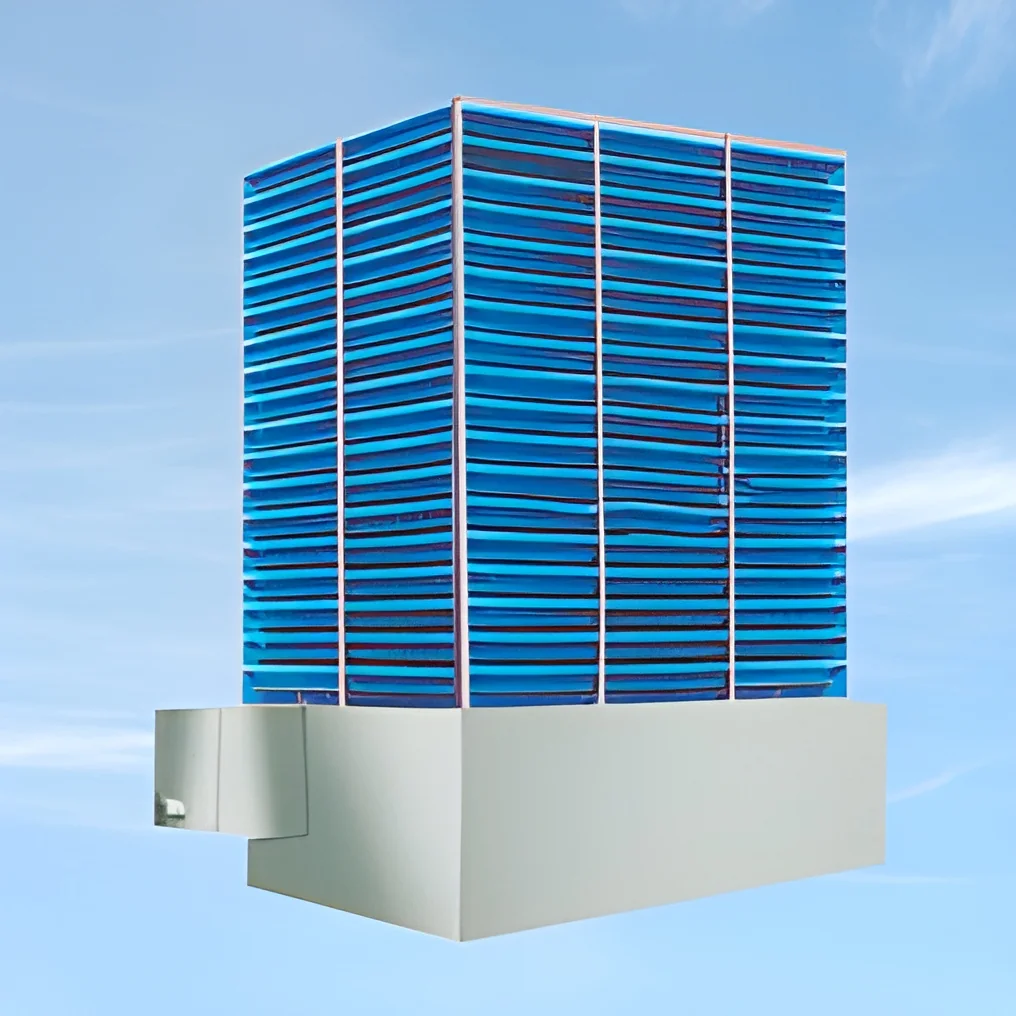
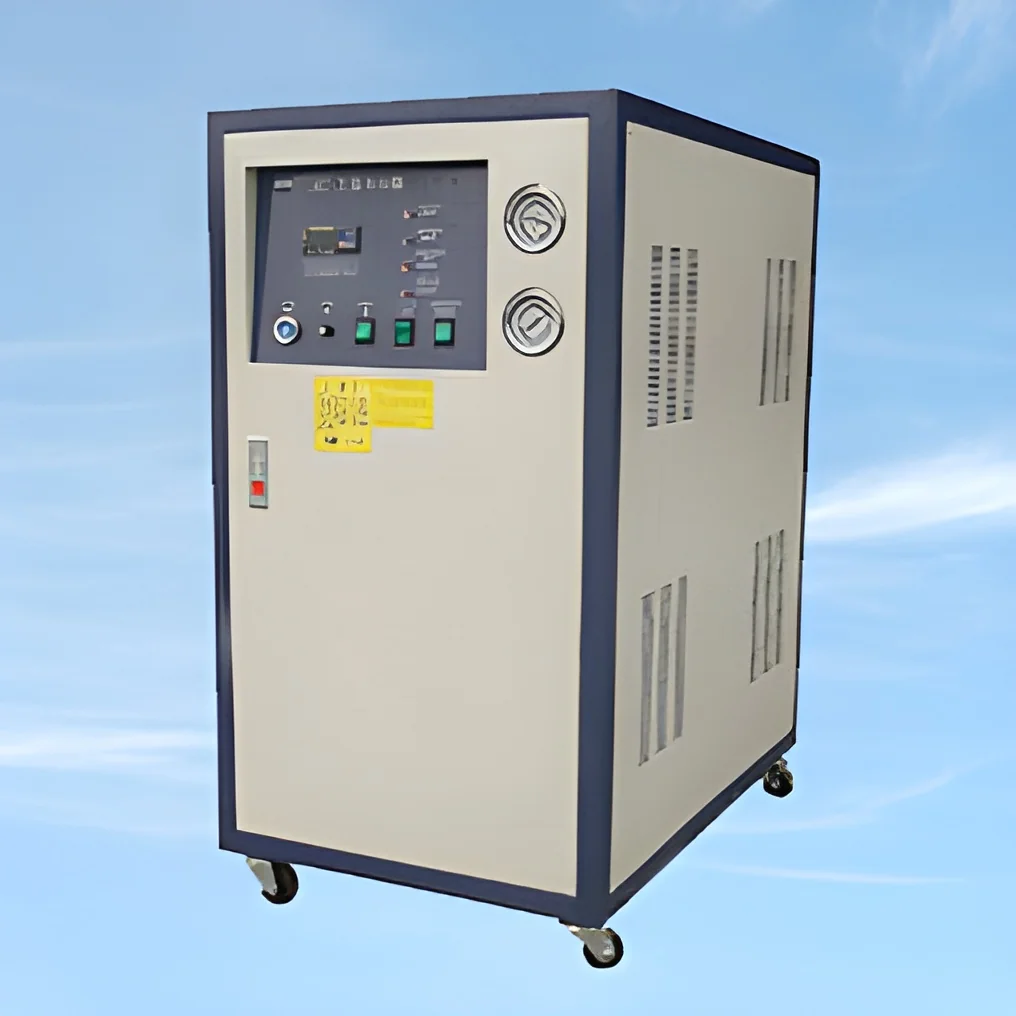
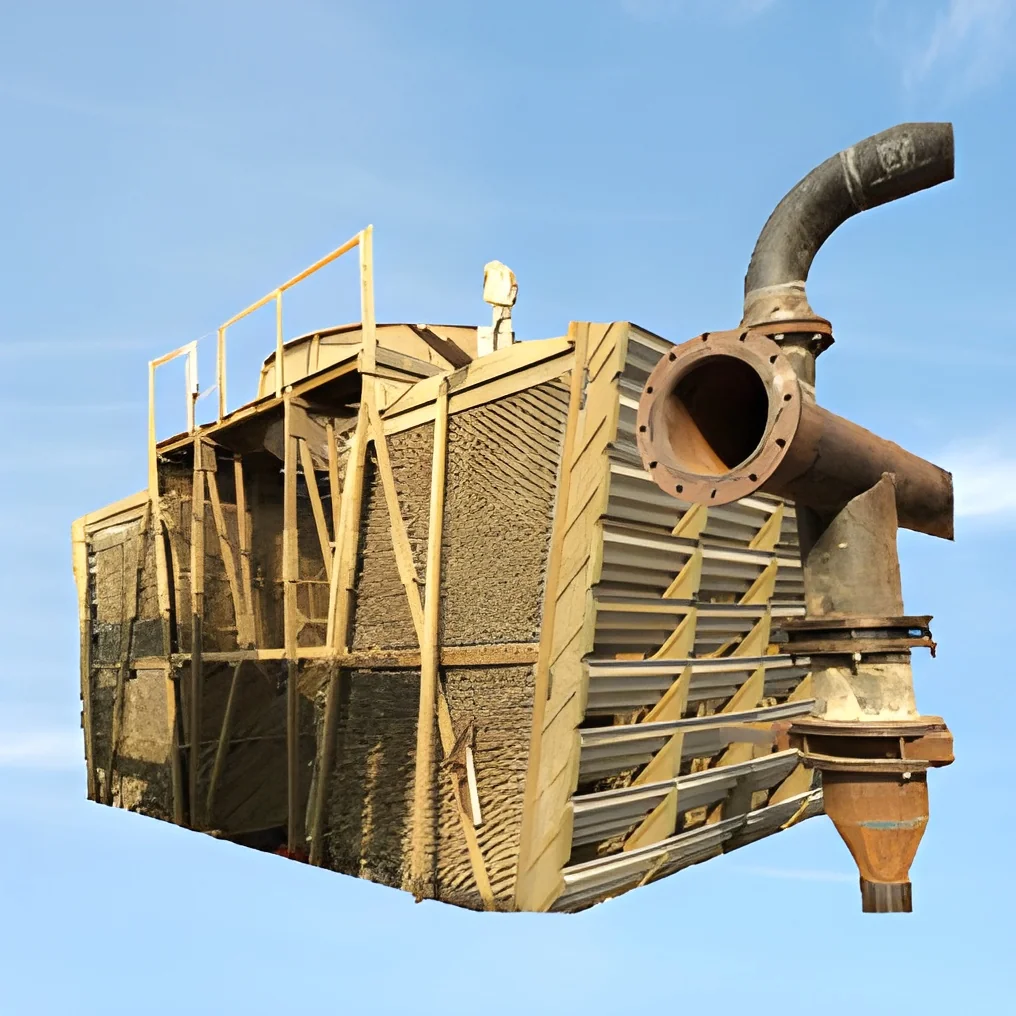
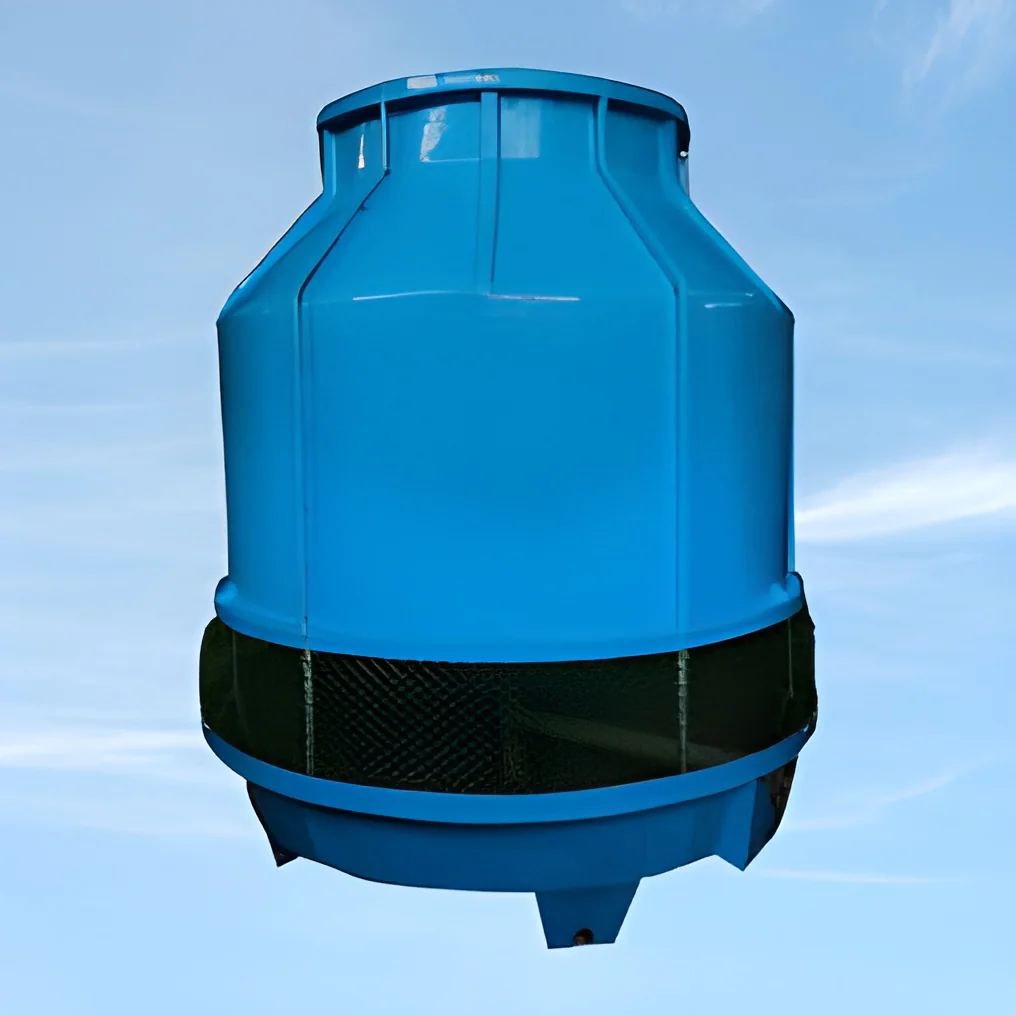
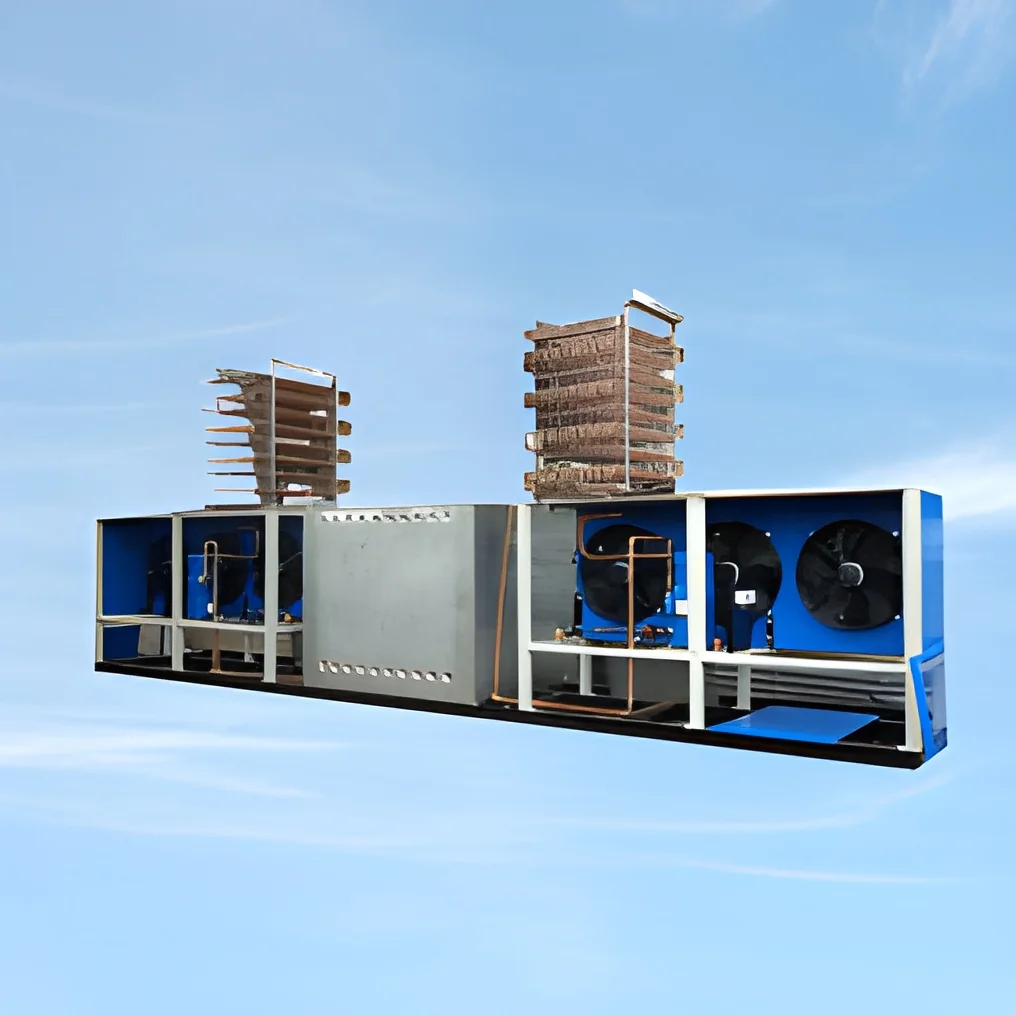
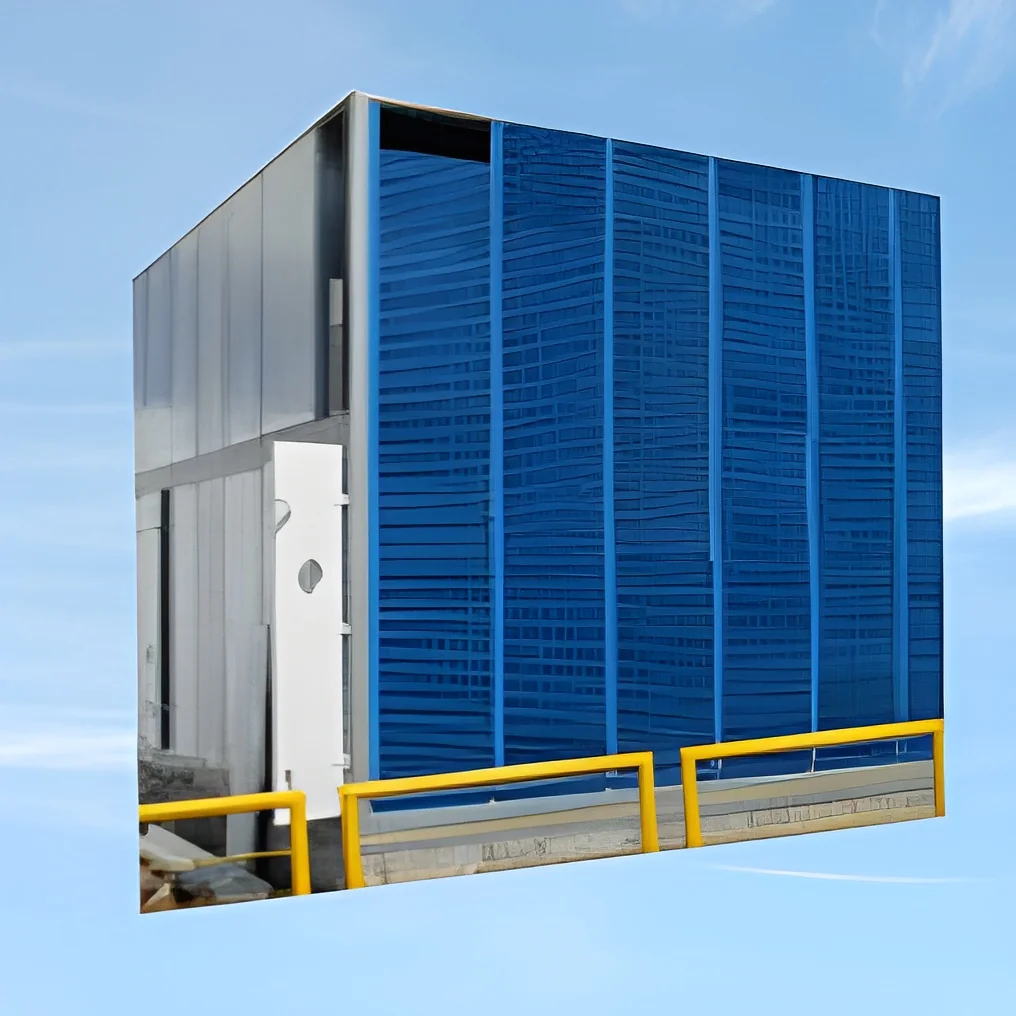
Industrial Textile Humidification Plants are precision-engineered climate management systems designed to solve the core atmospheric challenges inherent in textile manufacturing. By delivering consistent, controlled humidity levels across vast production floors, these systems directly address the physical properties of fibers and yarns. They utilize efficient evaporative cooling technology, where air is drawn through saturated cooling pads, absorbing moisture and being cooled before distribution by high-capacity fans. This process creates a stable environment that prevents fibers from becoming dry and brittle, a primary cause of breakage during high-speed spinning and weaving, while simultaneously mitigating the static electricity that disrupts automated looms and knitting machines. The result is a fundamental enhancement in process reliability and final product quality.

The primary application is deeply embedded within the textile industry's value chain. Spinning mills implement these...
Industrial Textile Humidification Plants are precision-engineered climate management systems designed to solve the core atmospheric challenges inherent in textile manufacturing. By delivering consistent, controlled humidity levels across vast production floors, these systems directly address the physical properties of fibers and yarns. They utilize efficient evaporative cooling technology, where air is drawn through saturated cooling pads, absorbing moisture and being cooled before distribution by high-capacity fans. This process creates a stable environment that prevents fibers from becoming dry and brittle, a primary cause of breakage during high-speed spinning and weaving, while simultaneously mitigating the static electricity that disrupts automated looms and knitting machines. The result is a fundamental enhancement in process reliability and final product quality.

The primary application is deeply embedded within the textile industry's value chain. Spinning mills implement these plants to maintain fiber cohesion and reduce ends-down, directly boosting yarn output and quality. Weaving and knitting units rely on them to eliminate static, which causes yarns to cling and fabrics to attract lint, ensuring clean production runs. Fabric finishing and processing areas use humidification to control moisture regain in materials, preventing dimensional changes and ensuring consistent dye uptake. Beyond textiles, these systems prove invaluable in paper manufacturing for sheet moisture control, in large-scale warehouses storing hygroscopic goods like tobacco or pharmaceuticals, and in printing facilities where paper stability is crucial to registration and finish.

Investing in a dedicated humidification plant translates to measurable business value through enhanced operational efficiency and reduced waste. The reliability of these systems ensures continuous production, minimizing costly downtime associated with quality rejects and machine adjustments due to environmental fluctuations. Engineered with durability in mind using corrosion-resistant materials and components built for 24/7 operation, they offer a long service life with minimal maintenance intervention. This robust construction, combined with energy-efficient operation compared to traditional air conditioning for cooling, provides a strong return on investment by protecting raw material integrity, increasing machine efficiency, and consistently delivering superior product quality that meets stringent market standards.

Key Features:
- Engineered for precise humidity control to maintain optimal fiber moisture content and strength.
- Robust, corrosion-resistant construction designed for demanding industrial environments and long-term durability.
- High-efficiency evaporative cooling system that provides humidification and cooling simultaneously.
- Powerful air distribution with high-capacity blowers for uniform coverage across large manufacturing spaces.
- Reliable operation with minimal maintenance requirements, ensuring consistent performance and uptime.

Benefits:
- Significantly reduces yarn and fiber breakage during spinning and weaving, leading to higher production yields.
- Eliminates static electricity, preventing fabric defects, machine stoppages, and improving operator safety.
- Maintains consistent fiber elasticity and dimensional stability, resulting in uniform fabric quality and reduced shrinkage.
- Enhances overall production efficiency by creating optimal working conditions for both machinery and materials.
- Provides a cost-effective climate solution that improves product quality while managing operational energy costs.
Specifications
| Additional Information | |
|---|---|
| Country of Origin | India |
Application
Our industrial humidification plants are engineered for textile manufacturing facilities where precise atmospheric control is non-negotiable. They actively manage and stabilize moisture levels across spinning, weaving, knitting, and finishing halls. This precise control directly combats production losses caused by yarn breakage, fiber brittleness, and disruptive static charges, ensuring smoother, more consistent operations from raw material to finished fabric.
These robust climate control systems also deliver critical performance in allied industries where air quality dictates product integrity. They are effectively deployed in paper mills to maintain sheet moisture, in large warehouses to preserve hygroscopic materials, and in specialized environments like tobacco processing or printing facilities. Their design focuses on reliable, large-volume humidification to protect materials, optimize processes, and safeguard against quality deviations in sensitive production environments.
- Stabilizing humidity in cotton and synthetic fiber spinning mills to dramatically reduce yarn breakage and improve tensile strength.
- Eliminating static electricity buildup in high-speed weaving and knitting operations to prevent fabric defects and machine stoppages.
- Preserving natural moisture content in wool and other natural fibers during processing and storage to maintain weight, texture, and workability.
- Ensuring consistent fiber elasticity and dimensional stability in fabric production areas to prevent shrinkage and quality inconsistencies.
- Providing adiabatic cooling and dust suppression in large industrial halls, enhancing worker comfort and material handling while controlling airborne particulates.
Trade Details
| Available Stock | In Stock |
| Sample Availability | No |
Payment Terms
| Payment Terms |
|
Company Profile

Gireesh Heat Exchangers & Cooling Towers, Tamil Nadu
 Tamil Nadu, India
Tamil Nadu, IndiaIndustrial Equipment & Machinery•Manufacturer•Distributor / Wholesaler•Importer / Exporter
Factory Details
Factory SizeBelow 1000 sqm
Annual Production Capacity0
Main Markets
Mid East
Africa
Domestic
Industrial Textile Humidification Plants For Optimal Humidity Control
Industrial textile humidification plants maintain optimal humidity control in manufacturing, reducing static electricity and fiber breakage for improved textile production quality and efficiency.
Min. Order Quantity: 1 unit
Shipping
Shipping fee and delivery date to be negotiated. Contact supplier now for more details.
Gireesh Heat Exchangers & Cooling Towers
 Tamil Nadu, India
Tamil Nadu, IndiaIndustrial Equipment & MachineryManufacturer