
 IN
Spinning Machines
14 products available
What are Spinning Machines?
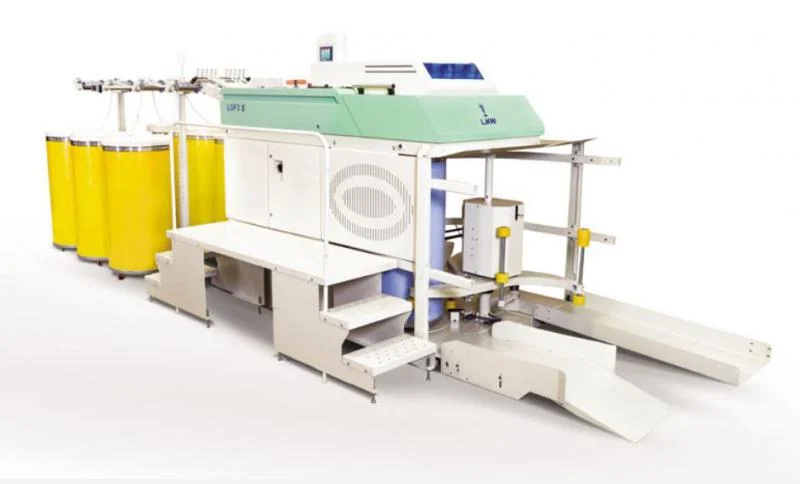
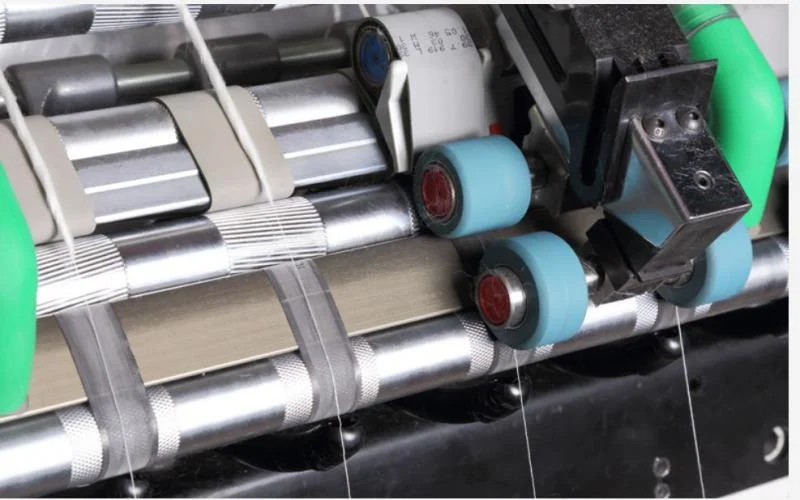
Spinning machines are industrial devices designed to convert raw fibers into yarn. These machines facilitate the spinning process through various mechanical operations that twist fibers together, resulting in a continuous strand of yarn. The spinning process can involve different methods such as ring spinning, open-end spinning, and rotor spinning, each offering unique advantages in terms of speed, efficiency, and yarn quality.
These machines are primarily used in the textile manufacturing industry. They play a crucial role in producing yarns that serve as the foundation for fabrics, threads, and other textile products. Spinning machines are essential for businesses looking to produce high-quality textile products while optimizing their production processes. The market for spinning machines is significant, as the demand for textiles continues to grow globally, driven by fashion, home furnishing, and industrial applications.
Key Features and Specifications
Spinning machines come equipped with a variety of features that enhance their performance and efficiency. Understanding the specifications is crucial for businesses looking to invest in these machines.
Key specifications include:
1. Spinning Method
- Various methods include ring spinning, open-end spinning, and rotor spinning.
- Each method offers different yarn characteristics and production speeds.
2. Production Capacity
- Machines may range from small-scale production to high-capacity industrial machines.
- Typical capacities can vary based on the model and intended use.
3. Yarn Count Range
- The machines can produce various yarn counts suitable for different applications.
- Yarn counts typically range from fine to coarse.
4. Automation Level
- Many modern spinning machines feature automated controls for enhanced efficiency.
- Automation can improve production rates and reduce manual labor.
5. Energy Consumption
- Energy efficiency is a key consideration in modern spinning machines.
- Machines are designed to minimize energy usage while maximizing output.
6. Maintenance Requirements
- Maintenance needs can vary based on machine design and usage.
- Regular maintenance is critical for optimal performance and longevity.
7. Size and Footprint
- Machines come in various sizes, impacting floor space requirements.
- Compact designs may be suitable for smaller manufacturing facilities.
8. Safety Features
- Integrated safety features protect operators and ensure compliance with industry standards.
- Safety mechanisms can include emergency shut-offs and protective enclosures.
Spinning machines are vital for textile production, and understanding their specifications helps businesses choose the right equipment for their needs.
Common Applications and Use Cases
Spinning machines serve a diverse range of industries, making them essential in various applications.
1. Textile Industry: Spinning machines are primarily used to produce yarns for weaving and knitting. They create the foundational materials for clothing, upholstery, and other textile products.
2. Automotive Industry: Specialized yarns produced by spinning machines are used in automotive interiors, such as seat covers and carpeting.
3. Nonwoven Fabrics: Spinning machines are also used to create fibers for nonwoven fabrics, which find applications in personal care products, medical textiles, and industrial wipes.
4. Home Furnishings: The machines produce yarns used in curtains, carpets, and other home textile products, contributing to the home décor market.
5. Technical Textiles: Advanced spinning machines facilitate the production of high-performance fibers used in industrial applications, such as ropes and geotextiles.
6. Fashion Industry: The fashion sector relies on spinning machines to produce bespoke yarns that meet the latest trends and consumer demands.
7. Medical Textiles: Spinning machines are used to create specialized yarns for medical applications, including sutures and bandages.
Product Variants and Subcategories
Spinning machines come in various forms, each designed for specific applications. While no subcategories are available, certain variants can cater to specific production needs.
Ring Spinning Machines: These machines are widely recognized for their ability to produce high-quality yarns with excellent strength and consistency. They are suitable for a wide range of fiber types and are commonly used in the textile industry.
Open-End Spinning Machines: These machines utilize a different spinning method that allows for faster production rates and lower costs. They are ideal for producing coarser yarns and are often used in applications where speed is crucial.
Rotor Spinning Machines: Rotor spinning machines offer enhanced efficiency and are capable of producing yarns with a unique texture. They cater to both the textile and nonwoven fabric industries.
Benefits and Advantages
Investing in spinning machines offers numerous advantages for textile manufacturers.
1. Increased Production Efficiency: Spinning machines optimize the yarn production process, resulting in higher output levels.
2. Cost-Effectiveness: Automation and improved operational efficiencies can lead to lower manufacturing costs over time.
3. Versatility: Spinning machines can handle a variety of fiber types and yarn specifications, making them adaptable to different market needs.
4. High-Quality Output: Advanced spinning techniques ensure consistent yarn quality, meeting industry standards and customer expectations.
5. Enhanced Innovation: Modern spinning machines incorporate new technologies that drive innovation in textile manufacturing, allowing companies to stay competitive.
6. Reduced Labor Dependence: Automation features decrease the need for manual labor, improving workplace safety and productivity.
Buying Guide for B2B Buyers
When sourcing spinning machines, several factors should be considered to ensure a successful purchase.
1. Quality Assessment: Evaluate the quality of machines by considering manufacturer reputation, customer reviews, and product performance metrics. Quality machinery ensures long-term reliability and efficiency.
2. Supplier Verification: Vet suppliers thoroughly to ensure they provide reliable products. Look for certifications, customer testimonials, and their history in the industry.
3. Pricing and MOQ: Understand the price range of spinning machines and inquire about minimum order quantities. Consider your budget and the scale of your operations to find suitable options.
4. Delivery and Lead Times: Discuss logistics with suppliers to gauge delivery schedules and lead times. Timely delivery is crucial for maintaining production schedules.
5. Compliance Requirements: Ensure that the machines comply with relevant industry regulations and safety standards. Compliance reduces the risk of operational disruptions and enhances safety.
Compliance and Certifications
Spinning machines must adhere to various compliance and certification standards to ensure quality and safety in production.
ISO 9001 is a recognized quality management standard applicable to spinning machine manufacturers. Compliance with this standard indicates a commitment to consistent quality and customer satisfaction.
CE certification is essential for products sold within the European Economic Area. It ensures that the machines meet safety and environmental requirements, providing assurance to buyers regarding product reliability.
Safety and testing requirements are critical in the operation of spinning machines. Manufacturers must conduct regular testing to verify that machines meet safety standards and function as intended.
Regional compliance considerations may vary based on local laws and regulations. Buyers should be aware of specific compliance requirements relevant to their region to avoid legal issues.
Why Source Spinning Machines from Pepagora?
Pepagora provides a trusted platform for sourcing spinning machines with several key advantages for B2B buyers.
Verified Supplier Network: Pepagora ensures that all suppliers on its platform are thoroughly vetted. This verification process helps buyers connect with reliable manufacturers who meet industry standards.
Streamlined RFQ Process: The platform facilitates an efficient Request for Quotation (RFQ) process, allowing buyers to easily obtain quotes from multiple suppliers. This streamlines the procurement process and saves time.
Trade Assurance and Support: Pepagora offers buyer protection through trade assurance policies. This support instills confidence in buyers, knowing that their transactions are secure and backed by the platform.
Regional Coverage: With a strong presence in India, the GCC, and Southeast Asia, Pepagora provides extensive regional coverage. This geographic reach enables buyers to access a diverse range of suppliers and products tailored to their market needs.


 India

 India
 India
 India
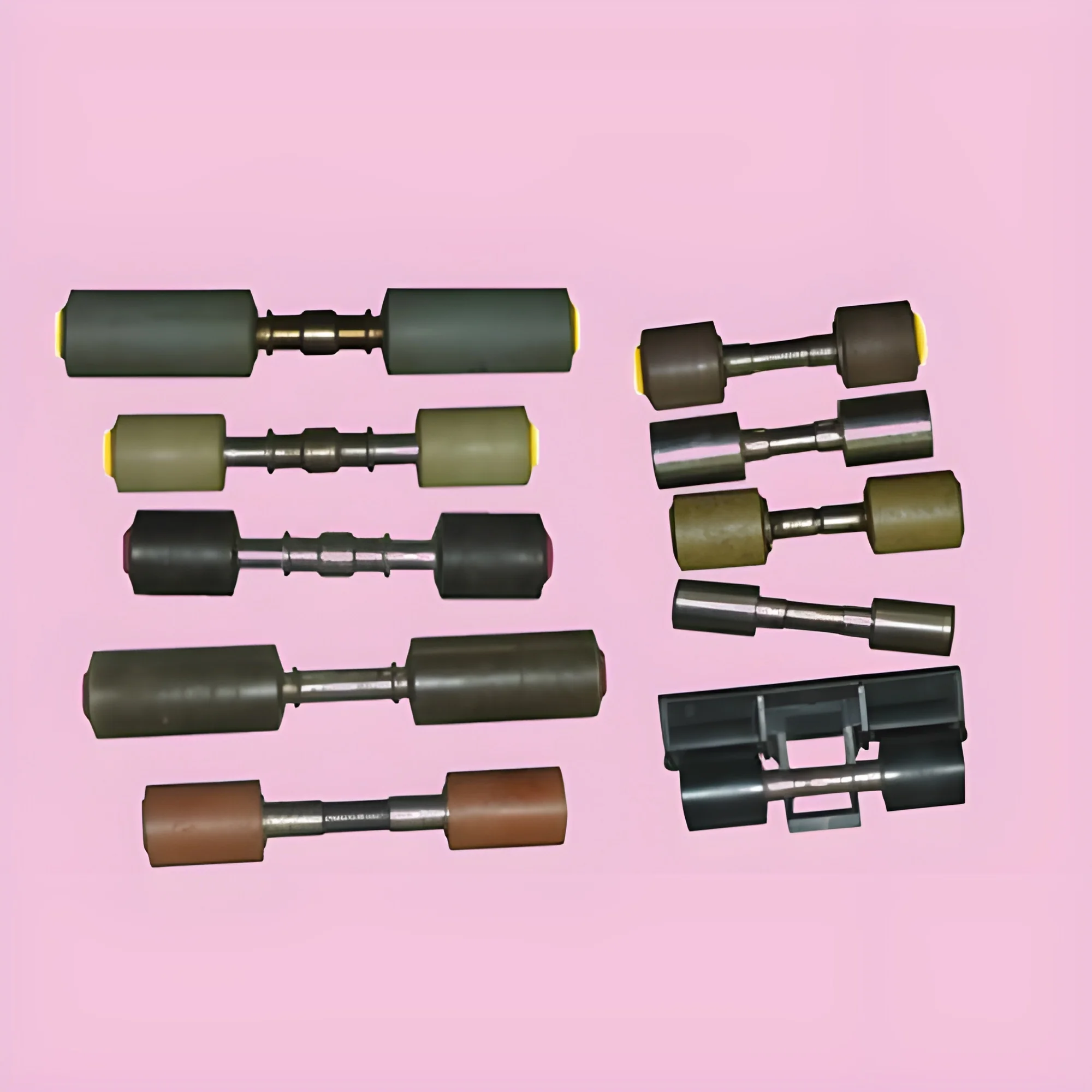
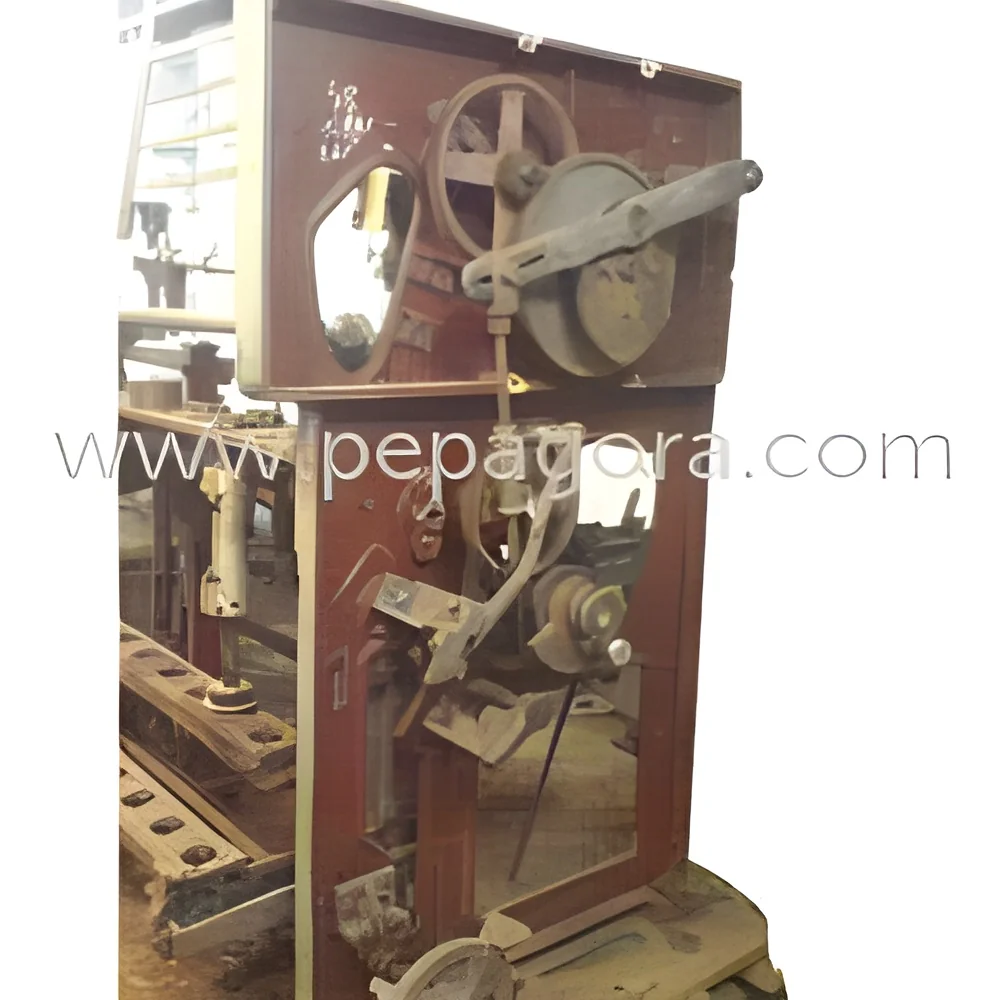
 India
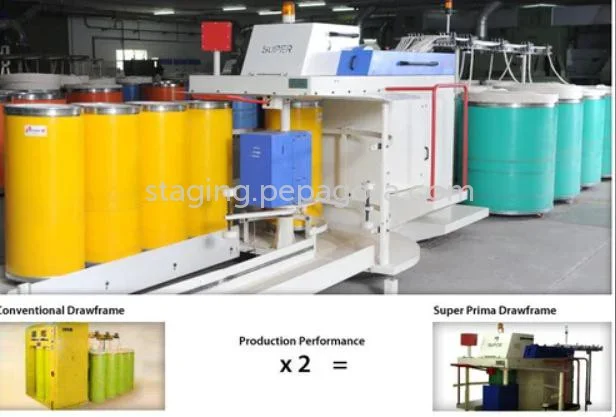

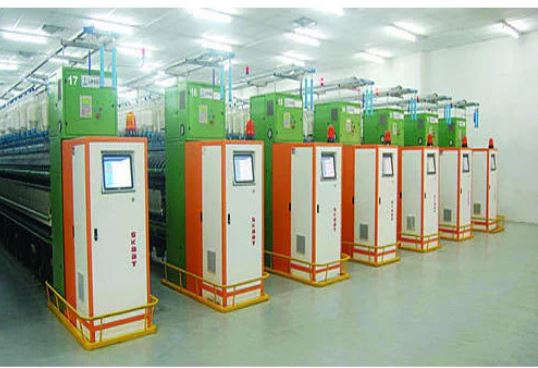 India
Frequently Asked Questions
What are Spinning Machines?
Spinning machines are industrial equipment used for converting raw fibers into yarn. They work by drawing out the fibers and twisting them together to create a continuous strand suitable for further processing in textile manufacturing.
What are the different types of Spinning Machines?
There are several types of spinning machines, including ring spinning machines, open-end spinning machines, and air-jet spinning machines. Each type has its own mechanism and is suited for producing different types of yarns with varying characteristics.
How do I choose the right Spinning Machines?
Choosing the right spinning machine depends on factors such as the type of fiber you are using, the desired yarn quality, and production capacity. It is also important to consider the machine's efficiency and compatibility with other equipment in your production line.
What are the standard specifications for Spinning Machines?
Standard specifications for spinning machines typically include parameters such as spindle speed, yarn count range, and production capacity. Additionally, features like automation level and energy consumption are also essential to consider.
What is the price range for Spinning Machines?
The price range for spinning machines can vary widely, typically starting from a few lakhs to several crores of Indian Rupees. Factors influencing the price include the machine's type, brand, features, and technological advancements.
What quality standards apply to Spinning Machines?
Spinning machines must comply with various quality standards, such as ISO certifications, which ensure safety, reliability, and performance. Additionally, manufacturers may adhere to industry-specific standards that pertain to textile machinery.
Where can I find Spinning Machines suppliers in India?
You can find spinning machines suppliers in India through B2B marketplaces like Pepagora, trade shows, and industry directories. It's advisable to research and compare different suppliers to find reputable manufacturers that meet your specific needs.
Can Spinning Machines be customized?
Yes, many manufacturers offer customization options for spinning machines. Customizations can include modifications for specific yarn types, adjustments in production capacity, or additional features to enhance productivity.
What is the typical minimum order quantity for Spinning Machines?
The typical minimum order quantity (MOQ) for spinning machines can vary based on the manufacturer and the specific model. Generally, it may range from one unit for specialized machines to several units for standard models.
What is the typical lead time for Spinning Machines?
The typical lead time for spinning machines can range from a few weeks to several months, depending on the manufacturer's production capacity and customization requirements. It is advisable to confirm the lead time with suppliers before placing an order.
Why Businesses Trust Pepagora
Thousands of companies trust Pepagora to source smarter and sell faster
Expand Your Sales Globally

Source Smarter,Grow Faster
