𝗪𝗵𝗮𝘁 𝗮𝗿𝗲 𝗦𝗵𝗲𝗹𝗹 𝗮𝗻𝗱 𝗧𝘂𝗯𝗲 𝗛𝗲𝗮𝘁 𝗘𝘅𝗰𝗵𝗮𝗻𝗴𝗲𝗿𝘀?
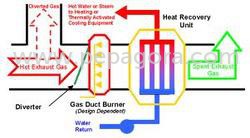
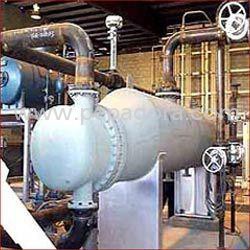
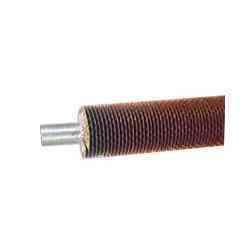
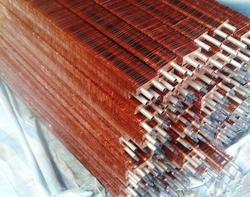
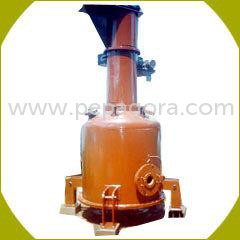
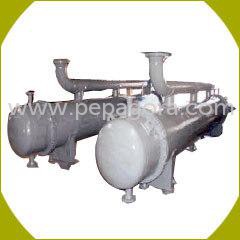
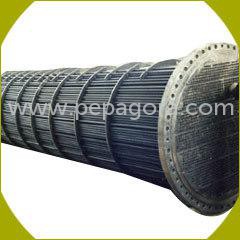
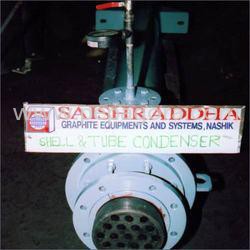
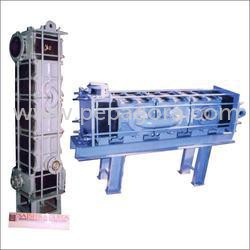
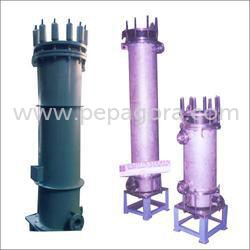
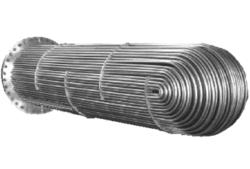
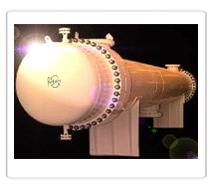
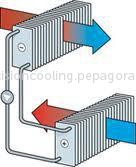
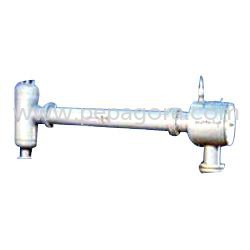
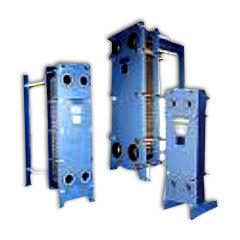
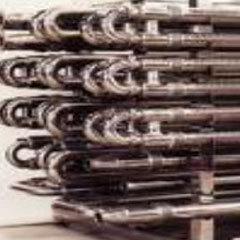
Shell and tube heat exchangers are crucial devices used to transfer heat between two or more fluids. They consist of a series of tubes, with one fluid circulating through the tubes while another fluid flows around them within a larger shell. This design allows for efficient heat transfer and is widely employed in various industrial applications due to its robust construction and versatility.
These heat exchangers are primarily used in industries such as oil and gas, chemical processing, and power generation. Their ability to handle high pressures and temperatures makes them ideal for applications requiring efficient thermal management. Industries benefit from shell and tube heat exchangers by enhancing energy efficiency and optimizing process heating and cooling systems, which can lead to reduced operational costs and improved product quality.
Given the increasing demand for energy-efficient solutions, shell and tube heat exchangers remain relevant in today's market. Their adaptability to various applications, coupled with advancements in materials and design, positions them as a preferred choice for many industrial processes.
𝗞𝗲𝘆 𝗙𝗲𝗮𝘁𝘂𝗿𝗲𝘀 𝗮𝗻𝗱 𝗦𝗽𝗲𝗰𝗶𝗳𝗶𝗰𝗮𝘁𝗶𝗼𝗻𝘀
Shell and tube heat exchangers come with a variety of features and specifications tailored to meet the needs of different applications. Understanding these specifications is crucial for selecting the right unit for specific industrial requirements.
Key specifications include:
1. Design Type
- Common designs include single-pass and multi-pass configurations.
- These designs influence the efficiency and thermal performance.
2. Material of Construction
- Typically made from stainless steel, carbon steel, or other alloys.
- Material choice affects corrosion resistance and durability.
3. Tube Diameter
- Standard diameters range from 0.5 inches to several inches.
- Diameter impacts fluid flow rates and heat transfer efficiency.
4. Heat Transfer Area
- Varies based on the size and configuration of the exchanger.
- A larger area typically increases heat transfer efficiency.
5. Maximum Operating Pressure
- Can range from 50 psi to over 1500 psi.
- Important for applications involving high-pressure fluids.
6. Maximum Operating Temperature
- Often rated for temperatures up to 400°F or higher.
- Critical for processes requiring high-temperature operations.
7. Connection Type
- Usually features flanged or threaded connections.
- Connection types impact installation and maintenance.
8. Certification
- Typically certified to industry standards like CE.
- Ensures quality and safety compliance for industrial applications.
Overall, these specifications help in selecting the right shell and tube heat exchanger for specific operational needs.
𝗖𝗼𝗺𝗺𝗼𝗻 𝗔𝗽𝗽𝗹𝗶𝗰𝗮𝘁𝗶𝗼𝗻𝘀 𝗮𝗻𝗱 𝗨𝘀𝗲 𝗖𝗮𝘀𝗲𝘀
Shell and tube heat exchangers are utilized across various industries due to their versatility and efficiency.
1. Oil and Gas: These exchangers are used for crude oil cooling and heating, as well as in refineries for various heat transfer processes.
2. Chemical Processing: They play a vital role in chemical reactors for heating and cooling reactants, ensuring optimal reaction rates.
3. Power Generation: Employed in power plants to manage heat exchange between steam and water, enhancing overall thermal efficiency.
4. Food and Beverage: Used in pasteurization and cooling processes, ensuring product safety and quality.
5. HVAC Systems: Integral in heating and cooling systems to manage temperature and improve energy efficiency.
6. Pharmaceutical: Used in production processes to maintain temperature control, essential for drug formulation.
7. Pulp and Paper: Essential for drying processes, where heat transfer is crucial for paper production.
𝗣𝗿𝗼𝗱𝘂𝗰𝘁 𝗩𝗮𝗿𝗶𝗮𝗻𝘁𝘀 𝗮𝗻𝗱 𝗦𝘂𝗯𝗰𝗮𝘁𝗲𝗴𝗼𝗿𝗶𝗲𝘀
Shell and tube heat exchangers come in various configurations and designs, catering to different applications and industry requirements.
Standard Design Variant
This variant features a straightforward configuration ideal for common heating and cooling tasks. It is widely used in the chemical and oil industries for its reliability and efficiency.
High-Pressure Variant
Designed to withstand high pressures, this variant is crucial in applications such as power generation and petrochemical processing, where extreme conditions are prevalent.
Customized Variant
Tailored to meet specific operational needs, these exchangers are designed based on individual client specifications, allowing for unique features and materials suitable for specialized applications.
𝗕𝗲𝗻𝗲𝗳𝗶𝘁𝘀 𝗮𝗻𝗱 𝗔𝗱𝘃𝗮𝗻𝘁𝗮𝗴𝗲𝘀
Shell and tube heat exchangers offer numerous advantages for industrial applications.
1. High Efficiency: Their design promotes effective heat transfer, leading to improved energy efficiency in processes.
2. Versatility: Suitable for a wide range of fluids and conditions, making them adaptable to various industries.
3. Robust Construction: Built to withstand high pressures and temperatures, ensuring durability and long service life.
4. Easy Maintenance: Their design allows for straightforward cleaning and inspection, reducing downtime.
5. Customizable: Can be tailored to meet specific process requirements, enhancing operational efficiency.
6. Cost-Effective: The efficiency of heat transfer can lead to significant cost savings in energy consumption and maintenance.
𝗕𝘂𝘆𝗶𝗻𝗴 𝗚𝘂𝗶𝗱𝗲 𝗳𝗼𝗿 𝗕𝟮𝗕 𝗕𝘂𝘆𝗲𝗿𝘀
When sourcing shell and tube heat exchangers, several factors should be considered to ensure the right selection for specific applications.
1. Quality Assessment: Evaluate the quality of materials and construction. Look for certifications such as CE and compliance with industry standards to ensure reliability.
2. Supplier Verification: Vet suppliers based on their reputation, experience, and customer feedback. Trusted suppliers often provide better support and product guarantees.
3. Pricing and MOQ: Consider the pricing structure and minimum order quantities. Understanding these factors can help in budgeting and planning purchases effectively.
4. Delivery and Lead Times: Assess the supplier's logistics capabilities to ensure timely delivery. Lead times can significantly impact project schedules.
5. Compliance Requirements: Ensure that the heat exchangers meet regional compliance and safety standards relevant to your industry. This is crucial for operational legality and safety.
𝗖𝗼𝗺𝗽𝗹𝗶𝗮𝗻𝗰𝗲 𝗮𝗻𝗱 𝗖𝗲𝗿𝘁𝗶𝗳𝗶𝗰𝗮𝘁𝗶𝗼𝗻𝘀
Shell and tube heat exchangers must adhere to various compliance standards and certifications to ensure safety and quality.
Relevant quality standards include ISO 9001, which emphasizes quality management systems, and HACCP, focusing on food safety processes. These standards ensure that manufacturers maintain consistent quality and safety in their products.
Industry certifications like CE are important, as they indicate that the products meet European health, safety, and environmental protection standards.
Additionally, safety and testing requirements are critical, especially for high-pressure applications. Products must undergo rigorous testing to validate their performance under specified conditions.
Regional compliance considerations vary, and manufacturers should be aware of local regulations that may impact the design and operation of heat exchangers.
𝗪𝗵𝘆 𝗦𝗼𝘂𝗿𝗰𝗲 𝗦𝗵𝗲𝗹𝗹 𝗮𝗻𝗱 𝗧𝘂𝗯𝗲 𝗛𝗲𝗮𝘁 𝗘𝘅𝗰𝗵𝗮𝗻𝗴𝗲𝗿𝘀 𝗳𝗿𝗼𝗺 𝗣𝗲𝗽𝗮𝗴𝗼𝗿𝗮?
Pepagora offers a trusted platform for sourcing shell and tube heat exchangers, providing several key advantages that enhance the buying experience.
Verified Supplier Network: Pepagora connects buyers with a network of verified suppliers, ensuring reliability and quality in sourcing. This network includes manufacturers with proven track records in the industry.
Streamlined RFQ Process: The platform features an efficient request for quotation (RFQ) system, allowing buyers to receive competitive quotes from multiple suppliers quickly. This streamlining saves time and helps in making informed purchasing decisions.
Trade Assurance and Support: Pepagora provides trade assurance mechanisms that protect buyers throughout the transaction process. This includes support for any post-purchase issues, ensuring a satisfactory buying experience.
Regional Coverage: With a strong presence in India, the GCC, and Southeast Asia, Pepagora facilitates access to shell and tube heat exchangers across various markets, making it easier for businesses to find the right solutions for their needs.

 IN
IN
 India
India