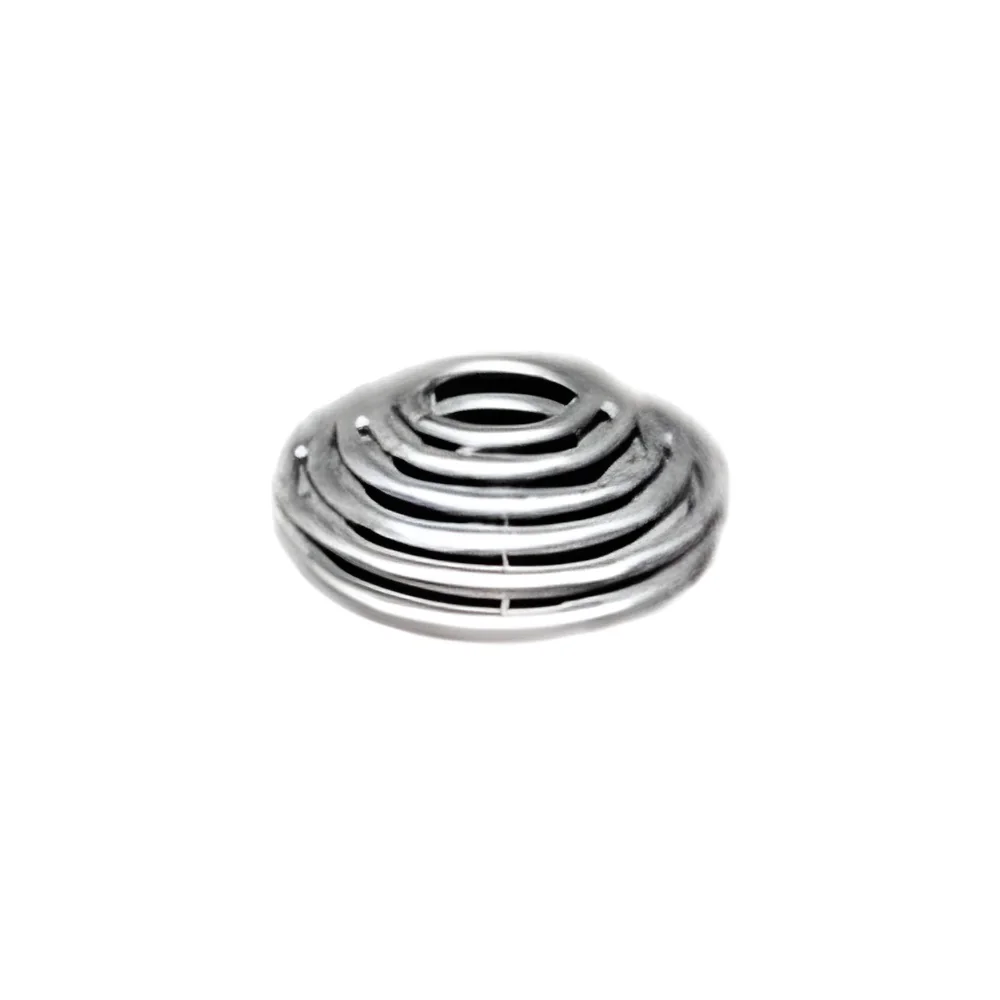
What are Coil Type Heat Exchangers?
Coil type heat exchangers are specialized devices designed to transfer heat between two or more fluids. They utilize a series of coils or tubes through which one fluid flows, allowing heat to be exchanged with another fluid that circulates around the coils. This design maximizes surface area contact and enhances heat transfer efficiency, making it a crucial component in many industrial applications.
These heat exchangers are commonly used in various sectors including HVAC, refrigeration, and chemical processing. They play a vital role in cooling, heating, and temperature regulation processes. Businesses rely on coil type heat exchangers for their efficiency and reliability, ensuring optimal performance in maintaining desired temperatures in systems like chillers, boilers, and air conditioning units.
In the current market, the relevance of coil type heat exchangers is underscored by the growing demand for energy-efficient solutions across industries. As companies seek to reduce energy consumption and improve operational efficiency, these heat exchangers have become integral to their systems. The increasing focus on sustainability and compliance with environmental regulations further supports the need for advanced heat exchange technologies.
Key Features and Specifications
Coil type heat exchangers come with several features and specifications that enhance their performance and applicability. Understanding these attributes is essential for selecting the right model for specific operational needs.
Key specifications include:
1. Material Construction
- Typically made from stainless steel, copper, or aluminum
- Provides corrosion resistance and durability
2. Heat Transfer Area
- Varies based on design and application
- Can be customized to meet specific thermal transfer requirements
3. Fluid Compatibility
- Suitable for various fluids including water, oil, and refrigerants
- Ensures versatility in application across industries
4. Temperature Range
- Can handle a wide temperature range depending on the application
- Specific temperature limits may vary by model
5. Pressure Rating
- Designed to withstand different pressure levels
- Important for ensuring operational safety and efficiency
6. Connection Types
- Available in various connection types such as flanged, threaded, or welded
- Facilitates easy integration into existing systems
7. Size and Dimensions
- Available in multiple sizes to fit diverse installation spaces
- Custom sizes can be provided based on requirements
8. Certification
- Complies with industry standards such as CE
- Ensures reliability and safety in operation
In summary, understanding the features and specifications of coil type heat exchangers is crucial for making informed purchasing decisions. These specifications help businesses align their operational needs with the right equipment.
Common Applications and Use Cases
Coil type heat exchangers are utilized across multiple industries, each having unique applications that benefit from their efficient heat transfer capabilities.
1. HVAC: In heating, ventilation, and air conditioning systems, coil type heat exchangers regulate temperature and humidity, ensuring comfortable indoor environments.
2. Refrigeration: They are essential in refrigeration systems where they help in cooling fluids and maintaining low temperatures for food preservation.
3. Chemical Processing: In chemical plants, these heat exchangers manage heat transfer during reactions and process cooling, enhancing production efficiency.
4. Power Generation: Used in power plants for cooling and heating fluids, coil type heat exchangers contribute to energy efficiency and operational reliability.
5. Pharmaceutical: In the pharmaceutical industry, they are used in processes requiring precise temperature control, ensuring product quality and compliance.
6. Food Processing: They play a crucial role in pasteurization and cooling processes, helping maintain food safety standards.
7. Oil and Gas: In the oil and gas sector, these heat exchangers are used for heat recovery and process cooling, improving energy efficiency.
Product Variants and Subcategories
Coil type heat exchangers come in various designs to accommodate different operational needs. Although specific subcategories are not available, here are common variants based on functionality and application.
Standard Coil Heat Exchanger
This variant is widely used in HVAC applications, featuring a simple design that offers reliable performance in heating and cooling systems.
Finned Coil Heat Exchanger
Designed for enhanced heat transfer, the finned coil variant increases surface area and is ideal for applications requiring efficient thermal exchange.
Compact Coil Heat Exchanger
This variant is designed for limited spaces, providing effective heat transfer while maintaining a smaller footprint, suitable for residential and commercial systems.
Modular Coil Heat Exchanger
Offering flexibility, modular designs allow for easy scaling of heat exchange capacity based on specific project requirements.
Benefits and Advantages
Coil type heat exchangers offer several benefits that enhance operational efficiency and performance. These advantages make them a preferred choice in many industrial applications.
1. High Efficiency: They provide superior heat transfer capabilities, improving overall system performance and energy use.
2. Compact Design: Their design allows for easy integration into existing systems, saving space and installation costs.
3. Versatility: Applicable in various industries, coil type heat exchangers can handle different fluids and temperatures, meeting diverse operational needs.
4. Durability: Made from robust materials, they resist corrosion and wear, ensuring long service life and reliability.
5. Cost-effectiveness: By improving energy efficiency, they help reduce operational costs over time.
6. Easy Maintenance: Their design simplifies maintenance processes, reducing downtime and enhancing productivity.
Buying Guide for B2B Buyers
When sourcing coil type heat exchangers, it is important to consider several key factors to ensure that the selected equipment meets operational requirements.
1. Quality Assessment: Evaluate the quality of materials and construction to ensure durability and reliability. Look for certifications like CE that indicate compliance with industry standards.
2. Supplier Verification: Research and vet suppliers to confirm their credibility and reliability. Check for reviews and ratings from previous customers to ensure a good partnership.
3. Pricing and MOQ: Consider the cost of the heat exchangers and any associated minimum order quantities. Compare prices from different suppliers to find the best value.
4. Delivery and Lead Times: Discuss logistics and expected delivery times with suppliers to ensure timely availability of products. This is critical to maintaining operational schedules.
5. Compliance Requirements: Understand any regional regulations that may apply to the equipment. This includes safety standards and environmental compliance that the heat exchangers must meet.
Compliance and Certifications
Compliance and certifications are crucial elements that ensure coil type heat exchangers meet industry standards and safety requirements. Many manufacturers adhere to quality management systems such as ISO 9001, which guarantees consistency in product quality.
Industry certifications like CE indicate that the products comply with European safety and health regulations. These certifications are vital for ensuring that the heat exchangers are safe for use in various applications.
Additionally, safety and testing requirements must be met to ensure operational reliability. This may include pressure tests and thermal performance assessments. Regional compliance considerations also play a role, as different areas may have specific regulations that manufacturers must follow.
Why Source Coil Type Heat Exchangers from Pepagora?
Pepagora offers a reliable platform for sourcing coil type heat exchangers, providing several key advantages to B2B buyers.
Verified Supplier Network: Pepagora has a robust network of verified suppliers, ensuring that buyers have access to high-quality products from trustworthy manufacturers.
Streamlined RFQ Process: The platform features a simplified request for quotation (RFQ) process that allows buyers to easily obtain competitive prices and specifications from multiple suppliers.
Trade Assurance and Support: Buyers benefit from trade assurance programs that protect their transactions, ensuring that they receive the products they ordered as specified.
Regional Coverage: Pepagora operates across various regions, including India, the GCC, and Southeast Asia, providing a wide geographic reach for buyers looking for coil type heat exchangers.
By choosing Pepagora, businesses can confidently source the right coil type heat exchangers that meet their operational needs while benefiting from a secure and efficient purchasing experience.

 IN
IN