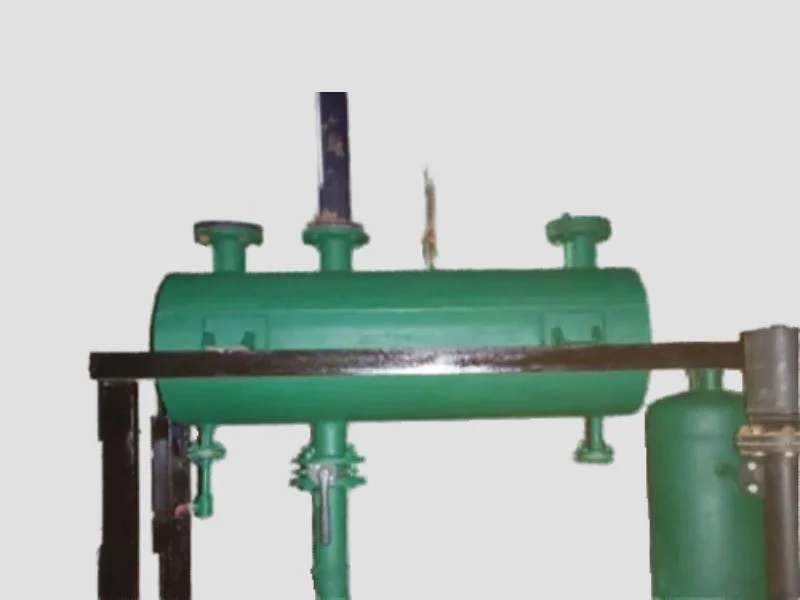
What are Condensate Recovery Units?
Condensate Recovery Units (CRUs) are specialized systems designed to collect, process, and return condensate produced during various industrial processes, particularly in steam systems. These units efficiently capture water vapor that condenses back into liquid form, preventing waste and ensuring that this valuable resource is reused. CRUs are integral in maintaining the efficiency of steam heating systems, reducing energy consumption, and minimizing water treatment costs.
These units find primary applications in industries such as pharmaceuticals, food processing, power generation, and manufacturing. By recovering condensate, businesses can reintegrate this water back into their systems, enhancing overall operational efficiency. This not only leads to cost savings but also supports sustainability initiatives by reducing water waste. As industries increasingly focus on environmental impact and resource conservation, the relevance of condensate recovery units in the market continues to grow.
Key Features and Specifications
Condensate Recovery Units are engineered with a variety of features that optimize their efficiency and functionality. These features include advanced monitoring systems, durable construction, and compliance with industry standards. The specifications of these units can vary widely based on the intended application and operational requirements.
Key specifications include:
1. Capacity
- Determines the volume of condensate processed per hour.
- Typically ranges from 100 to 5,000 liters per hour.
2. Material of Construction
- Composed of corrosion-resistant materials to ensure longevity.
- Common materials include stainless steel and high-grade plastics.
3. Operating Pressure
- Specifies the maximum pressure under which the unit can operate.
- Usually ranges from 0.5 to 10 bar.
4. Temperature Range
- Indicates the operational temperature limits of the unit.
- Data not available.
5. Humidity Control
- Features that manage moisture levels in the system.
- Data not available.
6. Monitoring Features
- Includes sensors and gauges for real-time performance tracking.
- Data not available.
7. Compliance Certifications
- Adheres to relevant industry standards like CE.
- Ensures safety and performance reliability.
In summary, the specifications of Condensate Recovery Units highlight their importance in industrial applications, showcasing their ability to improve efficiency and sustainability.
Common Applications and Use Cases
Condensate Recovery Units serve a range of industries, providing solutions that enhance operational efficiency and resource management.
1. Pharmaceuticals: CRUs are essential in maintaining steam quality for sterilization processes, ensuring that condensate is reused effectively while minimizing waste.
2. Food Processing: These units help recover water used in cooking and cleaning processes, allowing for a more sustainable approach to resource management in food production.
3. Power Generation: In steam power plants, CRUs improve the efficiency of steam cycles by recovering condensate, which can be reused in the generation process.
4. Manufacturing: Various manufacturing processes that utilize steam for heating can benefit from condensate recovery, leading to significant water and energy savings.
5. Chemical Processing: CRUs assist in the recovery of condensate from chemical reactions, improving overall efficiency and reducing the need for fresh water.
Product Variants and Subcategories
Condensate Recovery Units are available in a variety of designs and configurations to meet the diverse needs of different industries.
Compact CRUs: These units are designed for smaller operations where space is limited. They provide efficient condensate recovery without requiring extensive installation space.
High-Capacity CRUs: Suitable for large-scale industrial applications, these units handle significant volumes of condensate, making them ideal for power plants and large manufacturing facilities.
Mobile CRUs: Designed for temporary setups or projects, these units can be easily transported and deployed as needed, providing flexibility for various applications.
Benefits and Advantages
Condensate Recovery Units offer numerous advantages that can significantly enhance operational efficiency.
1. Cost Savings: By recovering and reusing condensate, businesses can reduce water and energy costs, leading to substantial savings over time.
2. Environmental Impact: CRUs contribute to sustainability efforts by minimizing water waste and reducing the carbon footprint associated with energy production.
3. Improved System Efficiency: These units help maintain optimal steam system performance, reducing downtime and increasing productivity.
4. Enhanced Resource Management: CRUs allow for more effective management of water resources, essential in industries facing stringent water usage regulations.
5. Compliance Assurance: Utilizing certified CRUs ensures adherence to industry standards, enhancing safety and reliability in operations.
Buying Guide for B2B Buyers
When sourcing Condensate Recovery Units, several factors should be taken into consideration to ensure the right fit for your operational needs.
1. Quality Assessment: Look for units that meet industry standards and have undergone rigorous testing to ensure reliability and performance.
2. Supplier Verification: Vet suppliers thoroughly by checking for certifications, customer reviews, and their track record in the industry to ensure you are working with a reputable source.
3. Pricing and MOQ: Consider the pricing structure and minimum order quantities. Ensure that the cost aligns with your budget and that the supplier can meet your volume requirements.
4. Delivery and Lead Times: Discuss logistics with suppliers to understand lead times and ensure that delivery schedules align with your operational timelines.
5. Compliance Requirements: Identify any regulatory standards that the units must meet in your industry and ensure that the suppliers can provide documentation of compliance.
Compliance and Certifications
Condensate Recovery Units are subject to various quality standards and certifications, ensuring they meet industry requirements for safety and performance.
Relevant quality standards include ISO 9001, which focuses on quality management systems and continuous improvement. Adherence to this standard helps ensure that the units are produced consistently and meet customer expectations.
Industry certifications, such as CE, indicate that the products comply with European safety and health requirements. This certification is crucial for businesses looking to operate within or export to the European market.
Testing requirements also play a significant role in ensuring that CRUs function as intended. Regular safety evaluations and performance tests are necessary to maintain compliance with industry standards.
Regional compliance considerations may vary, so it is essential to stay informed about local regulations that could affect the use and installation of condensate recovery units.
Why Source Condensate Recovery Units from Pepagora?
Pepagora offers a reliable platform for sourcing Condensate Recovery Units, providing several key advantages that streamline the purchasing process.
Verified Supplier Network: Pepagora connects buyers with a vetted network of suppliers who have proven their reliability and quality. This ensures that businesses can source high-quality units with confidence.
Streamlined RFQ Process: The platform simplifies the request for quotation process, allowing buyers to receive competitive quotes from multiple suppliers quickly. This efficiency saves time and effort in sourcing.
Trade Assurance and Support: Pepagora provides buyer protection through trade assurance programs, ensuring that transactions are secure and that buyers receive support throughout the purchasing process.
Regional Coverage: With a strong presence in regions like India, the GCC, and Southeast Asia, Pepagora enables businesses to find local suppliers, enhancing logistics and communication for successful procurement.

 IN
IN