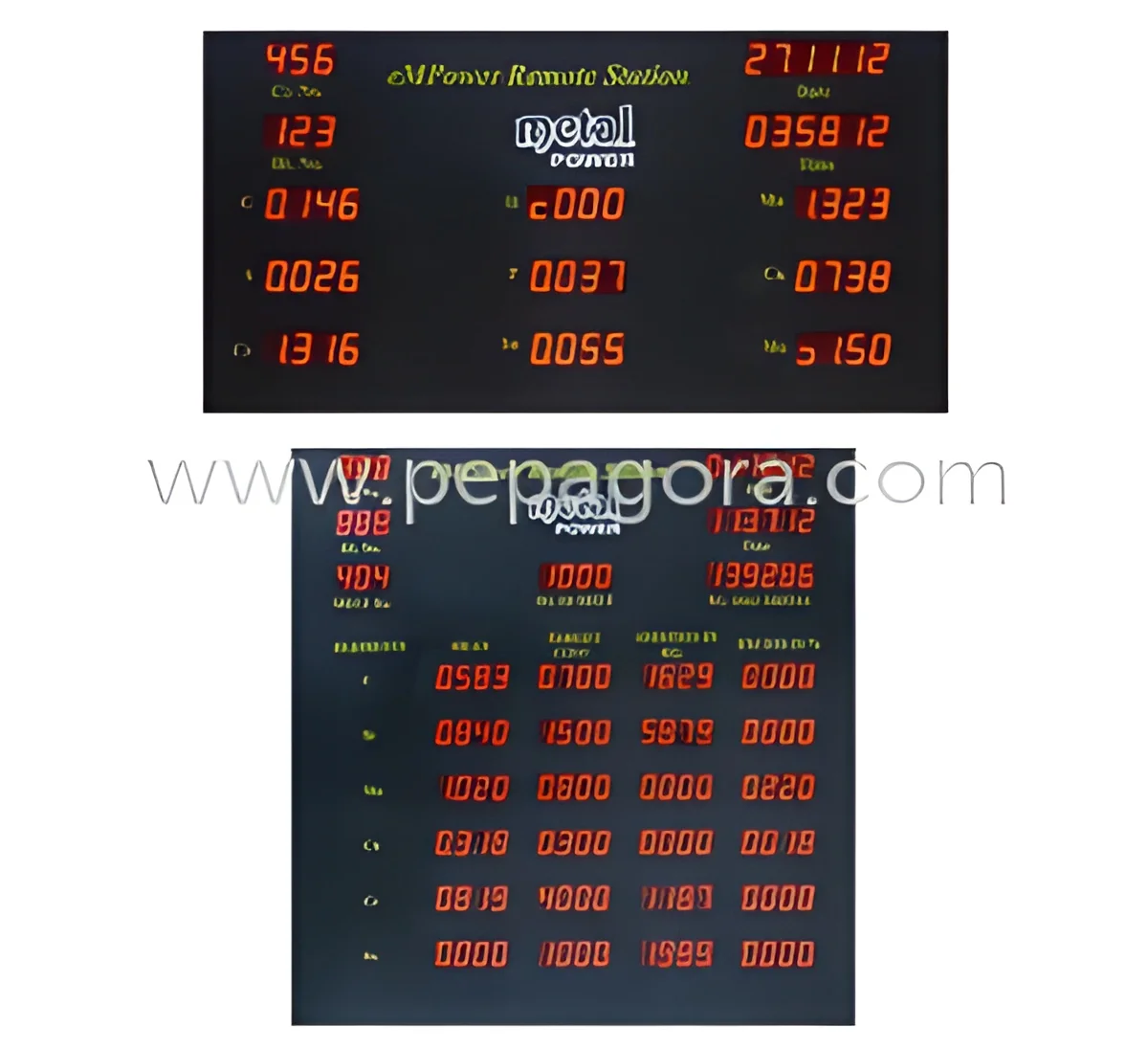
What are SCADA for Boiler Rooms?
SCADA, or Supervisory Control and Data Acquisition, for boiler rooms refers to the integrated system designed to monitor and control the various functions of boiler operations. This technology allows operators to oversee critical parameters such as pressure, temperature, and flow rate in real-time. By utilizing a centralized interface, SCADA systems enable efficient management of boiler performance, enhancing safety and operational efficiency.
The primary uses of SCADA in boiler rooms encompass automation, monitoring, and data collection. Businesses employ these systems to streamline operations, reduce manual labor, and minimize human error. SCADA systems also support predictive maintenance, helping organizations to anticipate and address issues before they escalate, ultimately reducing downtime and maintenance costs.
In the context of market relevance, SCADA for boiler rooms is essential in industries where steam generation and heating are critical, such as manufacturing, energy production, and food processing. As industries increasingly adopt automation and connectivity, the demand for robust SCADA solutions continues to grow, positioning these systems as vital components in modern industrial infrastructure.
Key Features and Specifications
SCADA systems for boiler rooms come equipped with a range of features that enhance monitoring, control, and data analysis capabilities. These features contribute to improved productivity and safety in boiler operations.
Key specifications include:
1. Real-time Monitoring
- Allows continuous observation of boiler parameters
- Supports immediate response to abnormal conditions
2. Historical Data Logging
- Captures historical performance data for analysis
- Facilitates compliance reporting and audits
3. Alarm Management
- Provides alerts for critical parameter deviations
- Enables quick action to prevent system failures
4. User-friendly Interface
- Simplifies navigation for operators
- Enhances accessibility to system controls
5. Remote Access
- Allows off-site monitoring and control
- Supports management flexibility
6. Integration Capabilities
- Compatible with existing industrial control systems
- Facilitates seamless data exchange
7. Scalability
- Adaptable to various boiler sizes and configurations
- Supports future expansion as operational needs grow
8. Data Security Features
- Protects sensitive operational data
- Ensures compliance with cybersecurity standards
In summary, SCADA systems provide comprehensive monitoring and control features that significantly enhance the functionality and reliability of boiler room operations.
Common Applications and Use Cases
SCADA for boiler rooms serves a variety of industries, enabling efficient management of steam and heating systems.
1. Manufacturing: In manufacturing, SCADA systems optimize boiler operations, ensuring consistent steam supply for production processes while minimizing energy consumption.
2. Energy Production: Power plants utilize SCADA to monitor boiler performance, enhancing efficiency in electricity generation and maintaining regulatory compliance.
3. Food Processing: In the food industry, SCADA systems regulate heating processes, ensuring food safety and quality while managing energy use.
4. Pharmaceuticals: SCADA solutions help maintain critical temperature and pressure conditions in boiler systems, which are essential for manufacturing pharmaceuticals safely.
5. Chemical Processing: In this sector, SCADA systems provide precise control over boiler operations, essential for maintaining reaction conditions and safety.
6. District Heating: SCADA enables the efficient management of boiler systems that supply heating to multiple buildings, optimizing energy distribution.
7. Textile Industry: Boiler systems in textile manufacturing rely on SCADA for consistent steam supply, crucial for dyeing and finishing processes.
Product Variants and Subcategories
While specific product variants for SCADA systems for boiler rooms are not available, the diversity of applications allows for tailored solutions to meet specific industry needs.
Web-based SCADA Systems: These systems offer cloud-based monitoring and control, allowing remote access and centralized data management for multiple boiler rooms.
Integrated SCADA Solutions: Combining SCADA with other industrial automation technologies, these systems provide comprehensive oversight of entire manufacturing processes, including boiler operations.
Mobile SCADA Applications: Designed for on-the-go monitoring, these applications empower operators to manage boiler systems from mobile devices, improving responsiveness.
Benefits and Advantages
SCADA for boiler rooms presents several benefits that enhance operational efficiency and safety.
1. Improved Efficiency: SCADA systems streamline boiler operations, reducing energy consumption and optimizing performance.
2. Enhanced Safety: Real-time monitoring and alarm systems help prevent accidents by allowing prompt responses to potentially hazardous conditions.
3. Reduced Downtime: Predictive maintenance capabilities allow for timely interventions, minimizing unscheduled outages and associated costs.
4. Comprehensive Data Analysis: Access to historical data enables informed decision-making and continuous improvement in boiler operations.
5. Regulatory Compliance: SCADA systems assist in meeting safety and environmental regulations, ensuring compliance and reducing legal risks.
6. Increased Operational Flexibility: The ability to monitor and control systems remotely provides operational flexibility, allowing for adjustments based on real-time data.
Buying Guide for B2B Buyers
When sourcing SCADA for boiler rooms, several factors warrant consideration to ensure optimal selection.
1. Quality Assessment: Evaluate the quality of SCADA systems by reviewing certifications and compliance with industry standards. High-quality systems should meet recognized standards such as ISO 9001 and CE certification.
2. Supplier Verification: Conduct thorough background checks on suppliers to ensure reliability and quality in their offerings. Look for established suppliers with a proven track record in the industry.
3. Pricing and MOQ: Analyze pricing structures and minimum order quantities (MOQ) to align with budget and operational needs. Request detailed quotes to understand the total cost of ownership.
4. Delivery and Lead Times: Confirm delivery schedules and lead times to ensure timely implementation of SCADA systems, which is crucial for smooth operations.
5. Compliance Requirements: Understand the specific regulatory and compliance requirements for your industry and ensure the SCADA system can meet these obligations.
Compliance and Certifications
Compliance and certifications play a critical role in ensuring that SCADA systems for boiler rooms meet industry standards and regulations.
Many SCADA systems adhere to quality standards such as ISO 9001, which focuses on ensuring consistent quality management practices. This certification is essential for industries where safety and reliability are paramount.
In addition, compliance with HACCP (Hazard Analysis and Critical Control Points) is crucial for food processing and pharmaceutical industries, ensuring that processes are safe and effective.
CE certification is also relevant, indicating that the product meets EU safety, health, and environmental protection standards. This certification is essential for products marketed in European markets.
Furthermore, safety and testing requirements must be clearly defined, ensuring that systems are rigorously tested for reliability and safety standards. Regional compliance considerations should also be taken into account, as specific regulations may apply based on geographic location and industry requirements.
Why Source SCADA for Boiler Rooms from Pepagora?
Pepagora provides a trusted platform for sourcing SCADA for boiler rooms, offering several key advantages to B2B buyers.
Verified Supplier Network: Pepagora ensures that all suppliers in their network are thoroughly vetted for quality and reliability. This verification process helps buyers make informed decisions based on supplier credentials and product quality.
Streamlined RFQ Process: The platform features a user-friendly request-for-quotation (RFQ) system that simplifies the procurement process. Buyers can easily request quotes from multiple suppliers, facilitating comparison and selection.
Trade Assurance and Support: Pepagora offers trade assurance, providing buyers with protection throughout the purchasing process. This support includes assistance with disputes and ensuring that products meet specifications.
Regional Coverage: With a strong presence in India, the GCC, and Southeast Asia, Pepagora provides extensive regional coverage, enabling buyers to source SCADA systems that meet local requirements and preferences. This geographic reach enhances accessibility and responsiveness to market needs.

 IN
IN