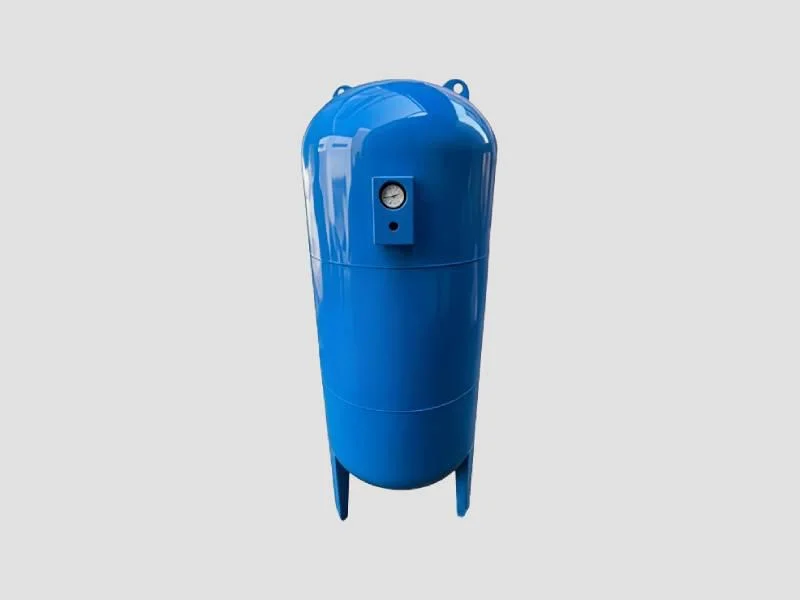
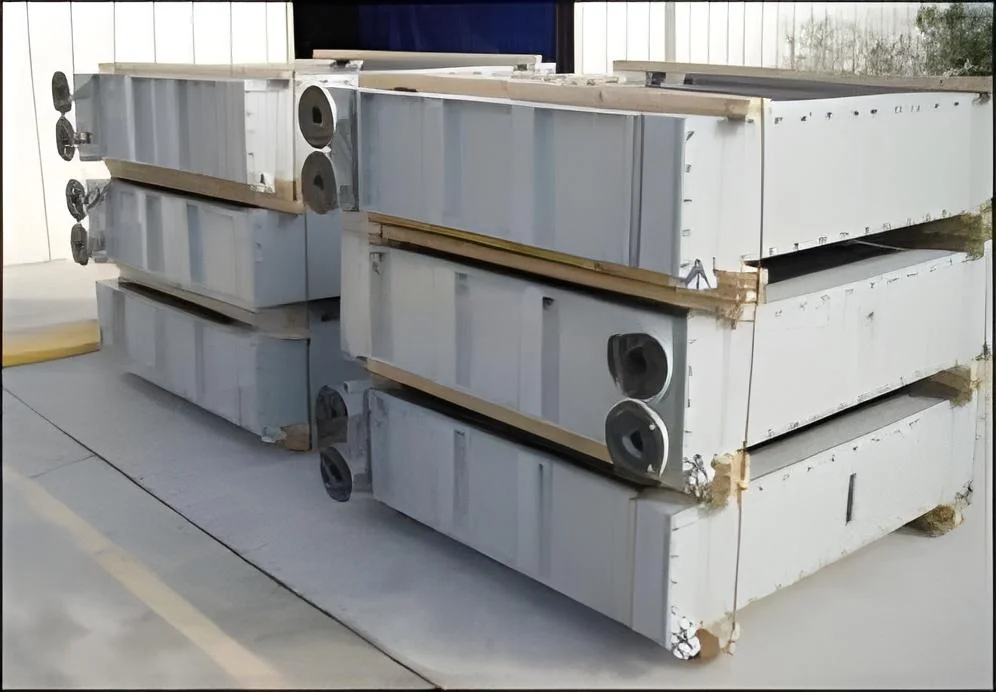
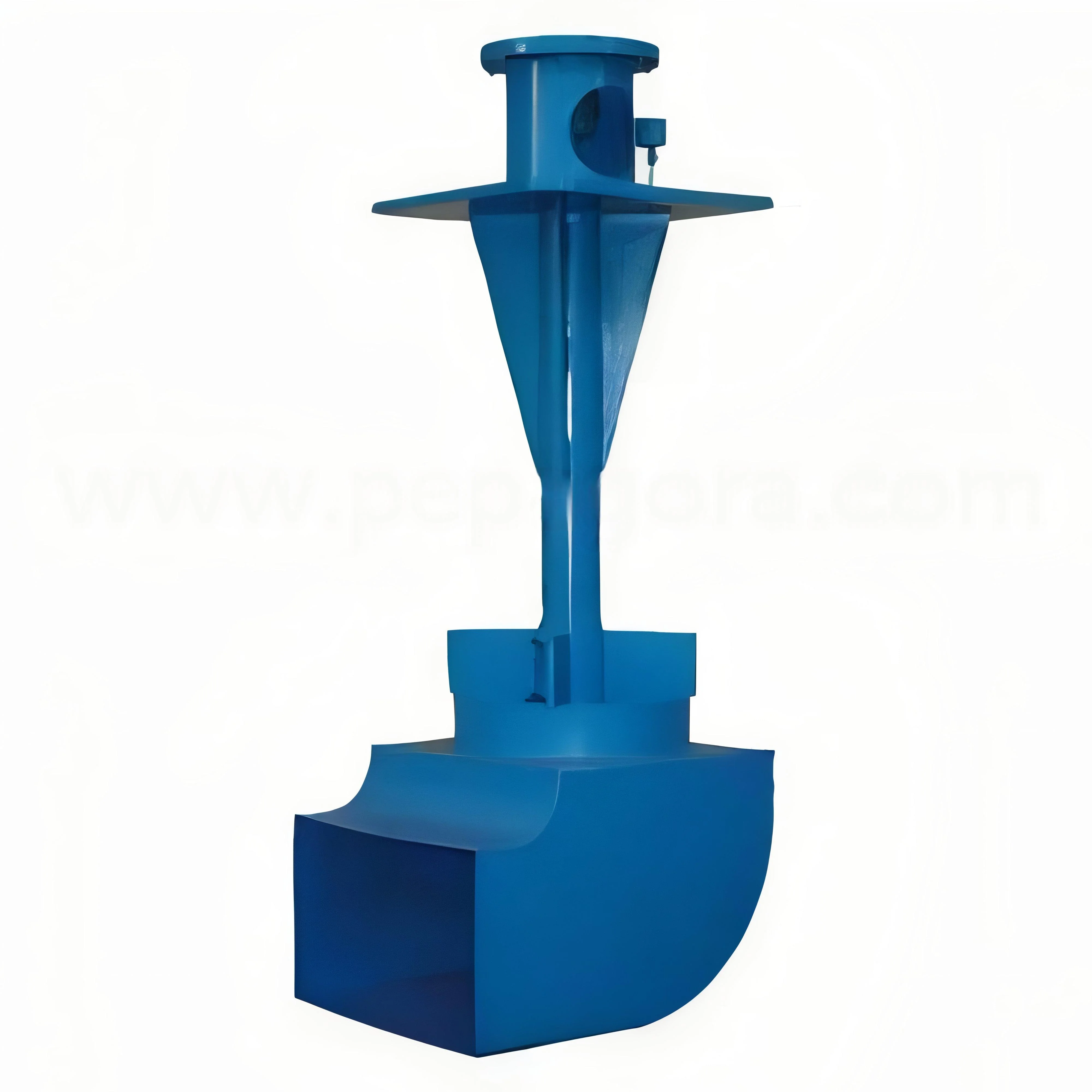
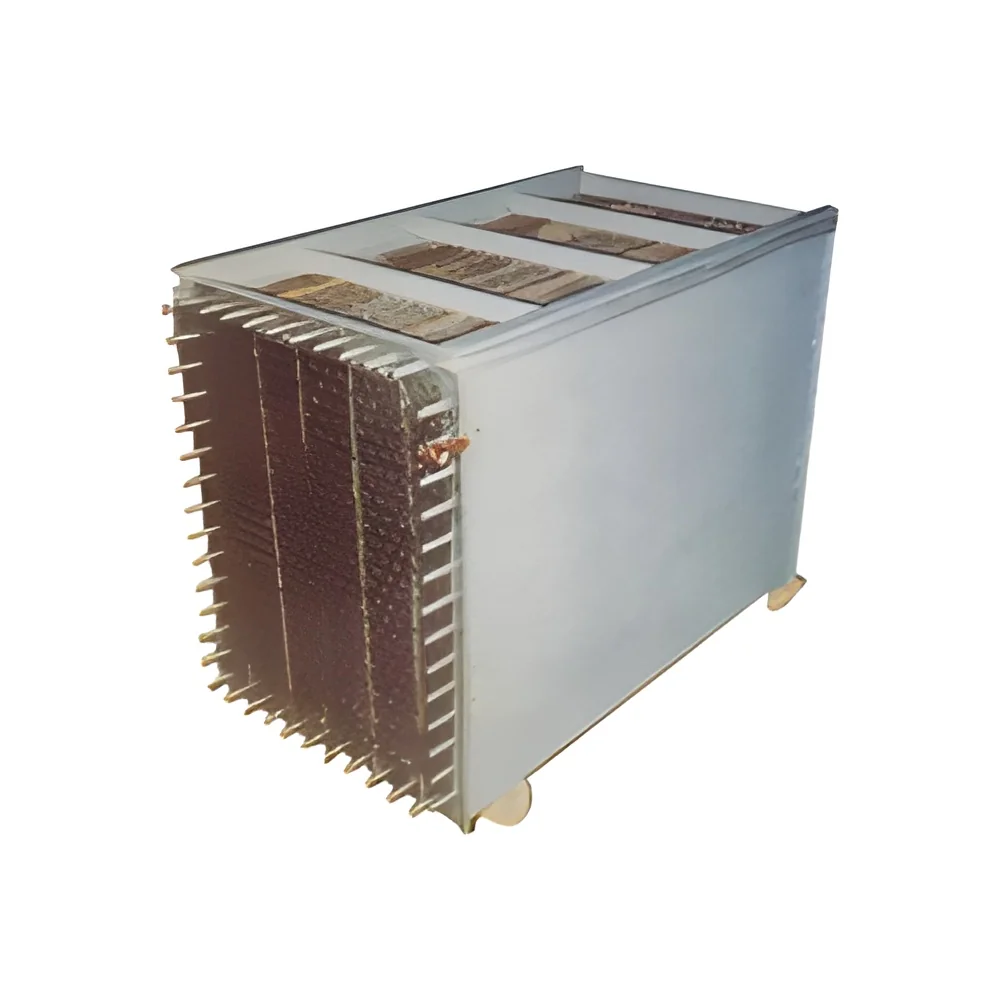
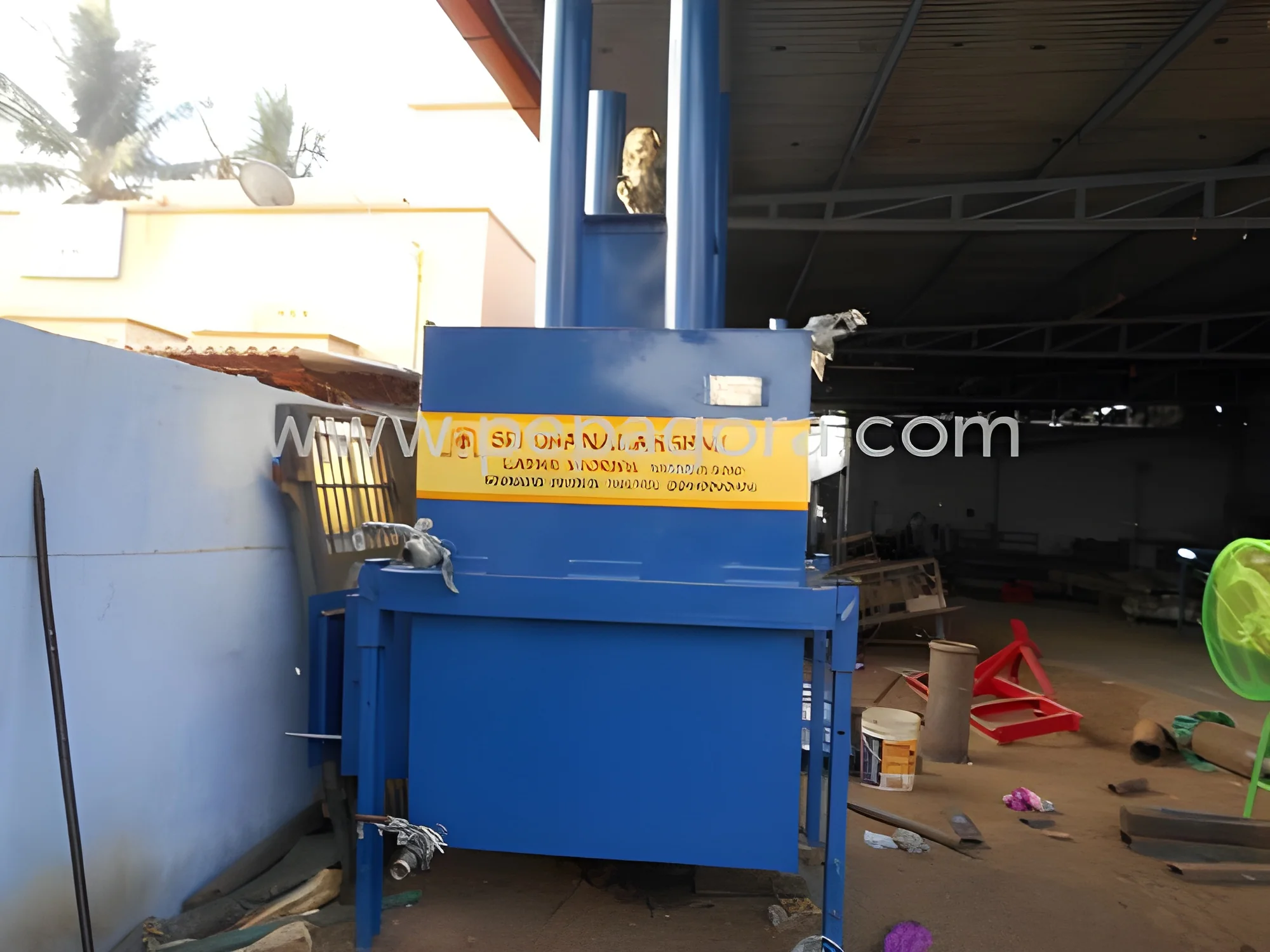
𝗪𝗵𝗮𝘁 𝗮𝗿𝗲 𝗕𝗼𝗶𝗹𝗲𝗿𝘀 & 𝗛𝗲𝗮𝘁 𝗘𝘅𝗰𝗵𝗮𝗻𝗴𝗲𝗿𝘀?
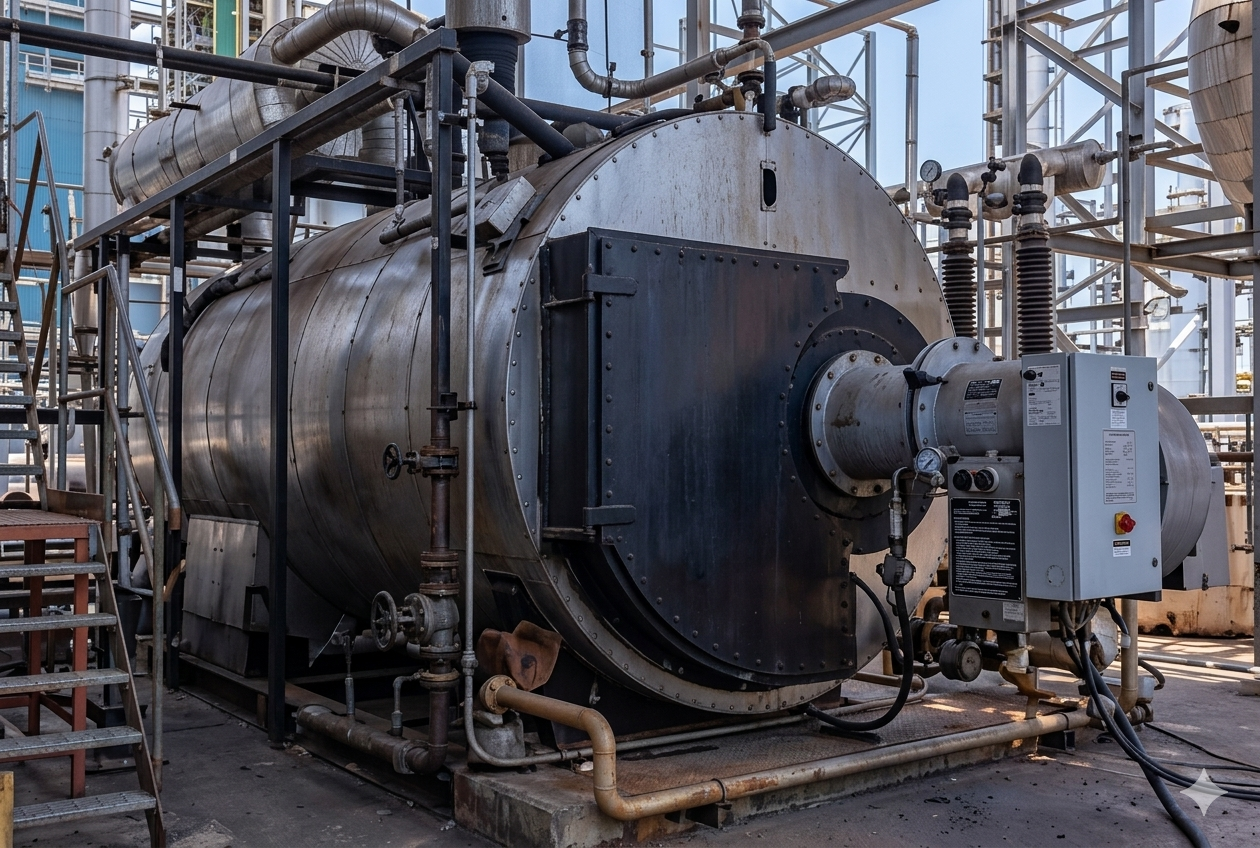
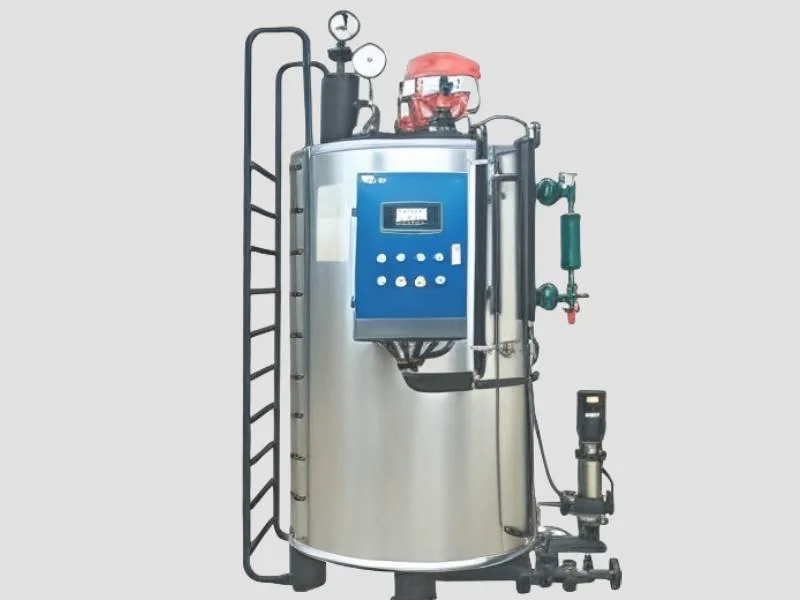
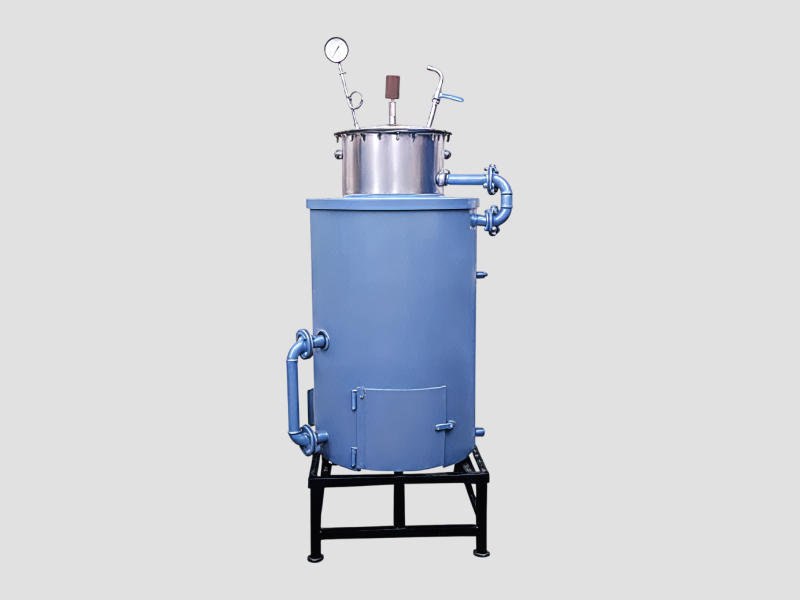
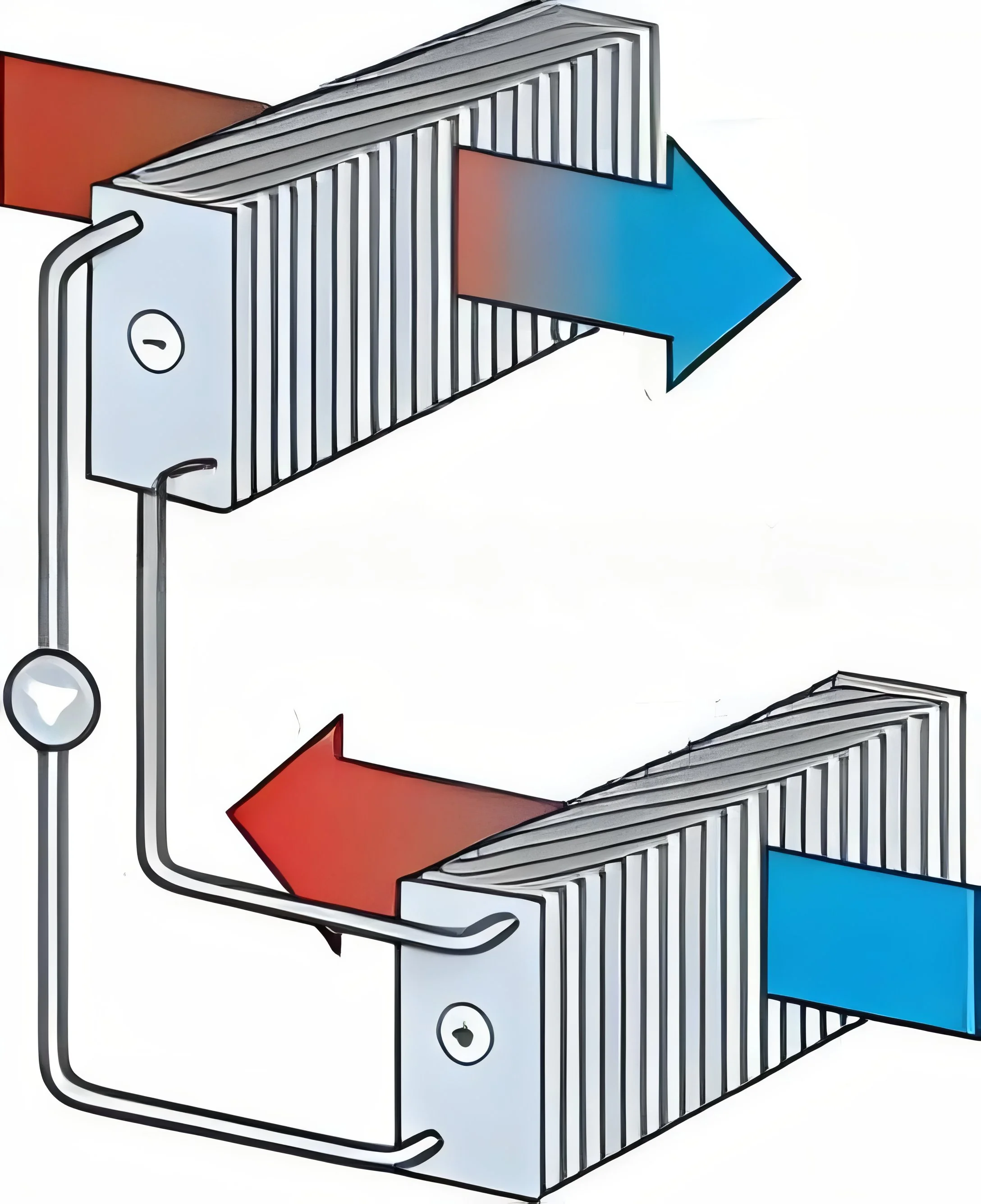
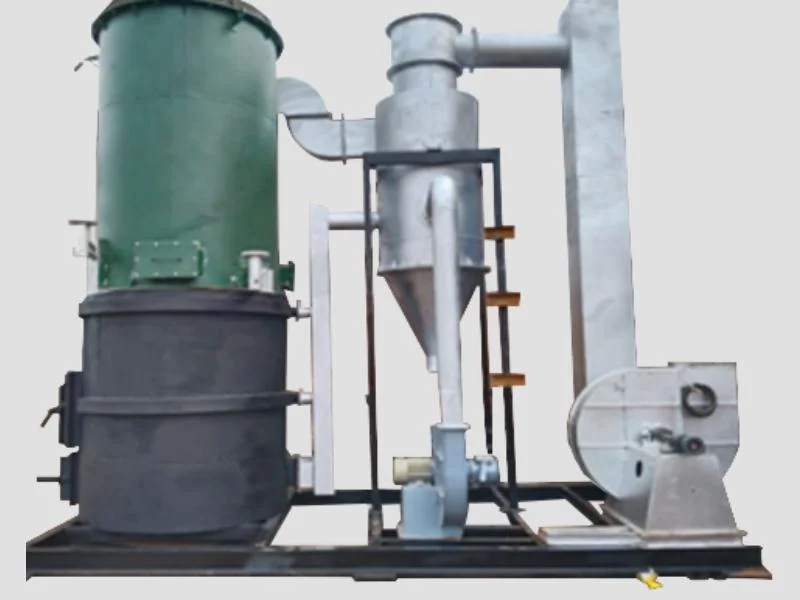
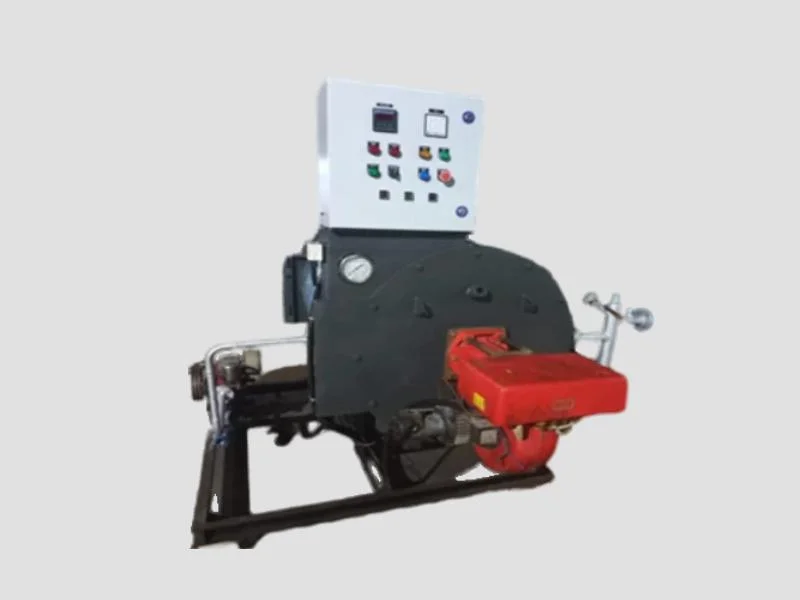
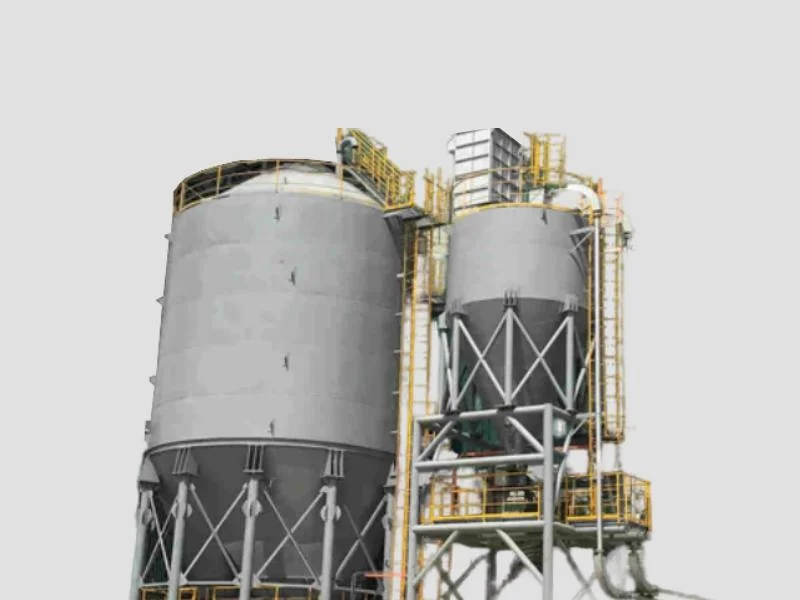
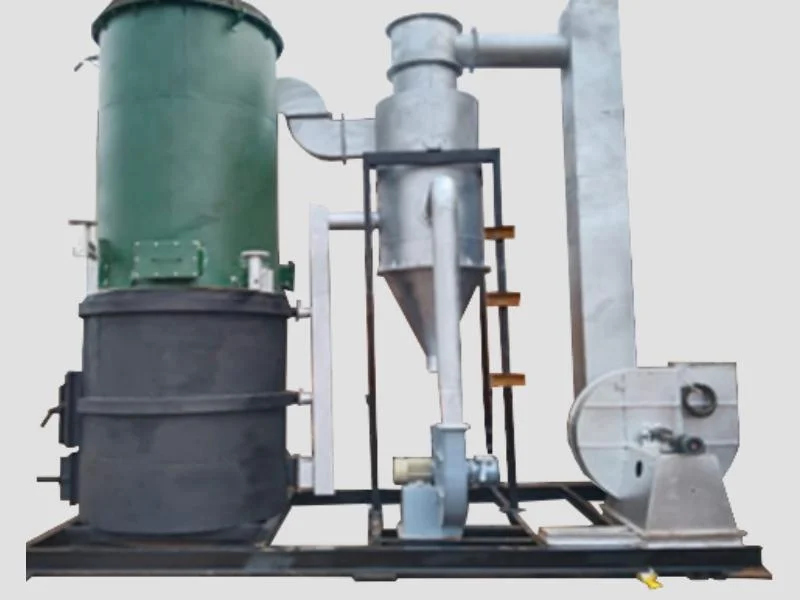
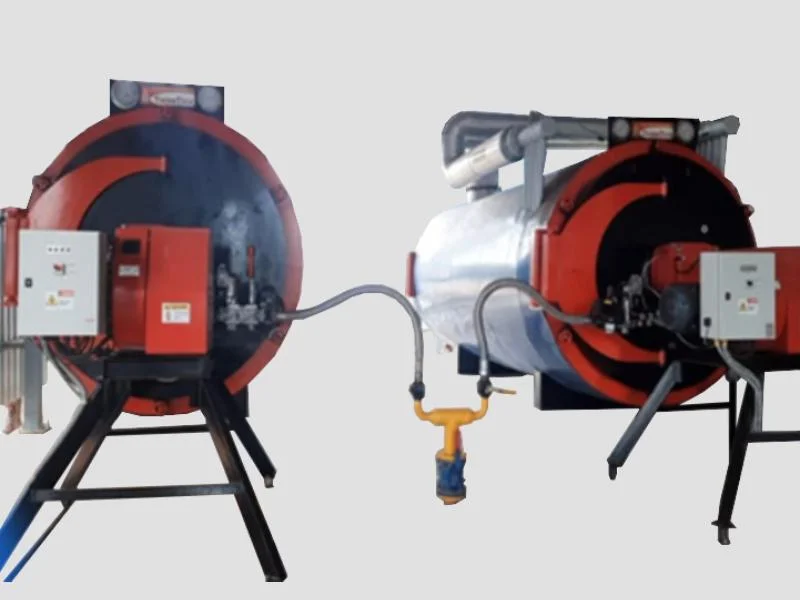
Boilers and heat exchangers are essential components in various industrial processes, primarily used for heating and transferring thermal energy. A boiler generates steam or hot water by heating a fluid, usually water, using fuel or electricity. Heat exchangers, on the other hand, facilitate the transfer of heat between two or more fluids without mixing them. Both devices are crucial for improving energy efficiency and maintaining optimal temperatures in industrial applications.
These products find extensive applications across several sectors, including manufacturing, food processing, pharmaceuticals, and energy production. They are vital for processes such as heating, cooling, and steam generation, which support operations like power generation, chemical processing, and HVAC systems. As industries increasingly focus on energy efficiency and sustainability, the demand for advanced boilers and heat exchangers continues to rise, highlighting their relevance in today's market.
The global market for boilers and heat exchangers is influenced by factors such as technological advancements, regulatory policies, and energy efficiency initiatives. Industries are seeking innovative solutions that minimize environmental impact while maximizing performance, making these products integral to modern industrial operations.
𝗞𝗲𝘆 𝗙𝗲𝗮𝘁𝘂𝗿𝗲𝘀 𝗮𝗻𝗱 𝗦𝗽𝗲𝗰𝗶𝗳𝗶𝗰𝗮𝘁𝗶𝗼𝗻𝘀
Boilers and heat exchangers come with a variety of features and specifications that enhance their performance and adaptability in different industrial settings. When selecting these systems, it is crucial to understand their technical capabilities and operational parameters.
Key specifications include:
1. Capacity
- Indicates the amount of steam or hot water generated per hour.
- Measured in kilowatts (kW) or pounds per hour (lb/h).
2. Efficiency
- Refers to the ratio of useful energy output to energy input.
- Expressed as a percentage, with higher values indicating better performance.
3. Pressure Rating
- Represents the maximum operating pressure of the boiler or heat exchanger.
- Commonly measured in pounds per square inch (psi) or bar.
4. Material Construction
- Typically made from steel, stainless steel, or other alloys.
- Affects durability and suitability for specific applications.
5. Heat Transfer Area
- The surface area available for heat exchange.
- Larger areas enhance heat transfer efficiency.
6. Fuel Type
- Indicates the type of fuel used, such as natural gas, oil, or biomass.
- Affects operational costs and environmental impact.
7. Compliance Standards
- Adheres to industry standards such as CE certification.
- Ensures safety and reliability in operations.
8. Control Systems
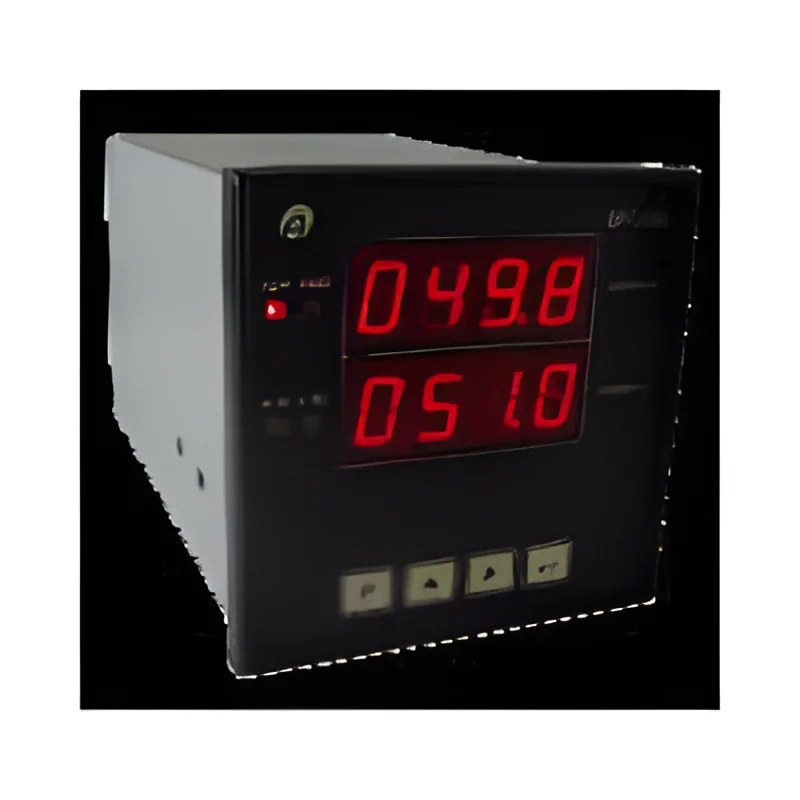
- Involves advanced monitoring and automation technologies.
- Enhances operational efficiency and safety.
In summary, understanding these specifications is crucial for selecting the appropriate boiler or heat exchanger for specific industrial needs.
𝗖𝗼𝗺𝗺𝗼𝗻 𝗔𝗽𝗽𝗹𝗶𝗰𝗮𝘁𝗶𝗼𝗻𝘀 𝗮𝗻𝗱 𝗨𝘀𝗲 𝗖𝗮𝘀𝗲𝘀
Boilers and heat exchangers are utilized in a wide range of industries, each with unique applications that underscore their versatility and importance.
1. Manufacturing: These products are essential for providing steam and hot water for processes like sterilization, drying, and heating in various manufacturing plants.
2. Food Processing: In the food industry, boilers are used for cooking, pasteurization, and cleaning, while heat exchangers facilitate temperature control during production.
3. Pharmaceuticals: Boilers and heat exchangers are critical in maintaining sterile environments and ensuring precise temperature control during drug manufacturing.
4. Power Generation: These systems play a vital role in generating steam for turbines in power plants, aiding in the efficiency of electricity production.
5. HVAC Systems: Boilers provide heating for commercial and residential spaces, while heat exchangers are used in cooling systems to enhance energy efficiency.
6. Chemical Processing: In chemical plants, boilers and heat exchangers are used for heating reactants and recovering heat from exothermic reactions.
7. Oil and Gas: These products are employed in various processes such as refining and extraction, where heat management is crucial.
𝗣𝗿𝗼𝗱𝘂𝗰𝘁 𝗩𝗮𝗿𝗶𝗮𝗻𝘁𝘀 𝗮𝗻𝗱 𝗦𝘂𝗯𝗰𝗮𝘁𝗲𝗴𝗼𝗿𝗶𝗲𝘀
Boilers and heat exchangers are available in diverse variants to cater to specific industry needs and applications. This diversity allows businesses to select the most suitable option based on their operational requirements.
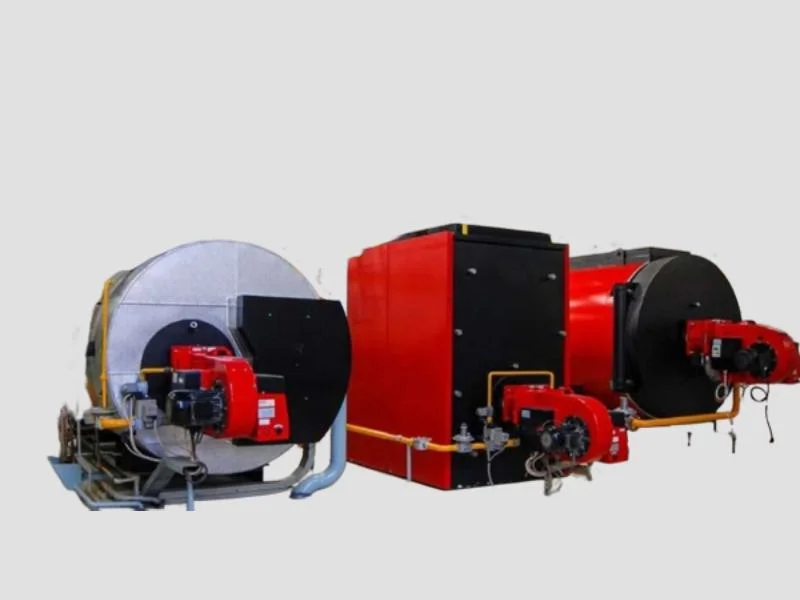
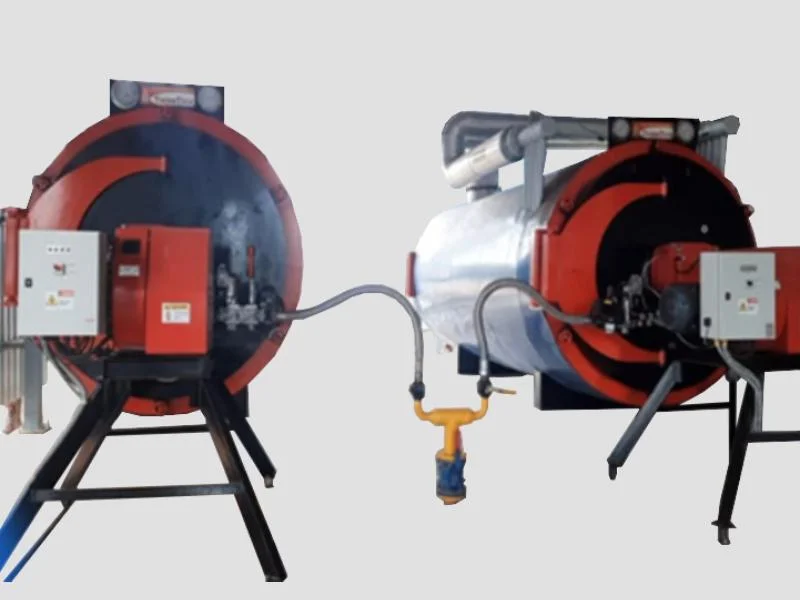
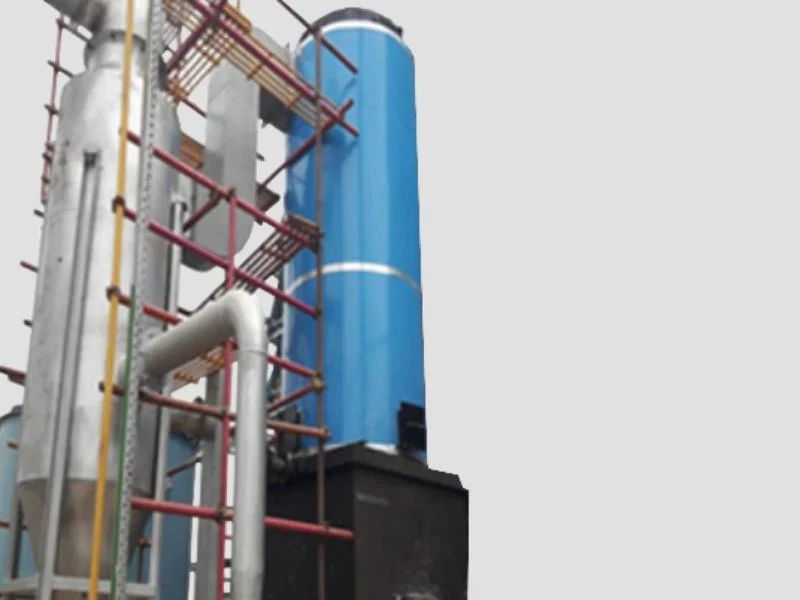
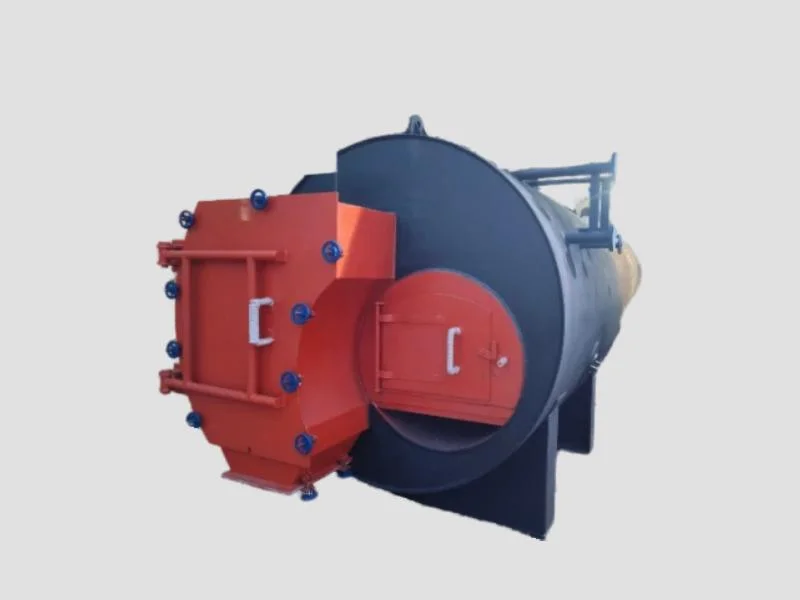
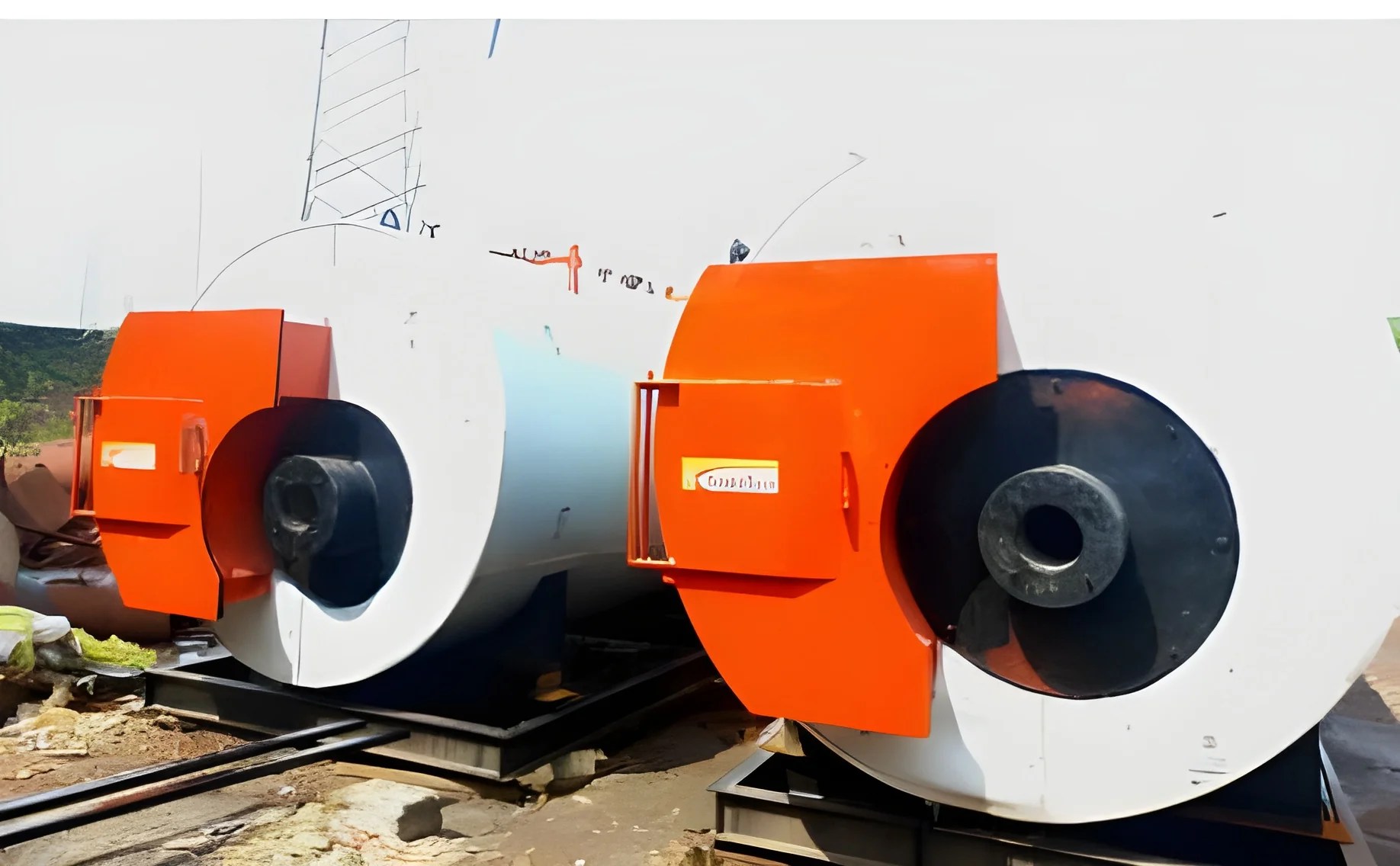
Fire-Tube Boiler: This type of boiler consists of a series of tubes through which hot gases pass, heating the water surrounding them. It is known for its robustness and efficiency in producing steam.
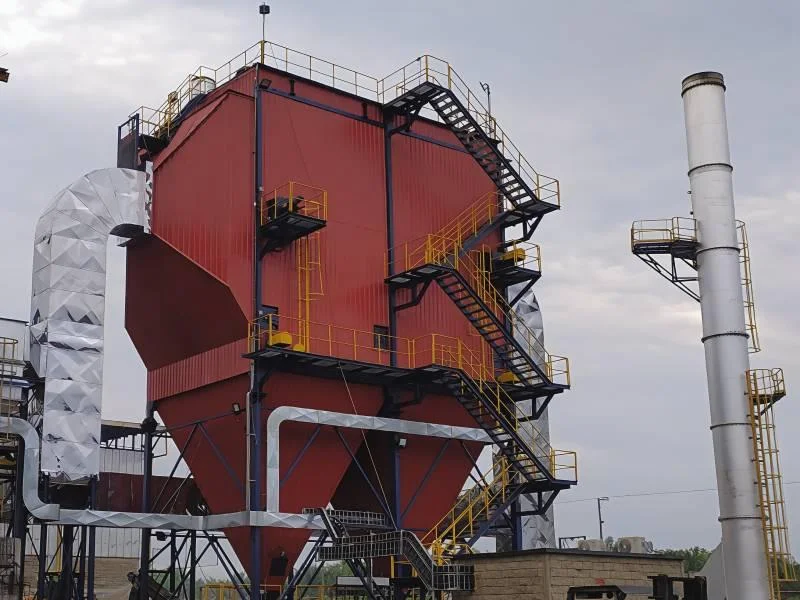
Water-Tube Boiler: In this design, water flows through tubes heated by combustion gases. This variant is typically used in high-pressure applications due to its ability to handle higher temperatures and pressures.
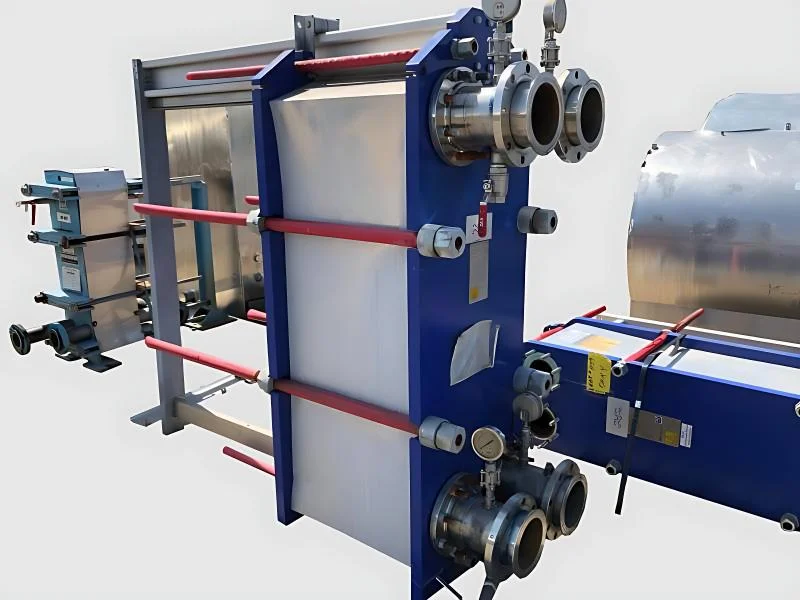
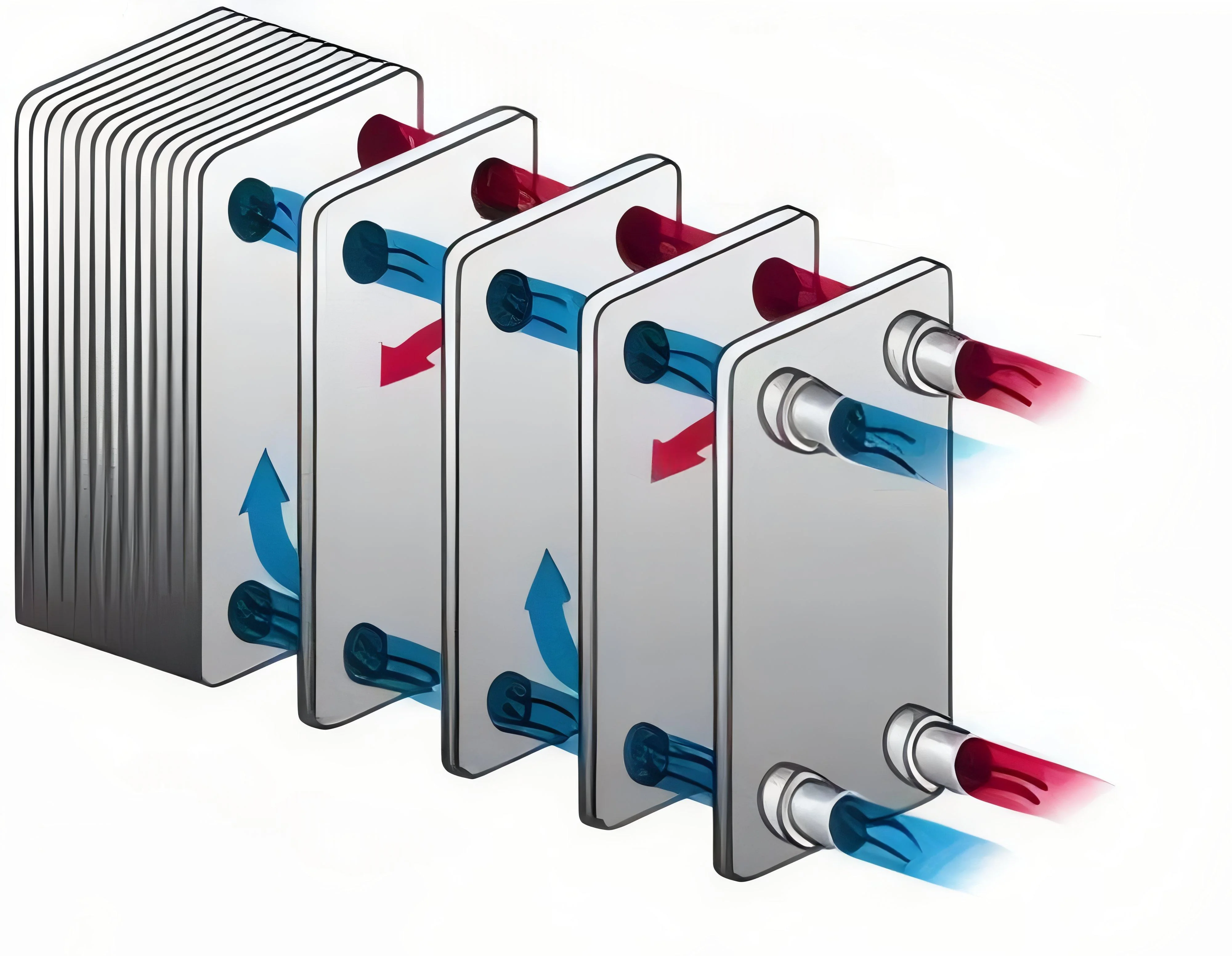
Plate Heat Exchanger: This compact design utilizes plates to transfer heat between fluids, providing excellent thermal efficiency and space savings, making it ideal for food and beverage processing.
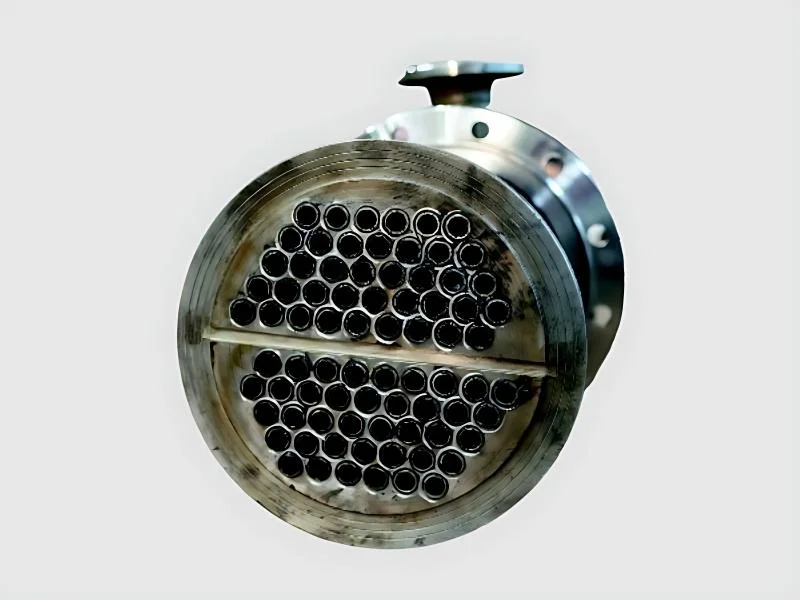
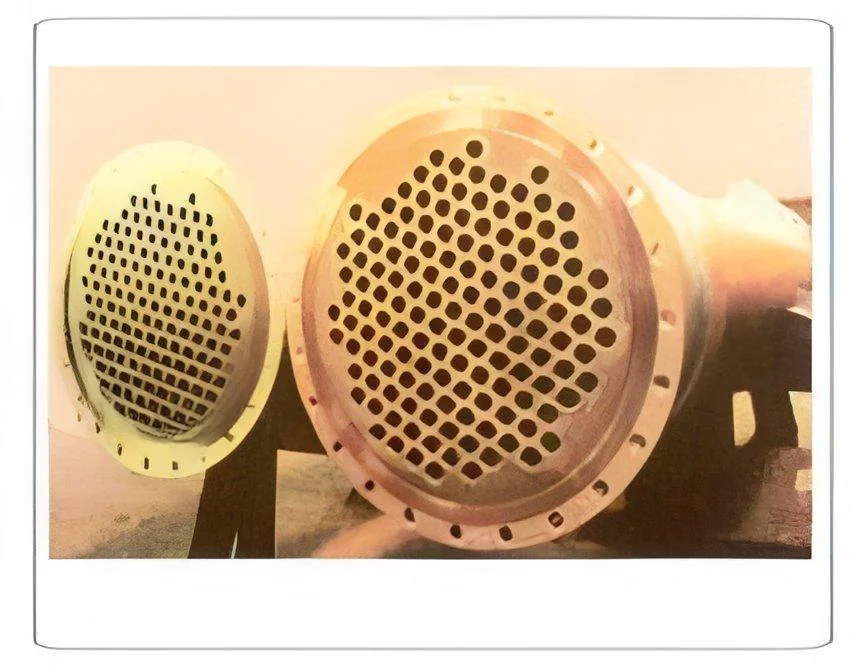
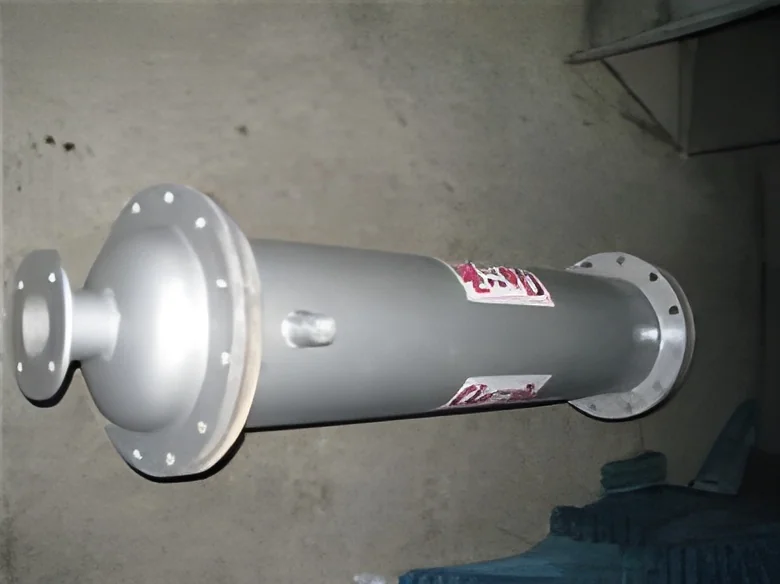
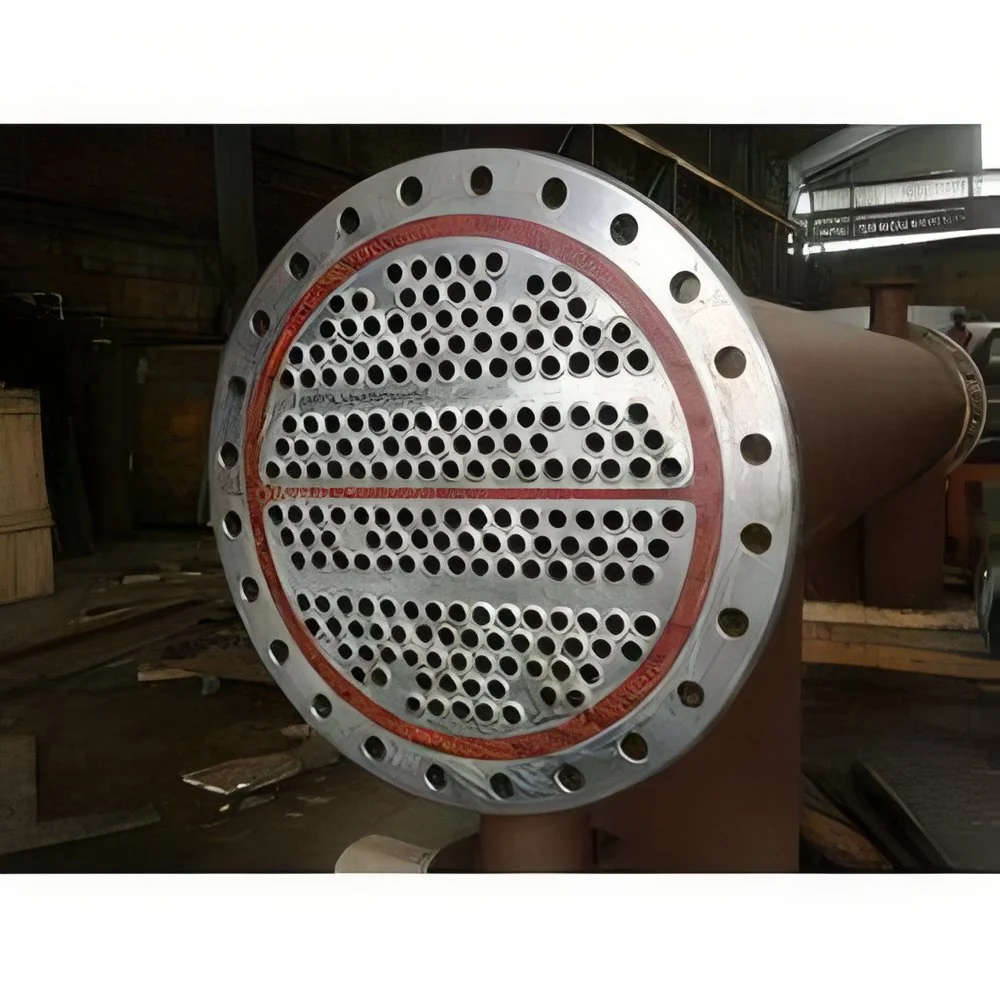
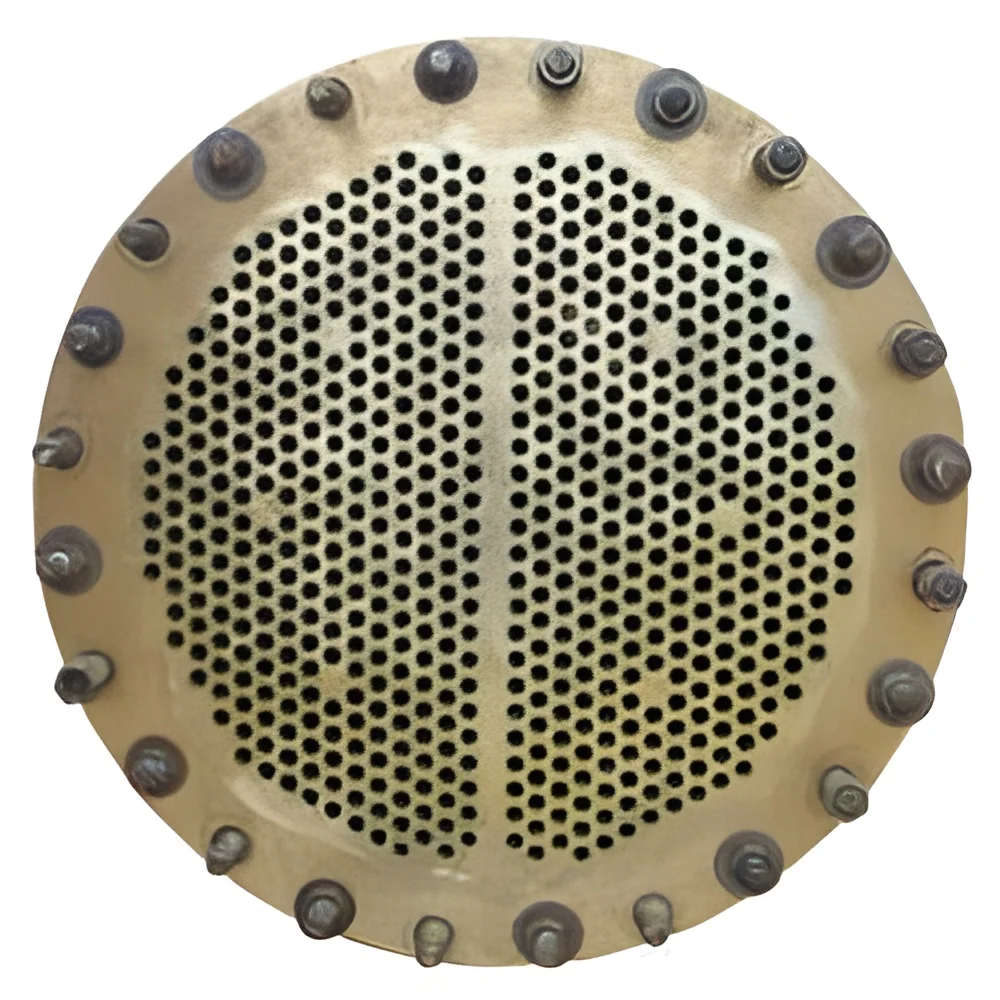
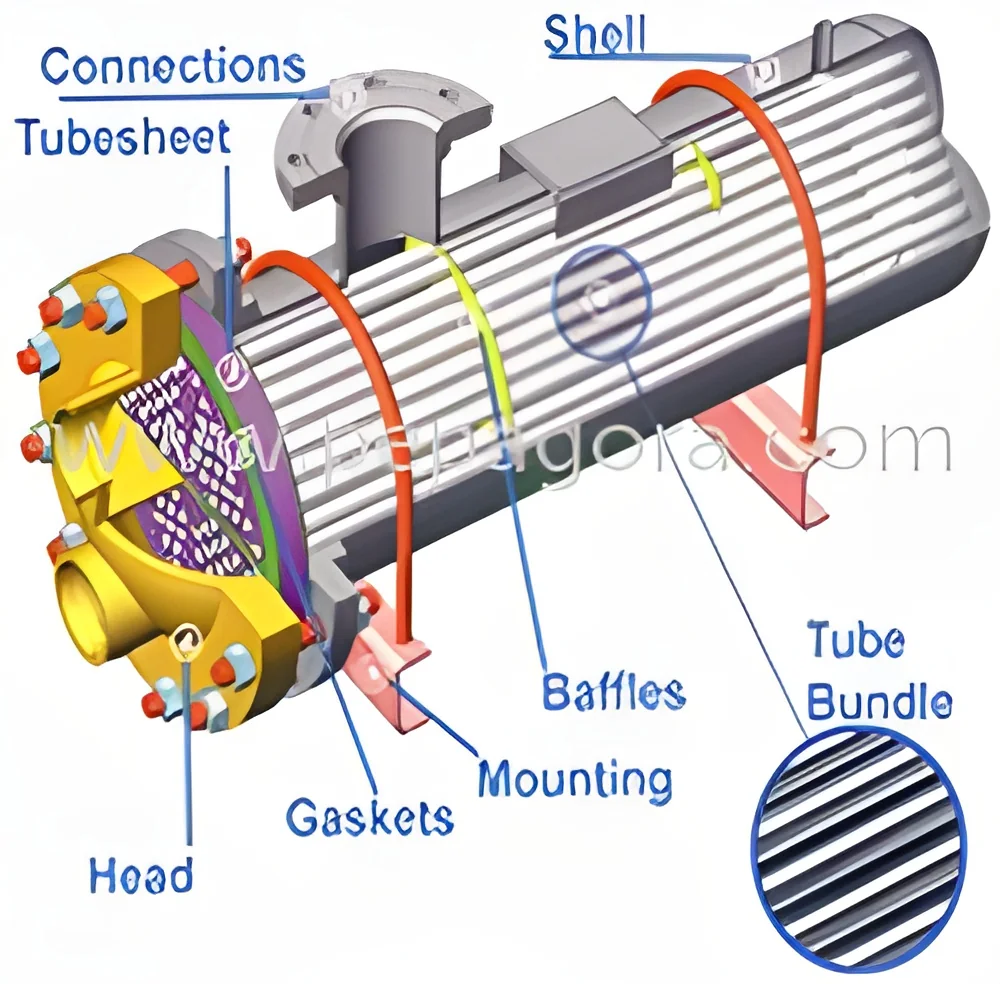
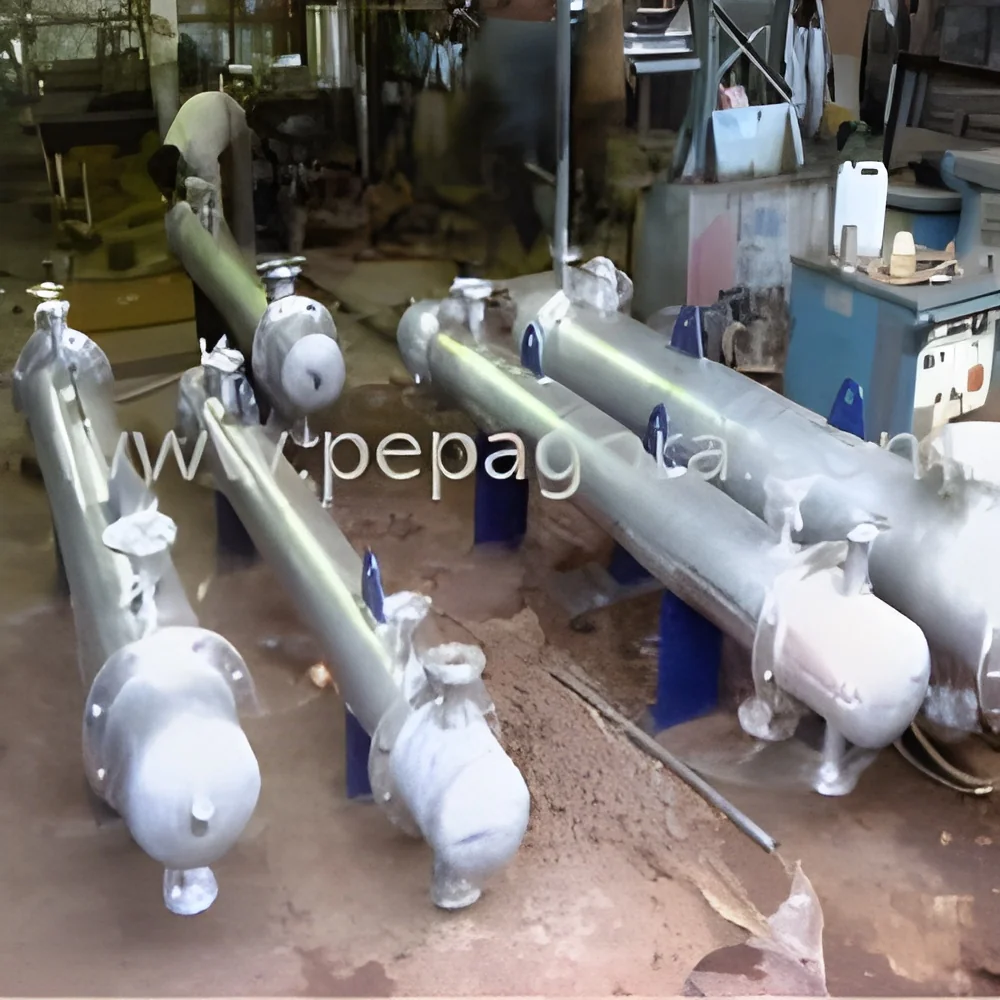
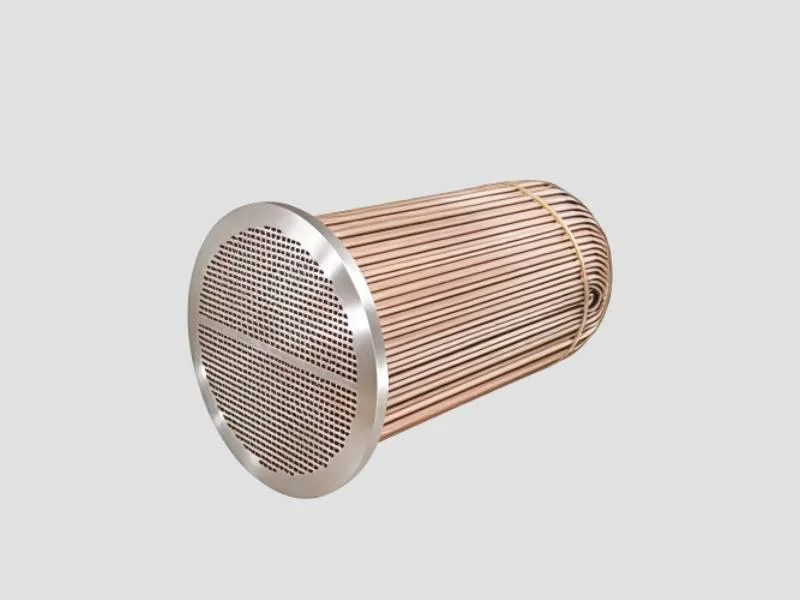
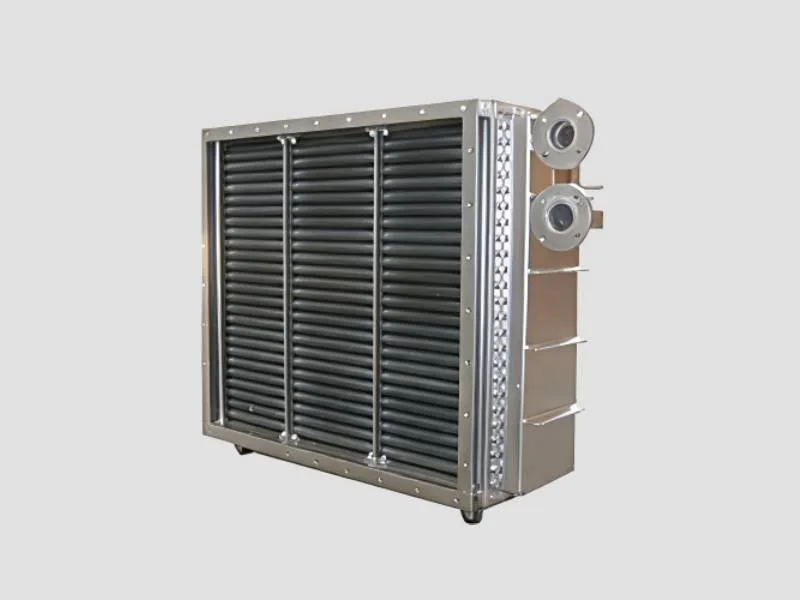
Shell and Tube Heat Exchanger: This type features a series of tubes, with one fluid flowing through the tubes and another surrounding them. It is widely used in the oil and gas industry for its durability and effectiveness.
𝗕𝗲𝗻𝗲𝗳𝗶𝘁𝘀 𝗮𝗻𝗱 𝗔𝗱𝘃𝗮𝗻𝘁𝗮𝗴𝗲𝘀
Investing in high-quality boilers and heat exchangers offers numerous benefits that can enhance operational efficiency and reduce costs.
1. Energy Efficiency: These systems are designed to maximize energy use, reducing fuel costs and lowering the carbon footprint of operations.
2. Reliability: High-quality boilers and heat exchangers are built to last, ensuring consistent performance and minimizing downtime in industrial processes.
3. Versatility: They can be adapted for various applications across multiple industries, making them a valuable asset for any manufacturing setup.
4. Improved Safety: Modern designs incorporate safety features that protect against pressure and temperature fluctuations, ensuring safe operations.
5. Reduced Maintenance: Advanced technologies in these products often lead to lower maintenance requirements, saving time and resources for businesses.
6. Compliance Support: Many boilers and heat exchangers meet industry standards and regulations, helping companies maintain compliance and avoid penalties.
𝗕𝘂𝘆𝗶𝗻𝗴 𝗚𝘂𝗶𝗱𝗲 𝗳𝗼𝗿 𝗕𝟮𝗕 𝗕𝘂𝘆𝗲𝗿𝘀
When sourcing boilers and heat exchangers, B2B buyers should consider several key factors to ensure they select the right products for their needs.
1. Quality Assessment: It is essential to evaluate the quality of materials and construction. Look for certifications and standards that indicate reliability and performance.
2. Supplier Verification: Vet suppliers to ensure they have a solid reputation in the industry. Check their history, customer reviews, and compliance with standards.
3. Pricing and MOQ: Understand the pricing structure and minimum order quantities. This helps in budgeting and ensures you get the best value for your investment.
4. Delivery and Lead Times: Confirm the expected delivery times and logistics capabilities of the supplier to ensure timely procurement for your operations.
5. Compliance Requirements: Ensure that the products meet relevant regulatory standards for safety and environmental impact. This is crucial for maintaining operational integrity.
𝗖𝗼𝗺𝗽𝗹𝗶𝗮𝗻𝗰𝗲 𝗮𝗻𝗱 𝗖𝗲𝗿𝘁𝗶𝗳𝗶𝗰𝗮𝘁𝗶𝗼𝗻𝘀
Compliance and certifications play a significant role in the manufacturing and operation of boilers and heat exchangers. Adhering to recognized quality standards helps ensure that products are safe, reliable, and efficient.
Key quality standards include ISO 9001, which focuses on quality management systems, ensuring consistency in product quality and customer satisfaction. Additionally, HACCP is critical for industries like food processing, where safety and hygiene are paramount.
The CE certification indicates that the product meets European safety, health, and environmental protection requirements. This certification is essential for companies looking to operate in or export to European markets.
Safety and testing requirements are also vital, as they ensure that boilers and heat exchangers can withstand operational stresses and meet safety regulations. Regional compliance considerations may vary, requiring thorough understanding of local laws and standards to ensure full compliance.
𝗪𝗵𝘆 𝗦𝗼𝘂𝗿𝗰𝗲 𝗕𝗼𝗶𝗹𝗲𝗿𝘀 & 𝗛𝗲𝗮𝘁 𝗘𝘅𝗰𝗵𝗮𝗻𝗴𝗲𝗿𝘀 𝗳𝗿𝗼𝗺 𝗣𝗲𝗽𝗮𝗴𝗼𝗿𝗮?
Pepagora stands out as a trusted platform for sourcing boilers and heat exchangers, offering several key advantages to B2B buyers.
Verified Supplier Network: Pepagora maintains a comprehensive network of verified suppliers, ensuring that buyers can access high-quality products from reputable manufacturers. This verification process provides peace of mind in sourcing decisions.
Streamlined RFQ Process: The platform simplifies the request for quotation (RFQ) process, allowing buyers to receive competitive quotes quickly and efficiently. This saves time and facilitates informed purchasing decisions.
Trade Assurance and Support: Pepagora offers trade assurance, which protects buyers against potential risks associated with transactions. This support enhances buyer confidence and fosters secure business relationships.
Regional Coverage: With a strong presence in regions like India, the GCC, and Southeast Asia, Pepagora provides extensive geographic coverage, making it easier for businesses to source products that meet their needs regardless of location.
In conclusion, Pepagora is an ideal partner for businesses looking to source reliable and efficient boilers and heat exchangers, ensuring they meet their operational requirements while enhancing productivity.

 IN
IN