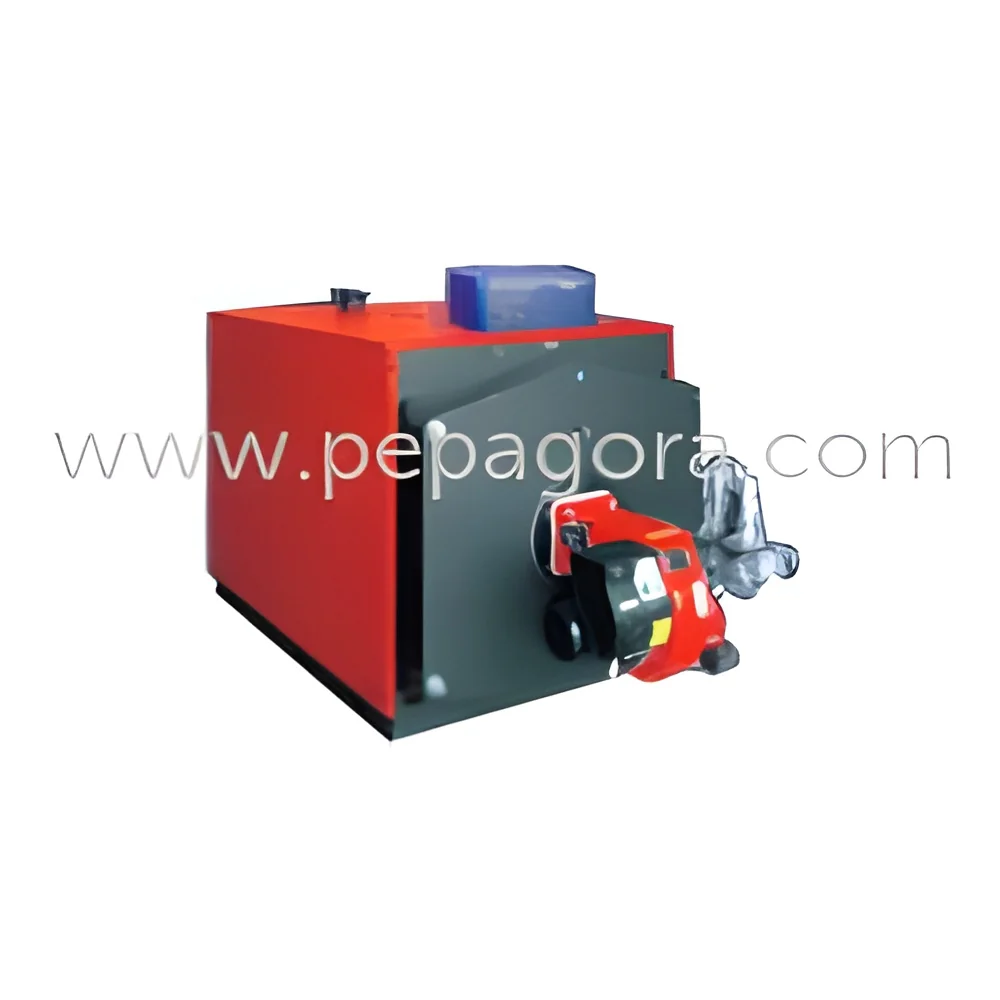
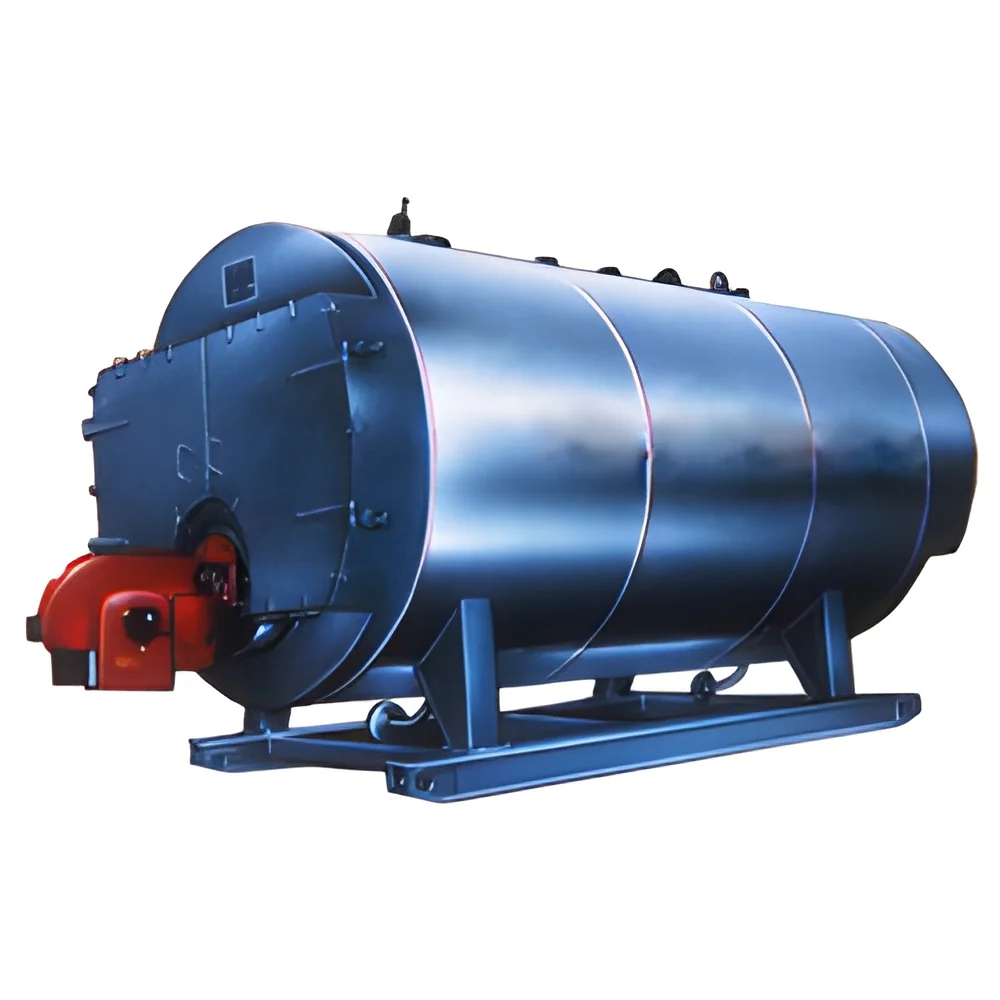
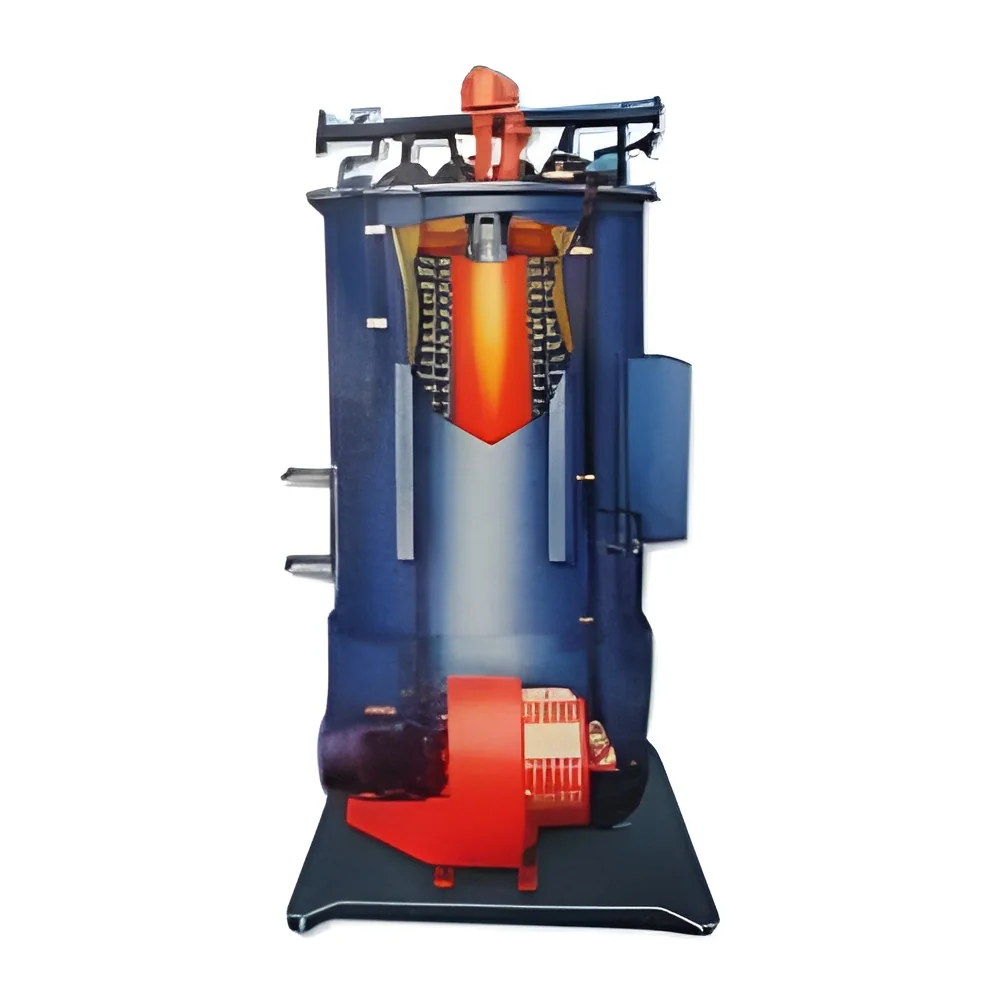
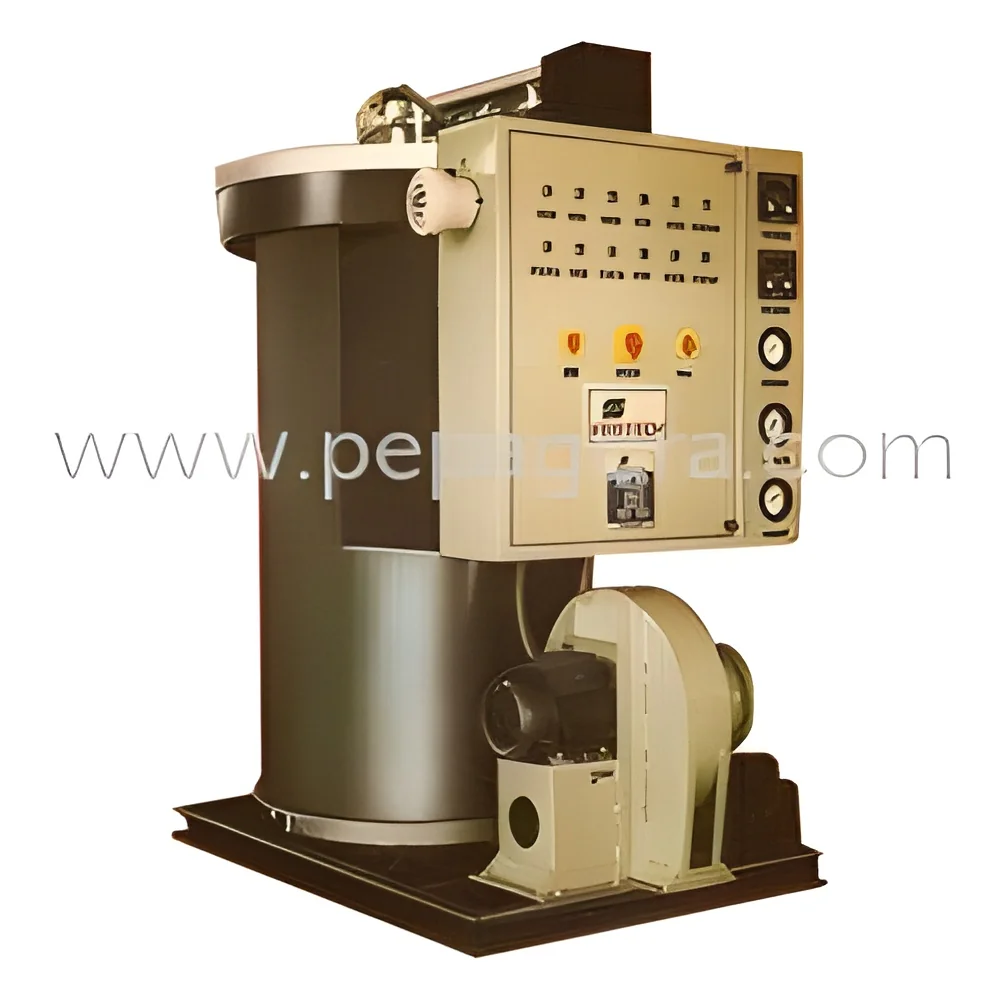
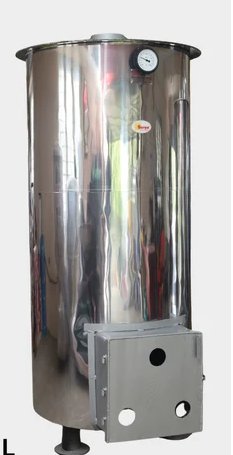
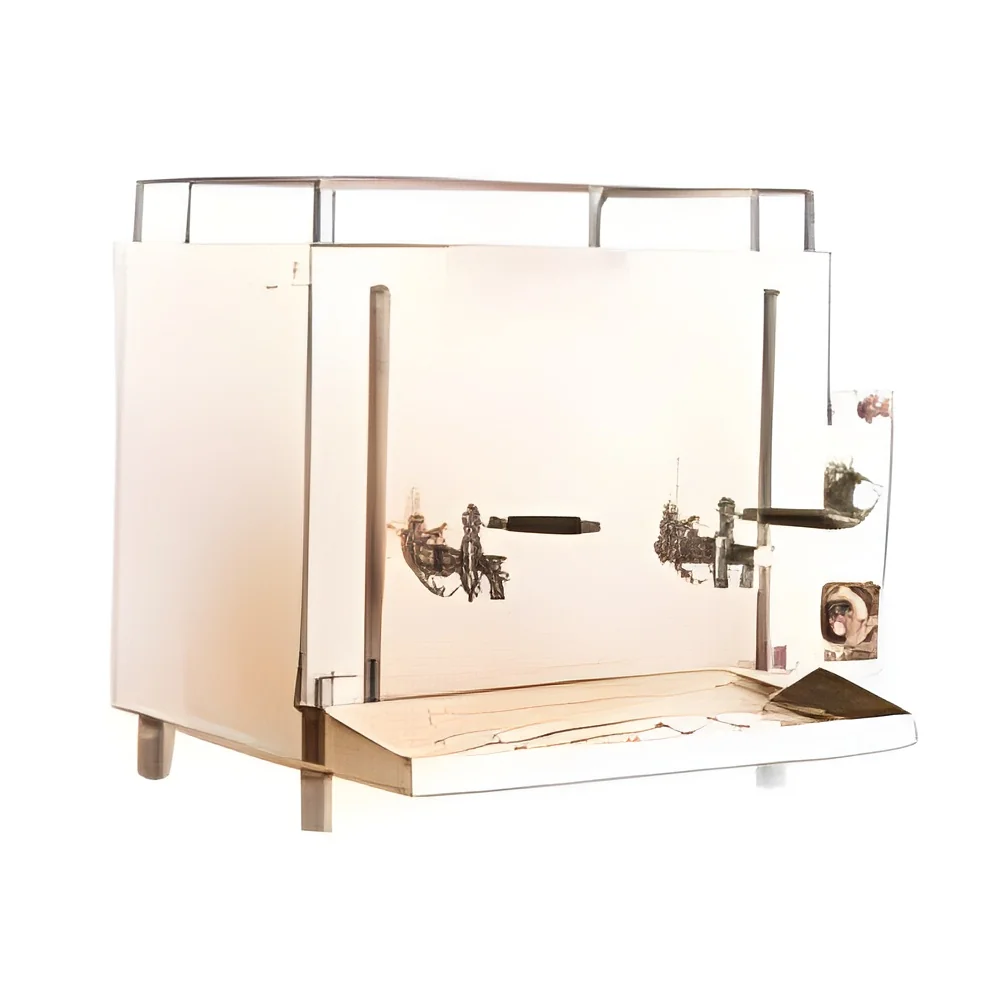
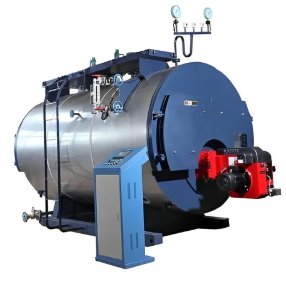
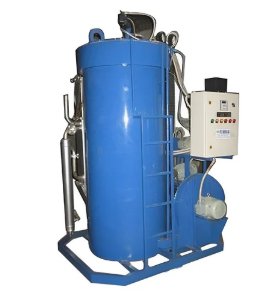
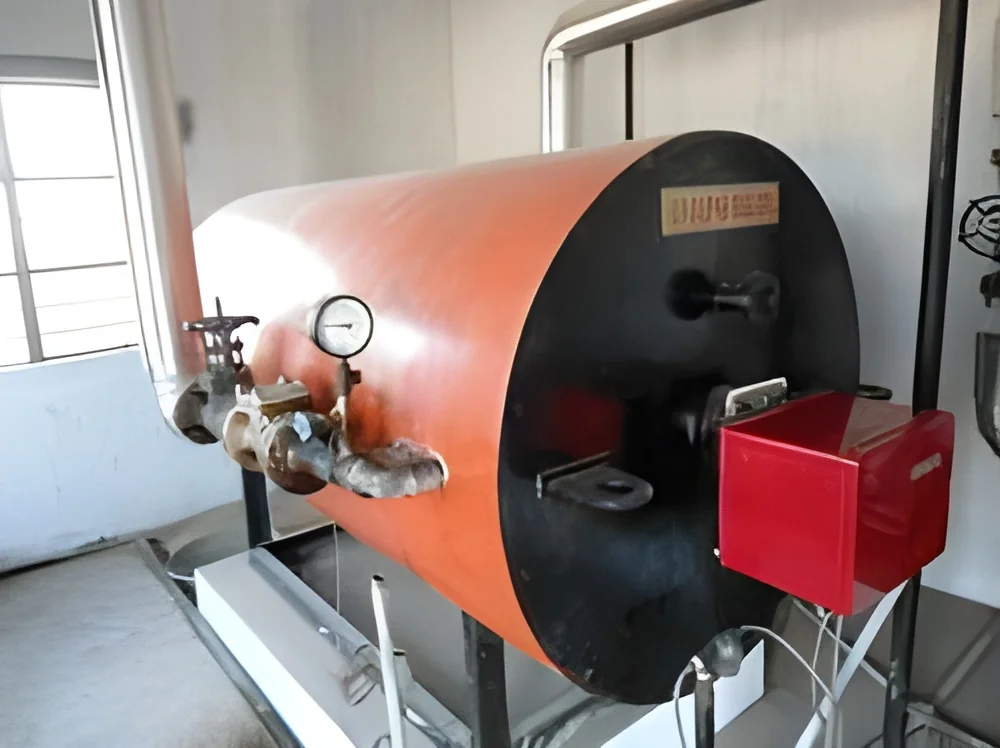
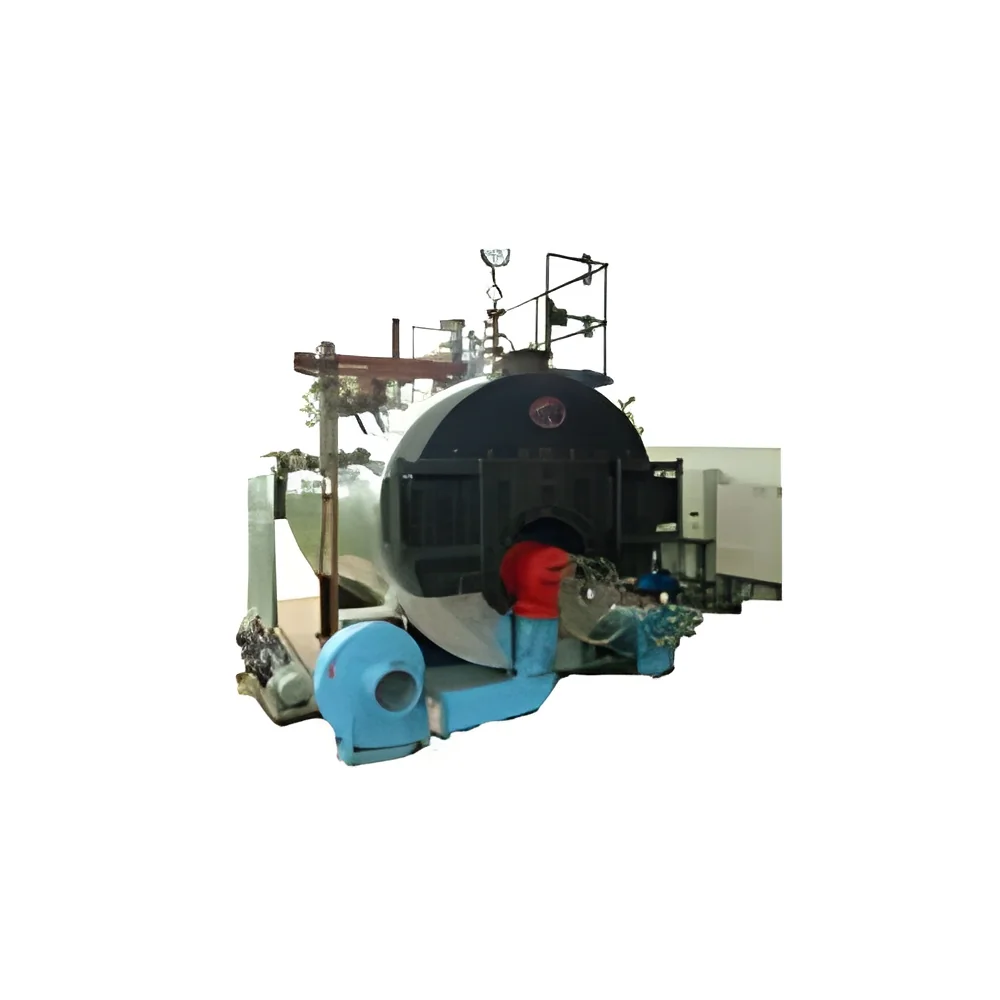
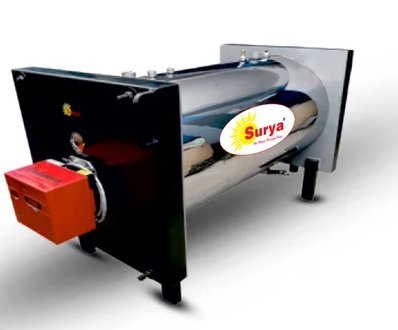
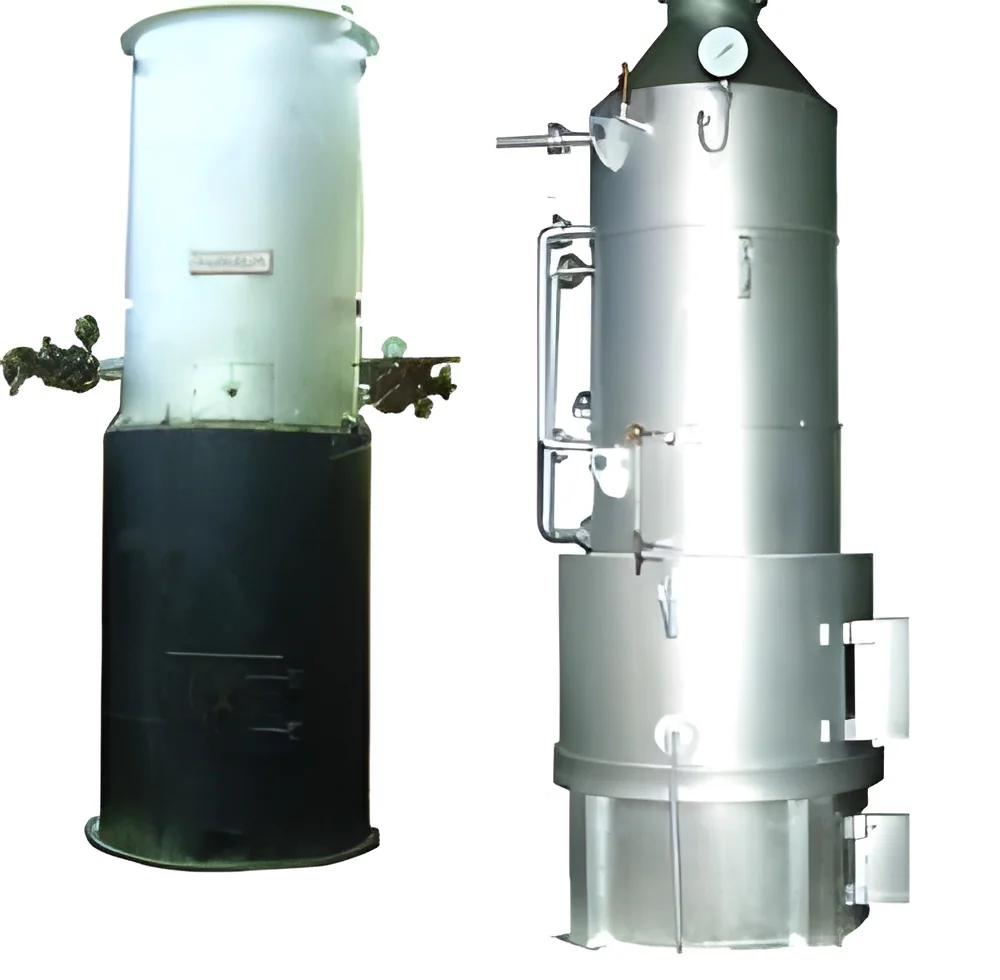
What are Hot Water Boilers?
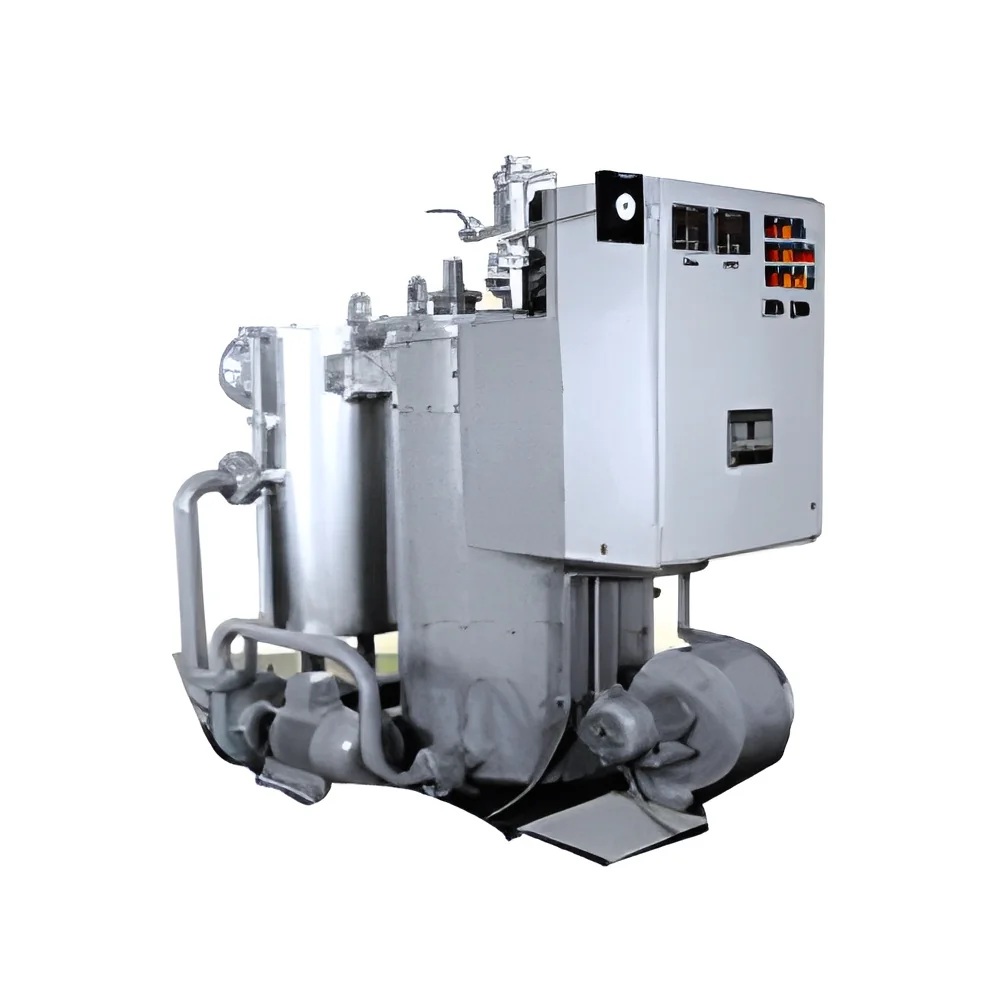
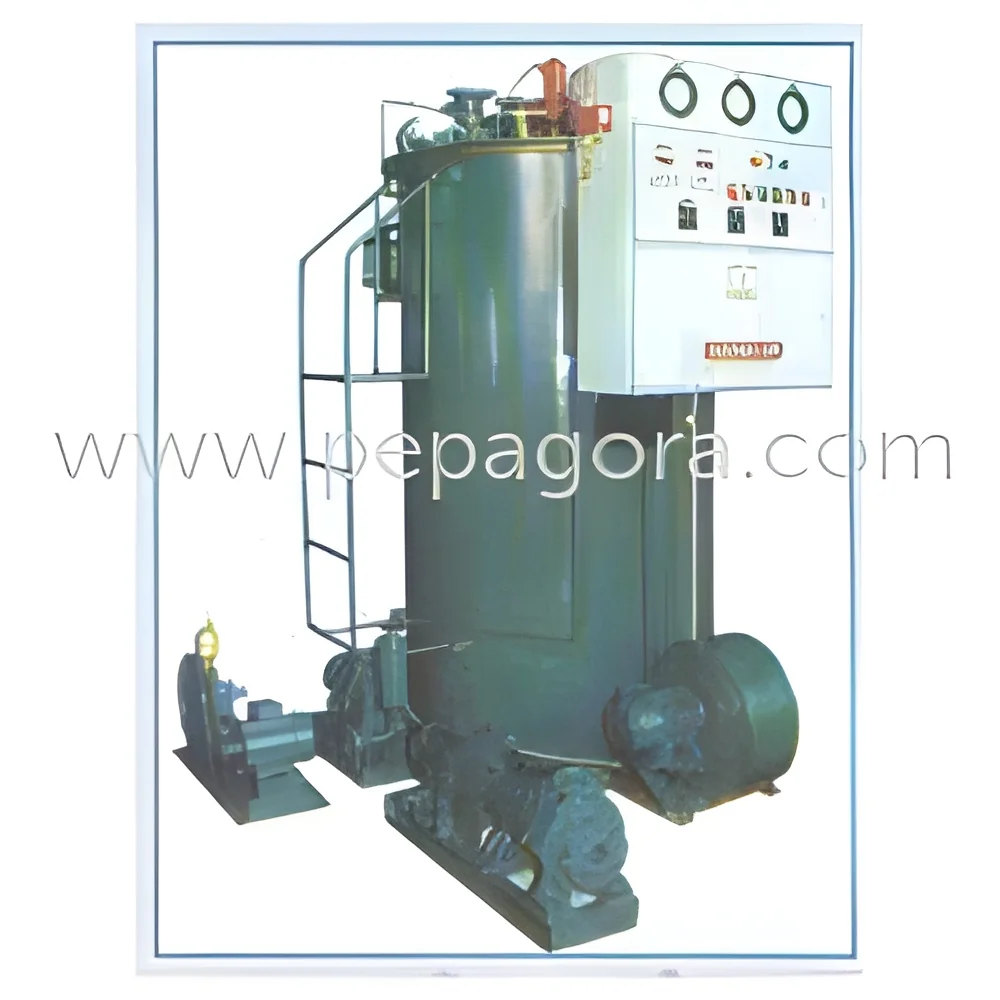
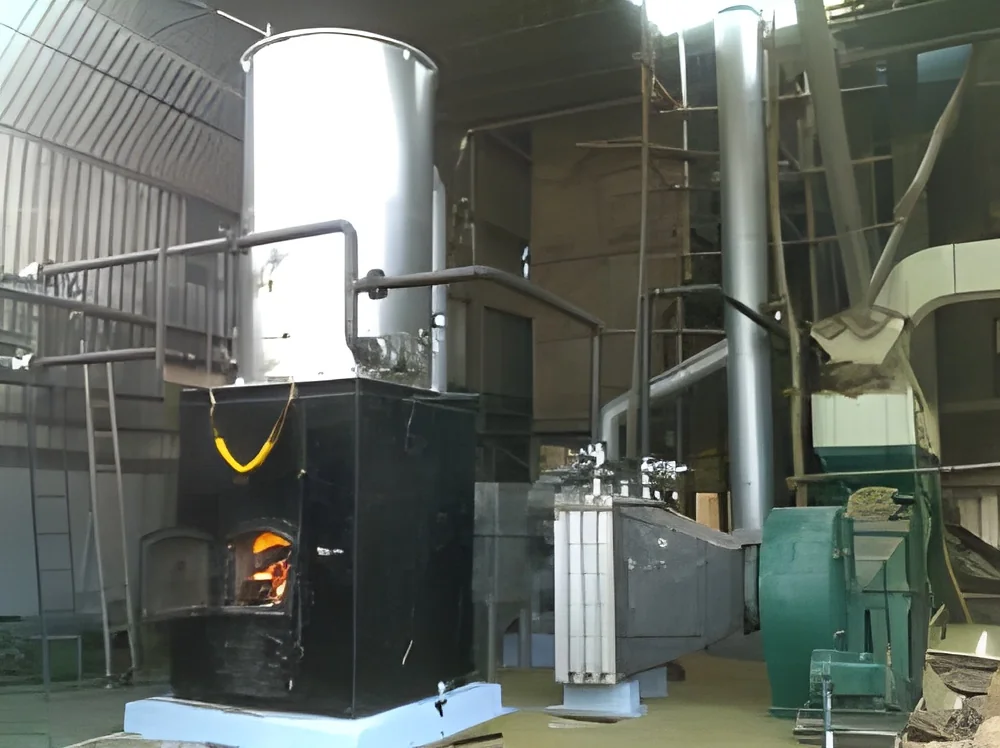
Hot water boilers are essential heating systems designed to produce hot water for various applications. They operate by heating water through a fuel source such as natural gas, oil, or electricity. The hot water generated can be utilized for heating spaces, providing hot water for domestic use, or in industrial processes. Hot water boilers are widely recognized for their efficiency and reliability in delivering consistent hot water supply.
These boilers find primary use in commercial and industrial settings, including hotels, hospitals, manufacturing facilities, and educational institutions. They play a crucial role in maintaining comfortable environments and ensuring operational efficiency. As industries evolve, the demand for high-performance hot water boilers continues to grow, driven by advancements in technology and the increasing need for energy-efficient solutions. The market is characterized by a wide range of products catering to various heating requirements and compliance standards.
Key Features and Specifications
Hot water boilers come equipped with several key features that enhance their functionality and efficiency. Understanding these specifications is vital for businesses seeking the right heating solutions.
Key specifications include:
1. Heating Capacity
- This specification indicates the amount of hot water the boiler can produce per hour.
- Common ranges vary from 100,000 to several million BTUs.
2. Fuel Type
- Hot water boilers can operate on various fuels, including natural gas, propane, oil, and electricity.
- The choice of fuel affects efficiency and operating costs.
3. Efficiency Rating
- This rating measures how effectively the boiler converts fuel into usable heat.
- Typical efficiency ratings range from 80% to over 95%.
4. Design Pressure
- This specification indicates the maximum pressure the boiler is designed to handle.
- Common design pressures are in the range of 30 to 150 psi.
5. Temperature Range
- This specifies the maximum temperature the boiler can achieve.
- Typical ranges are between 140°F to 200°F.
6. Dimensions and Weight
- Physical dimensions and weight are essential for installation considerations.
- Varies widely depending on the boiler's capacity and design.
7. Control System
- Many models include advanced control systems for better efficiency and monitoring.
- Features may include digital displays and programmable settings.
8. Safety Features
- Includes pressure relief valves and automatic shutoff systems to ensure safe operation.
- Compliance with safety standards is crucial.
In summary, selecting the right hot water boiler involves considering these specifications to meet specific heating needs and operational requirements effectively.
Common Applications and Use Cases
Hot water boilers serve a variety of industries, each with unique applications.
1. Hospitality: Hotels and restaurants use hot water boilers for heating guest rooms and providing hot water for kitchens and laundry services.
2. Healthcare: Hospitals and clinics depend on hot water for sanitation, cleaning, and maintaining comfortable environments for patients.
3. Manufacturing: Factories utilize hot water boilers in processes such as food production, chemical processing, and textile manufacturing.
4. Education: Schools and universities rely on these boilers for heating classrooms and providing hot water in dormitories and kitchens.
5. Food and Beverage: Breweries and food processing plants use hot water for cooking, cleaning, and sanitizing equipment.
6. Residential: Some commercial hot water boilers are also suitable for residential heating and hot water supply in multi-family buildings.
7. Agriculture: Farms utilize hot water boilers for heating greenhouses and providing hot water for animal care.
Product Variants and Subcategories
Hot water boilers come in diverse models to cater to different operational needs.
Condensing Hot Water Boilers: These boilers achieve higher efficiency by condensing water vapor in exhaust gases, maximizing heat recovery. They are ideal for applications where energy efficiency is a priority.
Traditional Hot Water Boilers: These boilers utilize conventional methods to heat water, suitable for applications with lower efficiency demands but reliable operation.
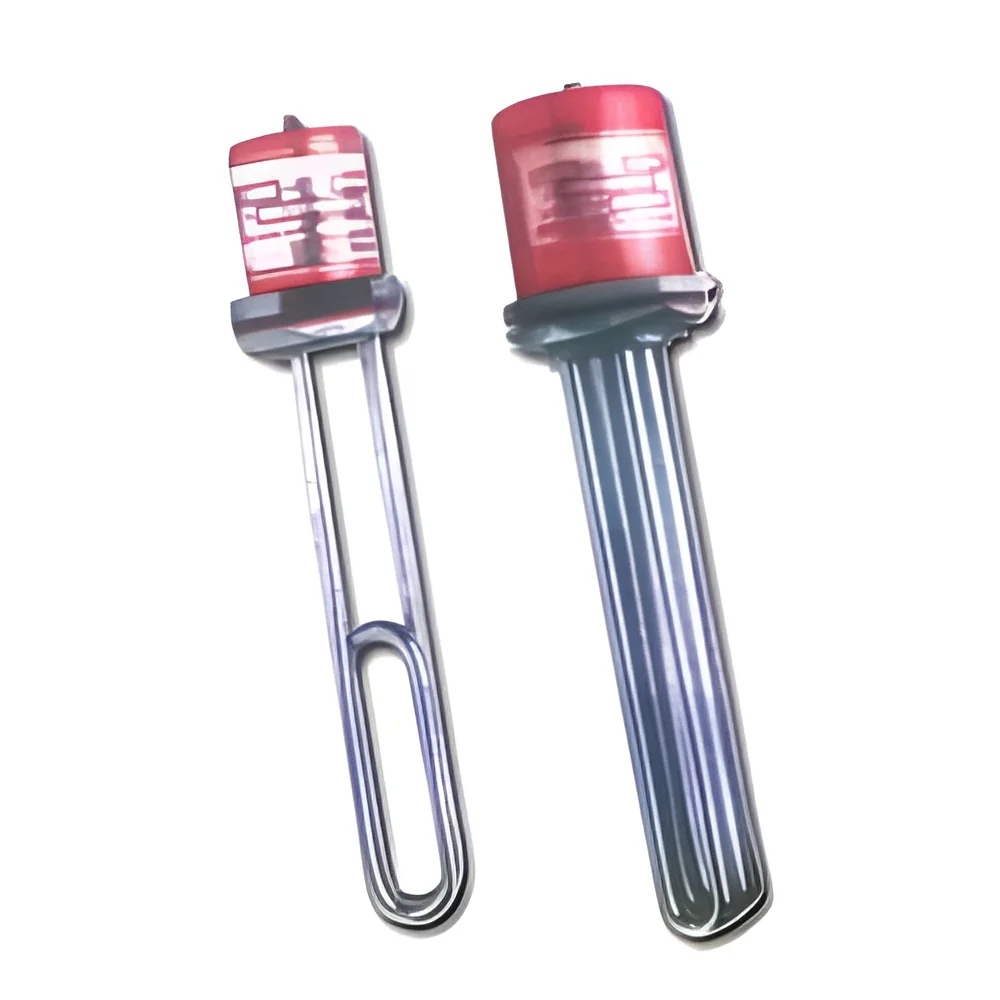
Electric Hot Water Boilers: These units use electricity as the primary energy source. They are ideal for locations where gas supply is limited or where a quiet operation is essential.
Combination Boilers: These units provide both heating and hot water supply. They are versatile options for smaller facilities needing both functionalities without the need for multiple systems.
Benefits and Advantages
Hot water boilers offer numerous benefits that make them a valuable investment for businesses.
1. Energy Efficiency: Many modern hot water boilers feature advanced technology that enhances fuel efficiency, leading to lower operational costs.
2. Reliable Performance: Hot water boilers are designed for consistent and reliable heating, ensuring that businesses can maintain operations without interruptions.
3. Versatility: These boilers can serve multiple applications, making them suitable for various industries with diverse heating needs.
4. Low Maintenance: With proper installation and care, hot water boilers generally require minimal maintenance, reducing downtime and service costs.
5. Safety Features: Most models are equipped with safety mechanisms to prevent malfunctions and ensure safe operation.
6. Customization: Many manufacturers offer options to customize the boiler according to specific operational requirements, providing flexibility for users.
Buying Guide for B2B Buyers
When sourcing hot water boilers, it is essential to consider several factors to ensure a suitable purchase.
1. Quality Assessment: Evaluate the quality of materials and construction. Look for certifications and compliance with industry standards to ensure durability and reliability.
2. Supplier Verification: Vet suppliers based on their reputation, experience, and customer reviews. Ensure they have a proven track record in providing quality products.
3. Pricing and MOQ: Understand the pricing structure and minimum order quantities. Compare quotes from multiple suppliers to find the best deal.
4. Delivery and Lead Times: Discuss delivery timelines and logistics to ensure timely installation and operation.
5. Compliance Requirements: Confirm that the boiler meets local regulations and safety standards. Compliance with certifications such as CE is crucial for operational safety.
Compliance and Certifications
Hot water boilers must adhere to various quality standards and certifications to ensure they meet safety and performance requirements.
ISO 9001 is a widely recognized standard that outlines quality management principles. Compliance with this standard indicates that the manufacturer maintains high-quality processes in production.
The CE mark signifies compliance with European safety standards. Hot water boilers bearing this mark have undergone rigorous testing to ensure they meet essential health and safety requirements.
Safety and testing requirements are paramount in the design and manufacturing of hot water boilers. Manufacturers must demonstrate that their products operate safely under specified conditions, minimizing risks to users.
Regional compliance considerations also play a significant role, with different regions having specific regulations. It is essential for buyers to be aware of these regional requirements to ensure their chosen boilers comply with local laws.
Why Source Hot Water Boilers from Pepagora?
Pepagora is a reliable platform for sourcing hot water boilers, offering several key advantages to B2B buyers.
Verified Supplier Network: Pepagora connects buyers with a network of verified suppliers. This ensures that buyers can trust the quality of products they are purchasing.
Streamlined RFQ Process: The platform simplifies the request for quotation process, allowing buyers to receive multiple quotes from different suppliers quickly, making it easier to compare options.
Trade Assurance and Support: Pepagora provides trade assurance, offering protection for buyers against potential disputes or quality issues. This support builds confidence in the purchasing process.
Regional Coverage: With a strong presence in India, the GCC, and Southeast Asia, Pepagora offers extensive regional coverage. This enables buyers to access local suppliers and support, ensuring efficient operations and service.

 IN
IN