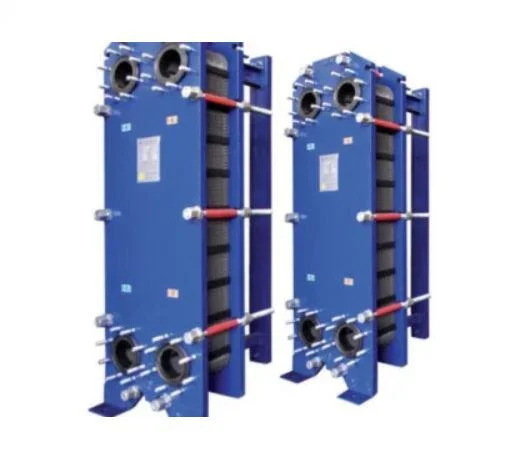
What are Gasketed Plate Heat Exchangers?
Gasketed plate heat exchangers are sophisticated thermal devices designed to transfer heat between two fluids without mixing them. These exchangers consist of multiple thin plates, which are sealed with gaskets to create channels for the fluids. The design allows for a high surface area relative to the volume, making them efficient in heat transfer. The gaskets ensure that the fluids remain separate while allowing for effective thermal exchange.
These heat exchangers are widely used across various industries, including food and beverage, pharmaceuticals, and HVAC systems. Their ability to handle a wide range of temperatures and pressures makes them suitable for diverse applications where efficient heat transfer is critical. In the current industrial landscape, the demand for energy efficiency and reduced operational costs drives the adoption of gasketed plate heat exchangers. Their compact design and ease of maintenance further enhance their appeal in modern manufacturing and processing environments.
Key Features and Specifications
Gasketed plate heat exchangers come with several features that enhance their performance and adaptability. These specifications cater to the diverse needs of various industries, ensuring optimal operation under differing conditions.
Key specifications include:
1. Heat Transfer Area
- Provides a large surface area for efficient heat exchange.
- Typically ranges from 0.5 m² to over 1000 m² depending on design.
2. Operating Temperature Range
- Designed to operate under a variety of temperature conditions.
- Commonly supports temperatures up to 200°C.
3. Operating Pressure
- Capable of withstanding high pressures for industrial applications.
- Usually rated for pressures up to 25 bar.
4. Material of Construction
- Made from materials such as stainless steel or titanium for corrosion resistance.
- Selection varies based on the fluids being processed.
5. Gasket Material
- Gaskets are available in various materials like EPDM, NBR, or PTFE.
- Choice depends on temperature and chemical compatibility.
6. Connection Types
- Includes various connection options such as flanged, threaded, or welded.
- Ensures compatibility with existing piping systems.
7. Cleaning Mechanism
- Designed for easy disassembly to facilitate cleaning.
- Allows for effective maintenance and hygiene in food and pharmaceutical applications.
8. Configuration Options
- Available in different configurations, including single-pass and multi-pass designs.
- Flexibility to suit specific flow requirements and space constraints.
In summary, gasketed plate heat exchangers offer a versatile solution for efficient thermal management. Their specifications are tailored to meet the rigorous demands of modern industries while ensuring reliability and performance.
Common Applications and Use Cases
Gasketed plate heat exchangers are utilized in a wide array of industries due to their efficiency and compact design.
1. Food and Beverage: These heat exchangers are essential for pasteurization, heating, and cooling processes, ensuring product safety and quality.
2. Chemical Processing: They facilitate temperature control in reactions and can handle corrosive fluids, making them suitable for various chemical applications.
3. HVAC: In heating and cooling systems, they are used to transfer heat between water systems, optimizing energy usage.
4. Pharmaceuticals: Gasketed plate heat exchangers ensure precise temperature control in processes such as sterilization and cooling of products.
5. Power Generation: They play a vital role in cooling systems, helping to maintain optimal operating conditions in power plants.
6. Oil and Gas: Used in various stages, including cooling and heating of fluids during processing, enhancing efficiency and recovery rates.
7. Pulp and Paper: These exchangers are utilized in various processes, including heating, cooling, and chemical recovery, contributing to overall productivity.
Product Variants and Subcategories
Gasketed plate heat exchangers come in various designs to meet specific operational requirements. Each variant is tailored for different applications and efficiency needs.
Standard Gasketed Plate Heat Exchangers: These are the most common type, designed for general-purpose heat exchange applications across various industries. They offer flexibility in installation and maintenance.
Sanitary Gasketed Plate Heat Exchangers: Specifically designed for the food and pharmaceutical industries, these variants ensure compliance with hygiene standards. They feature smooth surfaces and materials resistant to contamination.
High-Pressure Gasketed Plate Heat Exchangers: Built to withstand higher pressures, these exchangers are ideal for applications in oil and gas or chemical processing, where safety and reliability are paramount.
Compact Gasketed Plate Heat Exchangers: These variants are designed for space-constrained environments while maintaining high efficiency. They are often used in residential and commercial HVAC applications.
Benefits and Advantages
The use of gasketed plate heat exchangers presents several benefits to businesses looking to enhance their thermal management processes.
1. High Efficiency: The large surface area and effective design facilitate superior heat transfer, reducing energy consumption.
2. Compact Design: Their space-saving configuration allows for installation in areas where traditional exchangers may not fit.
3. Easy Maintenance: The disassembly feature simplifies cleaning and maintenance, ensuring optimal performance over time.
4. Versatility: Capable of handling various fluids and applications, making them suitable for a wide range of industries.
5. Cost-Effective: By improving energy efficiency, these exchangers can lead to significant cost savings over their operational lifespan.
6. Customization: They can be tailored to meet specific industry requirements, enhancing performance and compliance.
Buying Guide for B2B Buyers
When considering the purchase of gasketed plate heat exchangers, several factors should be taken into account to ensure a suitable selection.
1. Quality Assessment: It is crucial to evaluate the quality of materials and construction. Look for certifications that indicate adherence to industry standards.
2. Supplier Verification: Vet potential suppliers thoroughly. Confirm their reputation, experience, and ability to provide support and service.
3. Pricing and MOQ: Understand pricing structures and minimum order quantities. It is essential to find a balance between cost and quality.
4. Delivery and Lead Times: Discuss logistics with suppliers to ensure timely delivery that aligns with your project schedules.
5. Compliance Requirements: Ensure that the selected heat exchangers meet all necessary regulatory requirements for safety and performance in your industry.
Compliance and Certifications
Gasketed plate heat exchangers are subject to various quality standards and certifications that ensure their reliability and safety. Common standards include ISO 9001, which focuses on quality management systems, and HACCP for food safety requirements.
Additionally, CE certification indicates that the products meet EU safety, health, and environmental protection standards. These certifications provide assurance to buyers regarding the quality and safety of the heat exchangers.
Safety and testing requirements are also critical, as these devices must perform reliably under operational pressures and temperatures. Regular testing and compliance checks ensure that the exchangers meet industry benchmarks.
Regional compliance considerations are vital as regulations may vary by location. It is essential to be aware of local standards to avoid penalties and ensure seamless operation.
Why Source Gasketed Plate Heat Exchangers from Pepagora?
Pepagora offers a reliable platform for sourcing gasketed plate heat exchangers, providing significant advantages for B2B buyers.
Verified Supplier Network: Pepagora ensures that all listed suppliers are thoroughly vetted for quality and reliability. This network provides buyers with confidence in their sourcing decisions.
Streamlined RFQ Process: The request for quotation system simplifies the procurement process, allowing buyers to receive competitive quotes from multiple suppliers quickly.
Trade Assurance and Support: Pepagora prioritizes buyer protection, offering support throughout the transaction process to address any issues that may arise.
Regional Coverage: With a broad geographic reach across India, GCC, and Southeast Asia, Pepagora connects buyers with local suppliers, enhancing accessibility and reducing lead times.
In conclusion, sourcing gasketed plate heat exchangers through Pepagora ensures a smooth and efficient procurement experience, backed by a network of trusted suppliers and comprehensive support.

 IN
IN