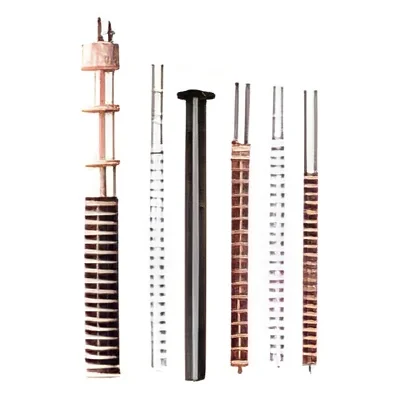
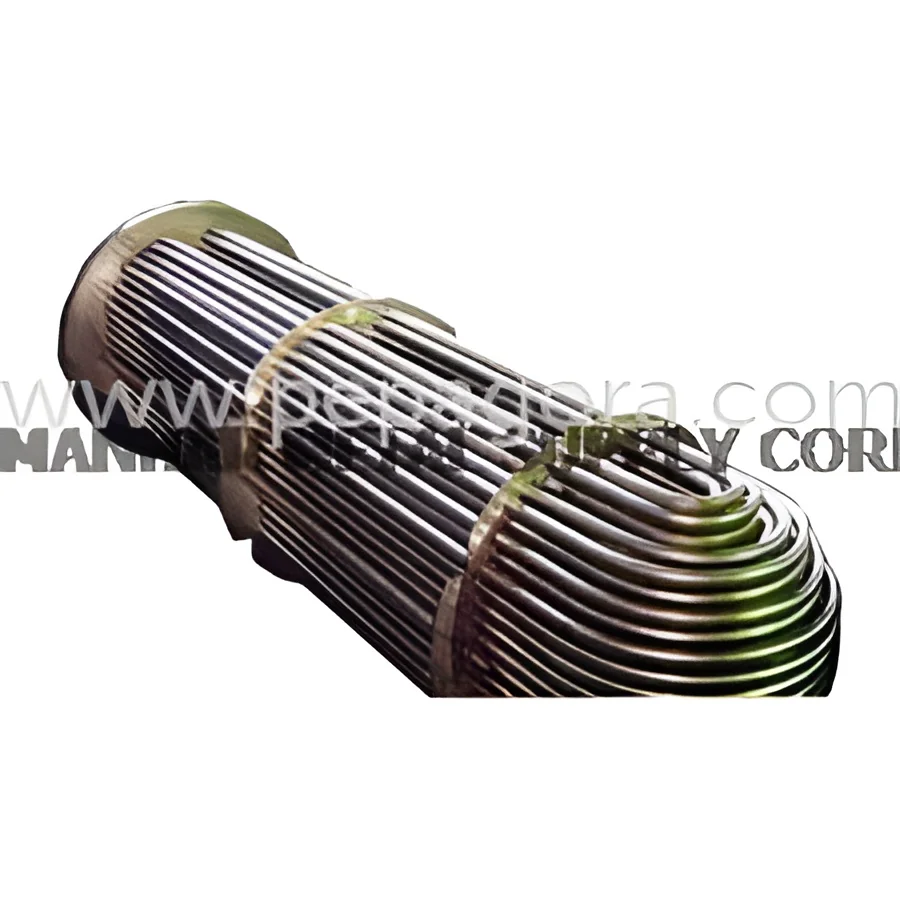
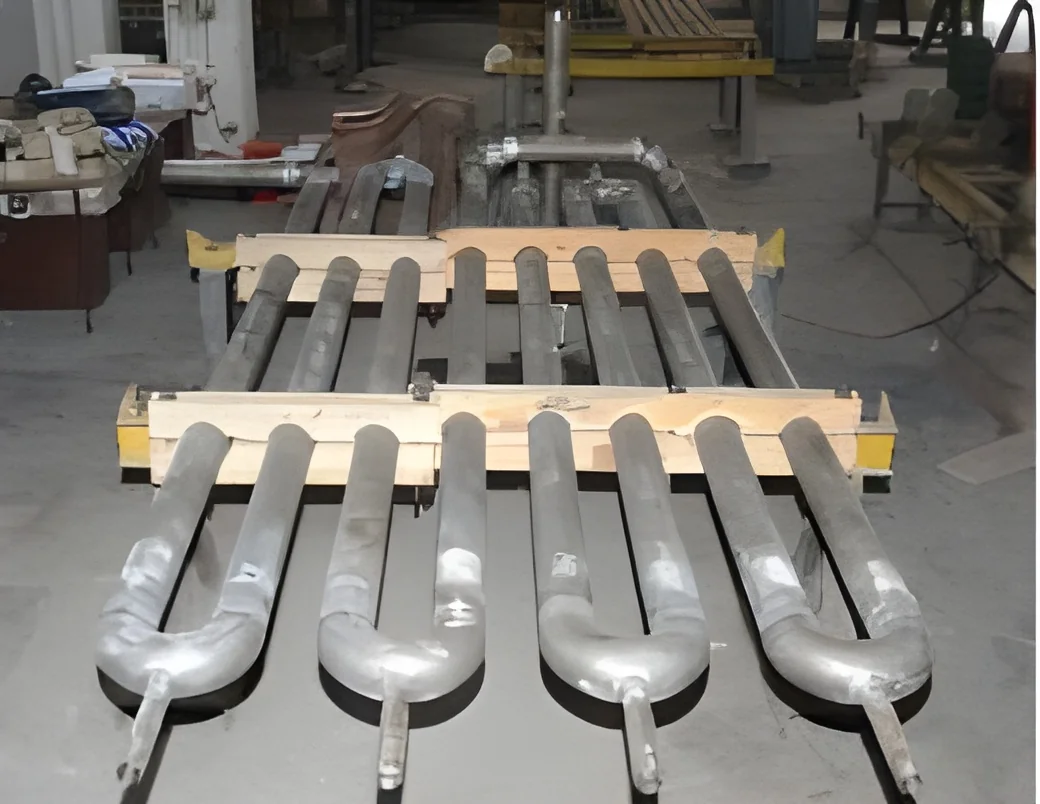
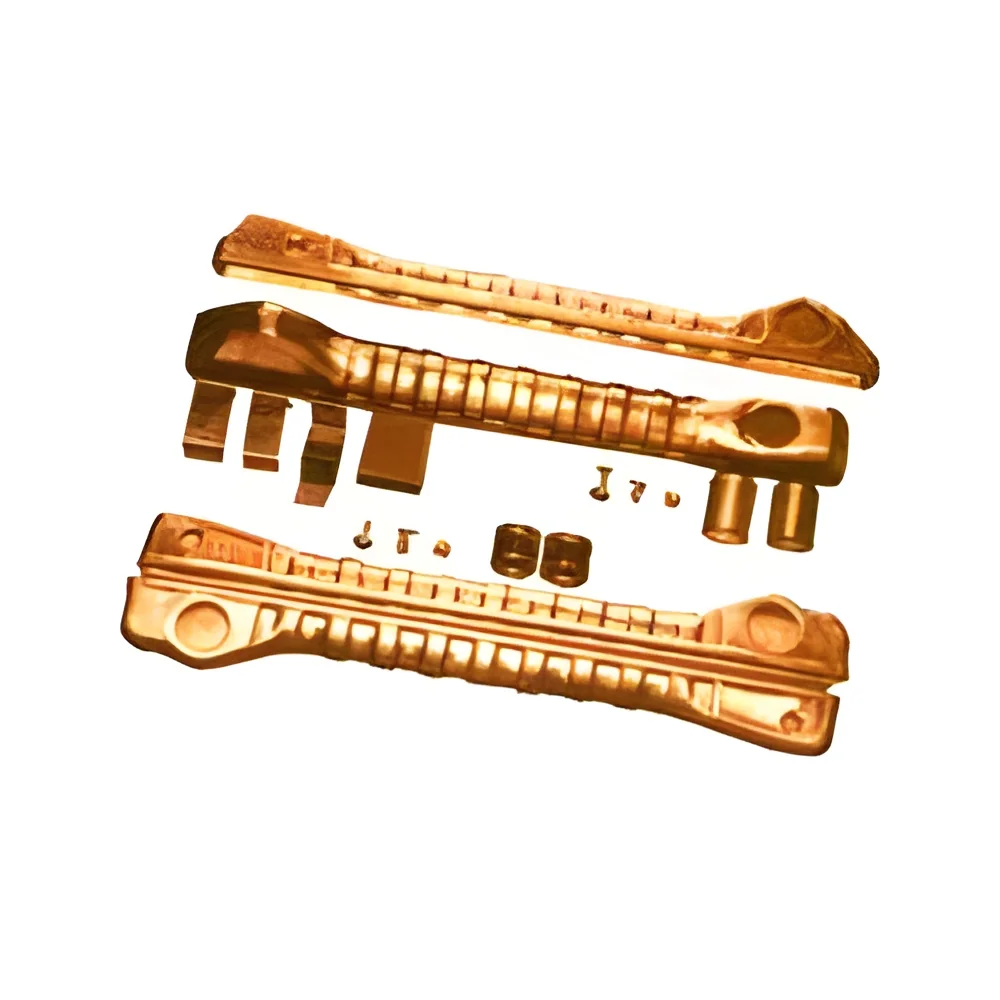
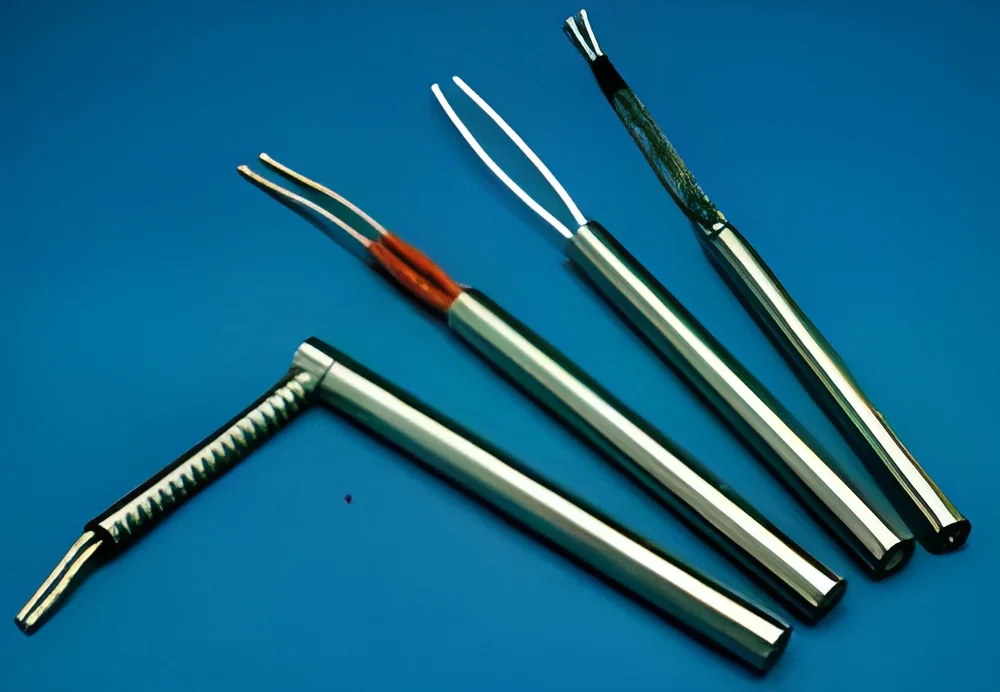
What are Retrofitting of Heat Exchangers?
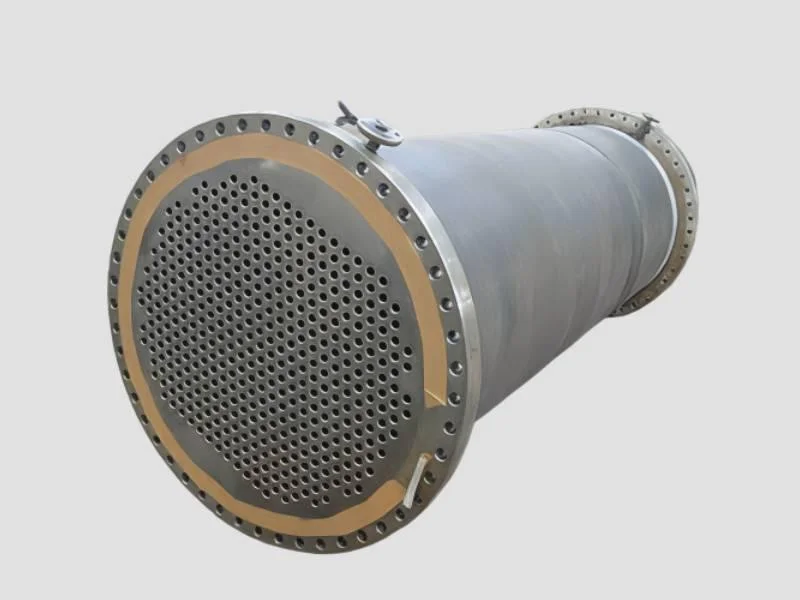
Retrofitting of heat exchangers refers to the process of upgrading or modifying existing heat exchanger systems to improve their performance and extend their life cycle. This process involves replacing outdated components, optimizing the design, or implementing new technologies without the need for a complete system overhaul. The goal is to achieve better efficiency, increased capacity, and compliance with modern standards while minimizing downtime and costs.
The primary uses of retrofitting heat exchangers can be found across various industries, such as chemical processing, oil and gas, food and beverage, and HVAC systems. Businesses often seek retrofitting solutions to enhance energy efficiency, reduce maintenance costs, and comply with environmental regulations. In a competitive market, companies are increasingly focusing on sustainability and operational efficiency, making retrofitting an attractive option for many.
The relevance of retrofitting in today’s market is underscored by the growing need for energy-efficient solutions and sustainable practices. As industries face stricter regulations and rising energy costs, retrofitting provides a cost-effective pathway to modernize aging equipment. This trend supports the continued operation of existing infrastructure while significantly reducing the environmental impact.
Key Features and Specifications
Retrofitting heat exchangers offers various features designed to enhance performance and sustainability. These features ensure that businesses can achieve optimal results while maintaining compliance with industry standards.
Key specifications include:
1. Energy Efficiency
- Enhancements that lower energy consumption
- Potential energy savings of up to 30%
2. Increased Capacity
- Modifications that allow for higher throughput
- Capability to handle up to 20% more flow
3. Corrosion Resistance
- Use of advanced materials to reduce wear
- Extended lifespan of components by up to 50%
4. Compact Design
- Space-saving configurations to fit in tight areas
- Optimized layout for easier integration
5. Modular Components
- Flexible upgrades and replacements as needed
- Simplified maintenance procedures
6. Automated Controls
- Integration of monitoring systems for real-time data
- Enhanced control over operational parameters
7. Compliance with Standards
- Adherence to industry regulations such as CE certification
- Assurance of quality and safety in operations
In summary, retrofitting heat exchangers is a valuable strategy for enhancing efficiency, reducing costs, and ensuring compliance with modern industry standards.
Common Applications and Use Cases
Retrofitting of heat exchangers serves a wide range of industries, providing tailored solutions to meet specific operational needs.
1. Chemical Processing: Heat exchangers in chemical plants often require retrofitting to improve thermal efficiency and enhance safety protocols, particularly in handling corrosive materials.
2. Oil and Gas: In this sector, retrofitting can optimize heat exchange processes and reduce energy consumption, which is vital for maintaining profitability in fluctuating markets.
3. Food and Beverage: Retrofitting helps companies meet stringent hygiene standards while improving energy efficiency in processes like pasteurization and refrigeration.
4. HVAC Systems: Upgrading heat exchangers in heating, ventilation, and air conditioning systems boosts energy efficiency and improves indoor air quality.
5. Pharmaceutical: In pharmaceutical manufacturing, retrofitting ensures compliance with health regulations while optimizing temperature control in sensitive processes.
6. Power Generation: Retrofitting can enhance the efficiency of heat recovery systems, leading to better performance and reduced emissions.
7. Water Treatment: Upgraded heat exchangers improve thermal regulation in water treatment facilities, enhancing process efficiency and sustainability.
Product Variants and Subcategories
The retrofitting of heat exchangers includes various approaches tailored to specific needs.
Standard Retrofit Kit
This variant provides essential components for upgrading existing heat exchangers, focusing on energy efficiency and ease of installation. It typically includes replacement gaskets, seals, and advanced heat transfer surfaces.
Custom Retrofit Solutions
These solutions are designed based on specific operational requirements, offering tailored modifications to existing systems. Custom solutions can address unique challenges such as space constraints and specific performance goals.
Modular Retrofit Systems
These systems allow for phased upgrades, enabling businesses to implement changes incrementally. This approach minimizes disruption and allows for adjustments based on evolving needs.
Benefits and Advantages
Retrofitting heat exchangers offers numerous advantages that contribute to improved operational performance.
1. Cost Savings: Enhanced efficiency leads to reduced energy costs, providing significant savings over time.
2. Extended Equipment Life: Upgrades can prolong the life of existing systems, delaying the need for costly replacements.
3. Improved Performance: Retrofits can boost heat exchange efficiency, resulting in better product quality and process reliability.
4. Environmental Compliance: Upgraded systems often meet or exceed regulatory requirements, reducing the risk of penalties.
5. Enhanced Safety: Modernized components improve safety features, reducing the likelihood of equipment failure or hazardous incidents.
6. Operational Flexibility: Retrofitting allows for adjustments to meet changing demands without the need for complete system overhauls.
Buying Guide for B2B Buyers
When sourcing retrofitting solutions for heat exchangers, businesses should consider several key factors to ensure successful procurement.
1. Quality Assessment: Evaluate the quality of materials and components used in retrofitting kits. Look for suppliers that adhere to industry standards to ensure reliability and performance.
2. Supplier Verification: Conduct thorough background checks on potential suppliers. Verify their reputation, experience, and customer feedback to ensure they can deliver high-quality products.
3. Pricing and MOQ: Understand the pricing structure and minimum order quantities required by suppliers. This information is crucial for budgeting and inventory management.
4. Delivery and Lead Times: Clarify delivery schedules and lead times to ensure that retrofitting projects can be completed on time and without unnecessary delays.
5. Compliance Requirements: Ensure that all retrofitting solutions comply with relevant industry regulations and standards. This will help mitigate risks associated with non-compliance.
Compliance and Certifications
Compliance and certifications play a crucial role in the retrofitting of heat exchangers. Adherence to relevant quality standards, such as ISO 9001, ensures that processes meet international benchmarks for quality management. Additionally, certifications like CE indicate that products meet European safety and performance requirements.
Safety and testing requirements are also vital, as retrofitted systems must operate reliably under various conditions. Manufacturers should conduct thorough testing to validate performance claims and ensure compliance with safety standards.
Regional compliance considerations are important for businesses operating in different geographic areas. Various regions may have specific regulations regarding energy efficiency, emissions, and safety standards, which must be taken into account during the retrofitting process.
Why Source Retrofitting of Heat Exchangers from Pepagora?
Pepagora provides a trusted platform for sourcing retrofitting of heat exchangers, offering several key advantages to B2B buyers.
Verified Supplier Network: Pepagora connects buyers with a network of verified suppliers who meet stringent quality standards. This ensures that businesses receive reliable products that enhance performance.
Streamlined RFQ Process: The platform simplifies the quotation process, allowing buyers to request pricing and specifications from multiple suppliers quickly. This efficiency helps businesses make informed purchasing decisions.
Trade Assurance and Support: Pepagora offers trade assurance measures that protect buyers throughout the transaction process. This support helps mitigate risks associated with sourcing products.
Regional Coverage: With a strong presence in regions such as India, GCC, and Southeast Asia, Pepagora facilitates access to a wide range of suppliers and products, catering to diverse market needs.

 IN
IN