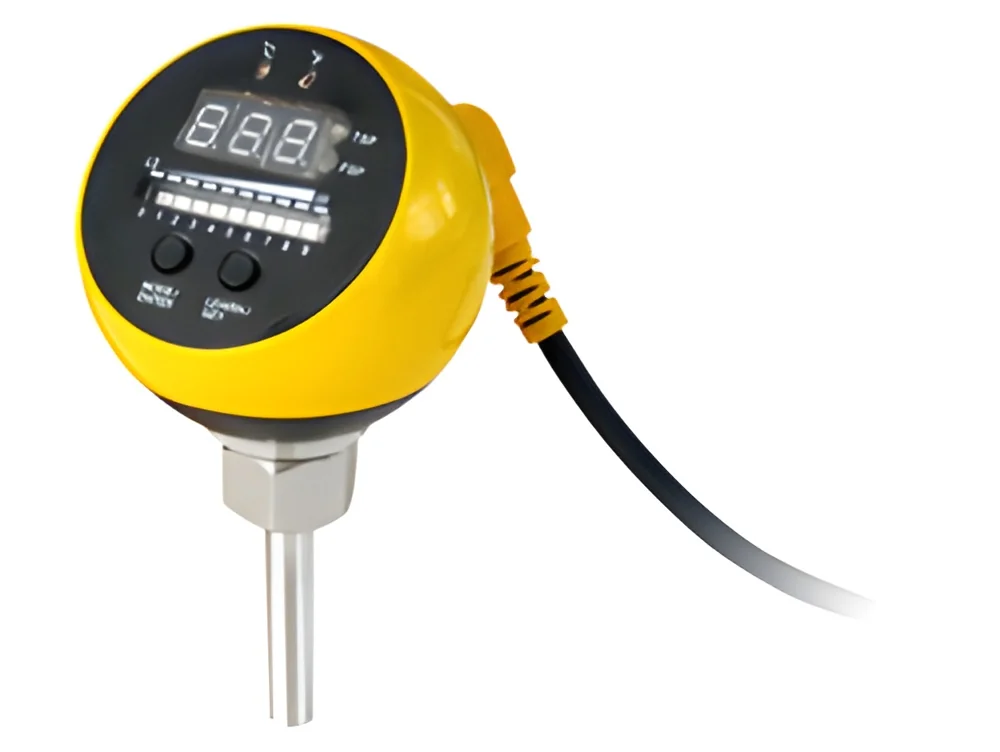
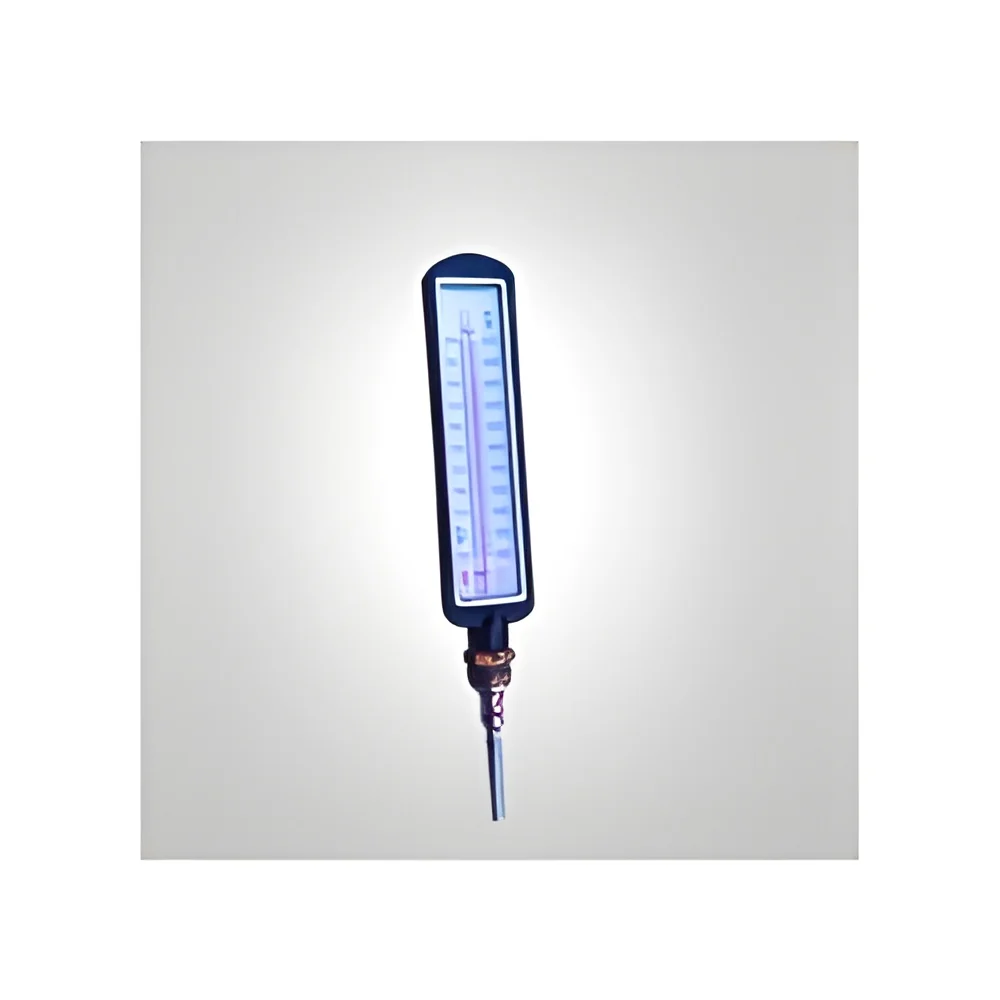
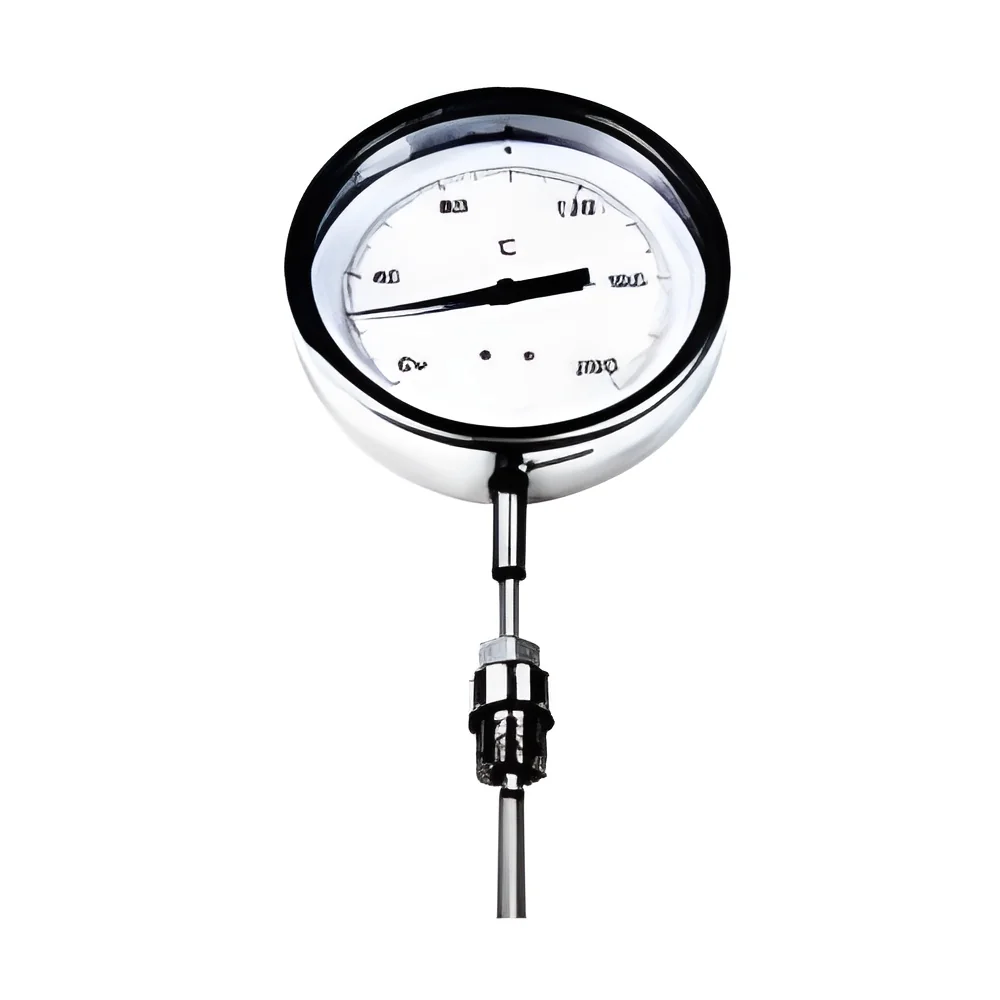
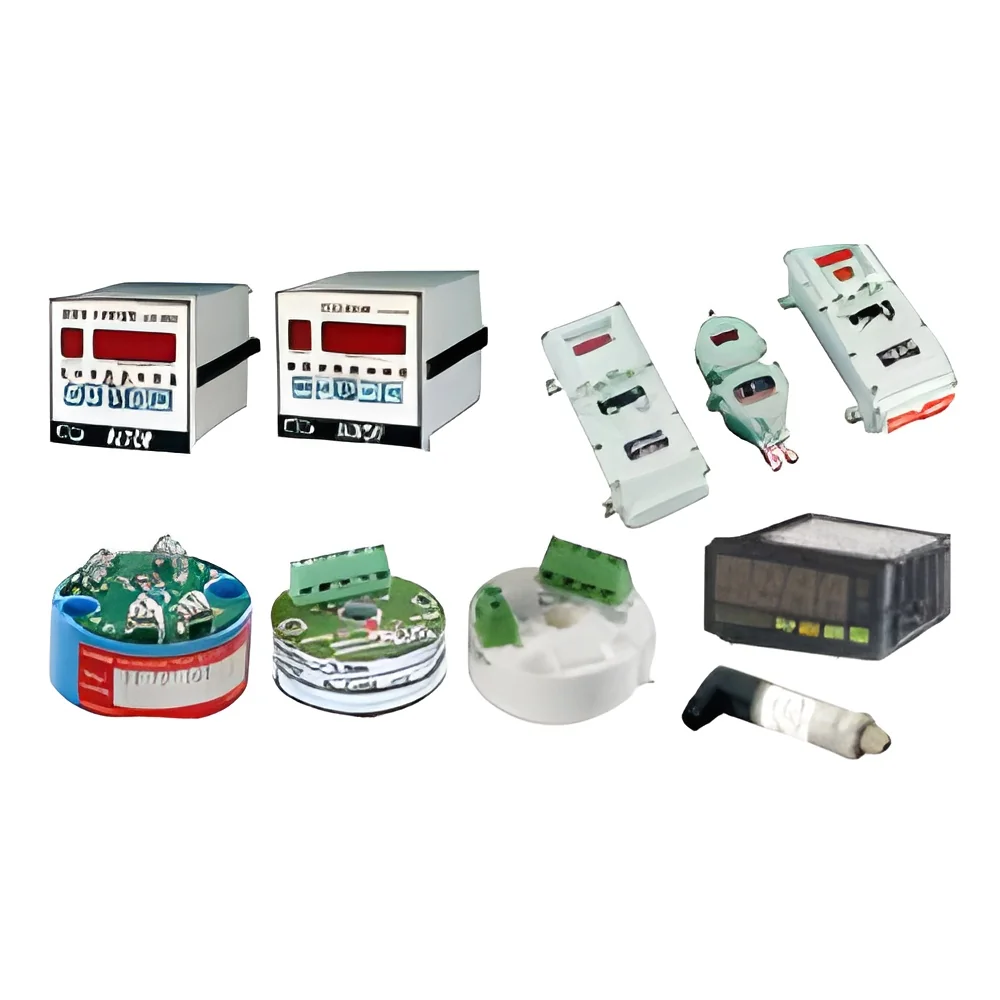
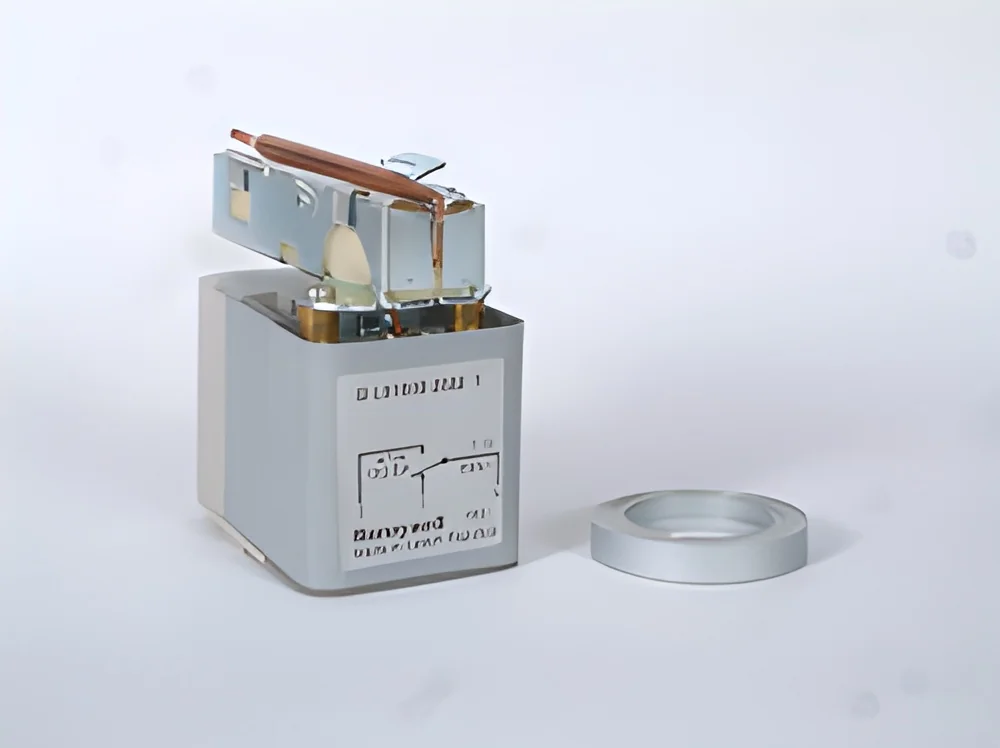
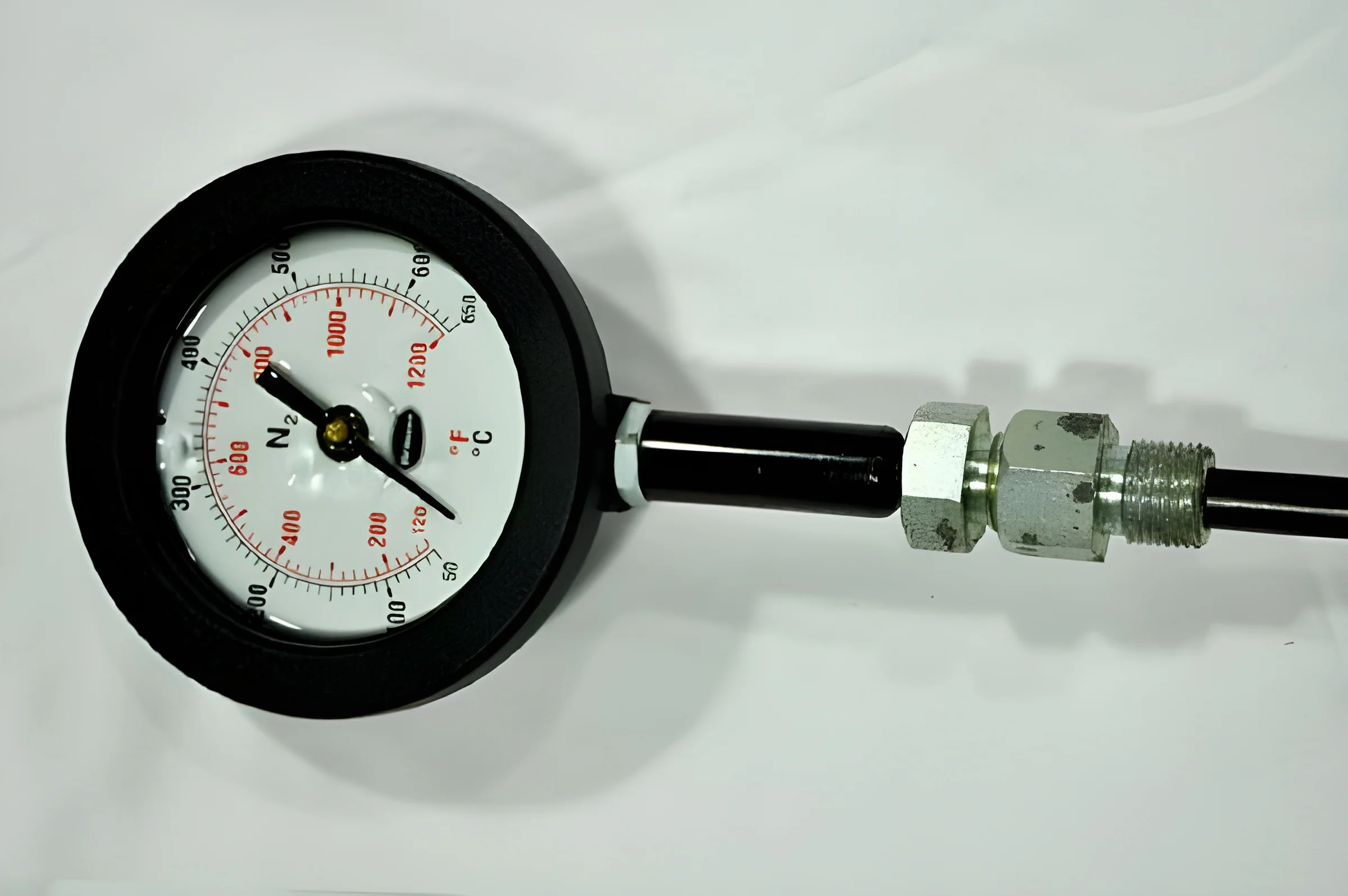
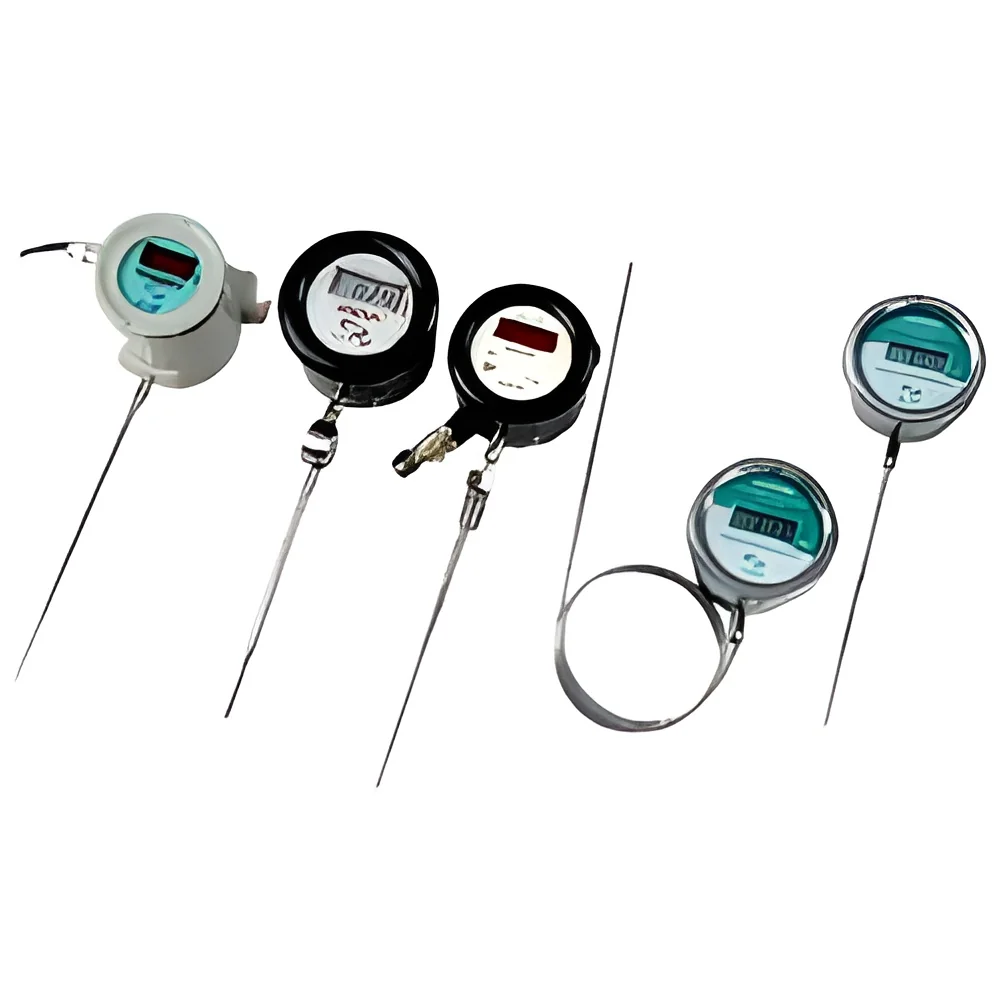
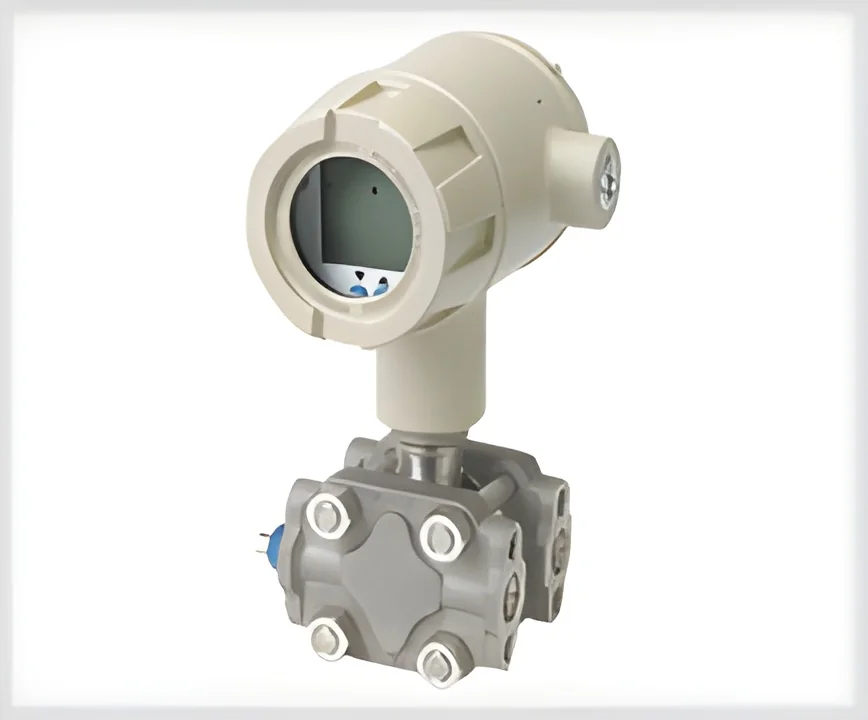
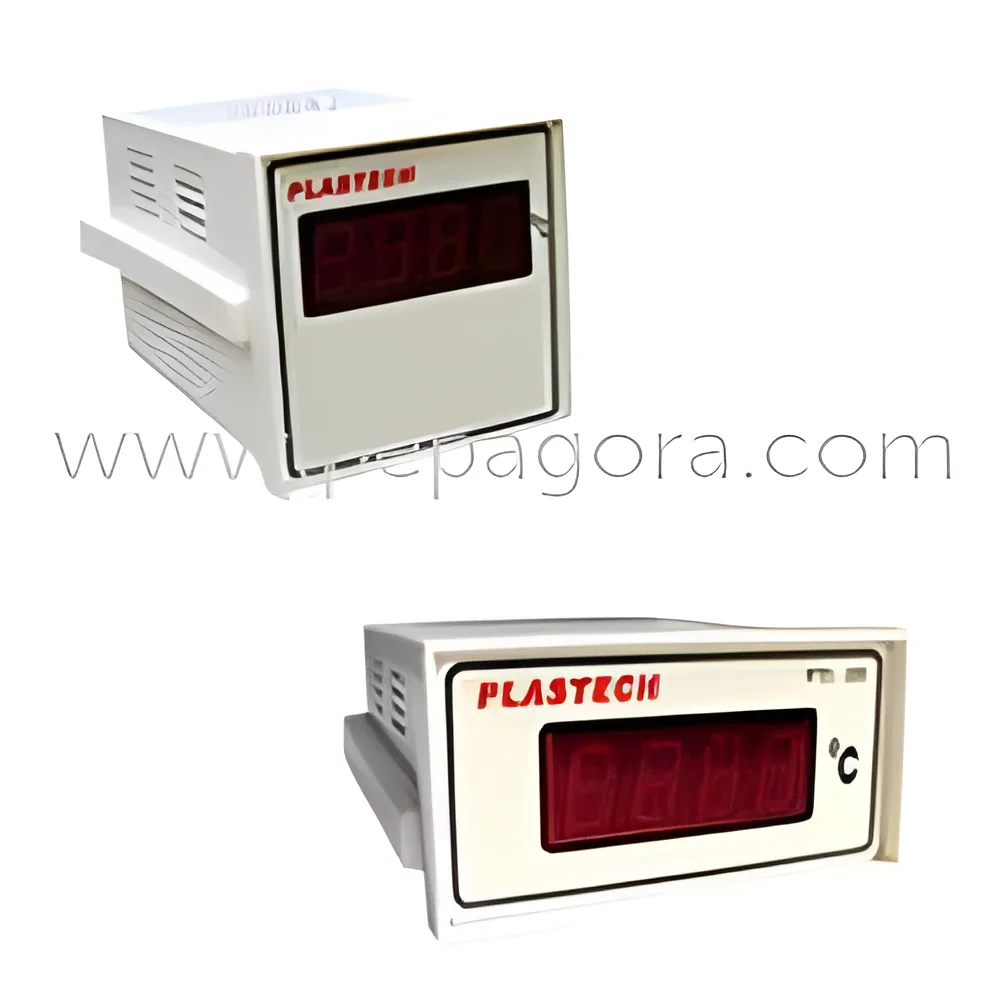
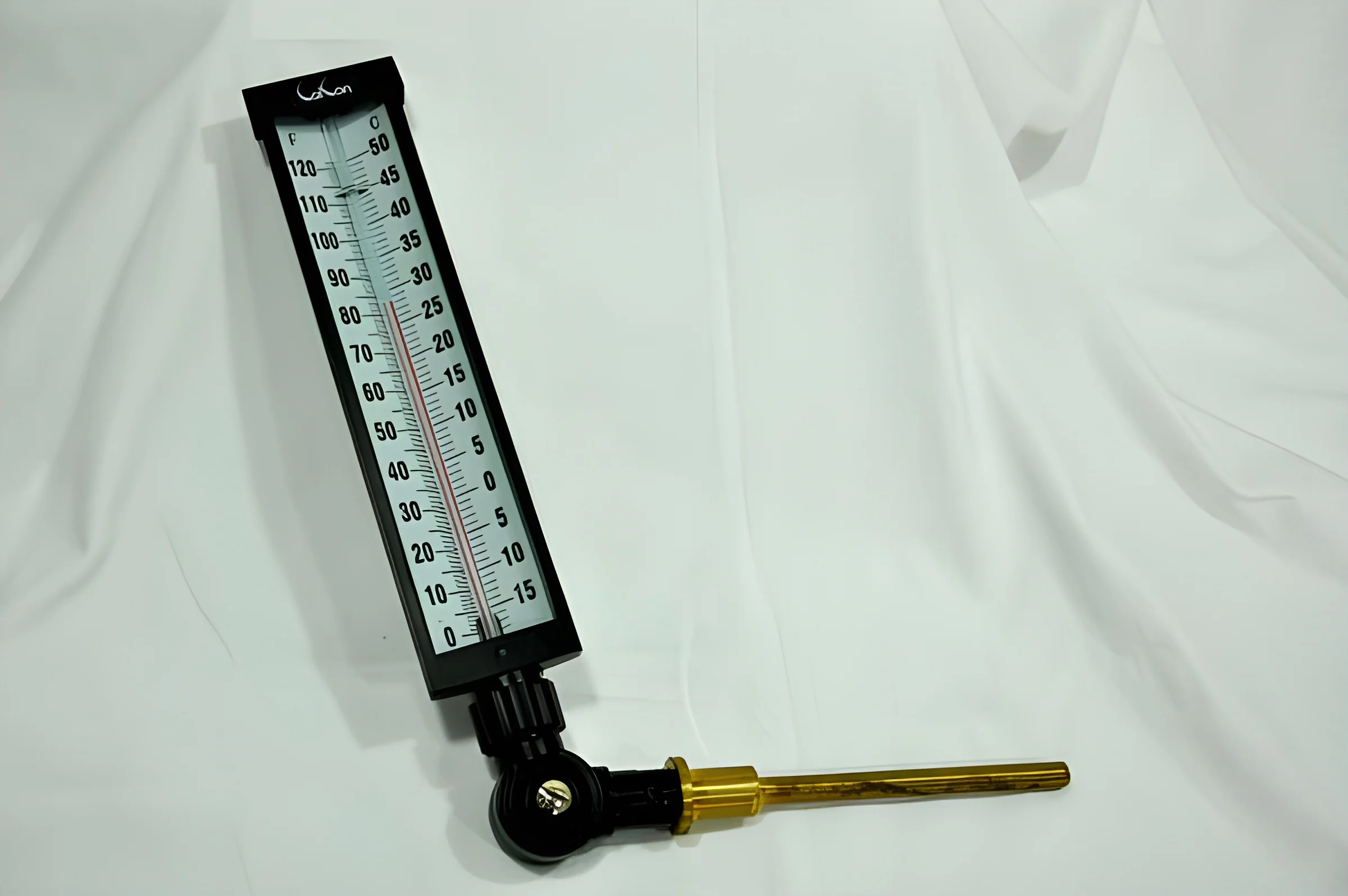
What are Pressure and Temperature Sensors?
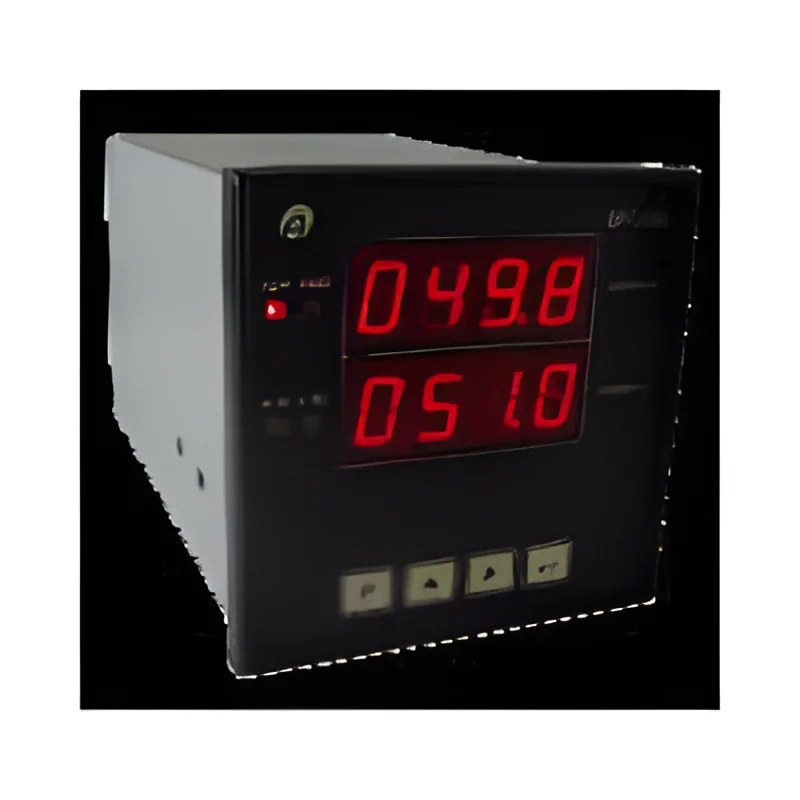
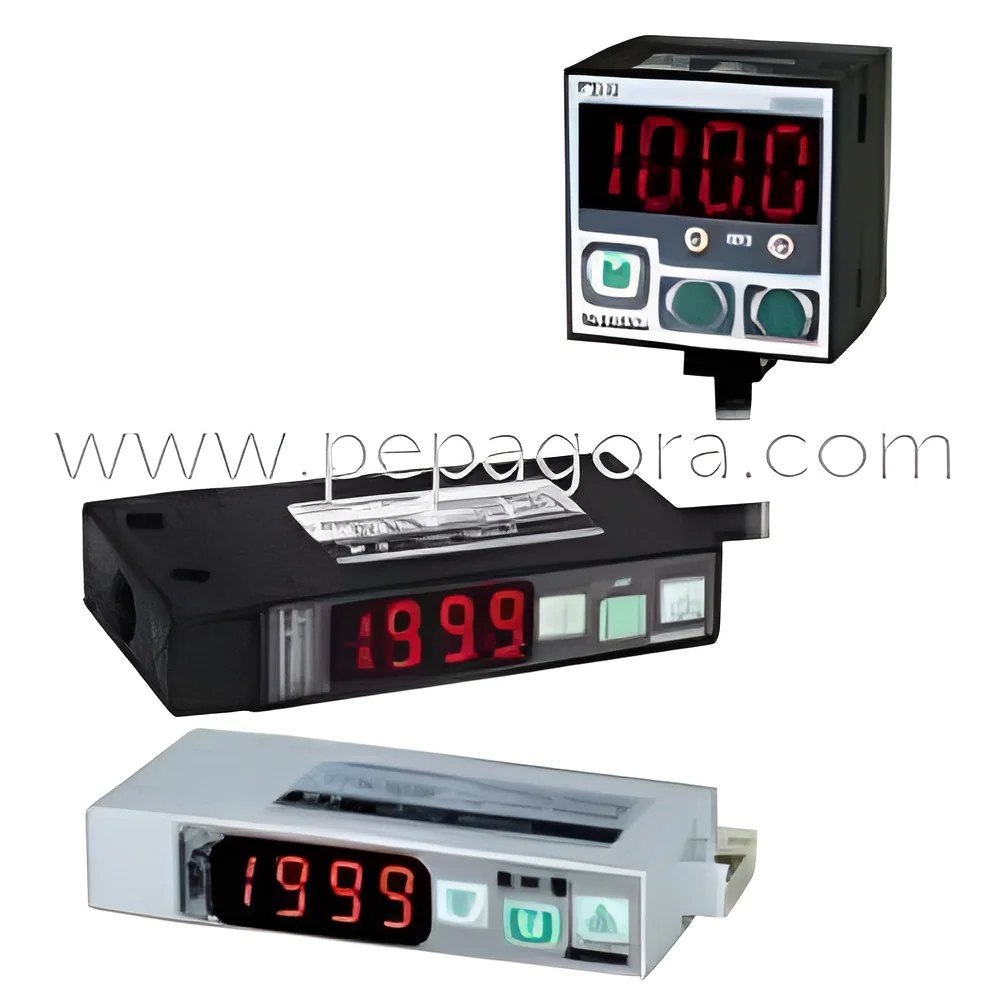
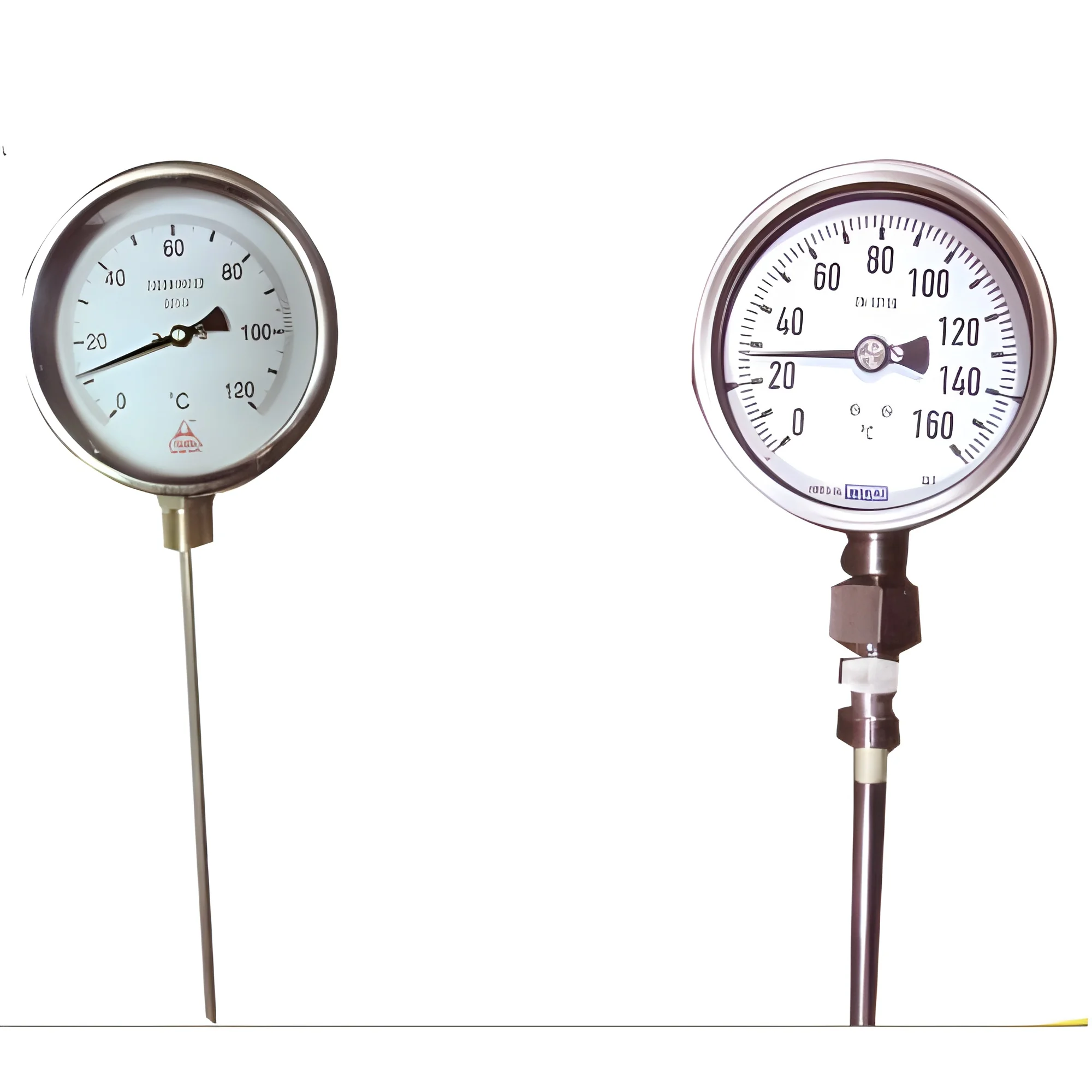
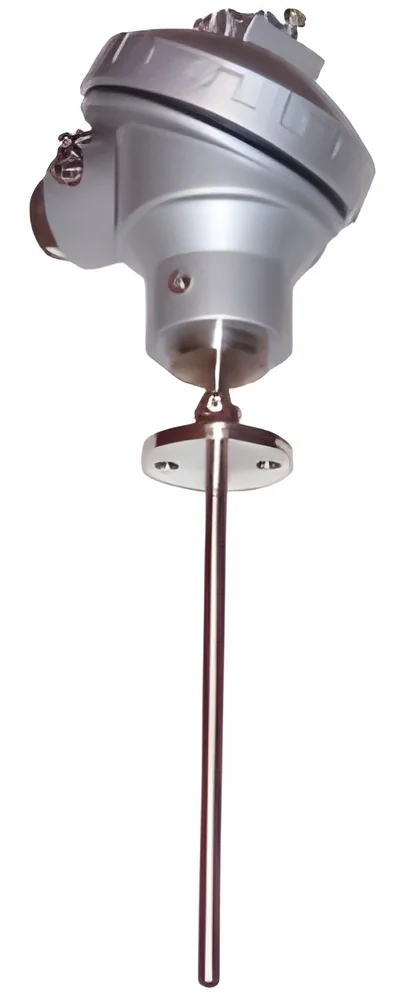
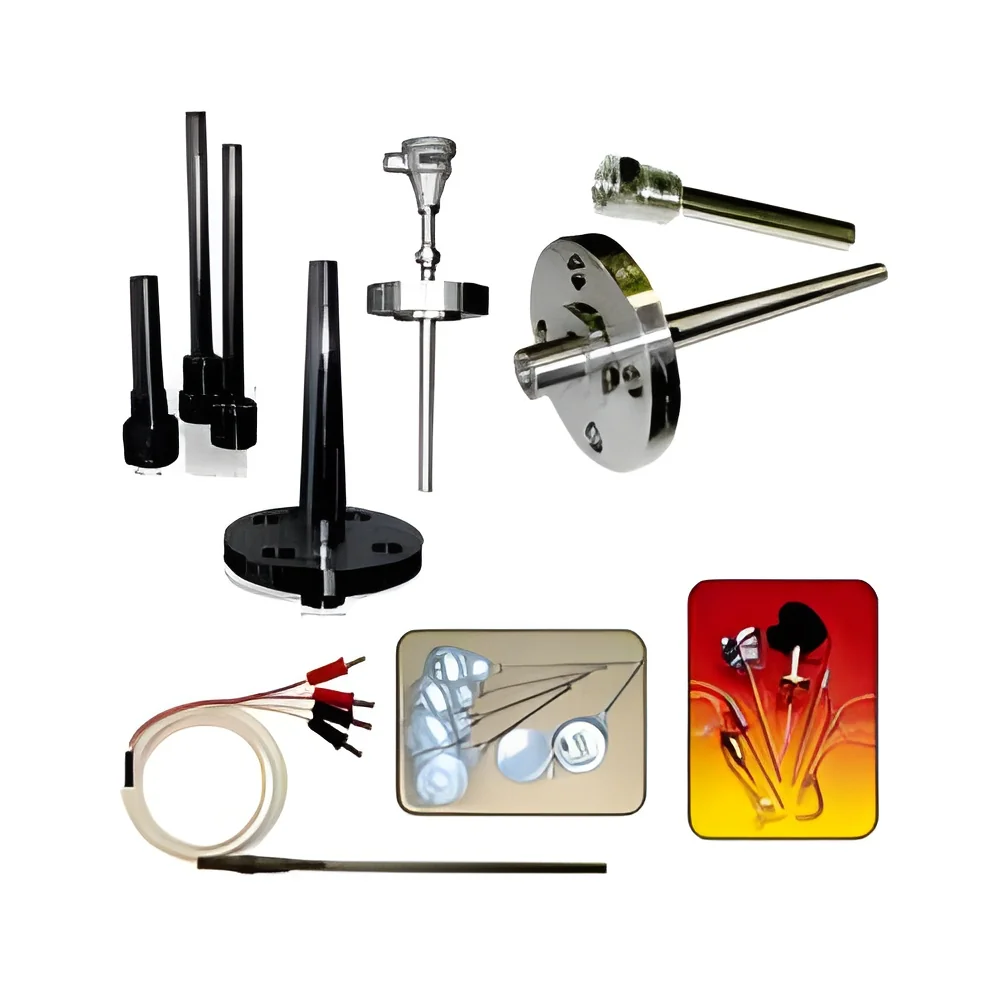
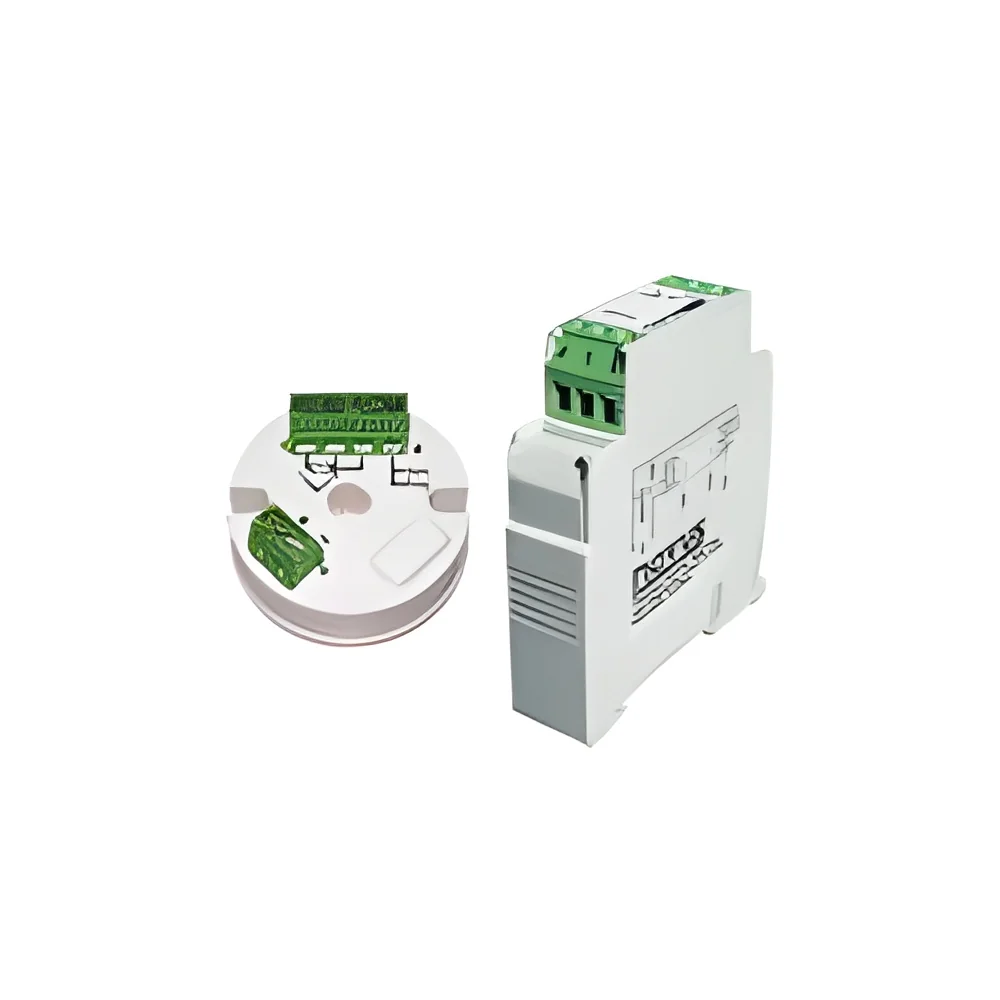
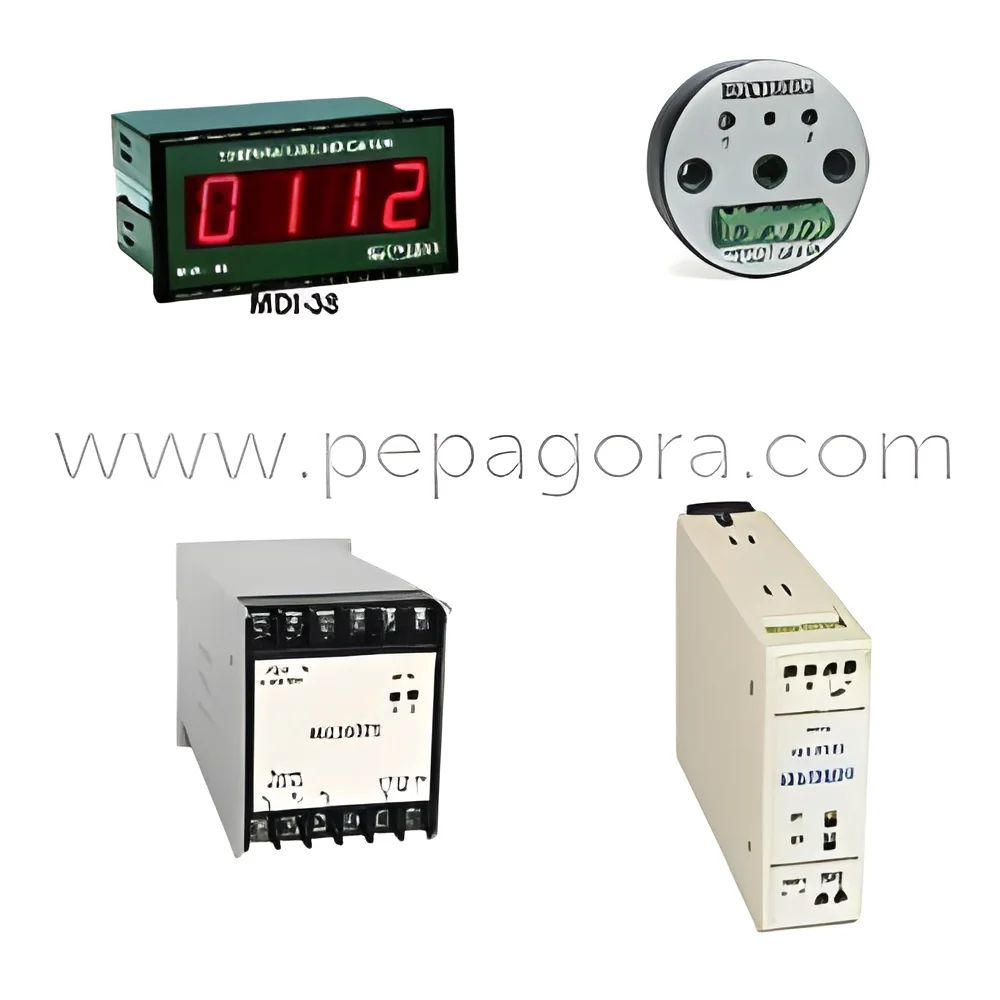
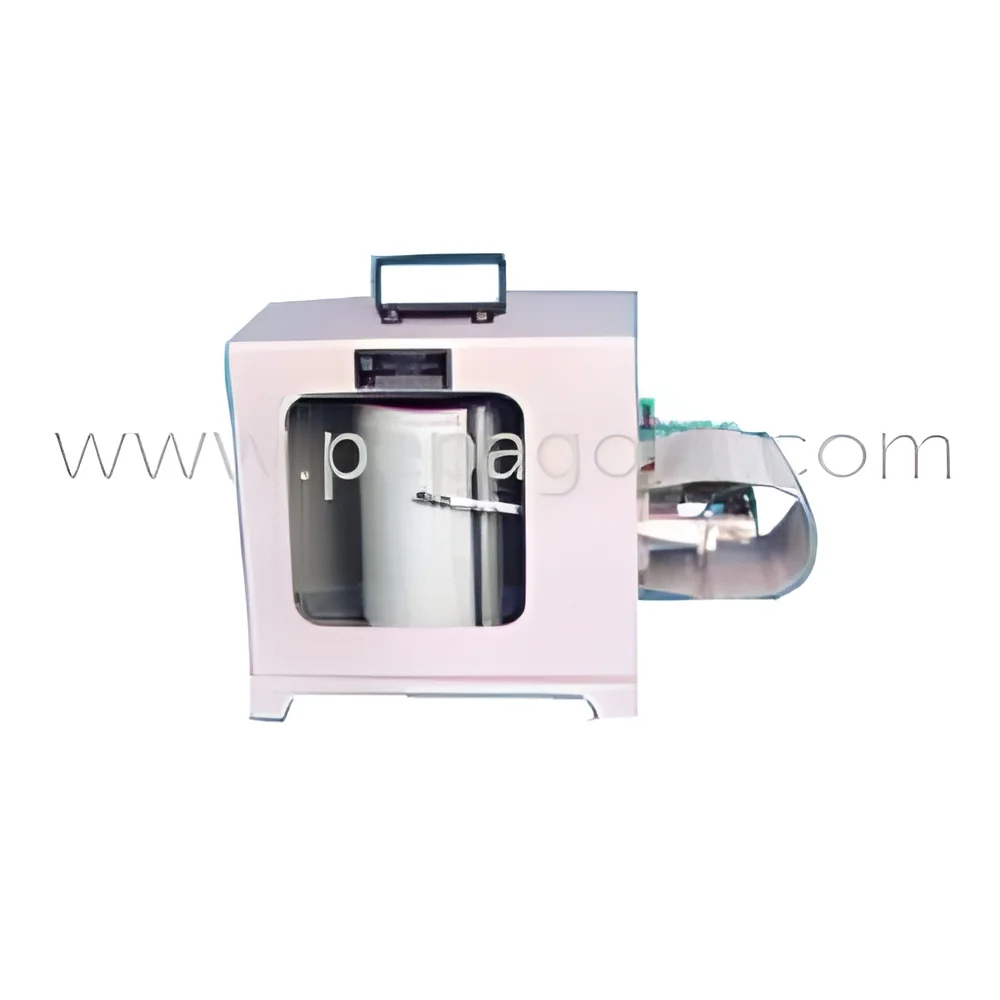
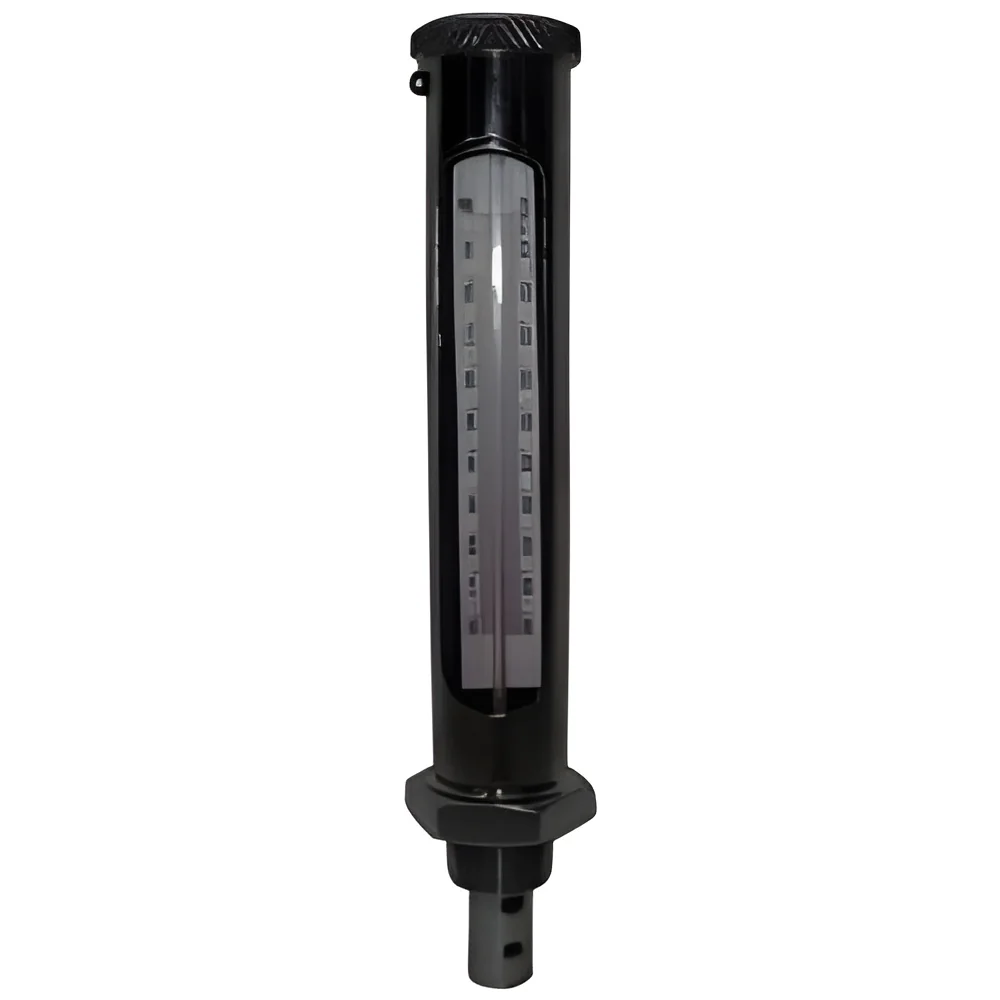
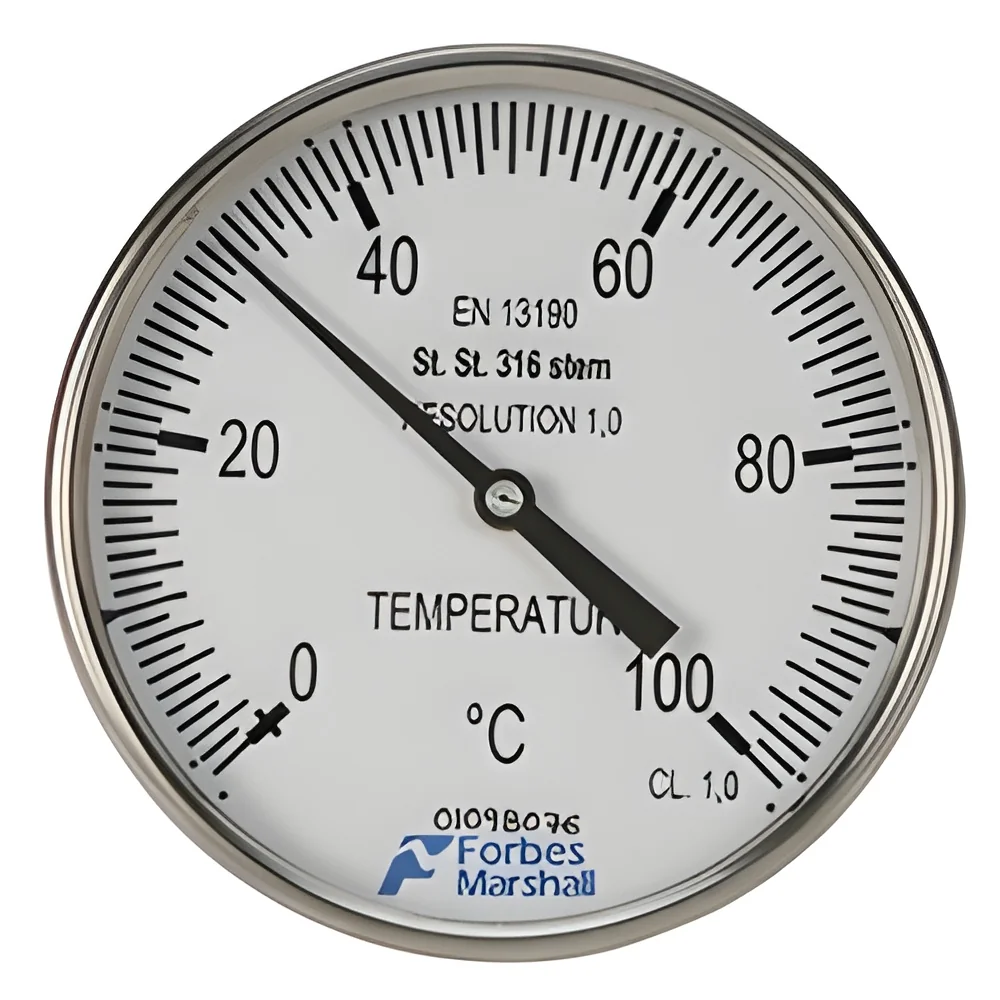
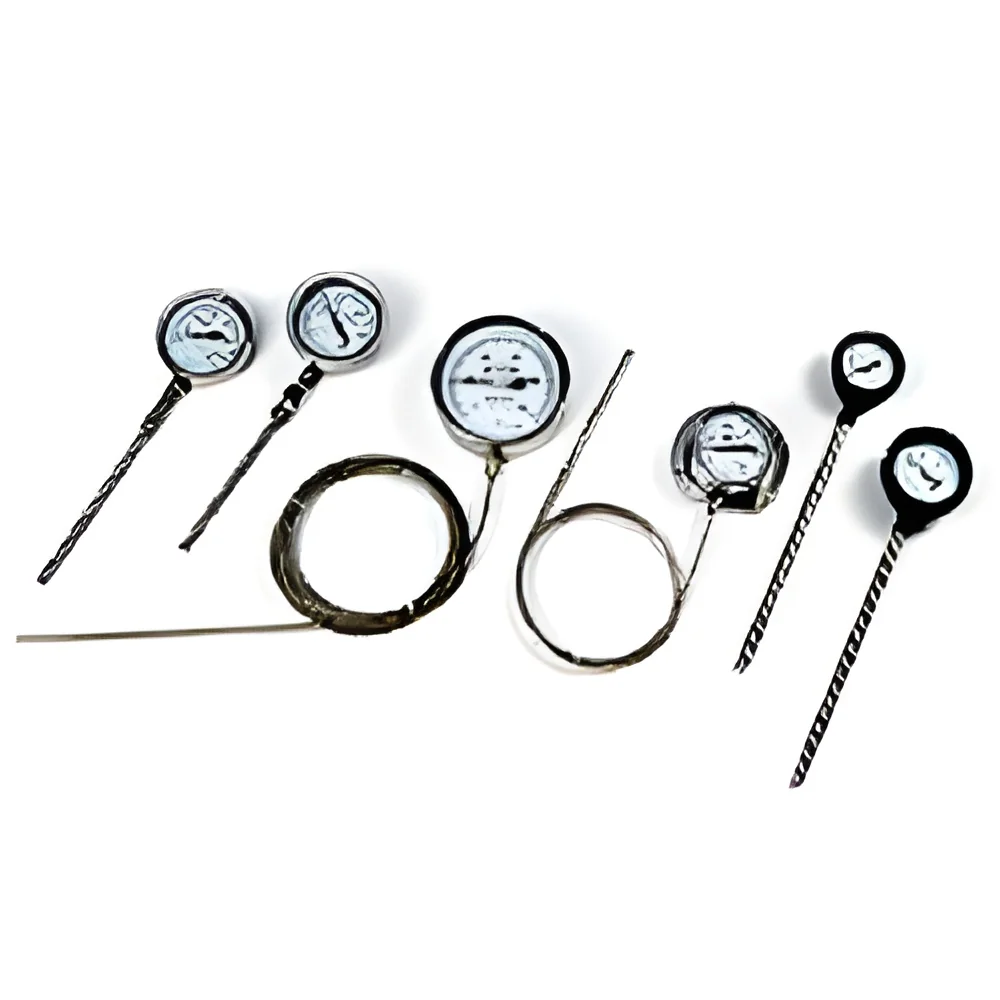
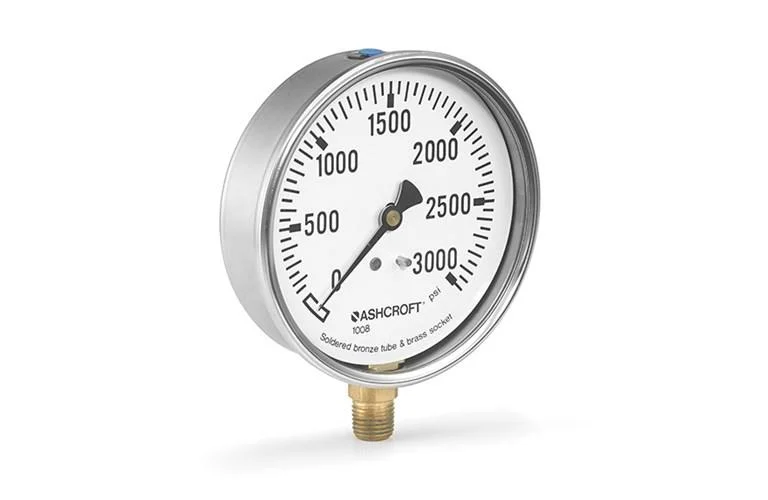
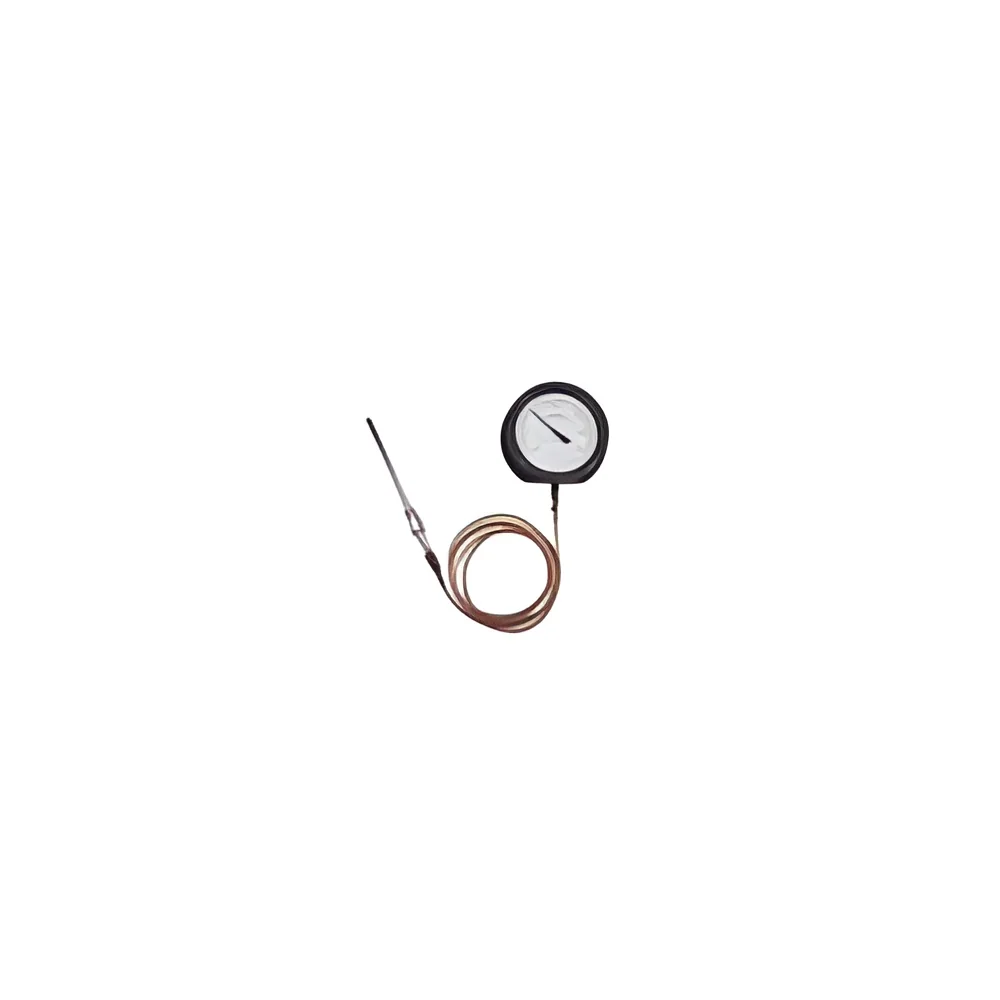
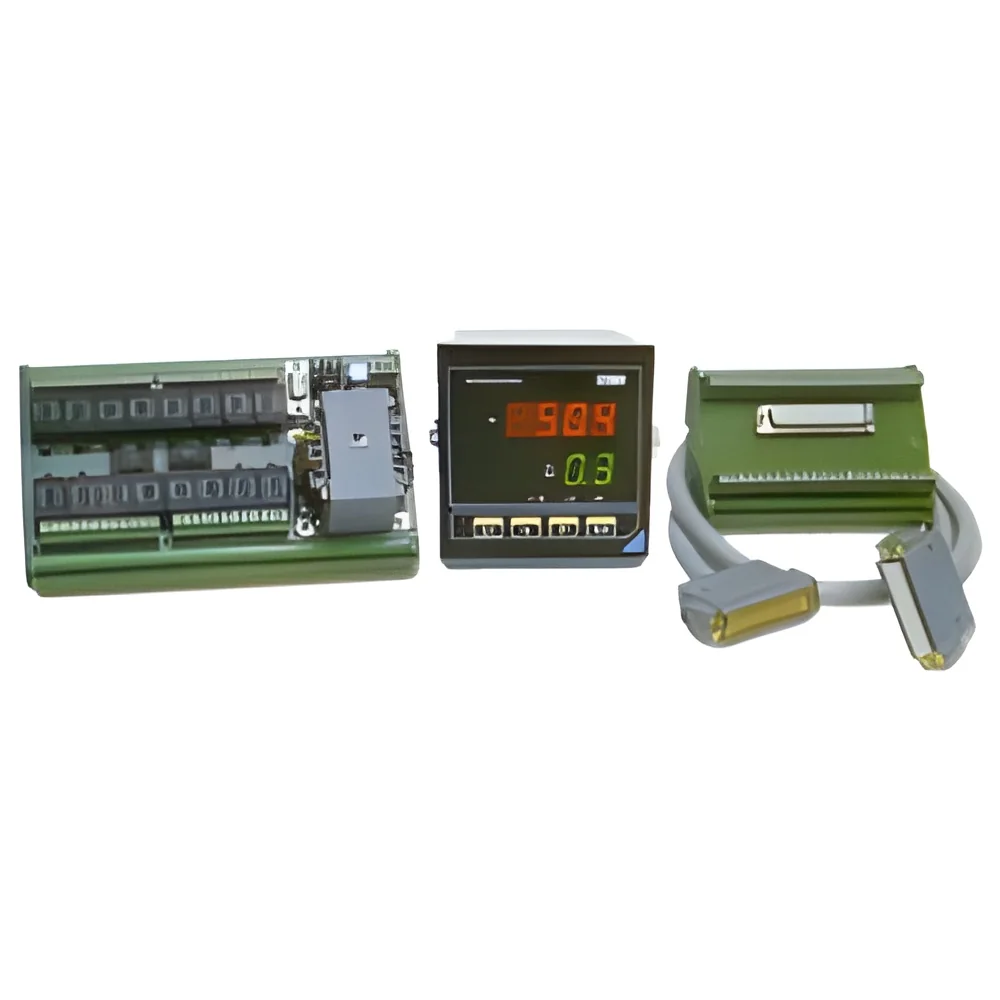
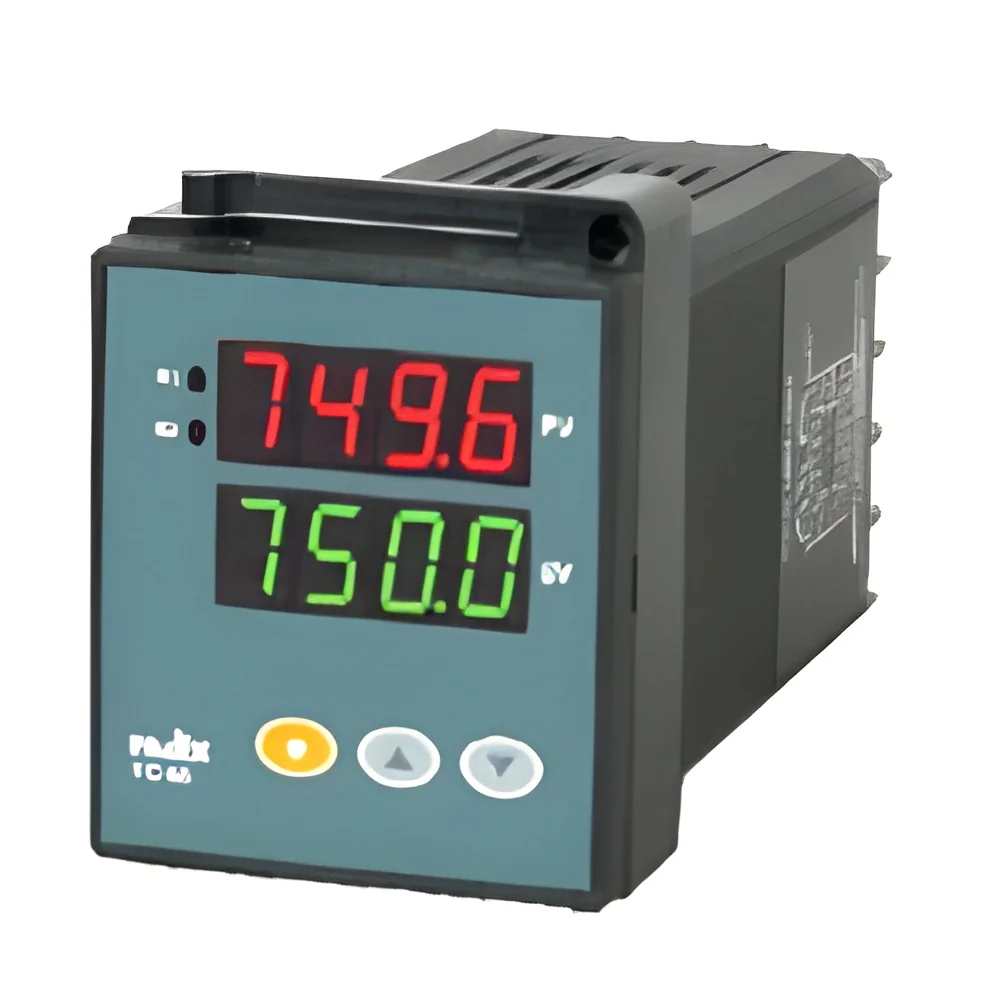
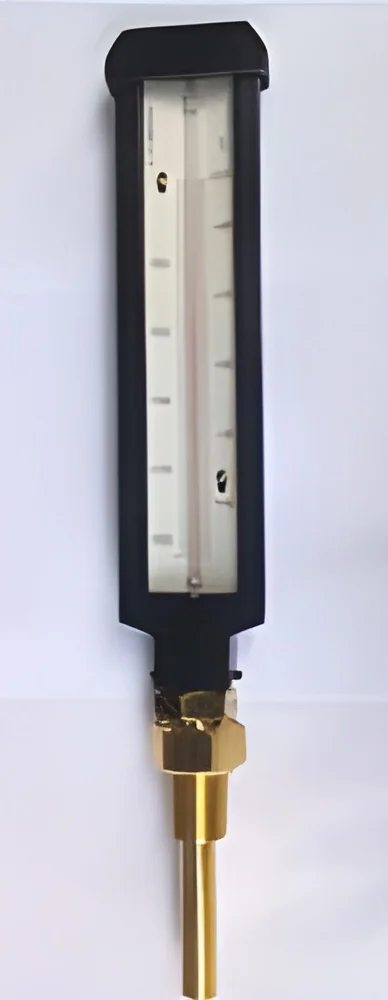
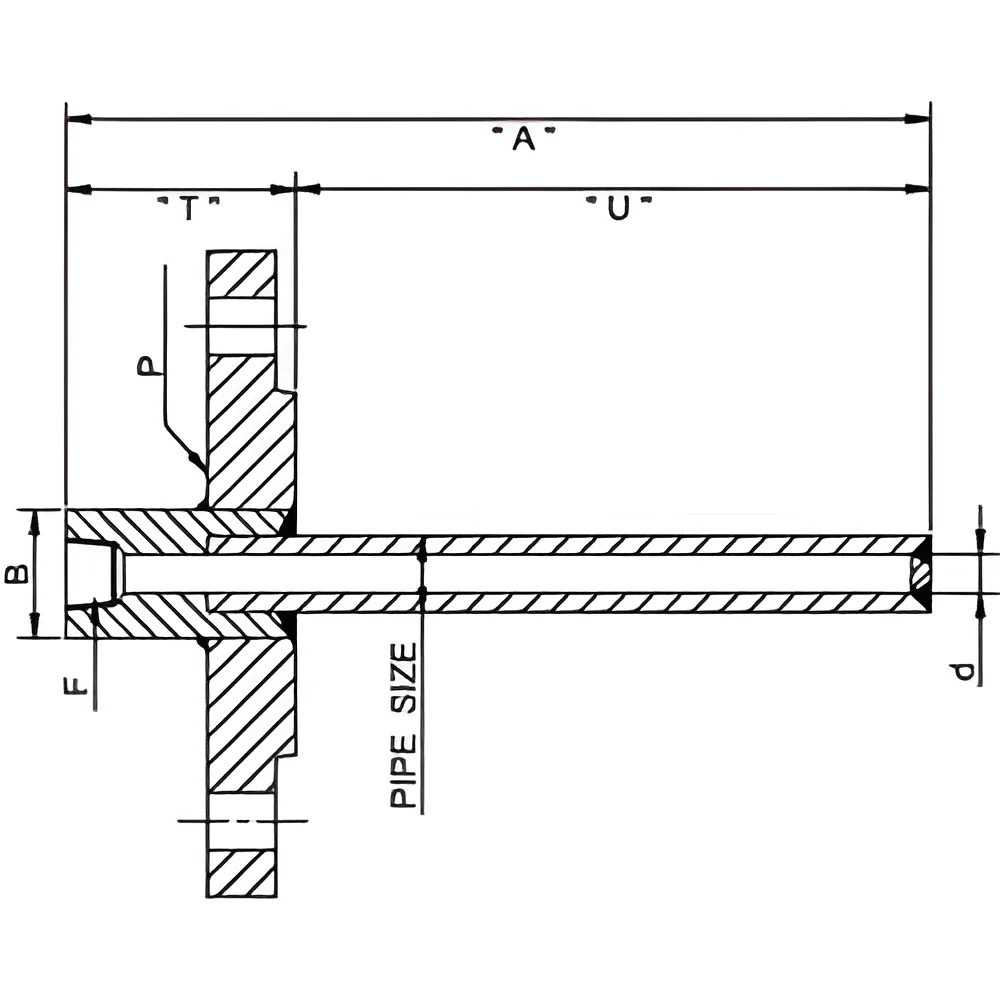
Pressure and temperature sensors are critical devices used to monitor and measure the pressure and temperature of gases and liquids in various industrial applications. These sensors convert physical conditions into electrical signals, which can then be interpreted by monitoring systems. Pressure sensors measure the force exerted by a fluid, while temperature sensors gauge the heat level. Together, they provide essential data for maintaining optimal operating conditions in processes.
These sensors find extensive applications across multiple sectors such as manufacturing, oil and gas, pharmaceuticals, and food and beverage. In manufacturing, they help monitor process conditions to ensure product quality and safety. In the oil and gas industry, they are crucial for monitoring pipeline integrity and safety. The pharmaceutical sector relies on them to maintain strict compliance with safety regulations. As industries continue to evolve, the demand for precise measurement tools like pressure and temperature sensors continues to grow, reflecting their importance in maintaining efficiency and safety.
Key Features and Specifications
Pressure and temperature sensors come with a variety of features designed to meet diverse industrial needs. Understanding these features is vital for selecting the right sensor for specific applications.
Key specifications include:
1. Measurement Range
- This specification defines the minimum and maximum values that the sensor can accurately measure.
- Parameters typically range from low-pressure to high-pressure applications, and for temperature, from low to high extremes.
2. Accuracy
- This specification indicates how close the sensor's reading is to the true value.
- Accuracy is usually expressed as a percentage of the full-scale range and can vary by model.
3. Output Signal
- This defines the type of signal the sensor transmits, such as 4-20 mA, 0-10 V, or digital output.
- The choice of output signal can affect integration with existing control systems.
4. Operating Temperature
- This indicates the range of ambient temperatures within which the sensor can operate effectively.
- It is crucial for sensors used in extreme environments.
5. Power Supply
- This specification details the voltage and current required for the sensor to function.
- Typical power supply requirements may vary from 5V to 30V depending on the sensor type.
6. Material of Construction
- The materials used in the sensor's construction affect its durability and compatibility with different media.
- Common materials include stainless steel and various plastics.
7. Response Time
- This specification measures how quickly the sensor can respond to changes in pressure or temperature.
- Faster response times are generally preferred for dynamic processes.
8. Environmental Ratings
- These ratings indicate the sensor's ability to withstand conditions such as moisture, dust, and temperature extremes.
- Ratings may include IP (Ingress Protection) levels.
In summary, selecting pressure and temperature sensors involves understanding these key features and specifications to ensure they meet the demands of specific applications.
Common Applications and Use Cases
Pressure and temperature sensors are integral to various industries, enabling efficient monitoring and control.
1. Manufacturing: In manufacturing, these sensors are used to monitor process conditions, ensuring that production lines operate within specified parameters for quality control.
2. Oil and Gas: In the oil and gas industry, they help monitor pipeline pressures and temperatures, assisting in leak detection and ensuring safe operation.
3. Pharmaceuticals: These sensors are crucial in pharmaceutical production for maintaining controlled environments and ensuring compliance with health regulations.
4. Food and Beverage: In the food industry, they are used to monitor cooking and storage temperatures, ensuring that products are safe for consumption.
5. HVAC Systems: In heating, ventilation, and air conditioning systems, they help regulate temperatures and pressures for optimal comfort and energy efficiency.
6. Automotive: In automotive applications, these sensors monitor engine performance by measuring pressure and temperature in various systems.
7. Water Treatment: In water treatment facilities, they are essential for monitoring the pressure and temperature of water to ensure effective purification processes.
Product Variants and Subcategories
Pressure and temperature sensors come in a variety of configurations to meet specific needs.
Digital Pressure and Temperature Sensors
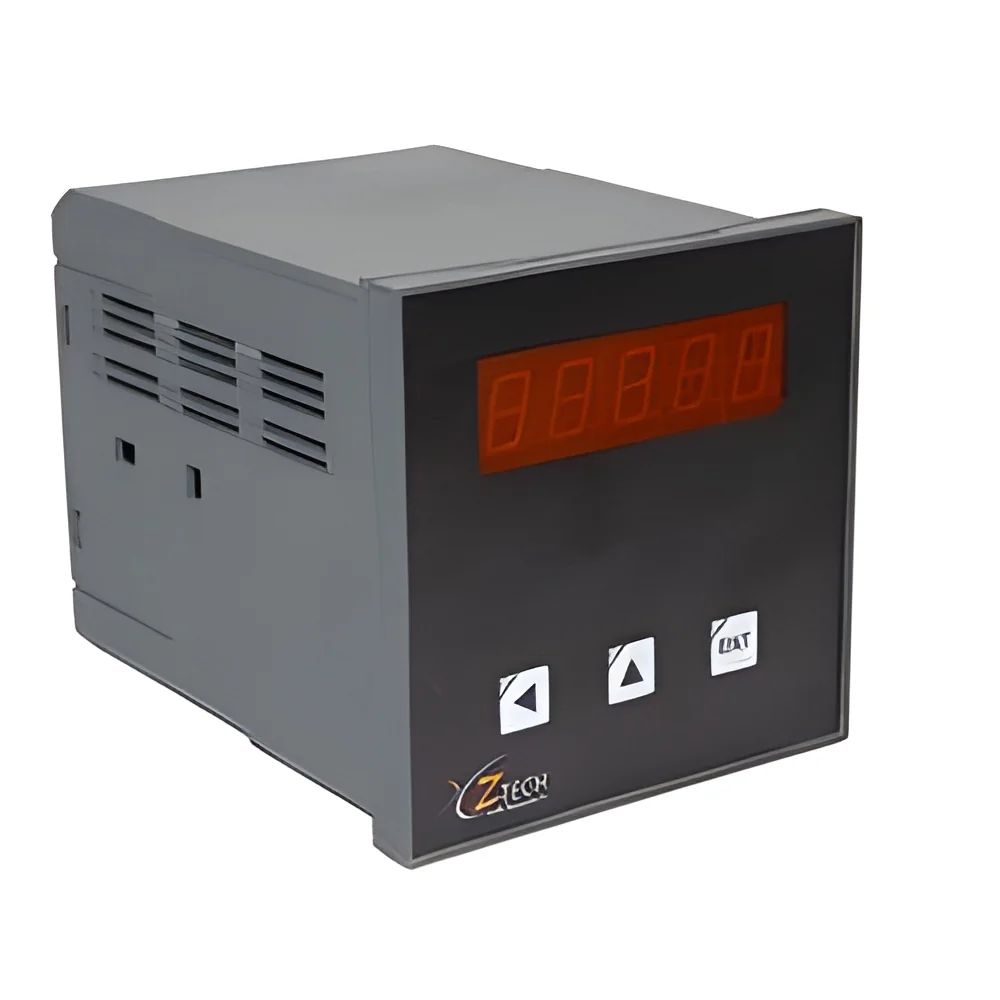
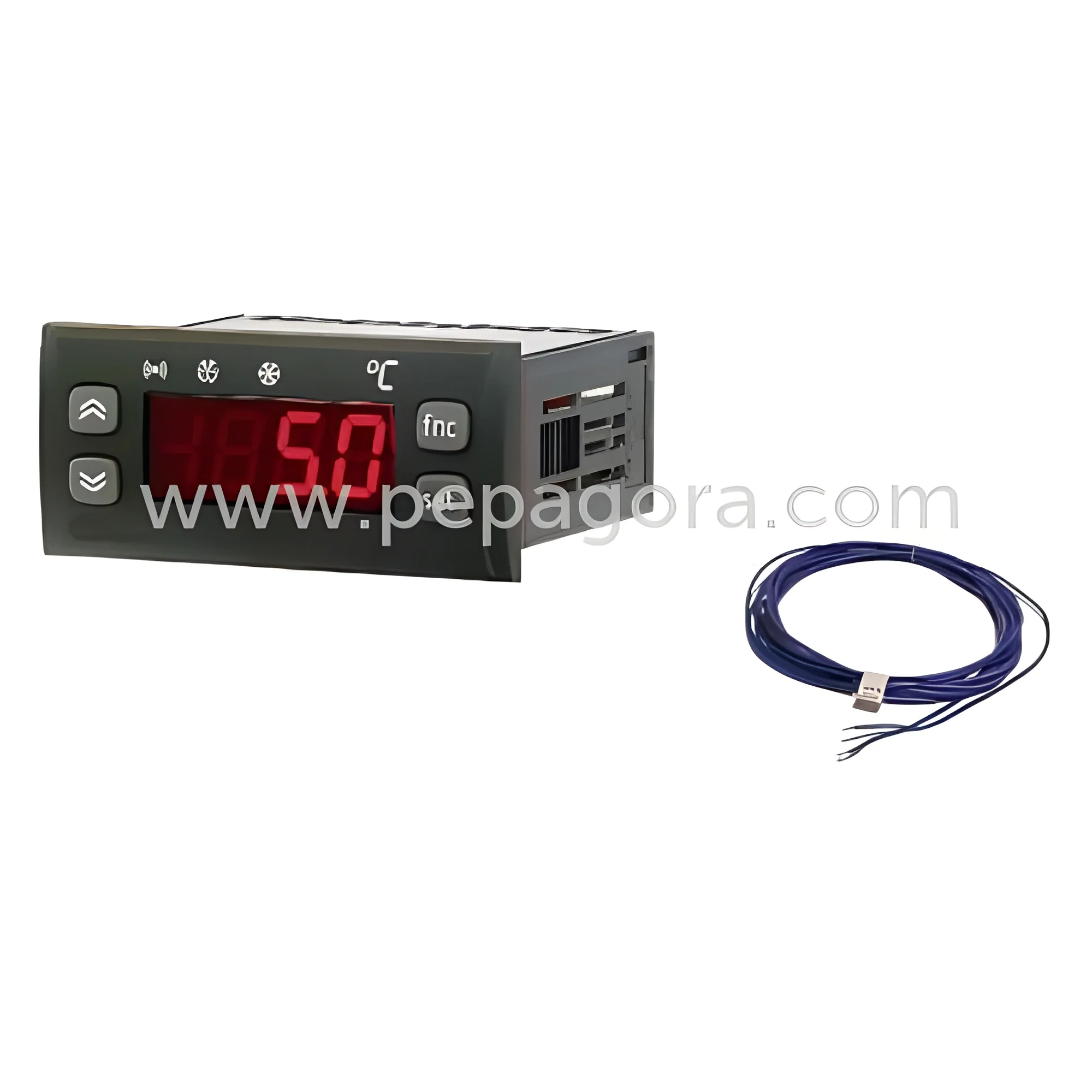
These sensors provide digital output that is easy to integrate with modern control systems. They often feature built-in diagnostics and can be more precise than analog models.
Analog Pressure and Temperature Sensors
Analog models offer continuous output signals, commonly used in applications where real-time monitoring is critical. They are known for their simplicity and reliability.
Wireless Pressure and Temperature Sensors
These sensors utilize wireless technology for data transmission, eliminating the need for extensive wiring. They are ideal for remote monitoring applications.
Intrinsically Safe Sensors
Designed for hazardous environments, these sensors meet stringent safety standards to prevent ignition in volatile conditions. They are commonly used in the oil and gas sector and chemical processing.
Benefits and Advantages
Pressure and temperature sensors offer numerous benefits that enhance operational efficiency and safety.
1. Enhanced Accuracy: These sensors provide precise measurements, which are crucial for maintaining optimal conditions in various processes.
2. Improved Safety: By monitoring pressure and temperature, these sensors help prevent hazardous situations, reducing the risk of accidents.
3. Increased Efficiency: Real-time data enables quick response to changing conditions, leading to more efficient operations and reduced downtime.
4. Cost Savings: Accurate monitoring can lead to reduced waste and lower operational costs, contributing to overall profitability.
5. Regulatory Compliance: These sensors help industries comply with strict regulations by ensuring that processes remain within safe parameters.
6. Versatility: The wide range of available sensors allows for applications across diverse industries, making them a flexible solution for many businesses.
Buying Guide for B2B Buyers
When sourcing pressure and temperature sensors, several critical factors should be considered to ensure the right selection for your needs.
1. Quality Assessment: Look for sensors that meet established quality standards. Quality can be assessed through certifications such as CE and ISO standards, which indicate reliability and adherence to safety requirements.
2. Supplier Verification: Vet potential suppliers by checking their reputation, customer reviews, and compliance with industry standards. Reliable suppliers should have a proven track record of delivering quality products.
3. Pricing and MOQ: Understand the pricing structure and minimum order quantities (MOQ) required by suppliers. This will help in budgeting and ensuring that your order meets your operational needs.
4. Delivery and Lead Times: Inquire about the lead times for delivery. Timely delivery is crucial for maintaining production schedules and avoiding delays.
5. Compliance Requirements: Ensure that the sensors meet all relevant regulatory requirements for your industry. This may include specific certifications and testing to ensure safety and performance.
Compliance and Certifications
Pressure and temperature sensors must adhere to relevant quality standards and certifications to ensure reliability and safety. One of the primary standards is ISO 9001, which outlines quality management principles that organizations must follow to ensure consistent product quality.
Additionally, industry certifications such as CE mark indicate that the products meet European safety, health, and environmental protection standards. These certifications are crucial for gaining market acceptance and ensuring product reliability.
Safety and testing requirements are also paramount, especially in hazardous environments. Sensors often undergo rigorous testing to ensure they can withstand extreme conditions while maintaining accuracy and performance.
Regional compliance considerations may vary, so it is essential to be aware of local regulations that apply to sensor use in specific regions, including compliance with environmental and safety standards.
Why Source Pressure and Temperature Sensors from Pepagora?
Pepagora provides a trusted platform for sourcing pressure and temperature sensors, offering several key advantages to B2B buyers.
Verified Supplier Network: Pepagora connects buyers with a network of verified suppliers, ensuring that all products meet high-quality standards. This reduces the risk associated with sourcing from unknown vendors.
Streamlined RFQ Process: The platform offers a streamlined Request for Quotation (RFQ) process, allowing buyers to easily compare prices and specifications from multiple suppliers. This simplifies the purchasing process and saves time.
Trade Assurance and Support: Pepagora prioritizes buyer protection with trade assurance features. This includes support for dispute resolution and assurance of product quality, giving buyers peace of mind.
Regional Coverage: With a focus on regions like India, the GCC, and Southeast Asia, Pepagora provides extensive market reach. This ensures that buyers can find suitable suppliers and products tailored to their specific geographical and operational needs.

 IN
IN