What are Electric Boilers?
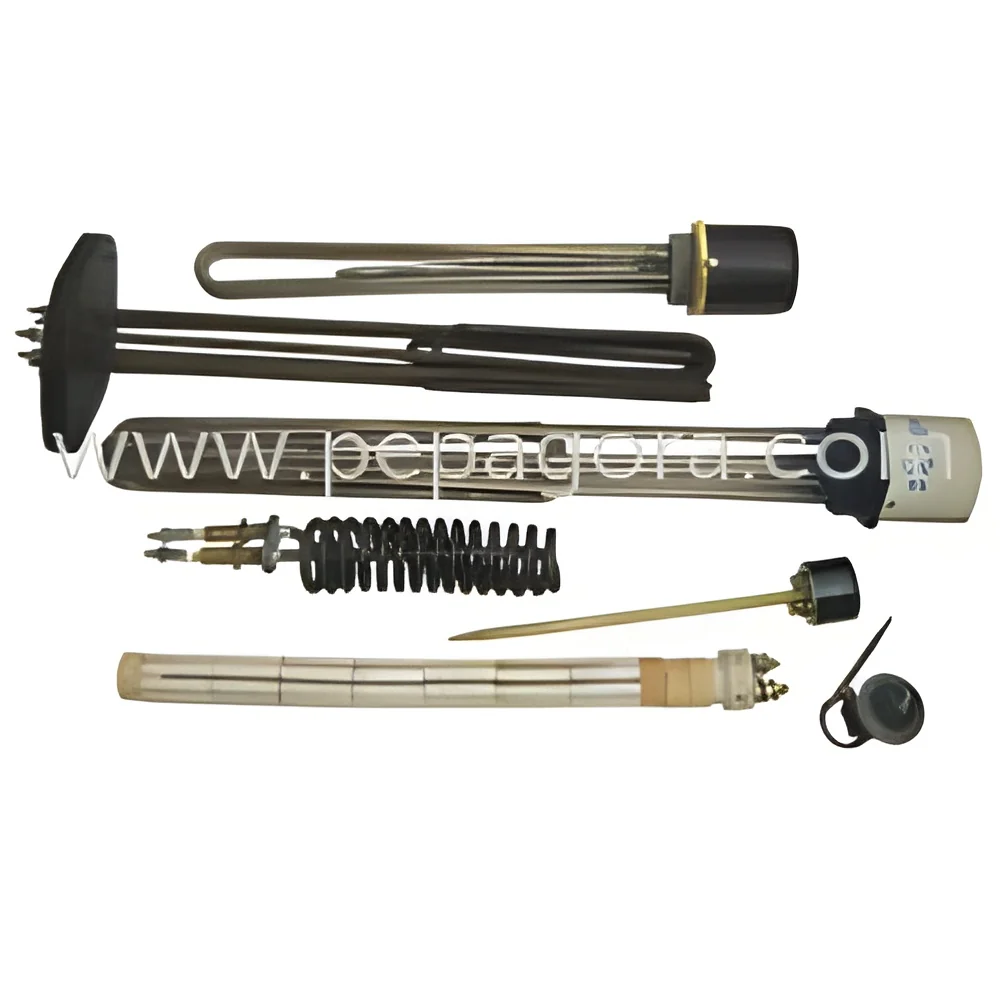
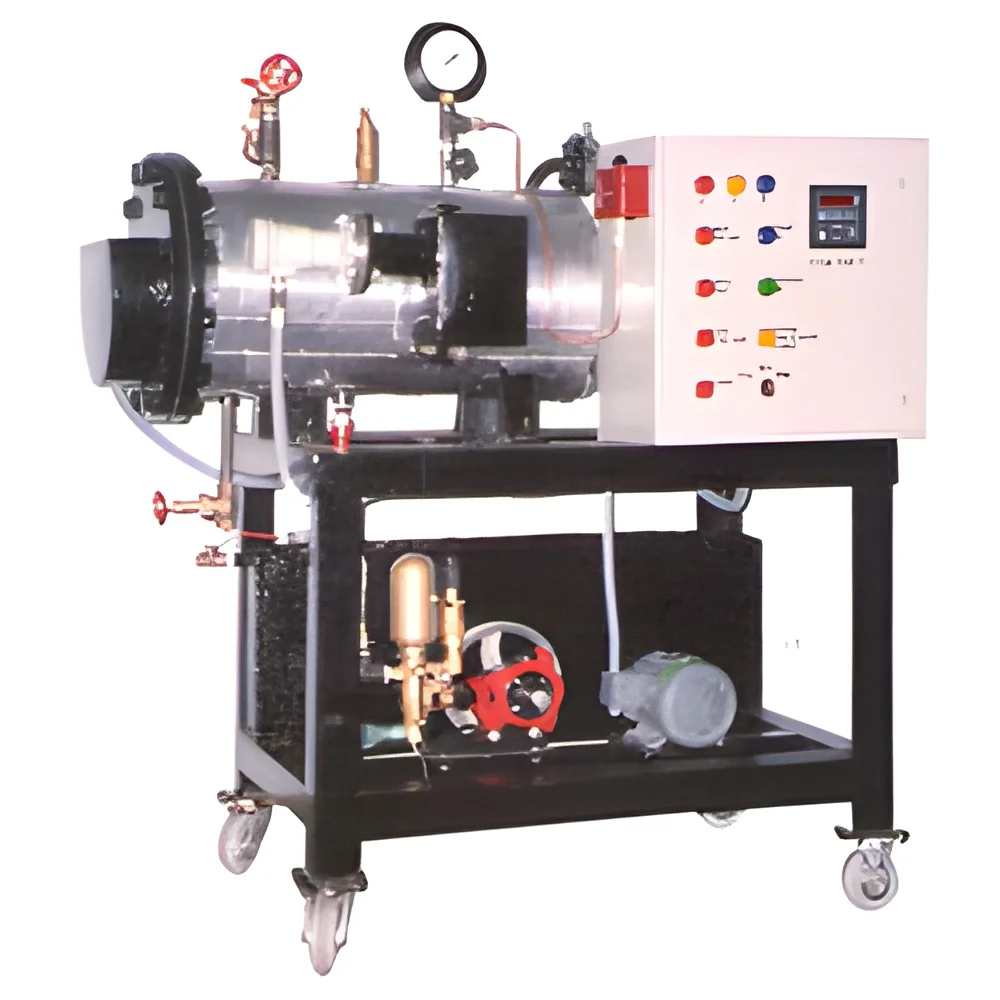
Electric boilers are devices that use electrical energy to heat water or generate steam for various industrial and commercial applications. Unlike traditional boilers that rely on fossil fuels, electric boilers convert electricity into thermal energy, offering a cleaner and often more efficient heating solution. These systems are typically compact, easy to install, and require less maintenance compared to their gas-fired counterparts.
Electric boilers are primarily used in settings where steam or hot water is needed for process heating, space heating, or domestic hot water supply. Industries such as manufacturing, food processing, and healthcare frequently utilize electric boilers to meet their heating demands. The ability to control temperature and pressure precisely makes electric boilers particularly valuable in applications that require consistent performance and reliability.
As industries increasingly prioritize sustainability and efficiency, electric boilers have gained traction in the market. They align with the global push towards reducing carbon emissions and reliance on fossil fuels. The growth of renewable energy sources also supports the adoption of electric boilers, as they can be powered by green energy, making them an attractive option for forward-thinking businesses.
Key Features and Specifications
Electric boilers come equipped with a range of features that enhance their functionality and efficiency. Understanding these specifications is vital for selecting the right unit for your needs.
Key specifications include:
1. Heating Capacity
- This specification indicates the maximum amount of heat the boiler can produce, typically measured in kilowatts (kW).
2. Efficiency Rating
- The efficiency rating reflects how effectively the boiler converts electricity into heat. Higher ratings indicate lower energy losses.
3. Operating Pressure
- Electric boilers can operate at various pressure levels, often measured in bar or psi, which is crucial for specific applications.
4. Control System
- Advanced control systems allow for precise temperature regulation and monitoring, improving overall performance and safety.
5. Size and Dimensions
- The physical size of the boiler impacts installation options, with some units designed for compact spaces.
6. Safety Features
- Safety mechanisms such as pressure relief valves and automatic shutoff controls are essential for safe operation.
7. Power Supply Requirements
- Electric boilers have specific electrical supply needs, including voltage and phase configurations.
8. Warranty and Support
- A robust warranty and access to technical support can significantly enhance the value of an electric boiler purchase.
In summary, understanding the key features and specifications of electric boilers allows businesses to make informed decisions that align with their operational requirements and efficiency goals.
Common Applications and Use Cases
Electric boilers are versatile and suitable for various industrial applications.
1. Manufacturing: Electric boilers provide steam for processes such as sterilization, drying, and chemical processing in manufacturing plants.
2. Food Processing: In the food industry, electric boilers are used for cooking, cleaning, and sanitization, ensuring compliance with hygiene standards.
3. Healthcare: Hospitals and healthcare facilities utilize electric boilers for sterilizing equipment and providing hot water for patient care.
4. Hospitality: Hotels and restaurants use electric boilers to supply hot water for kitchens and guest services, enhancing the customer experience.
5. District Heating: Electric boilers can be integrated into district heating systems, providing centralized heating to multiple buildings.
6. Swimming Pools: They are frequently used to heat water in pools and spas, ensuring a comfortable temperature for users.
7. Greenhouses: Electric boilers support climate control in greenhouses by supplying heat for plant growth.
Product Variants and Subcategories
Electric boilers come in various configurations to meet diverse business needs.
Standard Electric Boiler
This variant is designed for general applications, providing reliable heating for industrial and commercial use. It is known for its efficiency and compact design.
Modular Electric Boiler
Modular boilers consist of multiple smaller units that can be combined to meet varying heating demands. This design offers flexibility and scalability for growing operations.
High-Pressure Electric Boiler
These boilers are engineered for high-pressure applications, providing steam for demanding industrial processes. They are equipped with advanced safety features and precise control systems.
Compact Electric Boiler
Ideal for smaller spaces, compact electric boilers deliver efficient heating without compromising performance. They are perfect for facilities with limited installation space.
Benefits and Advantages
Electric boilers offer numerous advantages that make them an appealing choice for businesses.
1. Environmental Benefits: Electric boilers produce no emissions during operation, contributing to cleaner air and compliance with environmental regulations.
2. Energy Efficiency: With high efficiency ratings, electric boilers convert a significant portion of electrical energy into heat, reducing overall energy costs.
3. Low Maintenance: Electric boilers require minimal maintenance compared to traditional boilers, leading to lower operational costs.
4. Safety: The absence of combustible fuels reduces fire hazards, making electric boilers a safer option for various applications.
5. Space-Saving Design: Many electric boilers are compact and can be easily installed in tight spaces, providing flexibility in facility layout.
6. Quick Start-Up: Electric boilers can reach operating temperature quickly, allowing for rapid response to heating demands.
Buying Guide for B2B Buyers
When sourcing electric boilers, it is essential to consider several key factors to ensure you make the right choice.
1. Quality Assessment: Evaluate the quality of the electric boiler by reviewing industry standards and certifications. Look for models that meet or exceed performance expectations.
2. Supplier Verification: Vet potential suppliers by checking their reputation, customer reviews, and history of reliability. A trustworthy supplier can provide valuable support.
3. Pricing and MOQ: Understand the pricing structure, including any minimum order quantities (MOQ) that may apply. Compare pricing among different suppliers to ensure competitive rates.
4. Delivery and Lead Times: Inquire about delivery schedules and lead times to avoid operational disruptions. Timely delivery is crucial for maintaining production schedules.
5. Compliance Requirements: Ensure the electric boiler complies with local regulations and industry standards. This includes certifications such as CE for safety and performance.
Compliance and Certifications
Electric boilers must adhere to various compliance standards and certifications to ensure safety and efficiency.
ISO 9001 is a key quality management standard that reflects a manufacturer's commitment to producing reliable products. Compliance with this standard indicates a focus on continual improvement and customer satisfaction.
The CE mark signifies that the electric boiler meets European safety and environmental standards, allowing it to be sold in the European market. Manufacturers must demonstrate compliance with specific directives to obtain this certification.
Safety and testing requirements are critical for electric boilers. Regular inspections and adherence to safety protocols minimize risks associated with high-pressure steam and electrical components.
Regional compliance considerations vary, so it is essential to understand the specific regulations that apply to different geographic areas. This ensures that the electric boilers meet local safety and environmental requirements.
Why Source Electric Boilers from Pepagora?
Pepagora provides a trusted platform for sourcing electric boilers with several key advantages.
Verified Supplier Network: Pepagora connects businesses with a network of verified suppliers, ensuring that buyers can access high-quality electric boilers from reputable manufacturers.
Streamlined RFQ Process: The Request for Quotation (RFQ) system simplifies the procurement process, allowing buyers to easily compare quotes and make informed purchasing decisions.
Trade Assurance and Support: Pepagora offers trade assurance, providing buyers with protection and support throughout the transaction process. This ensures peace of mind when sourcing electric boilers.
Regional Coverage: With a strong presence in India, the GCC, and Southeast Asia, Pepagora facilitates access to electric boilers across diverse markets, making it easier for businesses to find the right solutions for their needs.

 IN
IN