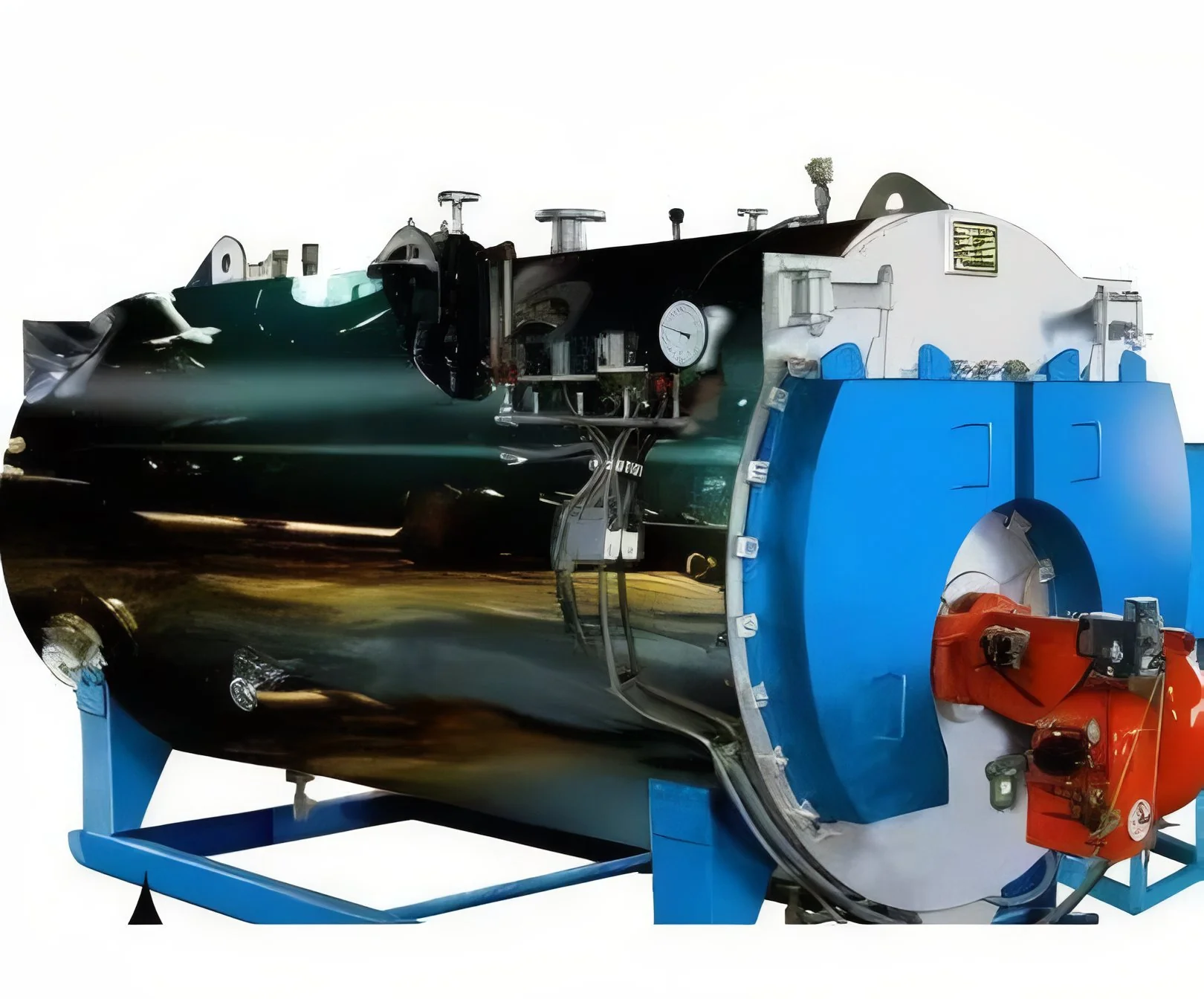
What are High Pressure Industrial Boilers?
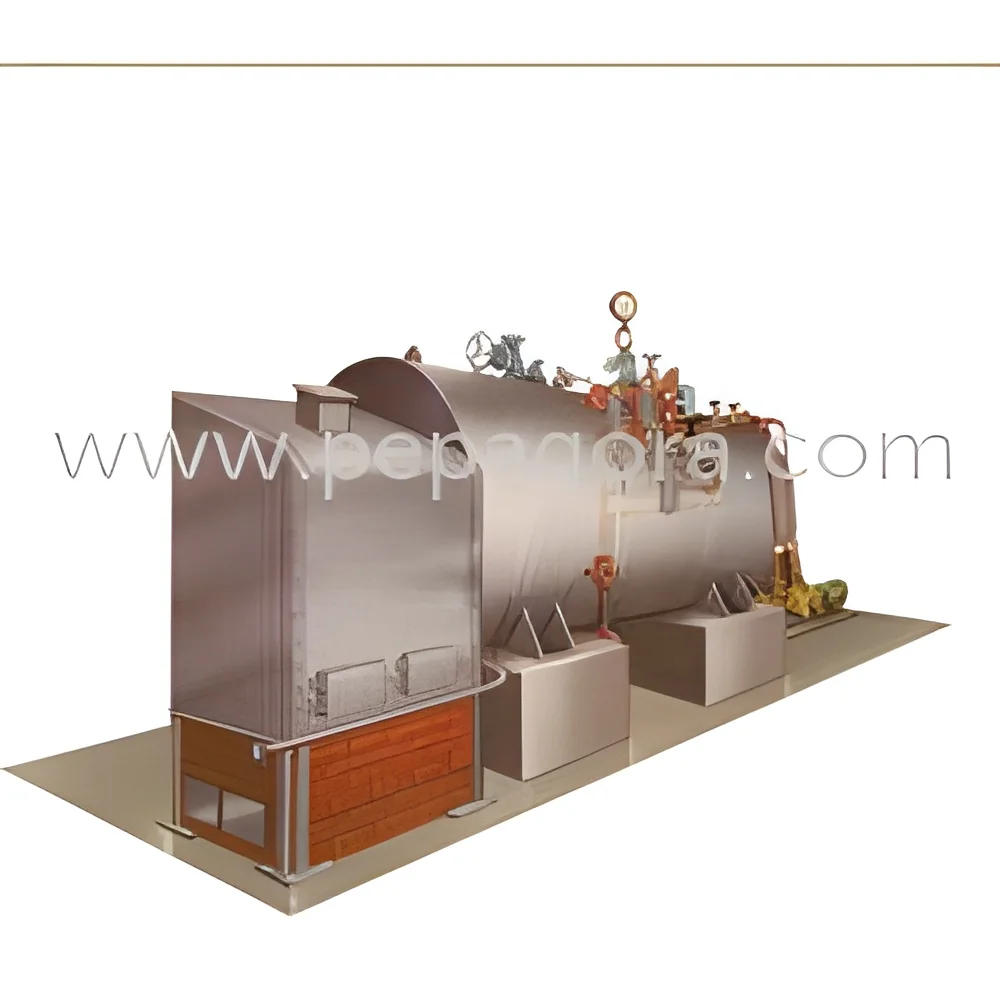
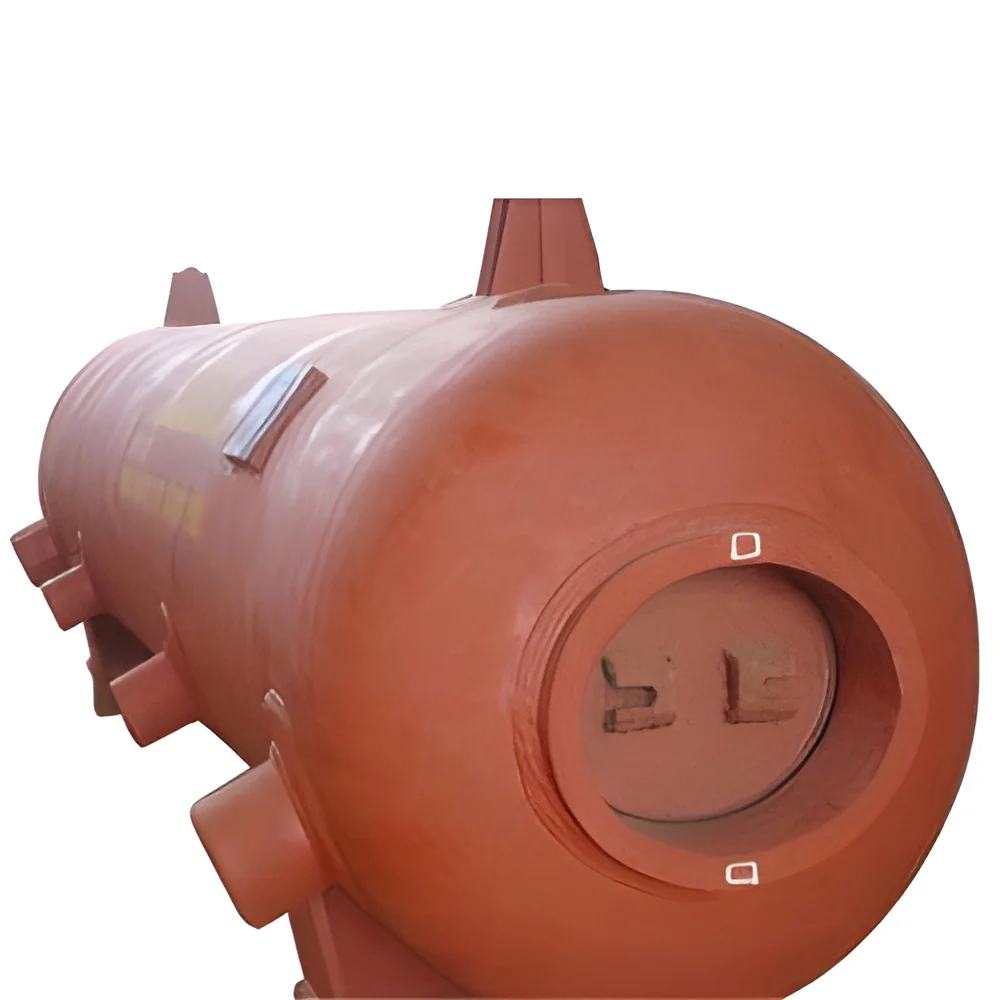
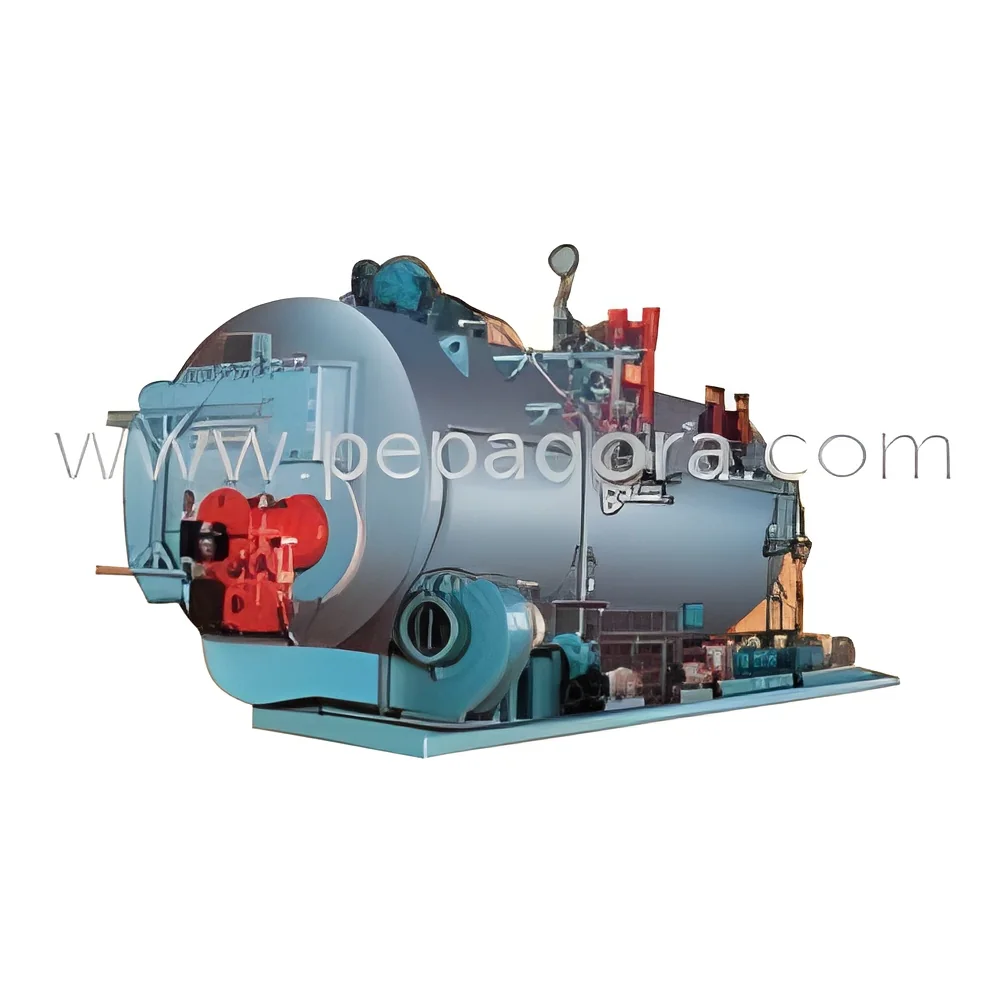
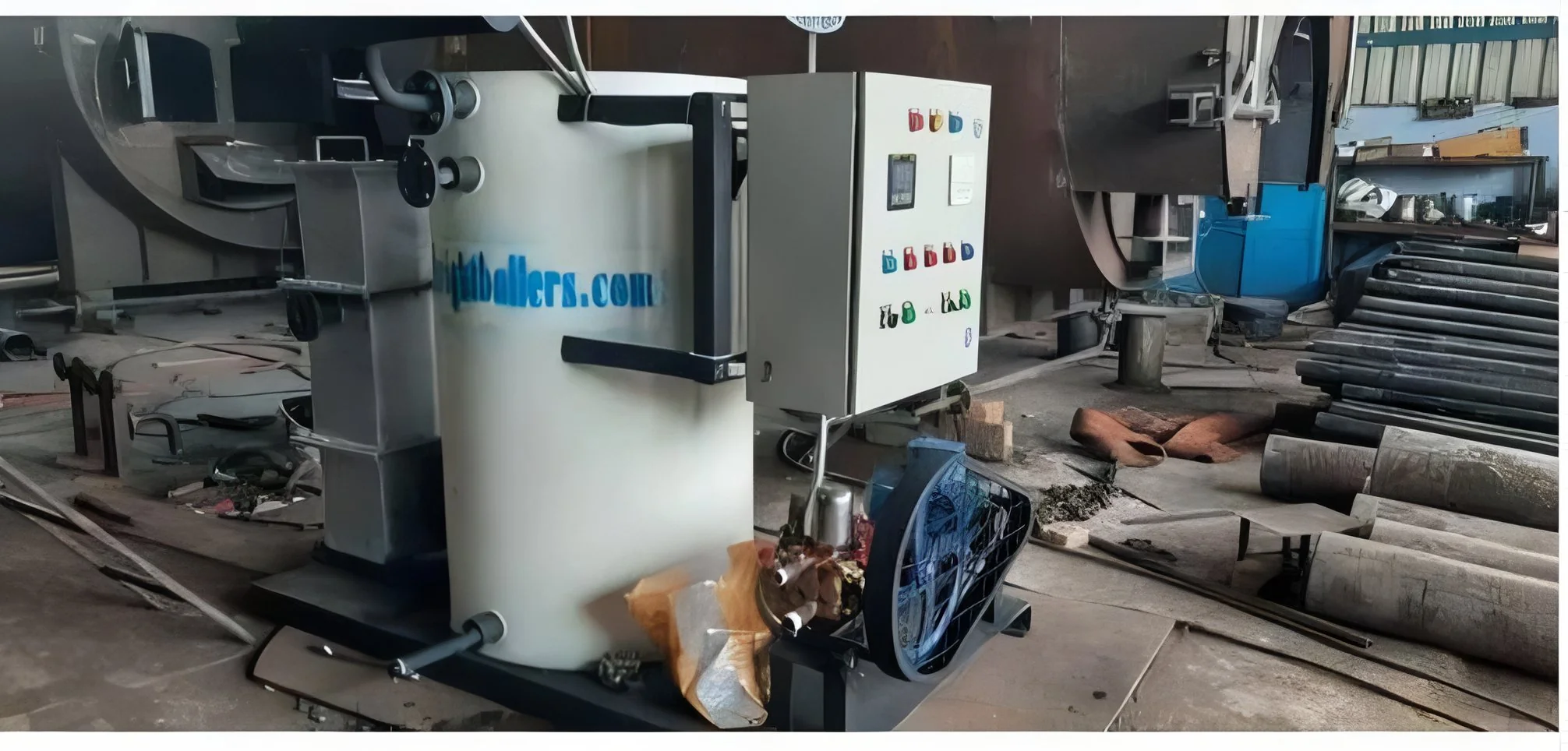
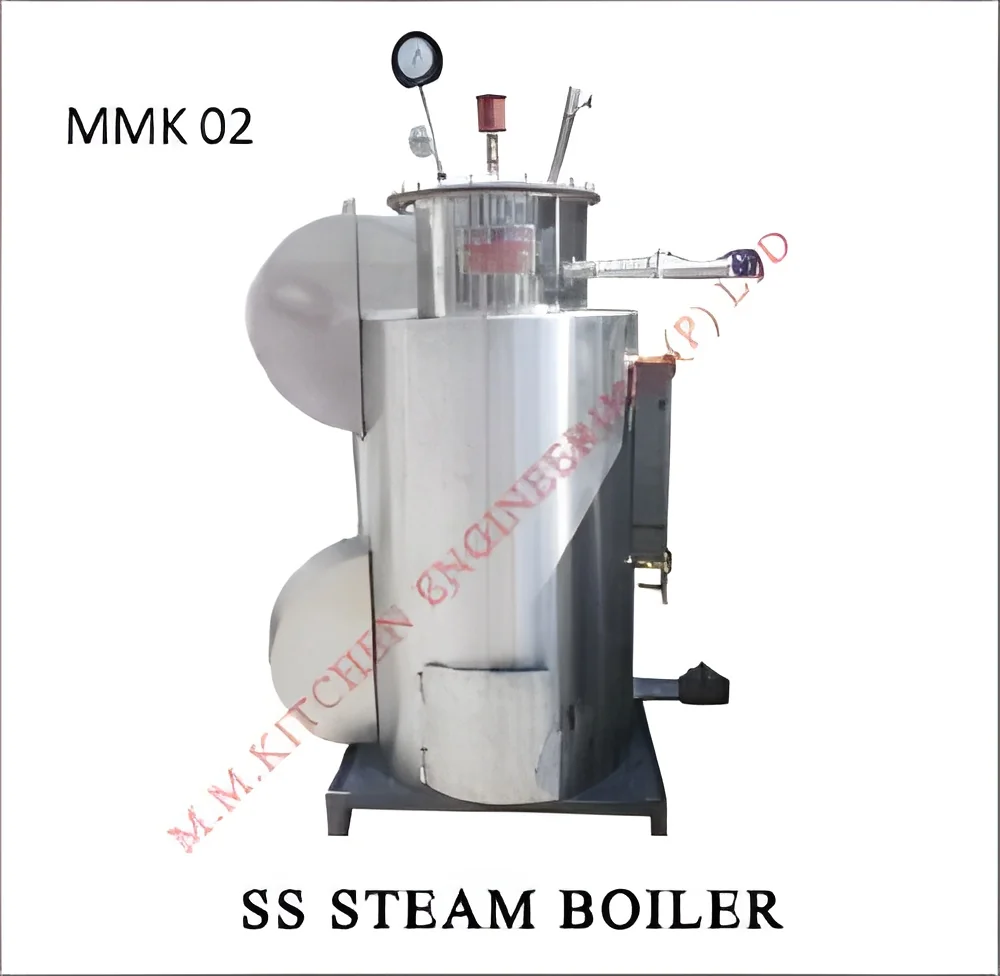
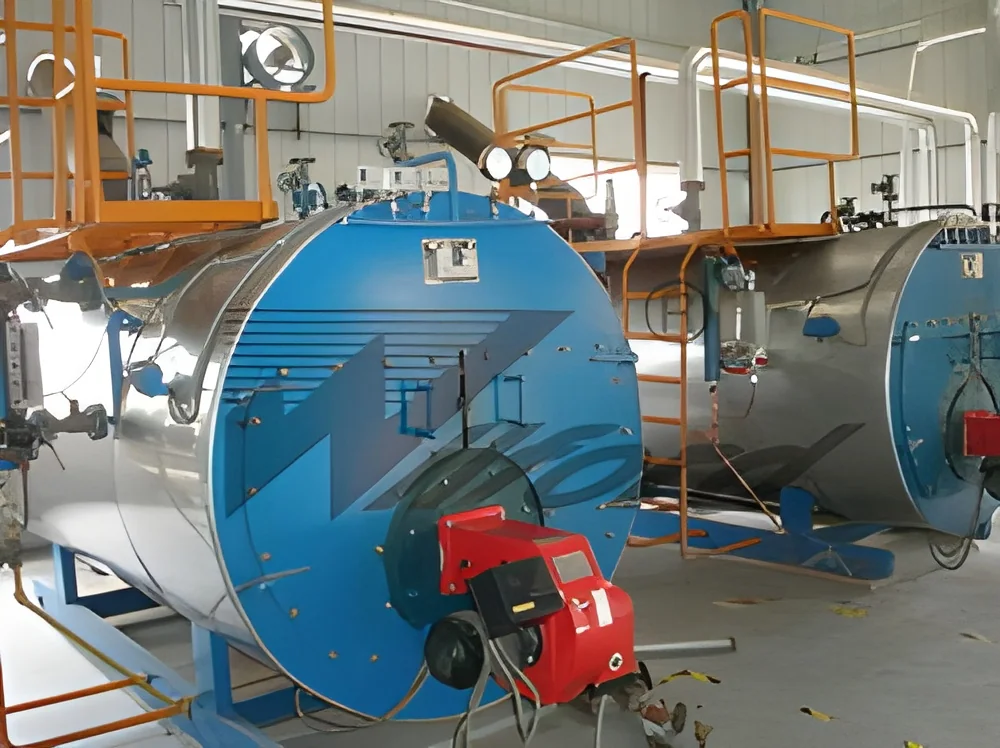
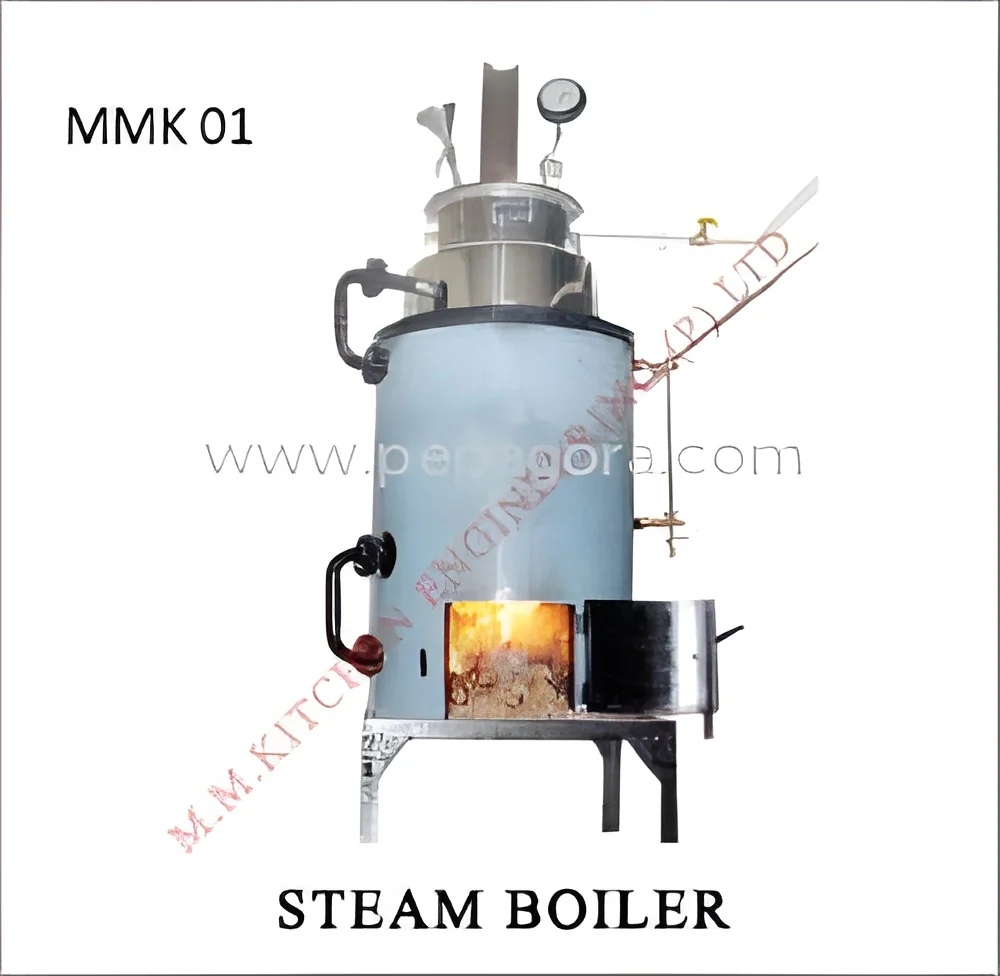
High pressure industrial boilers are specialized systems designed to produce steam or hot water at elevated pressures. These boilers operate above 15 psi, making them suitable for a variety of industrial applications. The high pressure enables them to generate steam more efficiently, which is essential for processes that require heat energy. These systems are typically fueled by natural gas, oil, coal, or biomass, providing flexibility in energy sources.
The primary uses of high pressure industrial boilers include power generation, heating, and processing in manufacturing facilities. They are integral to industries such as food processing, chemical production, and pharmaceuticals, where steam is needed for cooking, sterilization, or chemical reactions. The relevance of high pressure boilers in the market is significant as they help companies optimize energy use and enhance productivity while adhering to strict regulatory standards.
Key Features and Specifications
High pressure industrial boilers come with a range of features that enhance their performance and efficiency. Understanding these specifications is crucial for businesses seeking the right boiler for their needs.
Key specifications include:
1. Maximum Operating Pressure
- Typically ranges from 15 psi to 300 psi
- Determines the steam output and efficiency levels
2. Fuel Type
- Options include natural gas, oil, coal, and biomass
- Affects operational costs and emissions
3. Efficiency Rating
- Generally between 80% to 95%
- Higher efficiency leads to reduced fuel consumption
4. Boiler Type
- Fire-tube and water-tube designs are most common
- Each type has unique advantages for specific applications
5. Capacity
- Ranges from 100,000 to over 10 million BTU per hour
- Selection depends on the scale of operation
6. Control Systems
- Advanced monitoring and control systems for automation
- Enhances safety and operational efficiency
7. Emission Standards
- Compliance with local and international emissions regulations
- Important for environmental sustainability
8. Safety Features
- Includes pressure relief valves and automated shutoff systems
- Essential for safe operation under high pressure conditions
These specifications help businesses choose the right boiler that meets their operational requirements while ensuring safety and efficiency.
Common Applications and Use Cases
High pressure industrial boilers serve a diverse range of industries, each with specific applications that benefit from their capabilities.
1. Food Processing: These boilers are used for cooking, sterilizing, and cleaning equipment in the food industry, ensuring that products are safe for consumption.
2. Chemical Manufacturing: High pressure steam is essential for various chemical reactions and processes, providing the necessary heat for production lines.
3. Pharmaceuticals: In the pharmaceutical industry, boilers are critical for sterilization and maintaining controlled environments during production.
4. Textile Industry: Boilers provide steam for dyeing, finishing, and other processes essential in textile manufacturing.
5. Power Generation: Many power plants utilize high pressure boilers to generate steam for turbines, enabling electricity production.
6. Healthcare: Hospitals use these boilers for sterilization and heating purposes, ensuring a safe environment for patients and staff.
7. Pulp and Paper: In this industry, high pressure steam is necessary for cooking wood chips and other processes in paper production.
Product Variants and Subcategories
High pressure industrial boilers come in various configurations to meet the specific needs of different industries.
Fire-Tube Boilers
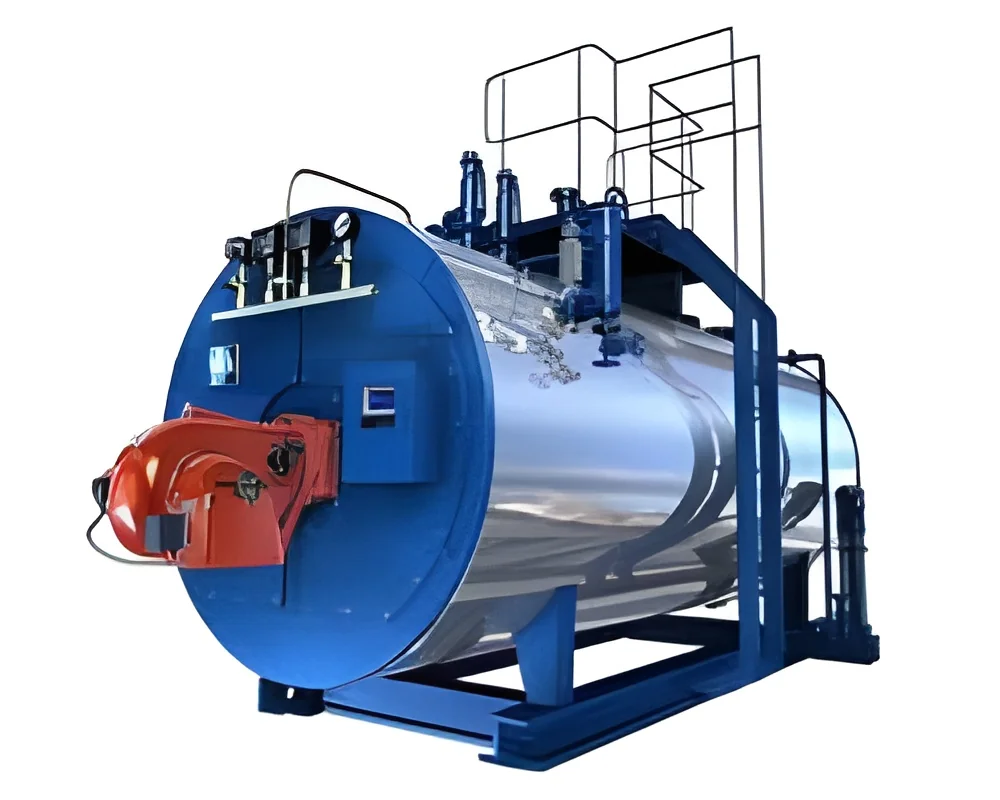
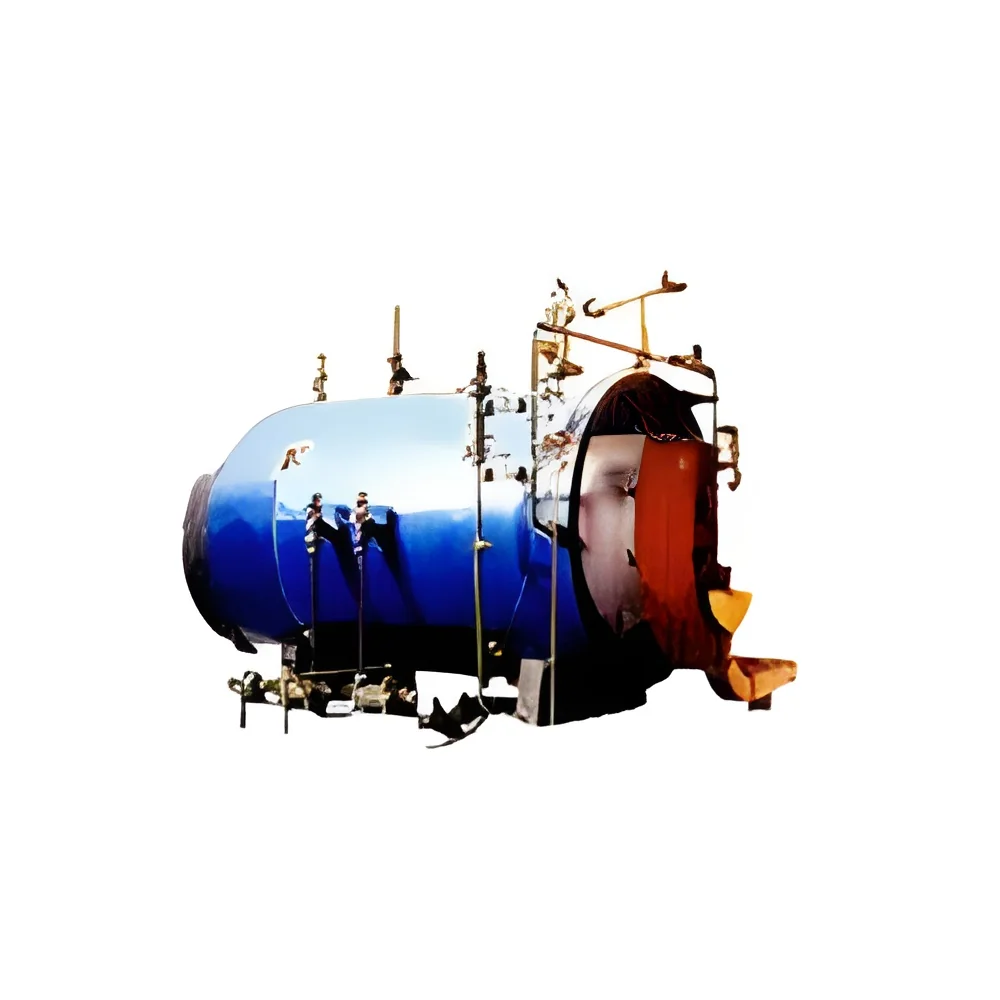
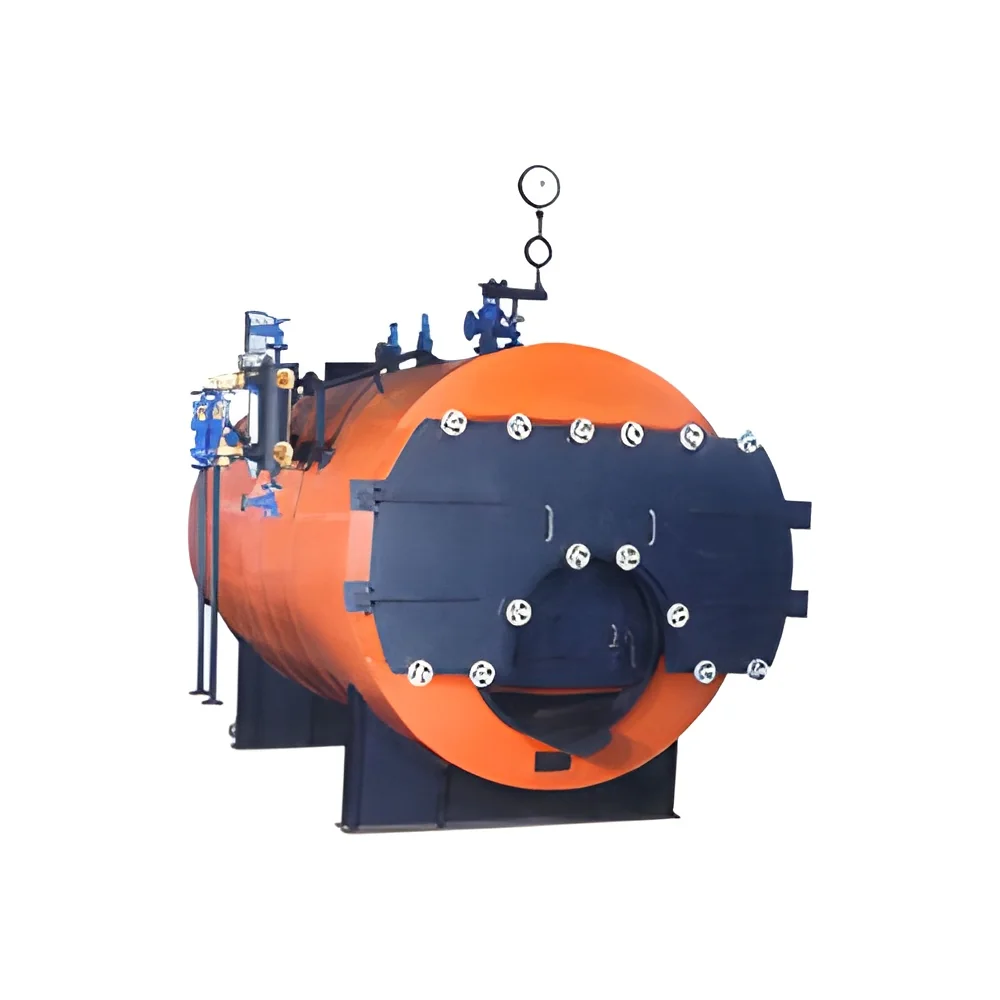
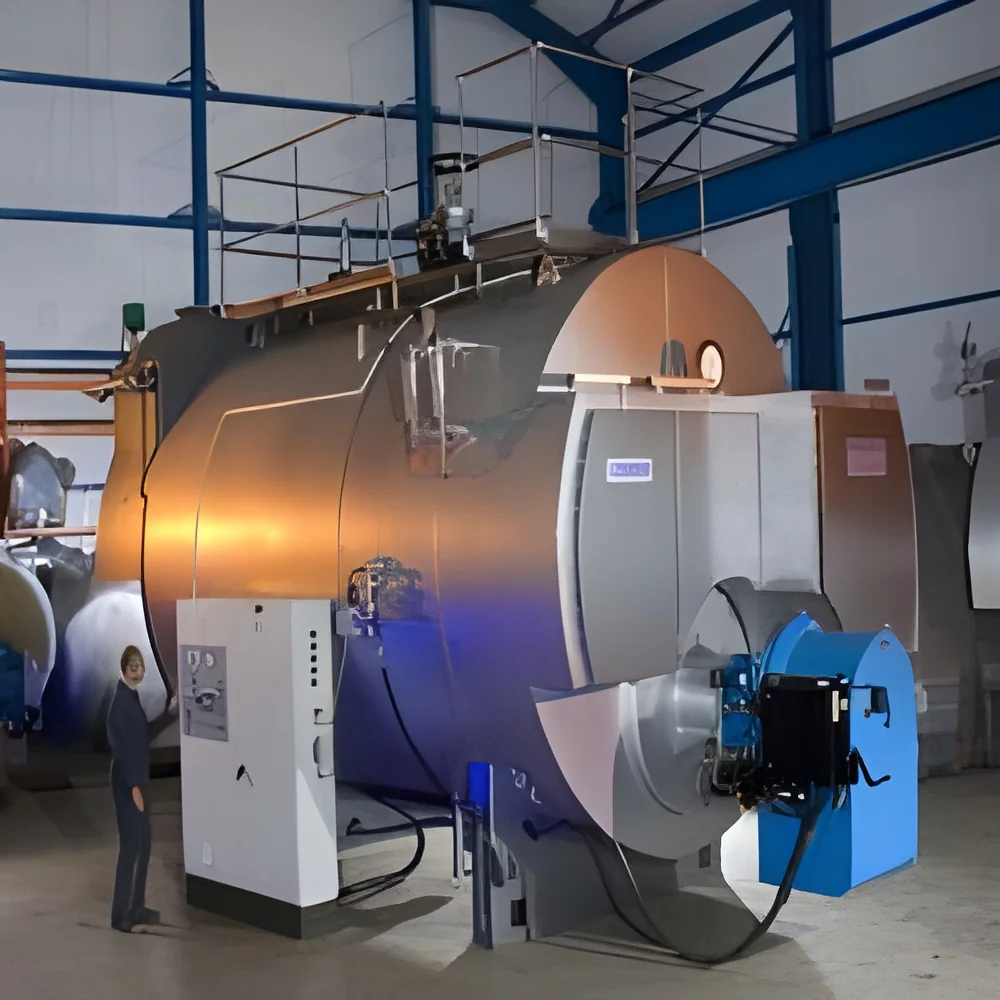
These boilers are designed with tubes that carry hot gases from combustion through water, which surrounds the tubes. They are typically used for smaller applications due to their compact design and simpler maintenance.
Water-Tube Boilers
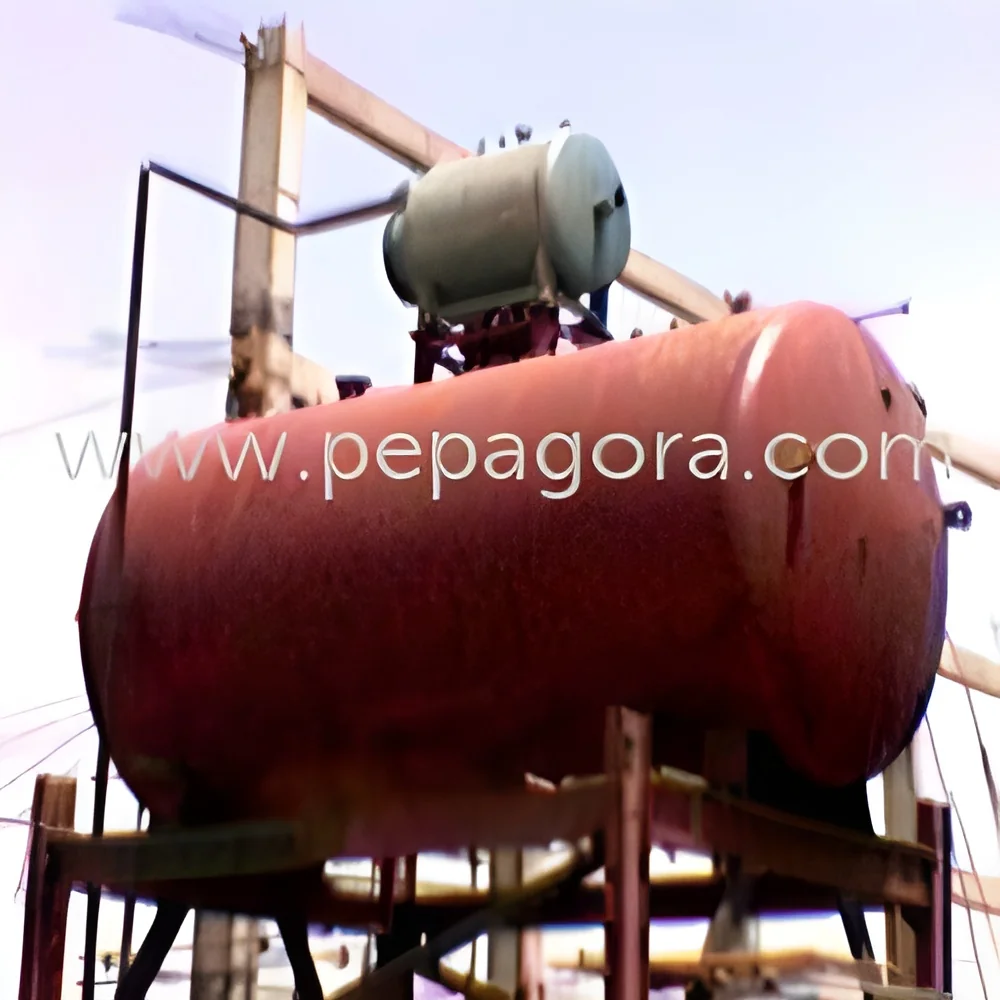
In contrast, water-tube boilers have water-filled tubes that are heated by external combustion gases. This type is suitable for larger applications and can handle higher pressures, making them ideal for industrial settings.
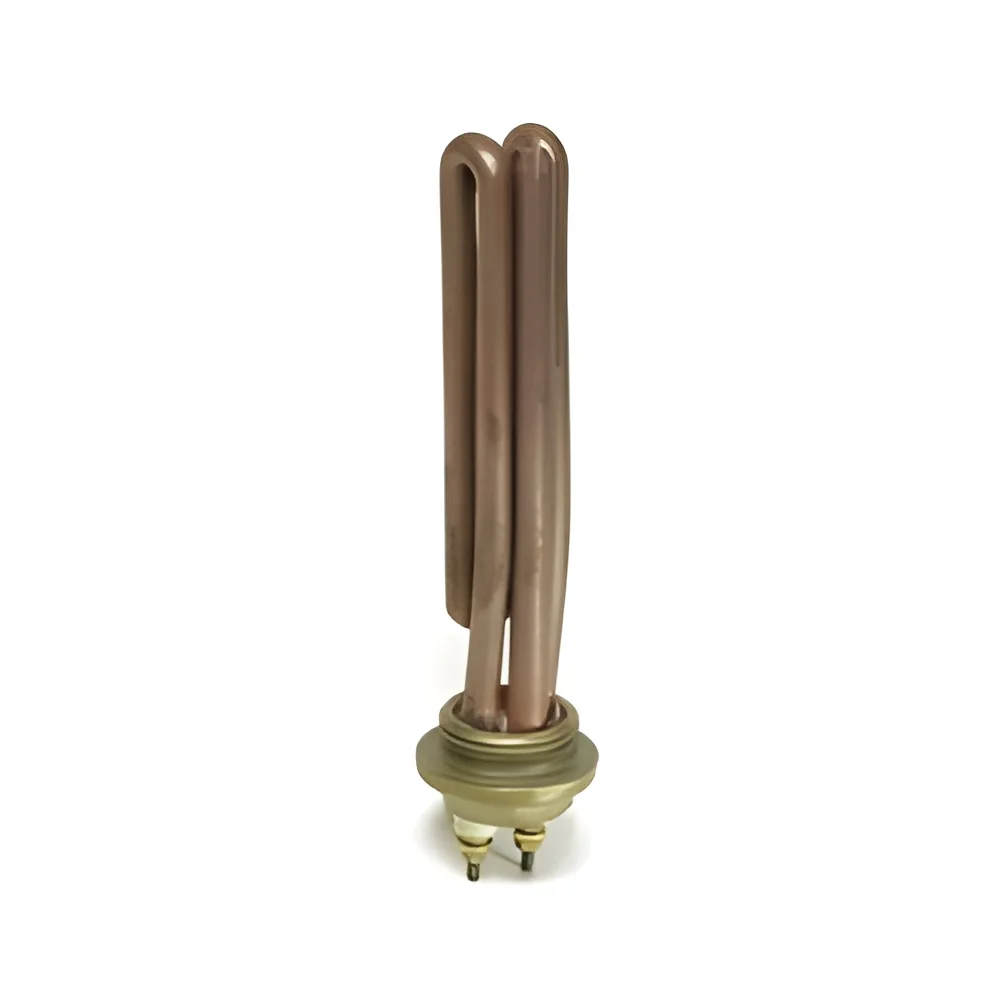
Electric Boilers
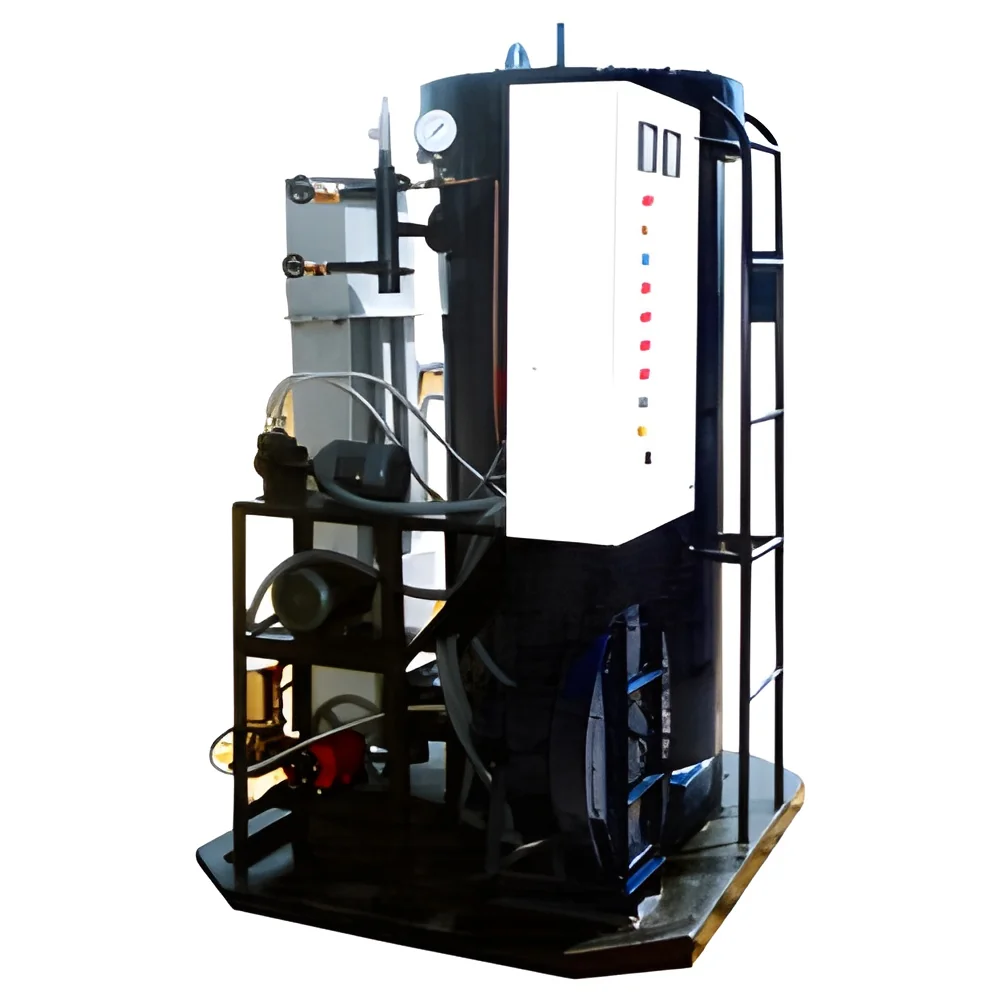
Electric high pressure boilers utilize electrical energy to generate steam. They are often used in facilities with limited space or where emissions regulations are stringent.
Benefits and Advantages
Investing in high pressure industrial boilers offers numerous benefits that can enhance operational efficiency.
1. Increased Efficiency: High pressure boilers can operate at higher efficiency levels, reducing fuel costs and energy consumption.
2. Enhanced Output: The ability to generate steam at high pressures allows for faster and more effective processes, increasing productivity.
3. Versatility: These boilers can be adapted to various fuel types, providing flexibility in operations and cost management.
4. Environmental Compliance: Many high pressure boilers meet stringent emission standards, helping businesses adhere to environmental regulations.
5. Reliability: Designed for continuous operation, these boilers are known for their durability and reliability under demanding conditions.
6. Safety Features: Advanced safety mechanisms ensure safe operation, minimizing risks associated with high pressure systems.
Buying Guide for B2B Buyers
When sourcing high pressure industrial boilers, there are several critical factors to consider to ensure you make an informed decision.
1. Quality Assessment: Evaluate the boiler's construction materials, performance ratings, and compliance with industry standards to ensure long-lasting quality.
2. Supplier Verification: Vet suppliers thoroughly by checking their reputation, certifications, and customer reviews to ensure you partner with reliable manufacturers.
3. Pricing and MOQ: Analyze pricing structures and minimum order quantities to align with your budget and operational requirements.
4. Delivery and Lead Times: Confirm lead times for manufacturing and delivery to ensure that your project timelines are met without delays.
5. Compliance Requirements: Ensure that the boilers meet all relevant regulatory and safety standards applicable in your region to avoid legal complications.
Compliance and Certifications
Compliance and certifications are crucial considerations for high pressure industrial boilers, ensuring they meet industry standards for safety and performance.
High pressure boilers are typically required to comply with various quality standards, including ISO 9001, which focuses on quality management systems. Additionally, certifications such as CE mark are important, indicating that the product meets European Union safety and environmental requirements.
Safety and testing requirements are stringent, involving regular inspections and certifications to ensure the boilers operate safely under high pressure. Companies must also consider regional compliance requirements, as different areas may have specific regulations regarding emissions and operational safety.
Why Source High Pressure Industrial Boilers from Pepagora?
Pepagora is a trusted platform for sourcing high pressure industrial boilers, offering several key advantages for B2B buyers.
The verified supplier network ensures that buyers can connect with reputable manufacturers and suppliers. This network provides peace of mind, knowing that all listed suppliers have undergone thorough vetting for quality and reliability.
Pepagora streamlines the request for quotation (RFQ) process, allowing businesses to easily compare options and make informed decisions. This efficient system saves time and helps buyers find the best solutions for their needs.
Trade assurance and support services provide additional protection for buyers, ensuring that transactions are secure and that any issues are promptly addressed.
With regional coverage extending across India, the Gulf Cooperation Council (GCC), and Southeast Asia, Pepagora offers a wide reach, connecting buyers with suppliers in key markets. This geographic diversity enhances the chances of finding the right high pressure industrial boiler for any industrial application.

 IN
IN