What are Steam Traps & Flash Vessels?
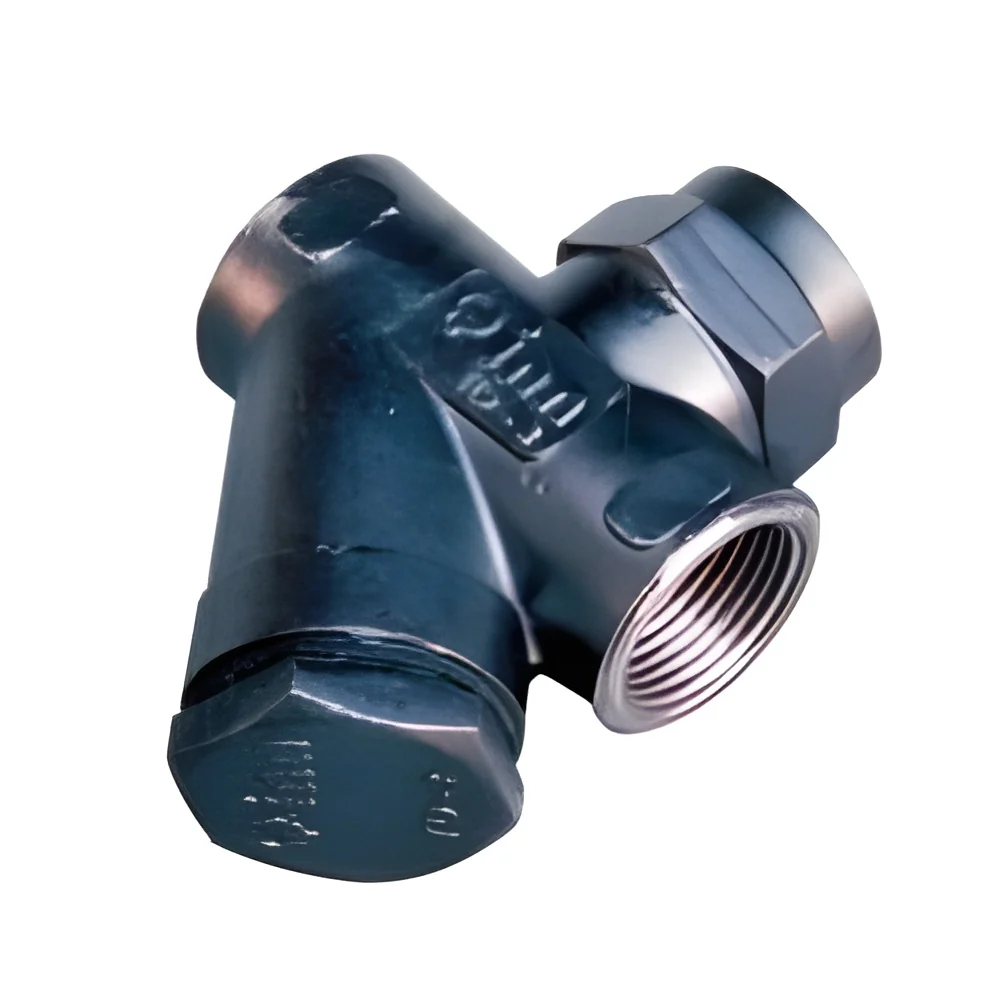
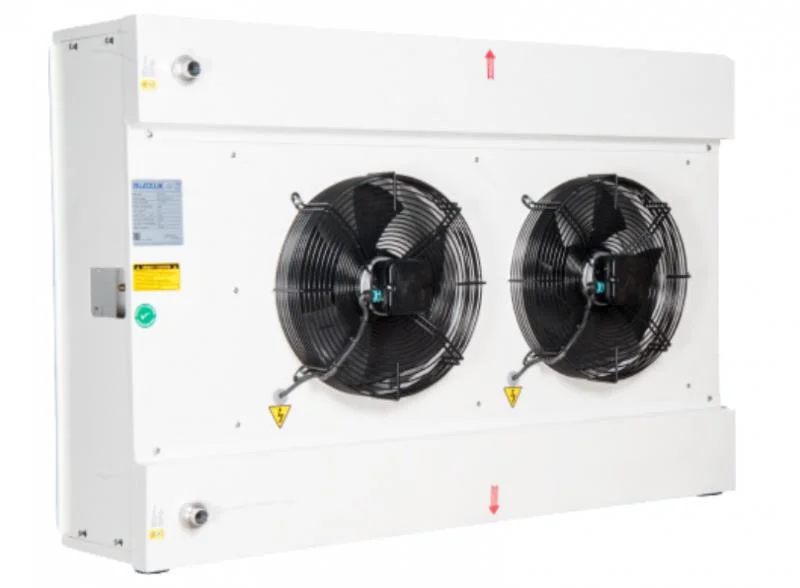
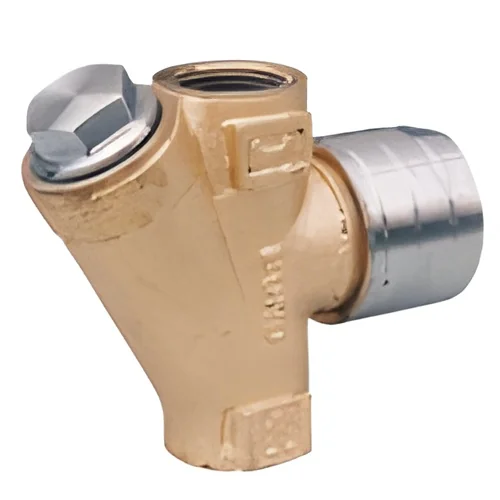
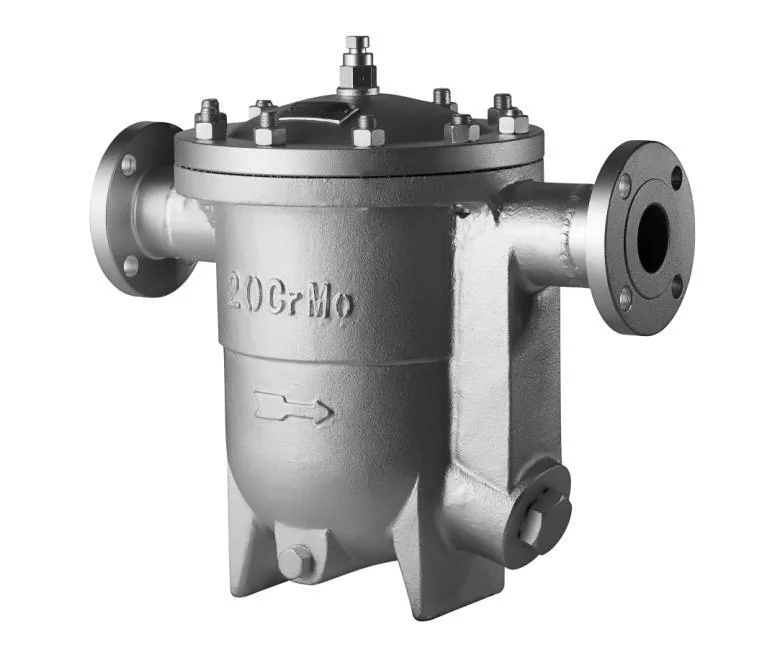
Steam traps are devices that release condensate and non-condensable gases from steam systems while preventing the escape of steam. They play a crucial role in maintaining the efficiency of steam heating systems by ensuring that steam is used effectively. Flash vessels, on the other hand, are containers designed to separate flash steam from hot condensate, allowing for the recovery and reuse of energy in industrial applications.
The primary uses of steam traps and flash vessels include applications in manufacturing, chemical processing, food production, and energy generation. Businesses utilize these devices to enhance operational efficiency, reduce energy costs, and promote sustainability through the recovery of steam energy. By effectively managing steam and condensate, industries can improve their overall productivity and reduce waste.
In the current market, steam traps and flash vessels are integral components across various sectors. The growing emphasis on energy efficiency and sustainability is driving demand for these products. As industries increasingly seek to optimize their processes and reduce energy consumption, the relevance of steam traps and flash vessels continues to expand.
Key Features and Specifications
Steam traps and flash vessels are characterized by several key features that enhance their performance and reliability. These specifications are critical for ensuring that these devices meet the operational demands of various industries.
Key specifications include:
1. Operating Pressure Range
- Designed to function at specific pressure levels for optimal performance.
- Typically ranges from low-pressure operations to high-pressure systems.
2. Material Composition
- Constructed from robust materials such as stainless steel or cast iron for durability.
- Ensures resistance to corrosion and high temperatures.
3. Connection Type
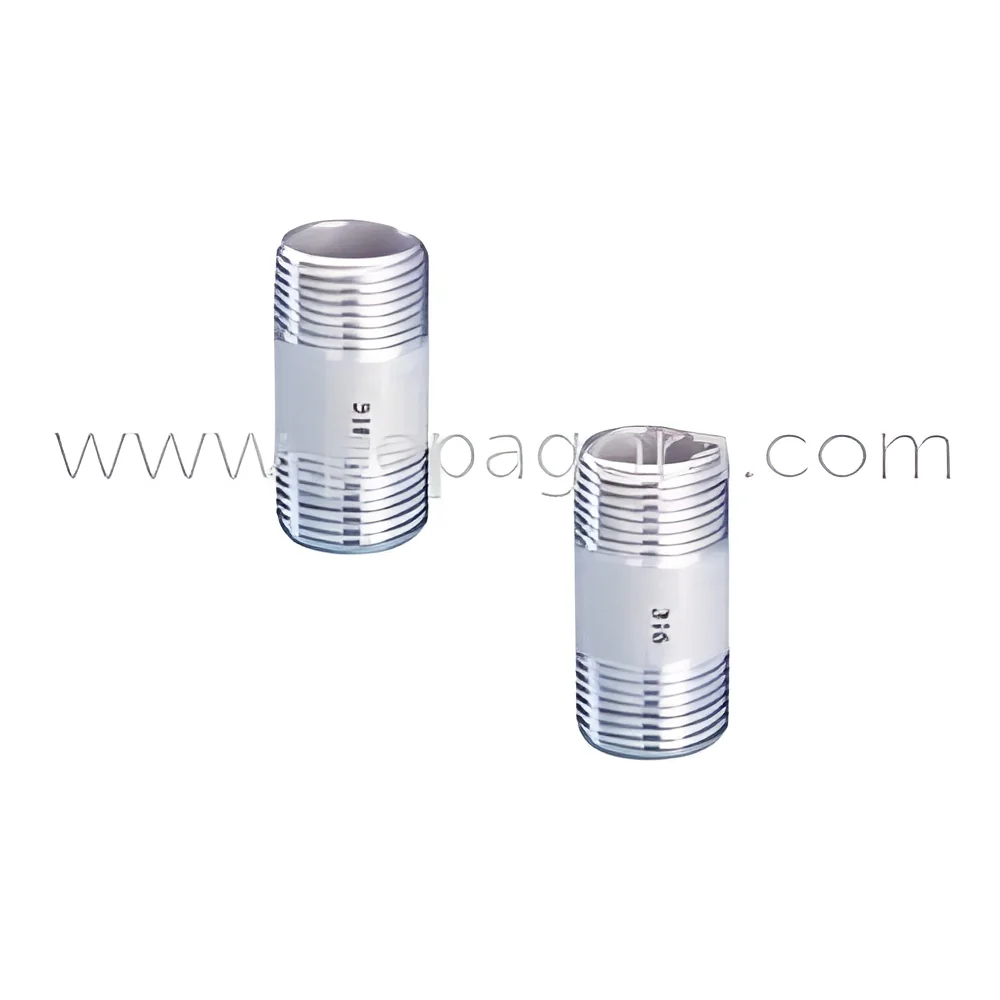
- Available in various connection types, including threaded, flanged, and welded.
- Facilitates compatibility with existing piping systems.
4. Temperature Rating
- Rated for high-temperature applications to ensure safe and efficient operation.
- Commonly operates within specified temperature ranges depending on the application.
5. Flow Capacity
- Designed to handle specific flow rates of steam and condensate.
- Ensures effective drainage without blocking or flooding.
6. Maintenance Requirements
- Low maintenance design for ease of use and longevity.
- Some models equipped with features for easy inspection and servicing.
7. Safety Features
- Equipped with safety mechanisms to prevent overpressure and backflow.
- Ensures safe operation within industrial environments.
8. Certifications
- Compliant with relevant industry standards, including CE certification.
- Ensures adherence to safety and quality benchmarks.
These specifications collectively contribute to the efficiency and reliability of steam traps and flash vessels in various operational contexts.
Common Applications and Use Cases
Steam traps and flash vessels are utilized across a wide range of industries, each benefiting from their unique capabilities.
1. Food and Beverage Industry: Steam traps are essential for maintaining temperature control in processes such as pasteurization and cooking. They help in efficient moisture removal and energy recovery, contributing to quality and safety.
2. Pharmaceutical Industry: In pharmaceutical manufacturing, steam traps ensure the integrity of steam sterilization processes. They help maintain consistent temperatures and prevent contamination, crucial for product safety.
3. Chemical Processing: Steam systems in chemical plants rely on flash vessels for efficient energy recovery from hot condensate. This reduces energy costs and improves overall process efficiency.
4. Textile Industry: In textile manufacturing, steam traps regulate the steam supply for processes like dyeing and finishing. They help in maintaining the necessary conditions for high-quality fabric production.
5. Power Generation: In power plants, steam traps and flash vessels are critical for managing steam and condensate in steam turbines. They contribute to energy recovery and improved plant efficiency.
6. HVAC Systems: Steam traps are used in heating, ventilation, and air conditioning systems to manage steam distribution and ensure effective heating in commercial buildings.
7. Oil and Gas: In the oil and gas sector, steam traps help control steam injection processes and maintain efficient operations in extraction and refining.
Product Variants and Subcategories
While there are no specific subcategories available, steam traps and flash vessels come in various designs tailored to meet diverse operational needs.
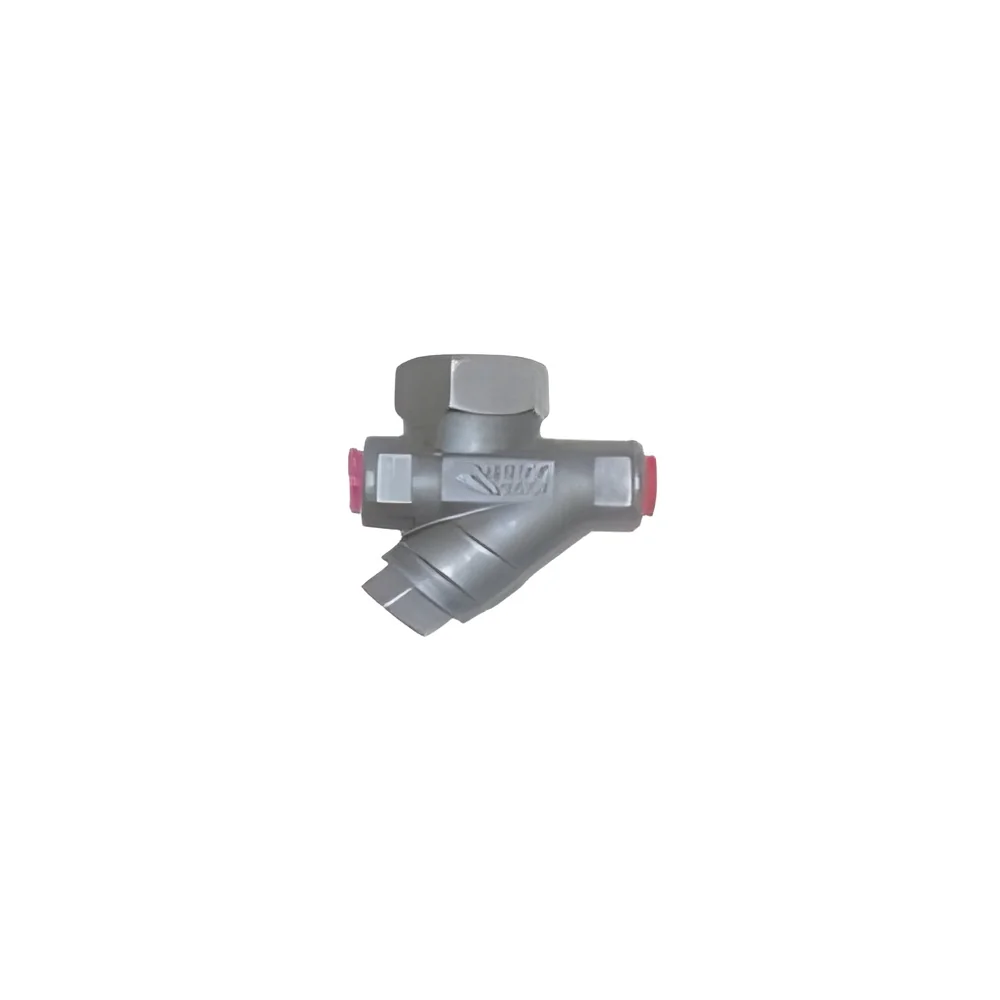
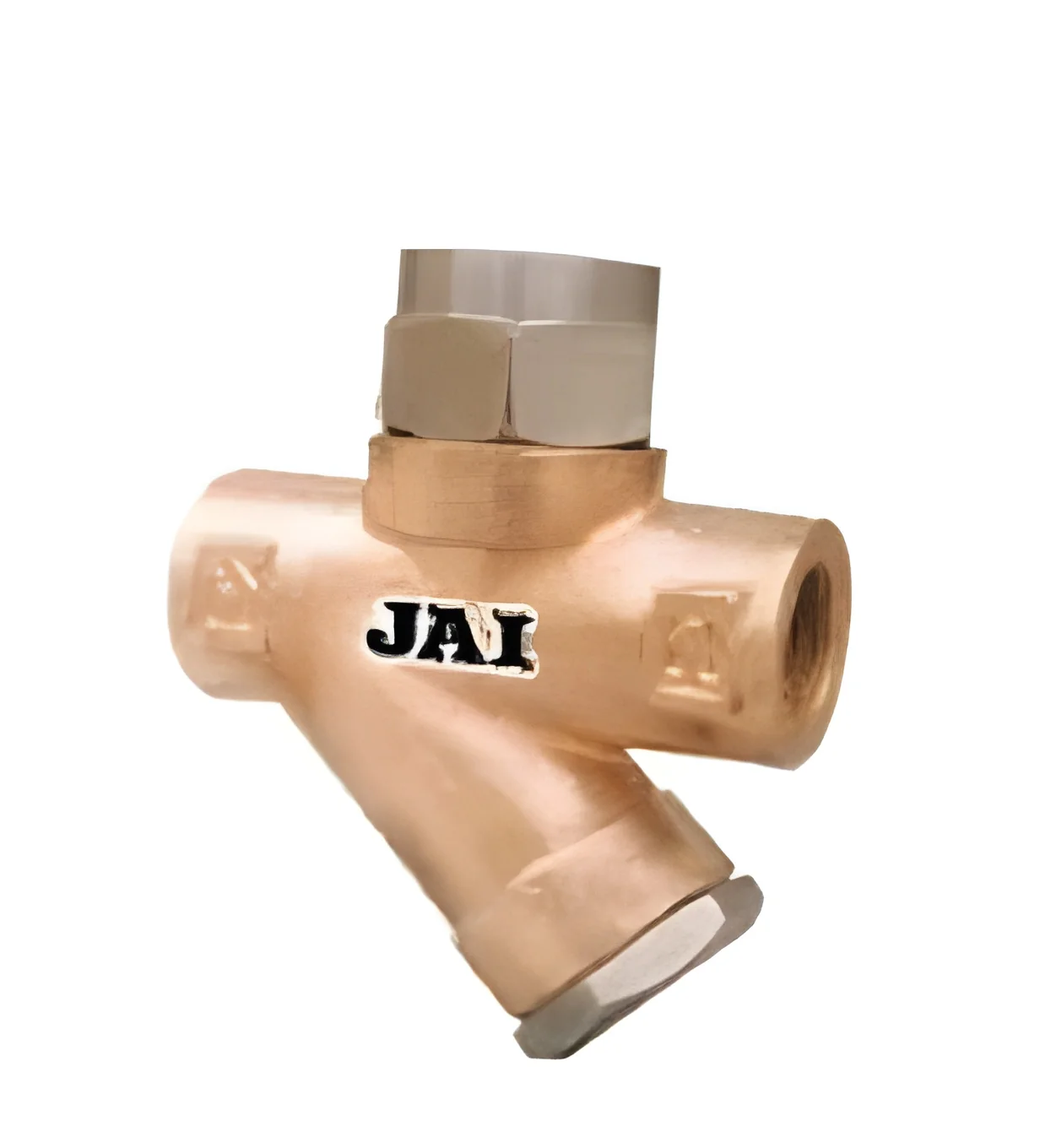
Mechanical Steam Traps: These traps use mechanical principles such as float or thermodynamic action to operate. They are reliable for various applications, providing efficient condensate removal.
Thermostatic Steam Traps: Utilizing temperature-sensitive elements, these traps ensure precise control of condensate discharge. They are particularly effective in applications where temperature control is critical.
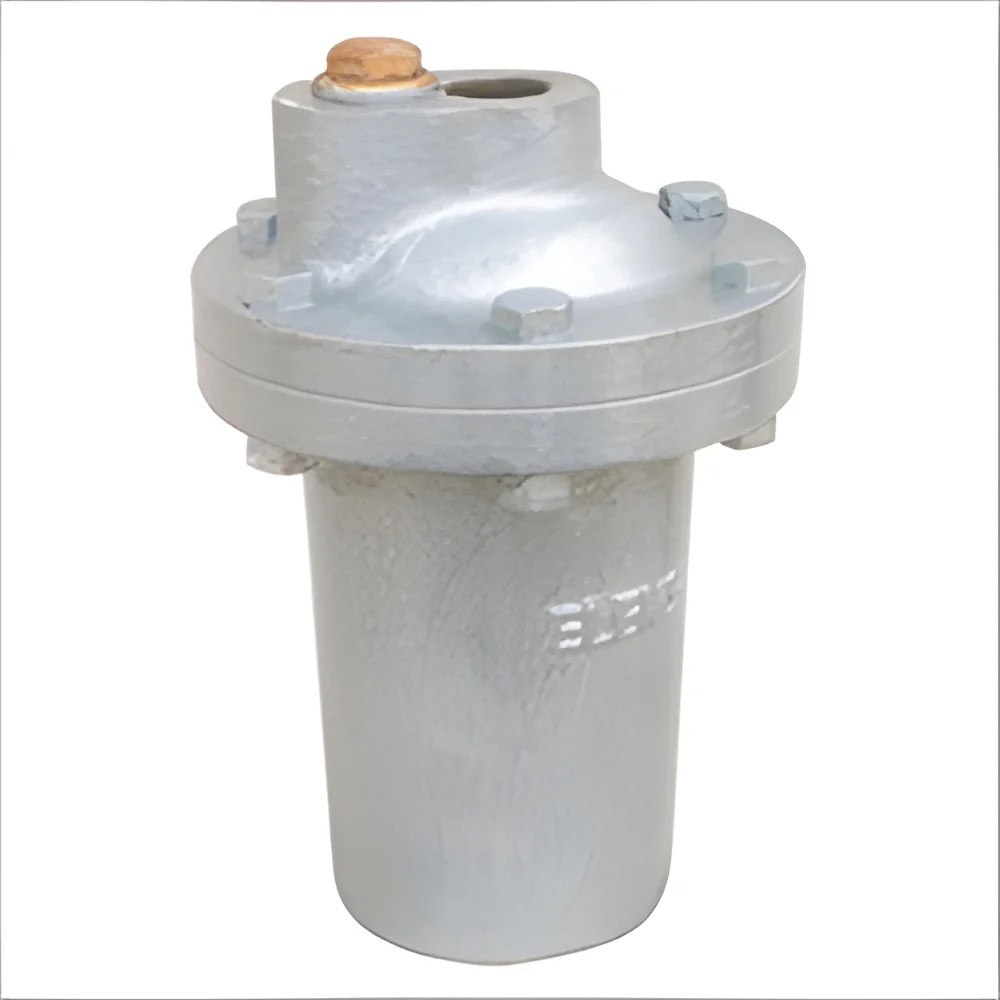
Inverted Bucket Steam Traps: These traps are ideal for high-pressure applications, using an inverted bucket mechanism to manage condensate flow. They are known for their durability and reliability.
Benefits and Advantages
Choosing steam traps and flash vessels offers numerous benefits that enhance operational efficiency and sustainability.
Key benefits include:
1. Energy Efficiency: Steam traps and flash vessels optimize steam usage, minimizing energy waste and reducing overall operational costs.
2. Enhanced Productivity: By effectively managing condensate and steam, these devices improve process efficiency, leading to higher productivity levels across various applications.
3. Reduced Downtime: Reliable operation of steam traps and flash vessels decreases the likelihood of system failures, resulting in less downtime and maintenance needs.
4. Improved Safety: Equipped with safety features, these devices help prevent overpressure situations and ensure safe operation in industrial environments.
5. Waste Reduction: By recovering steam energy and managing condensate effectively, industries can minimize waste and promote sustainable practices.
6. Compliance Assurance: Many steam traps and flash vessels meet industry certifications, ensuring compliance with safety and quality standards.
Buying Guide for B2B Buyers
When sourcing steam traps and flash vessels, it is essential for buyers to consider various factors to ensure they make informed purchasing decisions.
1. Quality Assessment: Evaluate the quality of the products by reviewing specifications, materials used, and adherence to industry standards. Look for certifications that indicate compliance with safety and quality benchmarks.
2. Supplier Verification: Vet potential suppliers by checking their reputation, reliability, and customer reviews. Ensure they have a history of delivering high-quality products and services.
3. Pricing and MOQ: Understand the pricing structure and minimum order quantities (MOQ) offered by suppliers. This helps in budgeting and ensures that you are getting competitive rates.
4. Delivery and Lead Times: Inquire about the delivery schedules and lead times for orders. Timely delivery is crucial for maintaining production schedules and operational efficiency.
5. Compliance Requirements: Ensure that the products meet the necessary regulatory and compliance requirements specific to your industry. This may involve checking for industry-specific certifications and safety standards.
Compliance and Certifications
Compliance with industry standards and certifications is vital for steam traps and flash vessels. Key quality standards include ISO 9001, which outlines requirements for a quality management system, ensuring consistent quality in manufacturing.
CE certification is also significant as it indicates that the products meet European safety, health, and environmental protection standards. This certification is crucial for companies operating in or exporting to Europe.
Safety and testing requirements are essential to ensure that steam traps and flash vessels operate reliably under industrial conditions. Compliance with these requirements helps prevent accidents and malfunctions, contributing to workplace safety.
Regional compliance considerations may vary, so understanding the specific regulations applicable in different markets is critical for manufacturers and suppliers. It is essential to stay informed about local regulations to ensure compliance and avoid potential penalties.
Why Source Steam Traps & Flash Vessels from Pepagora?
Pepagora offers a trusted platform for sourcing steam traps and flash vessels, providing several key advantages to B2B buyers.
Verified Supplier Network: Pepagora's network includes verified suppliers who have undergone rigorous assessments to ensure quality and reliability. This helps buyers find trustworthy partners for their sourcing needs.
Streamlined RFQ Process: The request for quotation (RFQ) process on Pepagora is designed to be efficient and user-friendly. Buyers can quickly obtain quotes from multiple suppliers, saving time and ensuring competitive pricing.
Trade Assurance and Support: Pepagora offers trade assurance that protects buyers throughout the purchasing process. This includes support for resolving disputes and ensuring that transactions are secure.
Regional Coverage: With a broad geographic reach across India, the GCC, and Southeast Asia, Pepagora connects buyers with suppliers in key markets. This regional coverage enables buyers to access localized expertise and tailored solutions for their steam traps and flash vessels needs.

 IN
IN