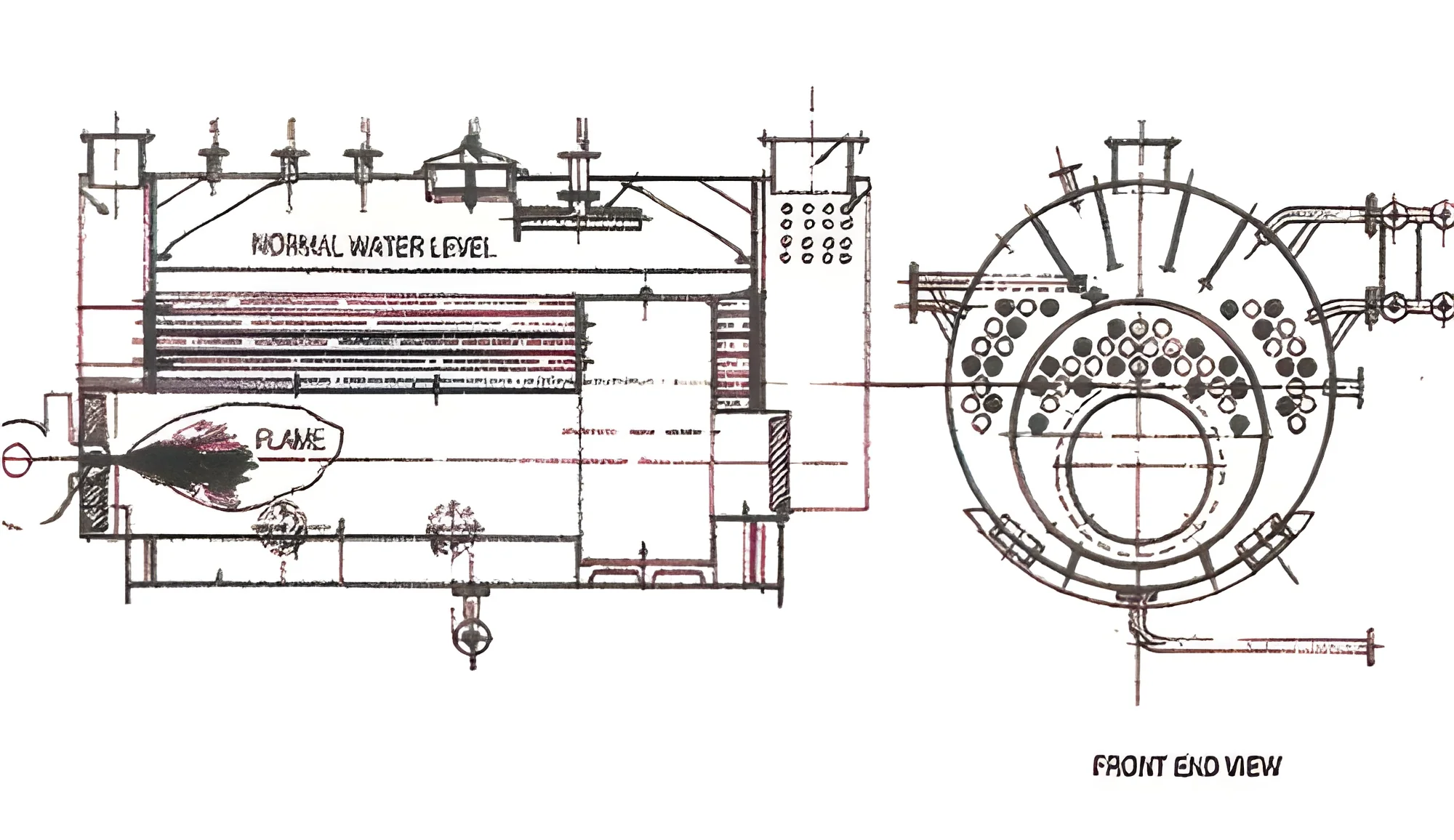
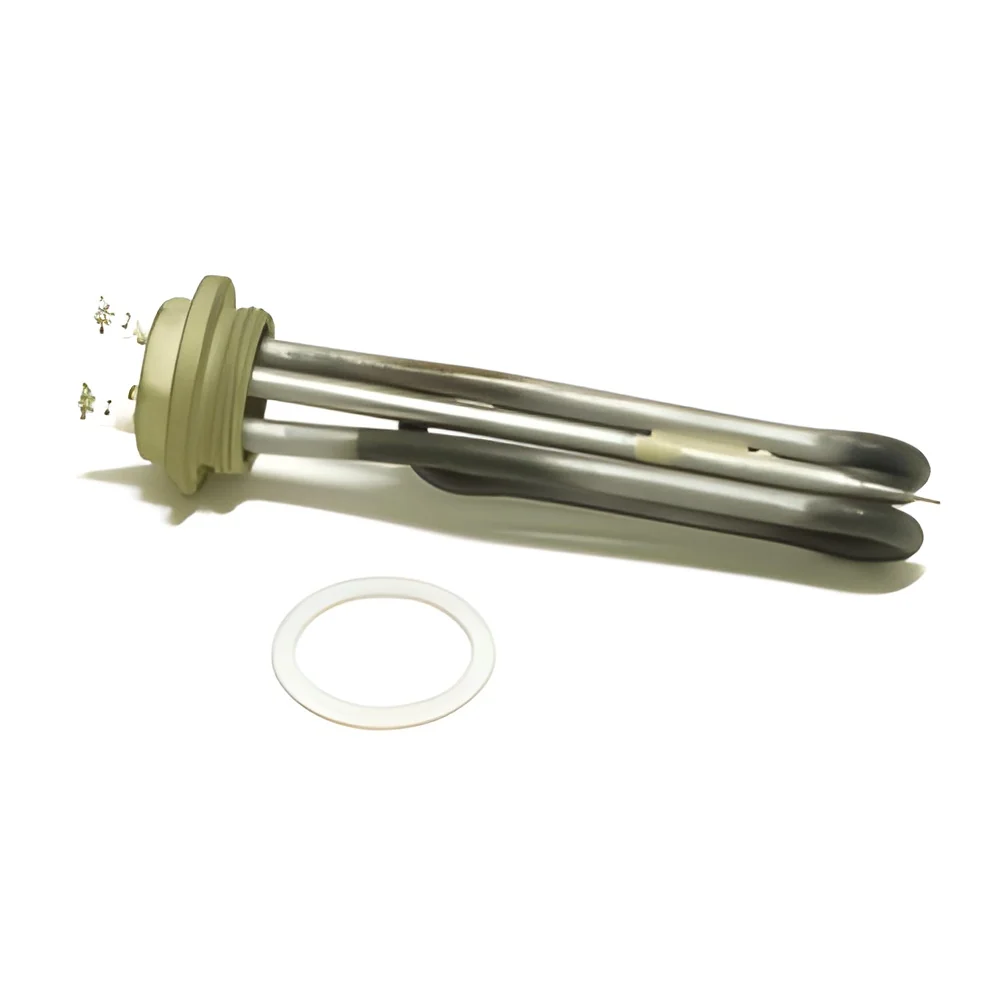
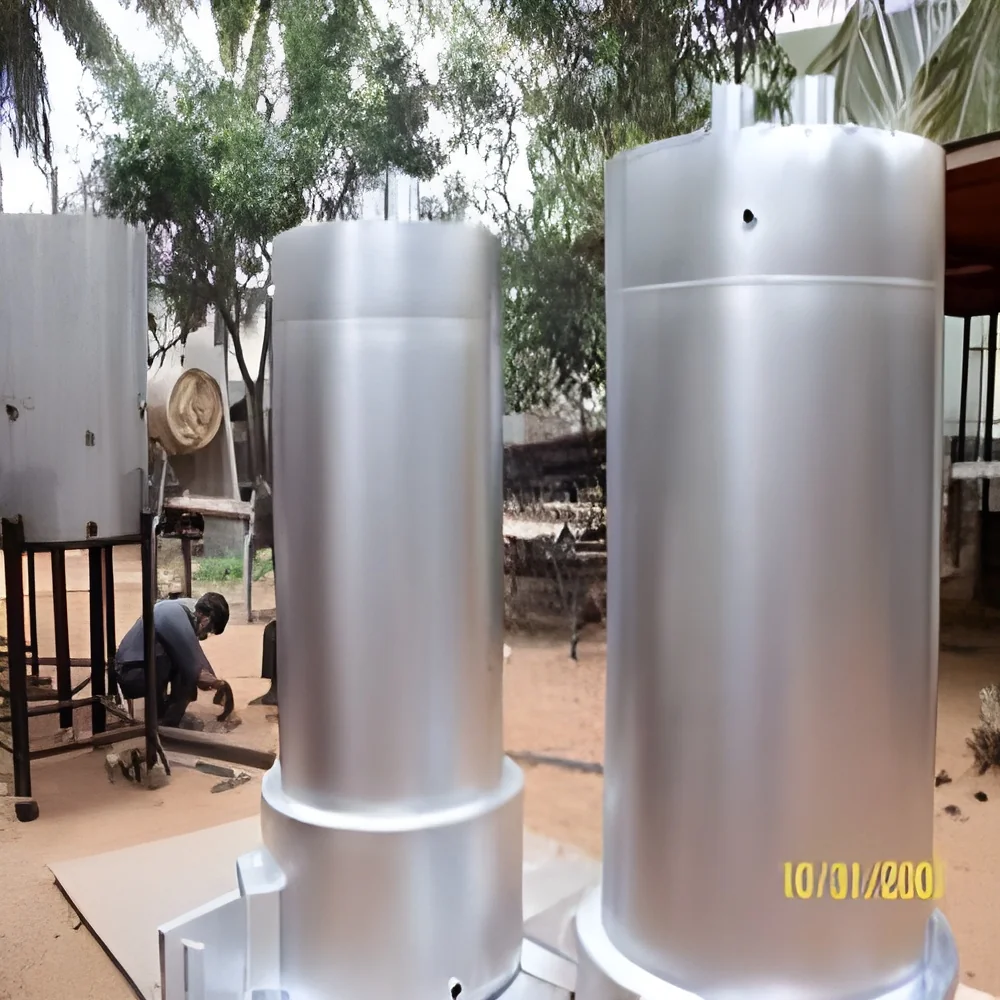
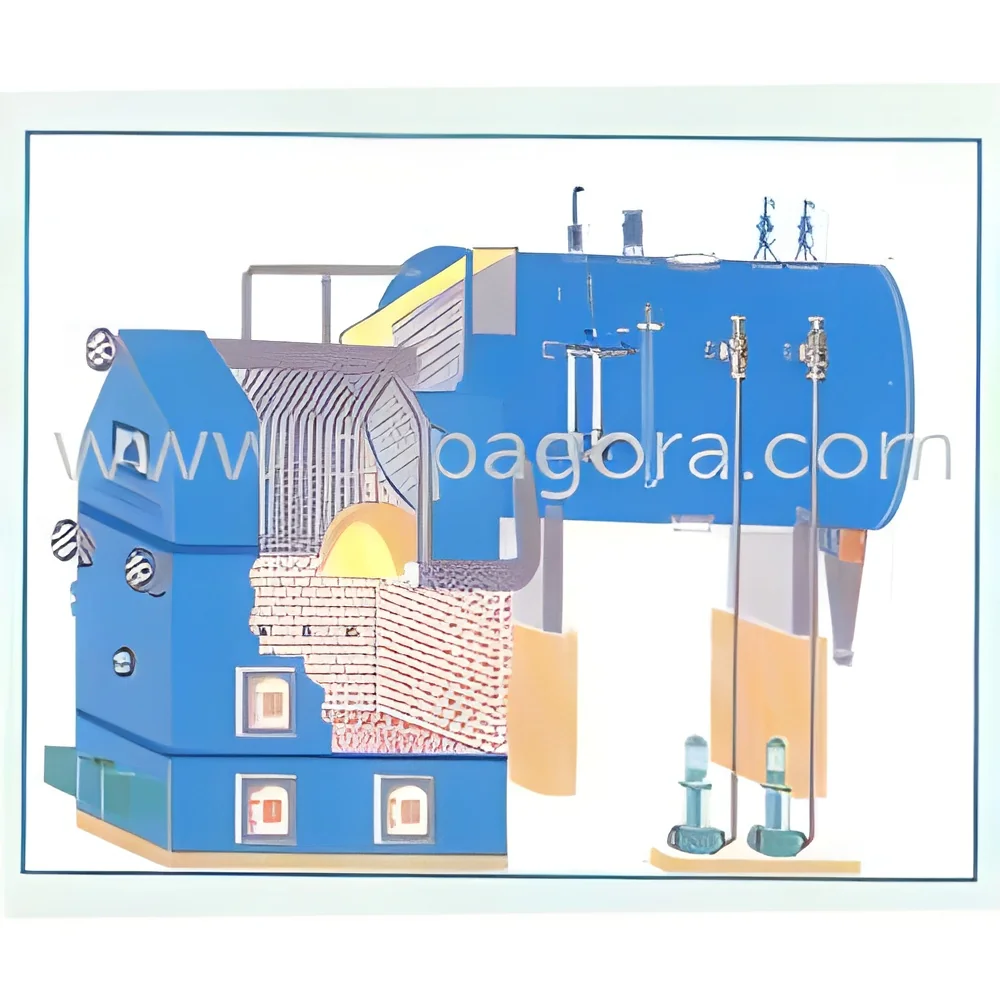
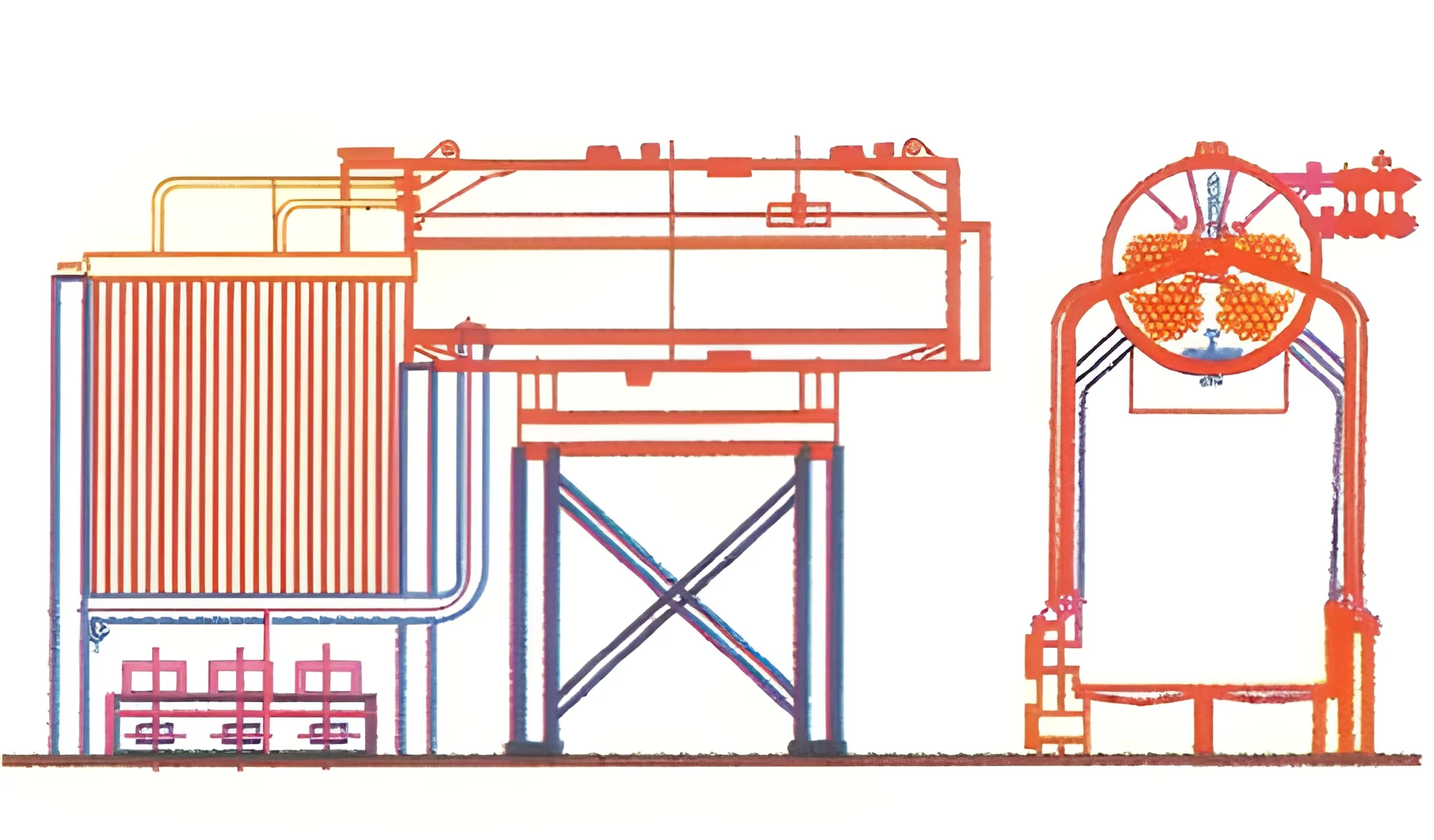
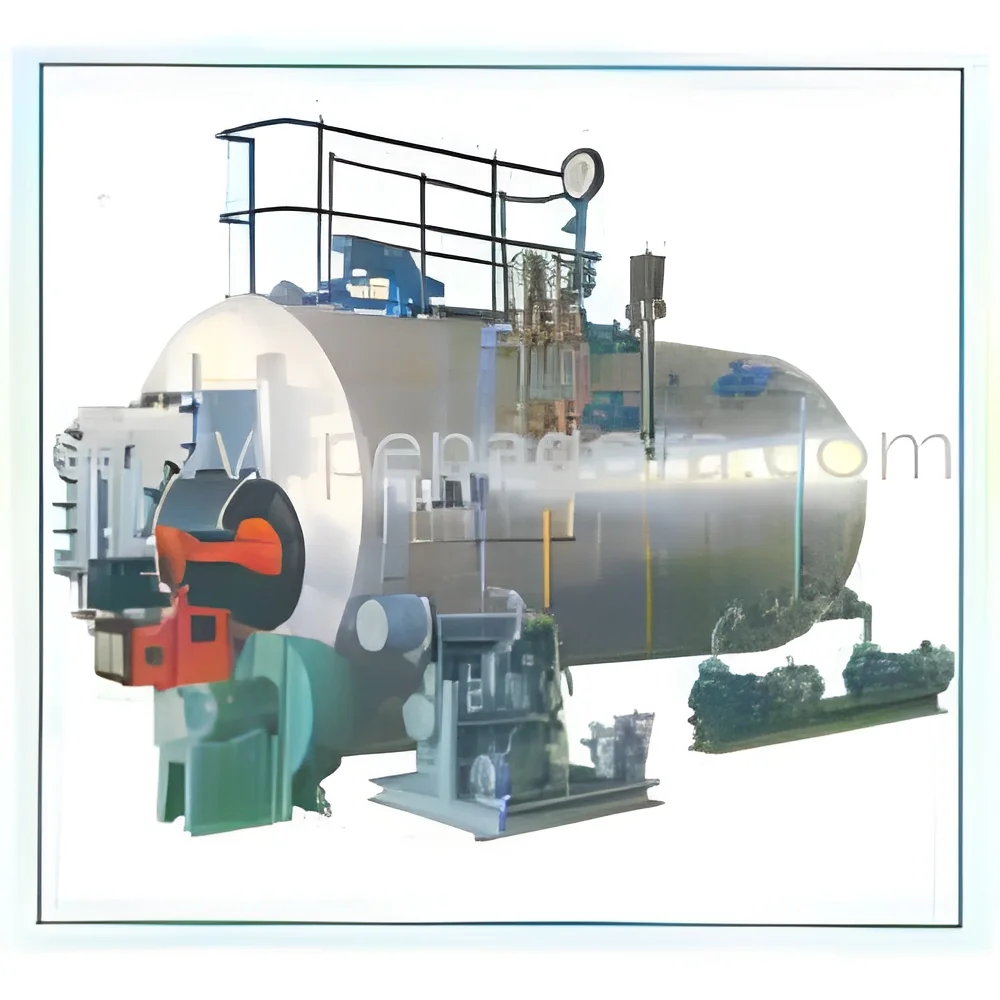
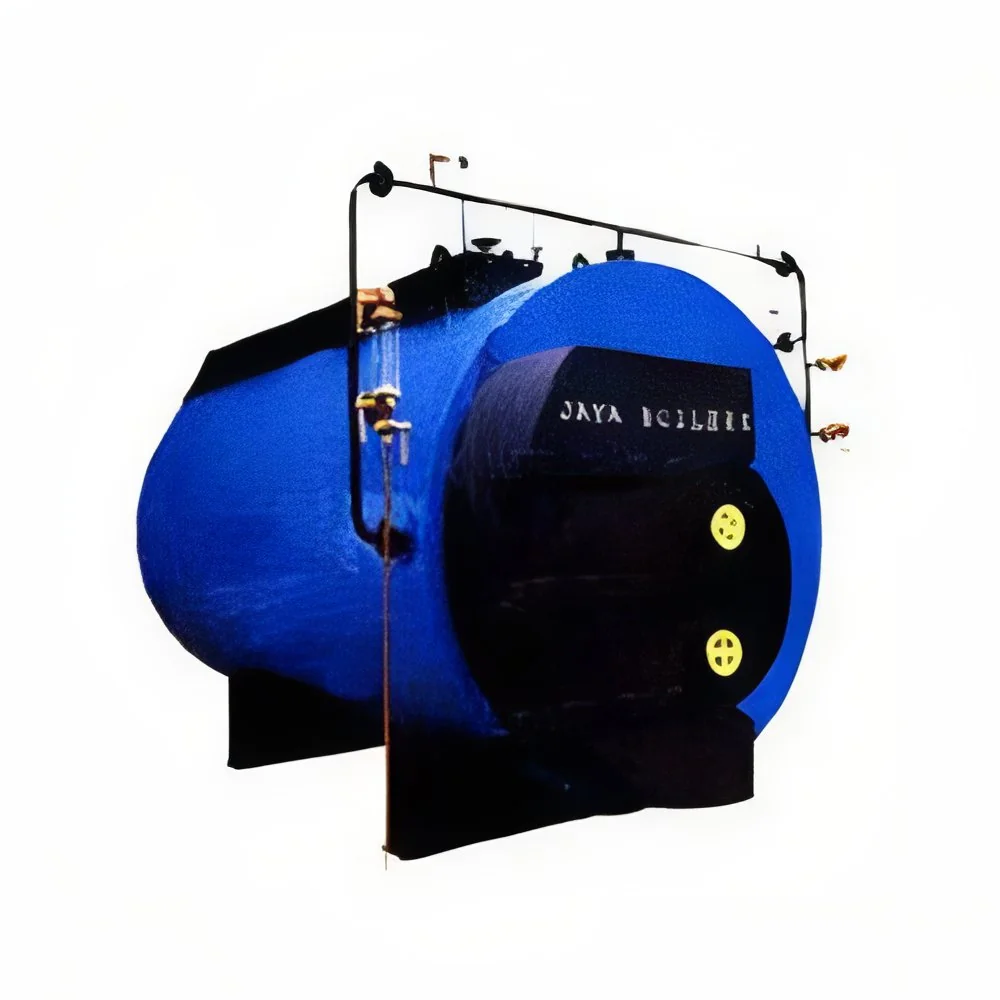
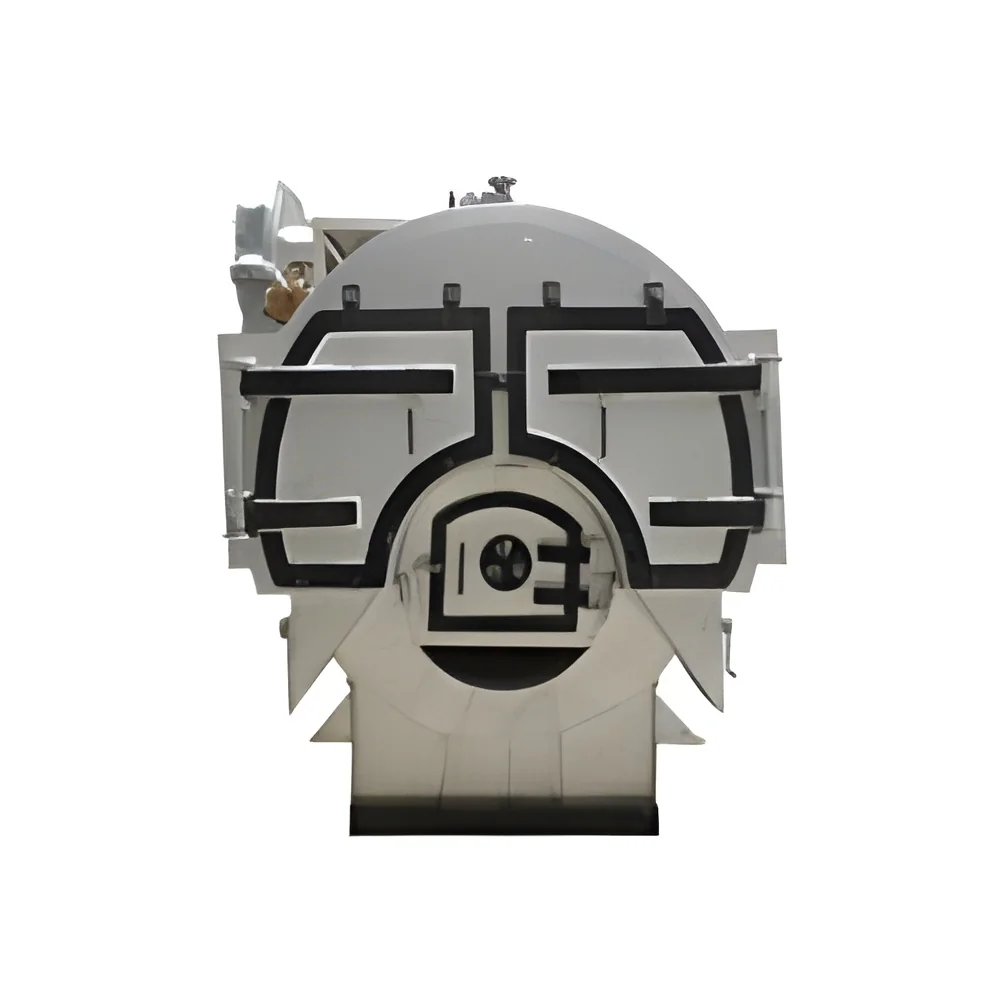
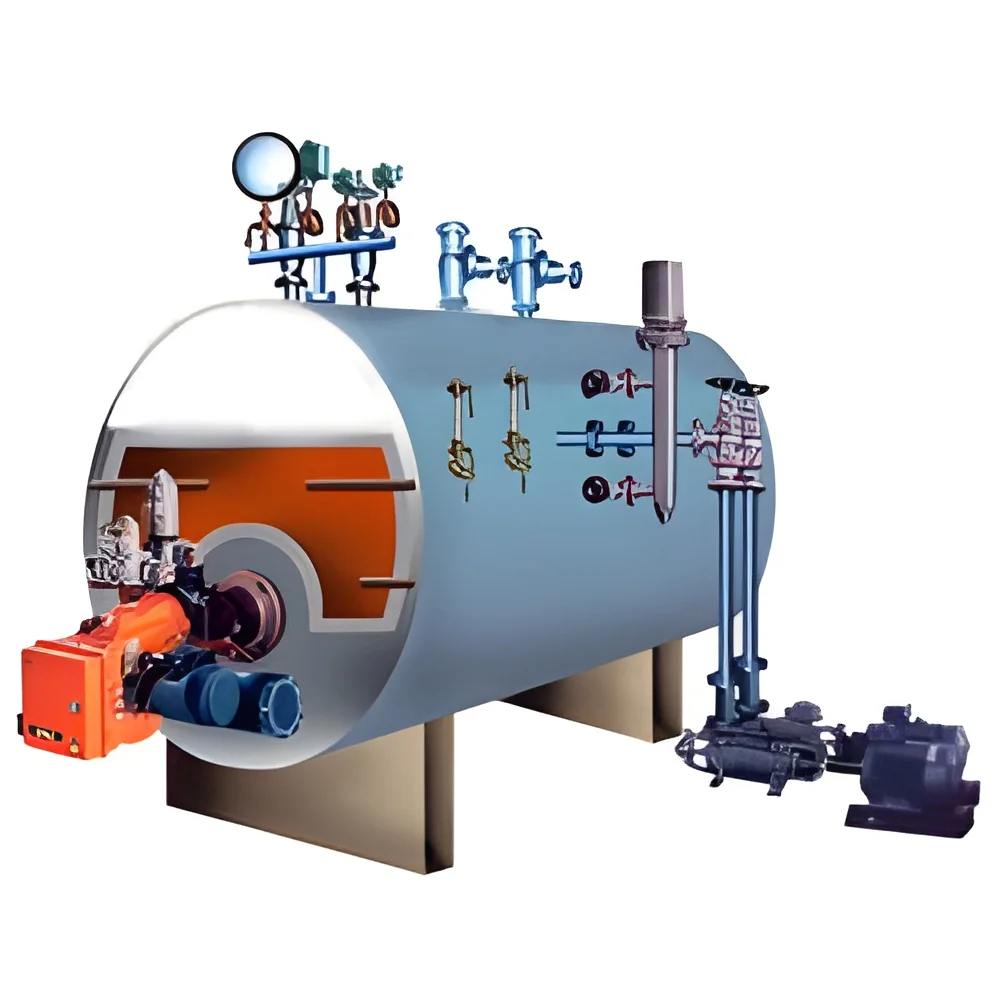
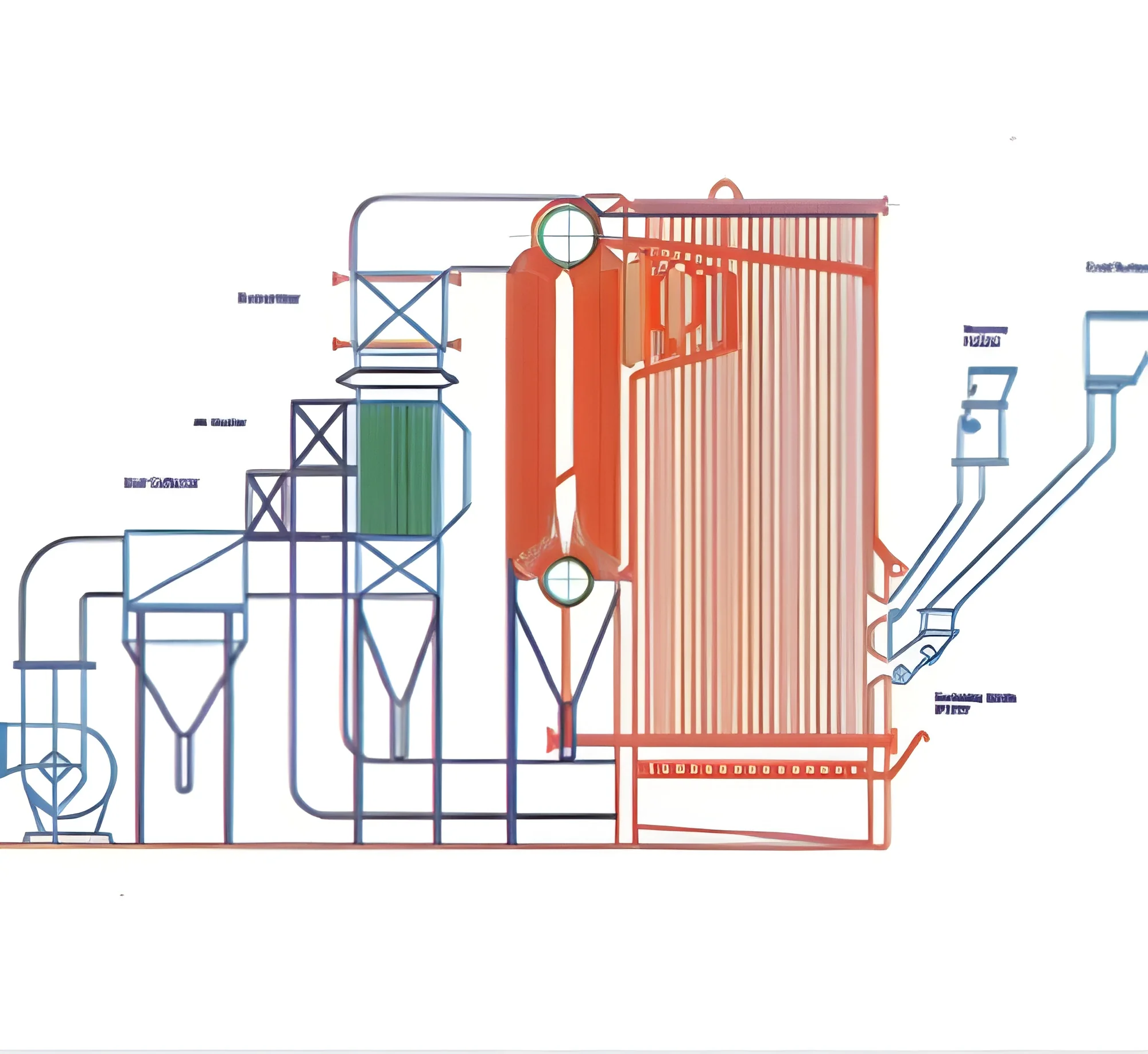
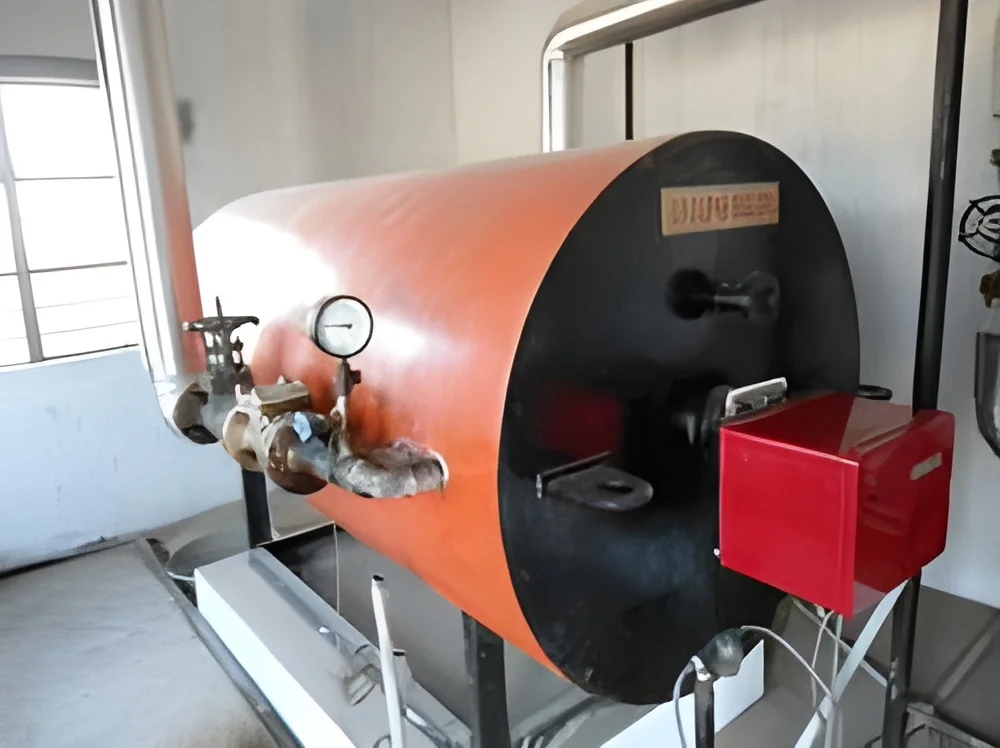
Key Features and Specifications
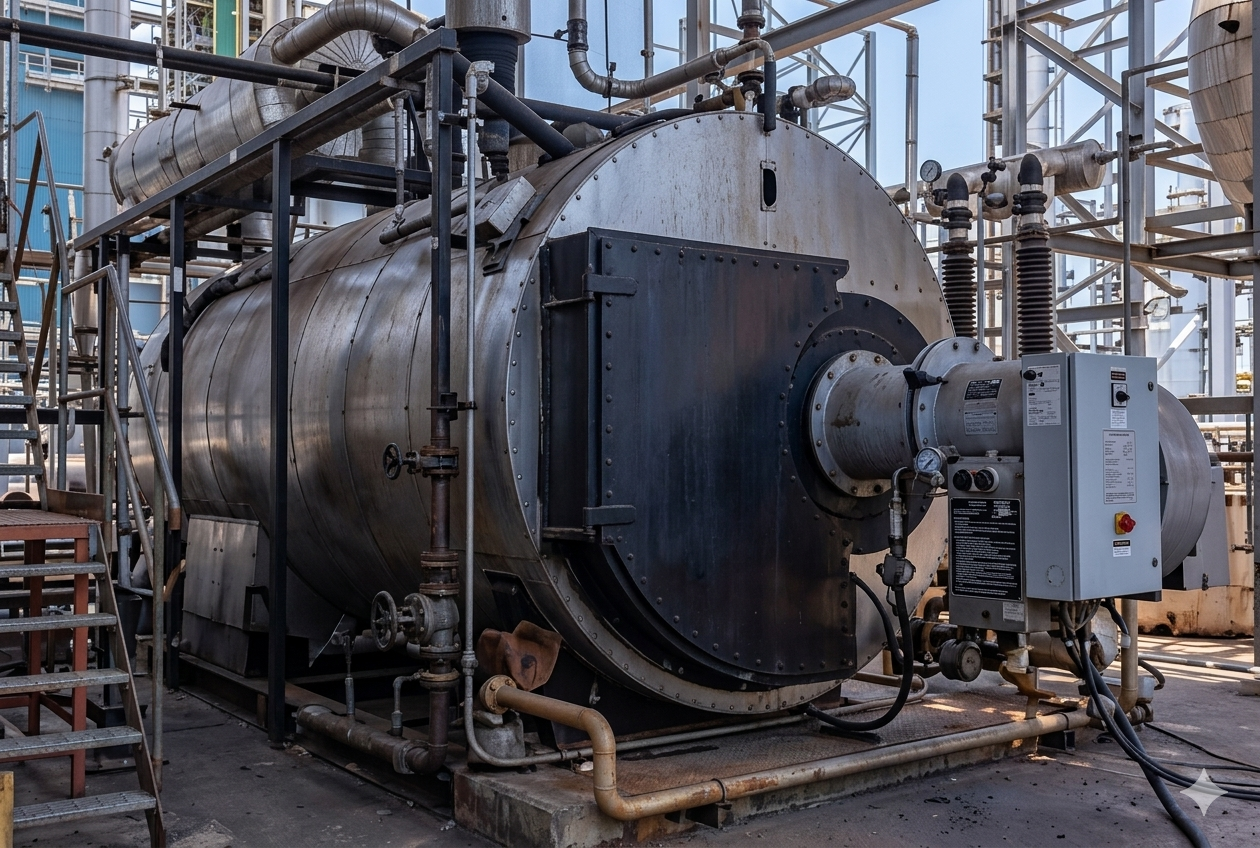
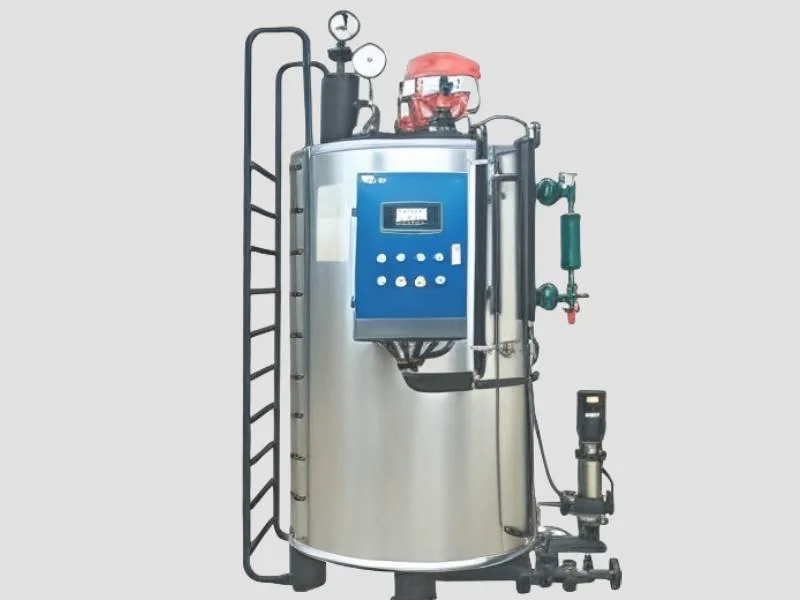
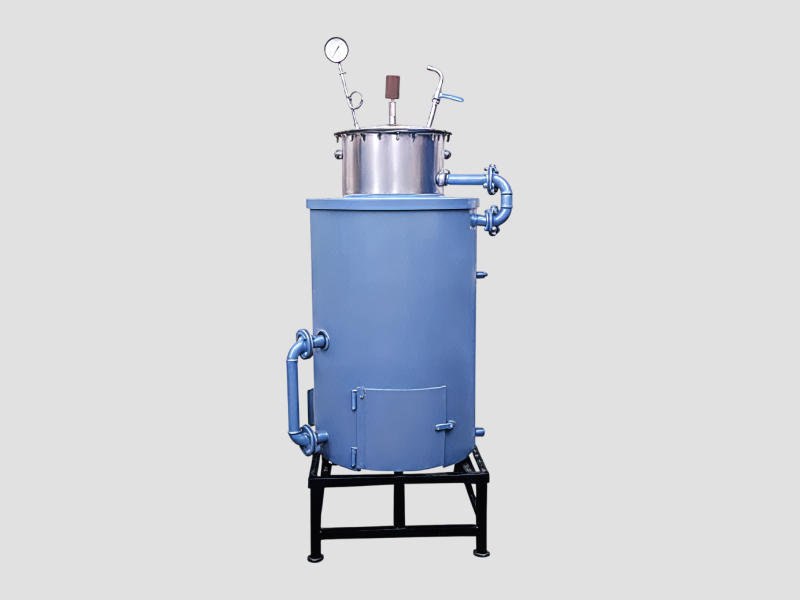
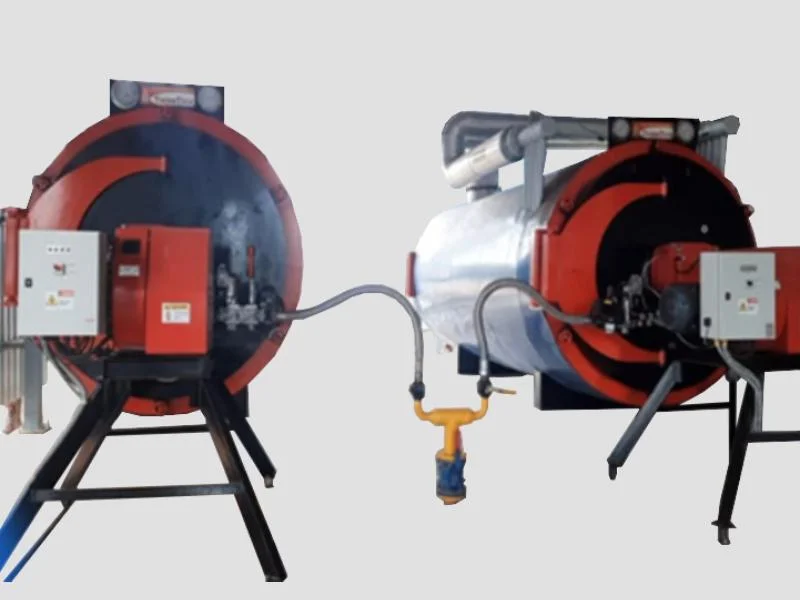
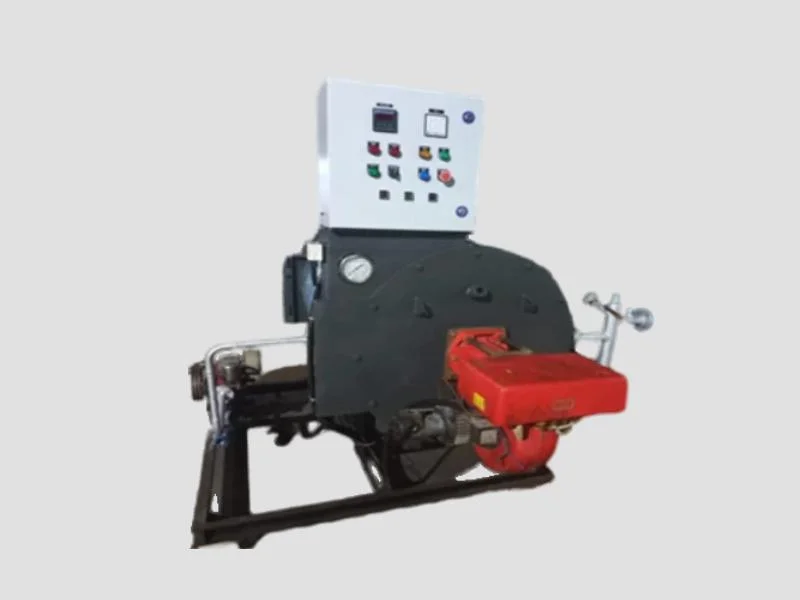
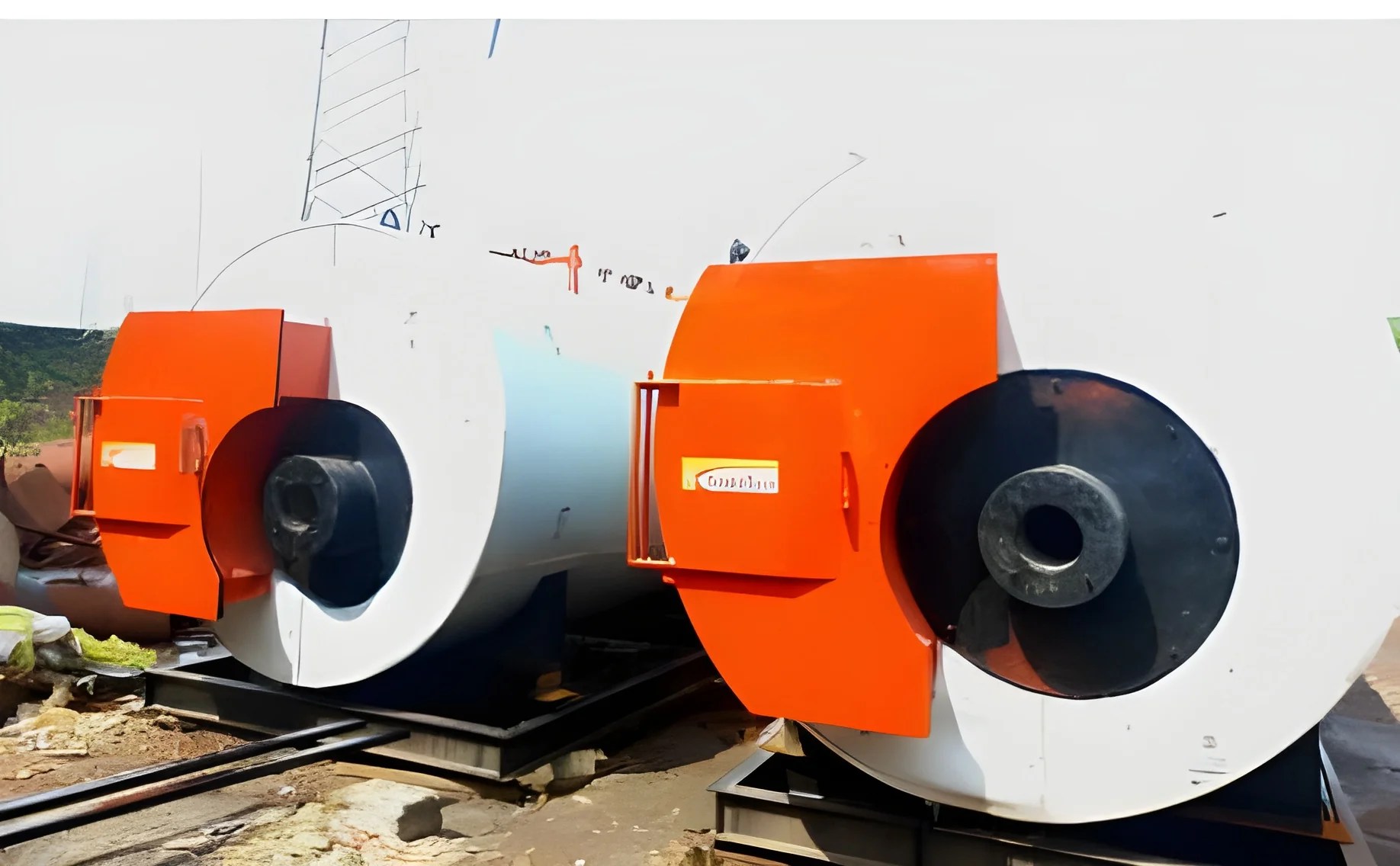
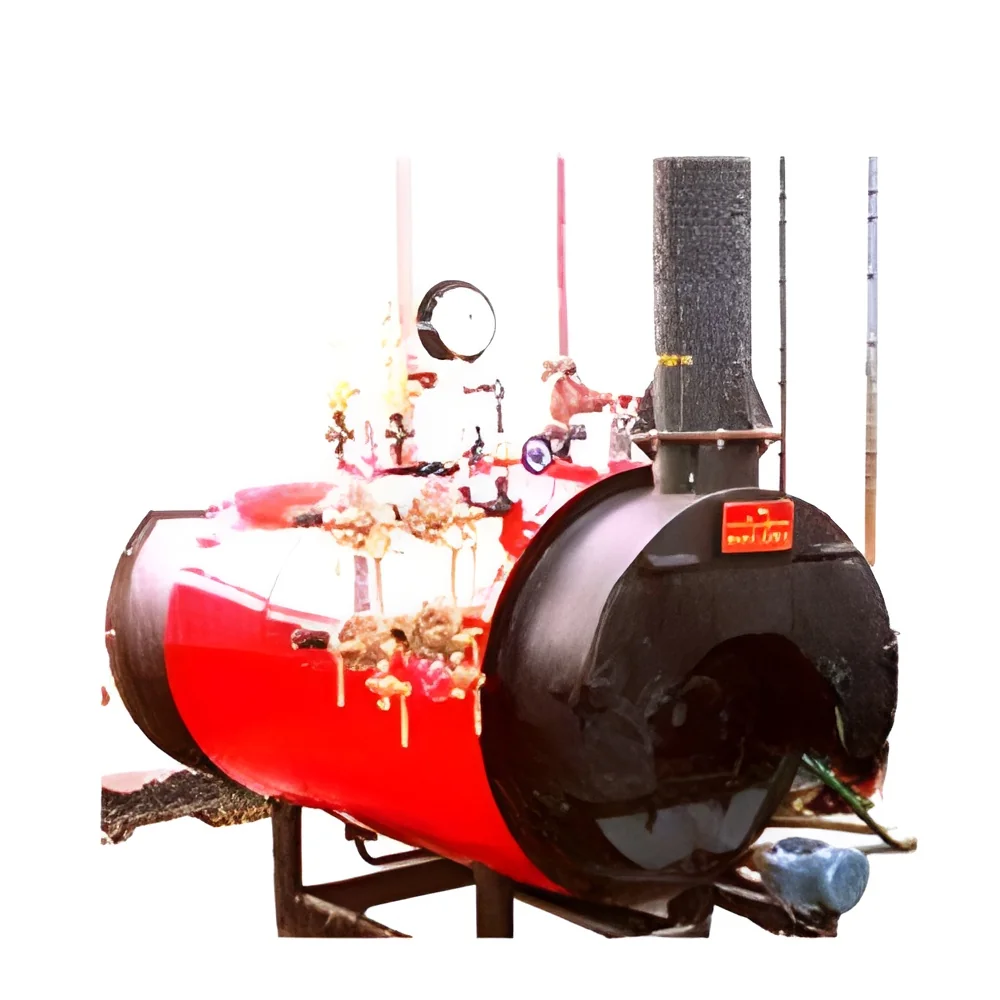
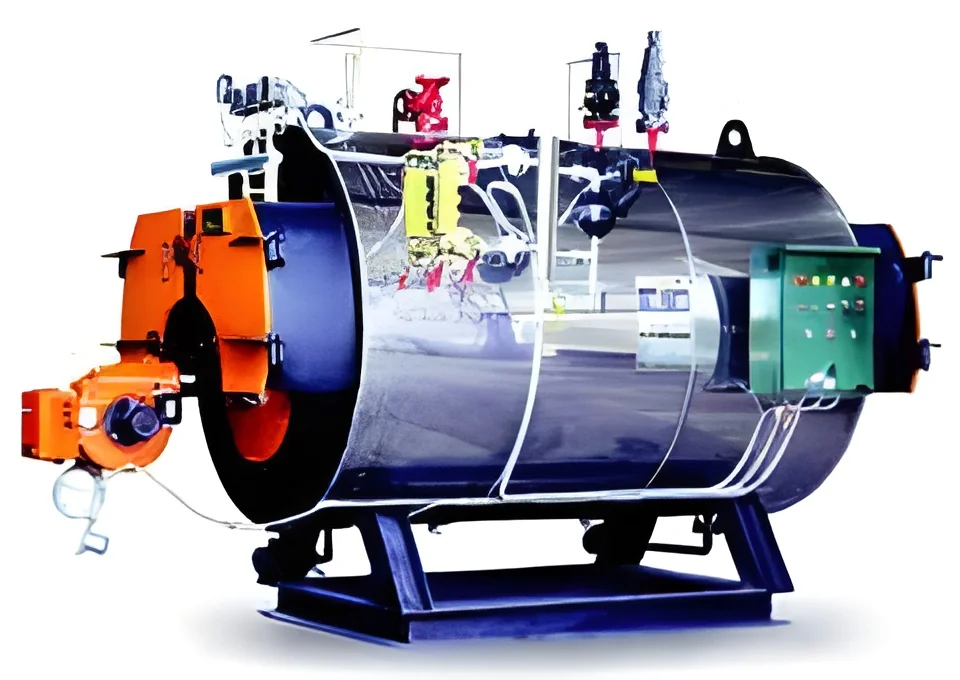
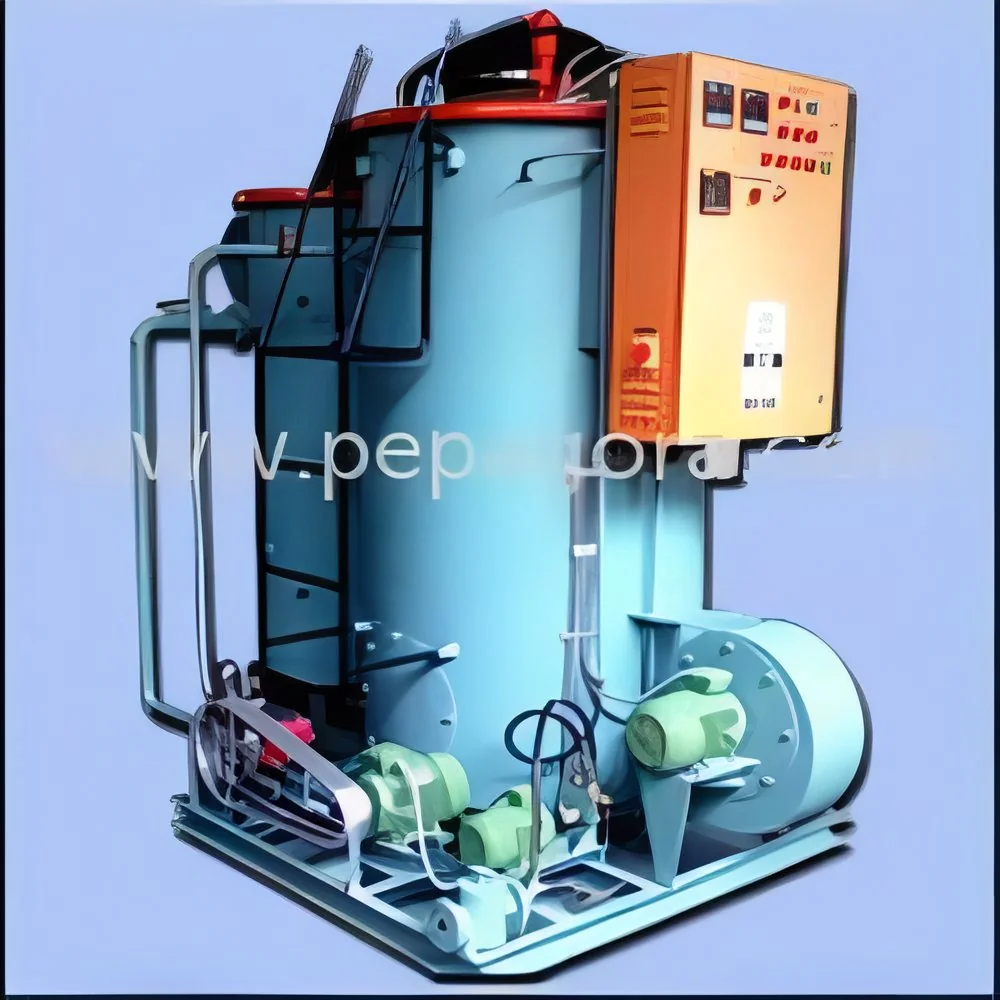
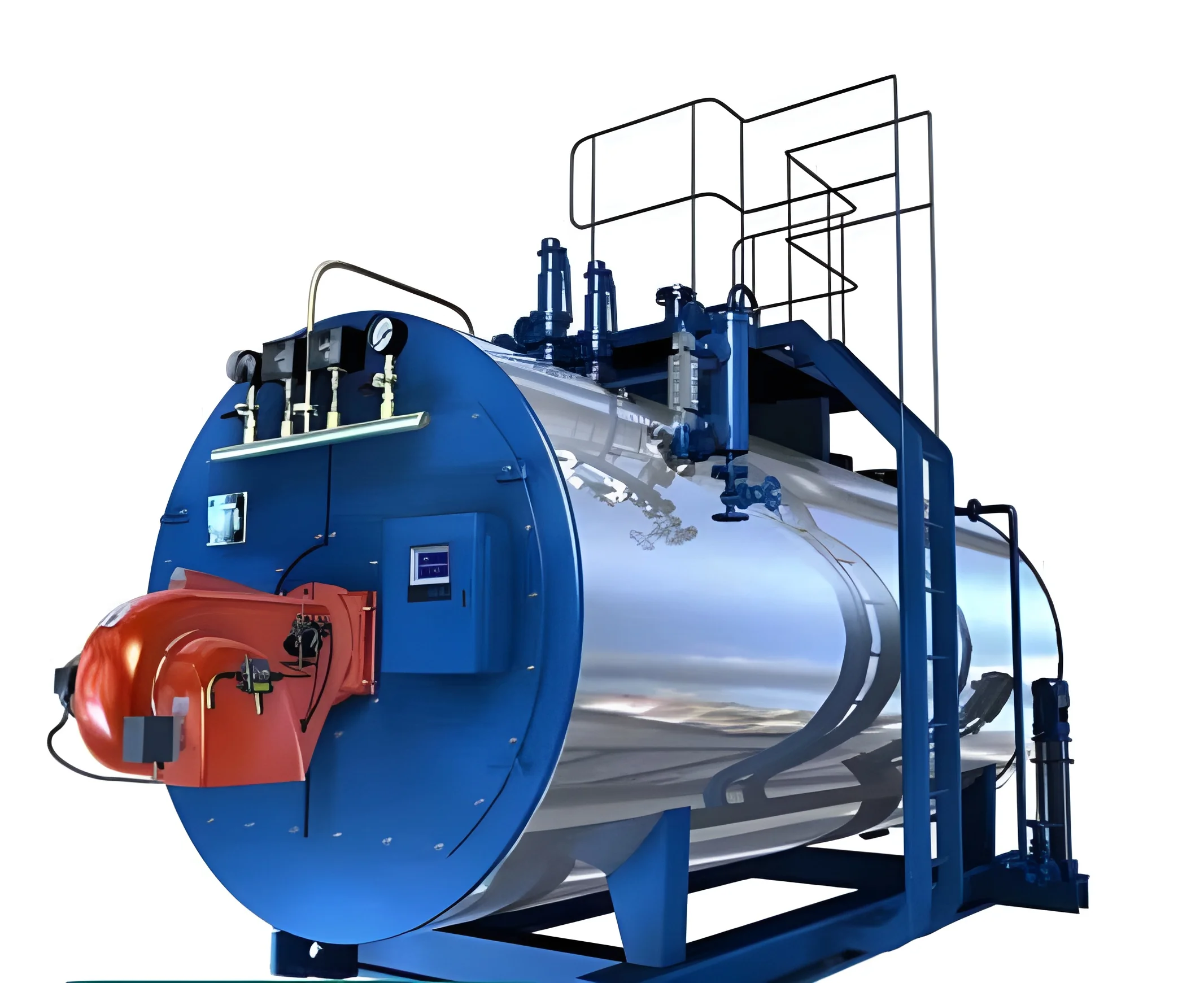
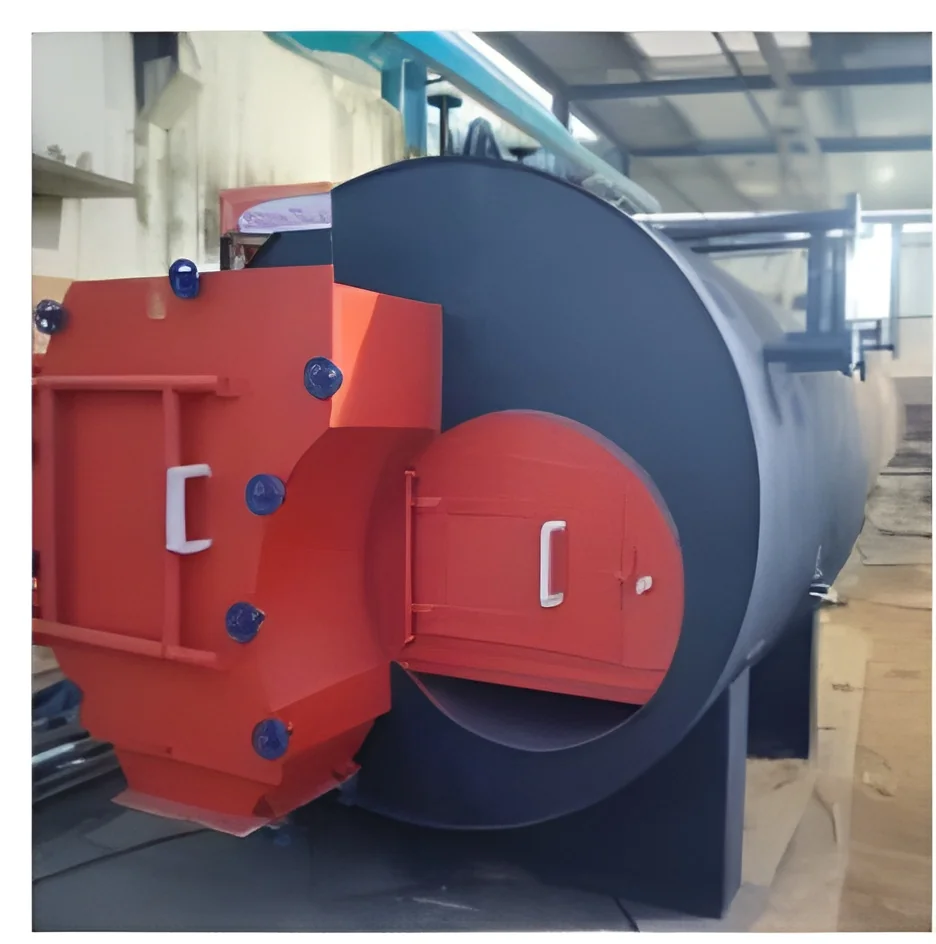
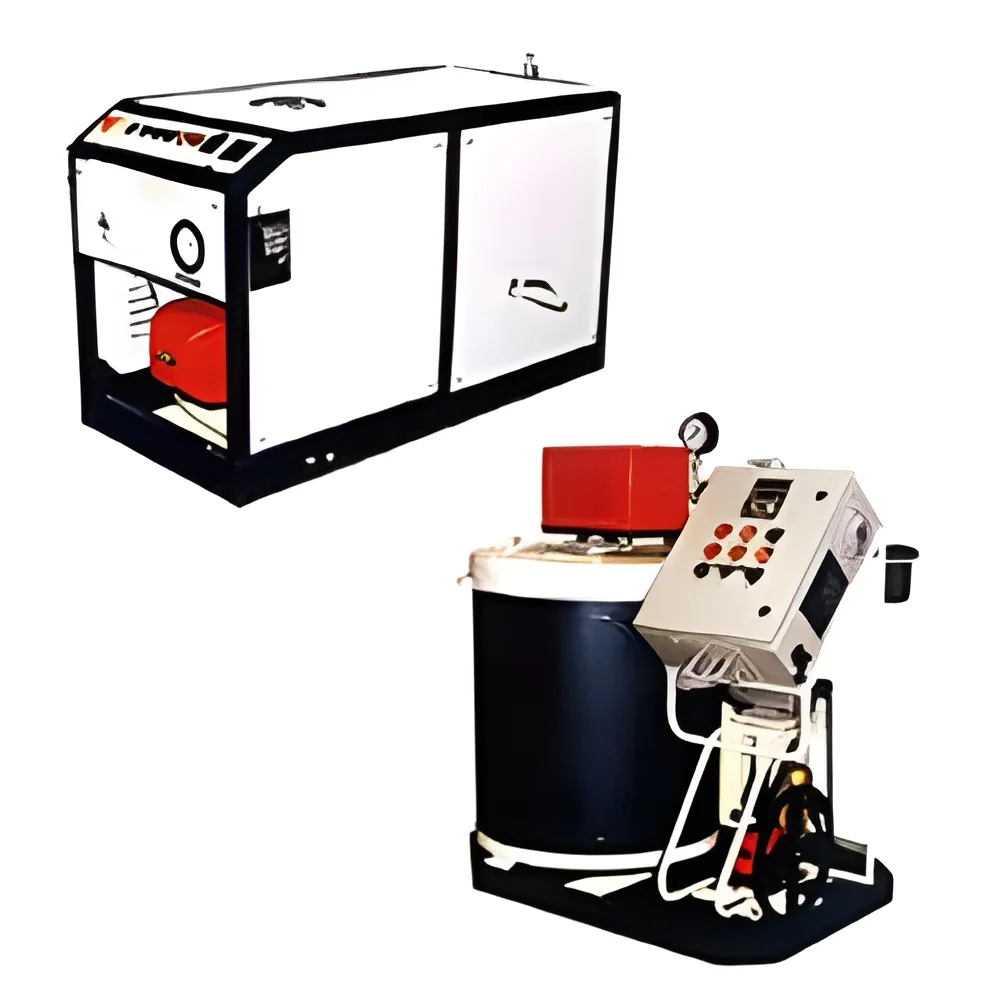
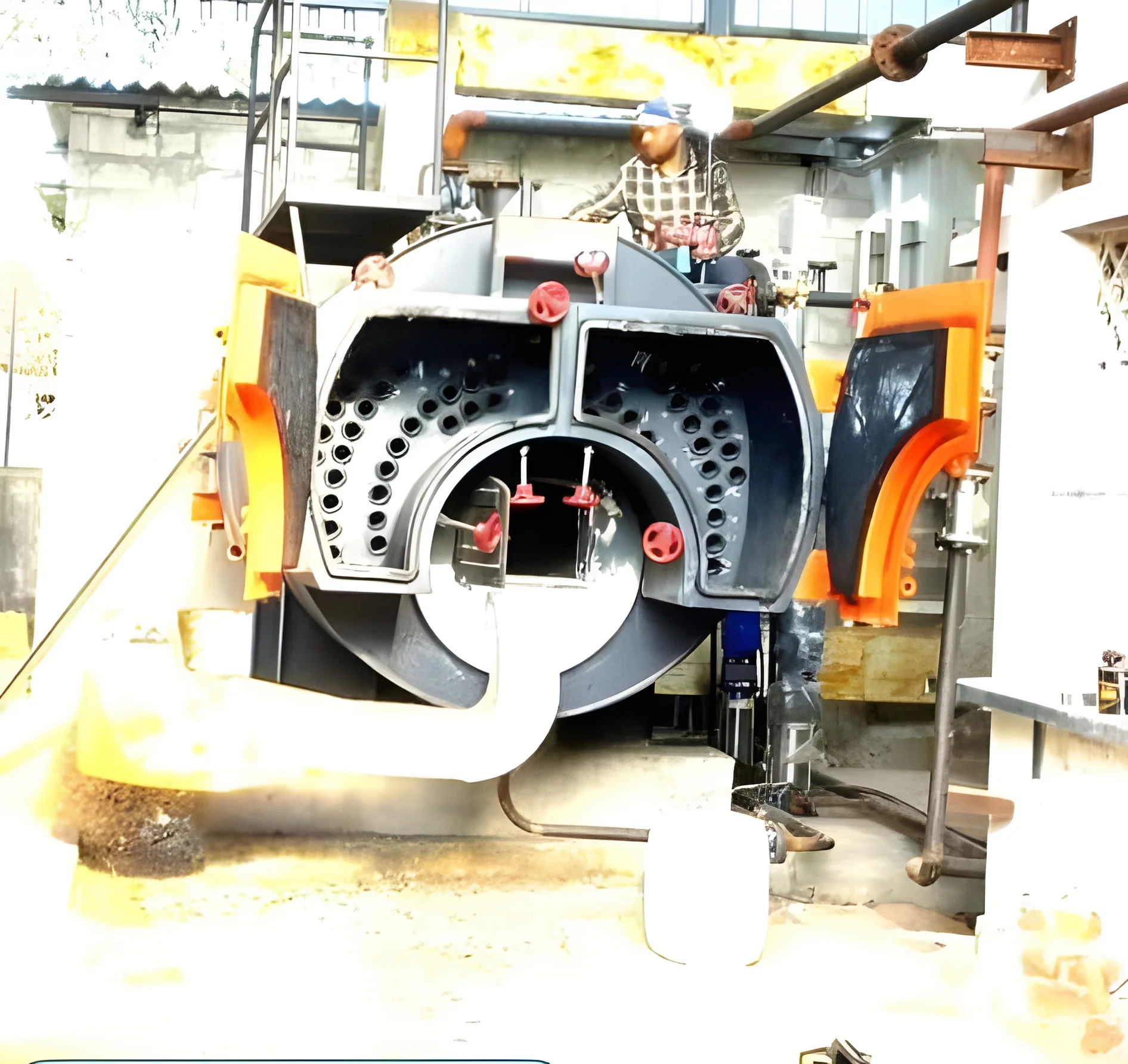
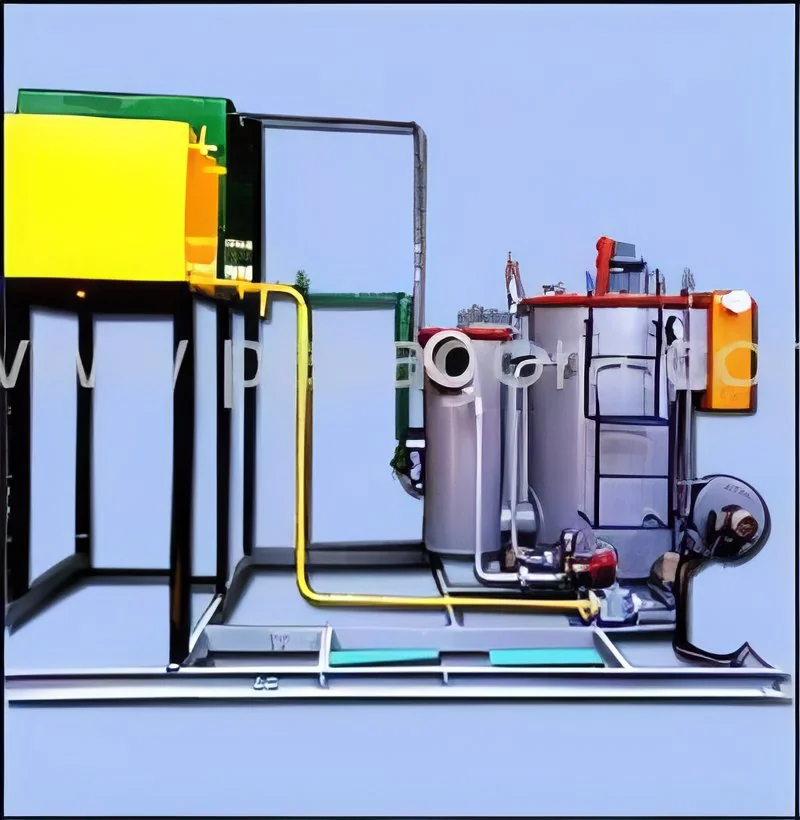
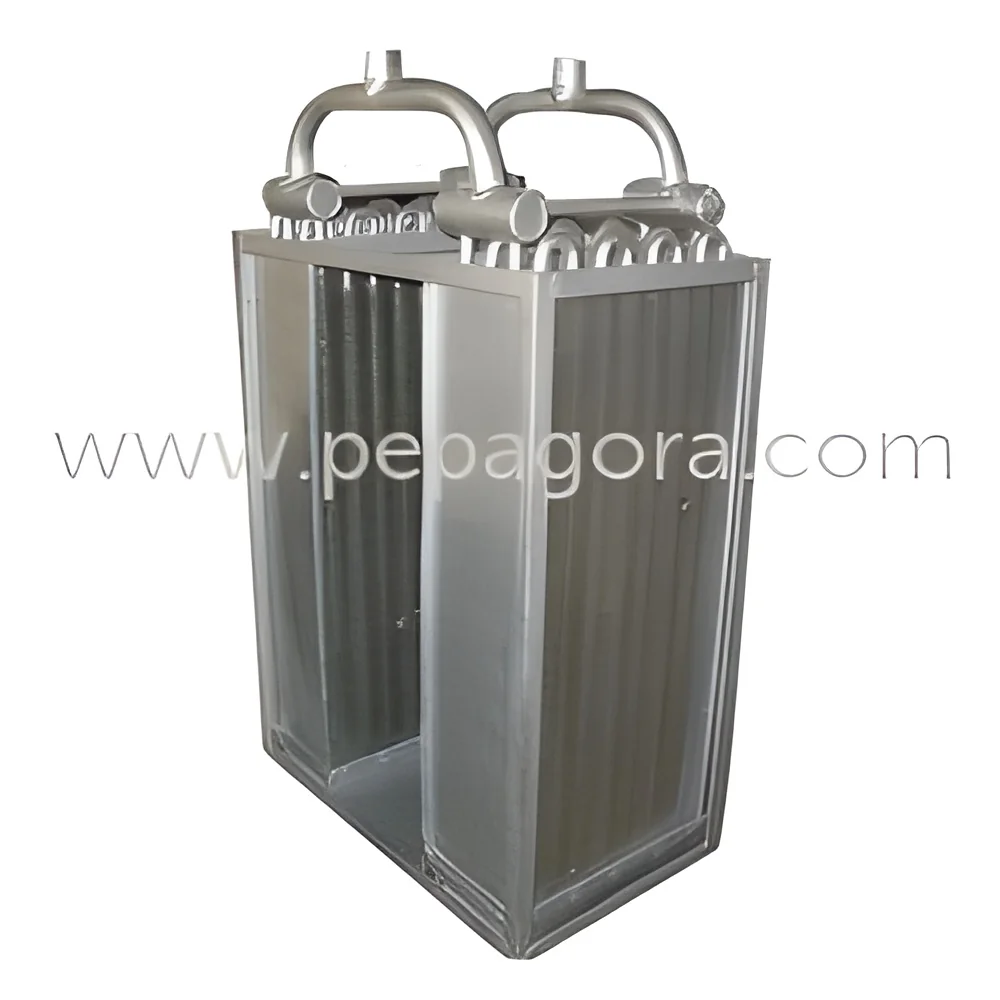
Steam boilers come equipped with several key features that enhance their functionality and efficiency. These specifications are critical for businesses to understand when selecting the appropriate boiler for their operations.
Key specifications include:
1. Fuel Type
- Options include oil, gas, coal, and biomass.
- Each fuel type offers distinct efficiency and environmental impact characteristics.
2. Pressure Rating
- Boilers are designed to operate at various pressure levels.
- Common pressure ratings range from low-pressure (below 15 psi) to high-pressure (above 15 psi).
3. Capacity
- The boiler capacity is measured in pounds of steam per hour (PPH).
- Typical capacities range from small units (100 PPH) to large industrial boilers (over 100,000 PPH).
4. Efficiency Rating
- Efficiency ratings indicate how effectively a boiler converts fuel into steam.
- High-efficiency models can achieve ratings above 90%.
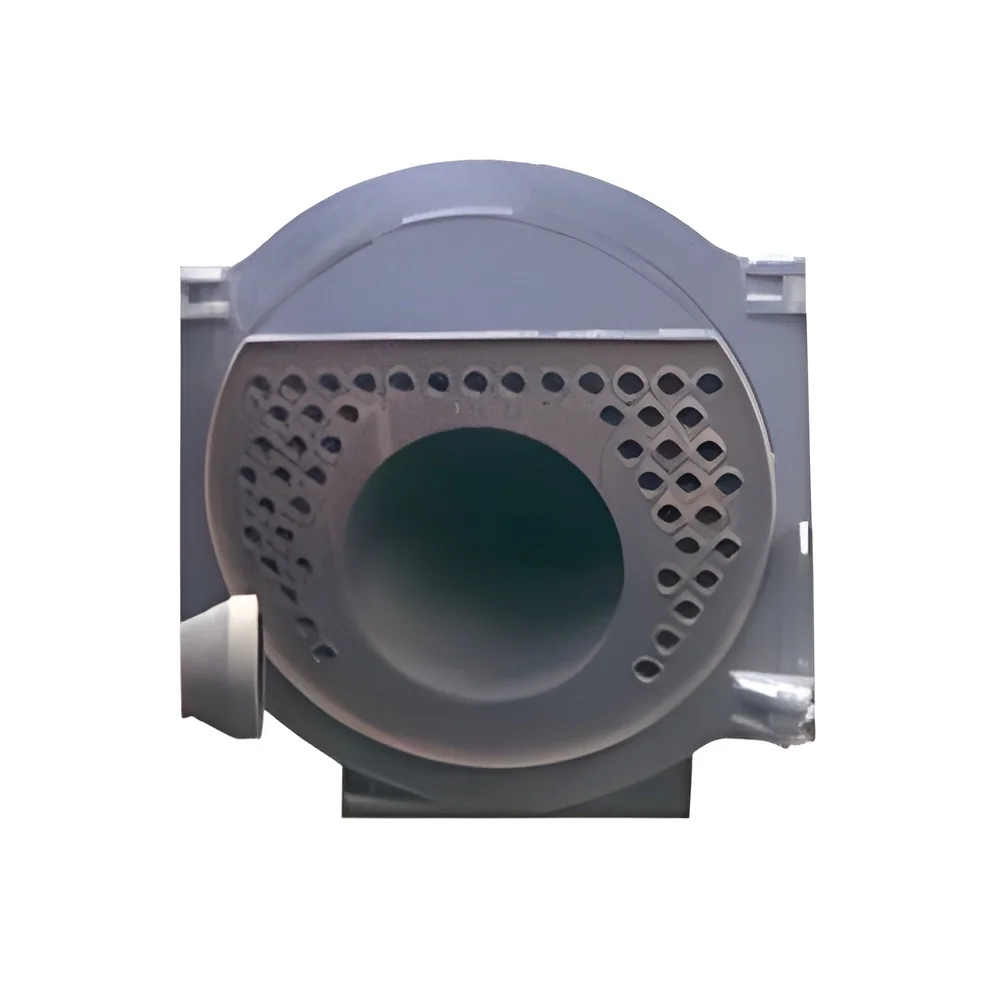
5. Size and Dimensions
- Physical size is dependent on the boiler's capacity and design.
- Compact models are available for limited space applications.
6. Emissions Standards
- Compliance with local and international emissions regulations.
- Modern boilers are designed to minimize pollutants.
7. Control Systems
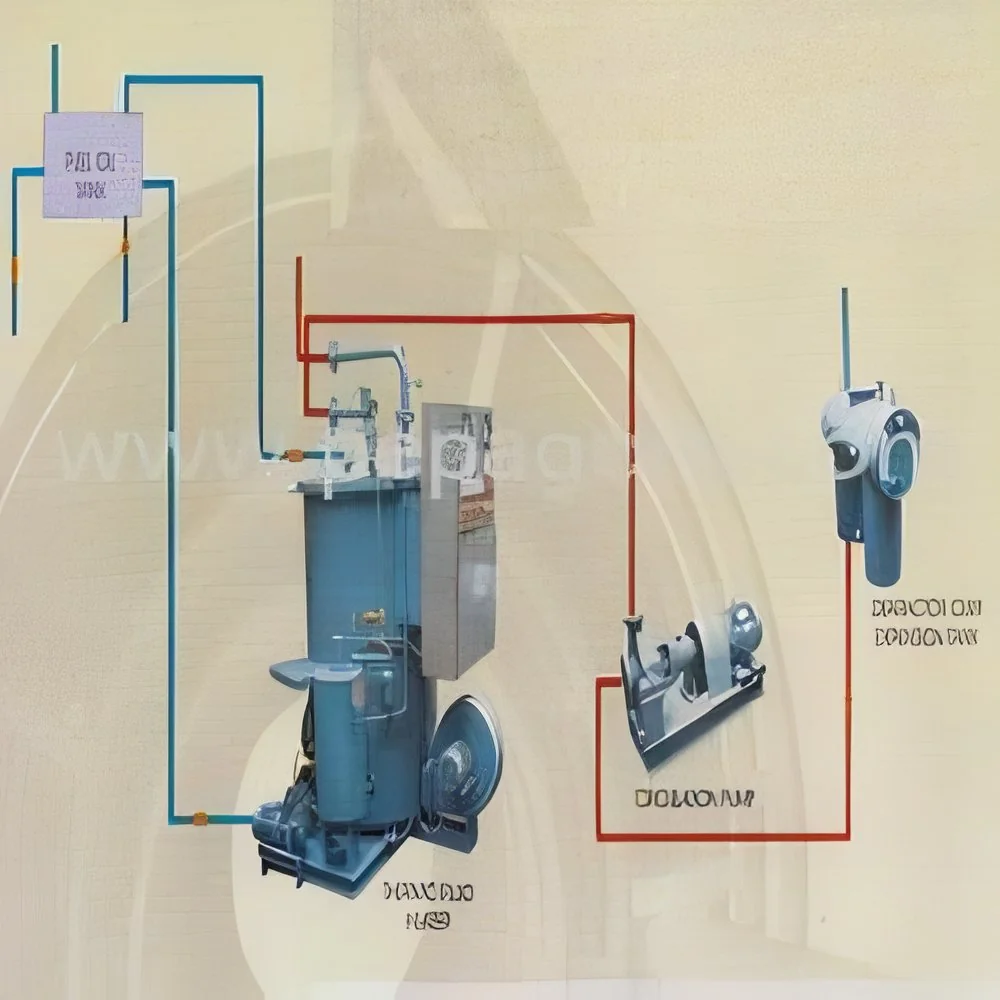
- Advanced control systems allow for automated operation and monitoring.
- Features can include digital displays and remote access.
8. Safety Features
- Safety components include pressure relief valves and automatic shut-off systems.
- Essential for preventing overpressure and ensuring safe operation.
In summary, understanding these features and specifications is crucial for businesses looking to invest in steam boilers. Proper selection ensures operational efficiency, safety, and compliance with regulations.
Common Applications and Use Cases
Steam boilers are integral to a variety of industrial applications, serving multiple sectors effectively.
1. Manufacturing: In this sector, steam is used for powering machinery, heating materials, and enhancing production processes. Steam boilers support the manufacturing of goods from textiles to automotive parts.
2. Food Processing: Steam boilers play a vital role in food preparation, cooking, and sterilization processes. They ensure food safety and quality by providing consistent heating and steam for various applications.
3. Pharmaceuticals: In the pharmaceutical industry, steam is essential for sterilizing equipment and ensuring a hygienic environment. Steam boilers help maintain stringent quality control standards in drug production.
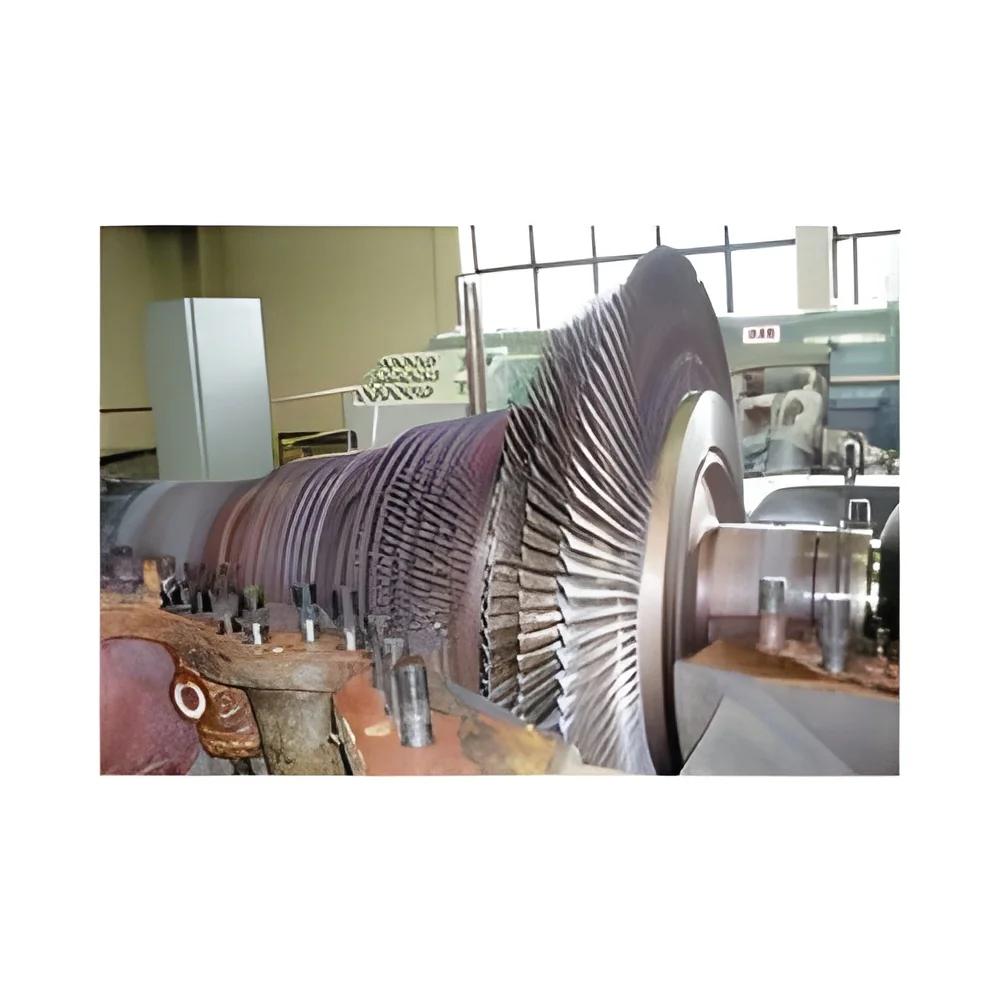
4. Energy Production: Steam boilers are fundamental in power generation, where steam is used to drive turbines. They are central to both conventional and renewable energy plants.
5. Chemical Processing: Steam is used in various chemical reactions and processes. Steam boilers provide the necessary heat for distillation, extraction, and other chemical manufacturing operations.
6. HVAC Systems: In heating, ventilation, and air conditioning systems, steam boilers generate heat that is distributed throughout buildings. They are essential for maintaining comfortable environments in commercial and industrial spaces.
7. Textile Industry: Steam is used extensively in the textile industry for processes such as dyeing and finishing. Steam boilers provide the heat needed for these critical operations.
Product Variants and Subcategories
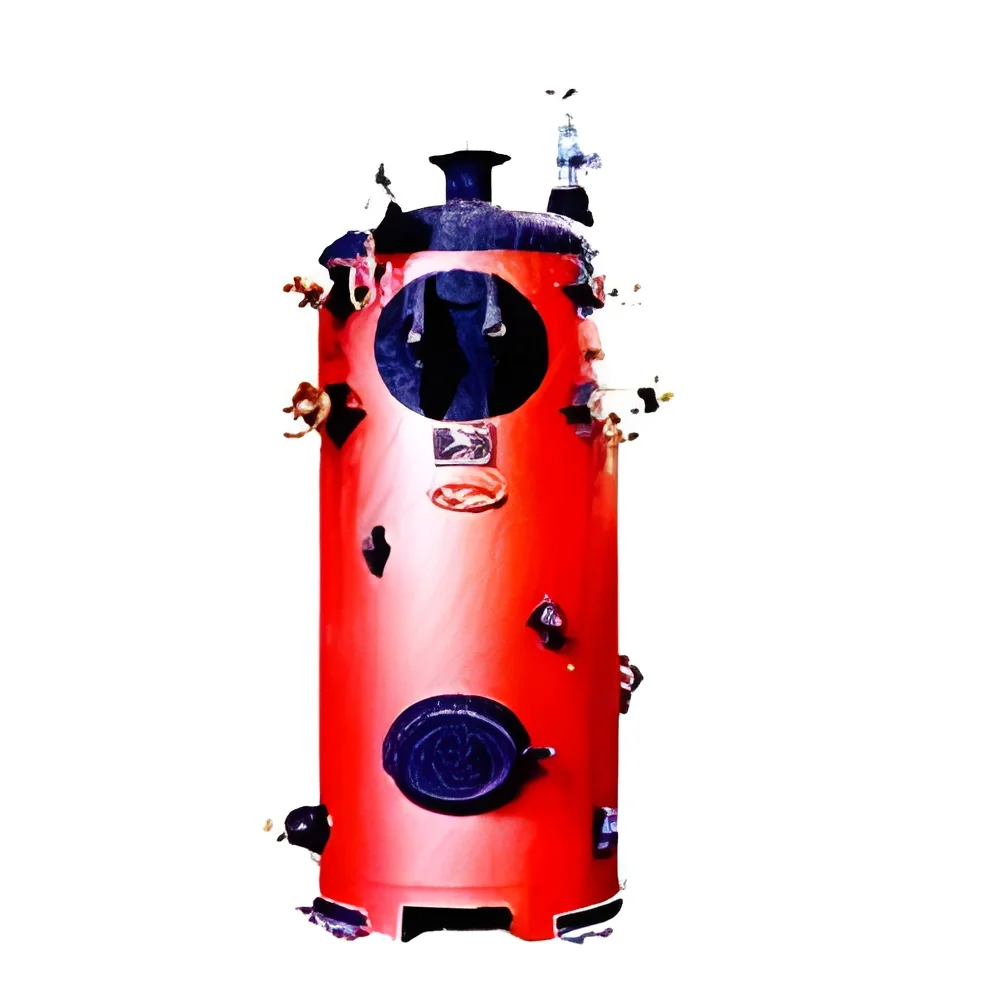
Steam boilers are available in various configurations to meet diverse operational needs. Each variant offers specific features tailored to different applications.
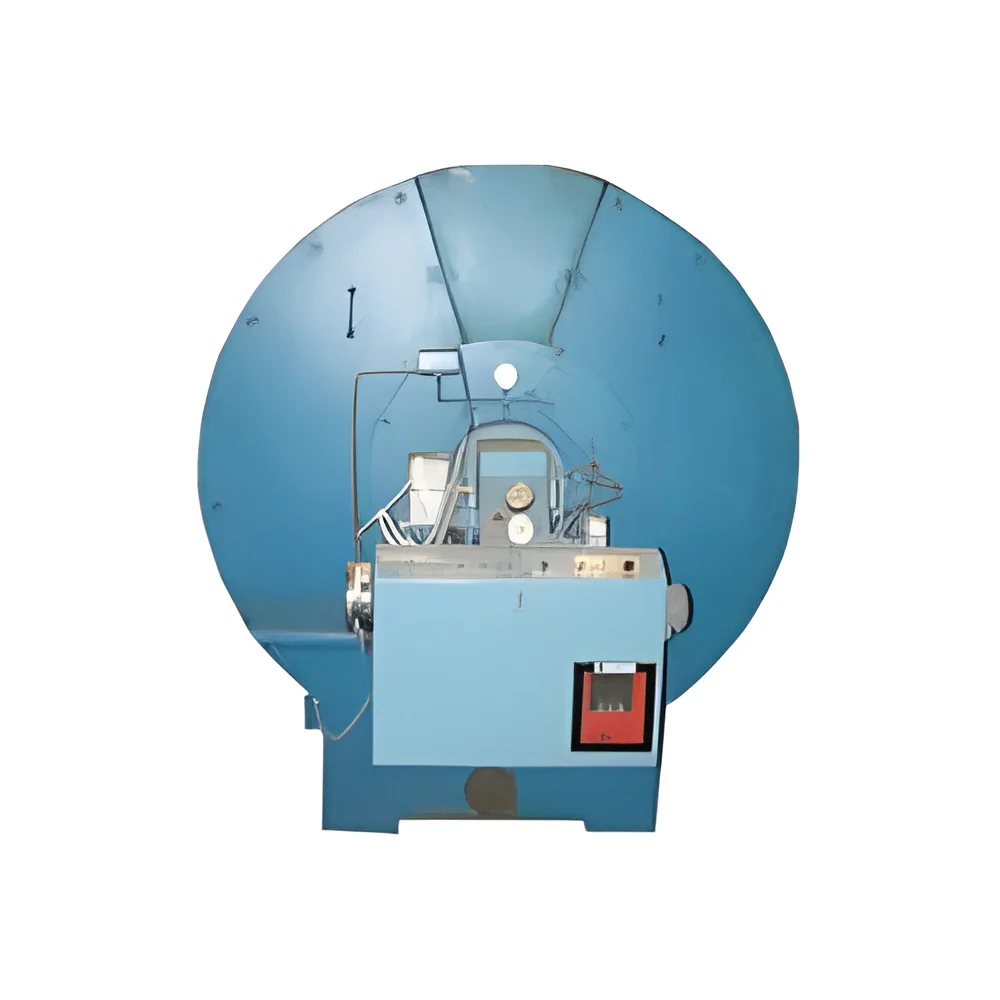
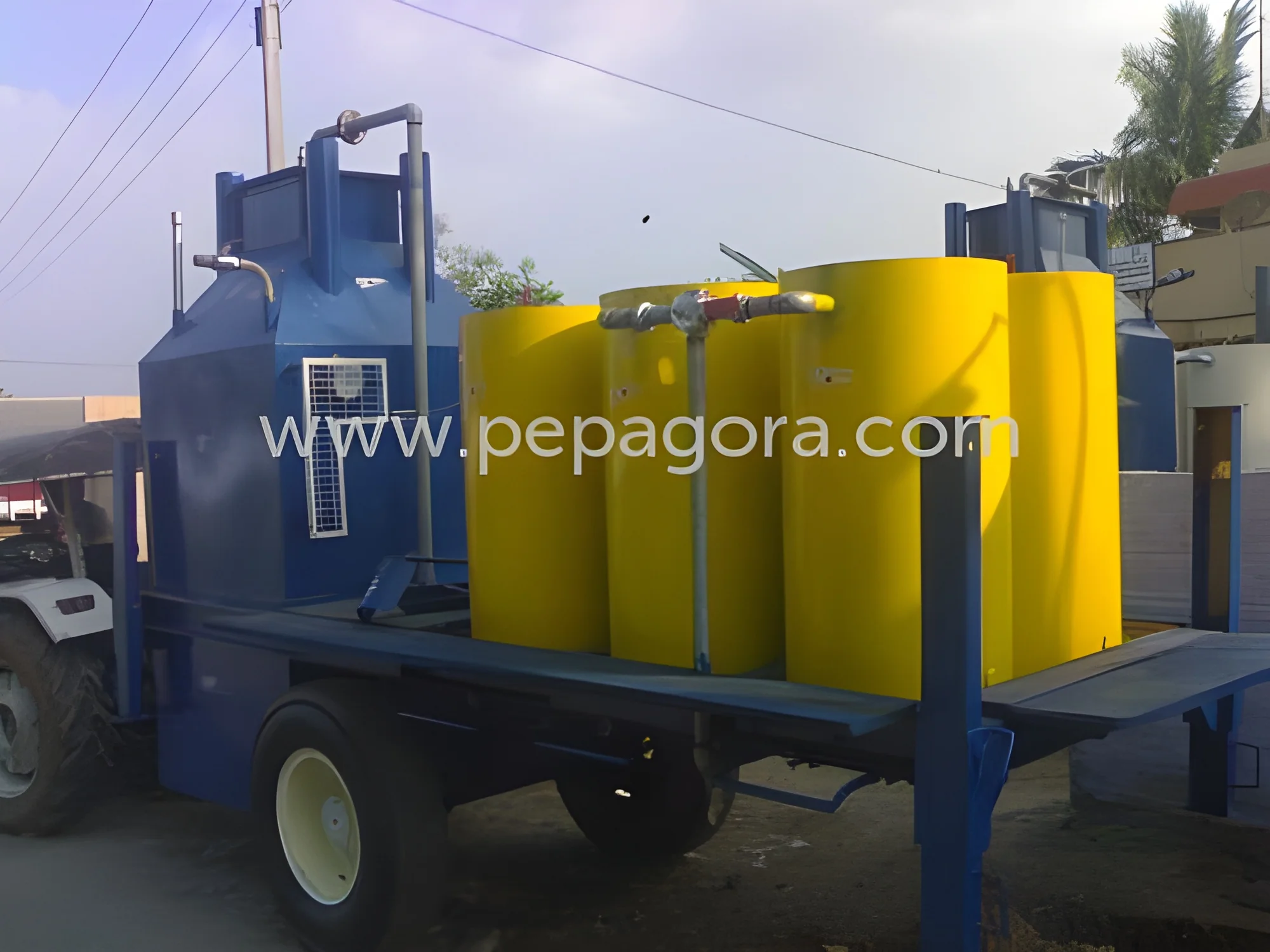
Oil-fired Steam Boilers: These boilers use oil as the primary fuel source. They are known for their efficiency and are often used in industries where natural gas is not available. Oil-fired boilers provide consistent steam output and can be easily controlled.
Gas-fired Steam Boilers: Utilizing natural gas, these boilers are favored for their low emissions and high efficiency. Gas-fired boilers are common in industries that prioritize environmental sustainability and operational cost savings.
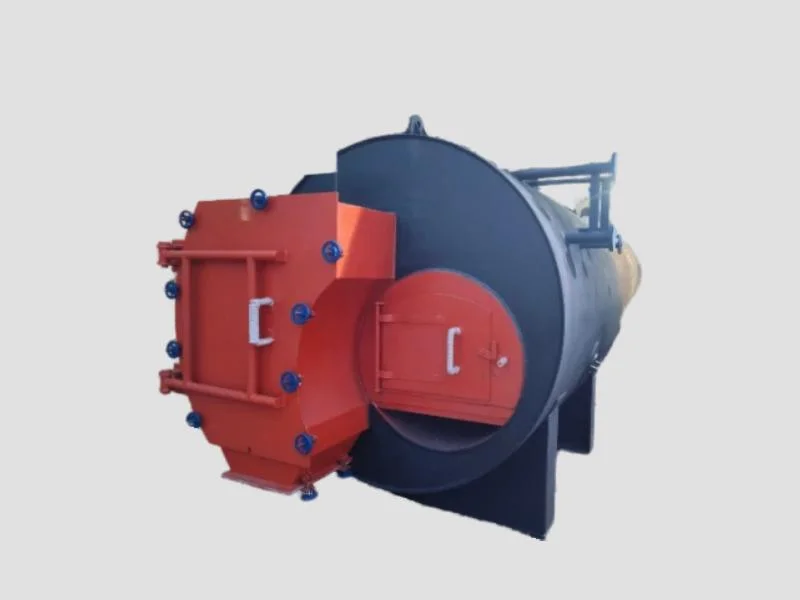
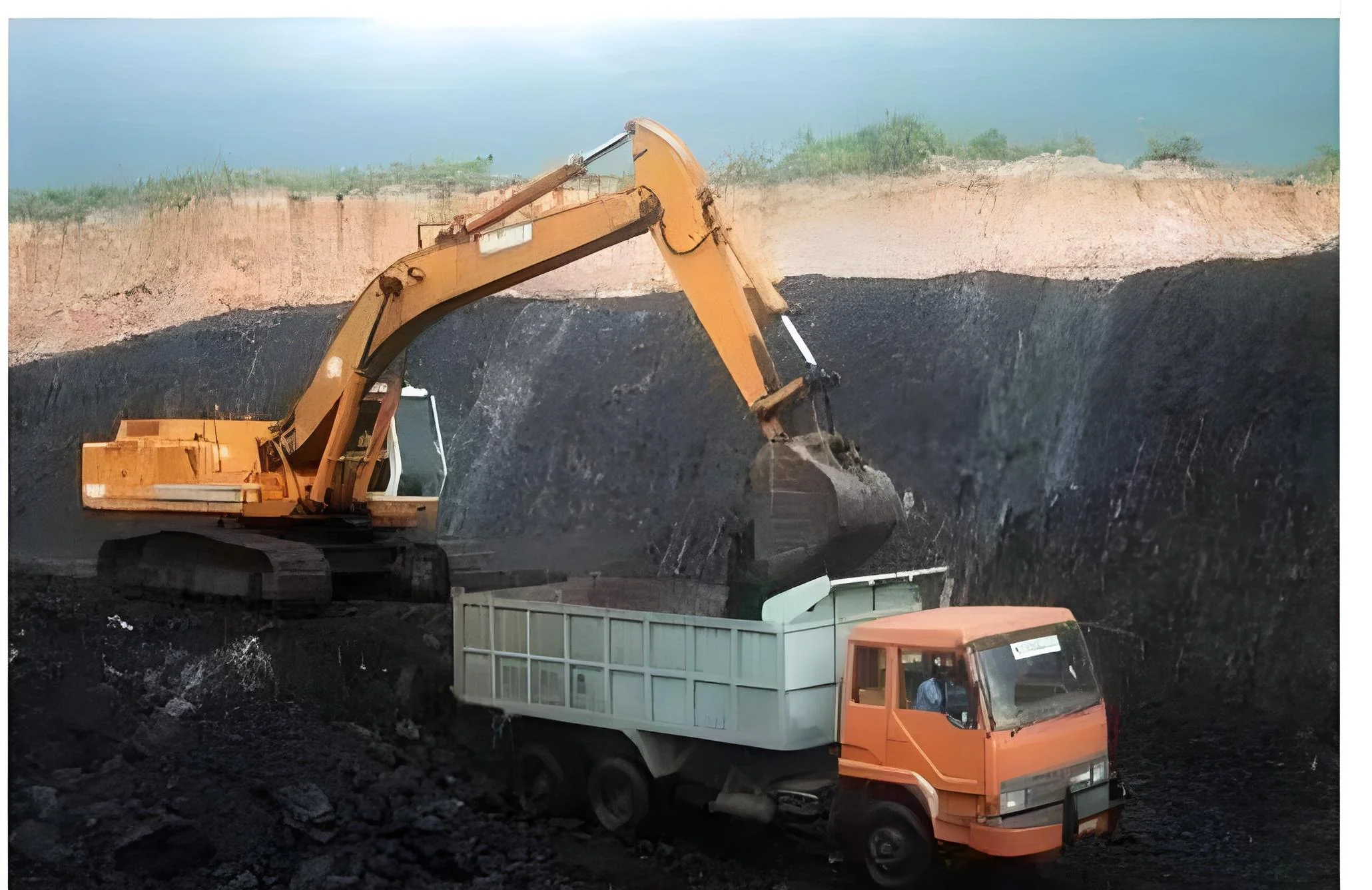
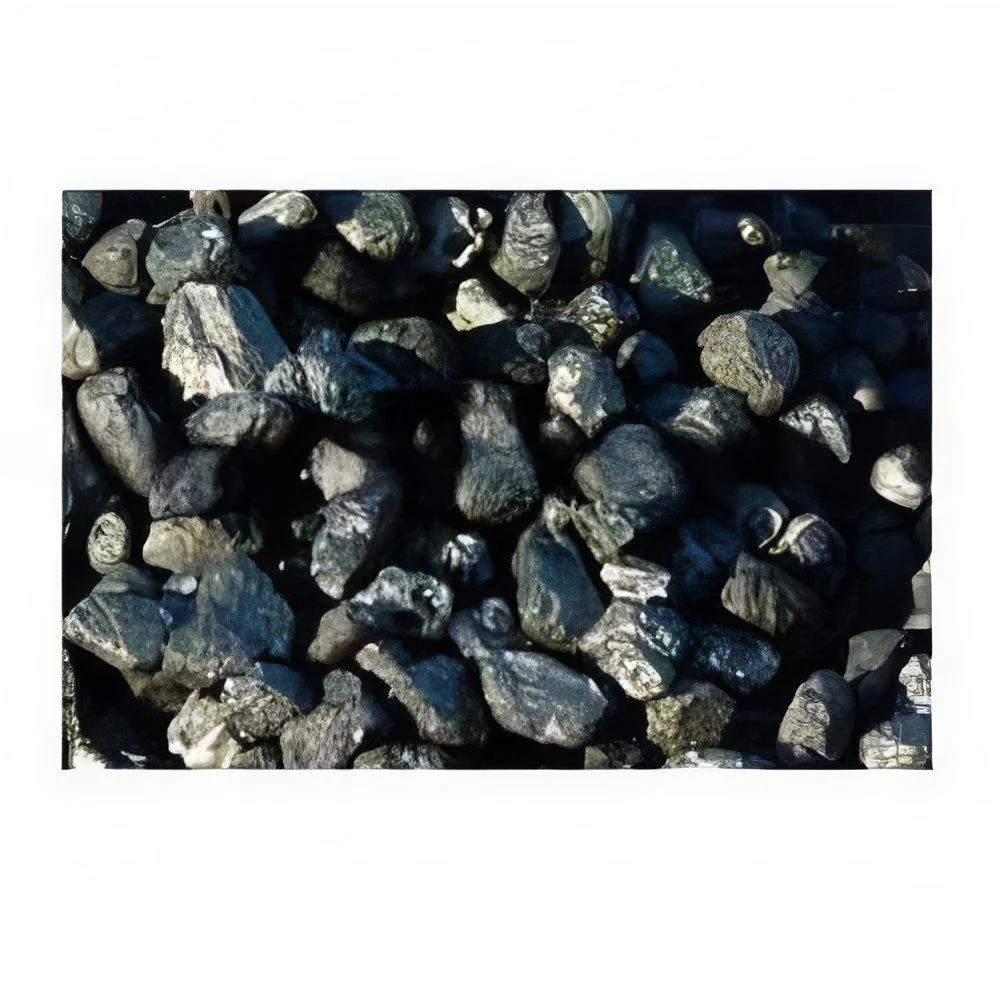
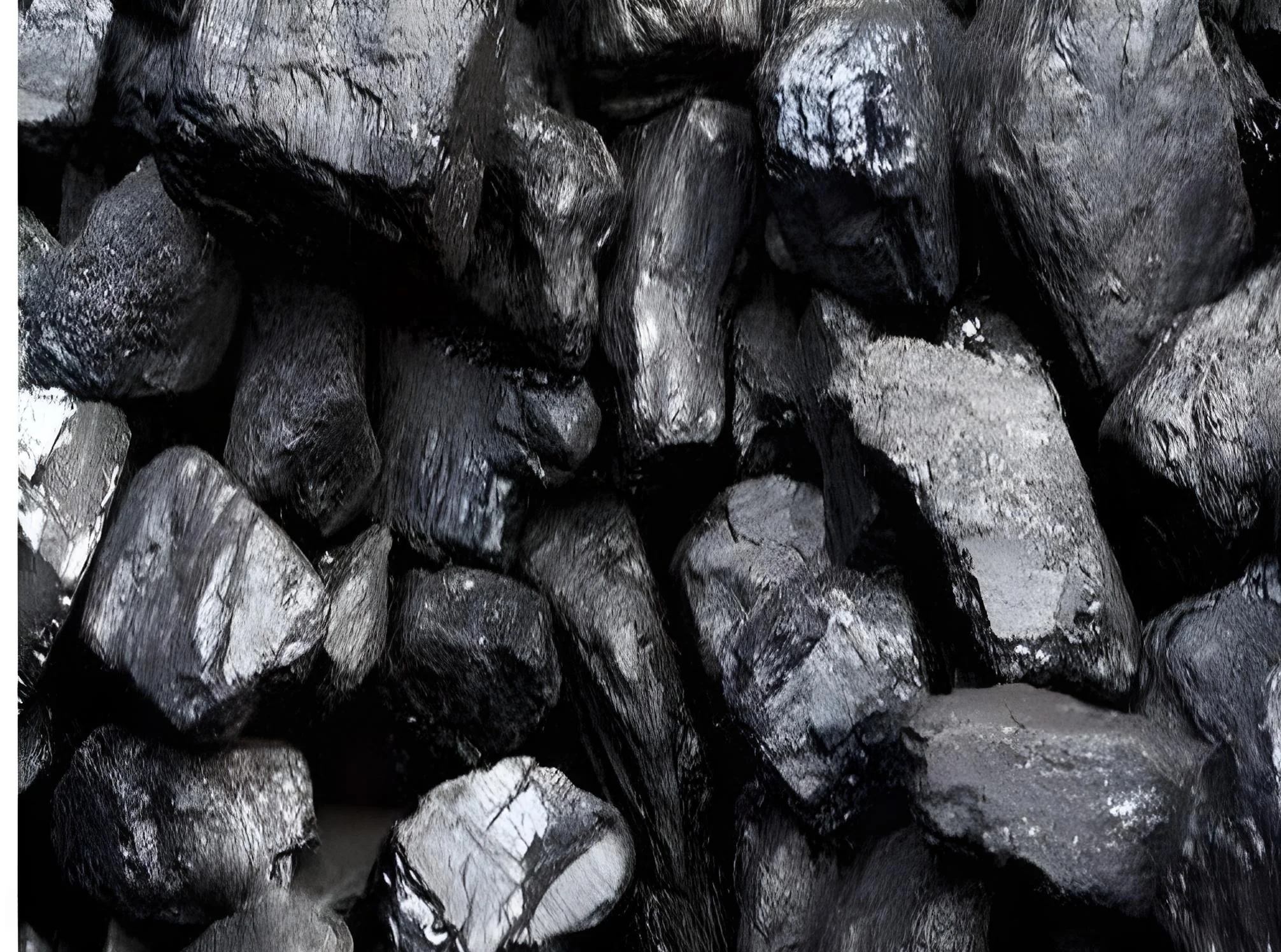
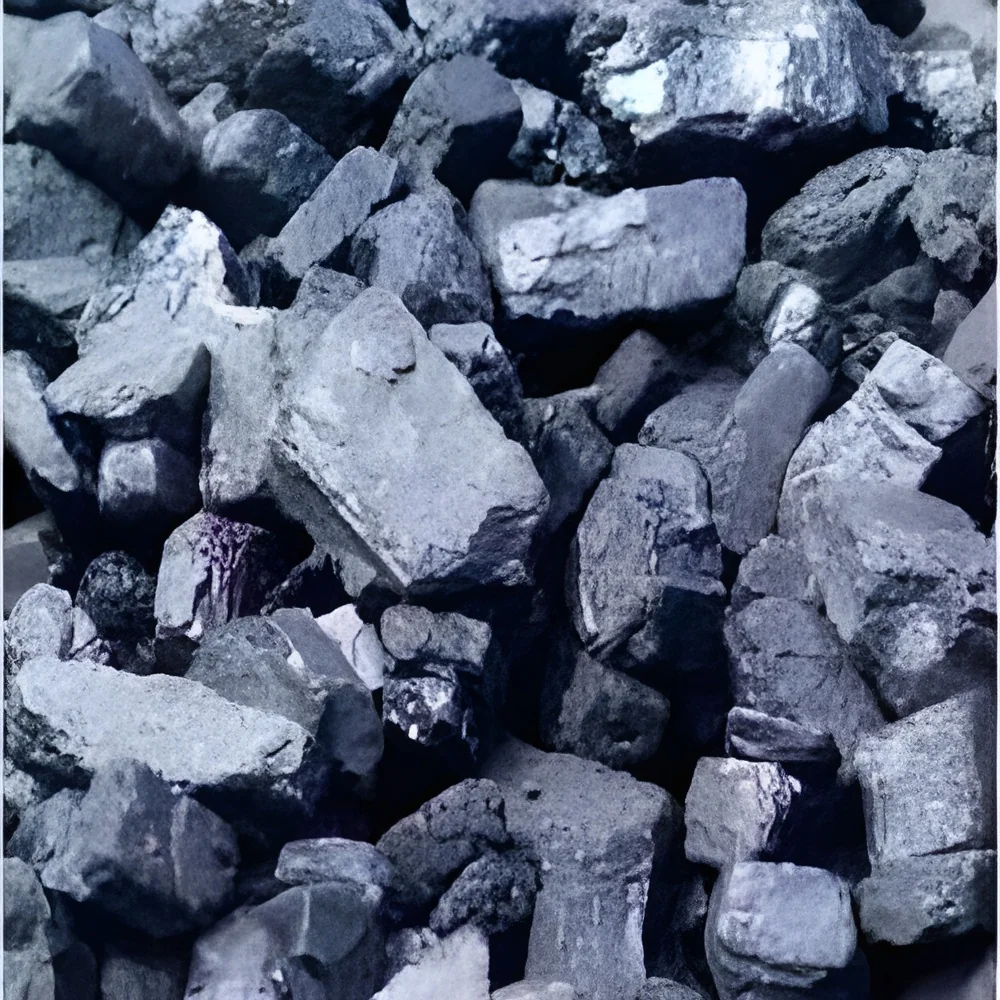
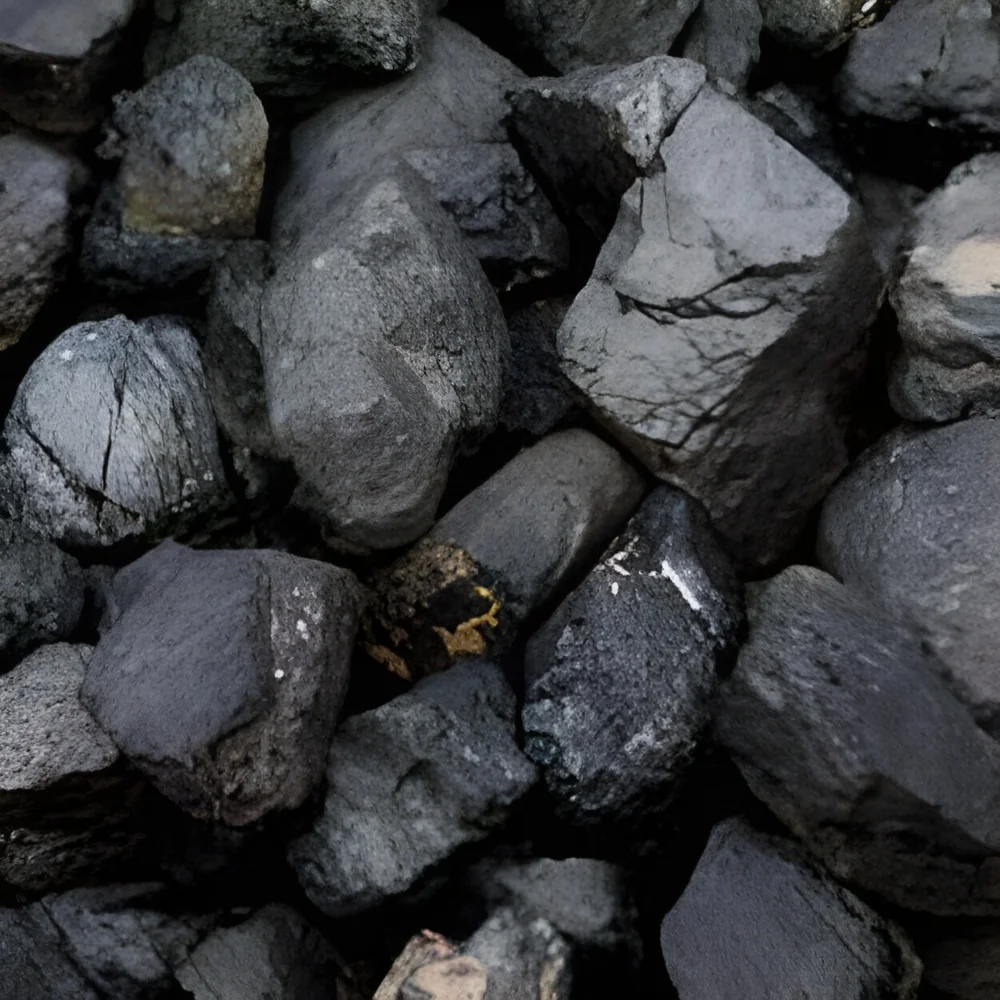
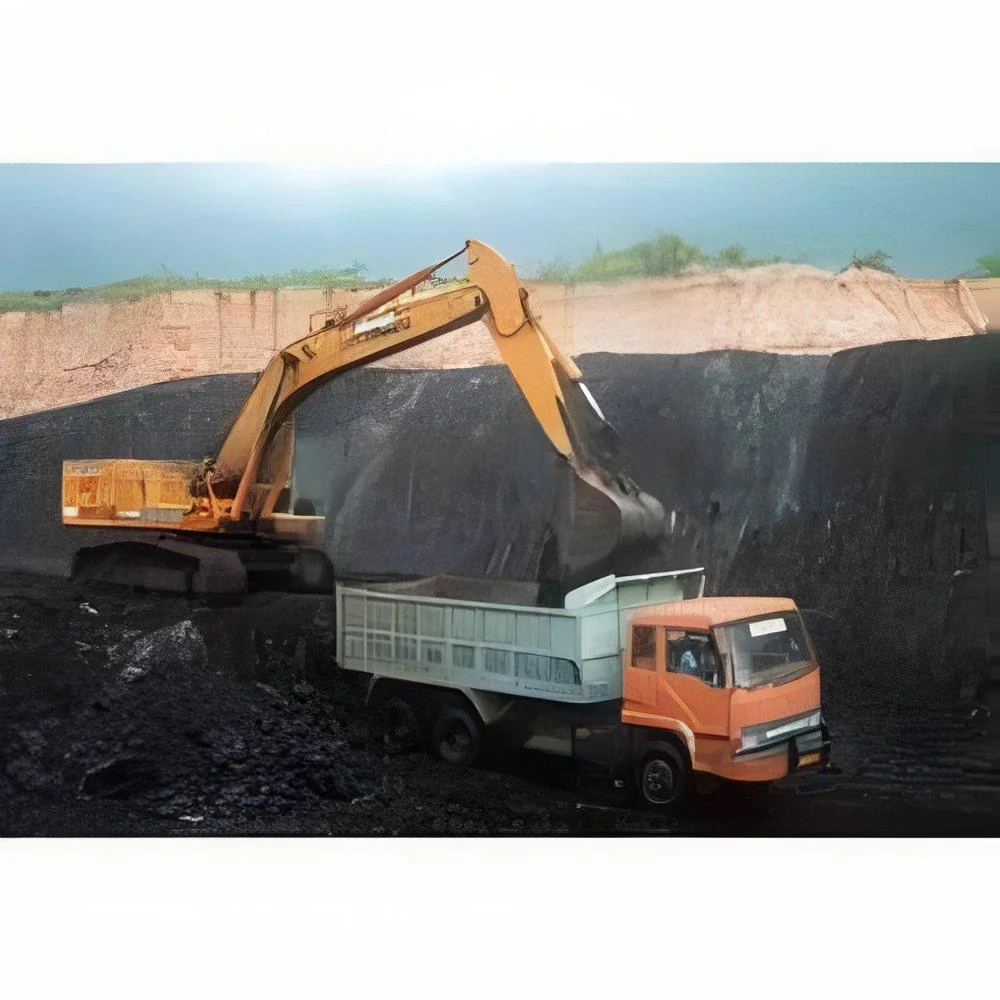
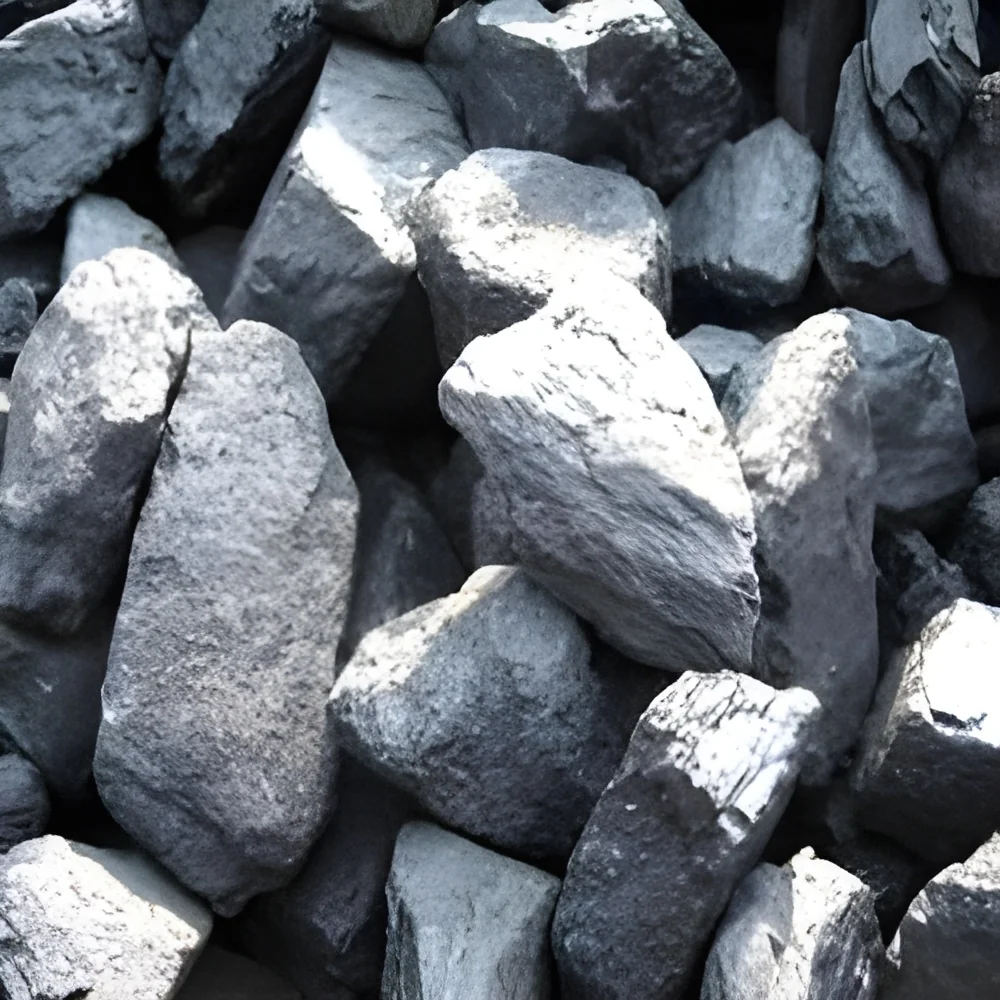
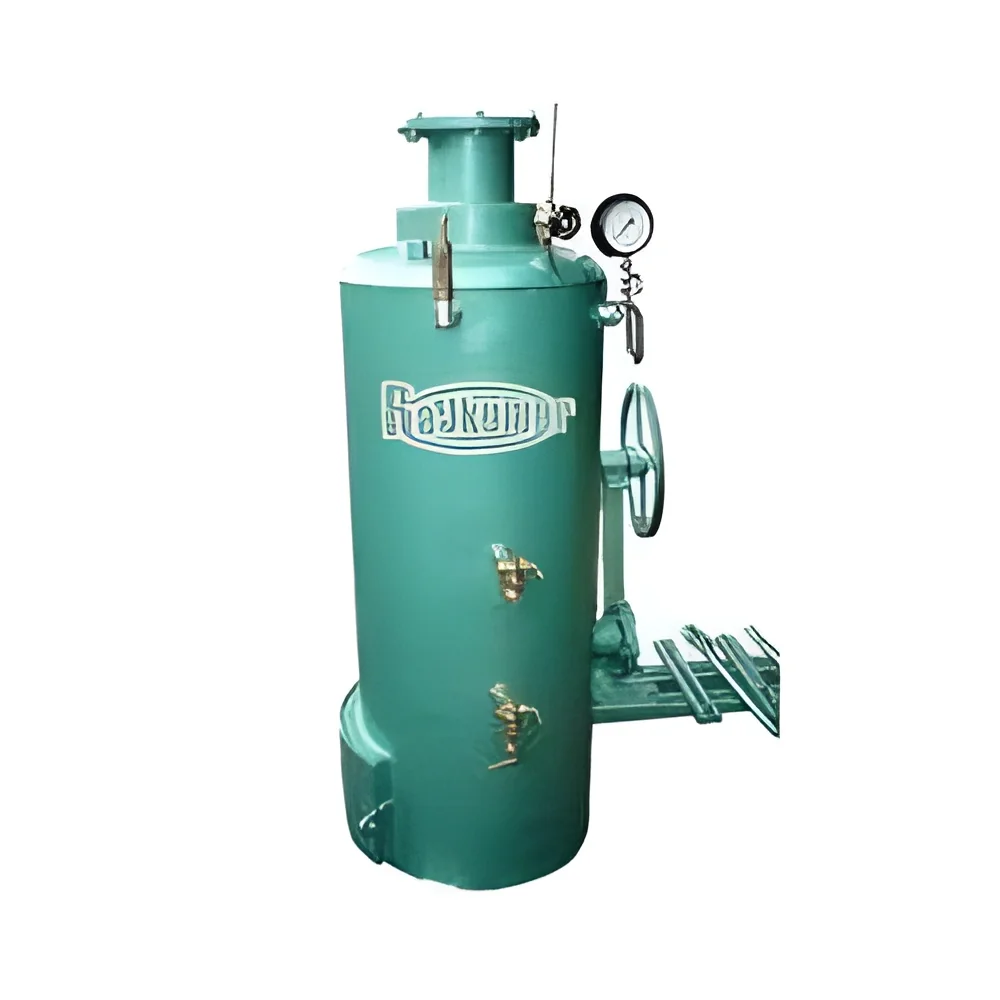
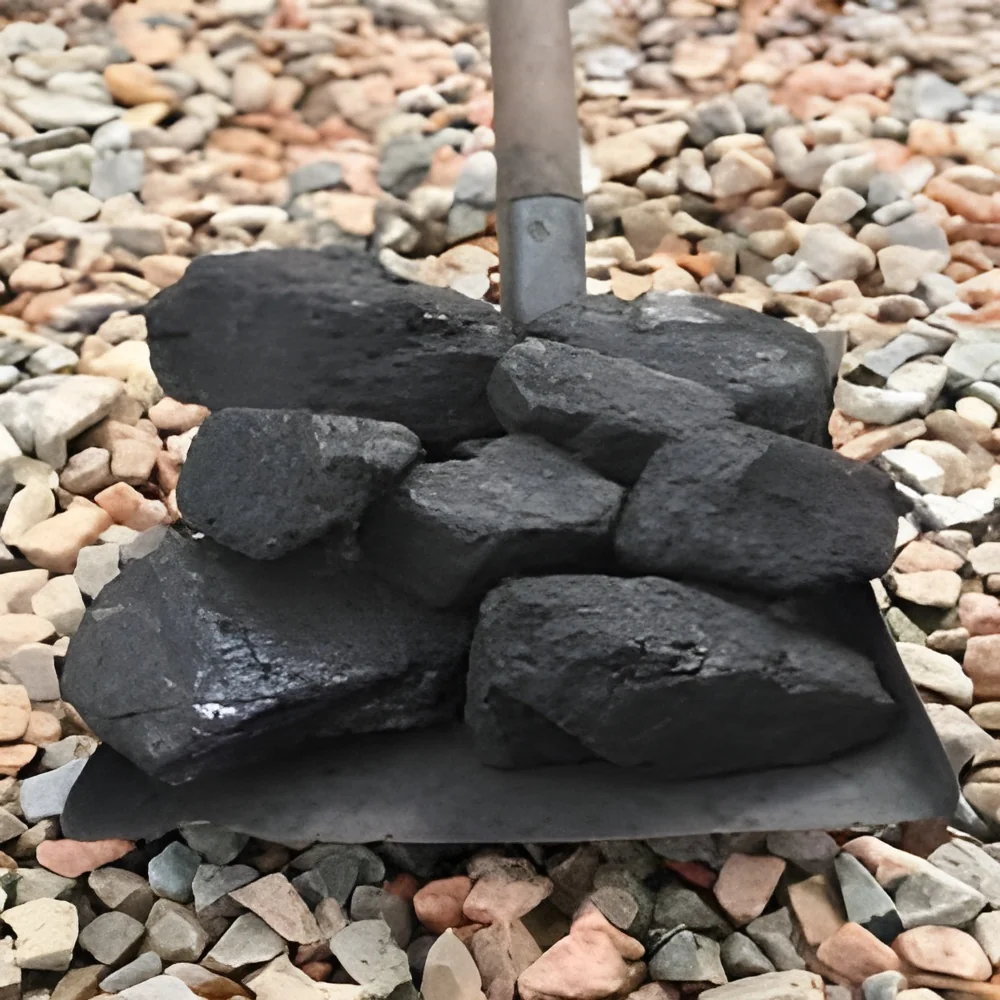
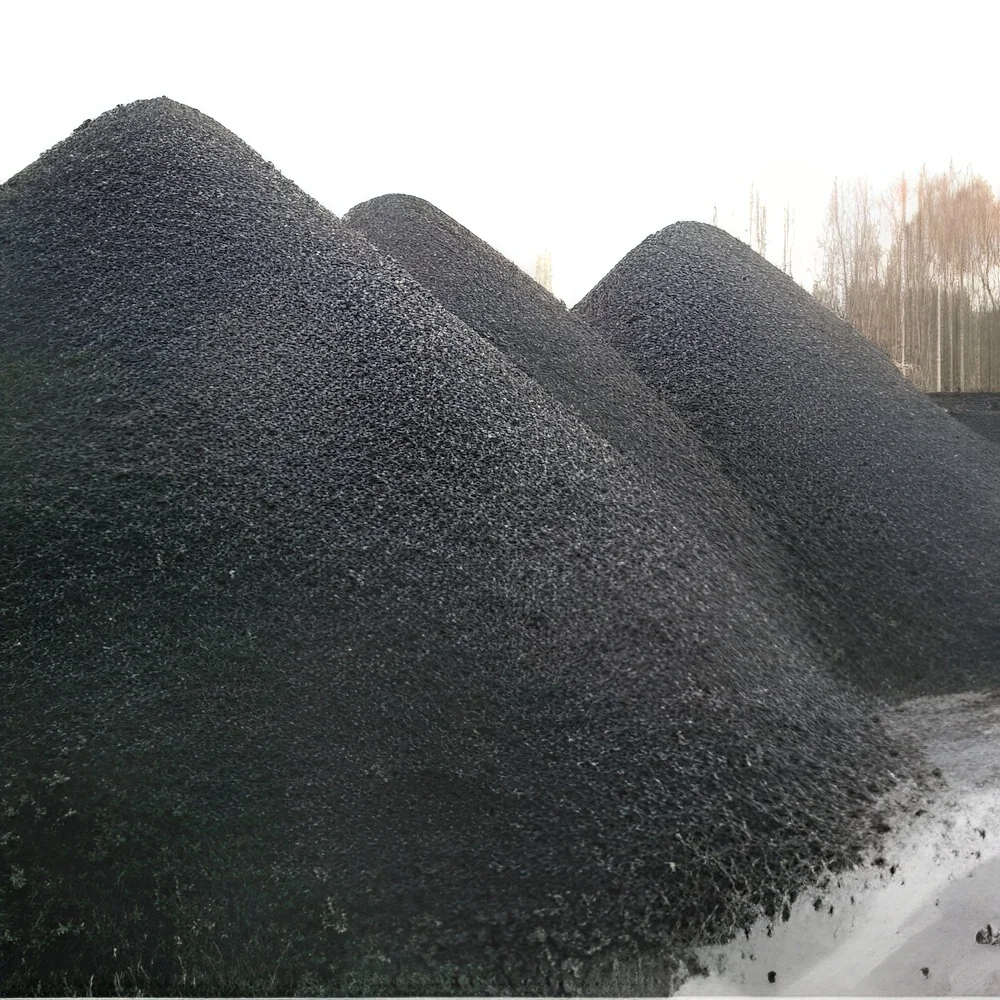
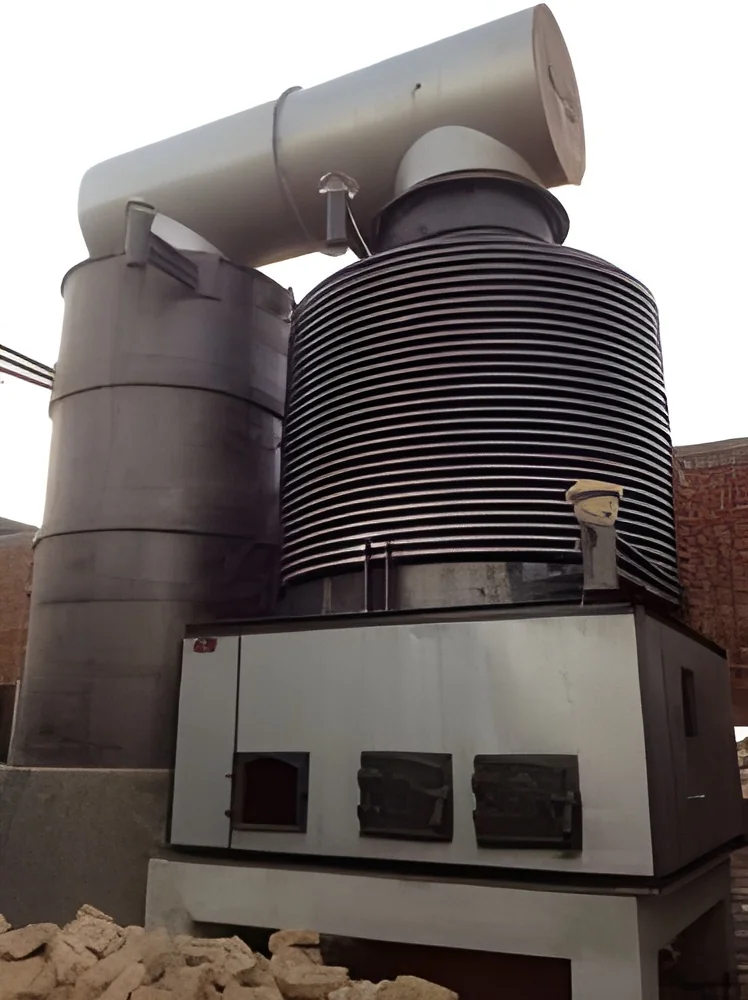
Coal-fired Steam Boilers: These boilers use coal as a fuel source and are typically found in power generation and heavy industrial applications. They are capable of producing large quantities of steam but require more maintenance due to ash byproducts.
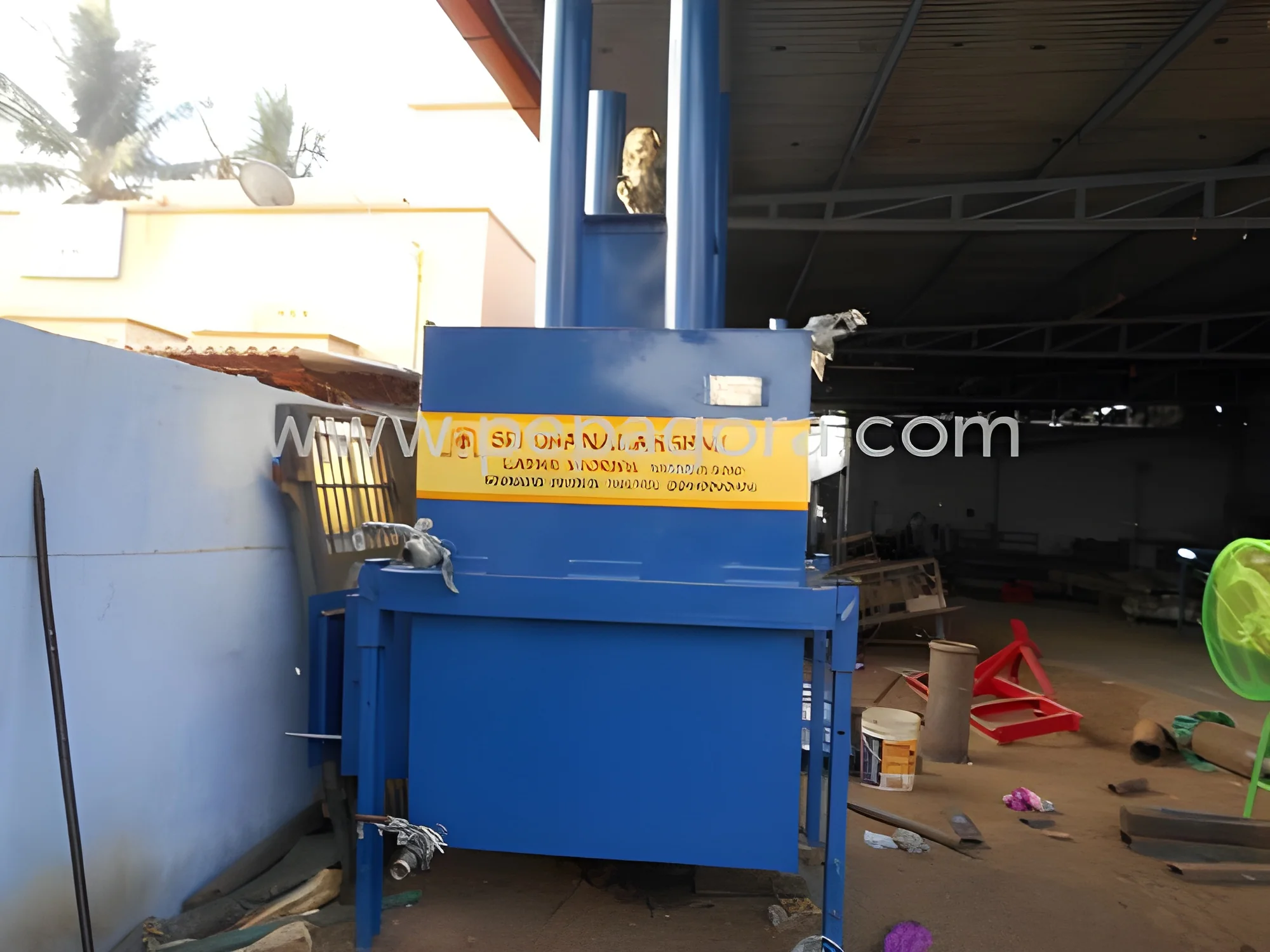
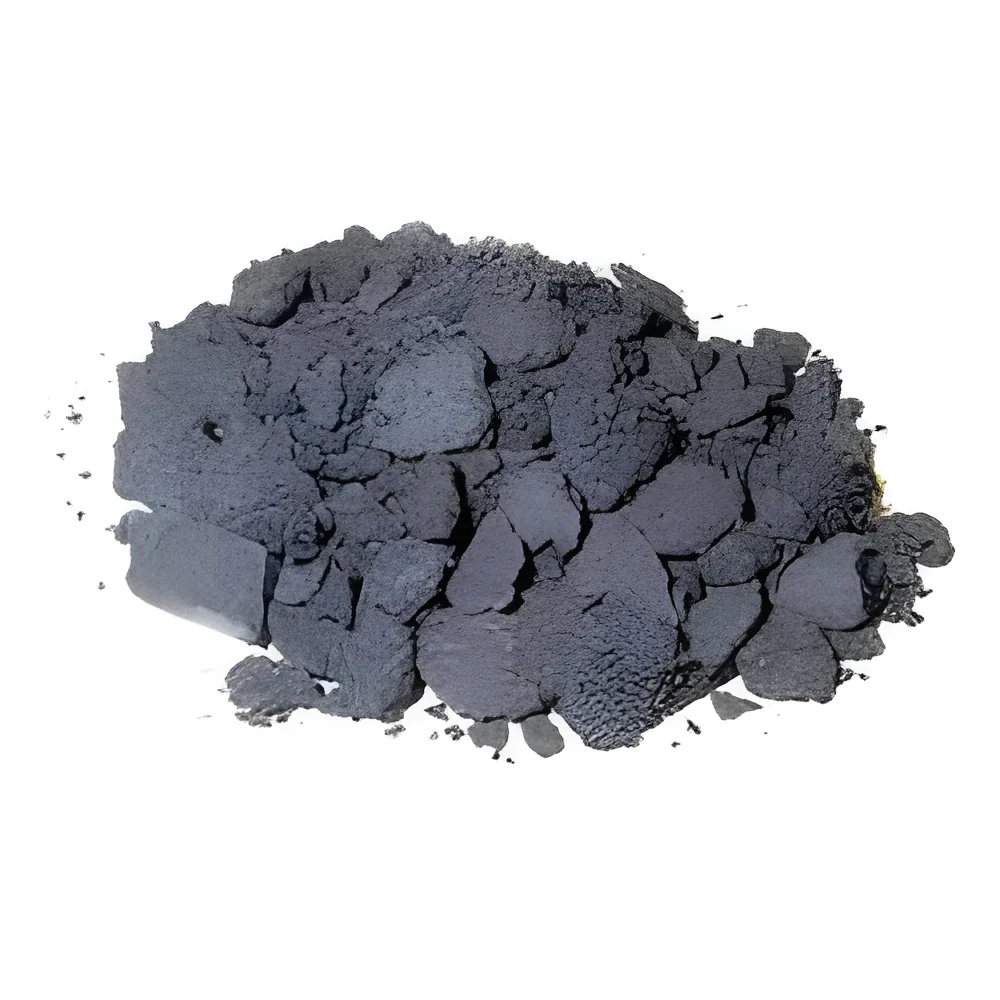
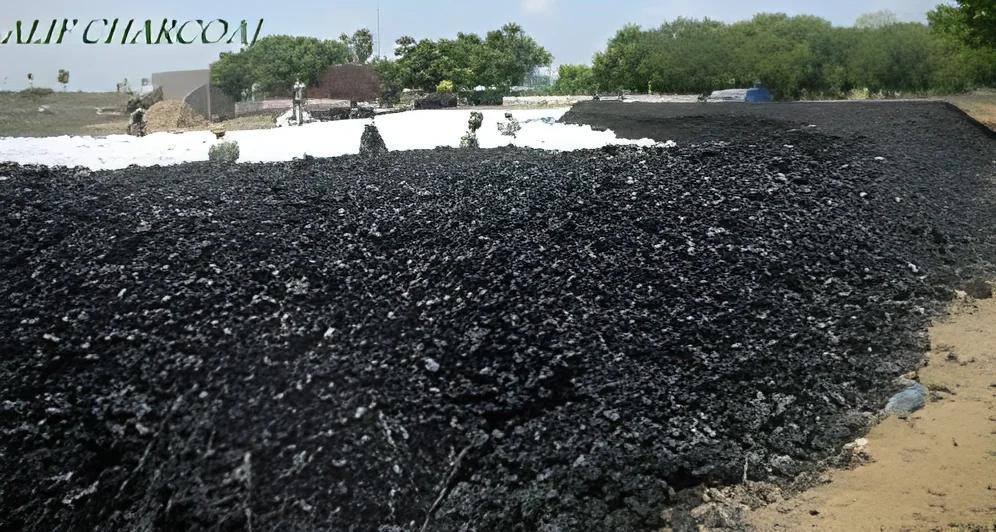
Biomass Steam Boilers: Biomass boilers utilize organic materials as fuel, making them an eco-friendly option. They are becoming increasingly popular as industries seek to reduce their carbon footprint and utilize renewable energy sources.
Benefits and Advantages
Investing in steam boilers offers numerous advantages for businesses across various industries. Understanding these benefits helps organizations make informed purchasing decisions.
Key benefits include:
1. Energy Efficiency: Modern steam boilers are designed to maximize fuel efficiency, helping reduce operational costs and energy consumption.
2. Versatility: Steam boilers can be used in a wide range of applications, making them suitable for various industries, from manufacturing to food processing.
3. Reliability: Steam boilers provide a steady and reliable source of steam, ensuring continuous operations and minimizing downtime.
4. Environmental Compliance: Many steam boilers are designed to meet stringent emissions regulations, helping companies adhere to environmental standards.
5. Technology Integration: Advanced control systems in modern boilers allow for precise monitoring and automation, enhancing operational efficiency.
6. Long Lifespan: With proper maintenance, steam boilers can offer long service life, providing a good return on investment.
Buying Guide for B2B Buyers
When sourcing steam boilers, it is essential for B2B buyers to consider several key factors to ensure a successful purchase.
1. Quality Assessment: Evaluate the quality of the boilers by looking for certifications and standards that indicate reliability and performance. Consider testing procedures that the manufacturer employs.
2. Supplier Verification: Ensure suppliers have a proven track record. Look for reviews and testimonials from other businesses to gauge their reliability and service quality.
3. Pricing and MOQ: Understand the pricing structure and minimum order quantities (MOQ). Compare quotes from different suppliers to find the best value.
4. Delivery and Lead Times: Inquire about delivery schedules and lead times. Timely delivery is crucial to avoid disruptions in your operations.
5. Compliance Requirements: Familiarize yourself with applicable regulatory standards and ensure that the boiler meets all safety and compliance requirements.
Compliance and Certifications
Compliance with industry standards and certifications is critical when selecting steam boilers. Key quality standards include ISO 9001, which outlines requirements for a quality management system, ensuring that products meet customer and regulatory requirements.
In addition to ISO certifications, adherence to safety regulations such as CE marking is vital. CE certification indicates that the equipment meets European safety, health, and environmental protection standards.
Testing requirements also play a significant role in ensuring the reliability and safety of steam boilers. Regular inspections and testing help identify potential issues before they become significant problems.
Regional compliance considerations should be taken into account as regulations may vary by location. Businesses must ensure that their chosen boilers comply with local laws and standards to avoid legal issues and potential fines.
Why Source Steam Boilers (Oil, Gas, Coal, Biomass) from Pepagora?
Pepagora provides a trusted platform for sourcing steam boilers, offering several key advantages to B2B buyers.
Verified Supplier Network: Pepagora has established a network of verified suppliers, ensuring that buyers can connect with reputable manufacturers. This reduces the risk of sourcing from unreliable vendors and enhances buyer confidence.
Streamlined RFQ Process: The platform features a streamlined Request for Quotation (RFQ) process, allowing buyers to easily request quotes from multiple suppliers. This system simplifies the sourcing experience and facilitates better pricing negotiations.
Trade Assurance and Support: Buyers benefit from trade assurance features that protect their transactions. Pepagora offers support throughout the purchasing process, providing assistance with any issues that may arise.
Regional Coverage: Pepagora has a wide geographic reach, serving markets in India, the GCC, and Southeast Asia. This extensive coverage ensures that buyers can find suitable steam boilers tailored to their specific regional requirements and operational needs.

 IN
IN