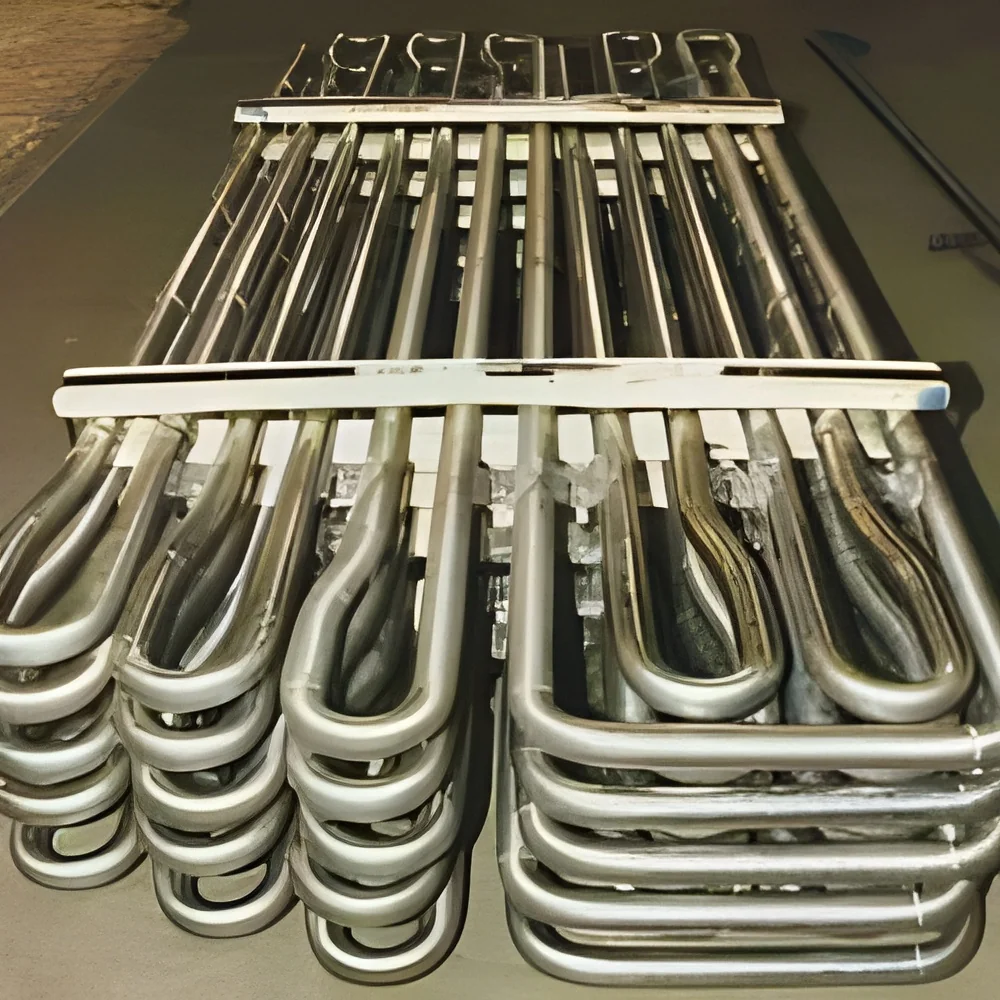
What are Superheaters?
Superheaters are specialized devices used to increase the temperature of steam or other gases in various industrial processes. By raising the temperature of steam beyond its boiling point, superheaters enhance the efficiency and thermal performance of boilers. This process not only improves energy output but also reduces the risk of condensation in steam lines, which can lead to efficiency losses and equipment damage.
Superheaters find primary applications in power generation, chemical processing, and various manufacturing sectors. In power plants, they are crucial for converting water into superheated steam, which drives turbines to generate electricity. Additionally, chemical plants utilize superheaters in reaction processes where high-temperature gases are required. Their relevance spans across industries that depend on high-temperature steam for operational efficiency, making them a key component in modern industrial systems.
Key Features and Specifications
Superheaters come with a range of features that enhance their utility in industrial applications. Their specifications are critical for ensuring optimal performance and compatibility with existing systems.
Key specifications include:
1. Temperature Control
- Capability to reach high temperatures, enhancing steam quality.
- Temperature ranges typically exceeding 400 degrees Celsius.
2. Pressure Rating
- Designed to operate under high-pressure conditions.
- Common pressure ratings up to 200 bar.
3. Material Composition
- Constructed from high-grade alloys for durability.
- Resistance to corrosion and heat stress.
4. Efficiency Ratings
- High thermal efficiency leading to reduced fuel consumption.
- Typically over 90% efficiency in optimal conditions.
5. Size and Dimensions
- Available in various sizes to fit different installation requirements.
- Custom dimensions based on specific industrial needs.
6. Connection Types
- Various connection options for easy integration.
- Flanged or welded connections based on application.
7. Safety Features
- Equipped with pressure relief valves and temperature sensors.
- Compliance with safety standards to prevent operational hazards.
In summary, superheaters are engineered for high efficiency, durability, and safety, making them essential for demanding industrial applications.
Common Applications and Use Cases
Superheaters serve a multitude of industries, each with specific needs for high-temperature gas or steam.
1. Power Generation: In power plants, superheaters are essential for converting water into superheated steam to drive turbines, improving energy output and efficiency.
2. Chemical Processing: Superheaters are used to raise the temperature of gases in chemical reactions, enhancing reaction rates and product yields.
3. Food and Beverage: In this sector, superheaters are utilized for pasteurization processes that require high-temperature steam for effective sterilization.
4. Oil and Gas: Superheaters are employed in refining processes where high-temperature steam is necessary for distillation and other operations.
5. Textile Manufacturing: In the textile industry, superheaters facilitate dyeing and finishing processes that require precise temperature control.
6. Pharmaceutical: Superheated steam is used for sterilization in pharmaceutical manufacturing, ensuring product safety and compliance.
7. Paper and Pulp: In the paper industry, superheaters are used in the drying process, enhancing production efficiency and quality.
Product Variants and Subcategories
Superheaters come in various configurations to meet diverse industrial needs.
Vertical Superheaters: These are designed for compact installations where space is limited. They provide efficient heat transfer and are suitable for high-capacity applications.
Horizontal Superheaters: This variant is ideal for large-scale operations that require extensive surface area for heating. They typically offer higher thermal efficiency and easier maintenance access.
Modular Superheaters: These systems can be customized and scaled according to specific operational requirements. They offer flexibility in installation and can be adapted for changing process needs.
Benefits and Advantages
There are several key benefits associated with using superheaters in industrial processes.
1. Enhanced Efficiency: Superheaters significantly improve the efficiency of steam generation, leading to lower fuel consumption and reduced operational costs.
2. Increased Output: By producing high-temperature steam, superheaters enable higher energy output from turbines, enhancing overall productivity.
3. Improved Equipment Longevity: The prevention of condensation in steam lines helps reduce wear and tear on equipment, extending its operational lifespan.
4. Versatility: Superheaters can be used across a wide range of industries, making them suitable for various applications and processes.
5. Customization Options: Many manufacturers offer customizable solutions that can be tailored to specific operational needs and constraints.
6. Compliance with Standards: High-quality superheaters meet industry standards, ensuring safety and reliability in operation.
Buying Guide for B2B Buyers
When sourcing superheaters, it is essential to consider several factors to ensure a successful purchase.
1. Quality Assessment: Evaluate the quality of materials and construction. Look for superheaters that meet or exceed industry standards for durability and performance.
2. Supplier Verification: Vet potential suppliers by checking their credentials, customer reviews, and previous projects to ensure reliability.
3. Pricing and MOQ: Understand the pricing structure and minimum order quantities (MOQ) to align with your budget and supply needs.
4. Delivery and Lead Times: Confirm lead times for delivery to ensure timely integration into your operations and avoid production delays.
5. Compliance Requirements: Ensure that the superheaters meet regional and industry-specific compliance standards to avoid regulatory issues.
Compliance and Certifications
Superheaters must adhere to various quality and safety standards to ensure reliable operation in industrial settings. Common certifications include ISO 9001, which emphasizes quality management systems, and CE marking, indicating compliance with European safety standards.
In addition to these certifications, superheaters are subject to safety and testing requirements to prevent hazards associated with high temperatures and pressures. Regular inspections and adherence to safety protocols are necessary for ongoing compliance.
Regional compliance considerations also play a role, as different areas may have specific regulations that must be met. Understanding these requirements is crucial for manufacturers and operators alike to maintain operational integrity.
Why Source Superheaters from Pepagora?
Pepagora provides a trusted platform for sourcing superheaters, offering several key advantages to B2B buyers.
Verified Supplier Network: Pepagora ensures that all listed suppliers are thoroughly vetted, providing buyers with peace of mind when selecting partners.
Streamlined RFQ Process: The platform simplifies the request for quotation (RFQ) process, making it easy for buyers to compare offers and select the best options based on their needs.
Trade Assurance and Support: Pepagora offers buyer protection through trade assurance, ensuring that transactions are secure and that buyers receive the products as promised.
Regional Coverage: With a strong presence in India, the GCC, and Southeast Asia, Pepagora connects buyers with suppliers across diverse geographical regions, facilitating broader sourcing opportunities.

 IN
IN