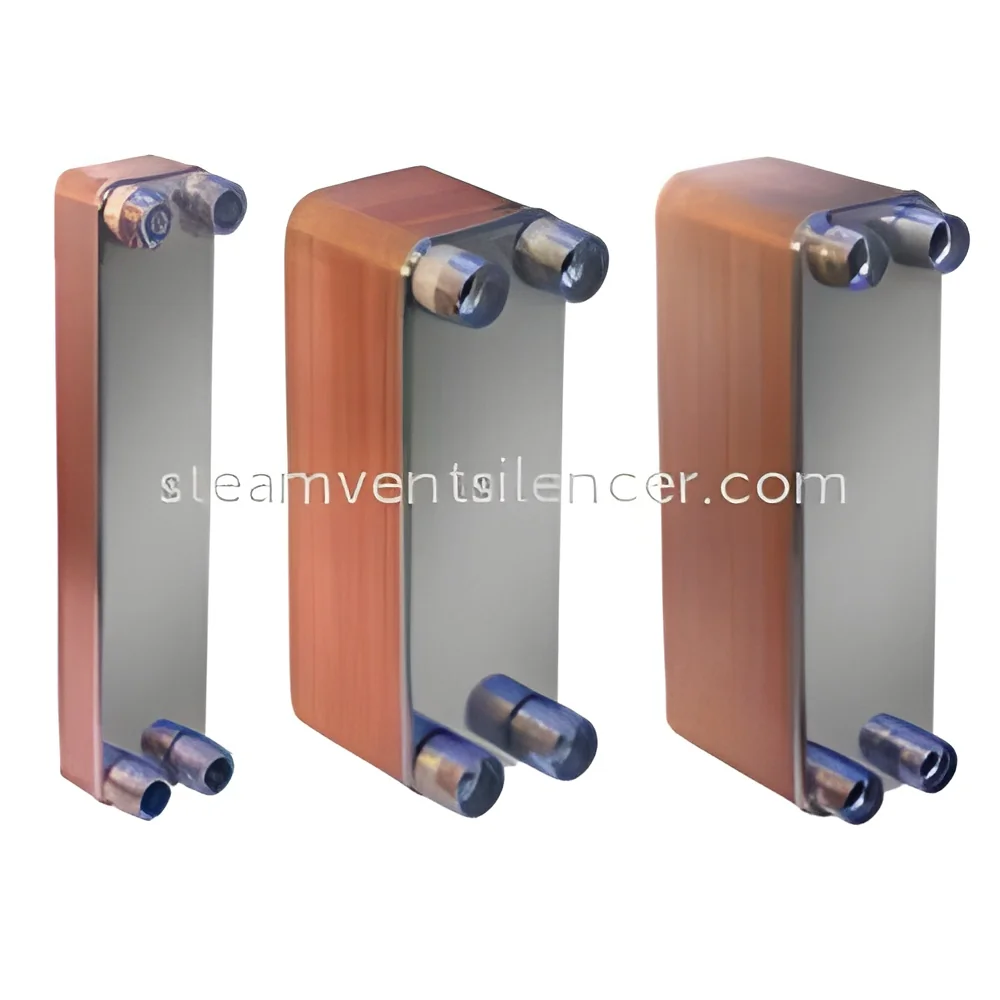
What are Brazed Plate Heat Exchangers?
Brazed Plate Heat Exchangers are compact and efficient devices designed to transfer heat between two fluids. They consist of a series of thin plates that are welded together using a brazing process, which creates a durable and leak-proof structure. The design allows for high heat transfer performance, making them suitable for various industrial applications.
These heat exchangers are primarily used in industries such as HVAC, refrigeration, and process heating and cooling. They are particularly effective in applications that require efficient thermal management, such as district heating systems or process cooling in manufacturing plants. Their compact size and high efficiency make them a preferred choice for businesses looking to optimize energy consumption and space utilization.
In the current market context, Brazed Plate Heat Exchangers have gained relevance due to the increasing demand for energy-efficient solutions. As industries strive to reduce energy costs and environmental impact, these devices are becoming essential components in modern thermal systems.
Key Features and Specifications
Brazed Plate Heat Exchangers come with several key features that enhance their performance and usability. Their design and materials contribute to their efficiency and longevity, making them ideal for various applications.
Key specifications include:
1. Plate Material
- Typically made from stainless steel for corrosion resistance and durability.
- Common grades include 316 and 304 stainless steel.
2. Heat Transfer Area
- Varies based on the model and application requirements.
- Generally ranges from a few square meters to several hundred square meters.
3. Design Pressure
- Standard design pressures typically range from 10 to 30 bar.
- Can be customized based on specific application needs.
4. Operating Temperature
- Usually operates effectively within a temperature range of -200°C to 200°C.
- Suitable for both high and low-temperature applications.
5. Flow Configuration
- Available in counterflow and parallel flow configurations.
- Design choice impacts efficiency and application suitability.
6. Connection Types
- Various connection options such as threaded, flanged, or welded.
- Selection depends on system integration requirements.
7. Size and Dimensions
- Compact and lightweight design allows for easy installation in limited spaces.
- Dimensions vary based on heat transfer capacity needed.
8. Certification
- Compliant with relevant industry standards, including CE certification.
- Ensures safety and reliability in operation.
In summary, Brazed Plate Heat Exchangers are engineered to deliver high performance and durability, with specifications that can be tailored to meet diverse industrial needs.
Common Applications and Use Cases
Brazed Plate Heat Exchangers are versatile devices used across multiple industries for various applications.
1. HVAC: In heating, ventilation, and air conditioning systems, these heat exchangers are used for efficient heat recovery and temperature control, enhancing overall system efficiency.
2. Refrigeration: They play a crucial role in refrigeration systems, transferring heat between refrigerants and cooling fluids to optimize performance in commercial and industrial refrigeration units.
3. Food and Beverage: Utilized in pasteurization processes and other temperature-sensitive applications, they ensure precise temperature control while maintaining product quality.
4. Chemical Processing: In chemical plants, Brazed Plate Heat Exchangers facilitate efficient heat exchange during reactions and cooling processes, improving production efficiency.
5. Marine Applications: They are employed in ship cooling systems, providing reliable heat transfer for engine cooling and other critical systems.
6. Renewable Energy: In solar thermal systems, these devices optimize heat transfer from solar collectors to storage tanks, supporting sustainable energy solutions.
7. Oil and Gas: Used in various processes such as crude oil refining and natural gas processing, they contribute to efficient thermal management in challenging environments.
Product Variants and Subcategories
Brazed Plate Heat Exchangers come in various designs to cater to specific needs across industries. Each variant is tailored for different applications and performance requirements.
Standard Brazed Plate Heat Exchangers
These models are designed for general applications, providing efficient heat transfer for a wide range of fluids in standard operating conditions. They are suitable for HVAC and refrigeration systems.
High-Pressure Brazed Plate Heat Exchangers
Engineered to withstand higher pressures, these heat exchangers are ideal for oil and gas applications where robust performance is crucial. They offer enhanced durability and reliability.
Compact Brazed Plate Heat Exchangers
These variants are designed for applications with space constraints, providing efficient heat transfer in a smaller footprint. Ideal for residential HVAC systems and small industrial applications.
Benefits and Advantages
Brazed Plate Heat Exchangers offer several benefits that make them an attractive choice for businesses.
1. High Efficiency: They provide superior heat transfer capabilities, leading to reduced energy consumption and lower operational costs.
2. Compact Design: Their small size allows for easy integration into existing systems, saving valuable space in industrial and commercial settings.
3. Durability: Made from robust materials, they are resistant to corrosion and wear, ensuring a long service life and reduced maintenance needs.
4. Versatility: Suitable for a wide range of fluids and applications, they can be customized to meet specific industry requirements.
5. Quick Installation: Their lightweight design facilitates easier handling and installation, minimizing downtime during system upgrades or replacements.
6. Environmental Benefits: By optimizing energy use, these heat exchangers contribute to reduced carbon emissions and support sustainability initiatives.
Buying Guide for B2B Buyers
When sourcing Brazed Plate Heat Exchangers, it is important to consider several factors to ensure the best choice for your business needs.
1. Quality Assessment: Evaluate the quality of materials and workmanship. Look for manufacturers that adhere to industry standards and have a track record of reliability.
2. Supplier Verification: Research potential suppliers to ensure they have a solid reputation in the market. Check for certifications and customer reviews to gauge their reliability.
3. Pricing and MOQ: Understand the pricing structure and minimum order quantities (MOQ) required. This helps in budgeting and ensures that you can meet your operational needs without overcommitting.
4. Delivery and Lead Times: Inquire about lead times for delivery. Timely delivery is crucial to avoid disruptions in production schedules.
5. Compliance Requirements: Ensure that the heat exchangers meet all relevant regulatory and compliance standards required in your industry. This includes safety certifications and environmental regulations.
Compliance and Certifications
Brazed Plate Heat Exchangers must comply with various quality standards to ensure safety and performance. ISO 9001 is a widely recognized standard that indicates a manufacturer’s commitment to quality management systems. This certification ensures that the products meet customer and regulatory requirements consistently.
In addition to ISO standards, Brazed Plate Heat Exchangers may also adhere to industry-specific certifications, such as CE certification, which indicates compliance with European safety standards. This certification is particularly important for products sold in the European market.
Safety and testing requirements are integral to the manufacturing process. Heat exchangers undergo rigorous testing to ensure they can withstand the pressures and temperatures expected during operation. Manufacturers should provide documentation of these tests to buyers.
Regional compliance considerations may vary based on the market. Buyers should be aware of local regulations that may impact the sourcing and use of Brazed Plate Heat Exchangers.
Why Source Brazed Plate Heat Exchangers from Pepagora?
Pepagora provides a trusted platform for sourcing Brazed Plate Heat Exchangers, offering several key advantages to buyers.
Verified Supplier Network: Pepagora connects buyers with a network of verified suppliers, ensuring that all listed manufacturers meet stringent quality and reliability standards. This reduces the risk associated with sourcing critical components.
Streamlined RFQ Process: The Request for Quotation (RFQ) process is designed to be efficient, allowing buyers to quickly obtain detailed quotes from multiple suppliers. This helps in making informed purchasing decisions.
Trade Assurance and Support: Pepagora offers trade assurance to protect buyers during transactions. This includes support for resolving disputes and ensuring that products meet agreed specifications.
Regional Coverage: With a strong presence in India, the GCC, and Southeast Asia, Pepagora provides extensive geographic coverage, facilitating access to a wide range of suppliers and products. This ensures that businesses can find the right solutions for their specific market needs.

 IN
IN