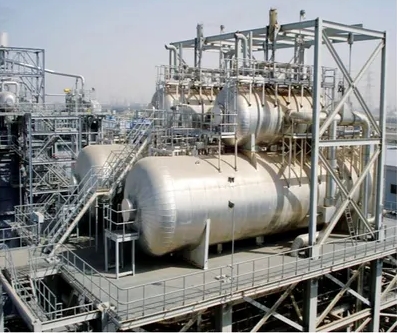
What are Deaerator Tanks?
Deaerator Tanks are specialized vessels designed to remove dissolved gases, particularly oxygen and carbon dioxide, from water. This process is essential in many industrial applications where water quality is critical, such as in steam generation, boiler feed systems, and various manufacturing processes. By eliminating these gases, Deaerator Tanks help to prevent corrosion and enhance the efficiency and longevity of equipment.
Primarily, Deaerator Tanks are used in power plants, chemical processing facilities, and food and beverage industries. They play a crucial role in maintaining the quality of water that is used in steam boilers and other systems where water purity is paramount. Additionally, they are increasingly relevant in industries focusing on sustainability and resource management, as they contribute to reducing energy costs by improving system efficiency.
In the current market context, the demand for Deaerator Tanks is driven by the growth of industries that rely heavily on steam and process water. With a strong emphasis on operational efficiency and maintenance reduction, businesses are investing in advanced Deaerator systems to ensure optimal performance and compliance with environmental standards.
Key Features and Specifications
Deaerator Tanks come with several important features and specifications that define their performance and suitability for various applications. These specifications ensure that industries can select the right system to meet their operational needs.
Key specifications include:
1. Capacity
- This refers to the amount of water the Deaerator Tank can process per hour.
- Typical ranges vary based on application needs, often from hundreds to thousands of gallons.
2. Design Type
- Deaerators can be vertical or horizontal, influencing installation space and operational efficiency.
- The choice between design types depends on facility layout and water flow requirements.
3. Operating Pressure
- Indicates the maximum pressure at which the tank can operate safely.
- Common operating pressures range from 0 to 15 psi, depending on the application.
4. Material Construction
- Tanks are often made from stainless steel or carbon steel for durability and corrosion resistance.
- Material choice impacts the longevity and maintenance needs of the tank.
5. Temperature Range
- Indicates the range of temperatures that the tank can handle during operation.
- Data not available on specific temperature ranges.
6. Certification
- Deaerator Tanks often come with certifications such as CE to ensure compliance with safety standards.
- Certification status may vary by manufacturer and region.
7. Maintenance Features
- Many tanks include features that simplify maintenance, such as easy access points and monitoring systems.
- These features enhance ongoing operations and reduce downtime.
8. Customization Options
- Some manufacturers offer customization to meet specific operational requirements.
- Customization can include size, material, and additional features.
In summary, understanding the key features and specifications of Deaerator Tanks enables businesses to make informed decisions that align with their operational needs and industry standards.
Common Applications and Use Cases
Deaerator Tanks find applications across various industries where water quality is essential.
1. Power Generation: In power plants, Deaerator Tanks are used to treat boiler feed water, ensuring that it is free from gases that can cause corrosion and inefficiencies in boiler systems.
2. Chemical Processing: These tanks are critical in the chemical industry for producing high-purity water necessary for chemical reactions and processes, preventing contamination.
3. Food and Beverage: Deaerators help ensure the quality of water used in food processing and beverage production, where purity is vital for safety and product quality.
4. HVAC Systems: In heating and cooling systems, Deaerator Tanks help maintain water quality, enhancing system efficiency and lifespan.
5. Pharmaceutical Manufacturing: In this industry, the purity of water is paramount, making Deaerator Tanks essential for producing water that meets stringent regulatory standards.
6. Pulp and Paper: Deaerators are used to treat water in pulp and paper mills, helping to prevent corrosion in processing equipment.
7. Textile Industry: These tanks help maintain water quality for dyeing and finishing processes, ensuring consistent product quality.
Product Variants and Subcategories
Deaerator Tanks come in various designs and configurations to meet diverse industrial needs.
Standard Deaerators: These are the most common type, designed for general applications across different industries. They typically feature robust construction and efficient gas removal capabilities.
High-Capacity Deaerators: Designed for large-scale operations, these tanks can handle higher volumes of water, making them ideal for power plants and large manufacturing facilities.
Compact Deaerators: These are designed for smaller applications or facilities with limited space. They provide effective deaeration without requiring a large footprint.
Skid-Mounted Deaerators: These units come pre-assembled and ready for installation, often including all necessary components for easy integration into existing systems.
Benefits and Advantages
Deaerator Tanks provide several key benefits that enhance operational efficiency and product quality.
1. Corrosion Prevention: By removing dissolved oxygen and carbon dioxide, Deaerator Tanks significantly reduce the risk of corrosion in boilers and pipelines, extending equipment life.
2. Improved Efficiency: High-quality water leads to more efficient steam generation and process operations, reducing energy consumption.
3. Cost Savings: By preventing corrosion and improving efficiency, businesses can save on maintenance and replacement costs over time.
4. Enhanced Water Quality: These tanks ensure that water used in critical processes meets high purity standards, contributing to overall product quality.
5. Compliance Assurance: Deaerator Tanks help industries meet regulatory requirements related to water quality and environmental standards.
6. Flexible Design: With various designs available, businesses can choose tanks that fit their specific operational space and requirements.
Buying Guide for B2B Buyers
When sourcing Deaerator Tanks, it is crucial for B2B buyers to consider several key factors to ensure they select the right solution for their needs.
1. Quality Assessment: Buyers should evaluate the quality of materials and construction, ensuring that the tank meets industry standards and will withstand operational demands.
2. Supplier Verification: It is essential to vet suppliers for their reliability and track record in producing high-quality Deaerator Tanks, ensuring they can deliver on time.
3. Pricing and MOQ: Understanding the pricing structure and minimum order quantities is necessary for budget planning and project scope.
4. Delivery and Lead Times: Buyers should inquire about logistics, delivery schedules, and lead times to ensure timely procurement.
5. Compliance Requirements: It is vital to confirm that the Deaerator Tanks comply with relevant industry standards and regulations for safety and performance.
Compliance and Certifications
Compliance is a critical aspect of Deaerator Tanks, ensuring they meet industry and safety standards. The most relevant quality standard is ISO 9001, which focuses on quality management systems and continuous improvement. This certification is vital for manufacturers to demonstrate their commitment to quality and customer satisfaction.
Additionally, Deaerator Tanks often carry the CE certification, indicating compliance with European safety standards. This certification is essential for ensuring that the tanks are safe for use and meet regulatory requirements in various markets.
Safety and testing requirements also play a significant role in the compliance of Deaerator Tanks. Manufacturers must adhere to safety protocols to ensure the tanks operate safely under pressure and temperature conditions.
Regional compliance considerations are crucial, as different countries may have specific regulations regarding water treatment equipment. It is important for buyers to understand these regional differences to ensure compliance in their respective markets.
Why Source Deaerator Tanks from Pepagora?
Pepagora offers a trusted platform for sourcing Deaerator Tanks, providing several key advantages for B2B buyers.
Verified Supplier Network: Pepagora has established a network of verified suppliers, ensuring that buyers can connect with reputable manufacturers who meet quality and compliance standards.
Streamlined RFQ Process: The platform facilitates a streamlined request for quotation process, allowing buyers to efficiently compare offers and select the best option for their needs.
Trade Assurance and Support: Pepagora provides trade assurance and support to buyers, ensuring protection throughout the purchasing process, from initial inquiry to delivery.
Regional Coverage: With a focus on markets in India, the GCC, and Southeast Asia, Pepagora enables buyers to access a wide range of suppliers and solutions tailored to their regional requirements.
By choosing Pepagora, buyers can confidently source Deaerator Tanks that align with their operational needs and quality expectations.

 IN
IN