What are Thermic Fluid Heaters?
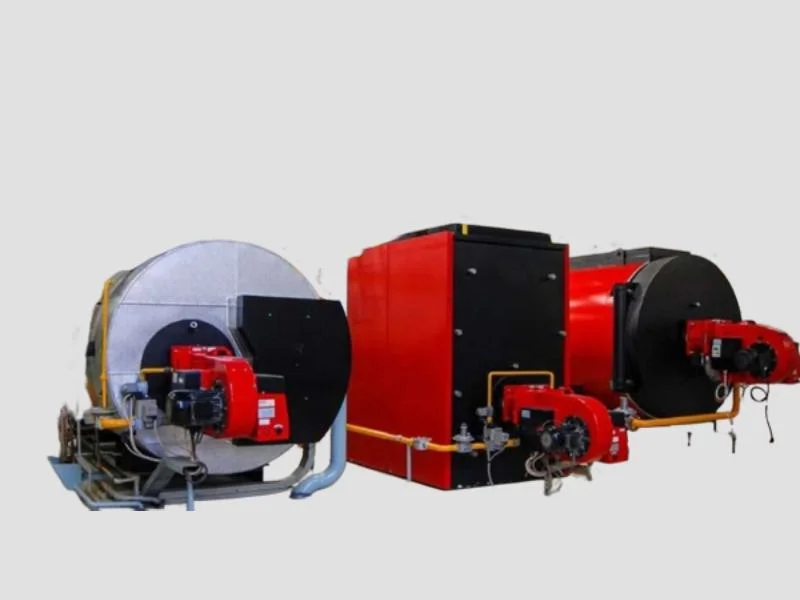
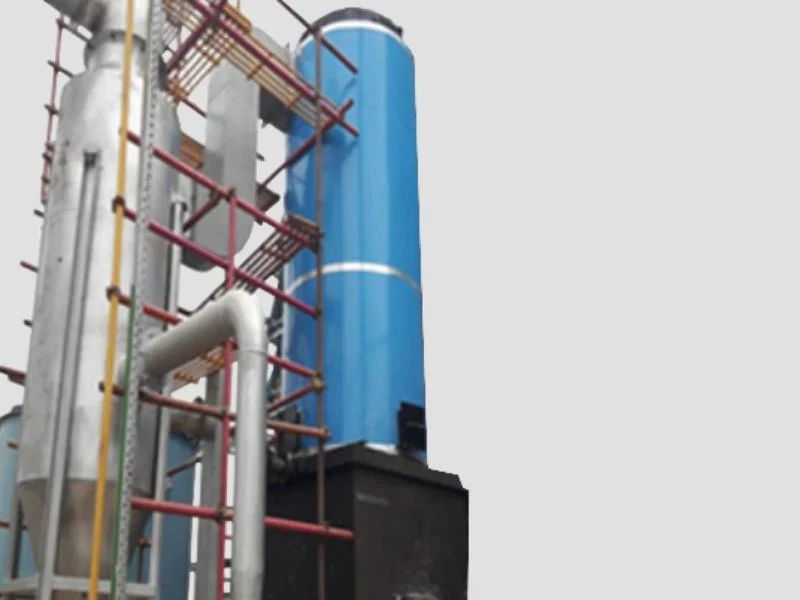
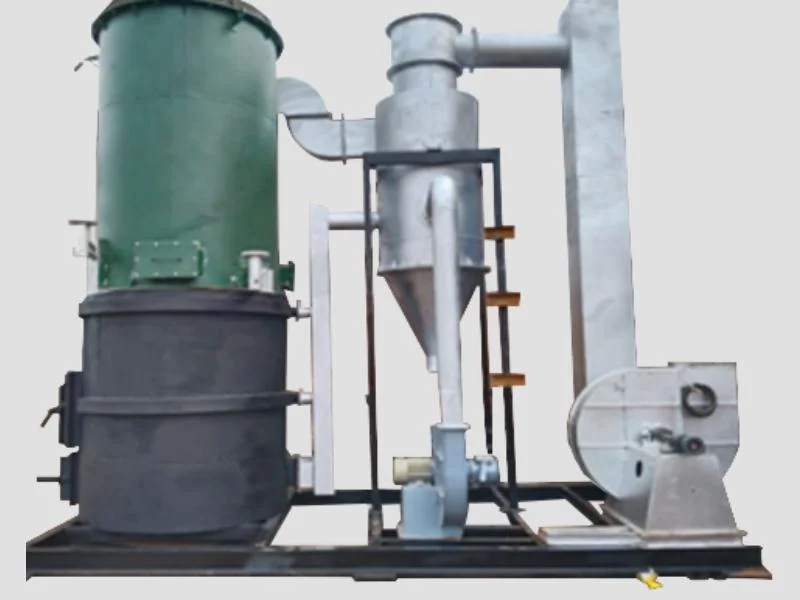
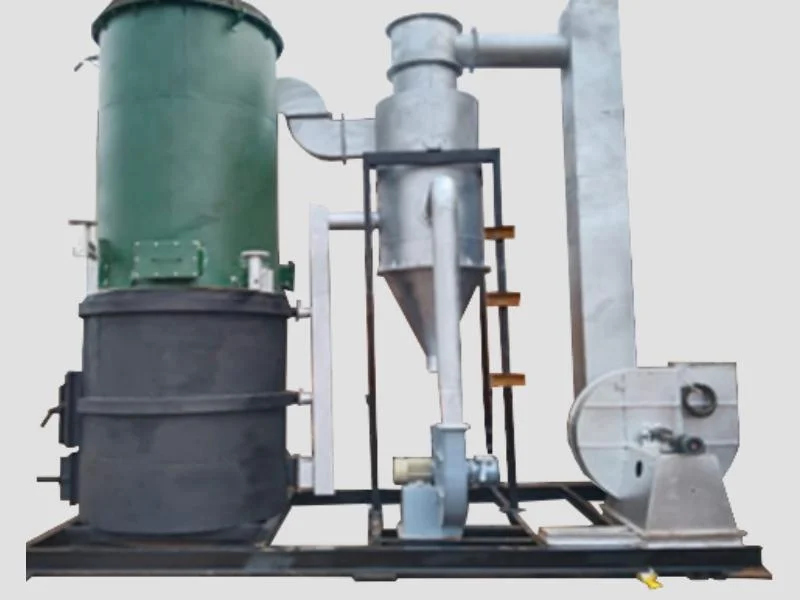
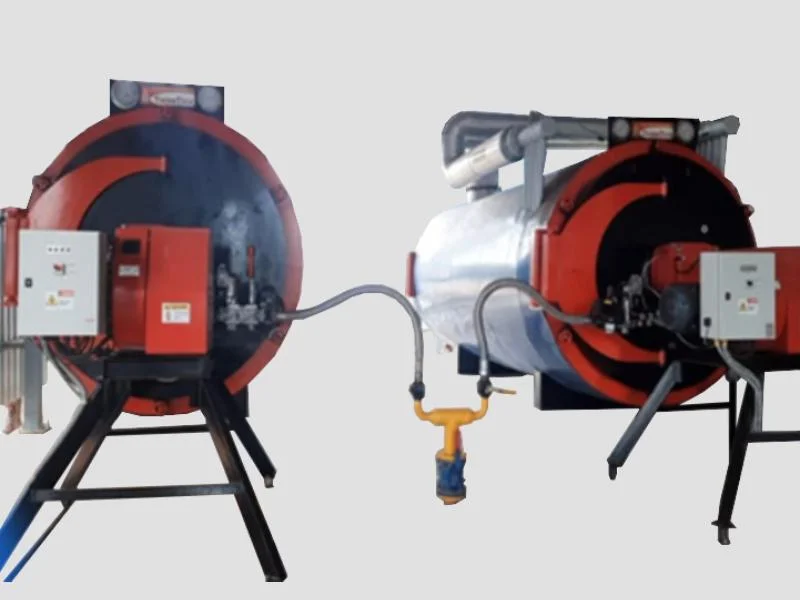
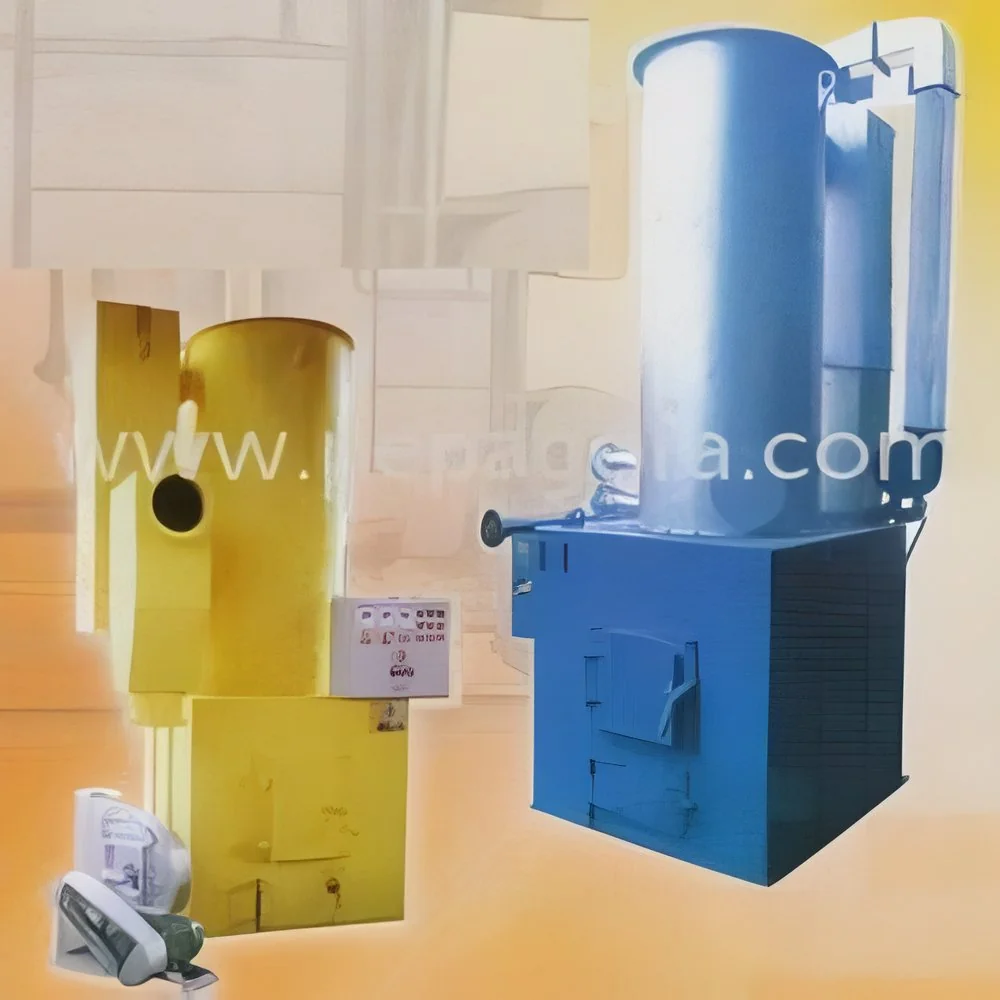
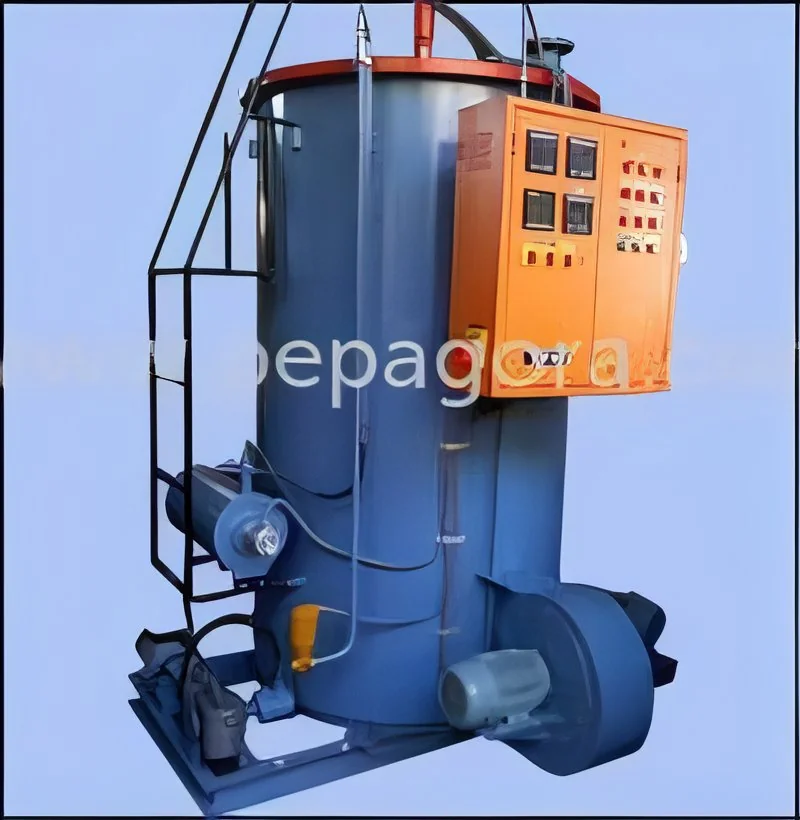
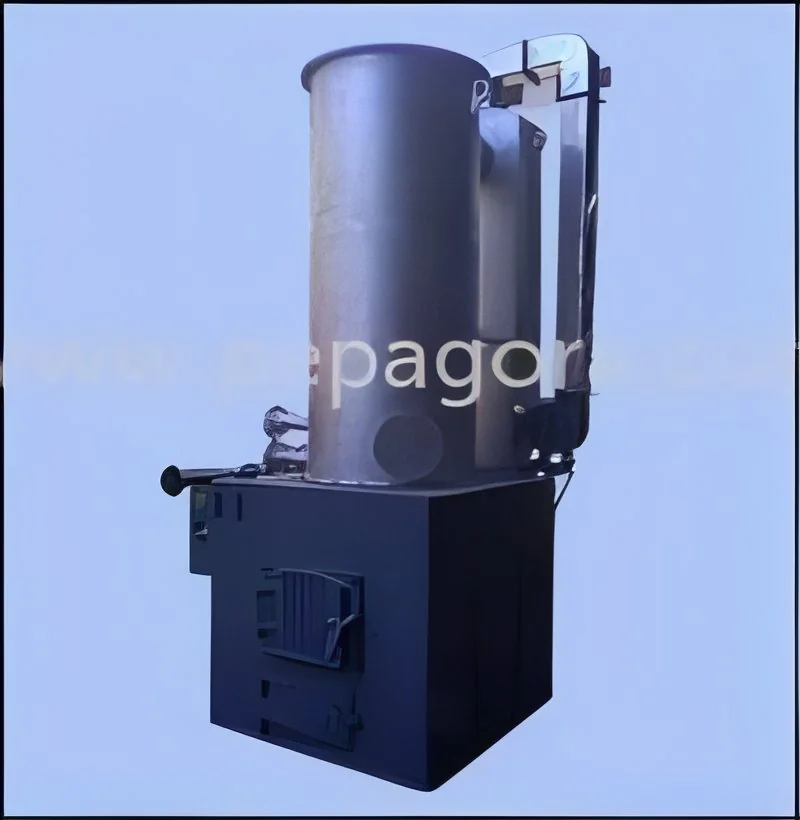
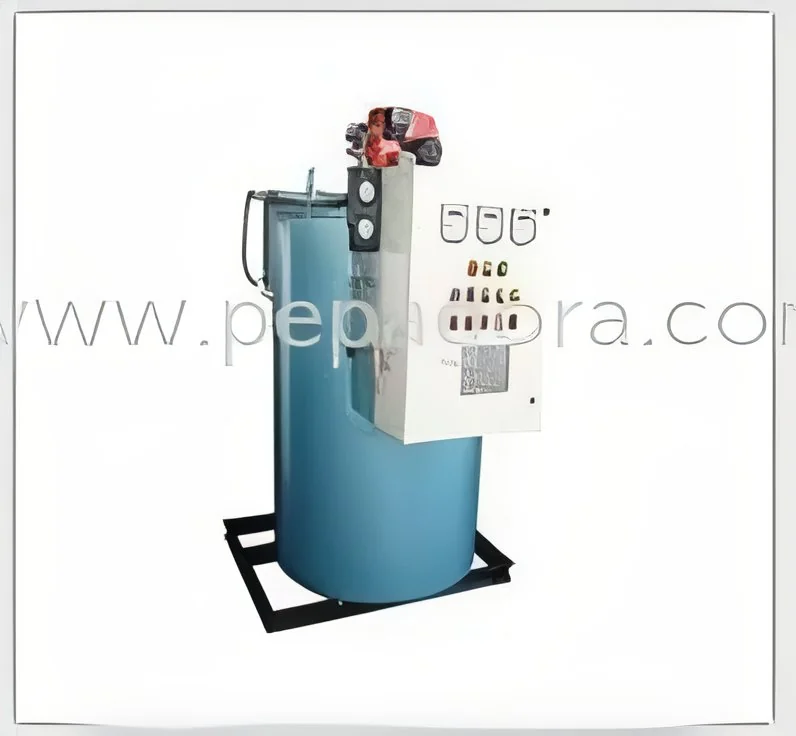
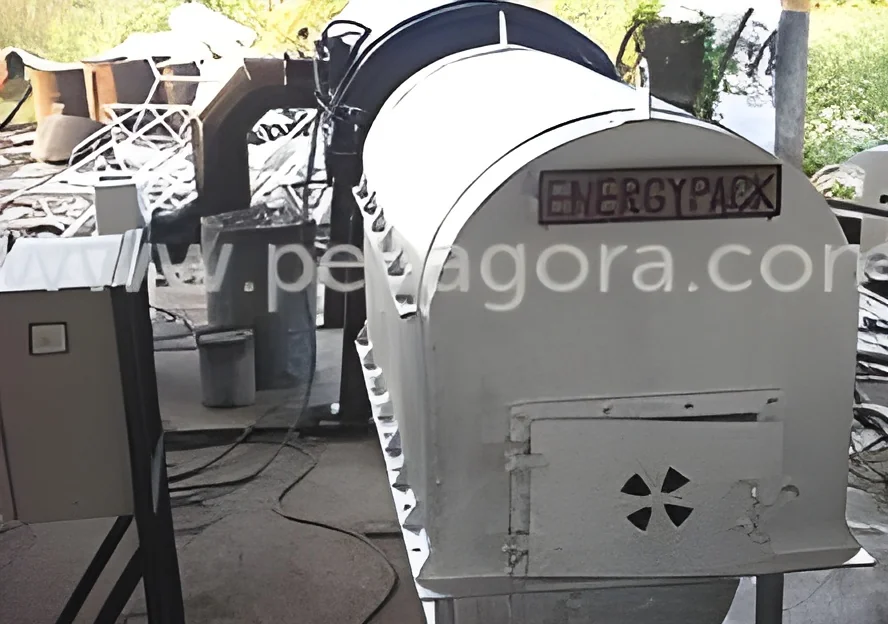
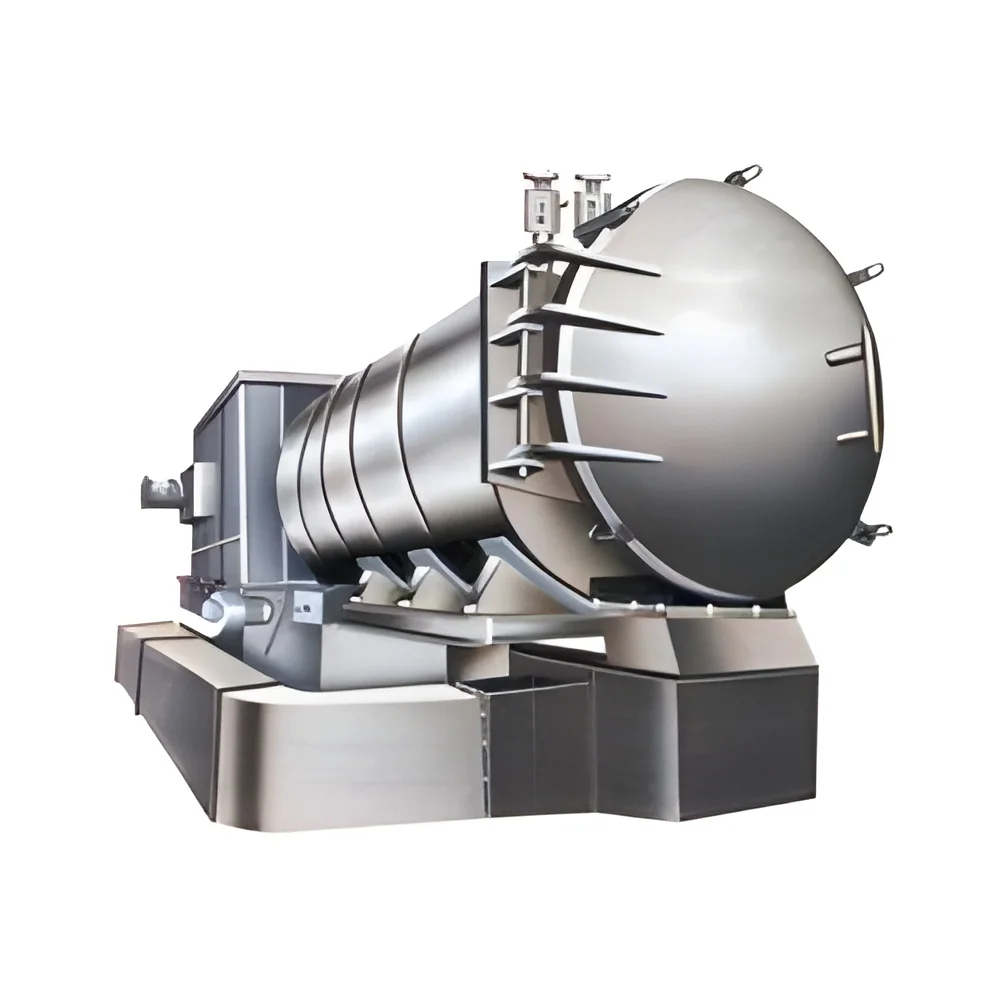
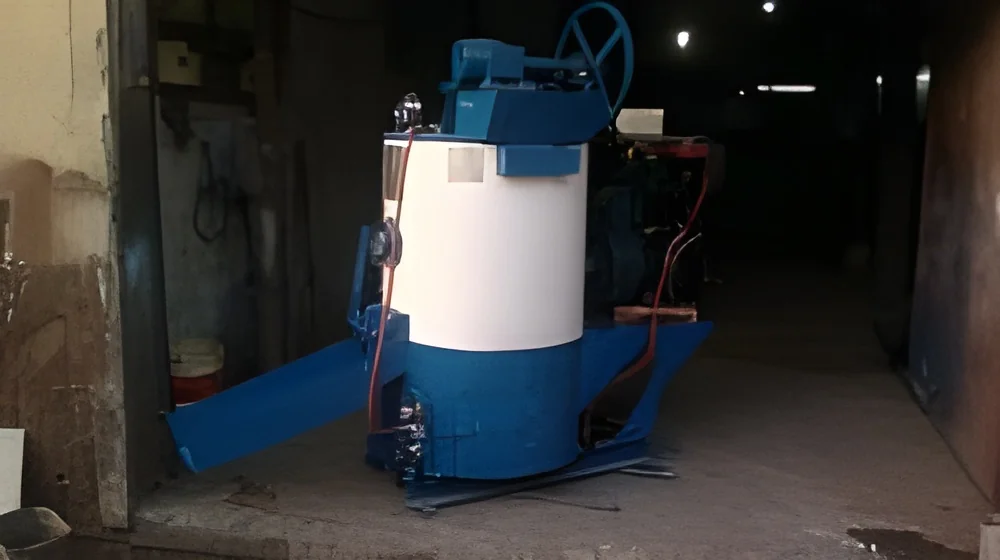
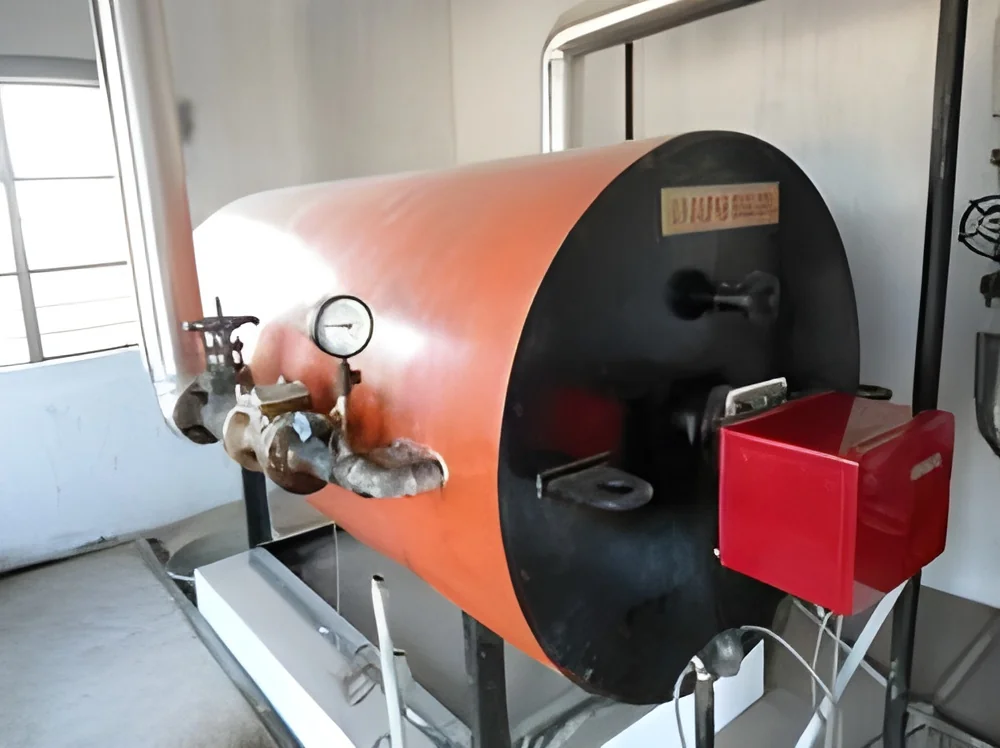
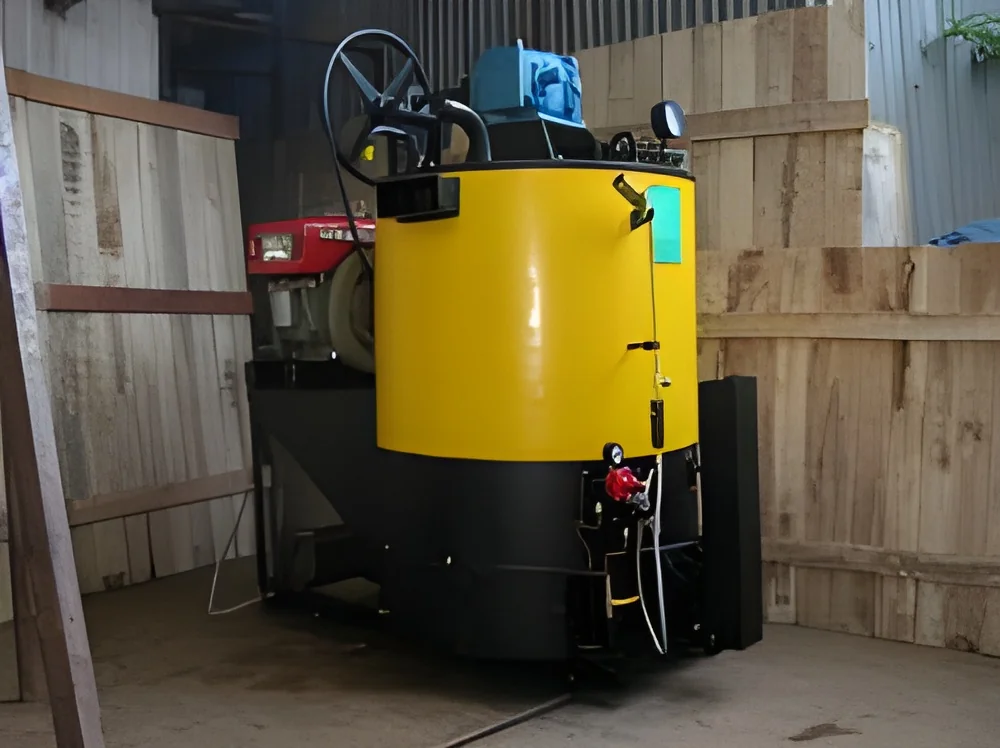
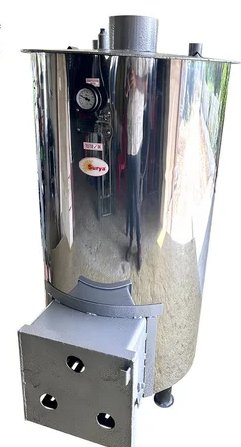
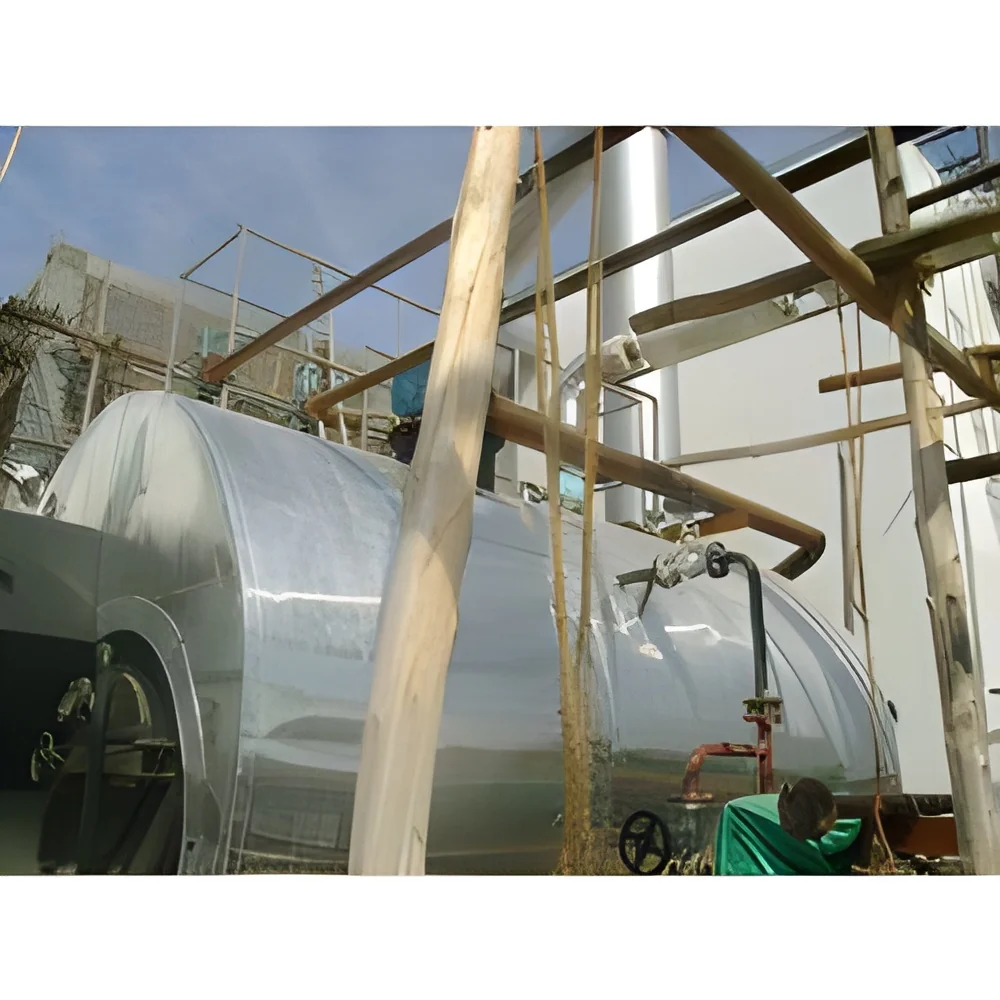
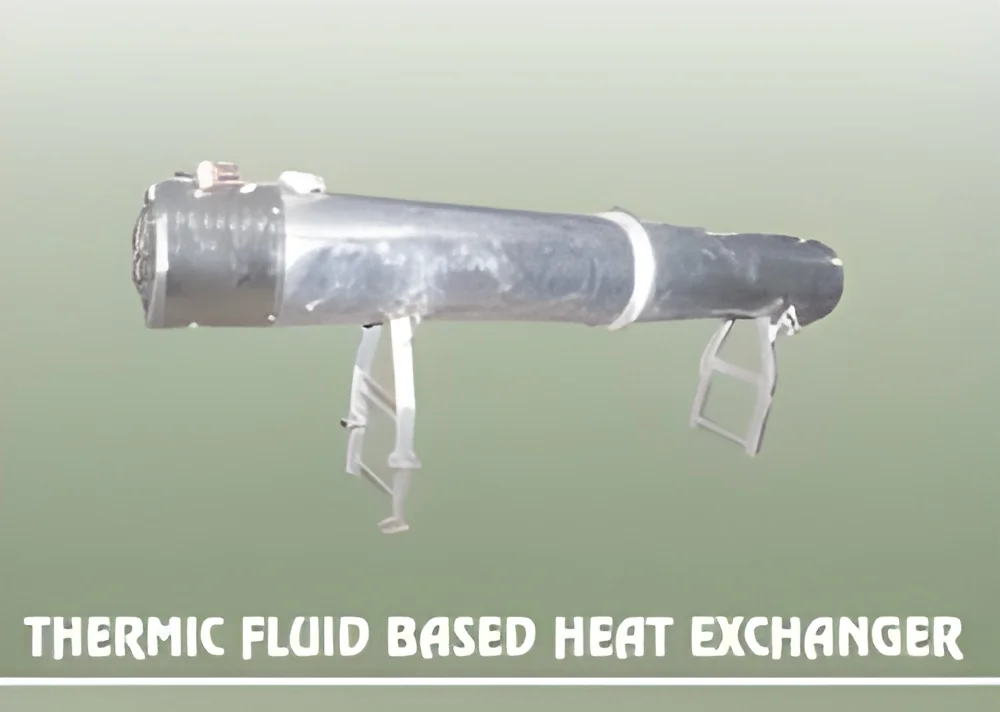
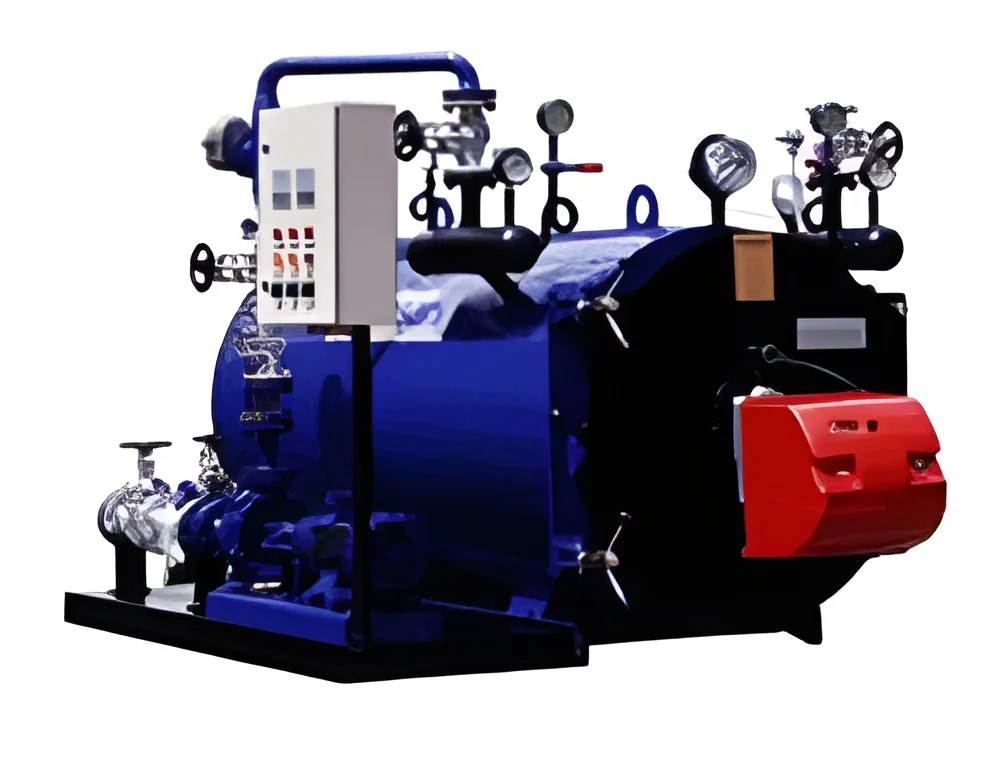
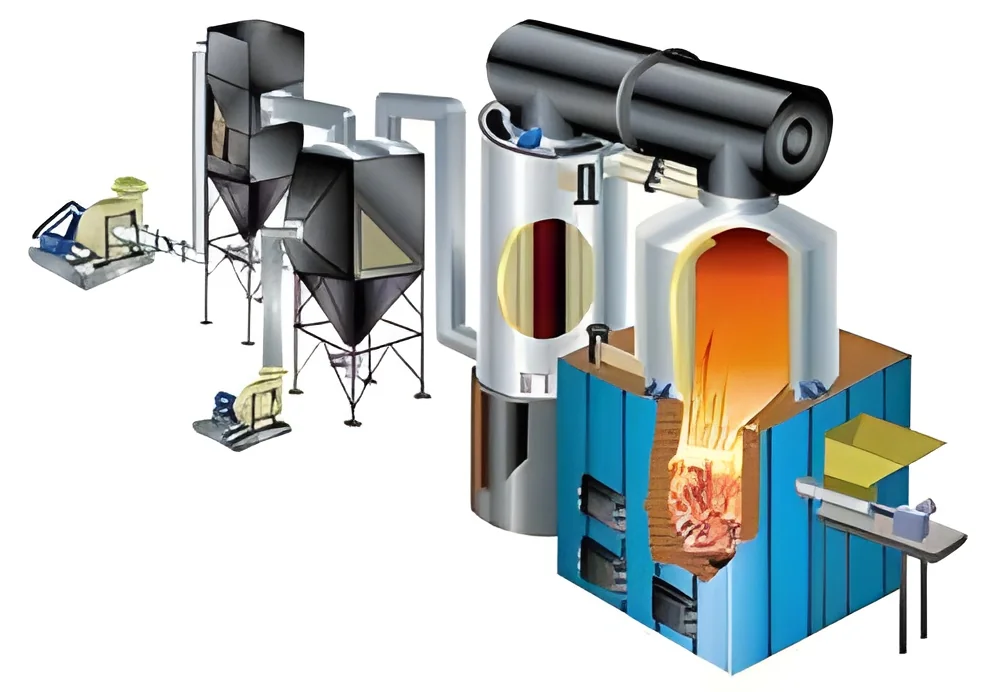
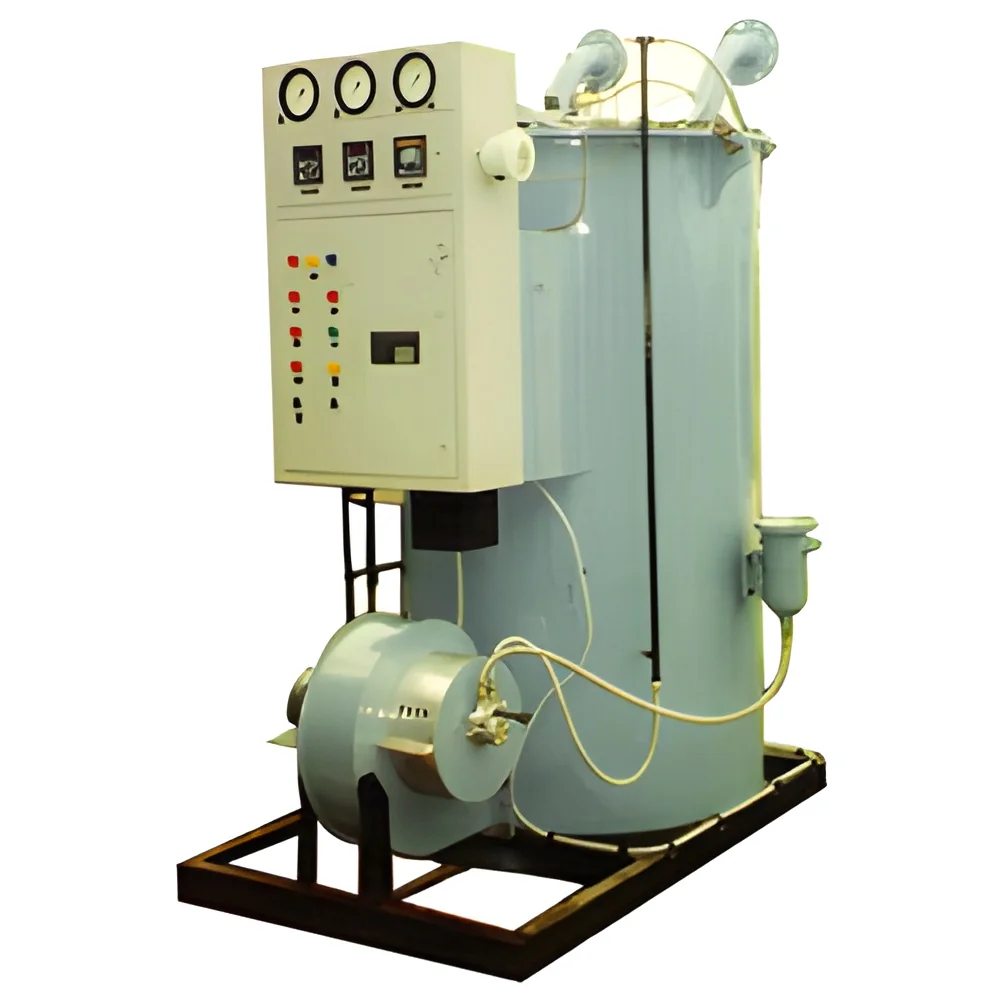
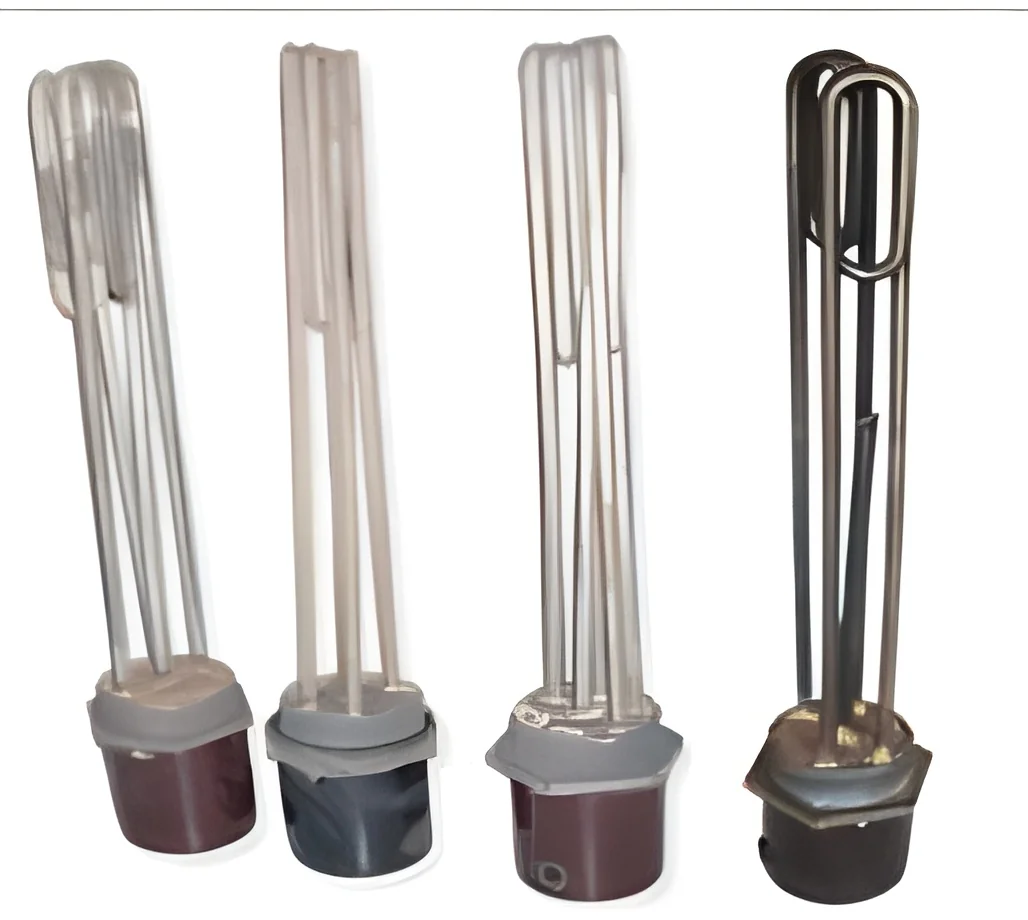
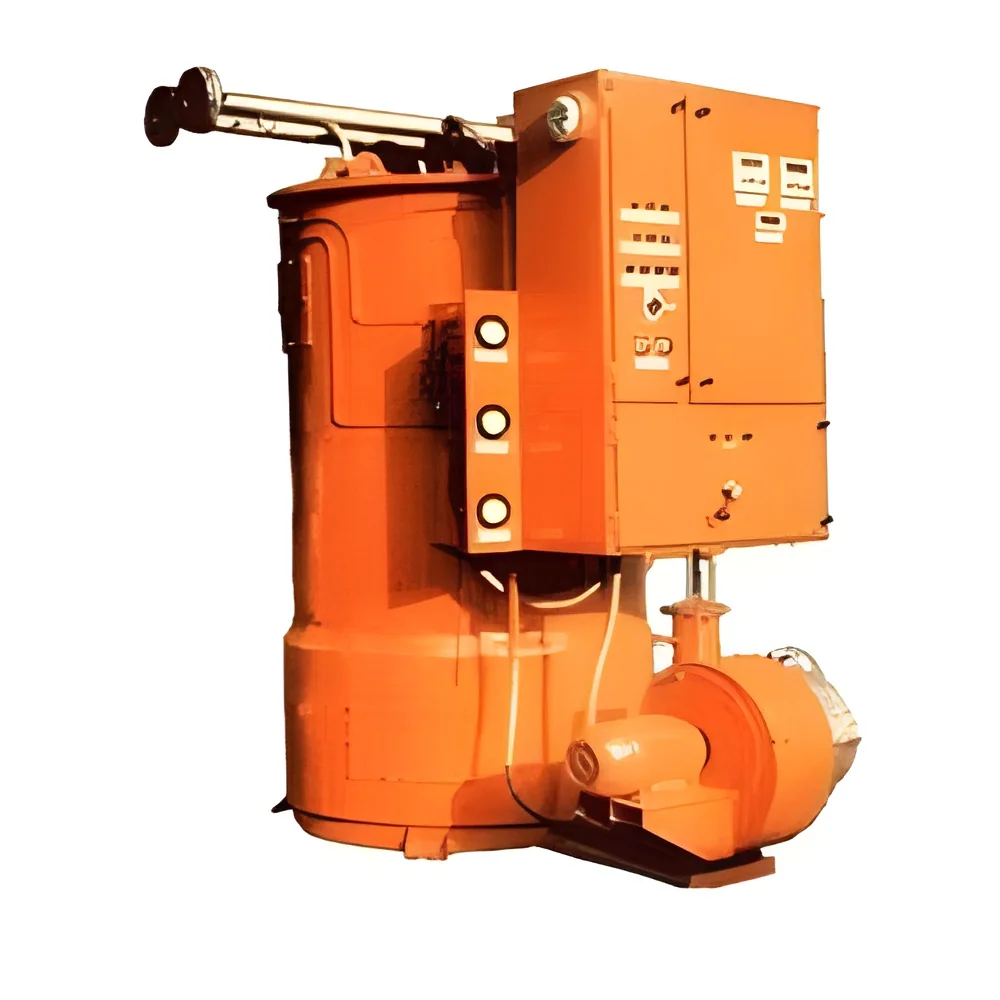
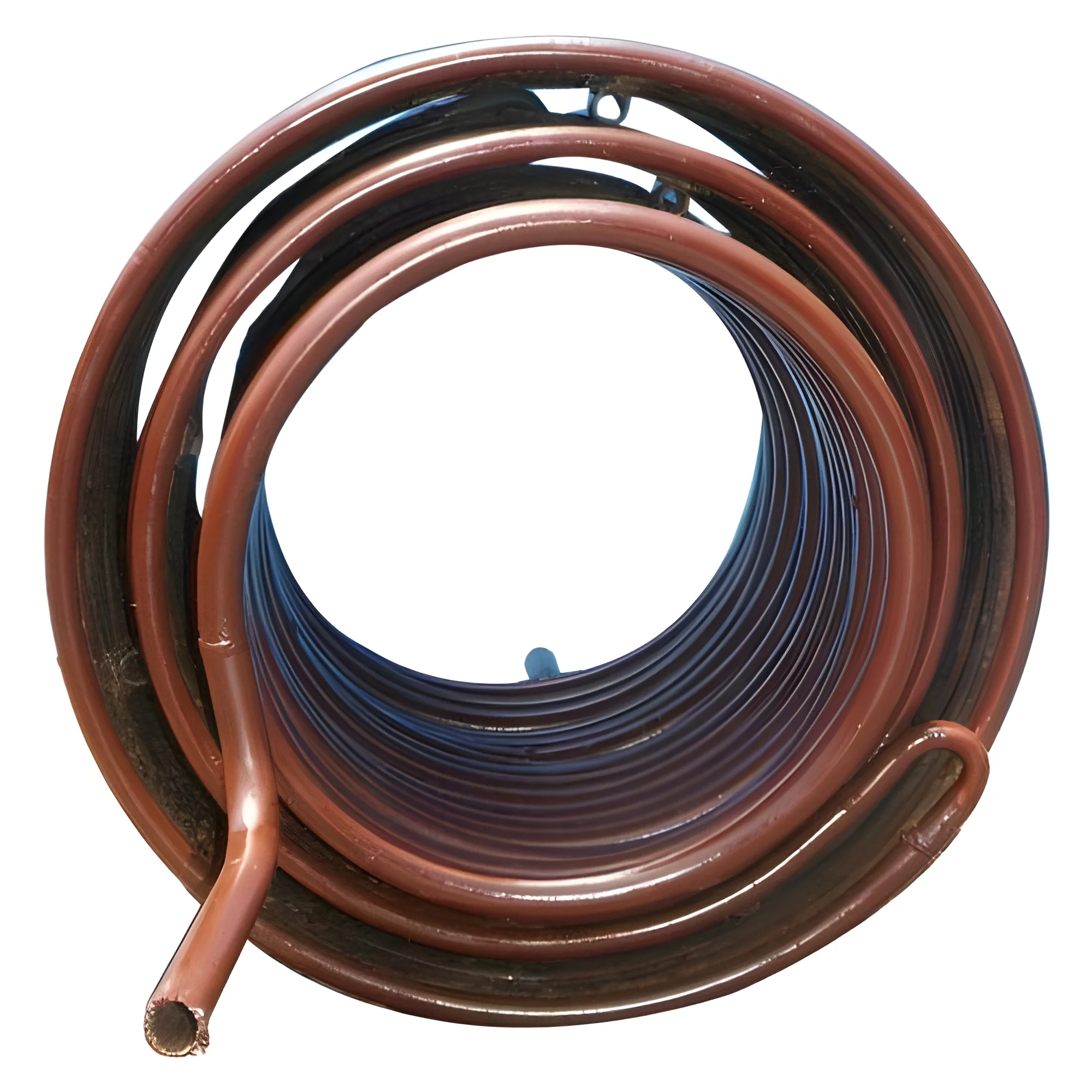
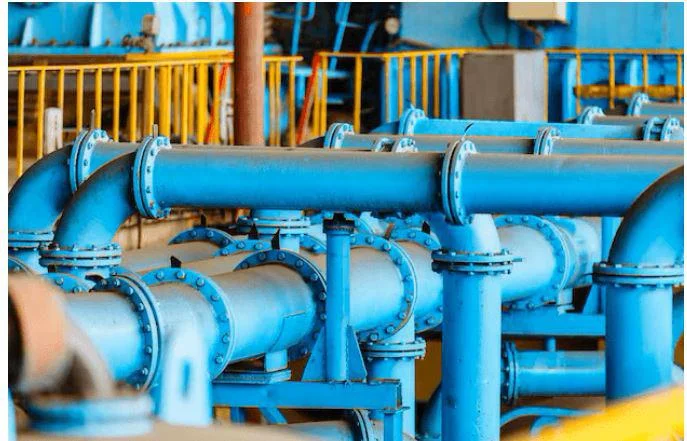
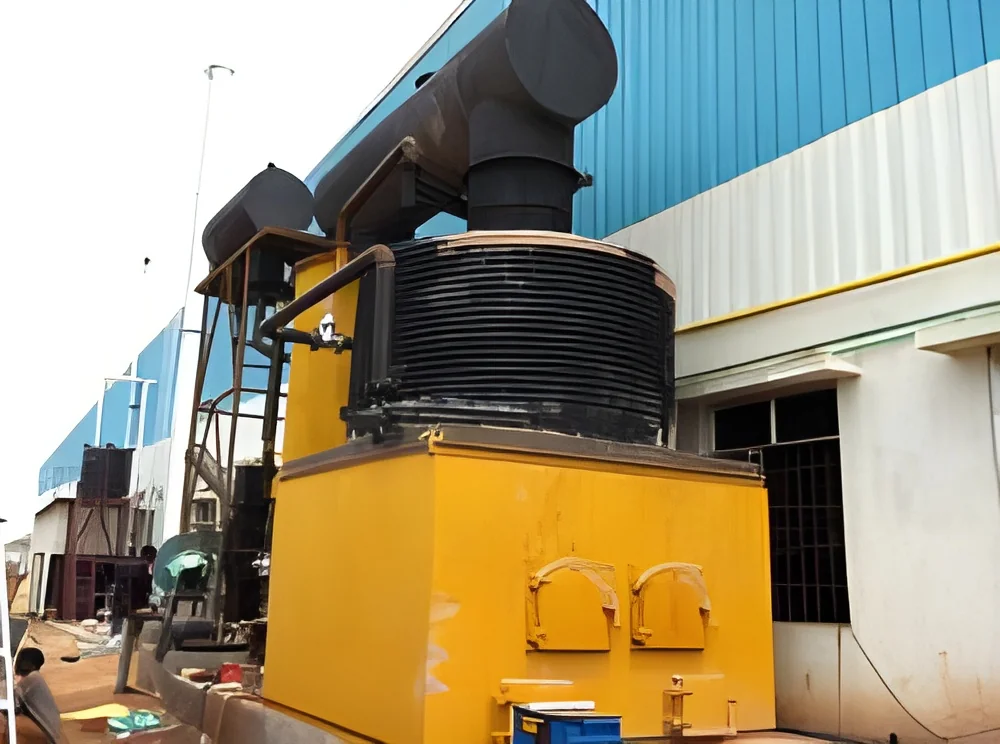
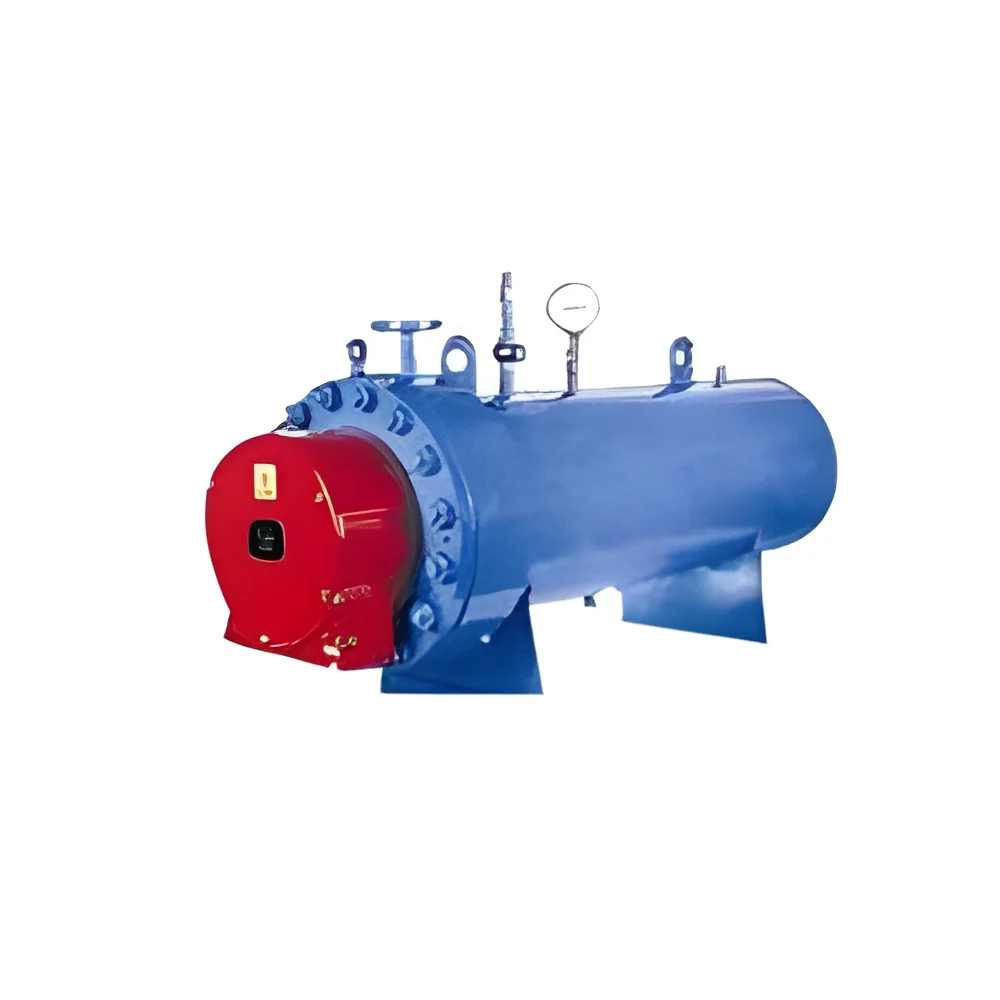
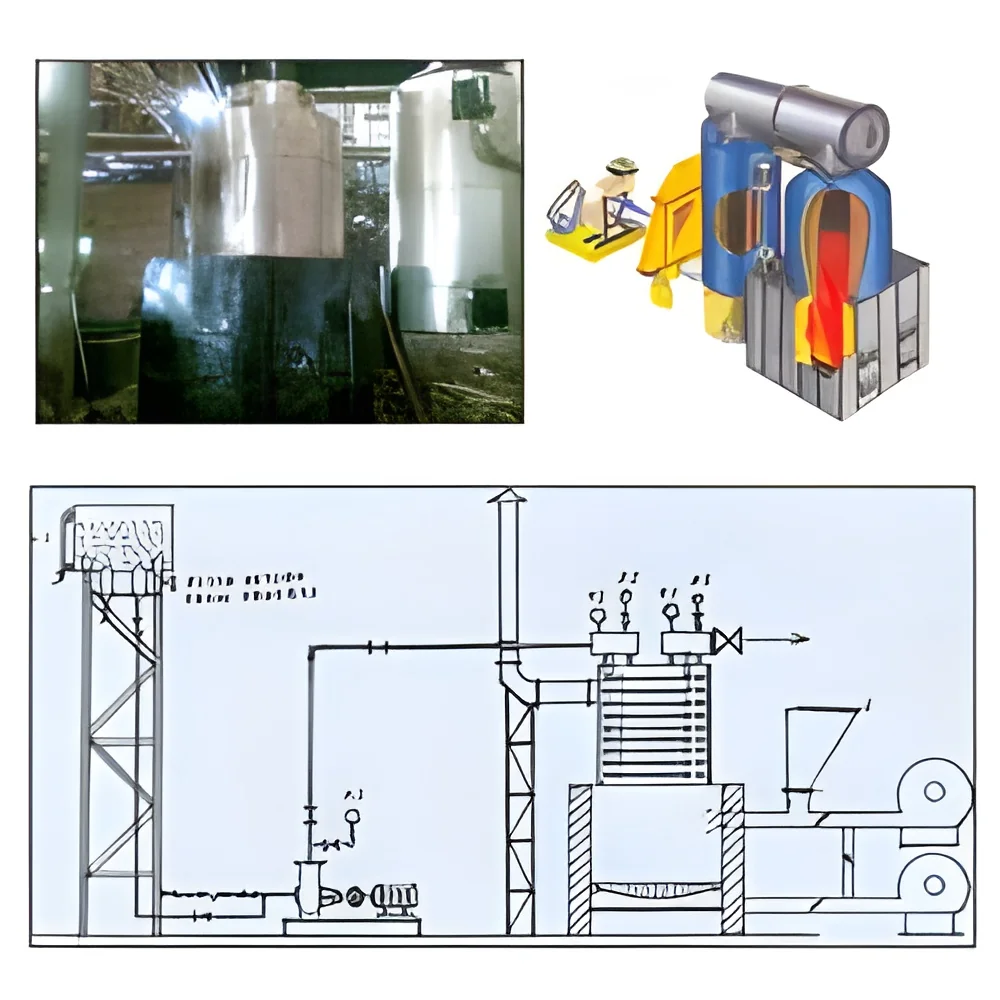
Thermic Fluid Heaters are specialized heating systems designed to transfer heat through thermal fluids, typically oils or synthetic fluids. These heaters operate at high temperatures while maintaining low pressure, making them efficient for various industrial applications. They utilize a closed-loop system, preventing heat loss and ensuring optimal performance in heating processes.
These heaters are primarily used in industries that require consistent and controllable heating solutions, such as chemical processing, food and beverage, and petrochemical industries. They are essential for applications involving heat transfer in processes like drying, heating, and cooking, where traditional steam heating may not be as efficient or suitable. Their importance in industrial operations continues to grow, as businesses seek more energy-efficient solutions.
The market for Thermic Fluid Heaters is expanding due to increased industrialization and a focus on energy efficiency. Industries are continually seeking reliable heating solutions that minimize operational costs while maximizing productivity. As regulations around energy consumption become stricter, the demand for advanced heating technologies like Thermic Fluid Heaters is expected to rise.
Key Features and Specifications
Thermic Fluid Heaters come equipped with several features designed to enhance efficiency and operational reliability. Understanding these specifications is vital for choosing the right system for your business needs.
Key specifications include:
1. Heating Capacity
- Defined in kilowatts (kW) or BTUs per hour
- Determines the amount of thermal energy the heater can produce
2. Temperature Range
- Standard operating ranges typically from 150°C to 300°C
- Suitable for various industrial heating applications
3. Efficiency Rating
- Expressed as a percentage
- Indicates how effectively the heater converts energy into heat
4. Fluid Type Compatibility
- Compatible with various thermal fluids, including mineral oils and synthetic fluids
- Important for ensuring safety and performance
5. Control Systems
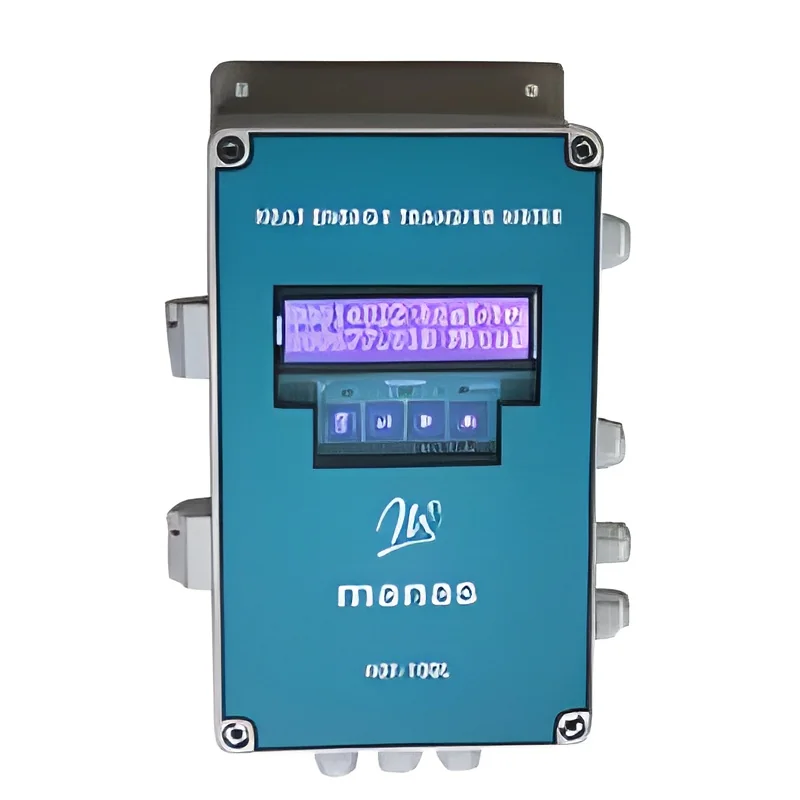
- Advanced control options for monitoring and adjusting temperature
- Includes digital displays and automation capabilities
6. Safety Features
- Equipped with safety valves and temperature sensors
- Ensures safe operation under varying conditions
7. Construction Material
- Typically made from high-grade steel or stainless steel
- Enhances durability and resistance to corrosion
8. Maintenance Requirements
- Designed for ease of maintenance and servicing
- Essential for prolonging the lifespan of the heater
In summary, understanding these features and specifications will help businesses make informed decisions when selecting Thermic Fluid Heaters to suit their operational needs.
Common Applications and Use Cases
Thermic Fluid Heaters serve a wide range of industries, each with specific applications that leverage the unique capabilities of these systems.
1. Chemical Processing: Used for heating reactors and distillation columns, ensuring precise temperature control for chemical reactions.
2. Food and Beverage: Essential for processes like cooking, drying, and pasteurization, maintaining product quality while optimizing energy use.
3. Petrochemical Industry: Utilized for heat transfer in various processes, including refining and production of fuels and lubricants.
4. Textile Industry: Employed in dyeing and finishing processes, providing uniform heating for material treatments.
5. Pharmaceutical Manufacturing: Critical for maintaining the necessary temperatures in production processes, ensuring product safety and efficacy.
6. Plastic and Rubber Industries: Used for extrusion and molding processes, allowing for controlled heating of materials.
7. HVAC Systems: Integrated into heating systems for commercial and industrial buildings, providing efficient temperature regulation.
Product Variants and Subcategories
Thermic Fluid Heaters are available in various configurations to meet specific industry needs. Each variant offers distinct features tailored to different applications.
Standard Thermic Fluid Heater
This variant is designed for general industrial applications, offering robust performance and high efficiency. It is ideal for operations requiring consistent heat transfer.
Modular Thermic Fluid Heater
This type features a modular design, allowing for easy scalability based on production demands. It is suitable for businesses looking to expand their heating capacity without significant infrastructure changes.
Compact Thermic Fluid Heater
Designed for space-constrained environments, this variant offers a smaller footprint while maintaining efficiency. It is particularly useful in smaller facilities or plants.
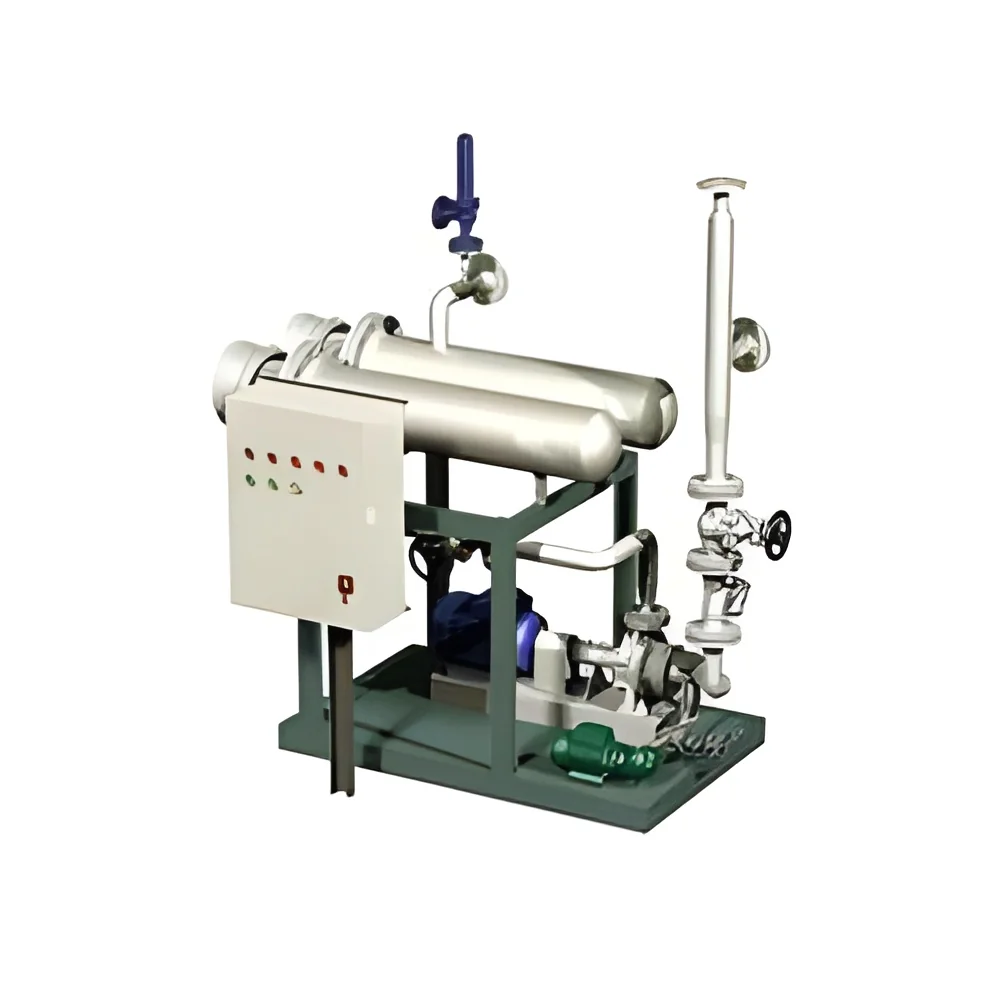
Skid-Mounted Thermic Fluid Heater
This variant comes pre-assembled on a skid for easy installation and mobility. It is perfect for temporary setups or projects requiring rapid deployment.
Benefits and Advantages
Thermic Fluid Heaters provide several benefits that make them an attractive option for industrial heating needs.
Key benefits include:
1. Energy Efficiency: These heaters operate at high efficiency levels, reducing energy consumption and operational costs.
2. Reduced Pressure Operation: Operating at low pressure minimizes the risk of leaks and enhances safety compared to conventional steam systems.
3. Versatile Applications: Their ability to handle various thermal fluids makes them suitable for diverse industries and applications.
4. Consistent Temperature Control: They provide precise temperature regulation, essential for maintaining product quality in manufacturing processes.
5. Low Maintenance Requirements: Designed for durability and ease of maintenance, they reduce downtime and service costs.
6. Enhanced Safety Features: Equipped with advanced safety measures, these heaters ensure safe operation, minimizing the risk of accidents.
Buying Guide for B2B Buyers
When sourcing Thermic Fluid Heaters, it is crucial to consider several factors to ensure you select the right product for your needs.
1. Quality Assessment: Look for heaters that meet industry standards and are constructed from high-quality materials. Evaluate warranties and service agreements to ensure reliability.
2. Supplier Verification: Vet suppliers to confirm their reputation and track record in the industry. Check for certifications and customer reviews to gauge their reliability.
3. Pricing and MOQ: Evaluate the cost of Thermic Fluid Heaters in relation to your budget. Understand minimum order quantities (MOQ) to plan your procurement strategy effectively.
4. Delivery and Lead Times: Discuss logistics with suppliers to determine delivery timelines. Timely delivery is essential to maintain your production schedule.
5. Compliance Requirements: Ensure that the heaters comply with relevant regulations and standards in your region. This includes safety and environmental considerations crucial for operational integrity.
Compliance and Certifications
Thermic Fluid Heaters are subject to several quality standards and certifications that ensure they meet safety and efficiency requirements.
ISO 9001 is a key quality management standard that emphasizes consistent quality in manufacturing processes. Adherence to this standard indicates that a supplier maintains effective quality management systems.
CE certification is also crucial, particularly in the European market. It signifies that the product meets the safety and environmental requirements set by the European Union, making it essential for compliance in international trade.
Safety and testing requirements are paramount in the manufacturing of Thermic Fluid Heaters. Regular testing for performance, durability, and safety helps prevent operational failures and accidents.
Regional compliance considerations may vary, depending on local regulations and industry standards. Buyers should ensure that their chosen suppliers understand and comply with these regional requirements.
Why Source Thermic Fluid Heaters from Pepagora?
Pepagora provides a trusted platform for sourcing Thermic Fluid Heaters, offering several key advantages that benefit B2B buyers.
Verified Supplier Network: Pepagora connects buyers with a network of verified suppliers. This ensures that businesses can source high-quality products from reputable manufacturers.
Streamlined RFQ Process: The platform simplifies the request for quotation (RFQ) process, allowing buyers to receive competitive quotes from multiple suppliers efficiently. This saves time and helps in making informed purchasing decisions.
Trade Assurance and Support: Pepagora offers trade assurance services that protect buyers throughout the purchasing process. This includes support for any disputes that may arise, ensuring peace of mind.
Regional Coverage: With a strong presence in India, the GCC, and Southeast Asia, Pepagora provides extensive regional coverage. This facilitates easy access to suppliers and helps businesses navigate local markets effectively.

 IN
IN