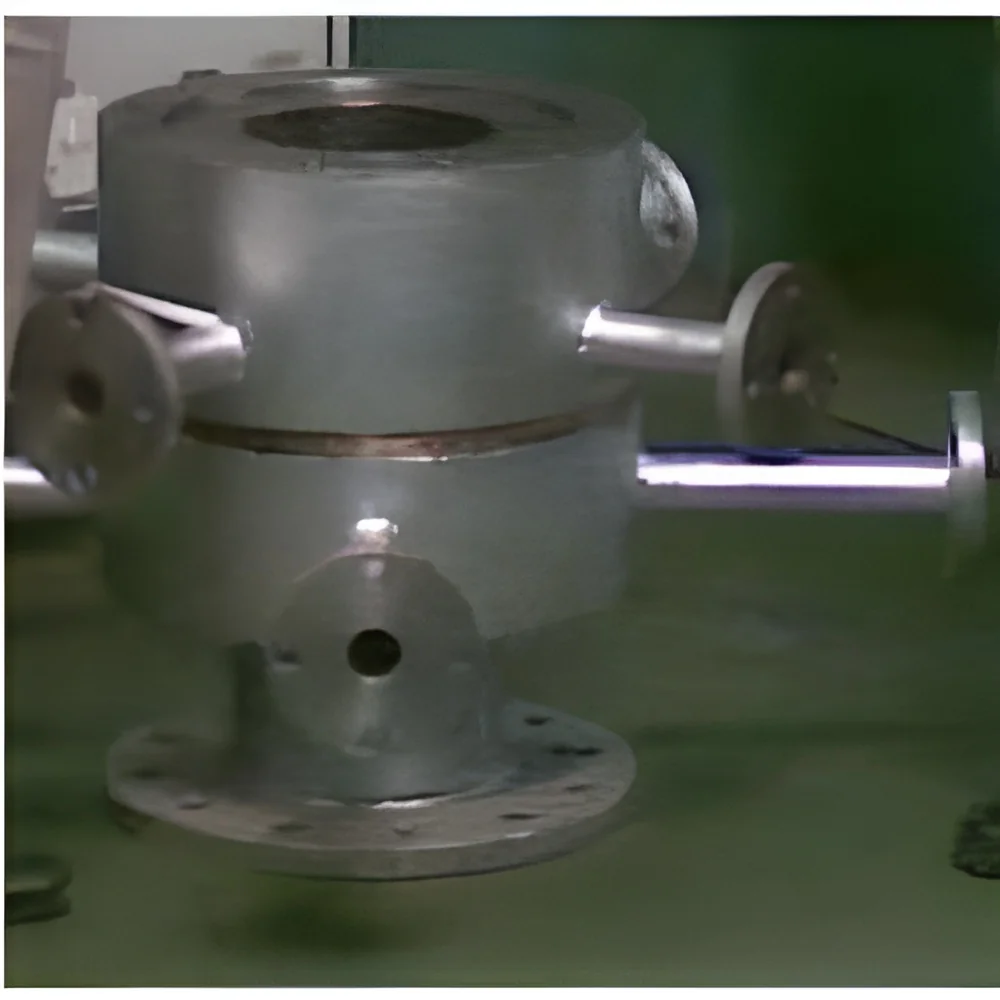
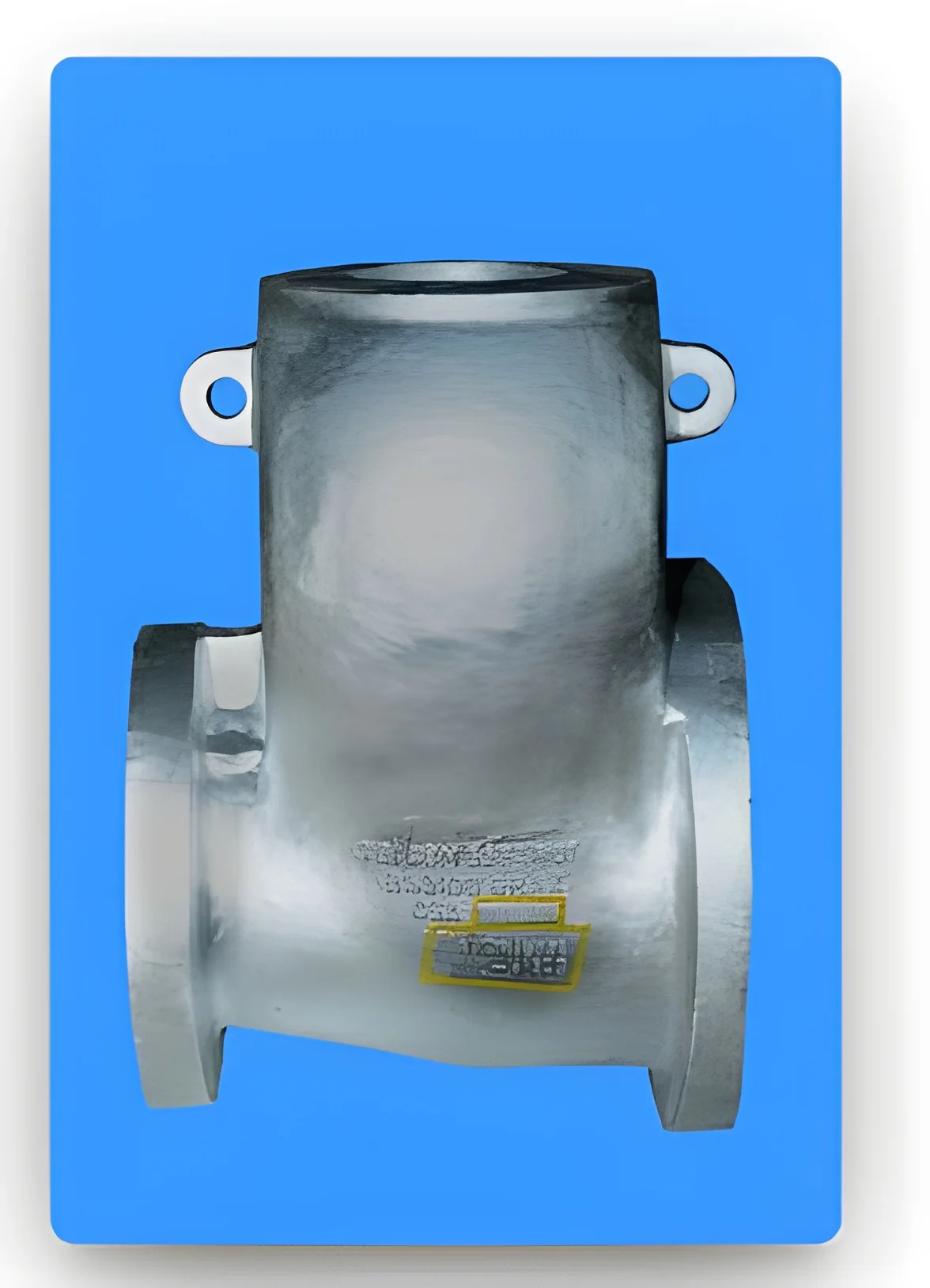
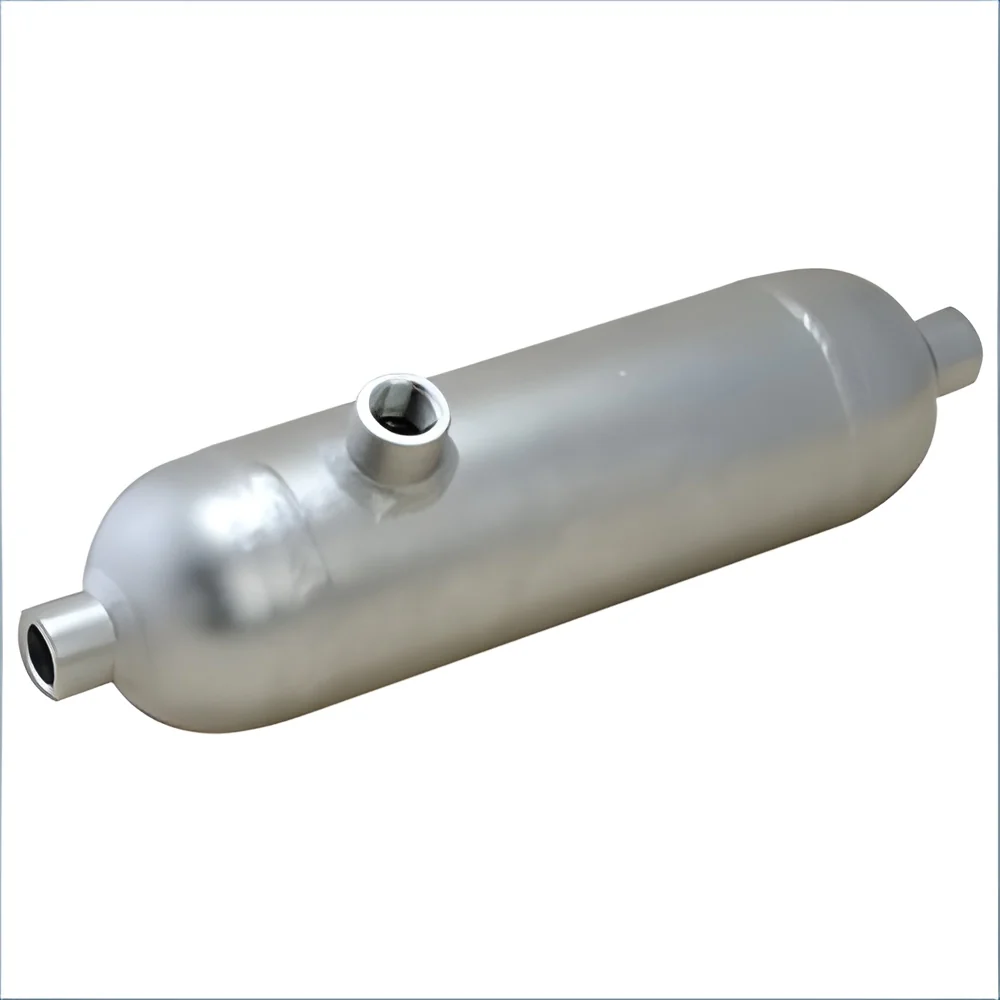
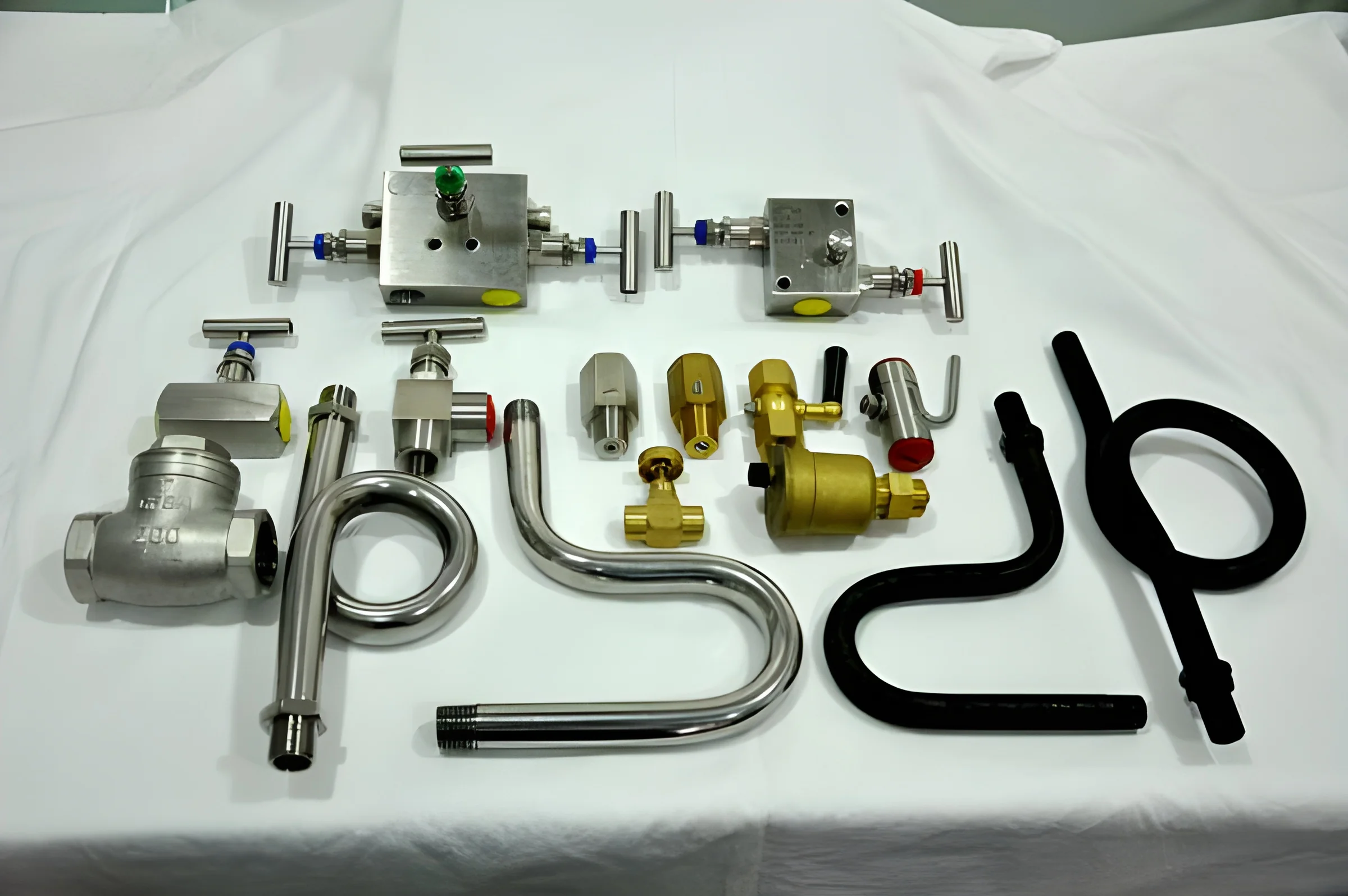
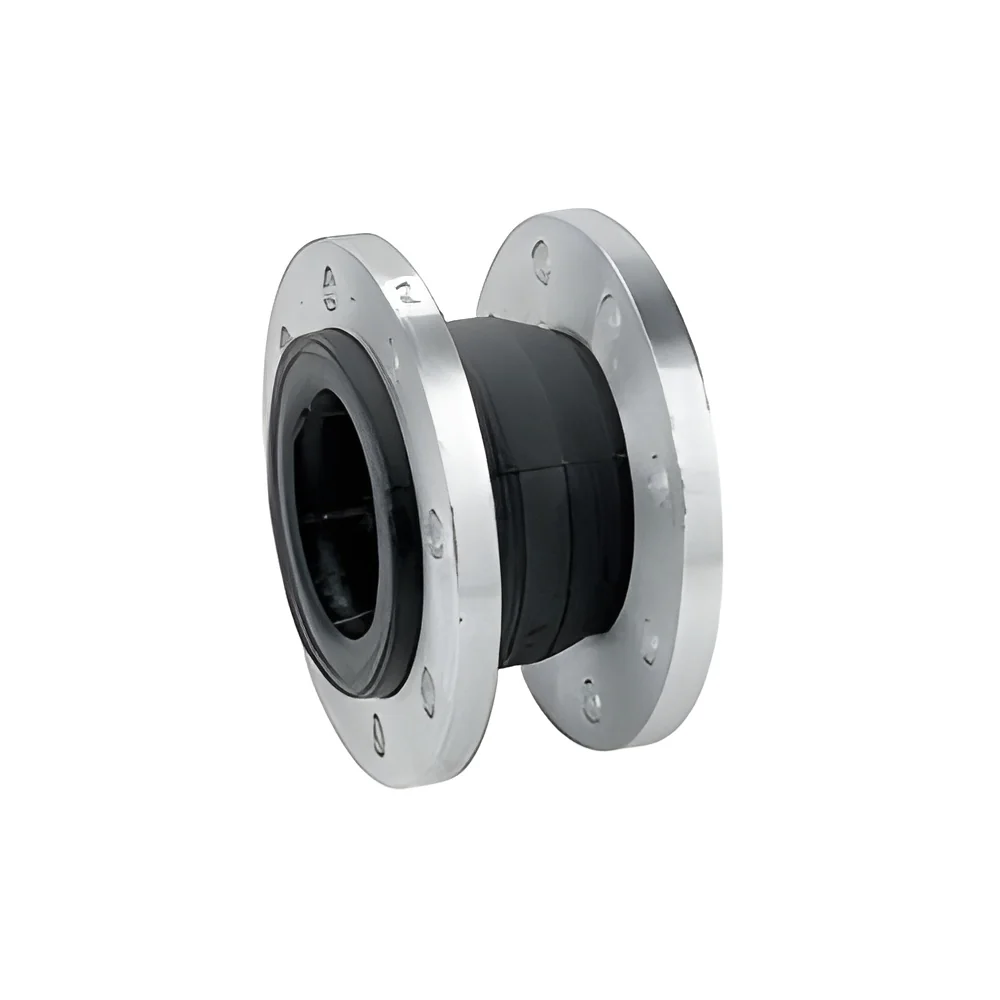
What are Steam Header Systems?
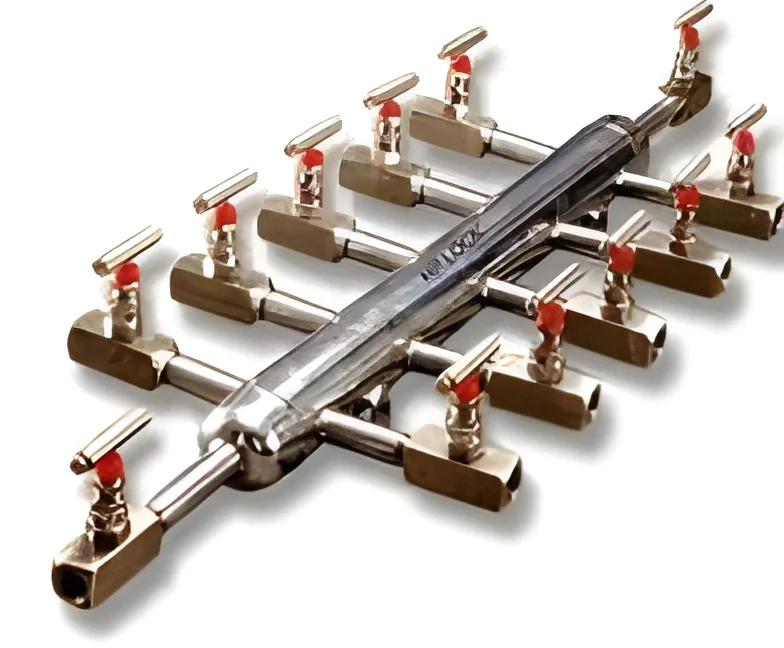
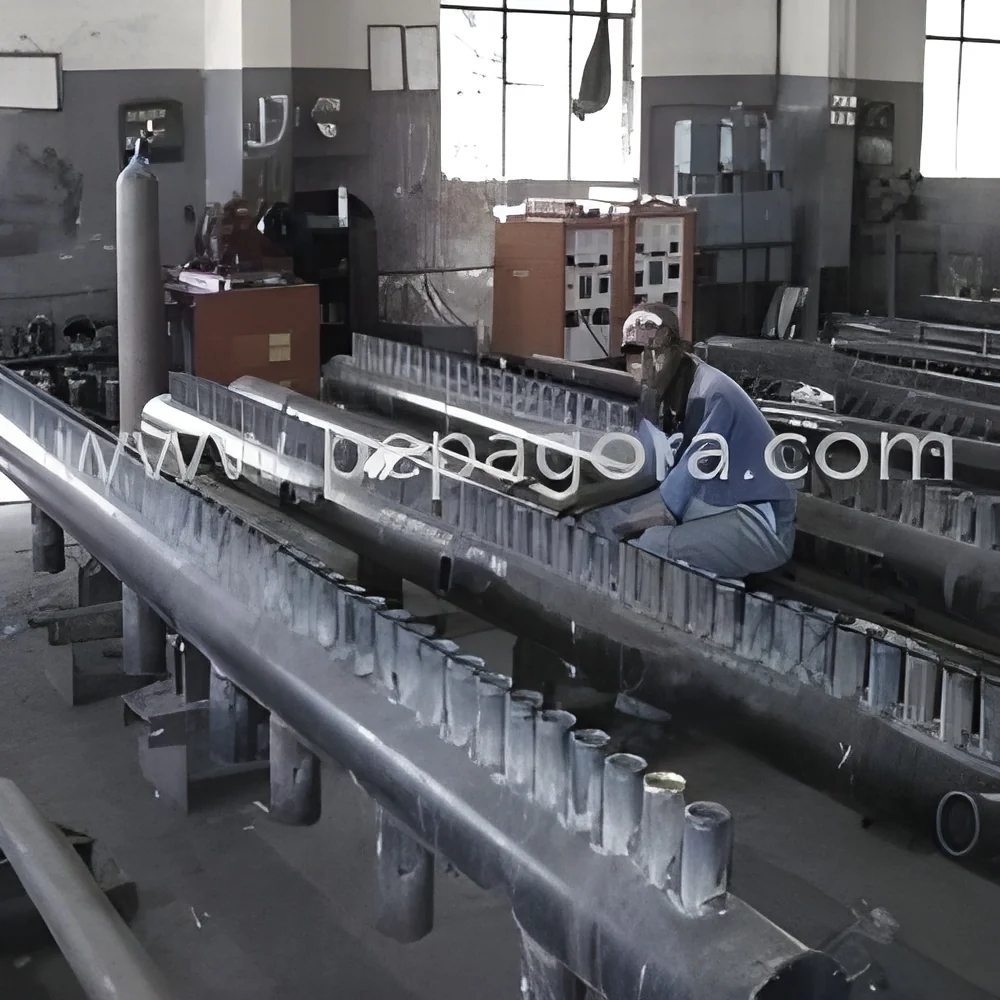
Steam Header Systems are crucial components in industrial steam distribution systems. They serve as a central hub for the collection, distribution, and regulation of steam generated from boilers. These systems are designed to ensure that steam is delivered efficiently to various processes throughout a facility. By maintaining consistent pressure and temperature, steam header systems help optimize the performance of equipment and processes that rely on steam.
These systems find primary applications in industries such as food processing, pharmaceuticals, chemical manufacturing, and energy production. In food processing, for instance, they are used for cooking, sterilization, and cleaning. In pharmaceuticals, steam is essential for sterilization processes, while chemical manufacturers rely on steam for various reactions and heating processes. The importance of steam header systems in these sectors underscores their relevance in maintaining operational efficiency and safety.
As industries continue to seek ways to improve energy efficiency and reduce operational costs, steam header systems play an increasingly vital role. Their ability to provide reliable steam distribution and manage steam quality directly impacts production outcomes and compliance with industry standards. As a result, the market for steam header systems is growing, reflecting the demand for reliable steam solutions across various sectors.
Key Features and Specifications
Steam Header Systems come equipped with a variety of features designed to enhance their efficiency and reliability. Understanding these features is essential for selecting the right system for specific industrial applications.
Key specifications include:
1. Pressure Rating
- Typically designed to handle pressures ranging from 15 psi to 300 psi.
- Ensures compatibility with various boiler outputs and steam applications.
2. Material Construction
- Common materials include carbon steel, stainless steel, and alloy steel.
- Selected based on the application and environmental conditions to ensure durability.
3. Connection Types
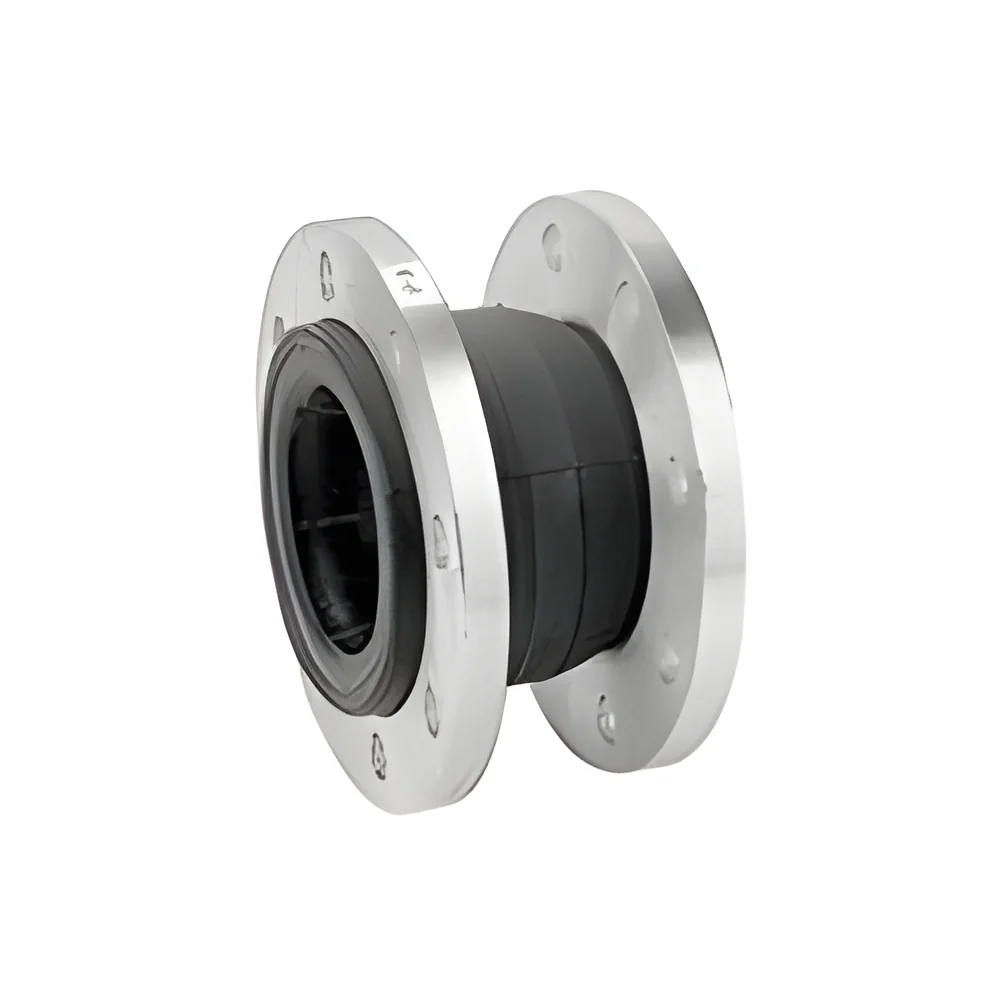
- Available in flanged, threaded, or welded connections.
- Allows for versatile installation options based on existing infrastructure.
4. Size Options
- Offered in a range of diameters from 2 inches to over 24 inches.
- Custom sizing may be available to meet specific facility needs.
5. Insulation Features
- Typically includes insulation to minimize heat loss and improve energy efficiency.
- Helps maintain steam temperature and reduces energy costs.
6. Safety Features
- Equipped with pressure relief valves and safety shutoff systems.
- Ensures compliance with safety standards and protects against overpressure conditions.
7. Monitoring Capabilities
- May include optional monitoring systems for steam flow, pressure, and temperature.
- Enhances operational control and preventive maintenance scheduling.
8. Compliance Standards
- Designed to meet industry standards for safety and performance, including CE certification.
- Ensures reliability and compliance with regional regulatory requirements.
In summary, the features and specifications of steam header systems are designed to ensure they meet the demanding needs of various industrial applications while prioritizing safety and efficiency.
Common Applications and Use Cases
Steam Header Systems are utilized across multiple industries, each with specific applications that highlight their importance.
1. Food Processing: In this sector, steam is used for cooking, sterilizing equipment, and cleaning surfaces. The efficiency and reliability of steam header systems are critical for maintaining food safety standards.
2. Pharmaceuticals: Steam header systems provide the necessary steam for sterilization processes, ensuring that equipment and packaging are free from contaminants. This is essential for product safety and regulatory compliance.
3. Chemical Manufacturing: Steam is often required for heating, mixing, and reaction processes. Steam header systems support these functions by delivering steam at consistent pressure and temperature.
4. Energy Production: In power plants, steam header systems distribute steam to turbines for electricity generation. Reliability is crucial in maintaining continuous operation and maximizing energy output.
5. Textile Industry: Steam is used for dyeing and finishing processes. Steam header systems help maintain the necessary conditions for high-quality textile production.
6. HVAC Systems: In building management, steam is used for heating. Steam header systems facilitate the distribution of steam throughout a facility, contributing to efficient climate control.
7. Oil and Gas: Steam is utilized in enhanced oil recovery processes. Steam header systems ensure the reliable delivery of steam to extraction sites.
Product Variants and Subcategories
Steam Header Systems come in various forms to cater to specific industry needs. Understanding these variants can help buyers select the most suitable option for their applications.
Standard Steam Header System
This variant is designed for general use across various industries, featuring essential components for efficient steam distribution. It is suitable for facilities with moderate steam demands.
High-Pressure Steam Header System
Engineered to handle higher pressure applications, this variant is ideal for industries such as energy production and chemical manufacturing. It includes enhanced safety features to manage the increased pressure.
Modular Steam Header System
A flexible option that allows for easy expansion and modification. This system is beneficial for facilities that anticipate changes in steam demand or process requirements.
Compact Steam Header System
Designed for limited space applications, this variant offers a compact solution without compromising performance. It is suitable for smaller facilities or specific areas within larger plants.
Benefits and Advantages
Investing in Steam Header Systems offers several advantages that contribute to operational efficiency and safety.
1. Enhanced Efficiency: By providing consistent steam pressure and temperature, these systems optimize process performance and reduce energy waste.
2. Improved Safety: Equipped with safety features such as pressure relief valves, steam header systems minimize the risk of accidents related to steam pressure.
3. Cost-Effective: Reliable steam distribution systems can lead to lower energy costs and reduced downtime, ultimately improving the bottom line.
4. Compliance Assurance: Steam header systems designed to meet industry standards help ensure compliance with regulations, minimizing legal risks.
5. Versatility: These systems can be customized to fit various applications and industries, providing flexibility for different operational needs.
6. Reduced Maintenance: With advanced monitoring capabilities, these systems allow for proactive maintenance, reducing the likelihood of unexpected failures.
Buying Guide for B2B Buyers
When sourcing Steam Header Systems, buyers should consider several key factors to ensure they select the right system for their needs.
1. Quality Assessment: Evaluate the quality of materials and construction to ensure durability and reliability. Look for certifications that validate the manufacturer's quality standards.
2. Supplier Verification: Vet suppliers by checking their reputation, customer reviews, and previous project experience. This helps ensure you are working with a reliable partner.
3. Pricing and MOQ: Understand the pricing structure and minimum order quantities to align with your budget and operational needs. Compare offers from different suppliers for the best deal.
4. Delivery and Lead Times: Inquire about lead times for delivery to plan your project schedule accordingly. Quick turnarounds can be crucial for maintaining operational continuity.
5. Compliance Requirements: Ensure that the steam header system meets local and industry-specific regulatory requirements. Compliance can affect both safety and operational efficiency.
Compliance and Certifications
Compliance and certifications are crucial aspects of Steam Header Systems, as they ensure safety, quality, and reliability in industrial applications.
Many steam header systems adhere to relevant quality standards such as ISO 9001, which emphasizes quality management systems. This certification assures buyers that the manufacturing processes meet high-quality standards.
Additionally, industry certifications such as CE indicate that the product meets European safety standards, validating its reliability for use in various applications.
Safety and testing requirements are also paramount. Steam header systems must undergo rigorous testing to ensure they can handle the pressures and temperatures associated with steam distribution.
Regional compliance considerations may vary, so it is essential for buyers to be aware of local regulations that govern steam systems in their specific markets. Ensuring compliance with these regulations is crucial for operational success and safety.
Why Source Steam Header Systems from Pepagora?
Pepagora provides a trusted platform for sourcing Steam Header Systems, offering several key advantages to B2B buyers.
Verified Supplier Network: Pepagora has established a network of verified suppliers, ensuring that buyers can access high-quality steam header systems from reputable manufacturers. This verification process helps mitigate risks associated with sourcing.
Streamlined RFQ Process: The platform features a user-friendly Request for Quotation (RFQ) system, allowing buyers to efficiently obtain quotes from multiple suppliers. This streamlines the procurement process and ensures competitive pricing.
Trade Assurance and Support: Pepagora offers trade assurance and support to protect buyers throughout the purchasing process. This includes assistance with negotiations and problem resolution, enhancing buyer confidence.
Regional Coverage: With a strong presence in India, the Gulf Cooperation Council (GCC), and Southeast Asia, Pepagora ensures that buyers have access to steam header systems tailored to their regional needs. This geographic reach facilitates faster delivery and localized support.

 IN
IN