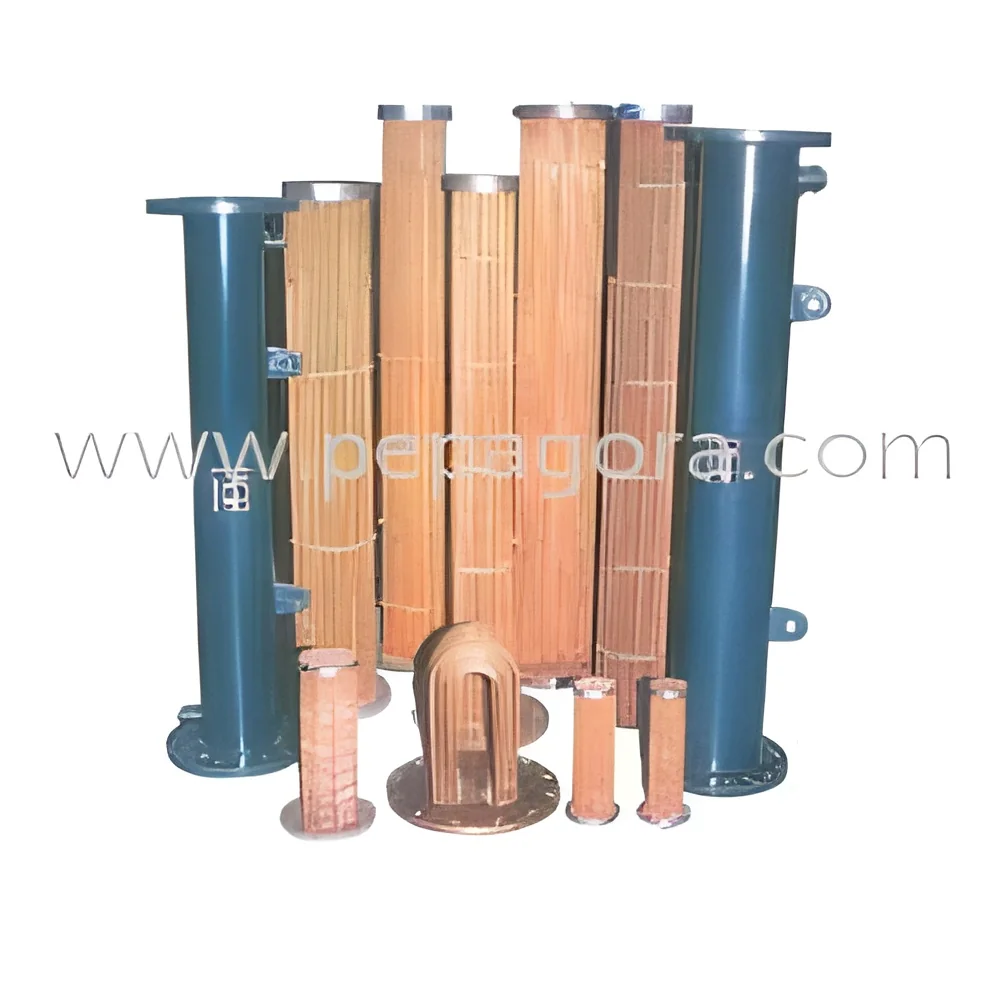
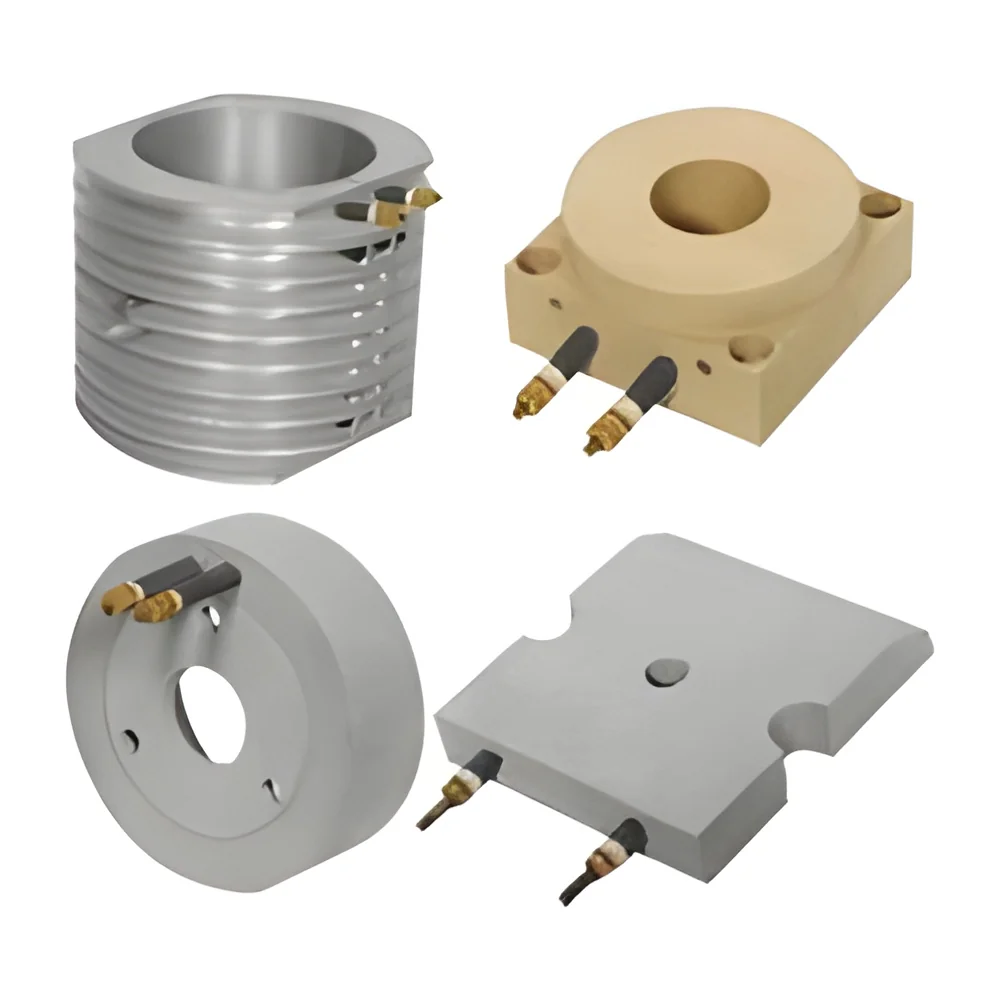
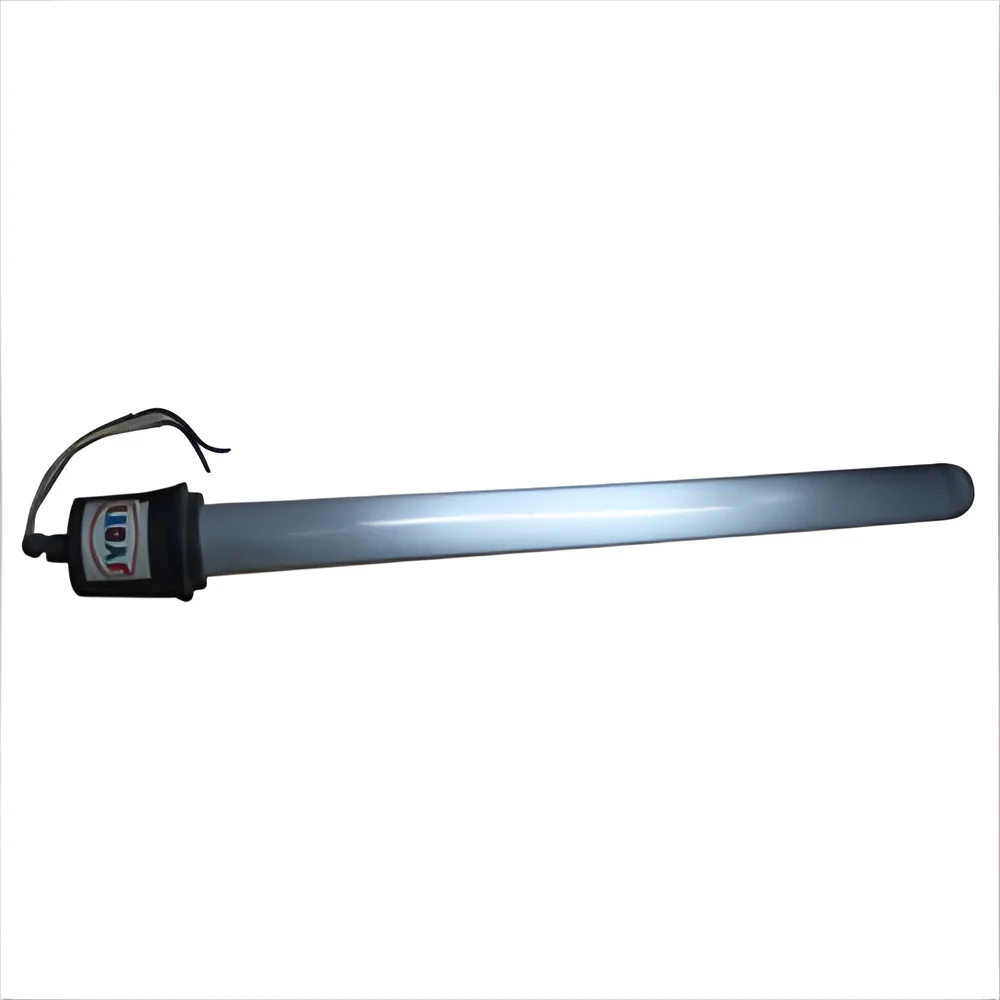
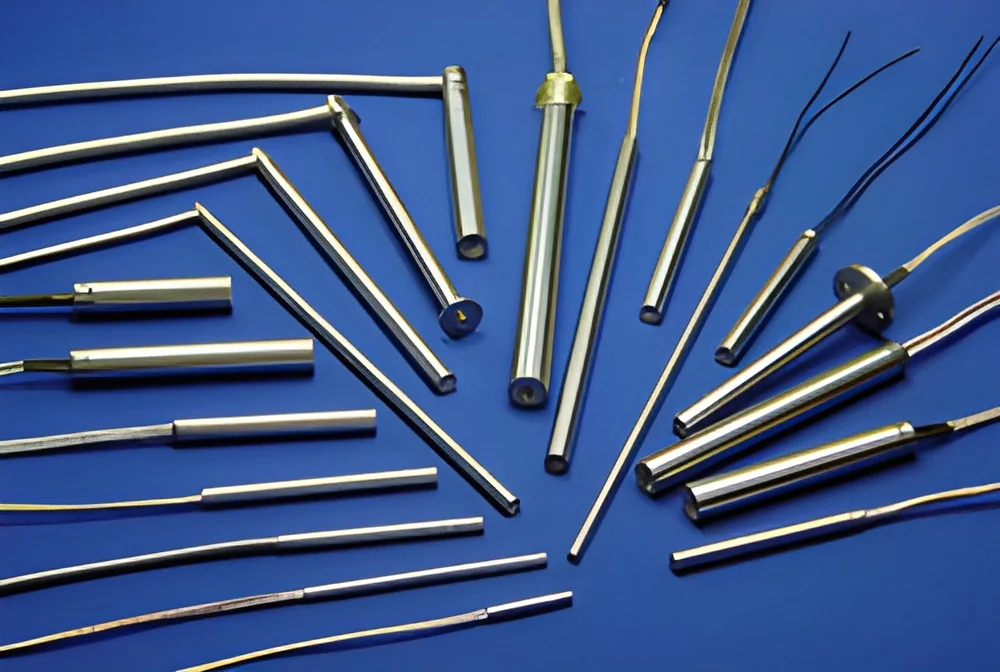
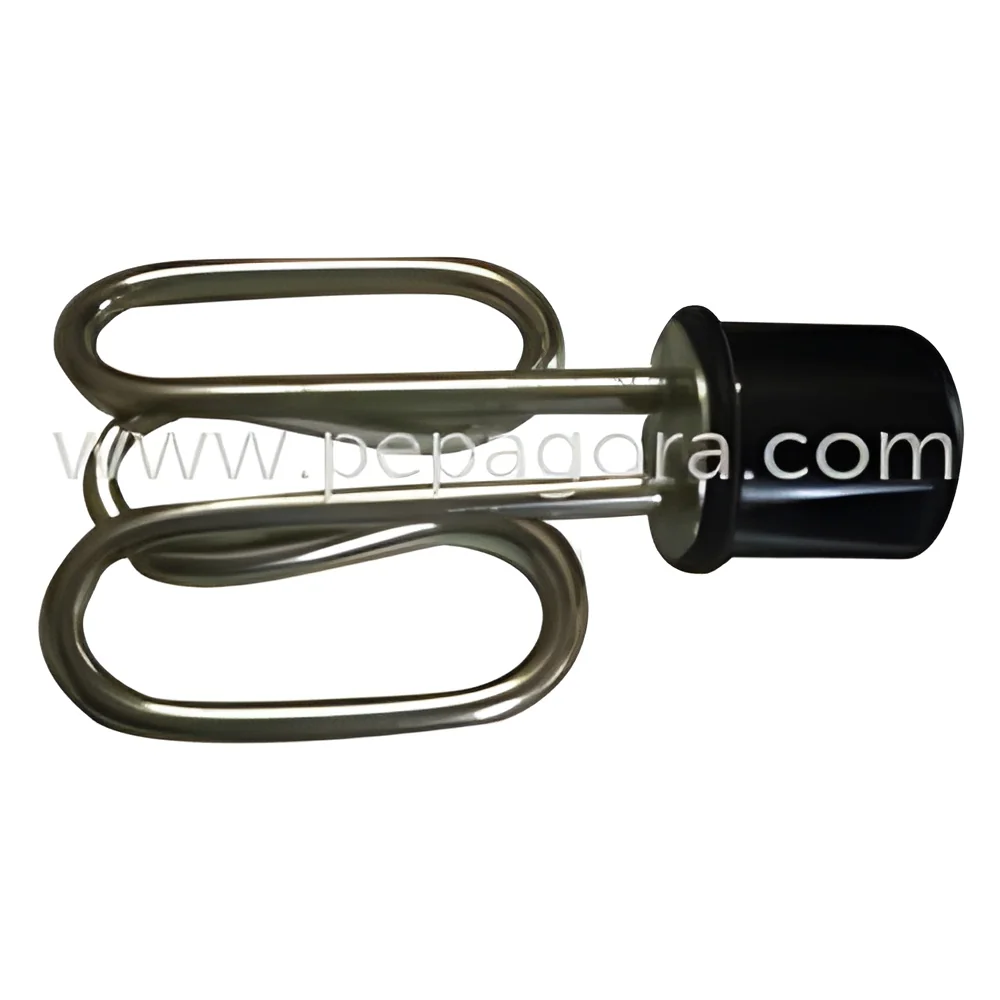
What are Custom Fabricated Heat Exchanger Units?
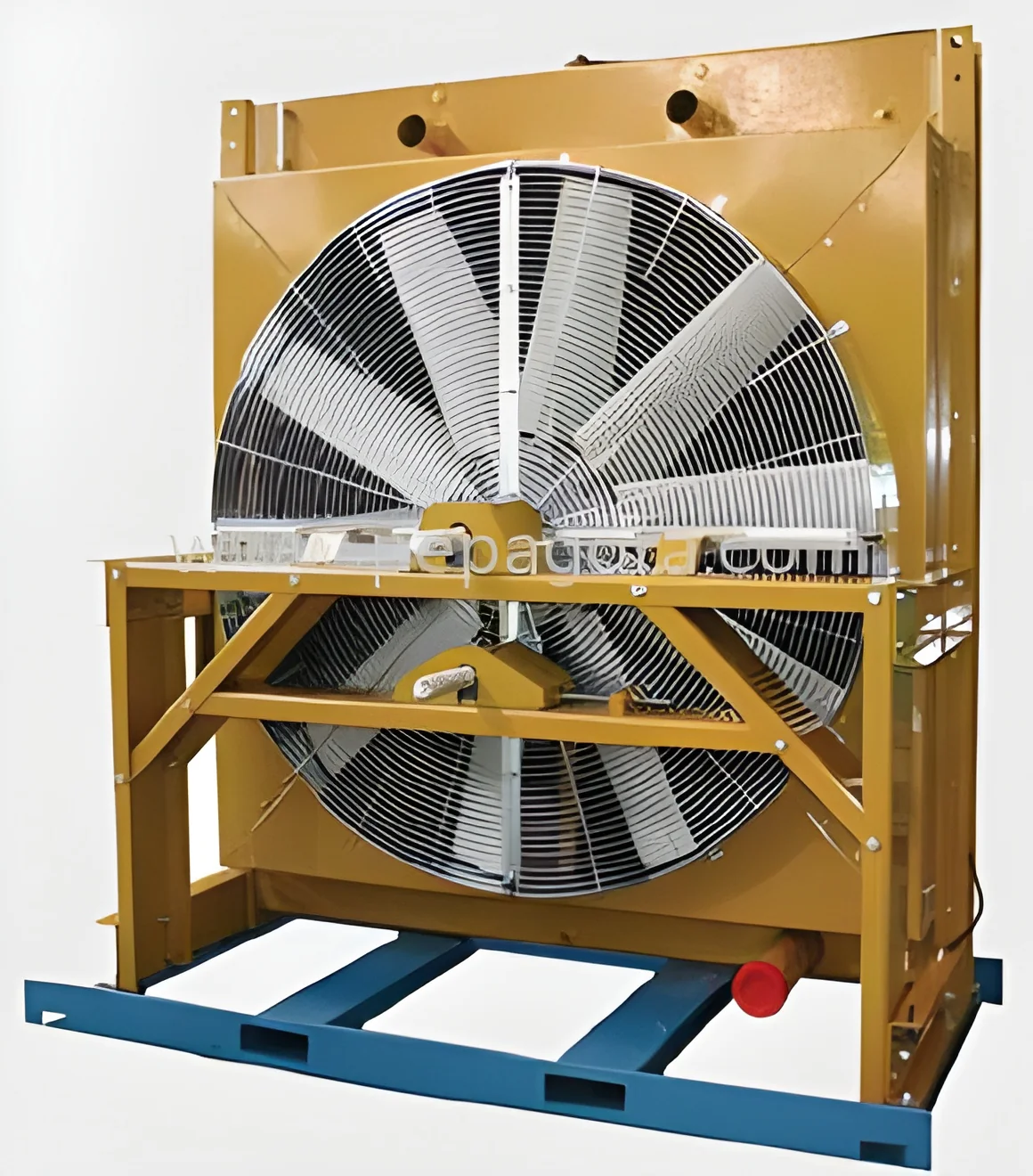
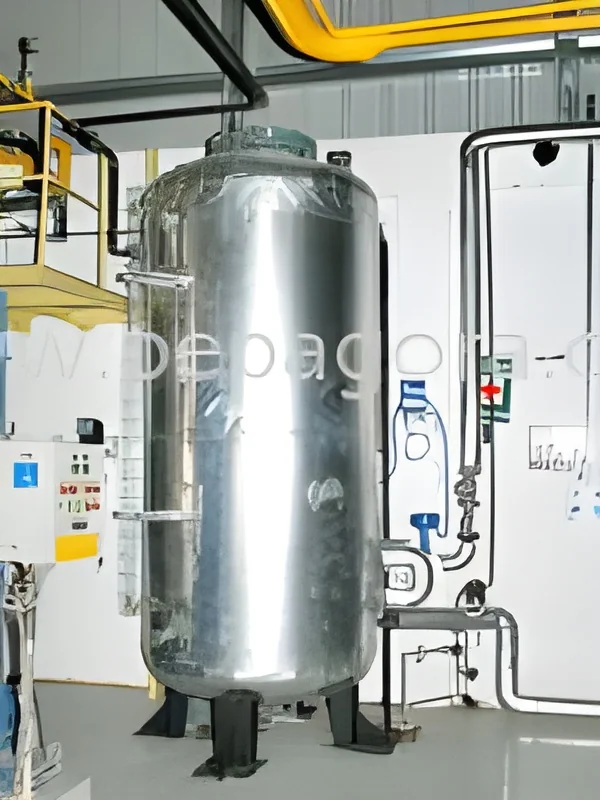
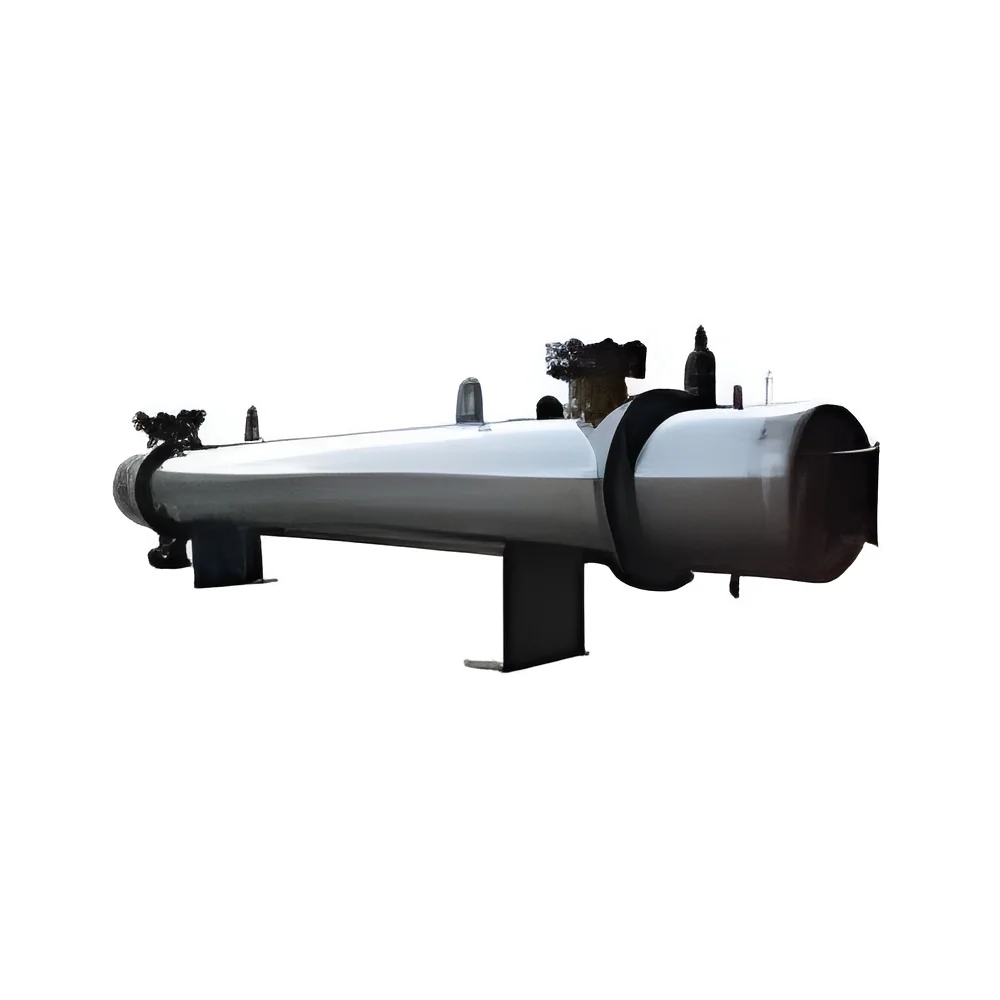
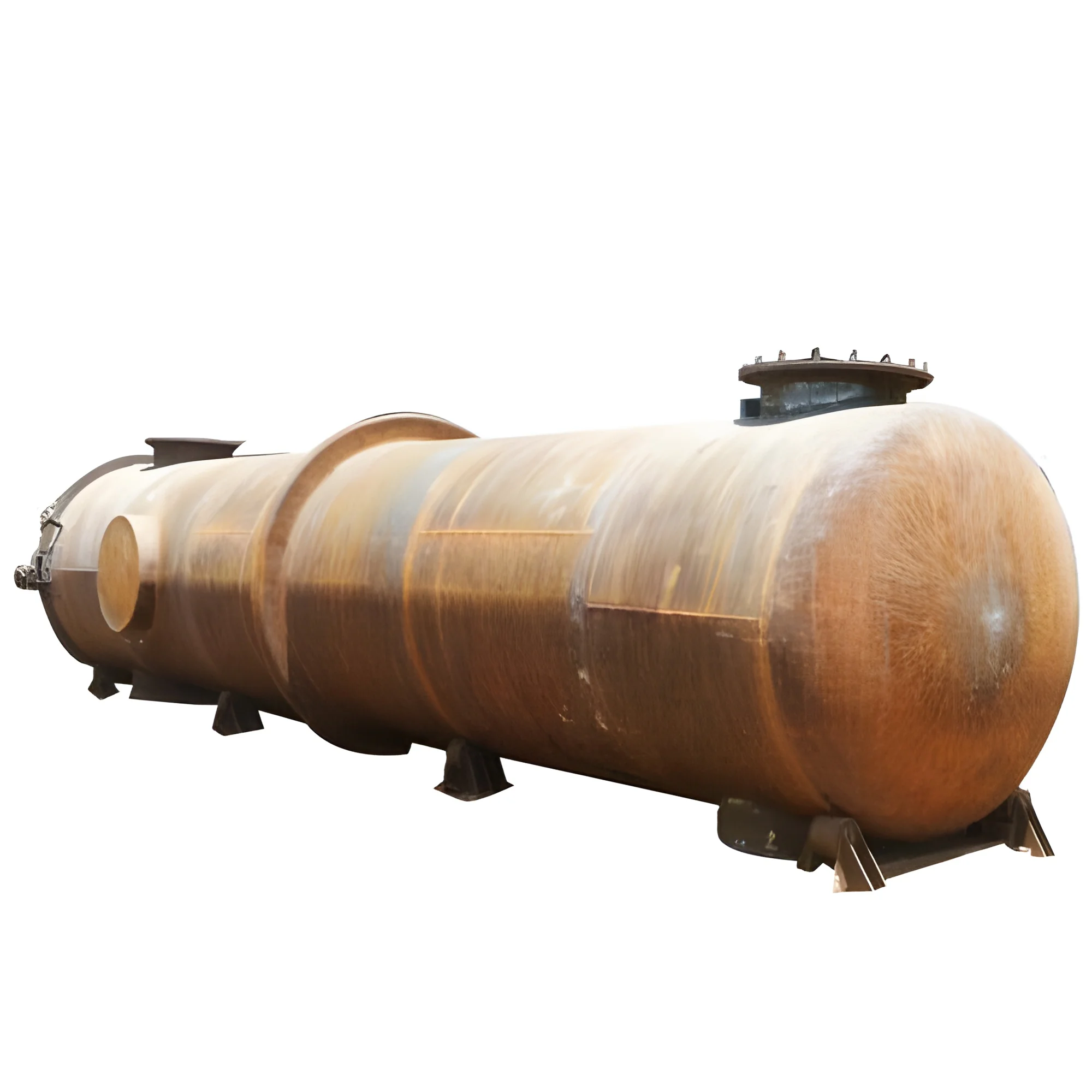
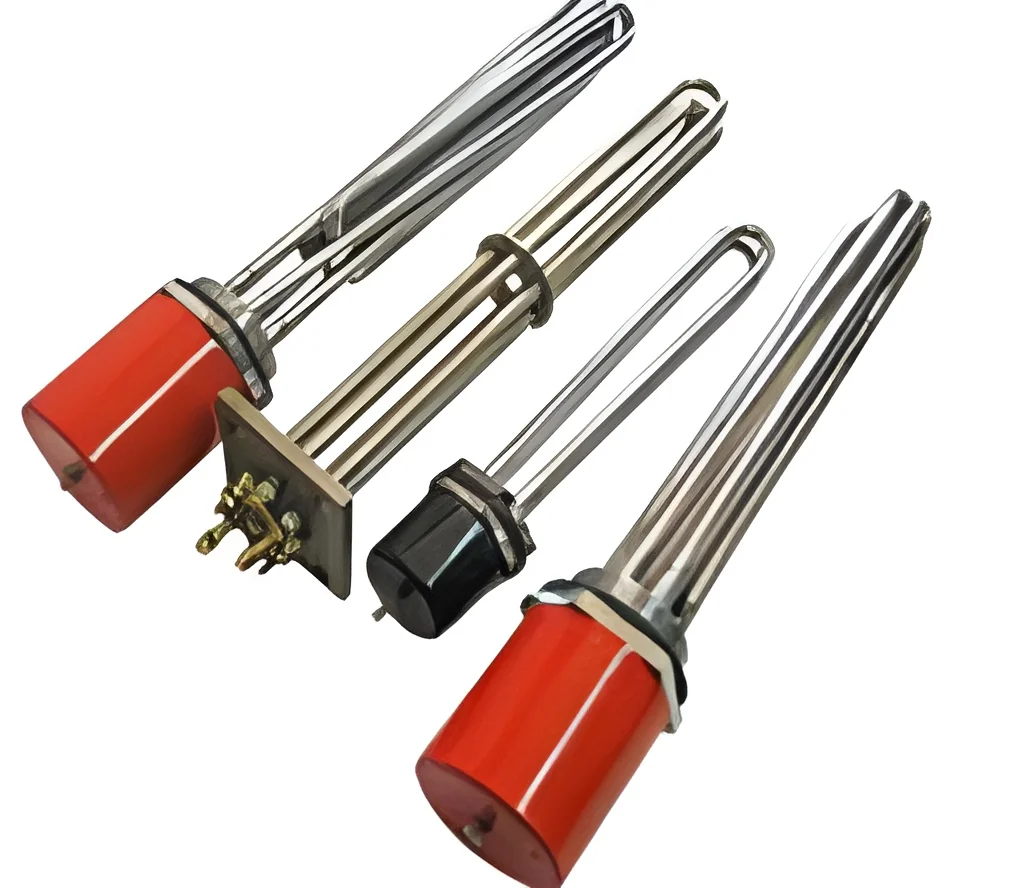
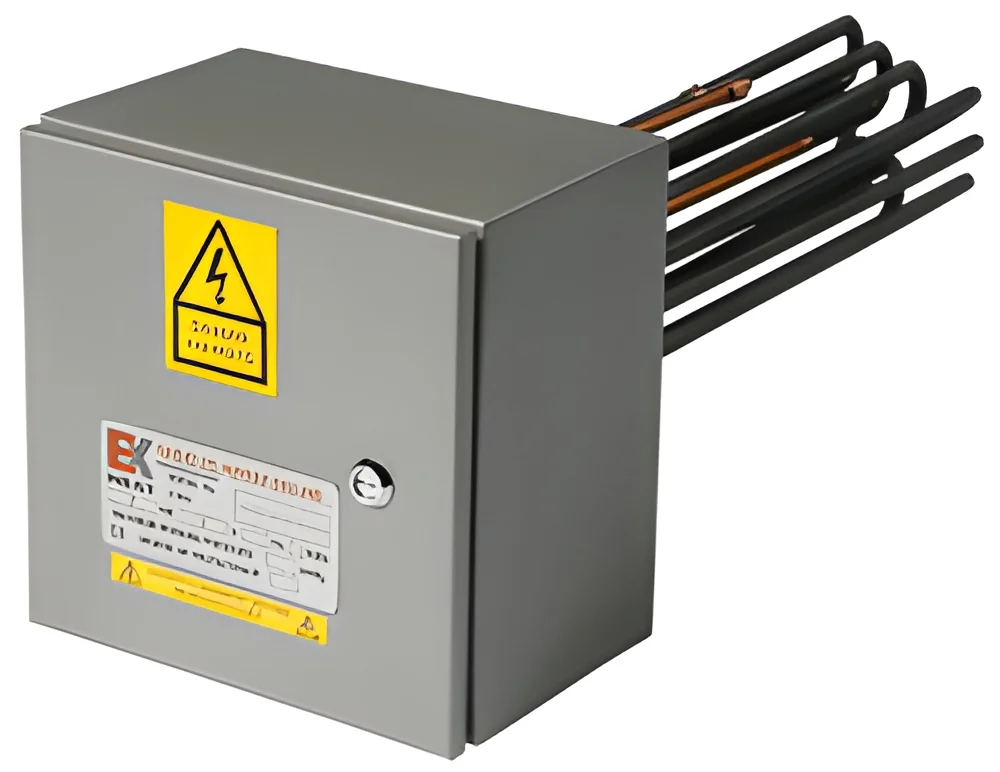
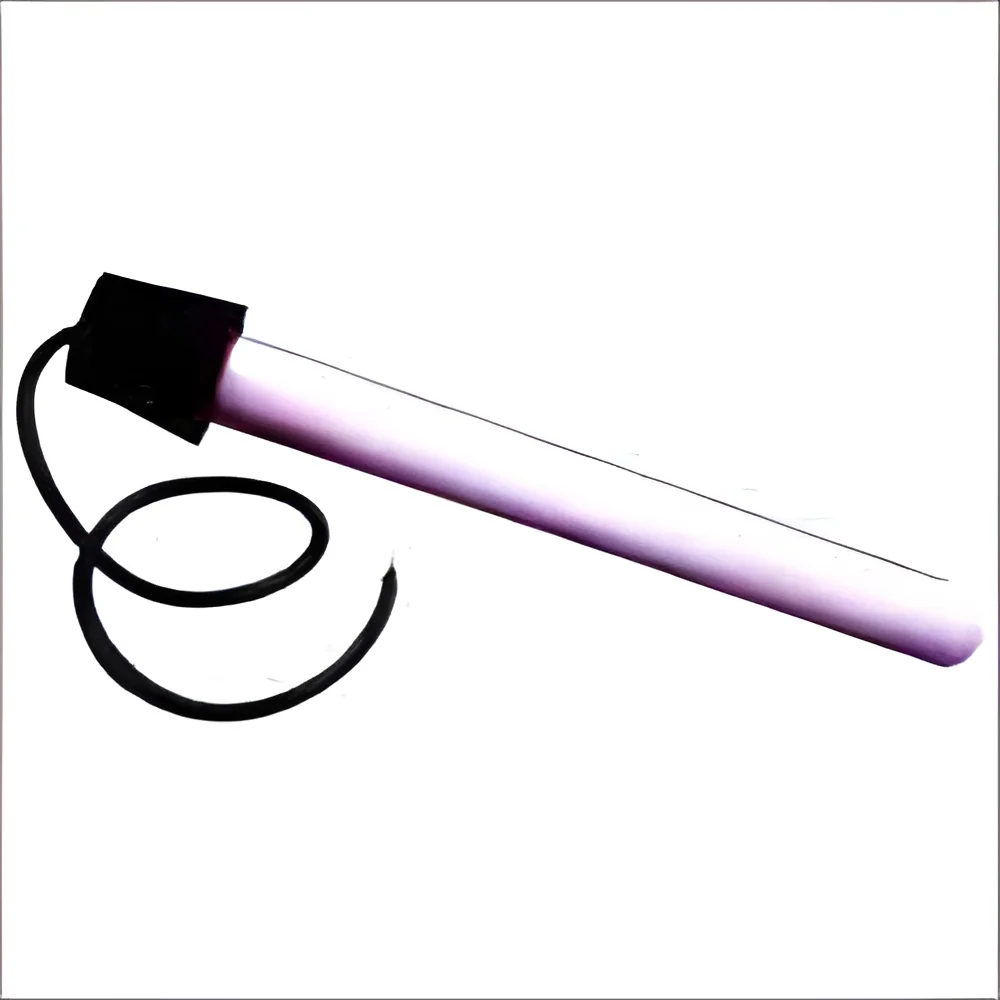
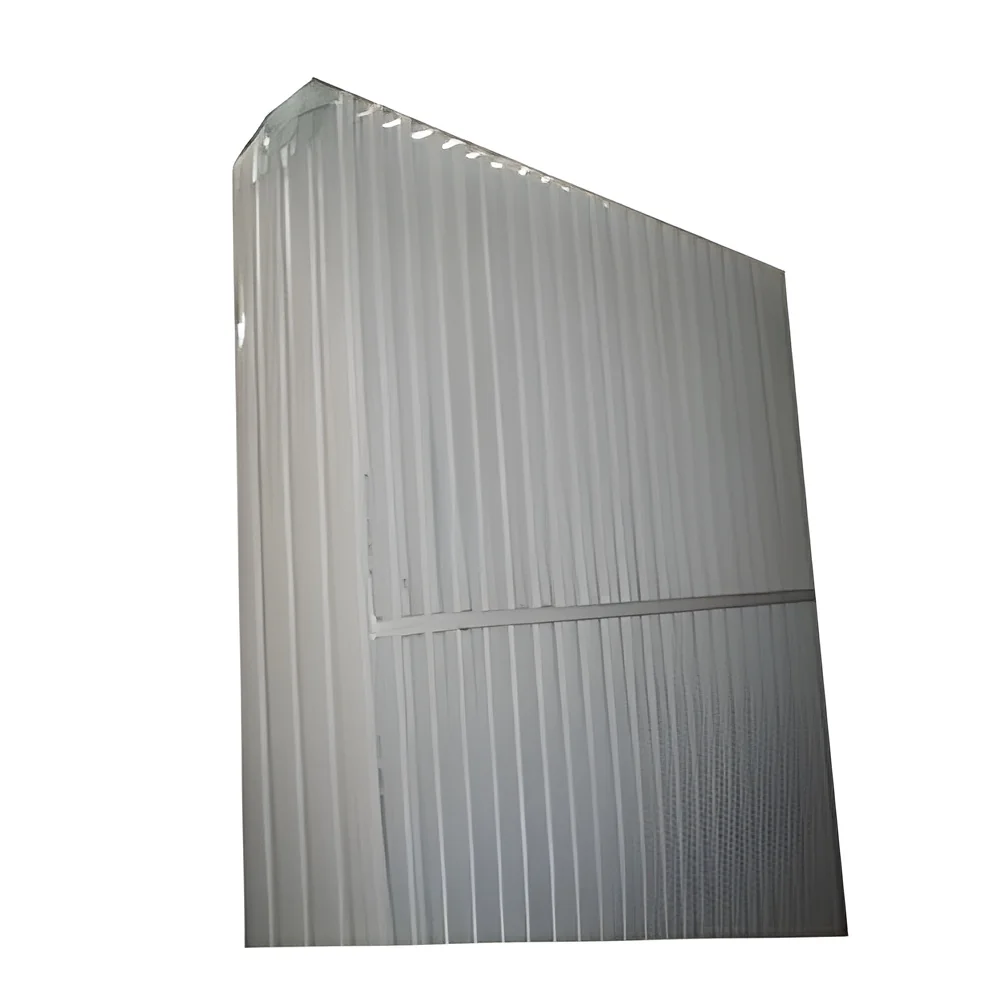
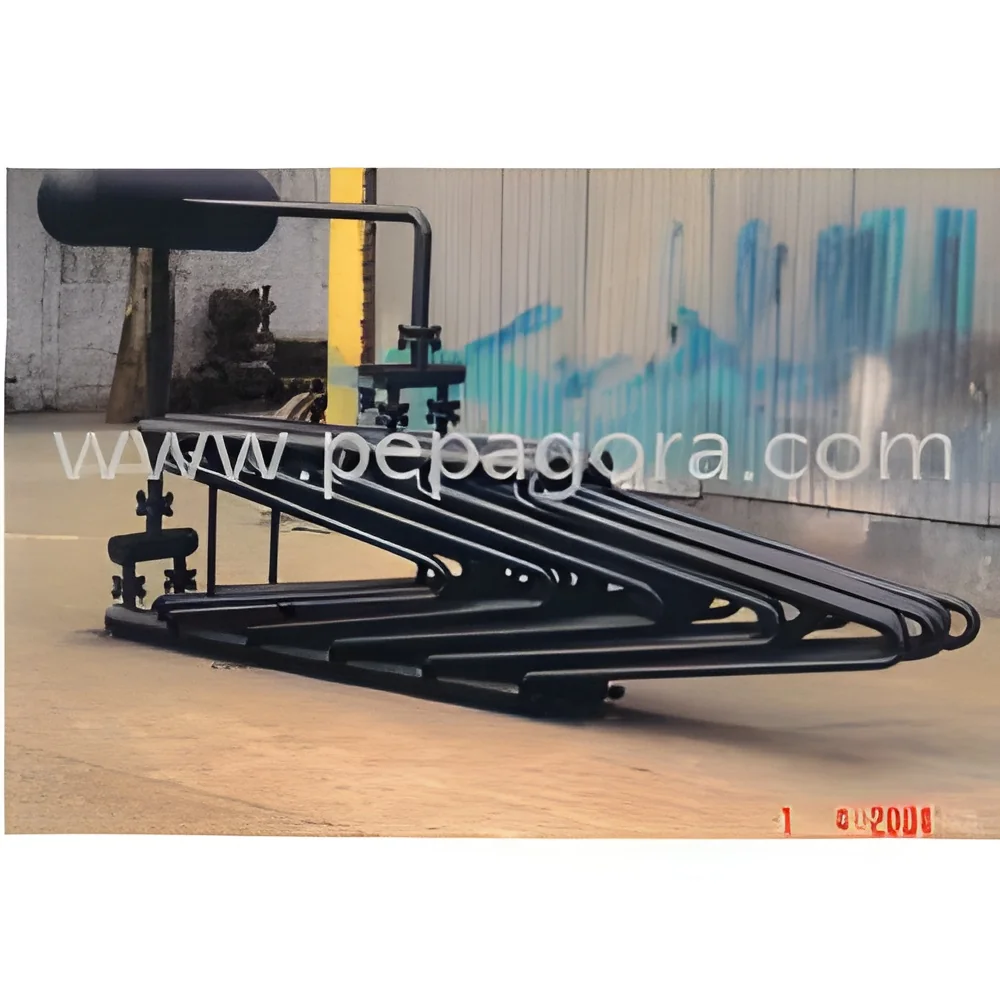
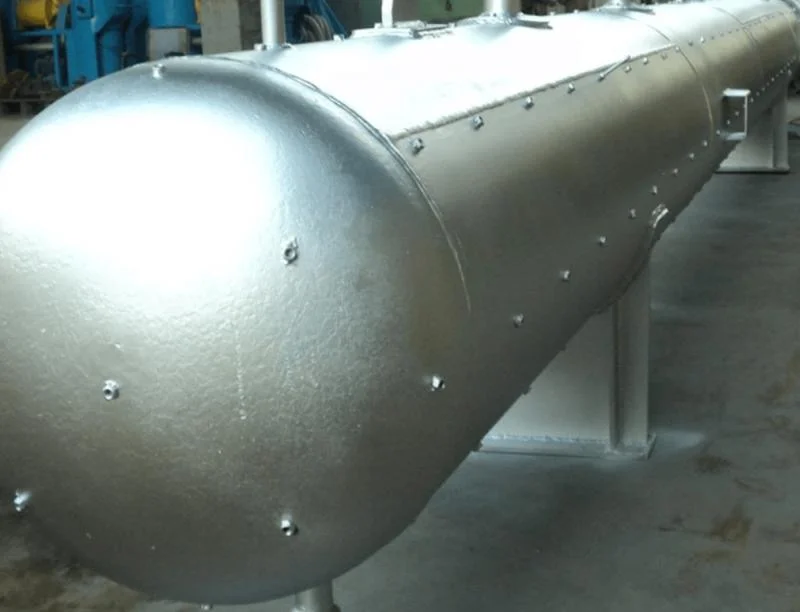
Custom fabricated heat exchanger units are specialized devices designed to transfer heat between two or more fluids. These units are tailored to meet specific operational needs and are built according to precise engineering specifications. The process involves fabricating components that connect and optimize heat transfer, ensuring efficiency and reliability in various applications.
These heat exchangers are commonly utilized in industries such as manufacturing, pharmaceuticals, and food processing, where temperature control is critical. Businesses depend on these units to maintain optimal operating conditions, enhancing productivity and ensuring product quality. The growing focus on energy efficiency and sustainability further emphasizes the importance of custom heat exchangers in today's industrial landscape.
Due to their adaptability, custom fabricated heat exchanger units are relevant across multiple sectors. They play a vital role in managing thermal processes, which is essential for maintaining operational efficiency and compliance with industry regulations.
Key Features and Specifications
Custom fabricated heat exchanger units come with a range of features that enhance their functionality and efficiency. Understanding these specifications is crucial for selecting the right unit for your needs.
Key specifications include:
1. Material Construction
- Typically made from stainless steel, copper, or aluminum
- Offers durability and corrosion resistance
2. Design Type
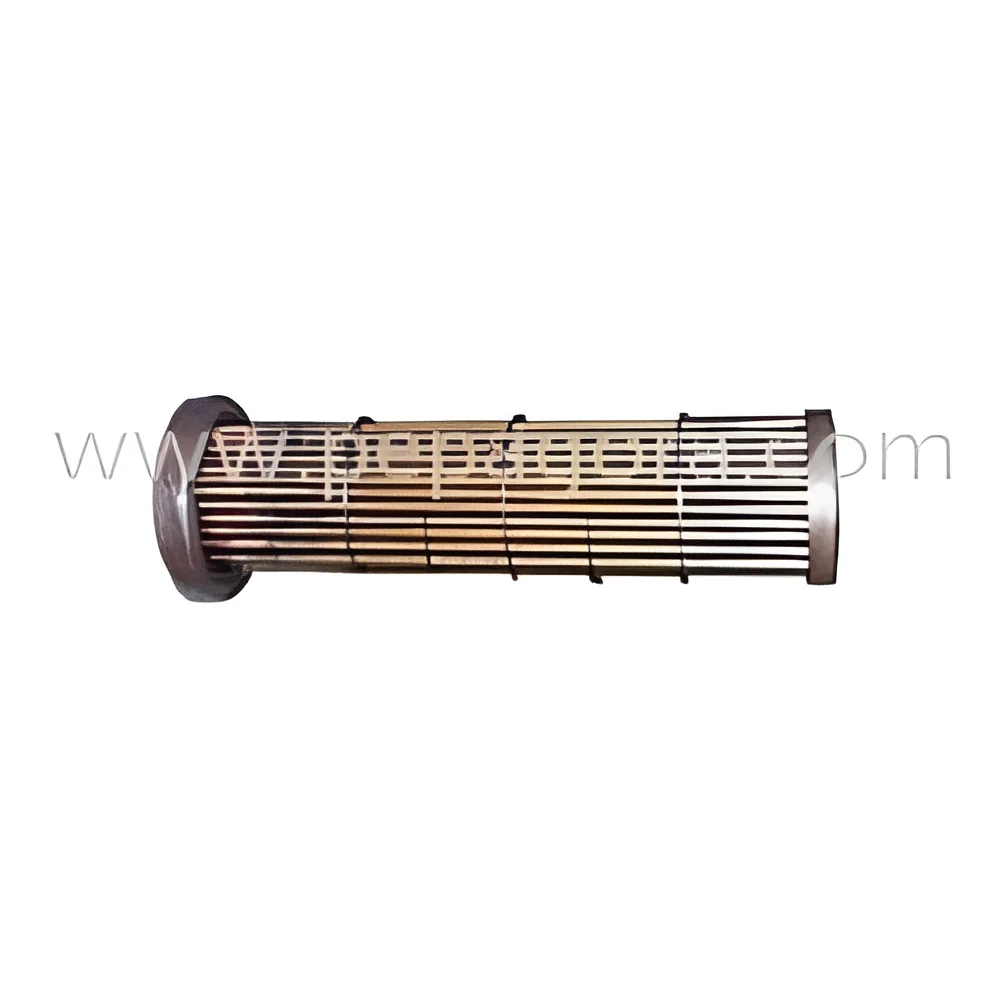
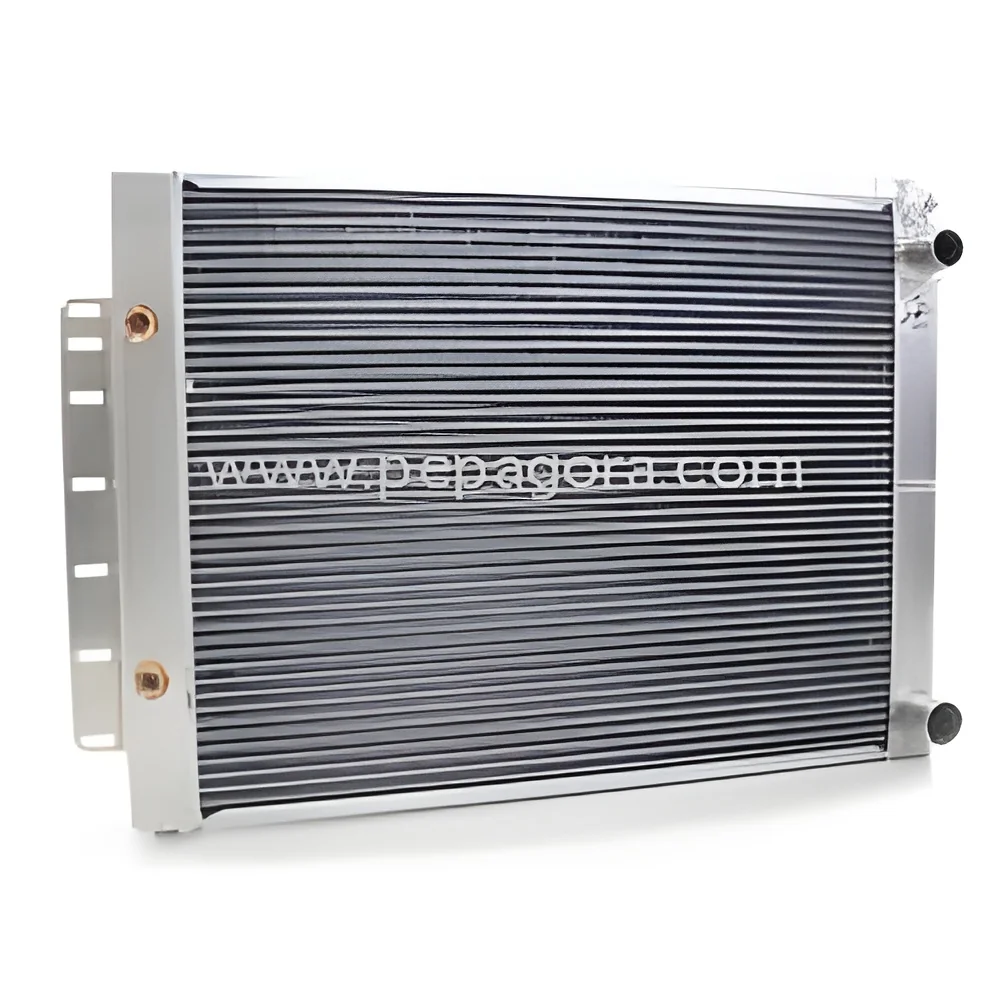
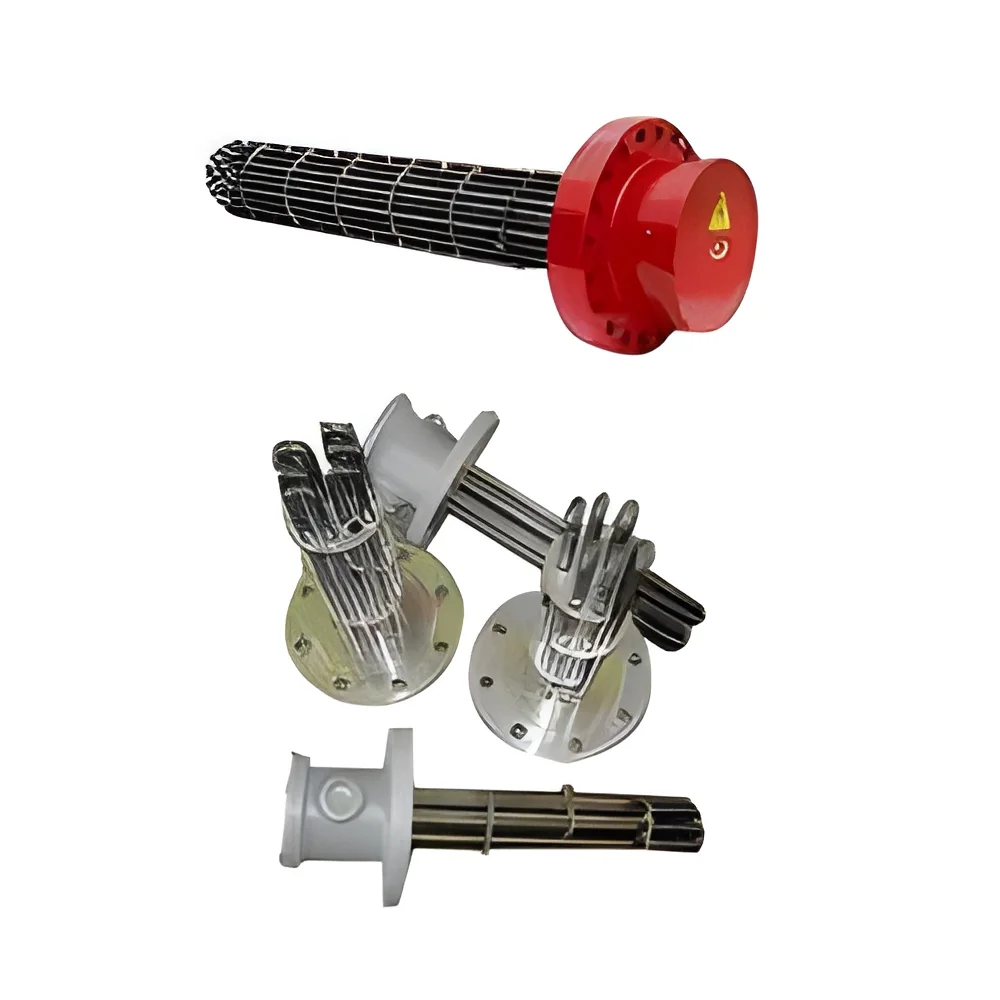
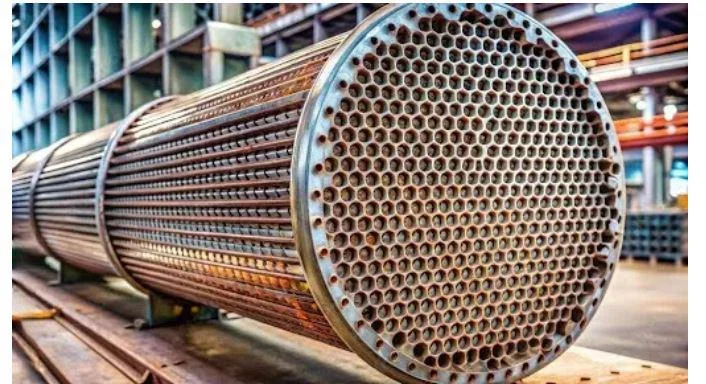
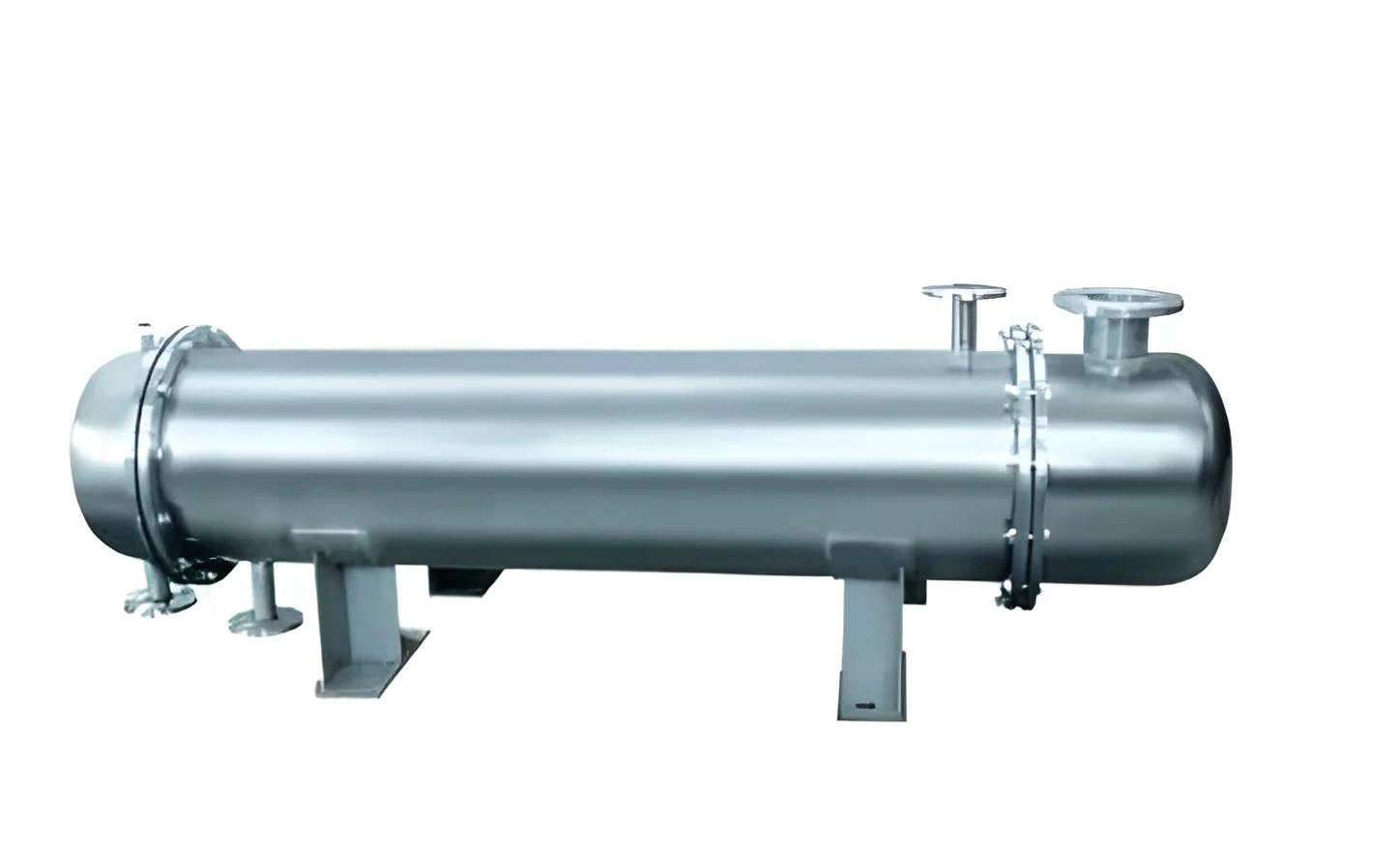
- Options include shell and tube, plate, and finned tube designs
- Each design serves specific heat transfer needs
3. Heat Transfer Area
- Customizable based on application requirements
- Influences efficiency and performance
4. Operating Pressure
- Units can be designed for high or low-pressure applications
- Ensures safety and reliability under operational conditions
5. Temperature Range
- Units can handle a variety of temperatures, specific ranges not available
- Critical for maintaining process control
6. Flow Configuration
- Options include counterflow, parallel flow, and crossflow designs
- Affects heat transfer efficiency and fluid dynamics
7. Connections and Fittings
- Customizable inlet and outlet sizes
- Ensures compatibility with existing systems
8. Compliance with Standards
- Units can be built to meet industry standards such as CE certification
- Important for regulatory compliance
Custom fabricated heat exchanger units are designed to deliver optimal performance tailored to user specifications, making them a valuable investment for industrial applications.
Common Applications and Use Cases
Custom fabricated heat exchanger units find applications in a variety of industries, showcasing their versatility and importance.
1. Chemical Processing: Used to cool or heat process fluids, ensuring reaction conditions are maintained for optimal output.
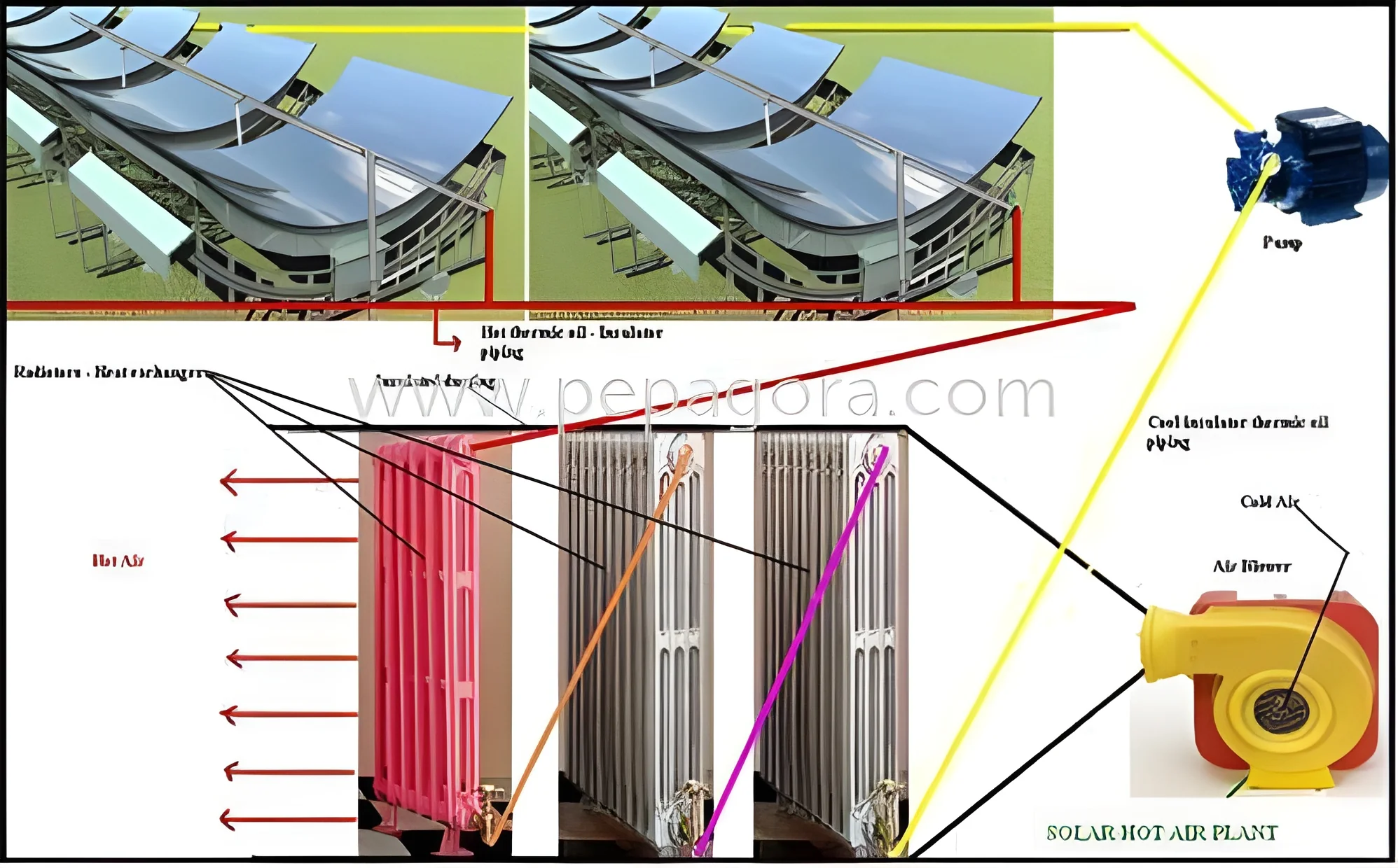
2. HVAC Systems: Employed to regulate temperature in commercial and residential buildings, enhancing energy efficiency.
3. Food and Beverage: Critical in pasteurization and cooling processes to maintain product quality and safety.
4. Oil and Gas: Utilized in refining processes where precise temperature control is essential for operational efficiency.
5. Power Generation: Employed in cooling systems to manage waste heat, improving overall system efficiency.
6. Pharmaceutical: Used in temperature-sensitive processes to ensure compliance with strict quality standards.
7. Marine Applications: Important for engine cooling and maintaining optimal operating temperatures in vessels.
Custom fabricated heat exchanger units are essential in these diverse applications, contributing to efficiency and safety across industries.
Product Variants and Subcategories
The diversity of custom fabricated heat exchanger units allows for tailored solutions to meet specific operational needs.
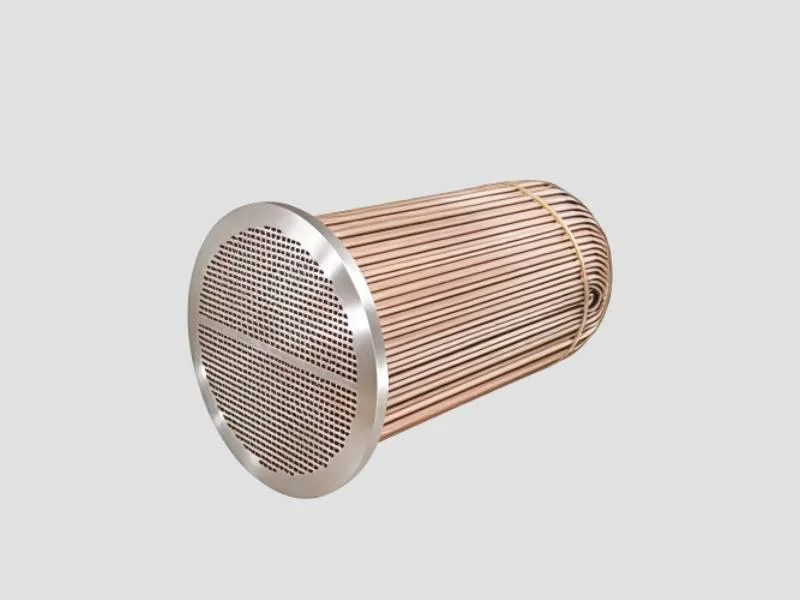
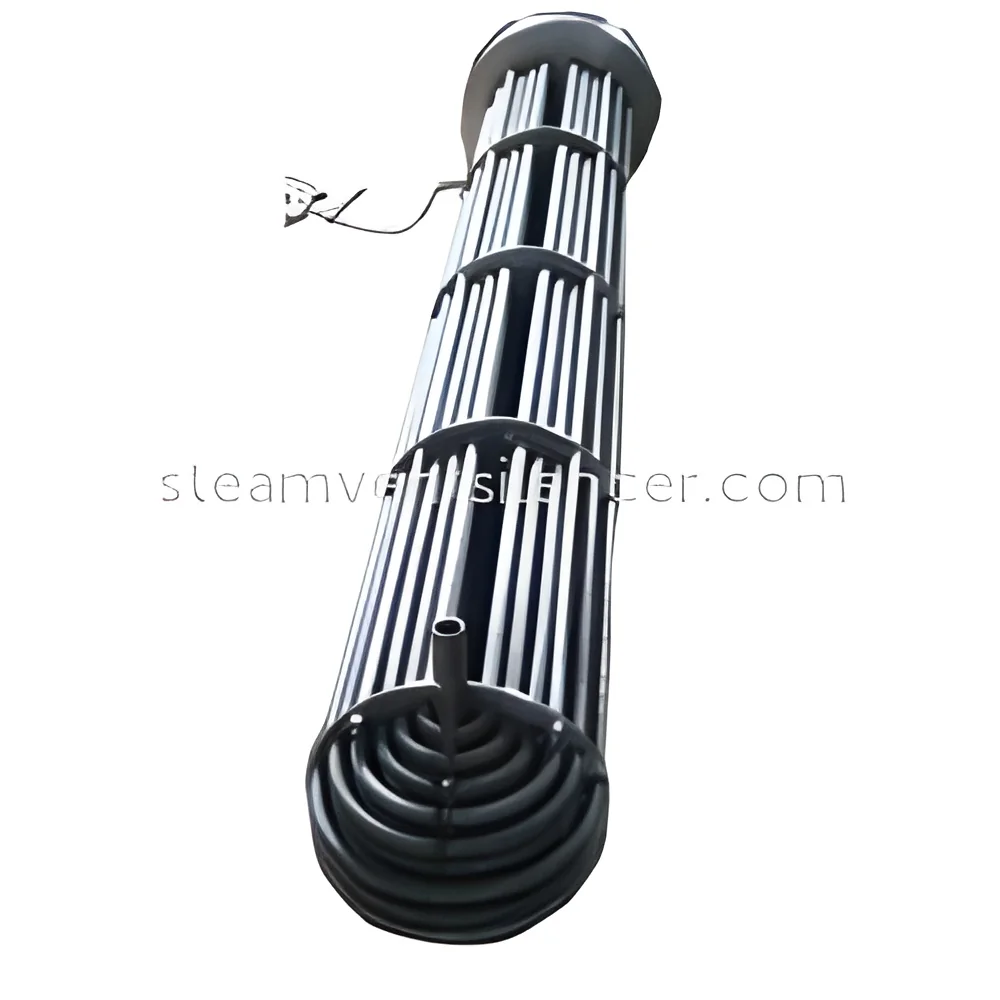
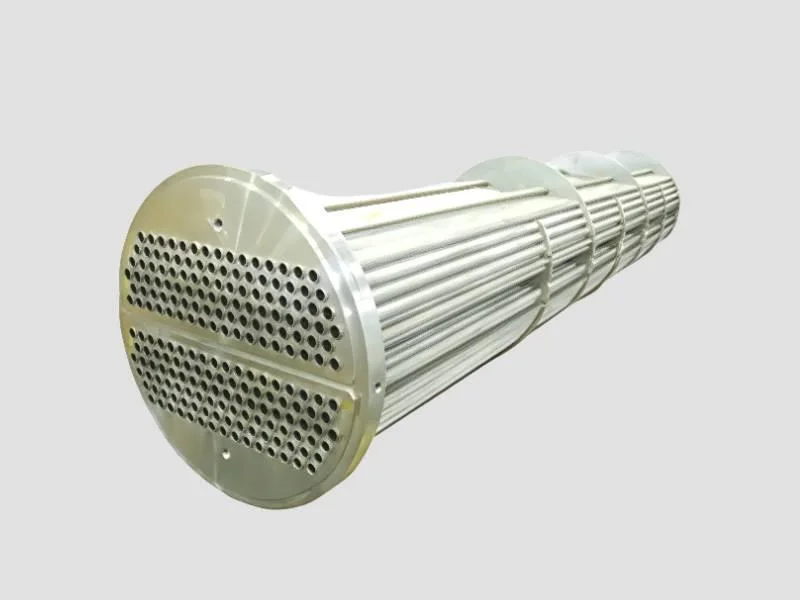
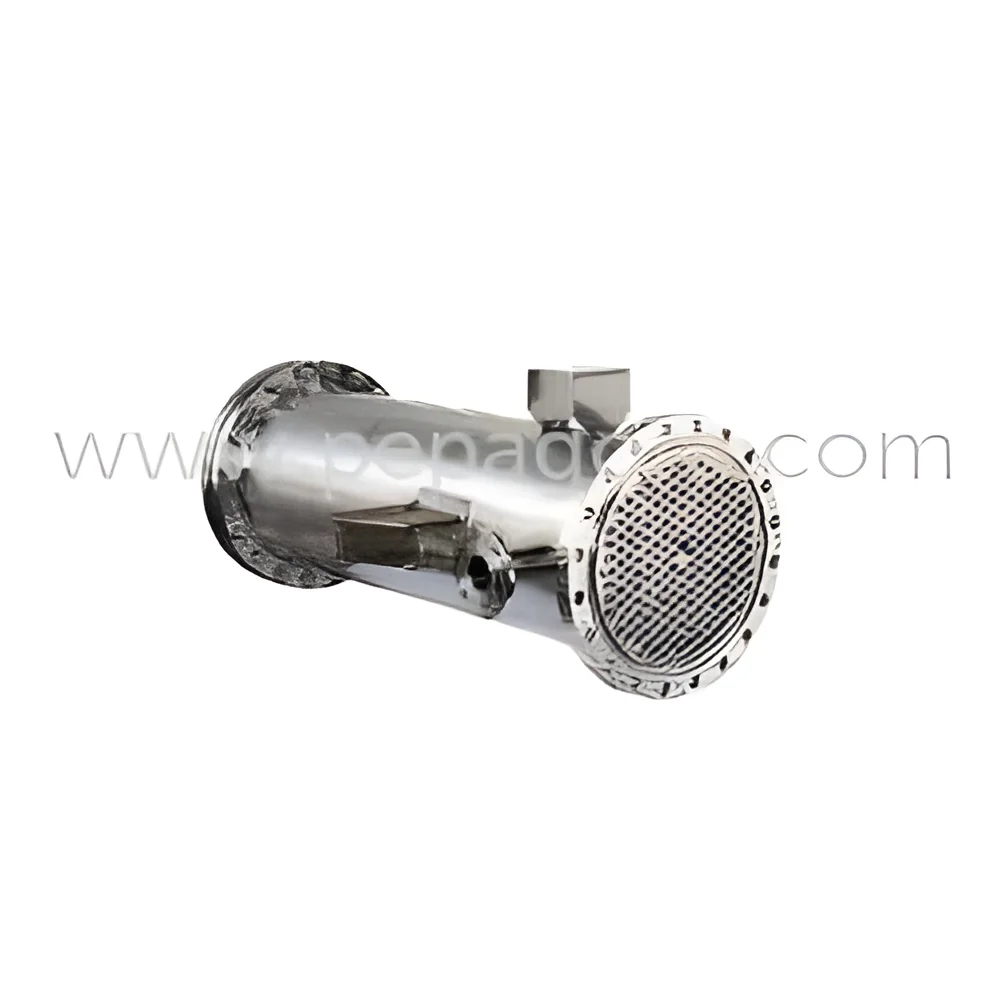
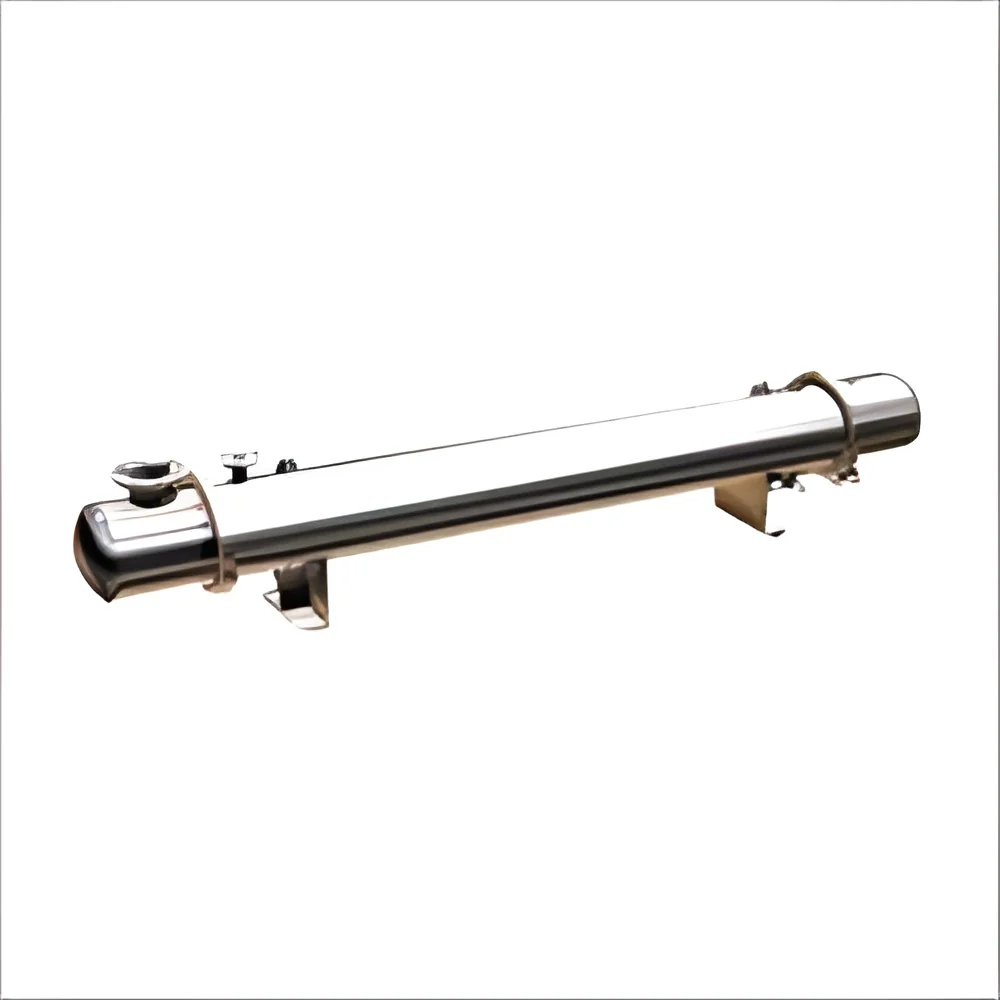
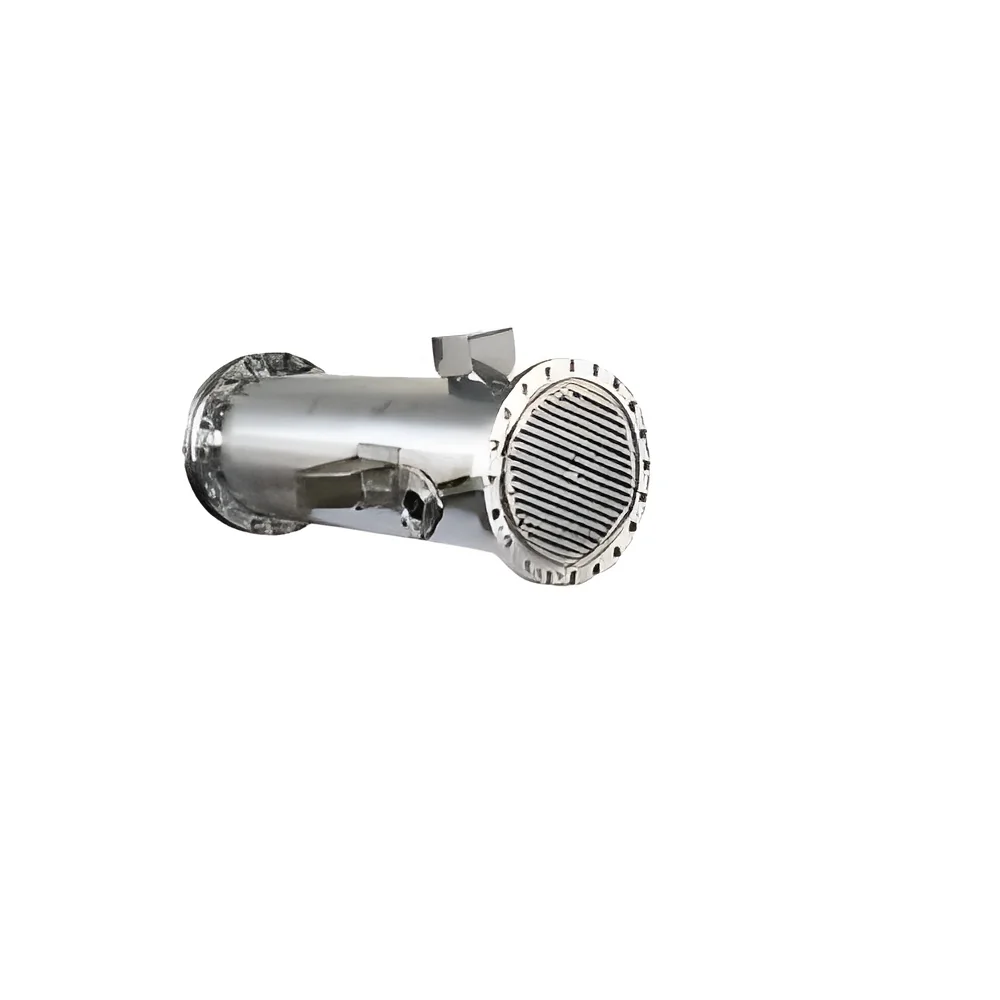
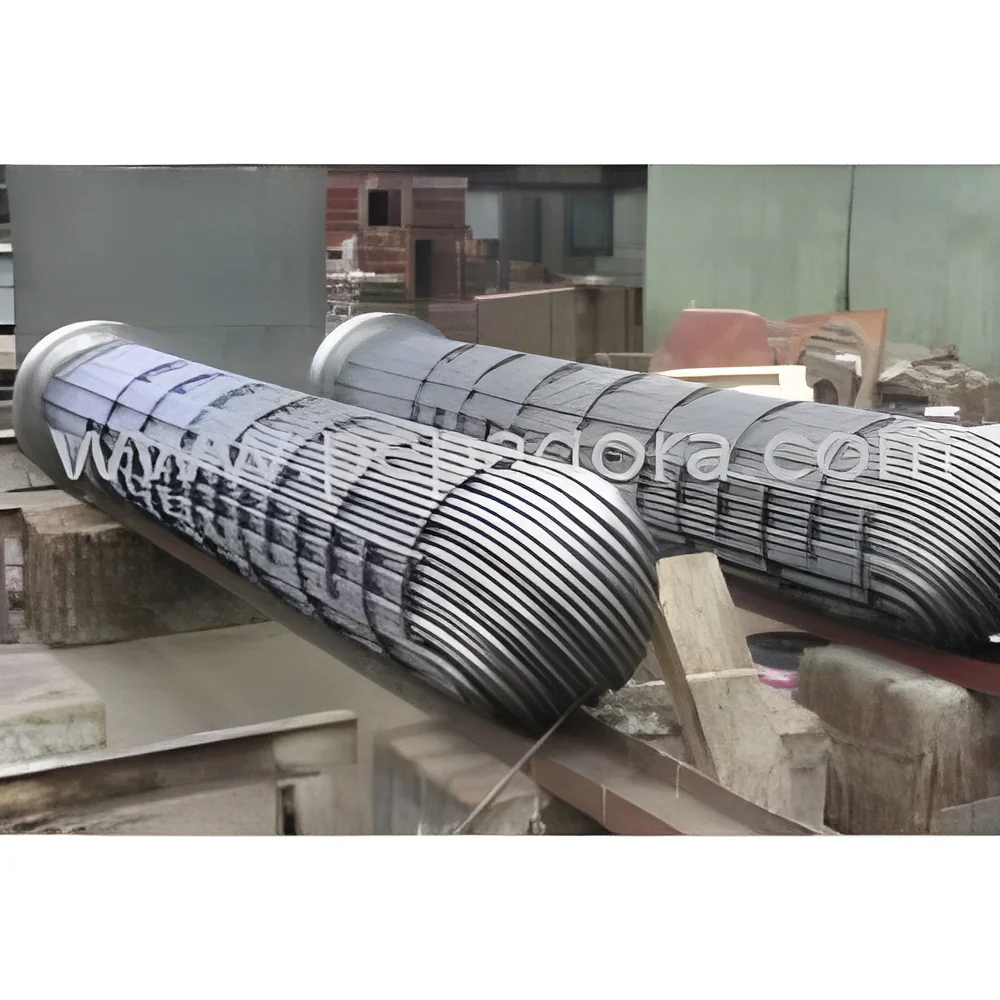
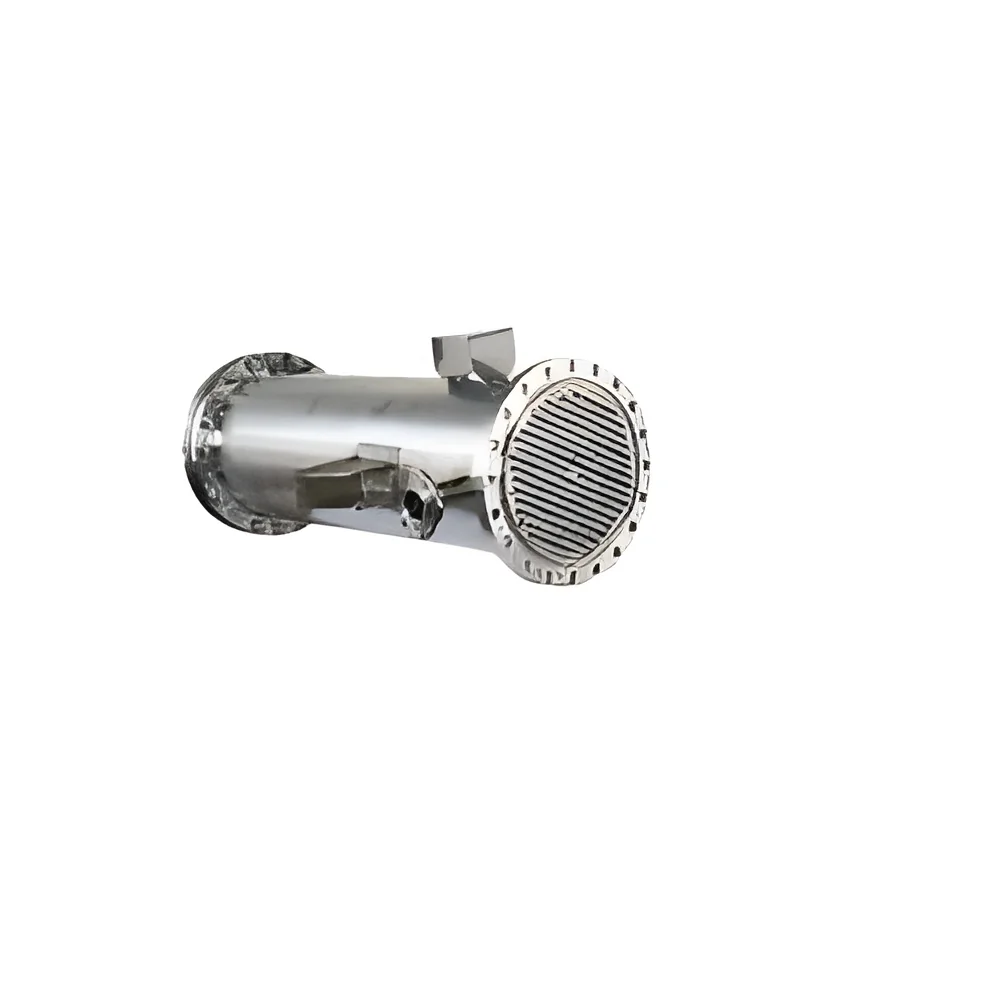
Shell and Tube Heat Exchangers
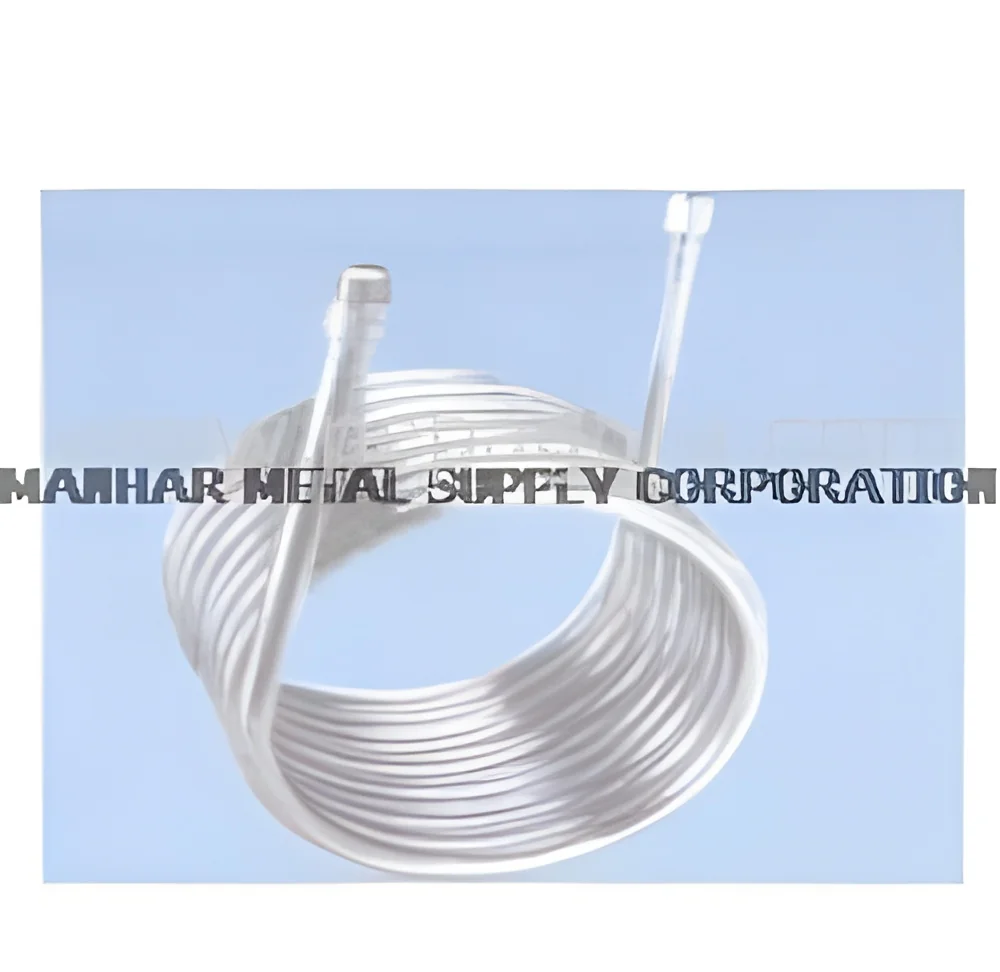
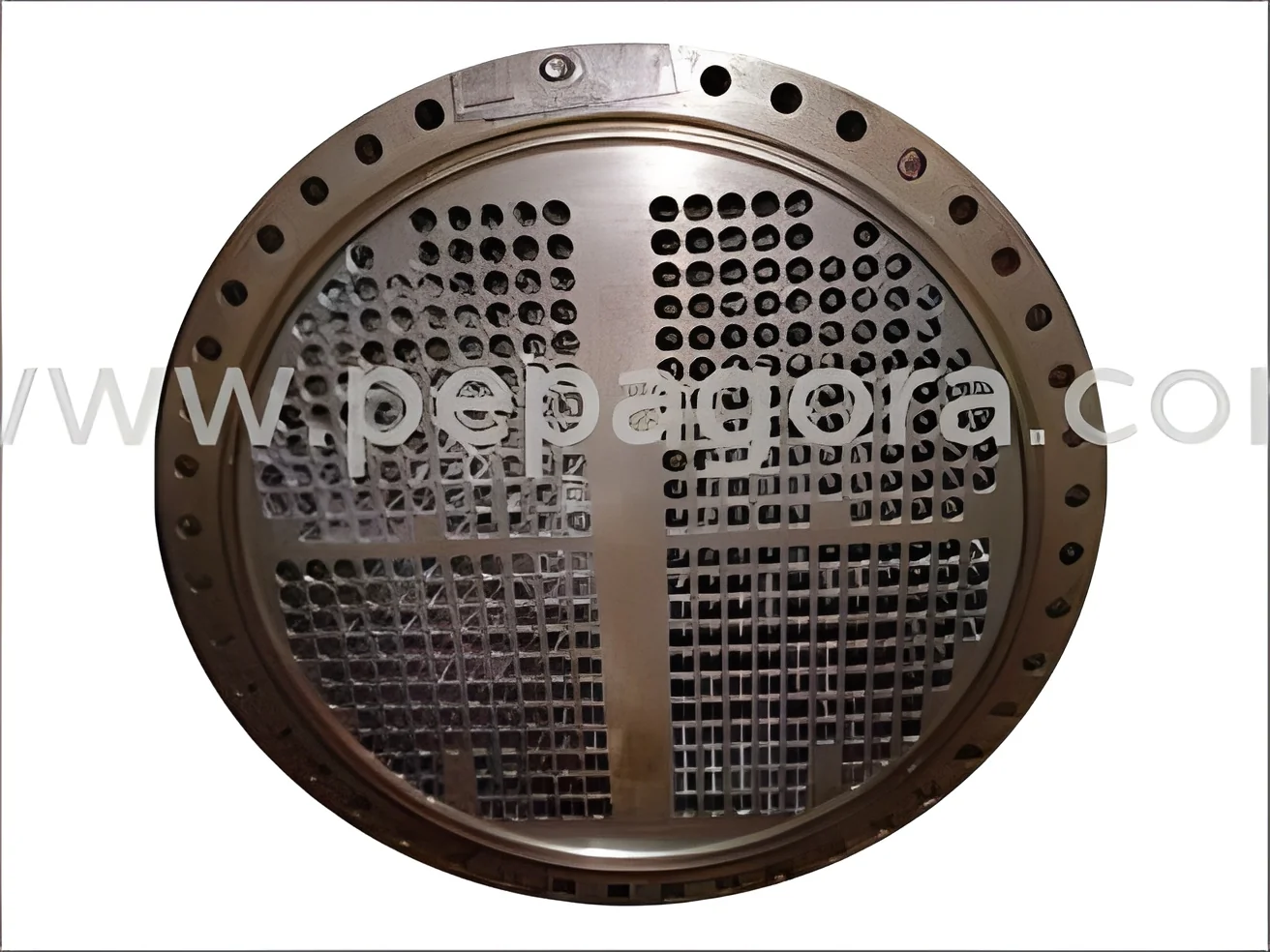
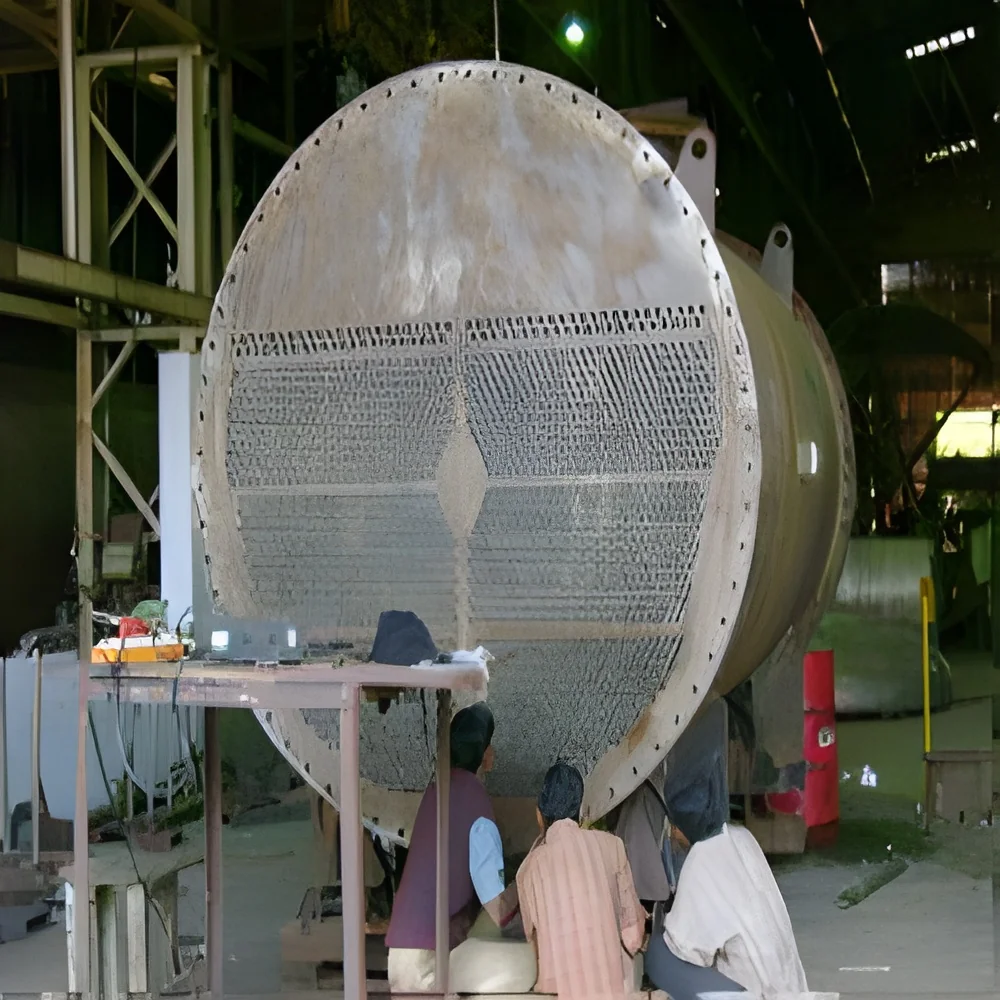
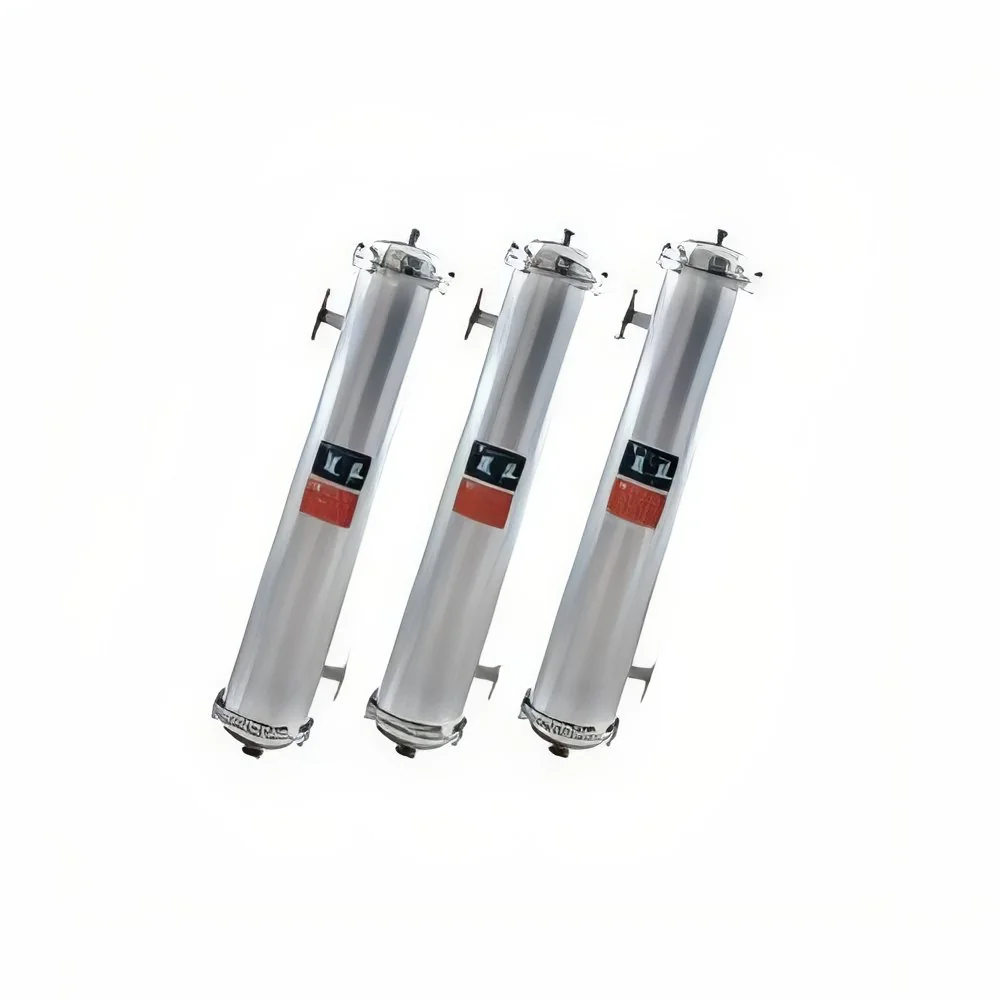
These units consist of a series of tubes, one set carrying hot fluid and the other carrying cold fluid. They are known for their high efficiency and are ideal for high-pressure applications.
Plate Heat Exchangers
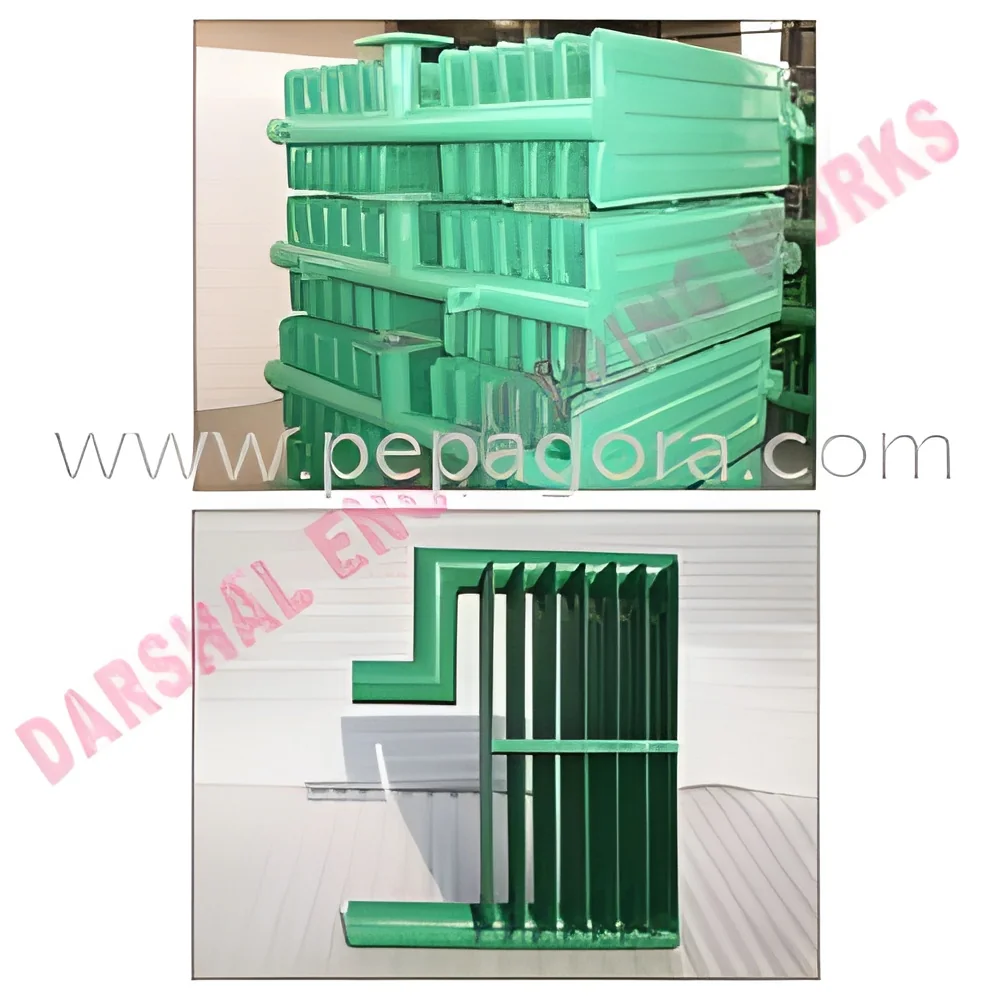
Featuring plates stacked together to create channels for fluid flow, these units provide compact designs and are highly efficient for low to moderate pressure applications.
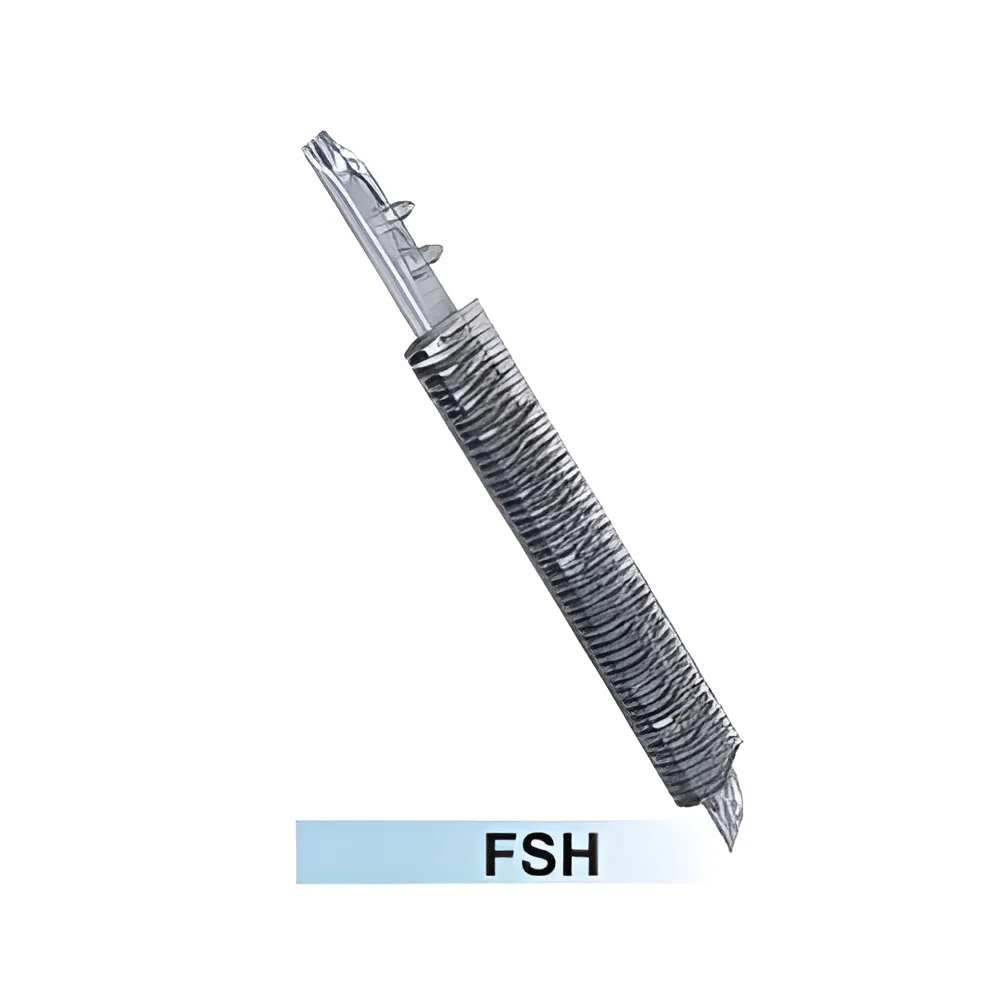
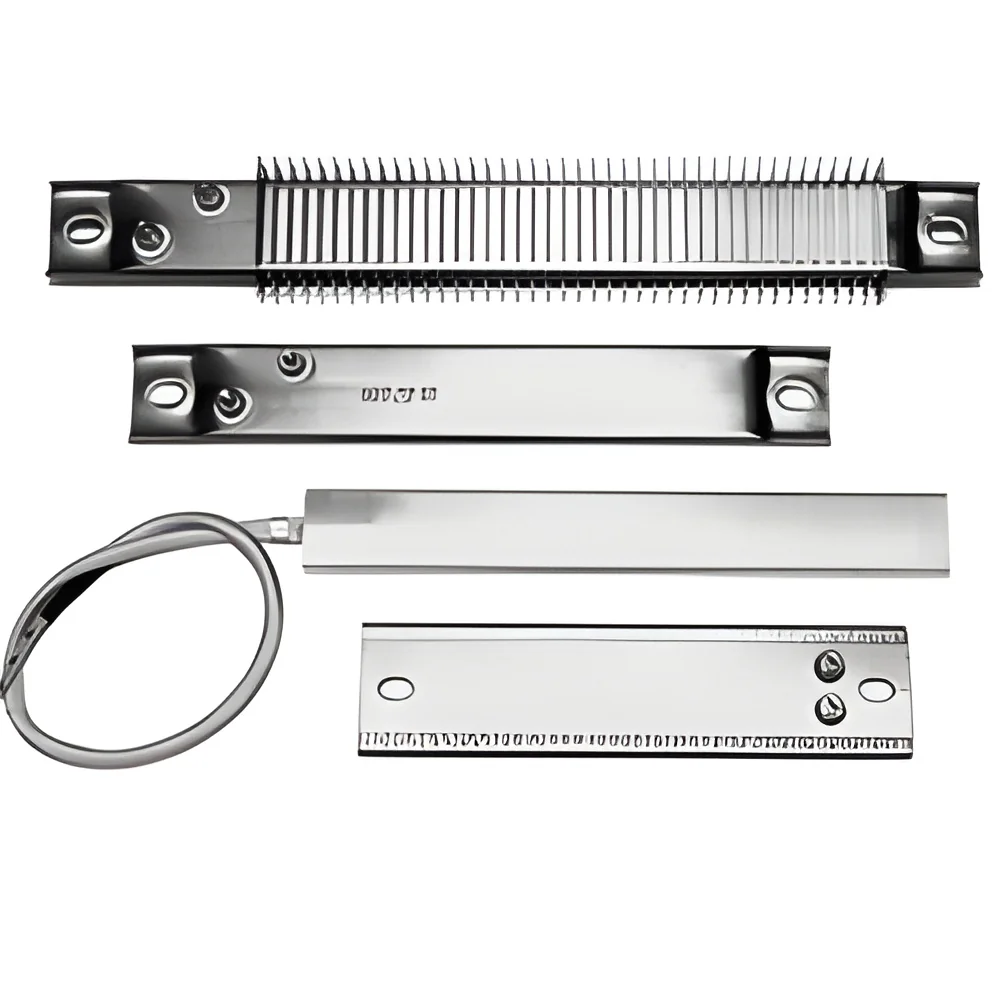
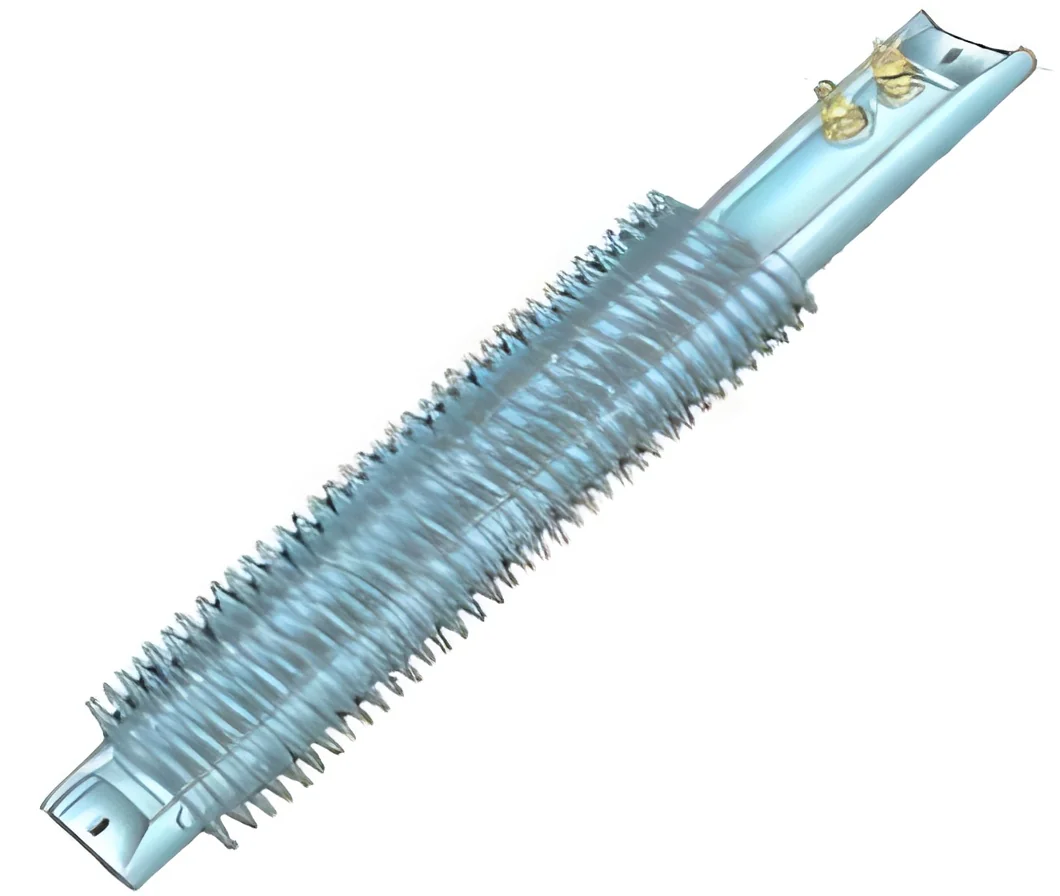
Finned Tube Heat Exchangers
Incorporating fins to increase surface area, these exchangers are ideal for air-cooled applications, often used in HVAC systems.
Each variant offers unique benefits, allowing businesses to select the most suitable option based on their specific requirements.
Benefits and Advantages
Custom fabricated heat exchanger units provide numerous advantages that enhance operational efficiency and reduce costs.
1. Tailored Solutions: These units are designed to meet specific application requirements, ensuring optimal performance.
2. Energy Efficiency: Custom designs can significantly reduce energy consumption, leading to lower operational costs.
3. Reliability: High-quality materials and construction ensure long-lasting performance, reducing downtime and maintenance costs.
4. Enhanced Performance: Customization allows for improved heat transfer efficiency, which enhances overall system productivity.
5. Compliance Assurance: Units can be designed to meet industry standards and regulatory requirements, ensuring safety and reliability.
6. Flexibility: Custom solutions can adapt to changing operational needs, allowing for scalability and future upgrades.
By investing in custom fabricated heat exchanger units, businesses can enjoy these benefits while optimizing their processes.
Buying Guide for B2B Buyers
When sourcing custom fabricated heat exchanger units, it is essential to consider several factors to ensure a successful purchase.
1. Quality Assessment: Evaluate the materials and manufacturing processes to ensure durability and performance. Look for certifications that validate quality standards.
2. Supplier Verification: Research potential suppliers to confirm their reliability and experience in fabricating heat exchangers. Request references and case studies.
3. Pricing and MOQ: Understand the pricing structure and minimum order quantities, which can vary significantly between suppliers. Ensure it aligns with your budget.
4. Delivery and Lead Times: Consider the expected delivery timelines and ensure they meet your project's schedule. Discuss logistics with suppliers to avoid delays.
5. Compliance Requirements: Verify that the units meet all necessary regulatory standards for your industry, including safety and environmental compliance.
Taking these factors into account can help ensure that you select the right custom fabricated heat exchanger units for your business needs.
Compliance and Certifications
Custom fabricated heat exchanger units must adhere to various quality standards and certifications to ensure safety and effectiveness. ISO 9001 is a common standard that emphasizes quality management systems, ensuring manufacturers consistently produce high-quality products.
Additionally, compliance with HACCP (Hazard Analysis Critical Control Point) standards is crucial in food and beverage applications, ensuring that products meet safety regulations. CE certification is also relevant, indicating that the product meets European safety standards.
Safety requirements often involve rigorous testing to ensure that the units can handle specified pressures and temperatures without failure. Regional compliance may vary, requiring manufacturers to be aware of local regulations in different markets.
Ensuring that custom fabricated heat exchanger units meet these compliance requirements is essential for maintaining operational integrity and regulatory adherence.
Why Source Custom Fabricated Heat Exchanger Units from Pepagora?
Pepagora provides a trusted platform for sourcing custom fabricated heat exchanger units, offering several key advantages for B2B buyers.
Verified Supplier Network: Pepagora partners with reputable suppliers who undergo thorough verification processes. This ensures that buyers work with trustworthy manufacturers that deliver quality products.
Streamlined RFQ Process: The request for quotation (RFQ) process is designed to be efficient, allowing buyers to compare offerings easily and receive competitive pricing. This simplifies the decision-making process.
Trade Assurance and Support: Buyers benefit from trade assurance programs that protect their purchases. Pepagora offers support throughout the buying process, ensuring that any issues are addressed promptly.
Regional Coverage: With a geographic reach that includes India, the GCC, and Southeast Asia, Pepagora connects buyers with suppliers across multiple regions, enhancing accessibility to quality custom fabricated heat exchanger units.
By choosing Pepagora, businesses can confidently source the heat exchangers they need while benefiting from a reliable and comprehensive support system.

 IN
IN