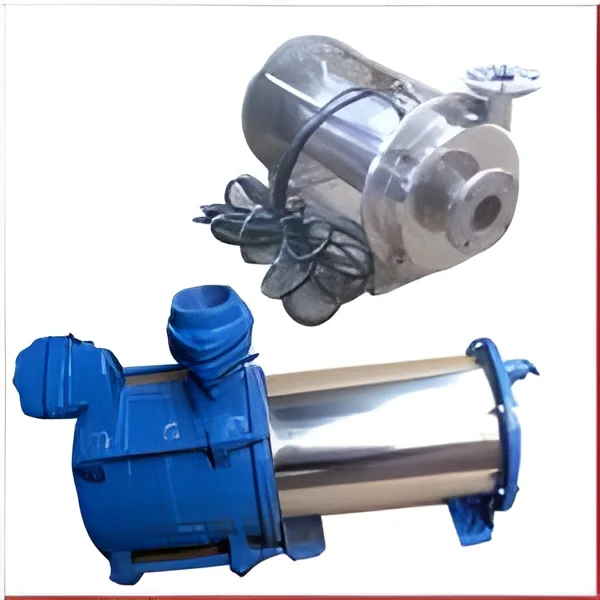
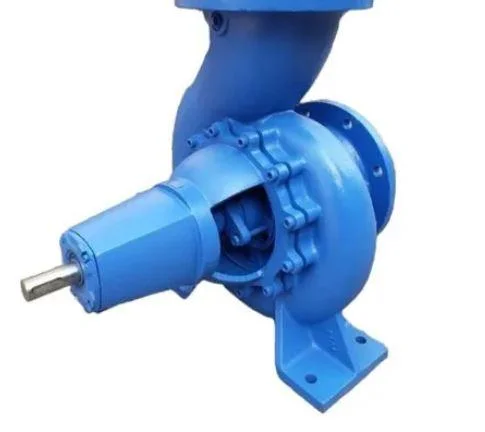
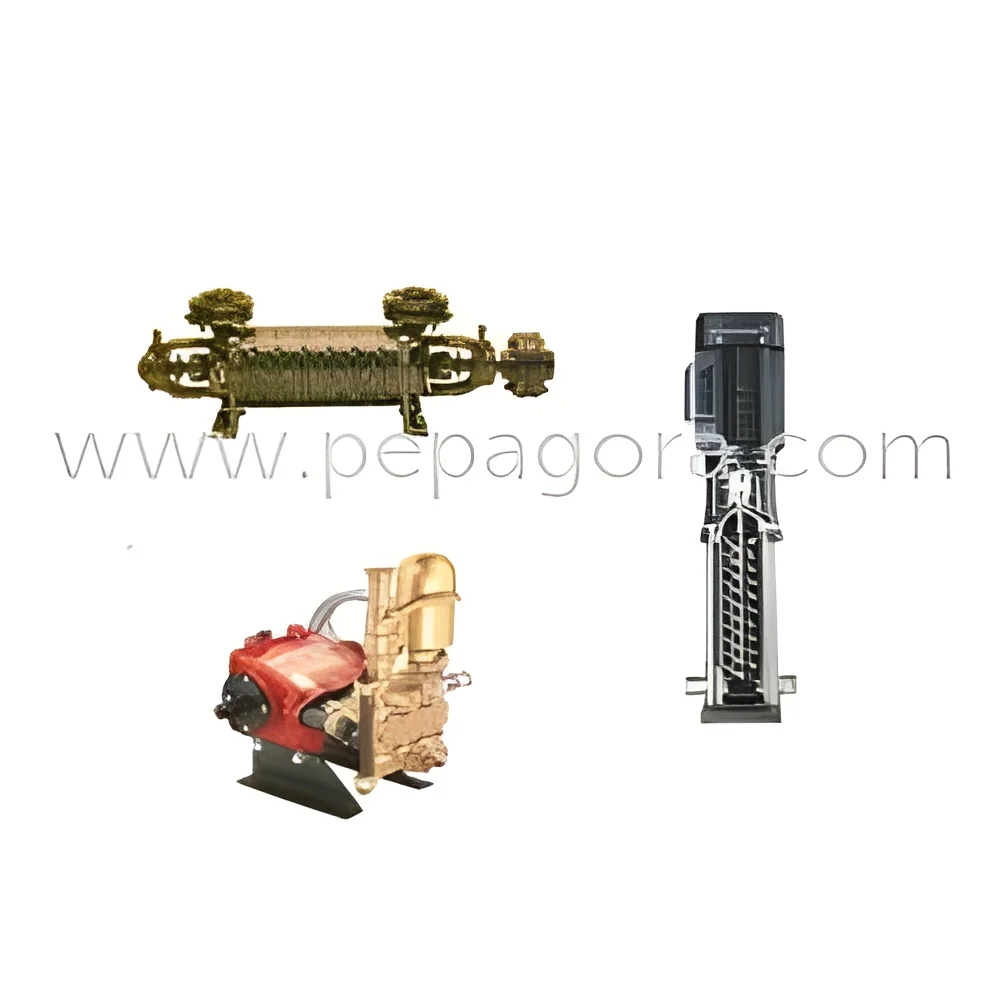
What are Boiler Feed Water Pumps?
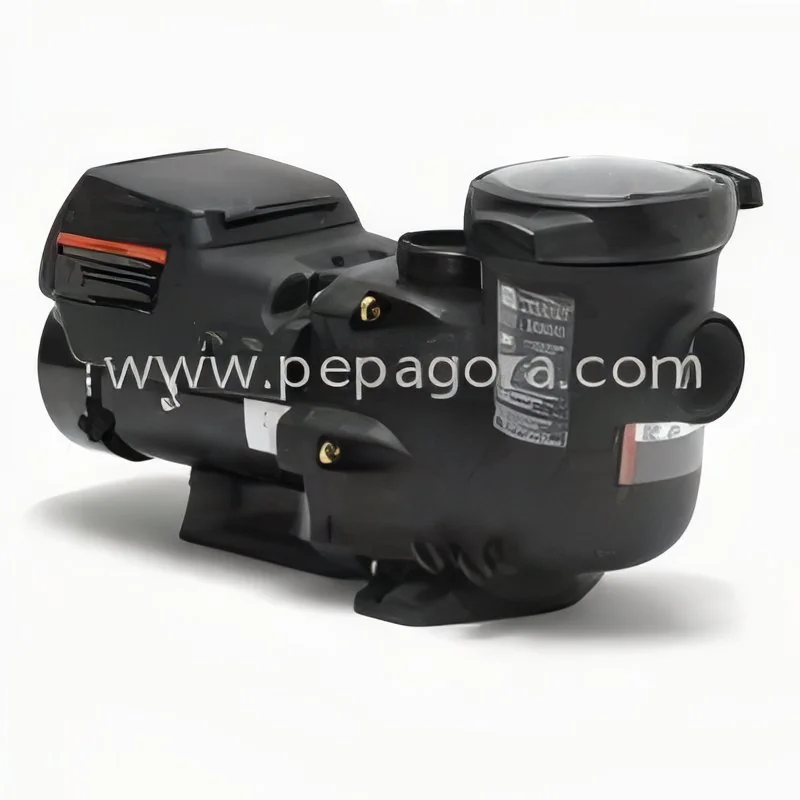
Boiler feed water pumps are specialized pumps designed to supply water to boilers for steam generation. Their primary function is to transport water from a source, such as a tank or water treatment facility, to the boiler under high pressure. This ensures that the boiler operates efficiently and safely, maintaining optimal water levels for steam production.
These pumps are essential in various industrial applications, including power generation, manufacturing, and chemical processing. They play a critical role in maintaining the efficiency of boiler systems, which are pivotal in producing steam for heating and process needs. As such, the reliability and performance of boiler feed water pumps significantly impact operational costs and energy efficiency in industries that rely on steam generation.
In the current market context, the demand for efficient and durable boiler feed water pumps is growing. Industries are increasingly focusing on improving energy efficiency and reducing operational downtime, making these pumps vital components in modern industrial setups.
Key Features and Specifications
Boiler feed water pumps offer a range of features designed to optimize performance and reliability in demanding environments. Understanding these specifications is crucial for selecting the right pump for your application.
Key specifications include:
1. Pump Type
- Centrifugal or positive displacement pumps
- Different designs suitable for varied operational needs
2. Flow Rate
- Ranges from low to high capacity depending on system requirements
- Typical flow rates can vary significantly between models
3. Pressure Rating
- Pumps designed to handle various pressure levels
- Commonly rated between 50 to 300 psi or higher
4. Material Construction
- Available in stainless steel, cast iron, or other materials
- Selection based on corrosion resistance and durability needs
5. Drive Type
- Electric or mechanical drive options
- Considerations for energy efficiency and maintenance
6. Temperature Range
- Suitable for high-temperature applications
- Specific temperature ratings vary by model
7. Efficiency Rating
- Energy-efficient designs to minimize operational costs
- Compliance with industry standards for energy use
8. Certification
- CE certification indicating compliance with European safety standards
- Assurance of quality and reliability in manufacturing
In summary, understanding the key features and specifications of boiler feed water pumps helps organizations choose the right equipment to meet their operational demands.
Common Applications and Use Cases
Boiler feed water pumps are utilized across various industries, each with specific applications that highlight their versatility.
1. Power Generation: In thermal power plants, these pumps are crucial for supplying water to boilers that generate steam for electricity production.
2. Chemical Processing: Boiler feed water pumps provide consistent water supply for processes that require steam in chemical manufacturing and refining.
3. Food and Beverage: In food processing, these pumps ensure reliable steam generation for cooking, sterilization, and cleaning operations.
4. Pharmaceuticals: They support steam applications essential for sterilization and equipment cleaning in pharmaceutical manufacturing.
5. HVAC Systems: In commercial buildings, boiler feed water pumps are used within heating systems to maintain efficient temperature control.
6. Textile Industry: These pumps facilitate steam generation for dyeing and finishing processes in textile manufacturing.
7. Pulp and Paper: Boiler feed pumps provide the necessary steam for processing and drying paper products.
Product Variants and Subcategories
Boiler feed water pumps come in various configurations to meet diverse industrial needs.
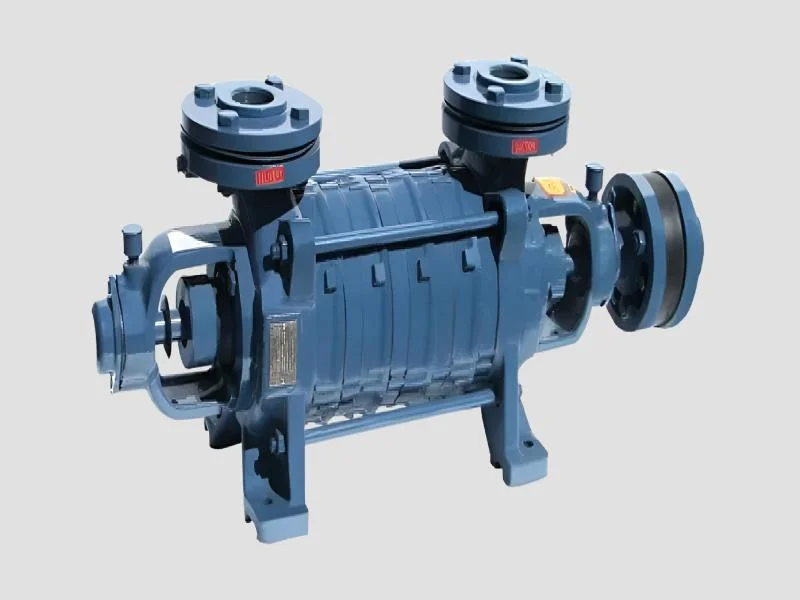
Centrifugal Pumps
These pumps are widely used for their efficiency and ability to handle varying flow rates. They are suitable for large-scale applications in power generation and heavy manufacturing.
Positive Displacement Pumps
These pumps are designed for precise flow control and are ideal for applications requiring high pressure. They are commonly used in chemical processing and other industries where accuracy is critical.
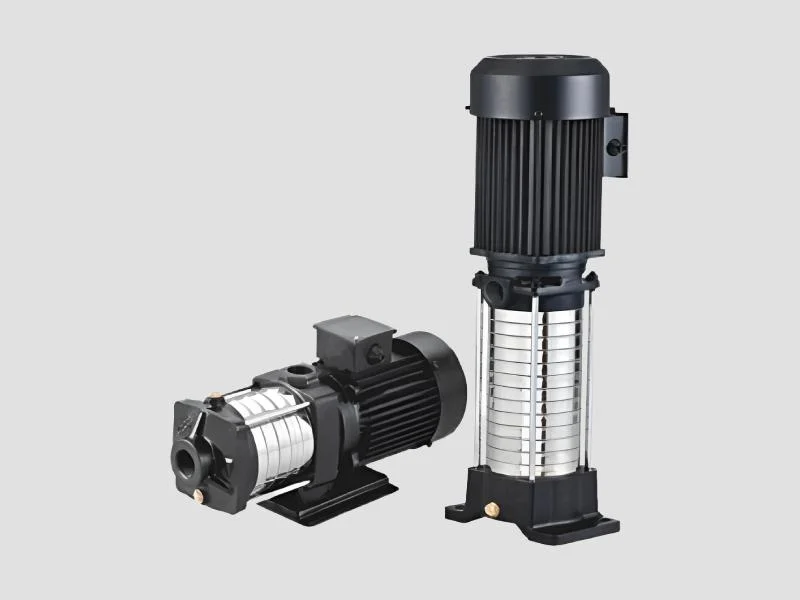
Vertical Pumps
Ideal for installations with limited space, vertical pumps offer a compact design while maintaining high efficiency. They are commonly employed in industries where floor space is a premium.
Submersible Pumps
These pumps are designed to operate underwater, making them suitable for specific applications such as wastewater treatment or scenarios where the water source is below ground level.
Benefits and Advantages
Choosing the right boiler feed water pump can provide numerous advantages to businesses.
1. Increased Efficiency: These pumps are designed to optimize water flow, ensuring that boiler systems operate at peak efficiency, reducing energy consumption.
2. Enhanced Reliability: High-quality construction materials and designs contribute to the longevity and reliability of the pumps in demanding environments.
3. Lower Operational Costs: Efficient pumps can significantly reduce energy and maintenance costs, leading to better overall financial performance.
4. Safety Compliance: Many pumps come with certifications that ensure they meet industry safety standards, reducing risk in operational environments.
5. Customization Options: Depending on the supplier, many pumps can be customized to meet specific application needs, enhancing their effectiveness.
6. Quick Installation: Many modern pumps are designed for easy installation and integration into existing systems, minimizing downtime during upgrades or replacements.
Buying Guide for B2B Buyers
When sourcing boiler feed water pumps, it is crucial to consider several factors to ensure you select the right product for your needs.
1. Quality Assessment: Evaluate the quality of the pump based on materials, construction, and performance ratings. Look for certifications that indicate adherence to industry standards.
2. Supplier Verification: Vet potential suppliers by reviewing their reputation, experience, and customer feedback. A reliable supplier can provide support and ensure product availability.
3. Pricing and MOQ: Understand the pricing structure and minimum order quantities required by suppliers. This helps in budgeting and planning for long-term needs.
4. Delivery and Lead Times: Consider the logistics involved in acquiring the pumps. Ensure that suppliers can meet your delivery timelines to avoid operational disruptions.
5. Compliance Requirements: Familiarize yourself with regulatory needs relevant to your industry. Ensure that the products you source meet these requirements for safety and quality.
Compliance and Certifications
Boiler feed water pumps must adhere to various quality standards and certifications to ensure safety and performance.
ISO 9001 is a widely recognized quality management standard that ensures consistent product quality and customer satisfaction. Manufacturers that comply with this standard demonstrate a commitment to continuous improvement.
CE certification is crucial for products sold in the European market. It indicates that the pump meets European health, safety, and environmental protection requirements, providing assurance of quality.
Safety and testing requirements often include rigorous evaluations to ensure that pumps operate safely under specified conditions. These tests assess performance, reliability, and durability.
Regional compliance considerations may vary, so it is essential to understand local regulations that could impact the selection and use of boiler feed water pumps.
Why Source Boiler Feed Water Pumps from Pepagora?
Pepagora offers a trusted platform for sourcing boiler feed water pumps, providing several key advantages for B2B buyers.
Verified Supplier Network: Pepagora connects buyers with a network of verified suppliers, ensuring that you can source high-quality products from reputable manufacturers.
Streamlined RFQ Process: The request for quotation process is designed to be user-friendly, allowing buyers to quickly obtain competitive pricing and terms from multiple suppliers.
Trade Assurance and Support: Pepagora provides trade assurance to protect buyers, along with dedicated support to resolve any issues that may arise during the purchasing process.
Regional Coverage: With a strong presence in India, the GCC, and Southeast Asia, Pepagora is well-positioned to meet the diverse needs of businesses in these regions, ensuring timely access to essential products.

 IN
IN