Key Features and Specifications
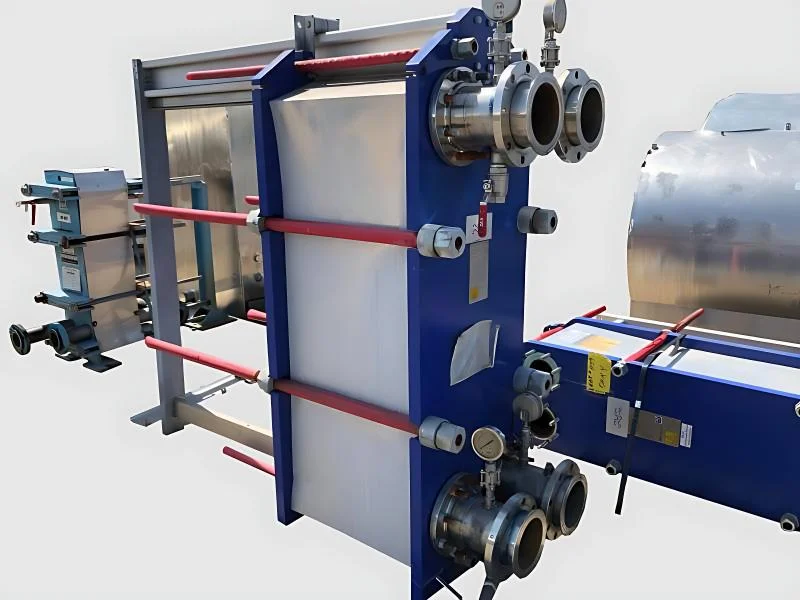
Plate Heat Exchangers are characterized by several key features that enhance their performance and usability. Understanding these specifications is essential for selecting the right model for specific applications.
Key specifications include:
1. Heat Transfer Area
- The total surface area available for heat exchange
- Typically ranges from a few square meters to several hundred square meters, depending on the design
2. Pressure Rating
- Indicates the maximum operating pressure for safe operation
- Commonly rated between 10 bar to 25 bar, but may vary based on design
3. Temperature Range
- The range of fluid temperatures the PHE can handle
- Standard ranges are usually between -40 degrees Celsius to 200 degrees Celsius
4. Material Construction
- Common materials include stainless steel and titanium, chosen for their corrosion resistance
- Material selection affects durability and compatibility with various fluids
5. Plate Thickness
- The thickness of the plates affects heat transfer efficiency and pressure drop
- Typically, plates range from 0.5 mm to 1.5 mm in thickness
6. Gasket Material
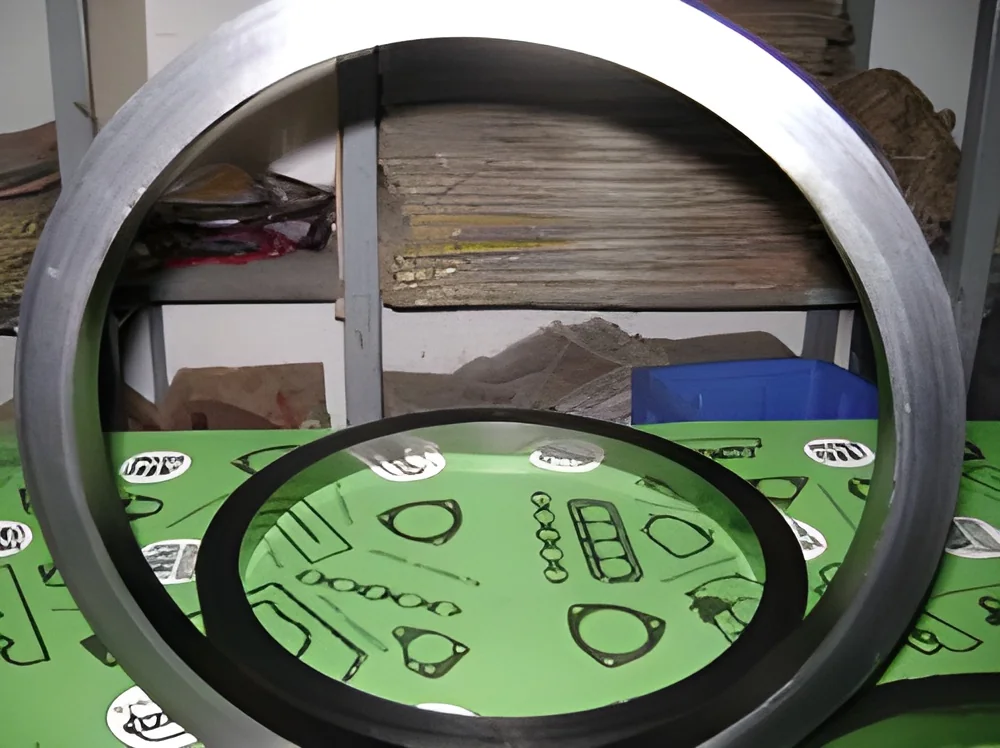
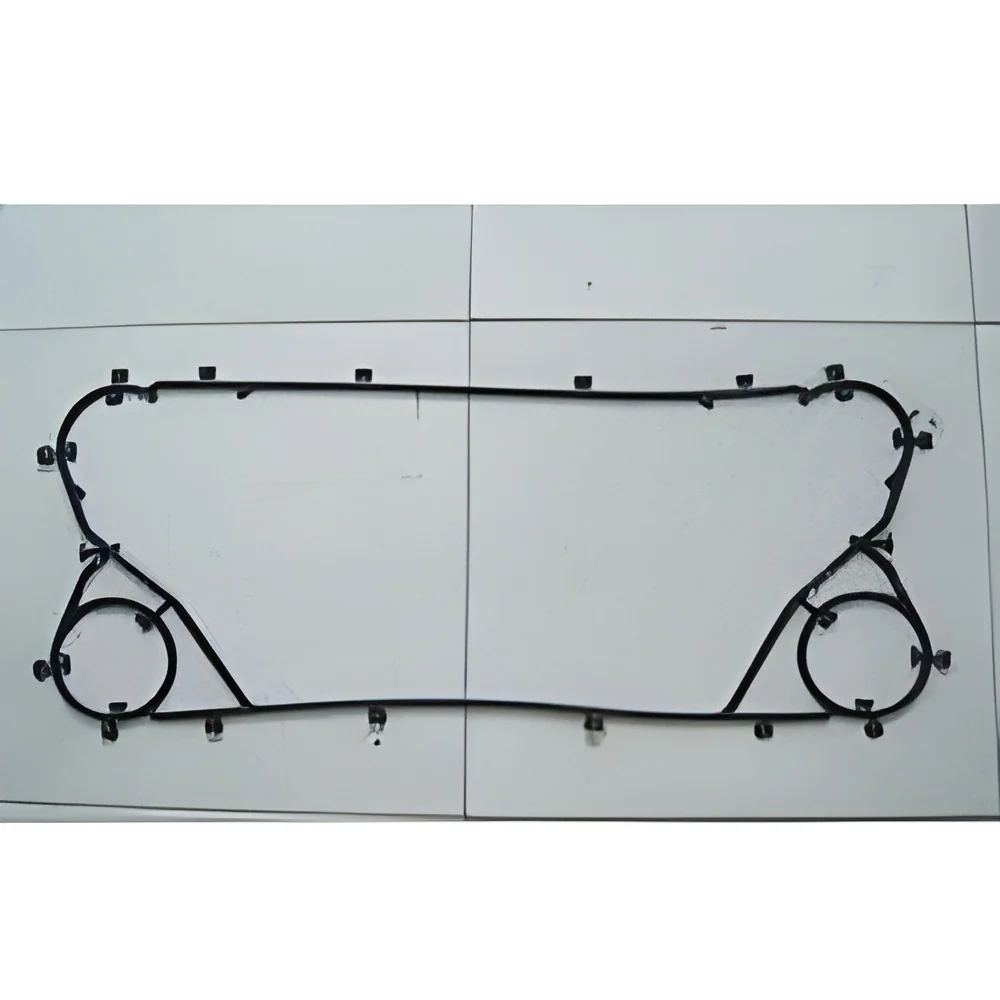
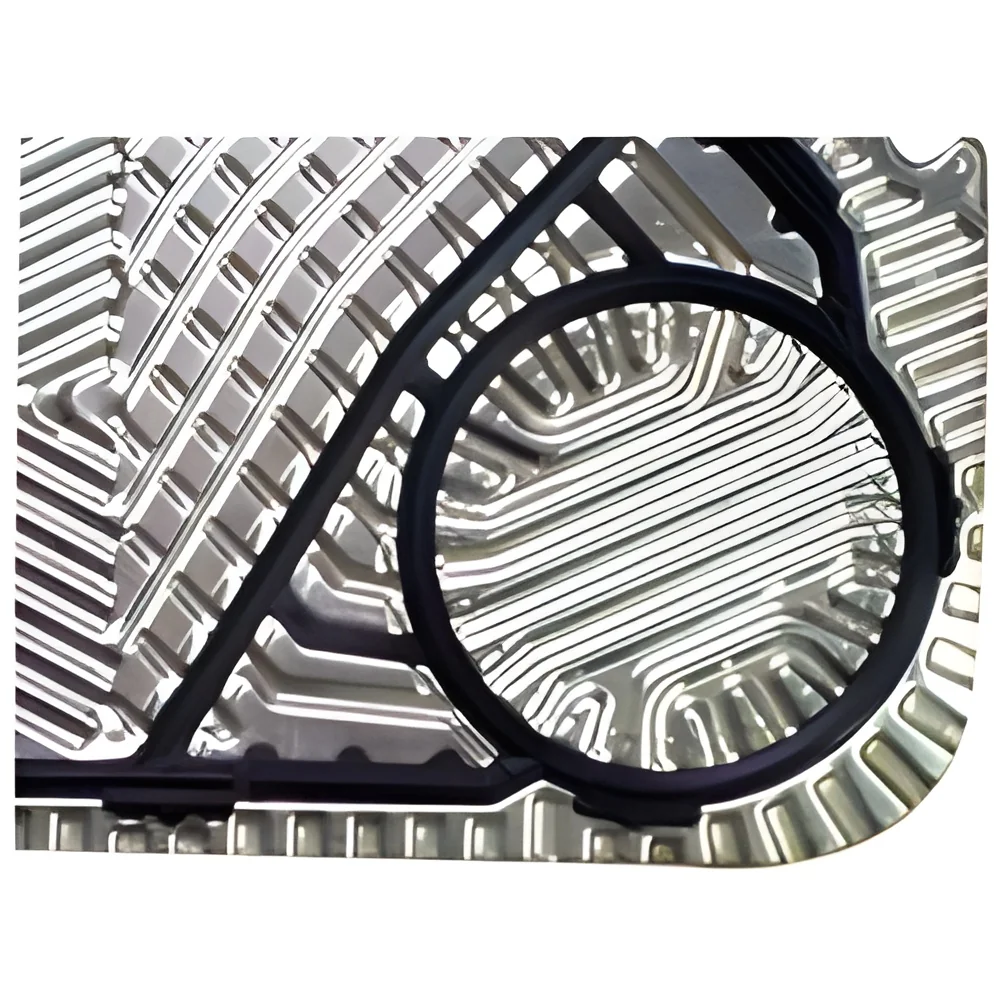
- Gaskets are critical for preventing leaks and must match fluid compatibility
- Common materials include EPDM, NBR, and PTFE, based on application needs
7. Flow Arrangement
- PHEs can be configured in counterflow, parallel flow, or crossflow arrangements
- The arrangement impacts heat transfer efficiency and pressure drop
8. Cleaning Method
- PHEs can be designed for easy disassembly for cleaning
- Some variants may have features for in-place cleaning, enhancing maintenance efficiency
In summary, understanding the key features and specifications of Plate Heat Exchangers is crucial for selecting the right unit for thermal management needs in various industries.
Common Applications and Use Cases
Plate Heat Exchangers serve a wide range of industries due to their versatility and efficiency in heat transfer applications.
1. Food and Beverage: PHEs are widely used for pasteurization, cooling, and heating processes in food production, ensuring product safety and quality.
2. Chemical Processing: In this industry, PHEs facilitate heat exchange during chemical reactions and distillation processes, optimizing operational efficiency.
3. Pharmaceutical: PHEs are essential for maintaining precise temperature control during drug manufacturing, ensuring compliance with strict industry standards.
4. HVAC Systems: These exchangers play a crucial role in heating and cooling systems, improving energy efficiency and indoor air quality.
5. Power Generation: PHEs are used in power plants for cooling and heat recovery applications, contributing to energy conservation.
6. Oil and Gas: In this sector, PHEs are utilized for heat recovery and cooling processes in refineries and petrochemical plants.
7. Marine Applications: PHEs are employed in shipboard cooling systems, ensuring efficient heat management in marine environments.
Product Variants and Subcategories
Plate Heat Exchangers come in various designs and configurations to meet specific application needs. This diversity allows businesses to select the most suitable variant for their operations.
Gasketed Plate Heat Exchanger
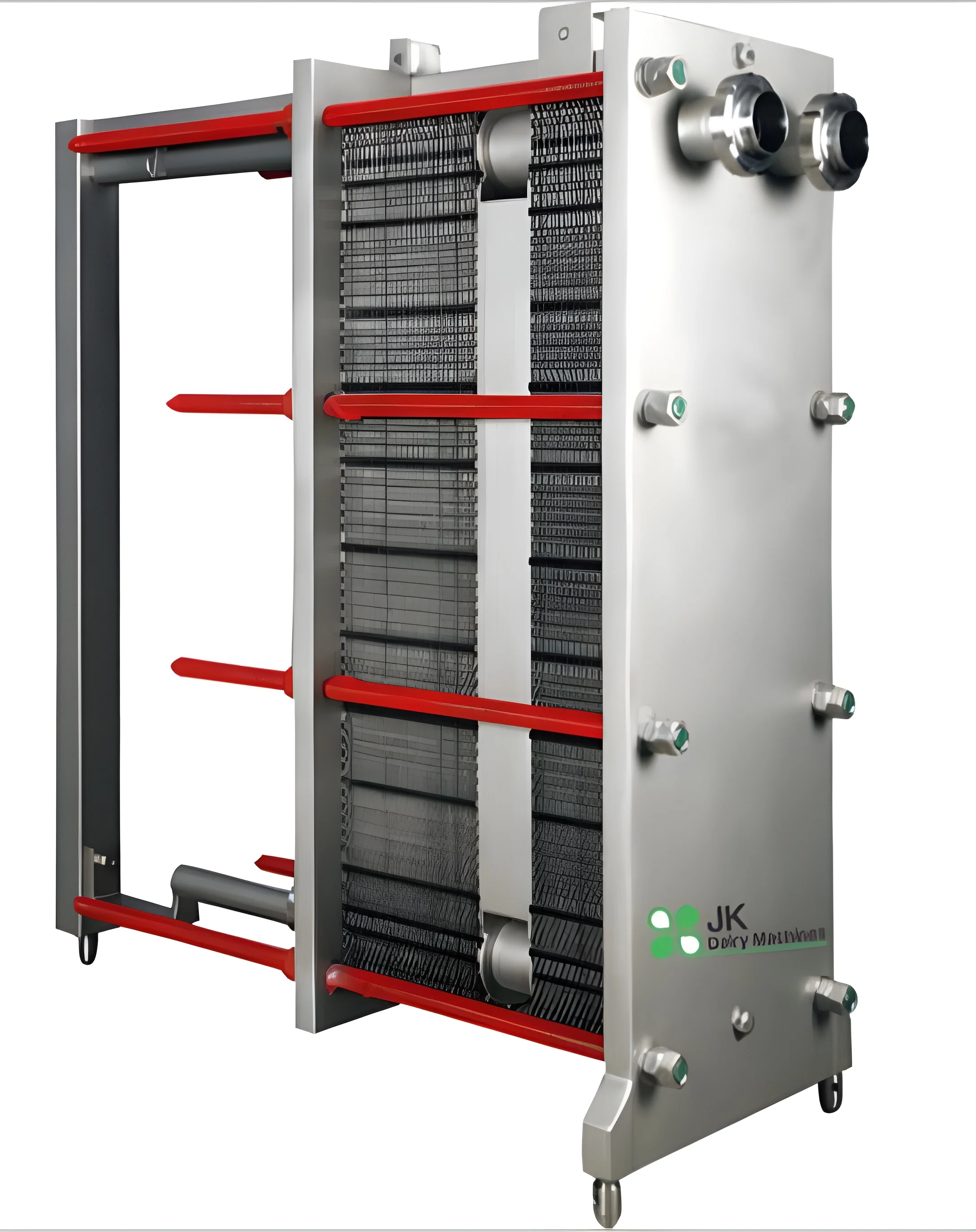
This variant features removable gaskets between plates, allowing for easy cleaning and maintenance. It is ideal for applications where fluid compatibility and cleaning access are crucial.
Welded Plate Heat Exchanger
Welded PHEs are designed for high-pressure applications, where gasketed models may not be suitable. They are often used in industries like oil and gas, providing durability and reliability.
Brazed Plate Heat Exchanger
These are compact and efficient, often used in refrigeration and HVAC applications. The plates are permanently bonded, making them ideal for high-temperature and high-pressure scenarios.
Semi-Welded Plate Heat Exchanger
Combining features of both welded and gasketed designs, this variant is suitable for applications with two different fluids, offering flexibility in operation.
Benefits and Advantages
Plate Heat Exchangers offer numerous advantages that enhance their appeal in various industries.
Key benefits include:
1. High Efficiency: PHEs provide superior heat transfer efficiency due to their large surface area and compact design, leading to reduced energy costs.
2. Space-Saving Design: Their compact nature allows for installation in limited spaces, making them ideal for facilities with spatial constraints.
3. Easy Maintenance: Many PHEs are designed for easy disassembly, facilitating cleaning and servicing without extensive downtime.
4. Versatile Applications: PHEs can handle a wide range of fluids and temperatures, making them suitable for diverse industrial applications.
5. Energy Savings: By optimizing heat recovery processes, PHEs contribute to significant energy savings, enhancing overall operational efficiency.
6. Customization Options: PHEs can be tailored to specific needs, allowing businesses to select configurations that best suit their operational requirements.
Buying Guide for B2B Buyers
When sourcing Plate Heat Exchangers, it is essential for B2B buyers to consider several key factors to ensure optimal selection and procurement.
1. Quality Assessment: Evaluate the quality of materials and construction to ensure durability and reliability. Look for manufacturers that adhere to established quality standards.
2. Supplier Verification: Vet potential suppliers by checking their certifications, customer reviews, and industry reputation. A reliable supplier is crucial for ongoing support.
3. Pricing and MOQ: Understand the pricing structure and minimum order quantities to align with budget and inventory needs. Request quotes from multiple suppliers for comparison.
4. Delivery and Lead Times: Inquire about delivery schedules and lead times to ensure timely availability of the products. Effective logistics management is essential for minimizing downtime.
5. Compliance Requirements: Ensure that the PHEs meet relevant industry standards and regulatory requirements, including safety and environmental considerations.
Compliance and Certifications
Plate Heat Exchangers must adhere to various compliance standards to ensure safety and efficacy in their applications. Key quality standards include ISO 9001, which focuses on quality management systems that enhance customer satisfaction through consistent product quality.
Additionally, industry certifications such as CE are important for demonstrating compliance with European health, safety, and environmental protection standards. These certifications assure buyers of the product's reliability and safety.
Safety and testing requirements are critical, emphasizing the need for regular inspections and adherence to operational guidelines. Buyers should confirm that the PHEs meet regional compliance considerations, which may vary based on local regulations and industry practices.
Why Source Plate Heat Exchangers (PHE) from Pepagora?
Pepagora offers a trusted platform for sourcing Plate Heat Exchangers, ensuring buyers have access to high-quality products and reliable suppliers. One of the key advantages of using Pepagora is its verified supplier network. Each supplier undergoes rigorous vetting processes, providing buyers with confidence in their sourcing decisions.
The platform features a streamlined request for quotation (RFQ) process that simplifies procurement. Buyers can easily compare quotes from multiple suppliers, allowing them to make informed decisions based on price and quality.
Trade assurance and support further enhance the sourcing experience. Pepagora provides buyer protection, ensuring that transactions are secure and satisfactory. Additionally, the platform offers regional coverage, serving markets in India, the GCC, and Southeast Asia, making it a comprehensive solution for sourcing Plate Heat Exchangers across various geographical locations.

 IN
IN