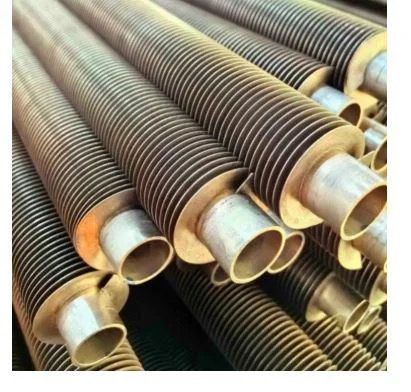
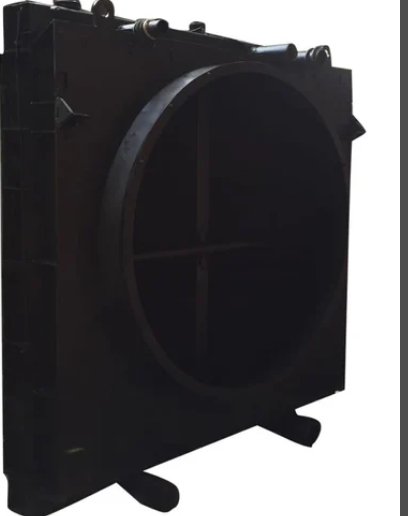
What are Fin Tube Heat Exchangers?
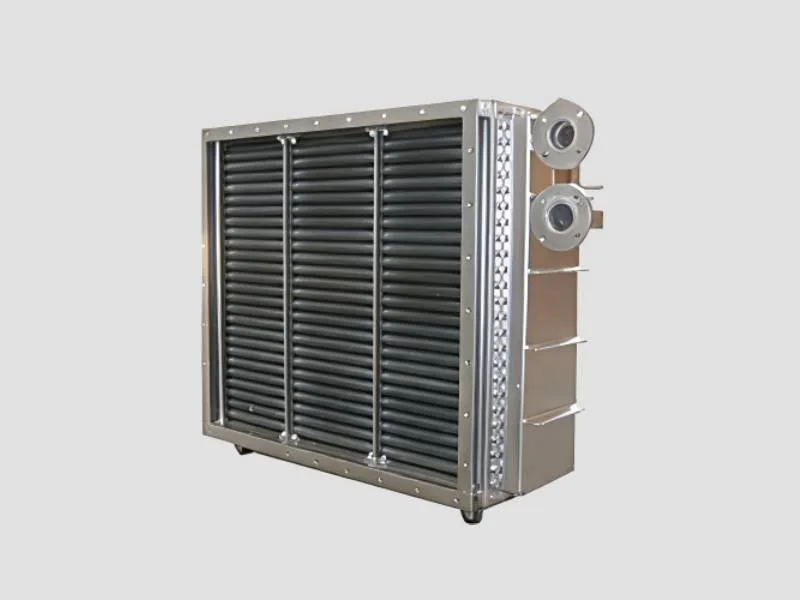
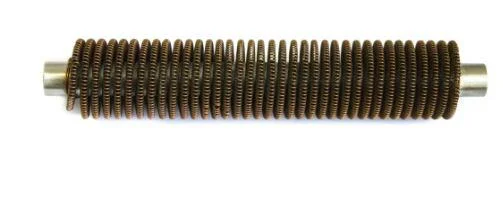
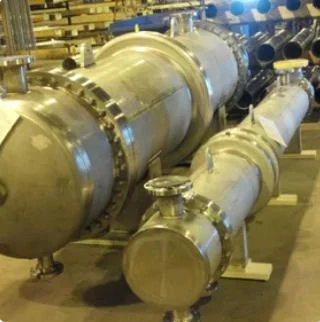
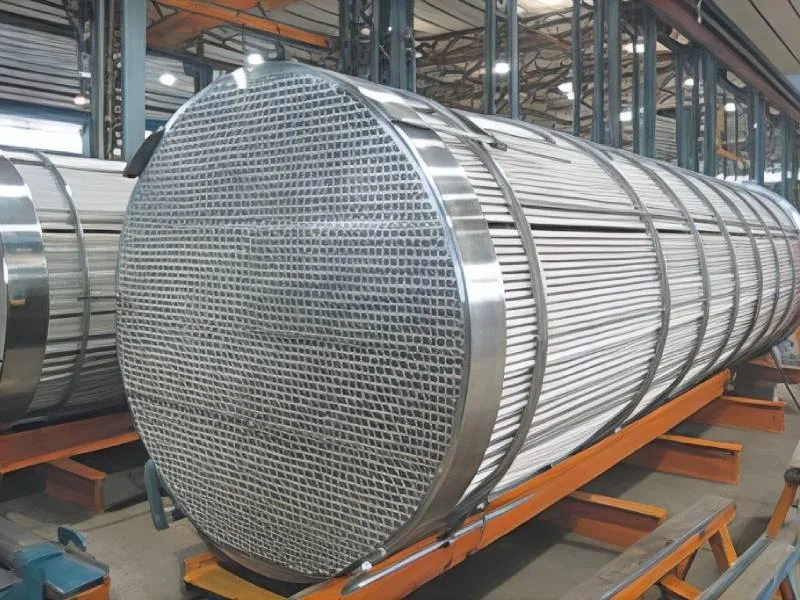
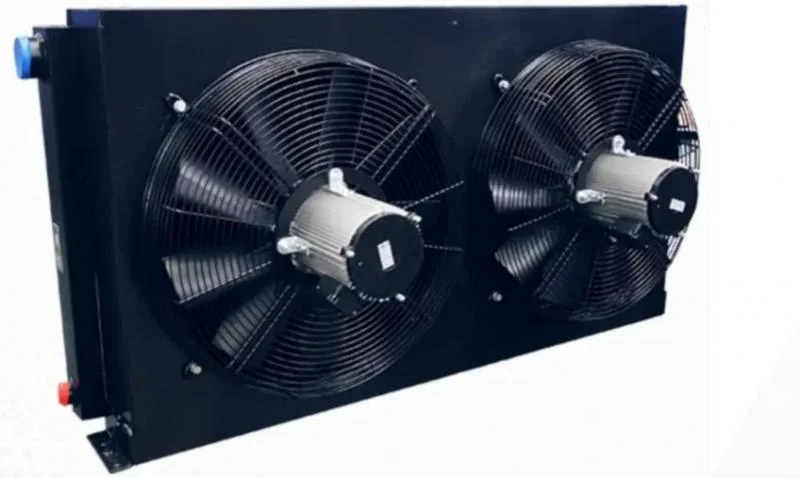
Fin Tube Heat Exchangers are specialized devices designed to enhance heat transfer efficiency between two fluids. They utilize extended surface areas, typically achieved through fins, to increase the contact area and promote more effective thermal exchange. This type of heat exchanger is particularly valued for its ability to maximize performance in a compact footprint, making it suitable for various industrial applications.
These heat exchangers are commonly used in industries such as HVAC, petrochemicals, and power generation. Their primary applications include heating, cooling, and recovering waste heat from processes. By efficiently transferring heat, they help reduce energy consumption and improve system performance, contributing to operational cost savings. In the current industrial landscape, where energy efficiency is paramount, Fin Tube Heat Exchangers are essential components for optimizing thermal management.
Key Features and Specifications
Fin Tube Heat Exchangers offer a range of features tailored to meet specific industrial needs. They are designed with robust materials to withstand harsh environments while providing excellent thermal conductivity. The specifications of these heat exchangers can vary based on application requirements and operational conditions.
Key specifications include:
1. Material Type
- Common materials include carbon steel, stainless steel, and copper.
- Each material offers different advantages in terms of corrosion resistance and thermal efficiency.
2. Fin Density
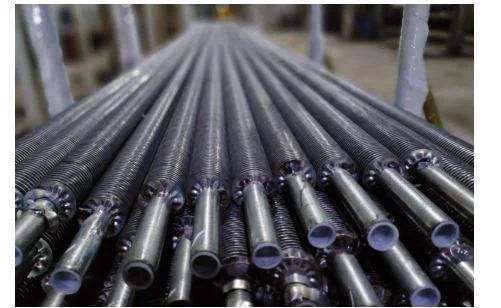
- Refers to the number of fins per unit length.
- Higher fin density can improve heat transfer but may also increase pressure drop.
3. Tube Diameter
- Available in various sizes to accommodate different fluid flow rates.
- Standard diameters typically range from ½ inch to 2 inches.
4. Heat Transfer Area
- The total area available for heat exchange.
- Can be customized based on the specific application and thermal requirements.
5. Maximum Operating Pressure
- Indicates the maximum pressure the heat exchanger can handle.
- Typically ranges from 150 psi to 300 psi, depending on the design.
6. Temperature Range
- Designed to operate effectively within specific temperature limits.
- Data not available on precise ranges.
7. Connection Type
- Options include threaded, flanged, or welded connections.
- Selection depends on installation requirements and fluid types.
8. Compliance Standards
- Adheres to industry standards such as CE certification.
- Ensures reliability and safety in operation.
In summary, Fin Tube Heat Exchangers are characterized by their efficient design, customizable features, and suitability for various industrial applications.
Common Applications and Use Cases
Fin Tube Heat Exchangers find applications across multiple industries, demonstrating their versatility and efficiency in heat transfer.
1. HVAC: In heating, ventilation, and air conditioning systems, these heat exchangers are used for both heating and cooling applications, enhancing energy efficiency in climate control.
2. Petrochemicals: They are utilized for heat recovery and cooling in processes such as oil refining and gas processing, helping to optimize energy use and reduce operational costs.
3. Power Generation: Fin Tube Heat Exchangers play a critical role in cooling systems within power plants, managing heat from turbines and improving overall energy efficiency.
4. Food and Beverage: In this sector, they are used for pasteurization and other thermal processes, ensuring product safety while maintaining quality.
5. Chemical Processing: They facilitate heat transfer in various chemical reactions and distillation processes, enhancing productivity and efficiency.
6. Marine Applications: These heat exchangers are employed in ship cooling systems, ensuring optimal engine performance even under varying environmental conditions.
7. Pharmaceutical: In this industry, they help maintain precise temperature control during production processes, adhering to strict regulatory standards.
Product Variants and Subcategories
Fin Tube Heat Exchangers come in various configurations to meet diverse industrial needs. Each variant is designed with specific features tailored to unique applications.
Standard Fin Tube Heat Exchanger
This variant features a simple design with a focus on efficient heat transfer. It is commonly used in HVAC systems and is known for its reliability and straightforward installation.
High-Efficiency Fin Tube Heat Exchanger
Designed for maximum thermal performance, this variant incorporates advanced fin designs to enhance heat transfer. It is ideal for energy-intensive applications such as petrochemical processing.
Compact Fin Tube Heat Exchanger
This variant is designed for limited space applications, offering high efficiency without sacrificing performance. It is particularly useful in urban environments where space is at a premium.
Modular Fin Tube Heat Exchanger
This design allows for easy expansion and customization based on specific operational needs. It is often used in industries requiring scalable solutions, such as power generation.
Benefits and Advantages
Fin Tube Heat Exchangers provide numerous advantages that make them a preferred choice in various industrial sectors. Their design and efficiency contribute significantly to operational success.
Key benefits include:
1. Enhanced Heat Transfer: The extended surface area provided by fins results in improved heat transfer efficiency, reducing energy consumption.
2. Space-Saving Design: Their compact nature allows for installation in areas where space is limited, optimizing facility layout.
3. Versatility: These heat exchangers can be tailored to meet specific requirements across diverse industries, enhancing overall functionality.
4. Cost-Effective: By improving energy efficiency, they help reduce operational costs, leading to significant long-term savings.
5. Durability: Constructed from robust materials, Fin Tube Heat Exchangers are designed to withstand harsh environments and provide long service life.
6. Easy Maintenance: Their design typically allows for straightforward maintenance, ensuring minimal downtime and operational disruptions.
Buying Guide for B2B Buyers
Sourcing Fin Tube Heat Exchangers requires careful consideration of several factors to ensure the right choice for your business needs.
1. Quality Assessment: Evaluate the quality of materials and construction. Look for heat exchangers that meet industry standards for durability and performance.
2. Supplier Verification: Vet potential suppliers by checking their reliability, experience, and customer reviews. A verified supplier network ensures a trustworthy purchasing process.
3. Pricing and MOQ: Understand the pricing structure and minimum order quantities. Compare quotes from multiple suppliers to find the best value without compromising quality.
4. Delivery and Lead Times: Consider logistics and the supplier's ability to meet delivery timelines. Ensure that lead times align with your project schedules.
5. Compliance Requirements: Review any regulatory requirements relevant to your industry. Ensure that the heat exchangers meet necessary compliance standards for safety and performance.
Compliance and Certifications
Fin Tube Heat Exchangers are subject to various compliance standards and certifications that ensure safety and reliability.
ISO 9001 is a widely recognized quality management standard that ensures consistent quality in manufacturing processes. This certification is critical for ensuring that products meet customer and regulatory requirements.
CE certification indicates that the product meets European safety and health standards. This is particularly relevant for industries operating within Europe, where compliance is essential for market access.
Safety and testing requirements may involve rigorous assessments to ensure that heat exchangers can operate under specified conditions without failure. This includes pressure testing and performance evaluations.
Regional compliance considerations may vary, with specific regulations applicable in different countries or regions. It is essential for manufacturers and suppliers to remain informed about local standards to guarantee compliance.
Why Source Fin Tube Heat Exchangers from Pepagora?
Pepagora offers a trusted platform for sourcing Fin Tube Heat Exchangers, providing several key advantages for B2B buyers.
Verified Supplier Network: Pepagora connects buyers with a network of verified suppliers, ensuring that all products meet high-quality standards. This reduces the risk associated with sourcing from unverified sources.
Streamlined RFQ Process: The request for quotation (RFQ) process on Pepagora is designed to be efficient and user-friendly. Buyers can easily submit their requirements and receive competitive quotes from multiple suppliers.
Trade Assurance and Support: Pepagora provides trade assurance, offering buyer protection throughout the purchasing process. This support helps to build trust and confidence in transactions.
Regional Coverage: With a broad geographic reach across India, the GCC, and Southeast Asia, Pepagora provides access to a diverse supplier base. This ensures that buyers can find the right solutions tailored to their specific regional needs.

 IN
IN