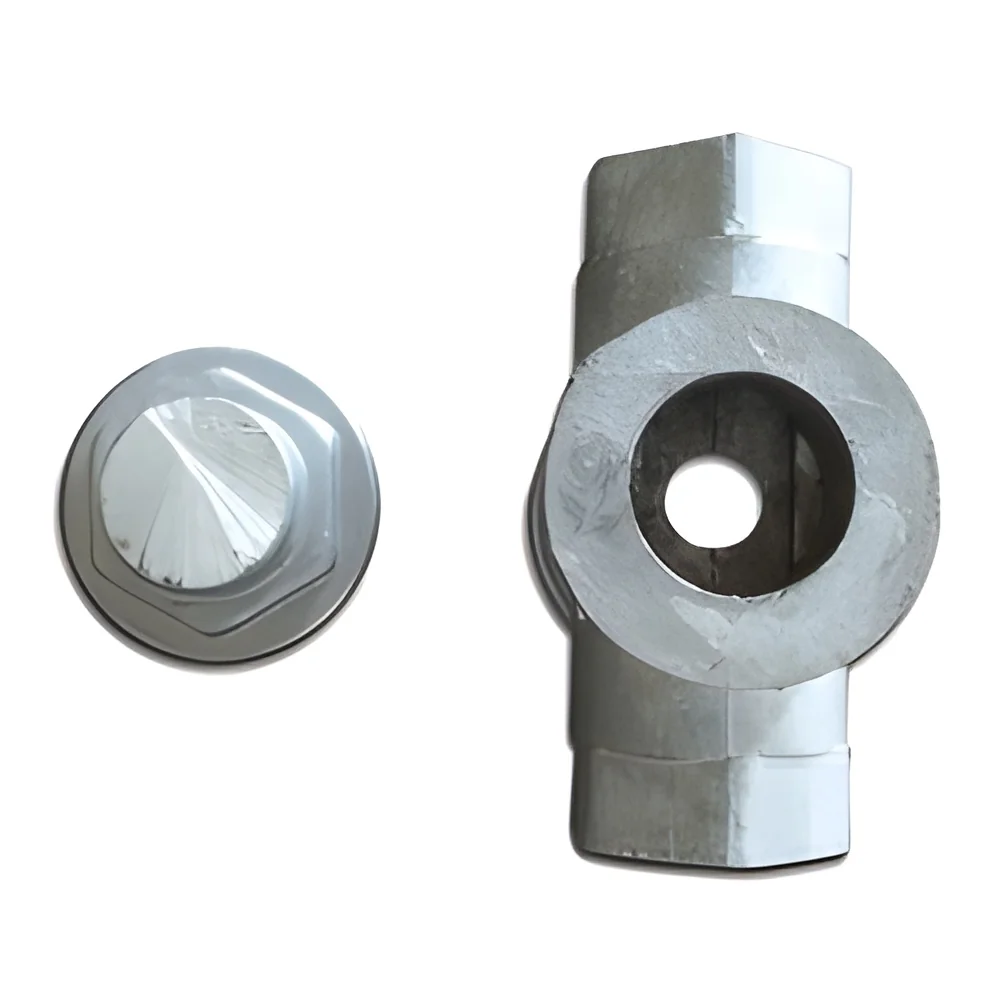
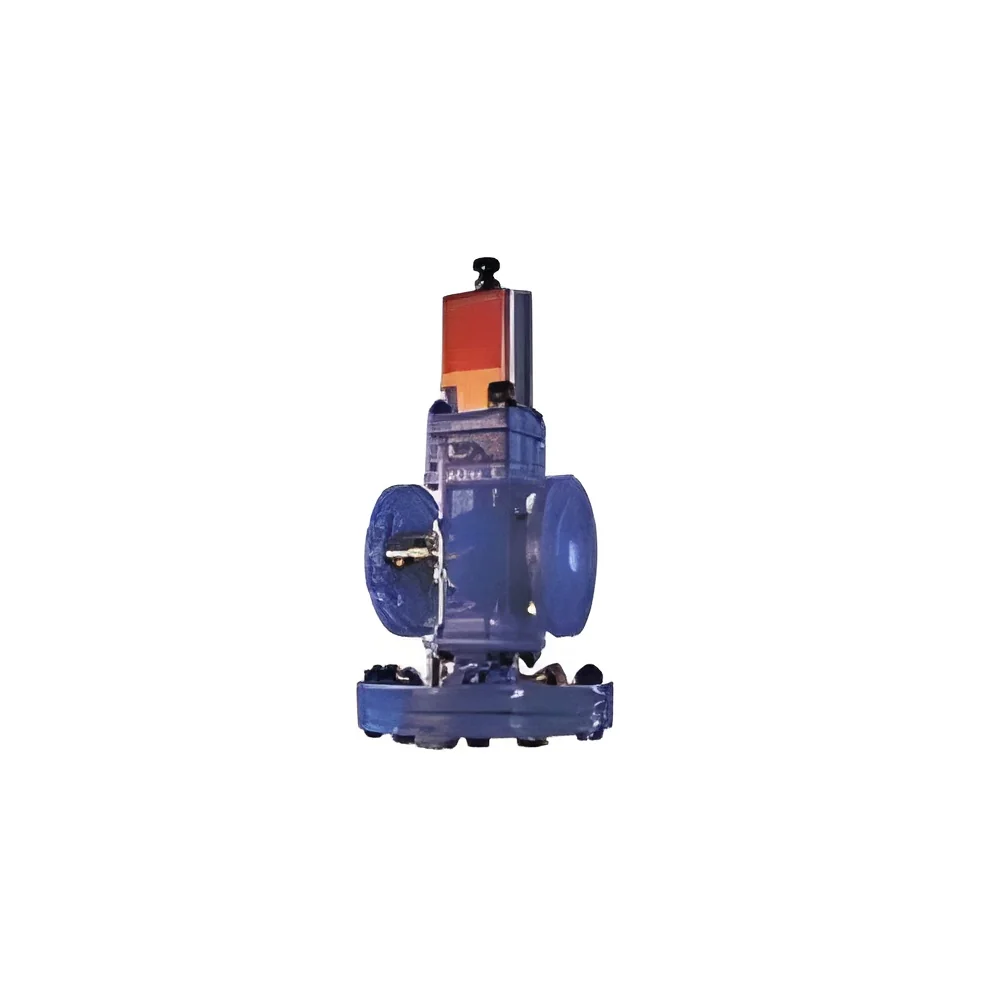
What are Steam Pressure Reducing Stations?
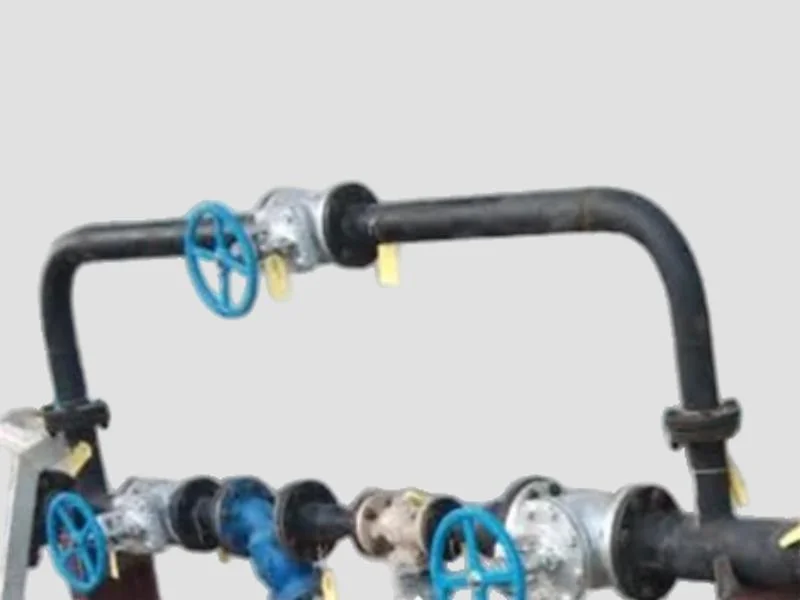
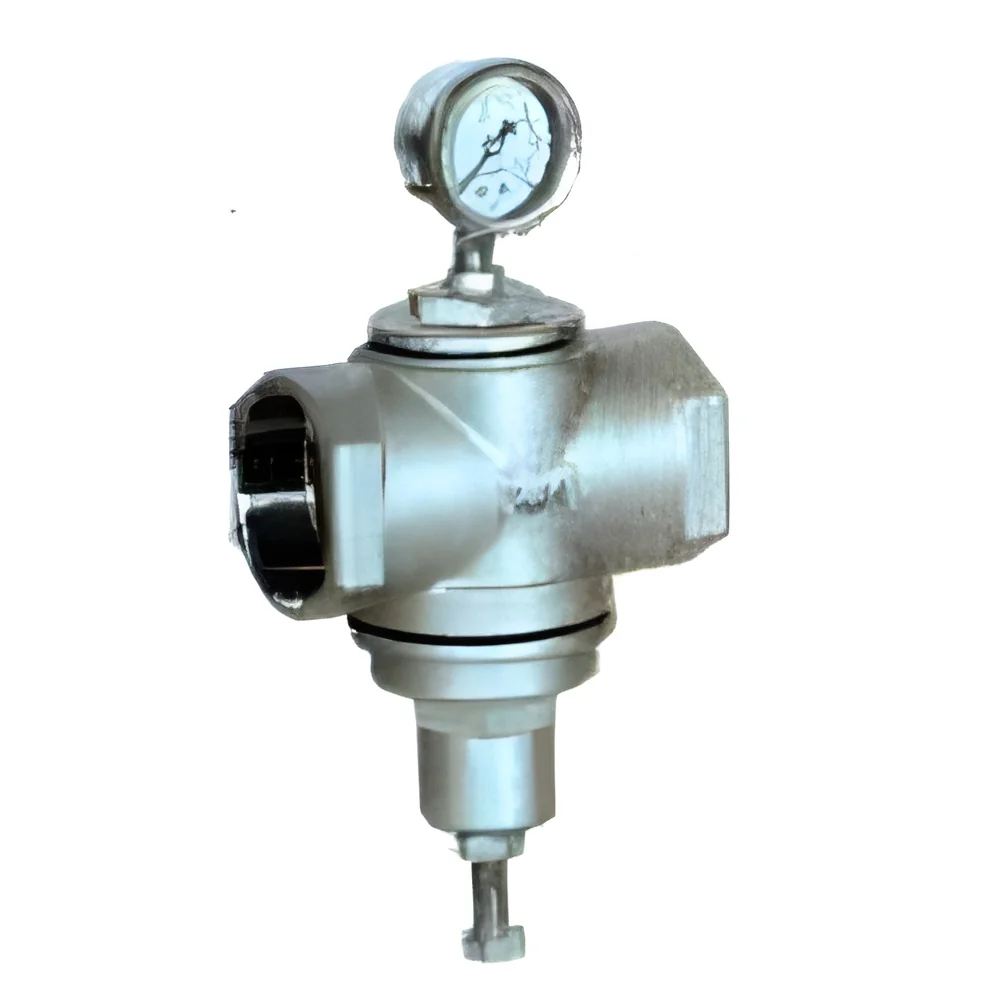
Steam Pressure Reducing Stations are essential components in industrial steam systems. They are designed to reduce the pressure of steam from a high-pressure source to a lower, more manageable pressure level suitable for various applications. These stations ensure that steam is delivered consistently and safely, preventing potential damage to downstream equipment and processes.
These stations find widespread application across multiple industries, including manufacturing, food processing, and pharmaceuticals. In manufacturing, for instance, they regulate steam pressure for heating, sterilization, and other processes. In the food and beverage industry, they are crucial for cooking, pasteurization, and cleaning processes. The relevance of steam pressure reducing stations in these industries underscores their importance in maintaining efficiency, safety, and operational integrity.
In the current market, the demand for energy-efficient systems has increased the significance of steam pressure reducing stations. As industries strive for sustainability and cost-effectiveness, these stations play a pivotal role in optimizing steam usage, contributing to reduced energy consumption and lower operational costs.
Key Features and Specifications
Steam Pressure Reducing Stations come equipped with a range of features that enhance their performance and usability. These features ensure reliability, efficiency, and safety in steam management.
Key specifications include:
1. Pressure Regulation
- Maintains stable outlet pressure
- Typically ranges from 10 psi to 150 psi
2. Flow Capacity
- Determines the volume of steam that can pass through
- Standard capacities from 500 lbs/hr to over 10,000 lbs/hr
3. Temperature Control
- Monitors steam temperature for optimal performance
- Generally operates within 100°F to 350°F
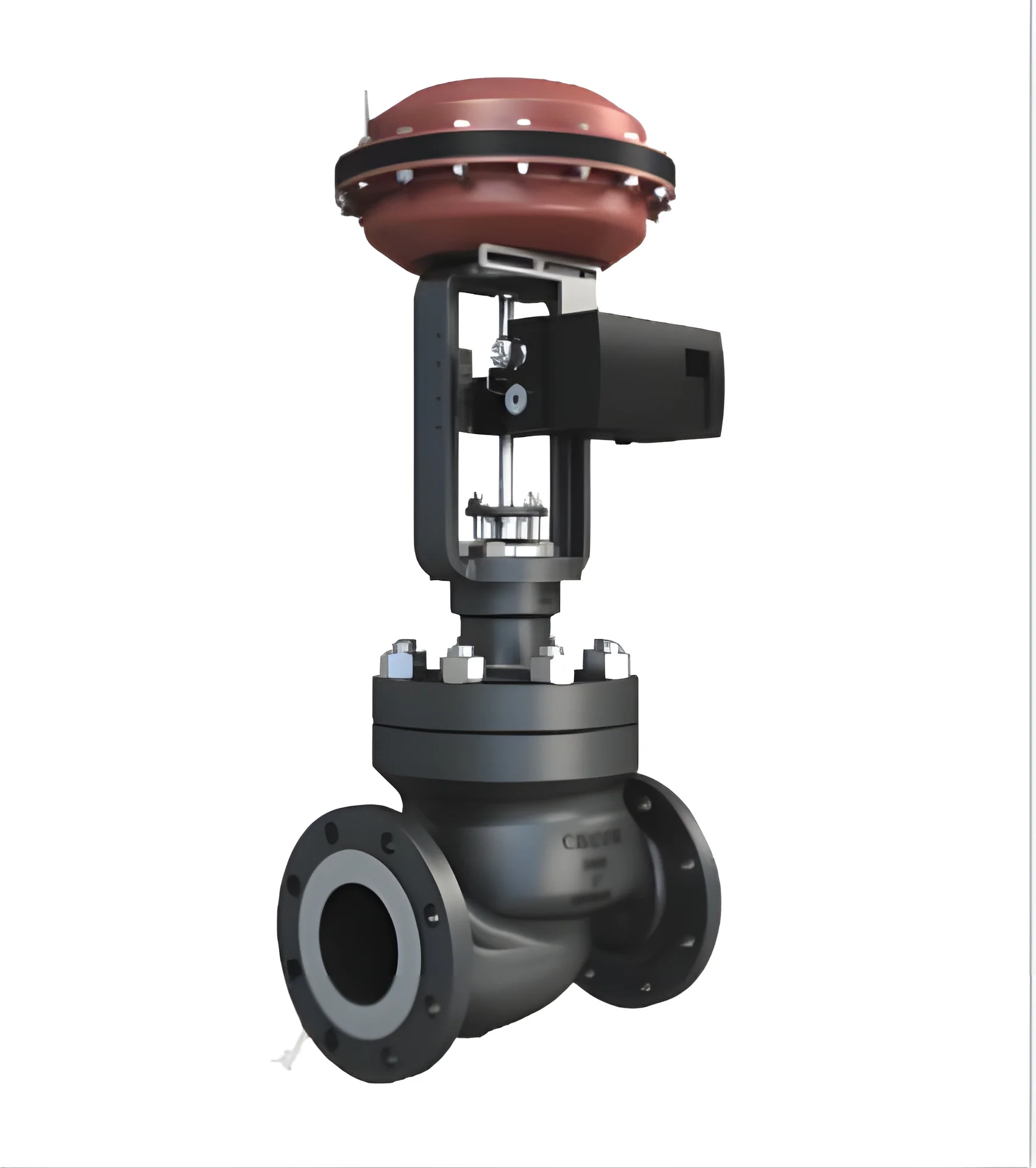
4. Safety Valves
- Prevents overpressure situations
- Automatic and manual reset options available
5. Material Construction
- Often made from stainless steel for durability
- Resistant to corrosion and high temperatures
6. Compact Design
- Space-saving configurations for easy installation
- Allows for integration into existing systems
7. Maintenance Accessibility
- Designed for easy access to components
- Reduces downtime for servicing and repairs
8. Compliance with Standards
- Adheres to industry regulations and safety standards
- Certifications such as CE for quality assurance
In summary, these specifications highlight the importance of selecting the right steam pressure reducing station based on specific operational needs and industry requirements.
Common Applications and Use Cases
Steam Pressure Reducing Stations serve a diverse range of industries, each with unique applications.
1. Manufacturing: In manufacturing, steam is used for heating and powering machinery. Pressure reducing stations ensure the steam is at the correct pressure for efficient operation.
2. Food Processing: In the food industry, these stations are vital for cooking, pasteurization, and cleaning processes, providing consistent steam pressure to ensure food safety and quality.
3. Pharmaceuticals: In pharmaceutical manufacturing, steam is used for sterilization and other critical processes. Pressure reducing stations help maintain the necessary conditions for product safety.
4. Textile Industry: Steam is essential for various textile processes, including dyeing and finishing. Pressure reducing stations help regulate the steam used in these applications.
5. Energy Generation: In power plants, these stations manage steam pressure for turbines, optimizing performance and efficiency in energy production.
6. HVAC Systems: Steam is often used for heating in large buildings. Pressure reducing stations ensure that the steam entering heating systems is at an appropriate pressure.
7. Chemical Processing: In chemical manufacturing, steam is used in reactors and distillation columns. Pressure reducing stations help maintain the necessary conditions for chemical reactions.
Product Variants and Subcategories
Steam Pressure Reducing Stations come in various configurations to meet specific operational needs.
Standard Pressure Reducing Station
This variant is designed for general industrial applications, providing reliable pressure reduction for steam systems. It features robust construction and is suitable for a wide range of industries.
High-Capacity Pressure Reducing Station
Designed for large-scale operations, this station can handle significant steam flow rates. It is ideal for industries such as power generation and large manufacturing facilities.
Compact Pressure Reducing Station
This variant is designed for applications with space constraints. It offers a smaller footprint while maintaining efficiency and performance.
Mobile Pressure Reducing Station
This portable solution is ideal for temporary setups or facilities requiring flexibility. It can be easily transported and deployed as needed.
Benefits and Advantages
Choosing Steam Pressure Reducing Stations offers several advantages for industrial operations.
1. Improved Safety: These stations help prevent overpressure situations, ensuring safe operation of steam systems.
2. Enhanced Efficiency: By maintaining optimal steam pressure, these stations contribute to improved energy efficiency and reduced operational costs.
3. Increased Equipment Longevity: Proper pressure regulation reduces wear and tear on downstream equipment, extending its lifespan.
4. Consistent Performance: Steam pressure reducing stations provide stable steam pressure, which is crucial for many industrial processes.
5. Compliance Assurance: Many stations adhere to industry standards and regulations, helping businesses maintain compliance.
6. Reduced Maintenance Costs: With easier access to components and reliable performance, these stations can lower maintenance expenditures over time.
Buying Guide for B2B Buyers
When sourcing Steam Pressure Reducing Stations, it is essential to consider various factors to ensure a successful purchase.
1. Quality Assessment: Evaluate the quality of the materials and construction of the stations. Look for certifications that indicate adherence to industry standards.
2. Supplier Verification: Vet suppliers to ensure they have a reputation for reliability and quality. Consider their experience in the industry and customer reviews.
3. Pricing and MOQ: Understand the pricing structure and minimum order quantities. Compare quotes from multiple suppliers to ensure competitive pricing.
4. Delivery and Lead Times: Discuss logistics and delivery timelines with suppliers. Ensure they can meet your operational deadlines.
5. Compliance Requirements: Confirm that the stations meet relevant regulatory and compliance requirements specific to your industry and region.
Compliance and Certifications
Steam Pressure Reducing Stations must adhere to specific quality standards and regulatory requirements to ensure safety and reliability. Key quality standards include ISO 9001, which focuses on quality management systems, and others that may apply depending on the industry.
Industry certifications, such as CE, indicate that the products meet European safety and environmental protection standards. Compliance with safety and testing requirements is crucial, as it ensures that the stations operate safely under various conditions.
Additionally, regional compliance considerations may vary by country or region. It is important for buyers to be aware of local regulations that might impact the installation and operation of steam pressure reducing stations.
Why Source Steam Pressure Reducing Stations from Pepagora?
Pepagora offers a trusted platform for sourcing Steam Pressure Reducing Stations with several key advantages for B2B buyers.
Verified Supplier Network: Pepagora connects buyers with a network of verified suppliers, ensuring that only reputable manufacturers are presented. This reduces the risk associated with sourcing industrial products.
Streamlined RFQ Process: The platform simplifies the request for quotation (RFQ) process, allowing buyers to easily compare offers from multiple suppliers. This efficiency helps in making informed purchasing decisions.
Trade Assurance and Support: Pepagora provides trade assurance, offering buyer protection and support throughout the purchasing process. This assurance helps to build trust and confidence in transactions.
Regional Coverage: With a geographic reach that includes India, the GCC, and Southeast Asia, Pepagora is well-positioned to serve a broad market, ensuring that buyers can access the products they need in their respective regions.

 IN
IN