IN
IN₹
Apparel & Fashion
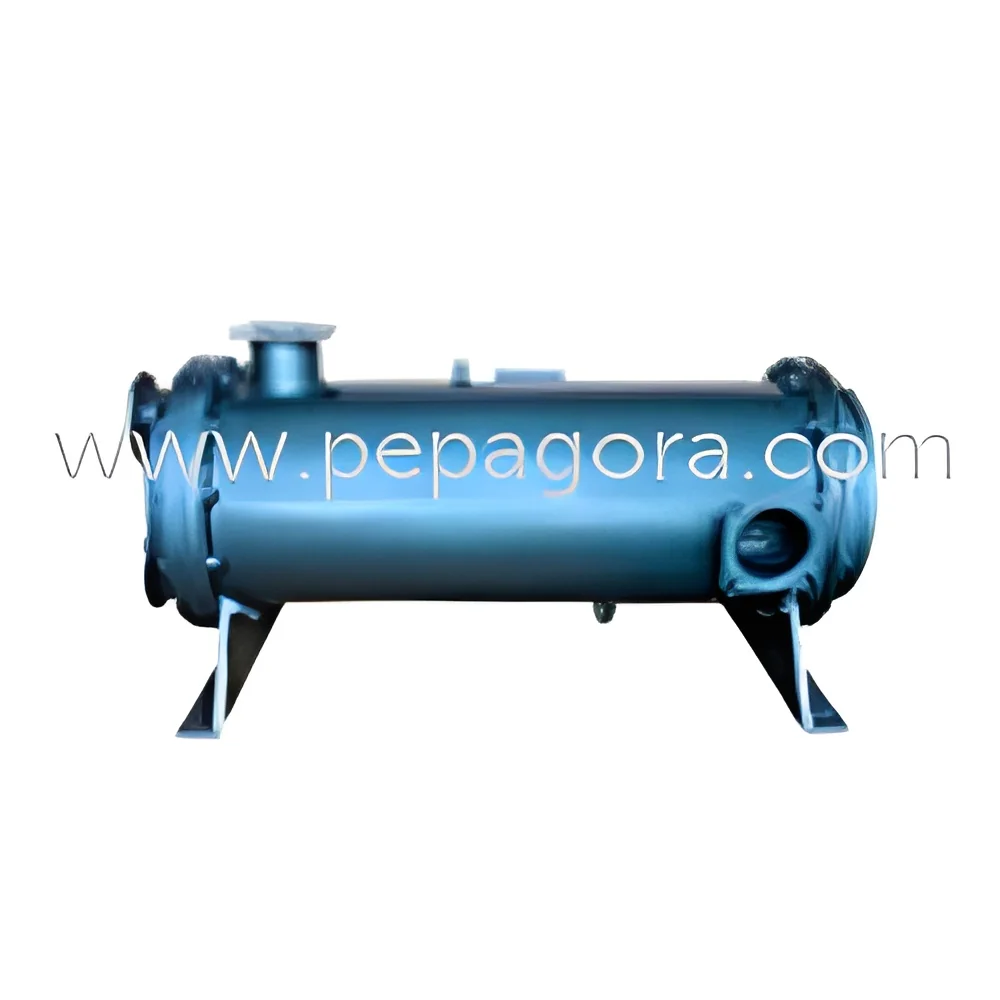
Description
Our industrial heat exchangers represent advanced thermal engineering designed for applications where reliability and efficiency are paramount. These precision systems facilitate optimal heat transfer between process fluids while maintaining complete separation, ensuring contamination-free operation across diverse industrial settings. Built to exceed international quality standards, each unit undergoes rigorous testing to guarantee performance consistency, durability, and operational safety. The engineered solutions allow for adaptation to specific operational parameters, whether dealing with extreme temperatures, corrosive media, or space limitations, making them the preferred choice for engineers and procurement specialists who value precision and long-term dependability.

These heat exchangers serve critical functions across multiple industries, providing essential thermal management solutions that directly impact operational efficiency. In power generation facilities, they ensure o...
Our industrial heat exchangers represent advanced thermal engineering designed for applications where reliability and efficiency are paramount. These precision systems facilitate optimal heat transfer between process fluids while maintaining complete separation, ensuring contamination-free operation across diverse industrial settings. Built to exceed international quality standards, each unit undergoes rigorous testing to guarantee performance consistency, durability, and operational safety. The engineered solutions allow for adaptation to specific operational parameters, whether dealing with extreme temperatures, corrosive media, or space limitations, making them the preferred choice for engineers and procurement specialists who value precision and long-term dependability.

These heat exchangers serve critical functions across multiple industries, providing essential thermal management solutions that directly impact operational efficiency. In power generation facilities, they ensure optimal turbine cooling and waste heat recovery, contributing to overall plant performance. Chemical processing plants rely on them for maintaining precise temperature control in reactors and separation processes, while HVAC systems in large commercial complexes utilize them for efficient climate control. The food processing industry depends on these units for pasteurization and sterilization, and oil refineries employ them for crude oil heating and product cooling. Each industry benefits from specialized configurations that address unique operational challenges, from handling aggressive chemicals to meeting stringent hygienic standards.

The operational value of our heat exchangers extends beyond initial costs, delivering substantial savings through reduced energy consumption, minimized maintenance, and extended service life. Their robust construction and precision engineering translate to fewer operational interruptions, lower maintenance expenses, and reduced total cost of ownership over the equipment lifecycle. Reliability is engineered into every component, from corrosion-resistant materials to optimized thermal surfaces, ensuring consistent performance under demanding conditions. This reliability directly contributes to production continuity, quality consistency, and operational safety, making them strategic investments in operational excellence for businesses that require dependable thermal management.

Key Features:
- Engineered for superior thermal efficiency with optimized heat transfer surfaces and flow dynamics
- Robust construction using corrosion-resistant materials including stainless steel and specialized alloys
- Compact footprint designs that maximize performance while minimizing installation space requirements
- Configurable to accommodate specific operational parameters and industry requirements
- Easy maintenance access with removable sections and standardized components for simplified servicing

Benefits:
- Reduced energy consumption through efficient heat transfer and recovery capabilities
- Enhanced operational reliability with consistent performance under demanding conditions
- Lower total cost of ownership through extended service life and reduced maintenance needs
- Improved process control with precise temperature management for quality production
- Flexible integration with existing infrastructure across multiple industrial applications
Specifications
| Additional Information | |
|---|---|
| Country of Origin | India |
Application
Industrial heat exchangers are engineered for efficient thermal management, transferring heat between fluids while maintaining strict separation. They provide precise temperature control, energy recovery, and system stability in demanding environments from manufacturing plants to large-scale utilities. Their robust construction ensures consistent performance under high pressures and temperatures, making them essential for continuous operations where reliability is critical.
These systems serve diverse sectors including HVAC for climate control in commercial complexes, power generation for turbine cooling, chemical plants for reactor temperature regulation, food processing for pasteurization, and oil refineries for heat recovery. Configurations accommodate specific flow rates, temperature ranges, and spatial constraints, providing tailored solutions that integrate with existing infrastructure while meeting industry-specific compliance and safety standards.
- HVAC systems in large commercial and industrial buildings for efficient heating and cooling operations
- Power generation plants for cooling turbine oils and recovering waste heat from exhaust streams
- Chemical processing facilities for maintaining precise temperatures in reactors and distillation columns
- Food and beverage production for pasteurization, sterilization, and rapid cooling processes
- Oil and gas refineries for crude oil heating, product cooling, and heat recovery between process units
Trade Details
| Available Stock | In Stock |
| Sample Availability | No |
Payment Terms
| Payment Terms |
|
Company Profile
Premier Cooling Tower Tech, Tamil Nadu
 Tamil Nadu, India
Tamil Nadu, IndiaIndustrial Equipment & Machinery•Manufacturer•Distributor / Wholesaler•Importer / Exporter
Factory Details
Factory SizeBelow 1000 sqm
Annual Production Capacity0
Industrial Heat Exchangers For HVAC Power Generation Chemical Processing
Premium industrial heat exchangers deliver maximum thermal efficiency and reliability for HVAC, power generation, and chemical processing applications worldwide. Engineered for demanding industrial environments.
Min. Order Quantity: 1 unit
Shipping
Shipping fee and delivery date to be negotiated. Contact supplier now for more details.
Premier Cooling Tower Tech
 Tamil Nadu, India
Tamil Nadu, IndiaIndustrial Equipment & MachineryManufacturer