What are Double Pipe Heat Exchangers?
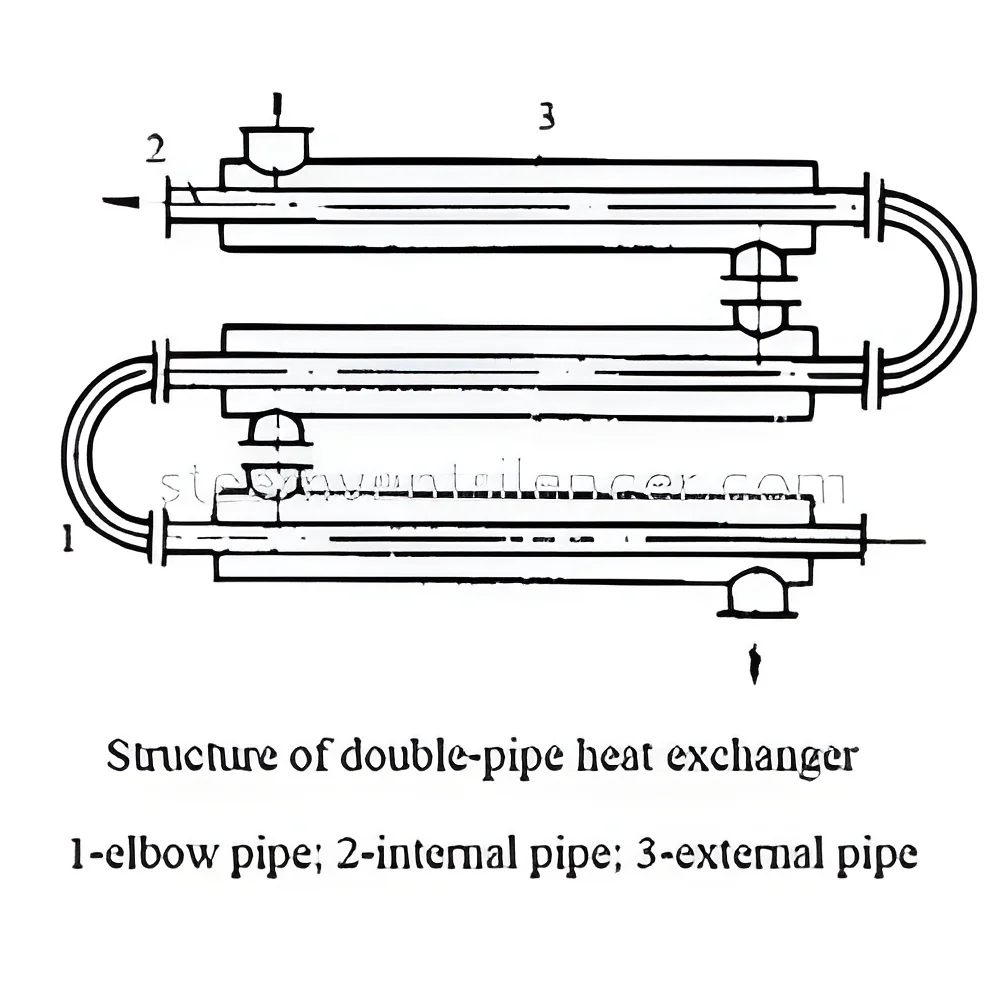
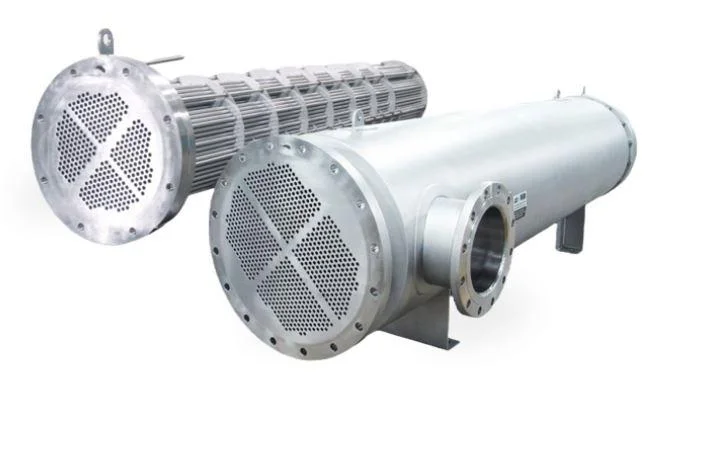
Double pipe heat exchangers are a type of heat exchanger that consists of one pipe inside another. The inner pipe carries the hot fluid while the outer pipe carries the cold fluid. This design allows for efficient thermal energy transfer between the two fluids as they flow in opposite directions. The simplicity of this design makes double pipe heat exchangers easy to construct and maintain, making them a popular choice in various industrial applications.
These heat exchangers are primarily used in applications where space is limited, and efficient heat transfer is essential. They are commonly employed in industries such as oil and gas, chemical processing, HVAC systems, and food processing. Their ability to handle high temperatures and pressures makes them suitable for a range of operational needs. As industries continue to prioritize energy efficiency, the relevance of double pipe heat exchangers remains significant in the market.
The demand for effective thermal management solutions is increasing, driven by the growing need for energy conservation and sustainability. Double pipe heat exchangers are integral to optimizing processes in various sectors, thus playing a crucial role in reducing energy consumption and operational costs.
Key Features and Specifications
Double pipe heat exchangers come with a variety of features that enhance their performance and usability. Understanding these specifications is essential for selecting the right unit for specific applications.
Key specifications include:
1. Material Construction
- Typically made from carbon steel, stainless steel, or copper.
- Each material offers different corrosion resistance and thermal conductivity.
2. Pipe Diameter
- Standard pipe diameters range from 1 inch to 12 inches.
- The diameter affects the flow rate and heat transfer efficiency.
3. Heat Transfer Area
- Varies based on the design and size of the exchanger.
- Larger areas facilitate greater heat transfer capabilities.
4. Operating Pressure
- Commonly designed to handle pressures up to 150 psi.
- Higher pressure ratings available for specialized applications.
5. Temperature Range
- Suitable for temperatures from -40°C to 200°C.
- Custom solutions may cater to extreme temperature requirements.
6. Flow Configuration
- Can be configured for parallel or counterflow designs.
- Counterflow designs enhance heat transfer efficiency.
7. Maintenance Accessibility
- Designed for ease of cleaning and maintenance.
- Removable sections or flanges allow for straightforward servicing.
8. Customization Options
- Available with customization to meet specific industrial needs.
- Options for different connections, insulation, and surface treatments.
In summary, understanding the features and specifications of double pipe heat exchangers is vital for making informed purchasing decisions. These specifications influence performance, efficiency, and suitability for various applications.
Common Applications and Use Cases
Double pipe heat exchangers are versatile and find application across multiple industries.
1. Oil and Gas: Used in refineries for crude oil heating and cooling, optimizing thermal processes to enhance product yield.
2. Chemical Processing: Employed for heating or cooling chemicals during reactions, ensuring optimal temperature control for chemical stability.
3. HVAC Systems: Utilized for heating or cooling air in ventilation systems, maintaining indoor climate efficiency in commercial buildings.
4. Food Processing: Essential for pasteurization processes, where maintaining precise temperature control is critical for food safety.
5. Power Generation: Used in power plants for cooling turbine condensers, ensuring efficient thermodynamic cycles.
6. Pharmaceuticals: Applied in the production process for precise temperature regulation, crucial for maintaining the integrity of sensitive compounds.
7. Water Treatment: Employed in thermal treatment processes to enhance water quality and safety for human consumption.
Product Variants and Subcategories
Double pipe heat exchangers come in various forms, tailored to meet specific industrial needs.
Standard Variant
This is the most common type, featuring straightforward design and construction. It is used widely in industries for general heating and cooling applications.
High-Pressure Variant
Designed to withstand higher pressures, this variant is suitable for rigorous industrial conditions. It is often used in the oil and gas sector for applications that require enhanced durability.
Compact Variant
A smaller design, ideal for applications with space constraints. This variant retains efficiency while providing flexibility in installation.
Energy Recovery Variant
Focused on maximizing energy efficiency, this variant captures waste heat and reuses it in processes, contributing to sustainability efforts in various industries.
Benefits and Advantages
Double pipe heat exchangers offer numerous benefits that make them an appealing choice for industrial applications.
Key benefits include:
1. High Thermal Efficiency: Their design allows for effective heat transfer, minimizing energy losses in processes.
2. Space-Saving Design: The compact construction is ideal for facilities with limited space, allowing for more efficient system layouts.
3. Easy Maintenance: The design facilitates straightforward cleaning and servicing, reducing downtime in operations.
4. Versatile Applications: Suitable for a wide range of industries, adapting easily to different operational requirements.
5. Cost-Effective: Their simplicity often translates to lower initial costs and operational efficiency, offering good return on investment.
6. Customizable Options: Various configurations and materials are available to meet specific needs, enhancing flexibility in application.
Buying Guide for B2B Buyers
When sourcing double pipe heat exchangers, it is important to consider several key factors to ensure the selection of the right product.
1. Quality Assessment: Look for heat exchangers that meet industry standards and have certifications such as CE. Verify the materials used to ensure durability and performance.
2. Supplier Verification: Research and vet suppliers thoroughly. Check for customer reviews, track records, and their ability to provide ongoing technical support.
3. Pricing and MOQ: Understand the pricing structures and minimum order quantities. Compare costs across different suppliers to find competitive pricing that fits your budget.
4. Delivery and Lead Times: Discuss logistics and lead times with suppliers. Ensure that they can meet your project timelines without compromising on quality.
5. Compliance Requirements: Confirm that the heat exchangers meet relevant regulatory and safety standards in your region. This helps avoid future compliance issues.
Compliance and Certifications
Double pipe heat exchangers are subject to various quality standards and certifications that ensure they meet safety and performance requirements.
Relevant quality standards include ISO 9001, which focuses on quality management systems, ensuring the product's consistent quality. Additionally, HACCP (Hazard Analysis Critical Control Point) standards may apply, particularly in industries like food processing, where safety is paramount.
The CE certification indicates compliance with European safety, health, and environmental protection standards. This certification is essential for ensuring that the product is safe for use in various applications.
Safety and testing requirements vary by industry and application. Manufacturers often conduct rigorous testing to verify performance under specified conditions. Furthermore, regional compliance considerations may include local regulations that govern the use of heat exchangers, particularly in sensitive environments like pharmaceuticals and food processing.
Why Source Double Pipe Heat Exchangers from Pepagora?
Pepagora offers a reliable platform for sourcing double pipe heat exchangers, providing numerous advantages for B2B buyers.
Verified Supplier Network: Pepagora connects buyers with a network of verified suppliers. This ensures that you can access high-quality products from reputable manufacturers, reducing the risk of substandard purchases.
Streamlined RFQ Process: The request for quotation (RFQ) process is designed to be efficient and user-friendly. Buyers can easily submit their specifications and receive competitive quotes from multiple suppliers, simplifying the decision-making process.
Trade Assurance and Support: Pepagora provides trade assurance that offers protection for buyers during the procurement process. This includes support for any disputes or issues that may arise, giving buyers peace of mind.
Regional Coverage: With a focus on markets in India, the GCC, and Southeast Asia, Pepagora ensures that buyers can find local suppliers that understand regional requirements. This geographical reach enhances accessibility and support for sourcing needs.

 IN
IN