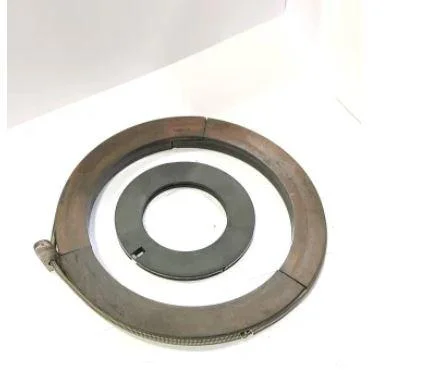
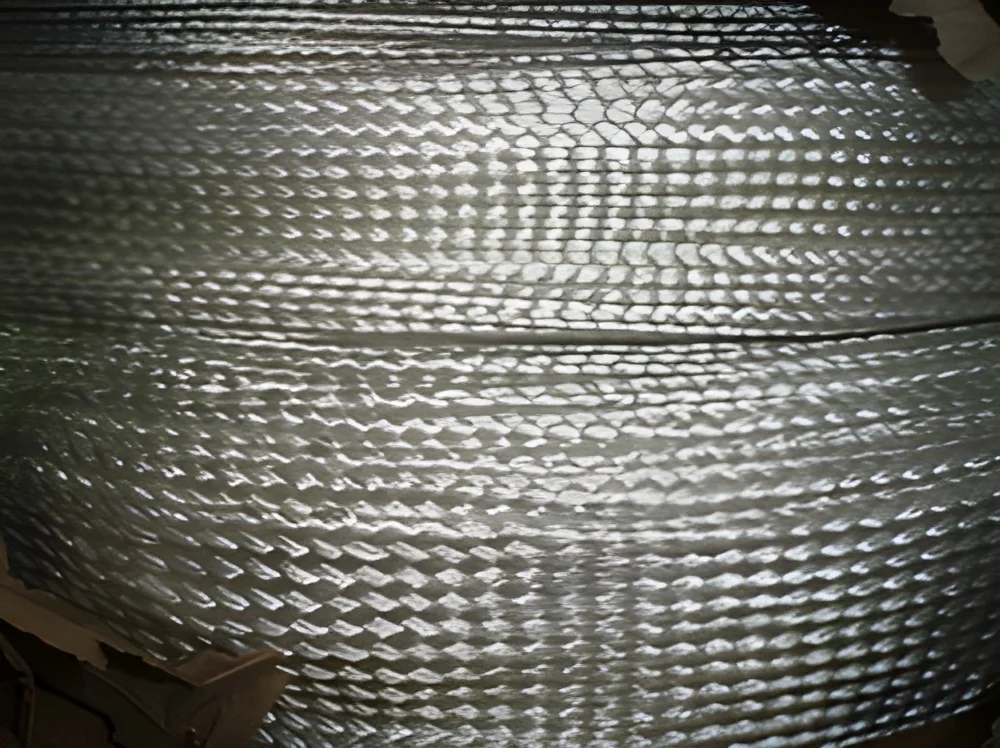
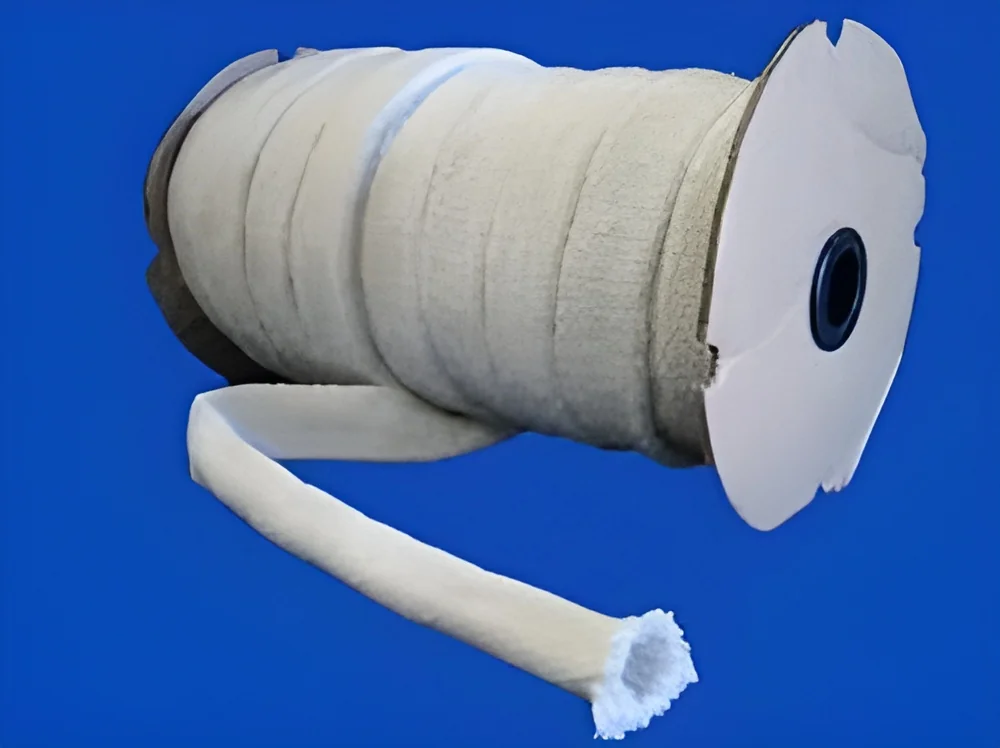
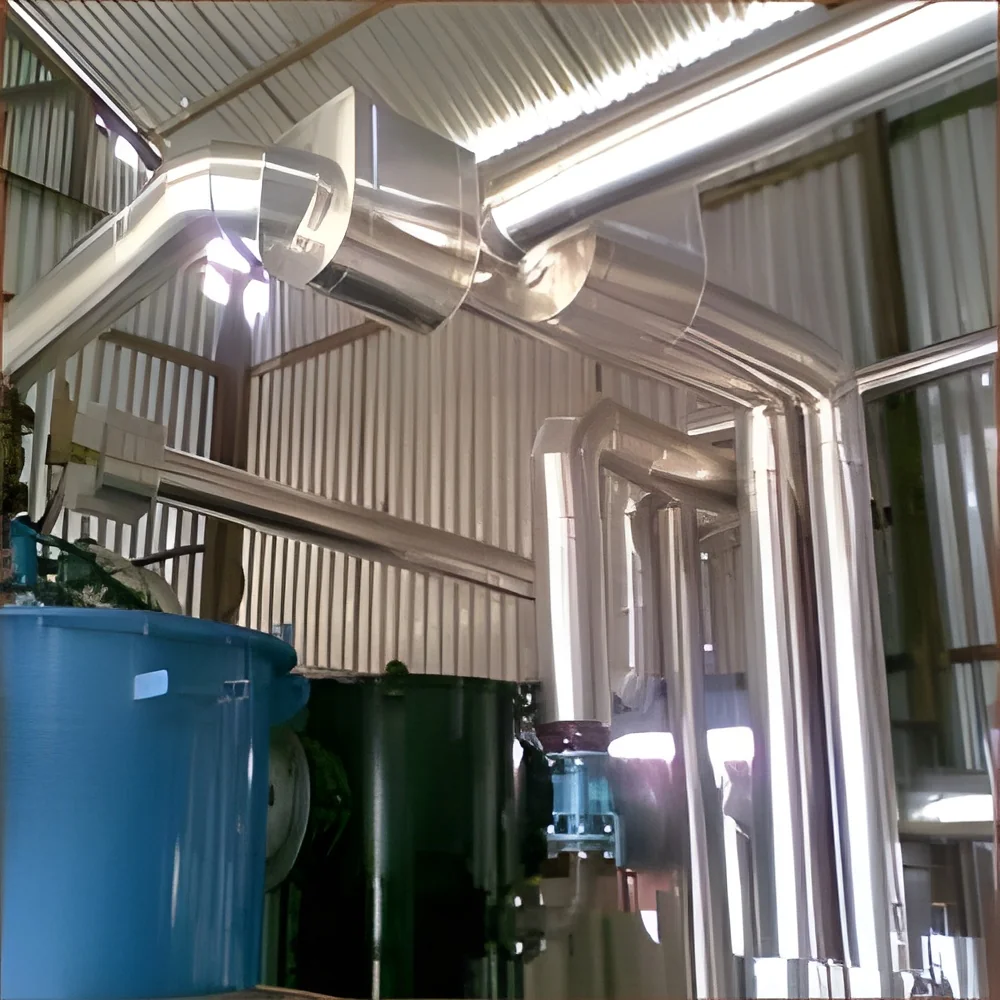
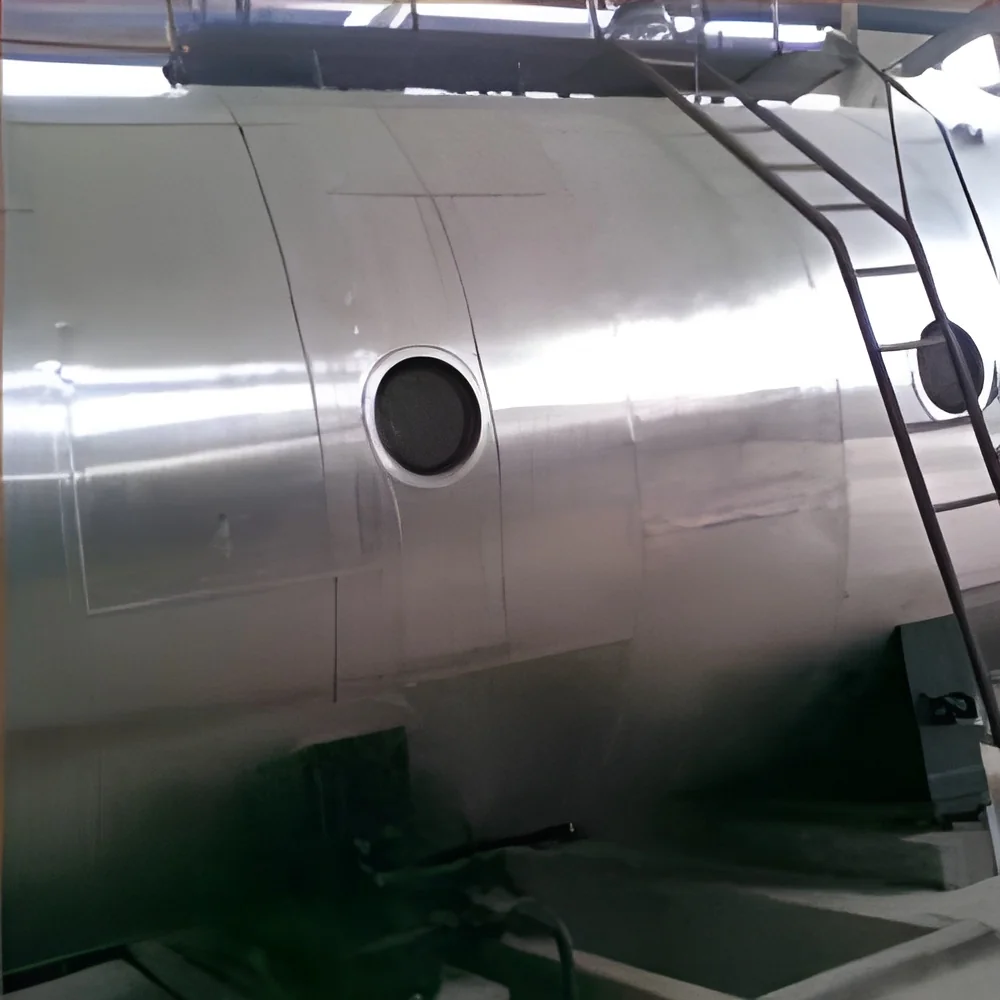
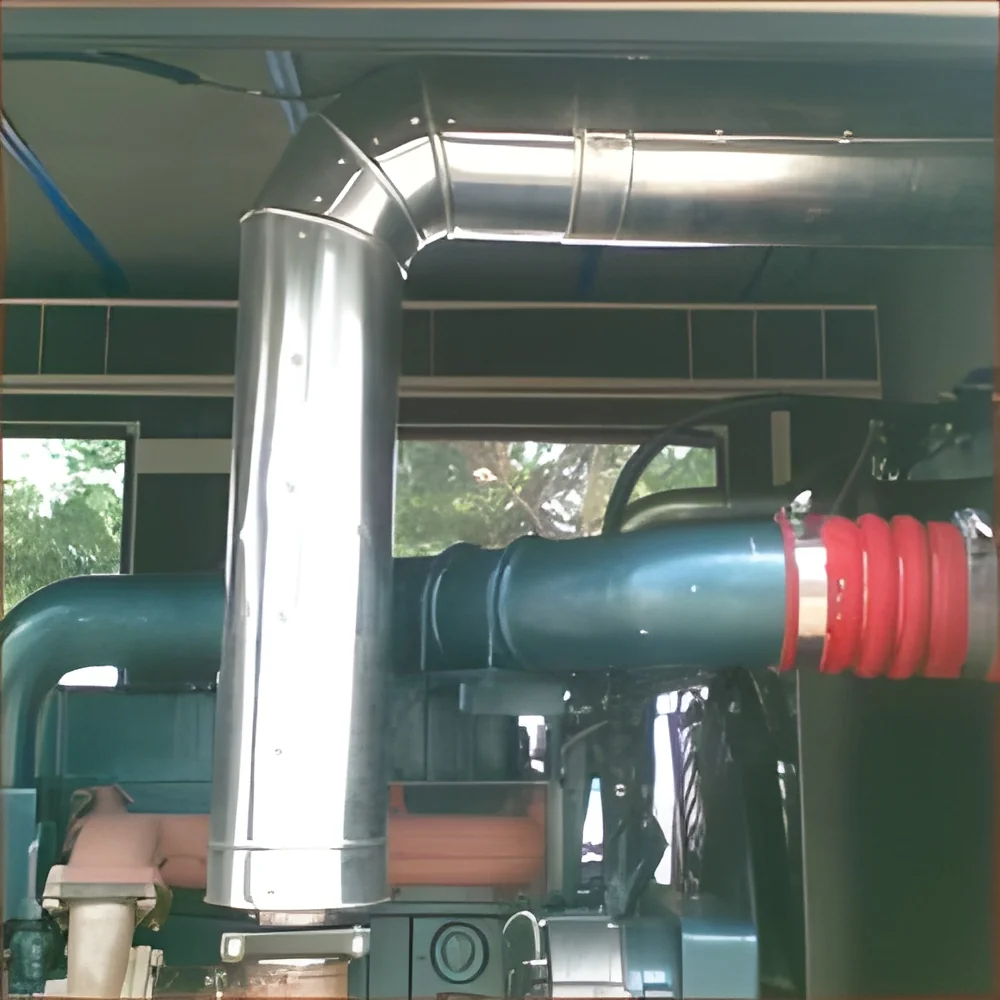
What are Insulation Material for Boilers?
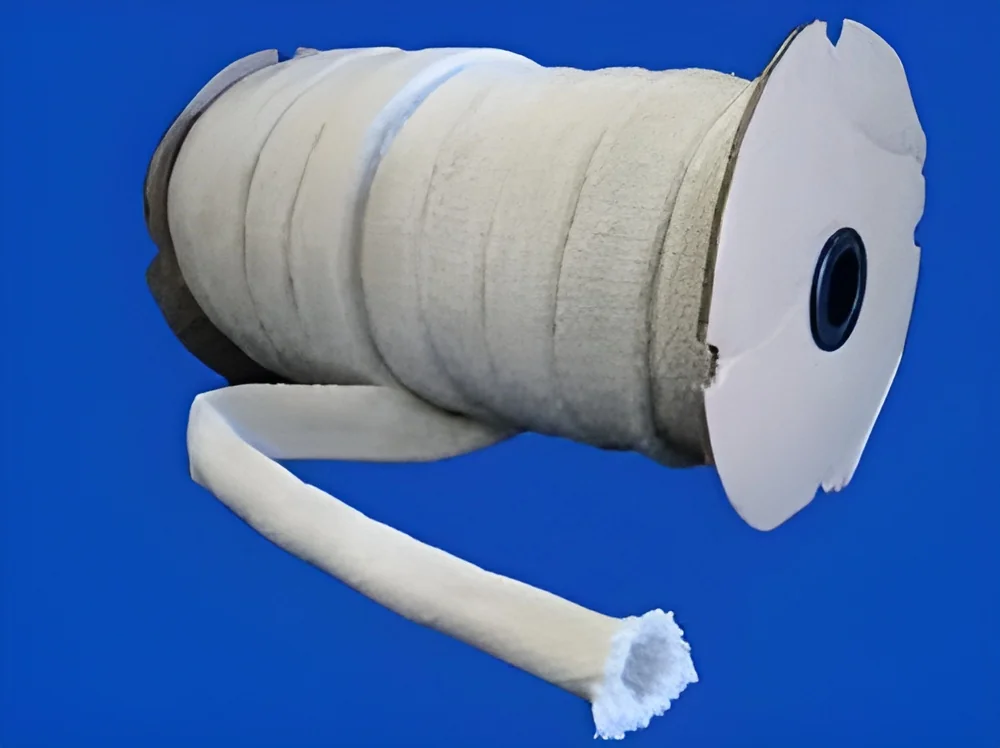
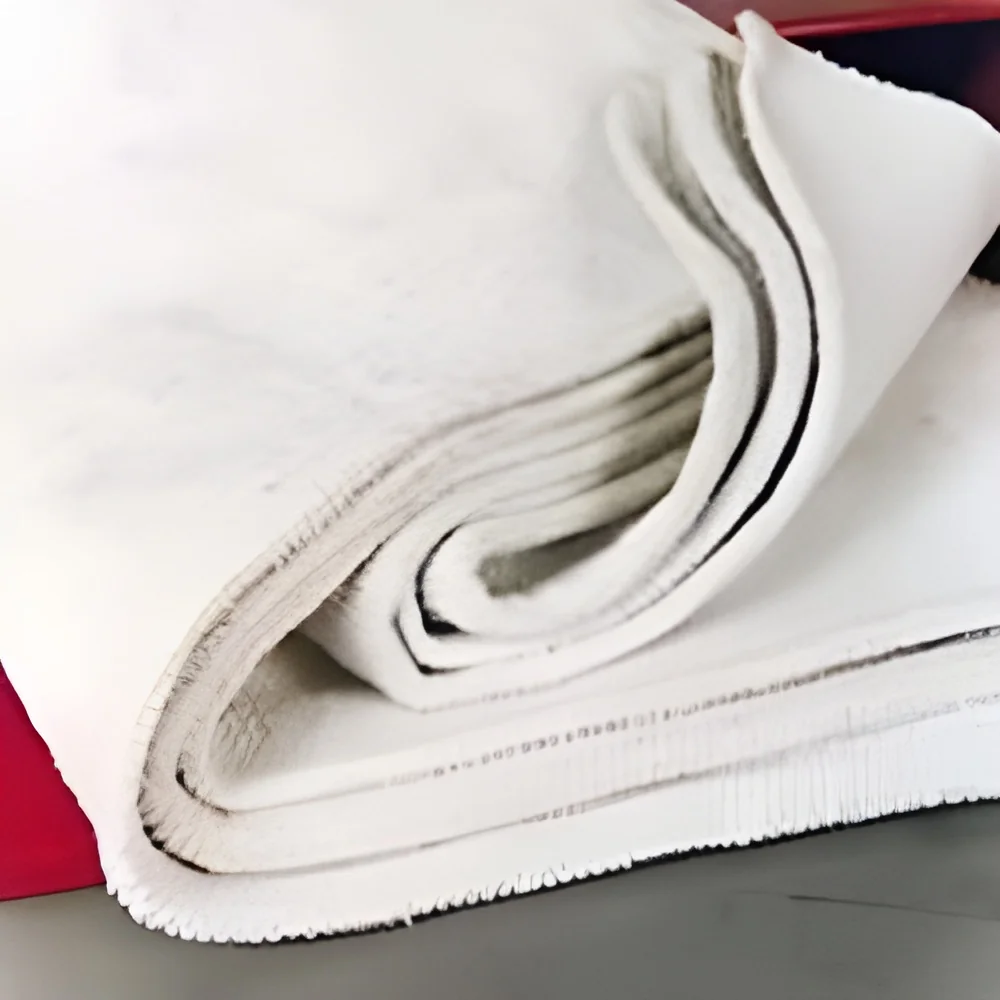
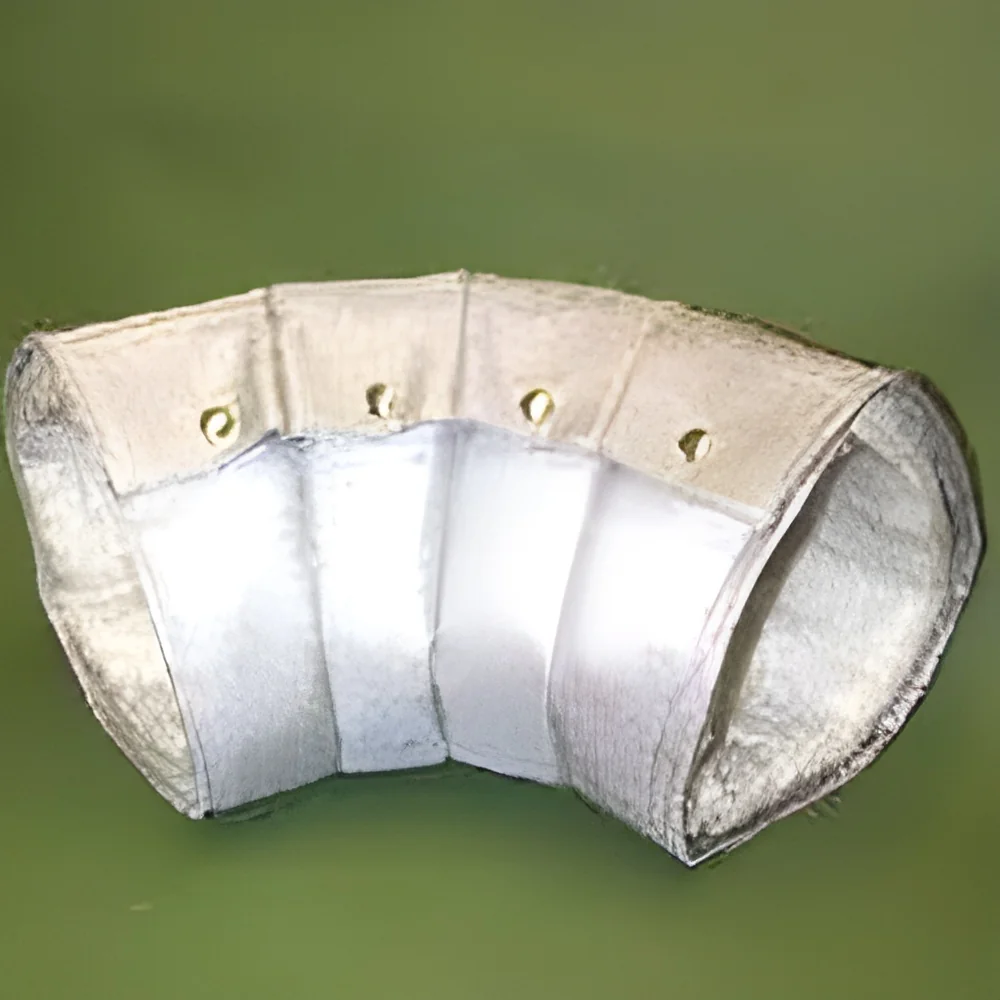
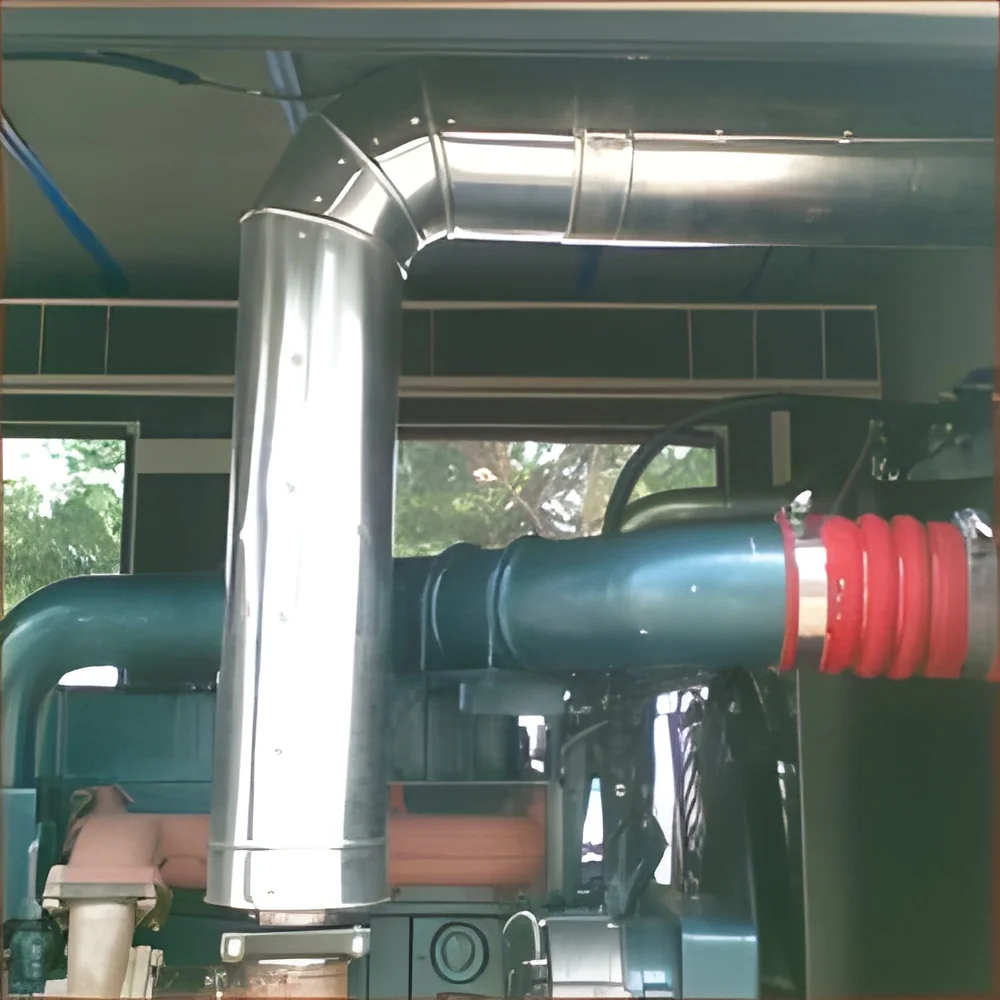
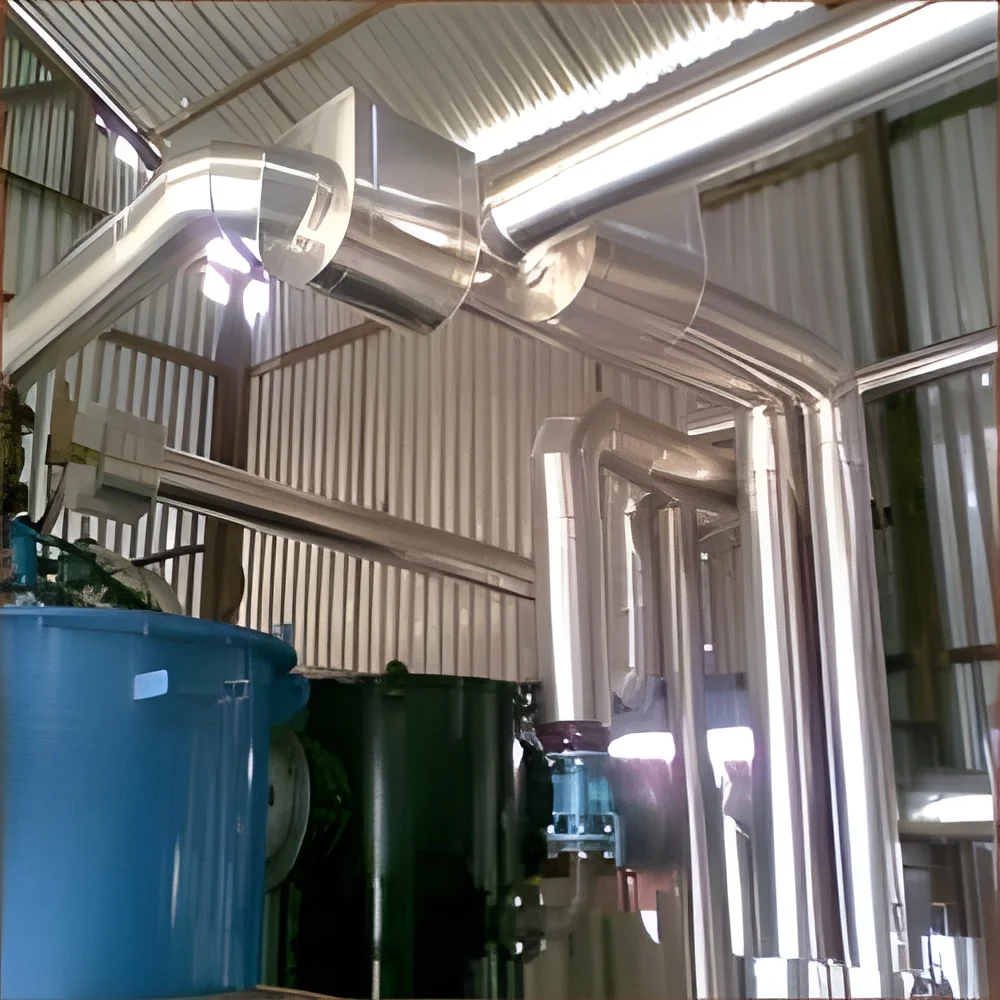
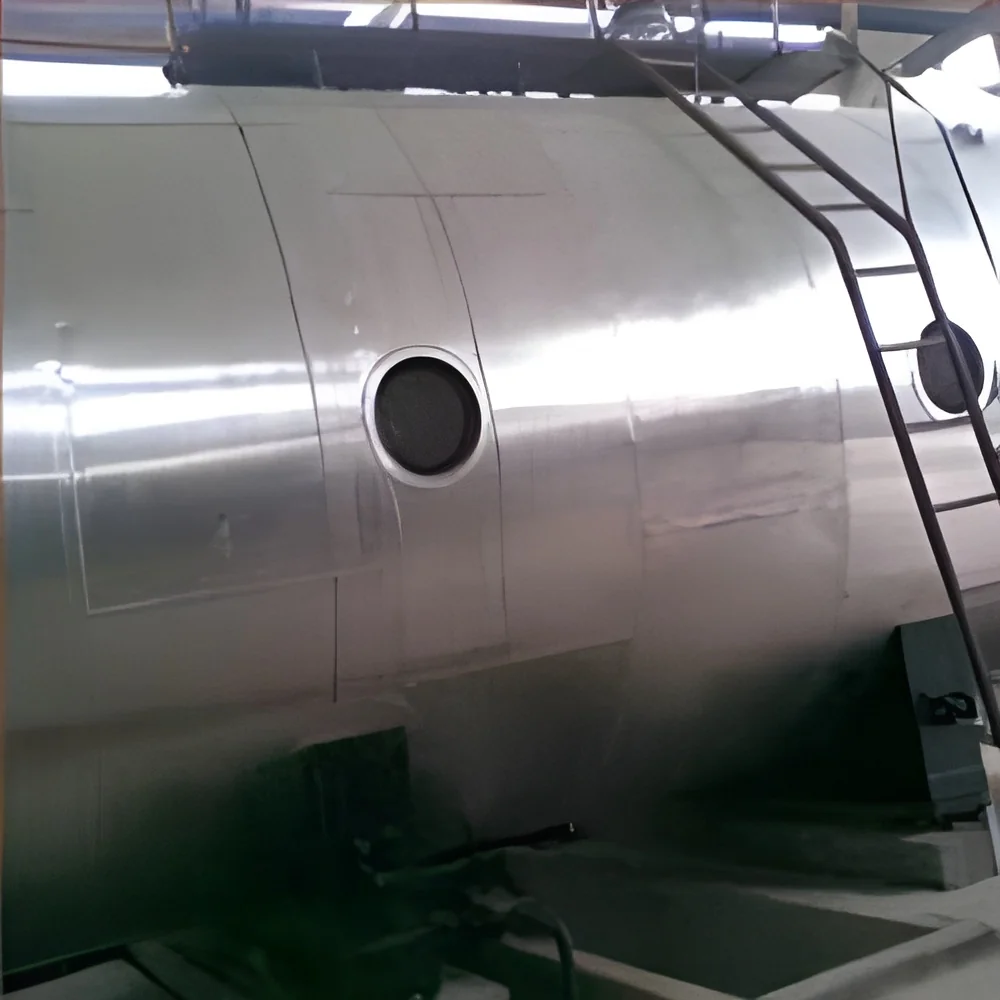
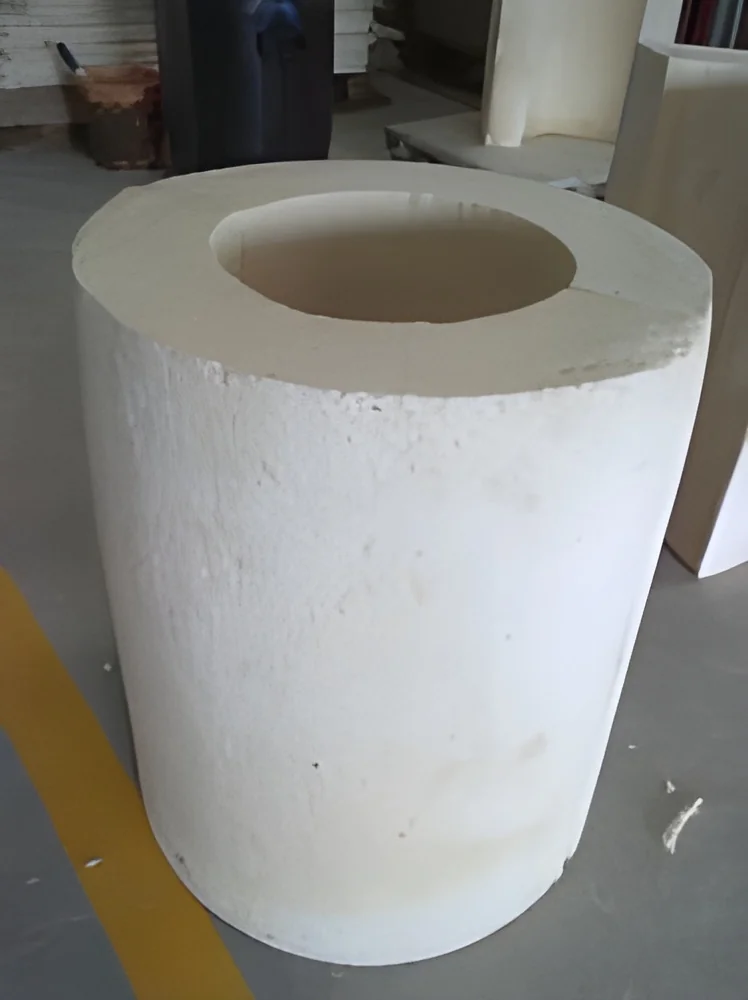
Insulation material for boilers is designed to minimize heat loss and enhance energy efficiency in industrial applications. These materials are essential for maintaining optimal temperatures within boiler systems, reducing energy consumption, and improving overall operational efficiency. Different types of insulation materials are available, each tailored to specific temperature ranges and application needs.
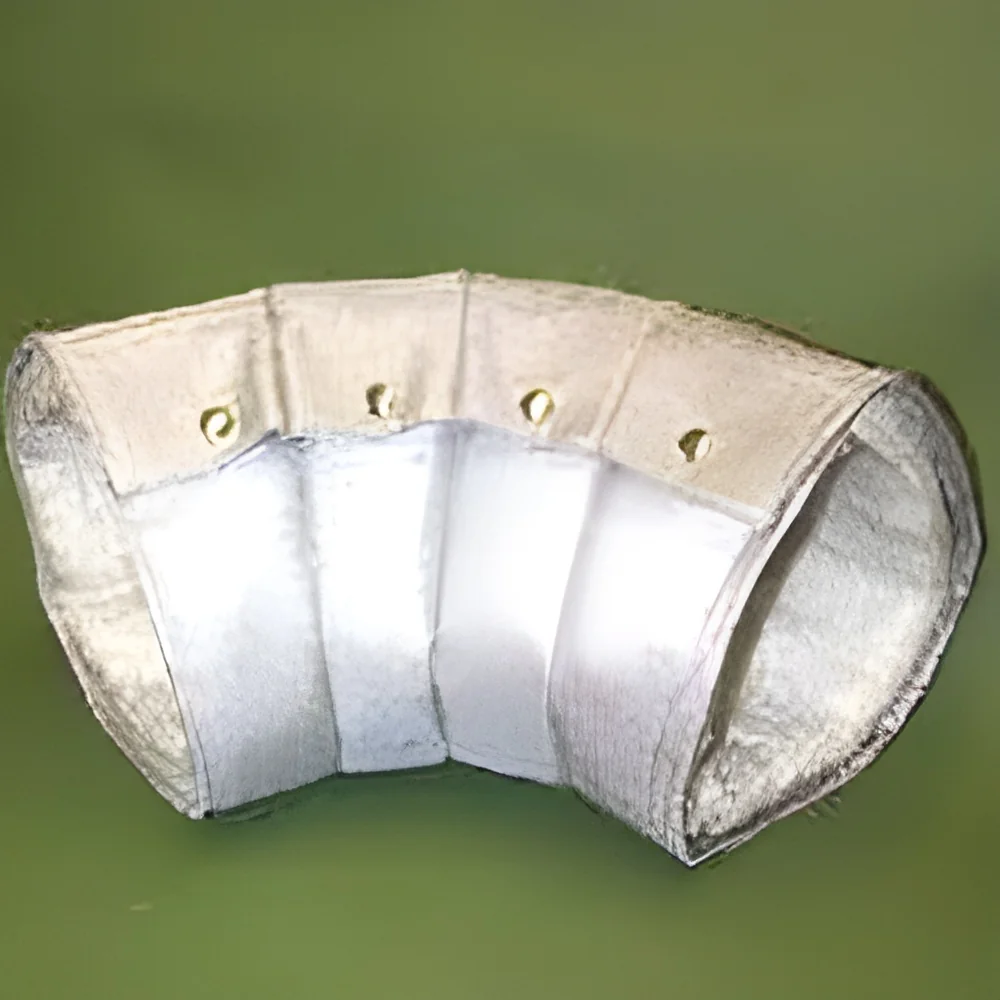
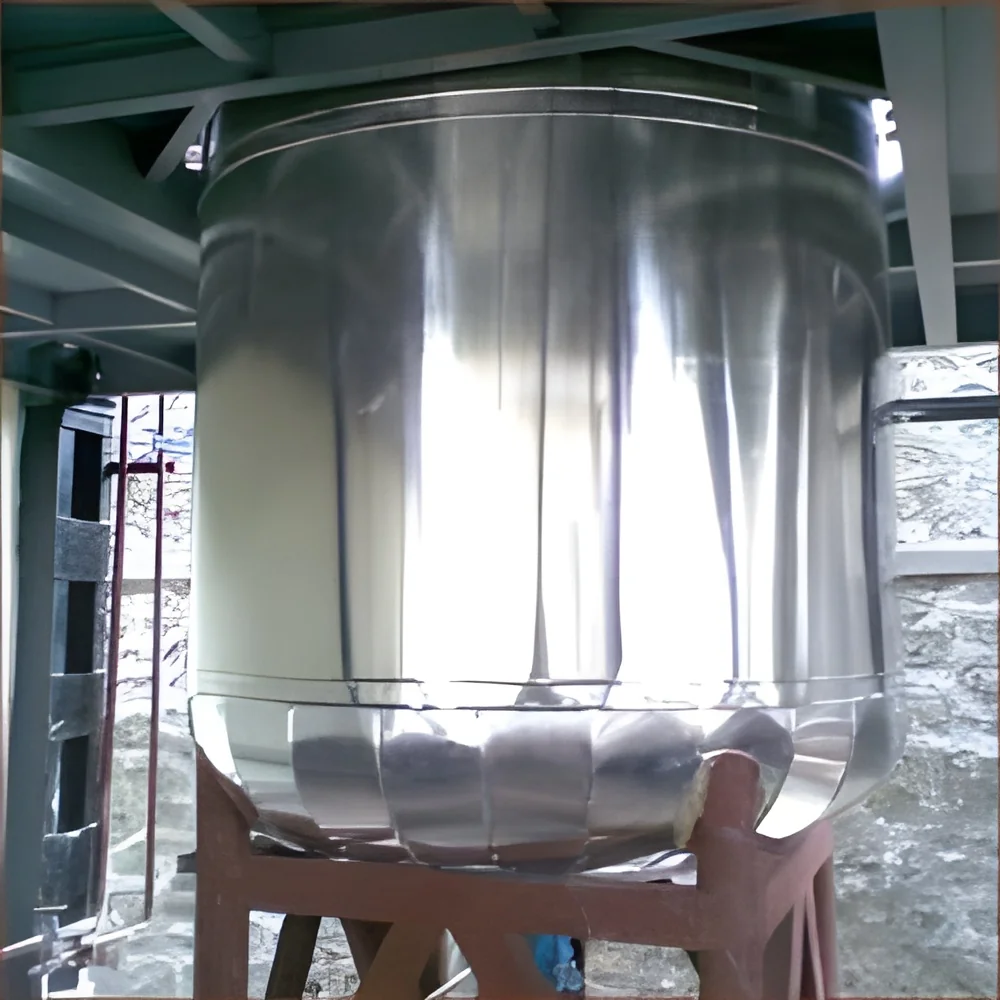
The primary uses of insulation materials in boilers include covering steam lines, hot water pipes, and boiler shells. They help to prevent heat transfer to the surrounding environment and protect personnel from burns and other hazards. In various industries such as manufacturing, power generation, and food processing, effective insulation plays a crucial role in operational safety and energy savings. The growing focus on sustainability and energy efficiency makes these materials increasingly relevant in today’s market.
Key Features and Specifications
When selecting insulation material for boilers, it is essential to consider several key features and specifications that impact performance and suitability for specific applications.
Key specifications include:
1. Thermal Conductivity
- Measures how well the insulation resists heat transfer.
- Typically ranges from 0.020 to 0.050 W/mK.
2. Temperature Resistance
- Indicates the maximum temperature the insulation can withstand.
- Commonly rated up to 600 degrees Celsius depending on material type.
3. Density
- Refers to the mass per unit volume of the insulation material.
- Generally varies from 30 kg/m3 to 150 kg/m3.
4. Moisture Absorption
- Describes the ability of the insulation to resist moisture penetration.
- Should be below 5% to prevent degradation.
5. Flame Resistance
- Evaluates the material's ability to resist ignition and spread of fire.
- Must comply with UL and CE certification standards.
6. Acoustic Properties
- Indicates the material's ability to reduce sound transmission.
- Important in industrial settings to minimize noise pollution.
7. Installation Method
- Different insulation types may require specific installation techniques.
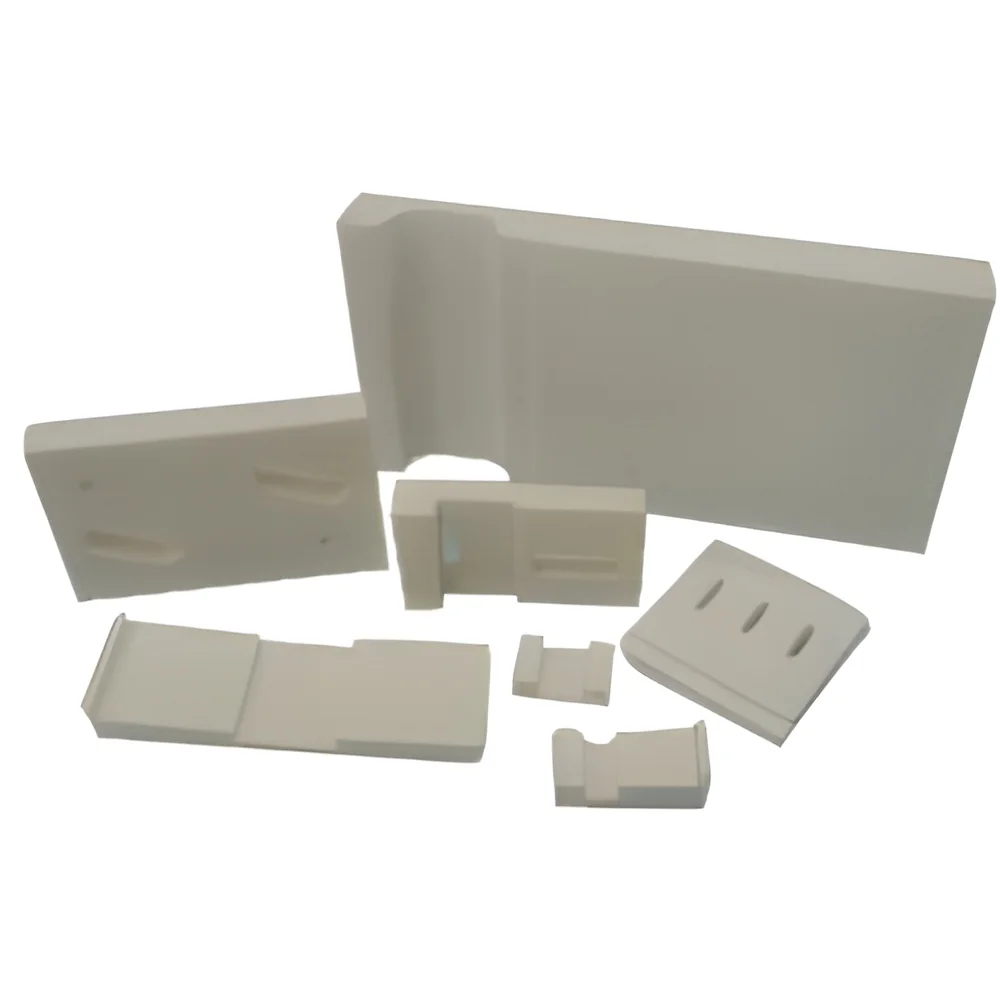
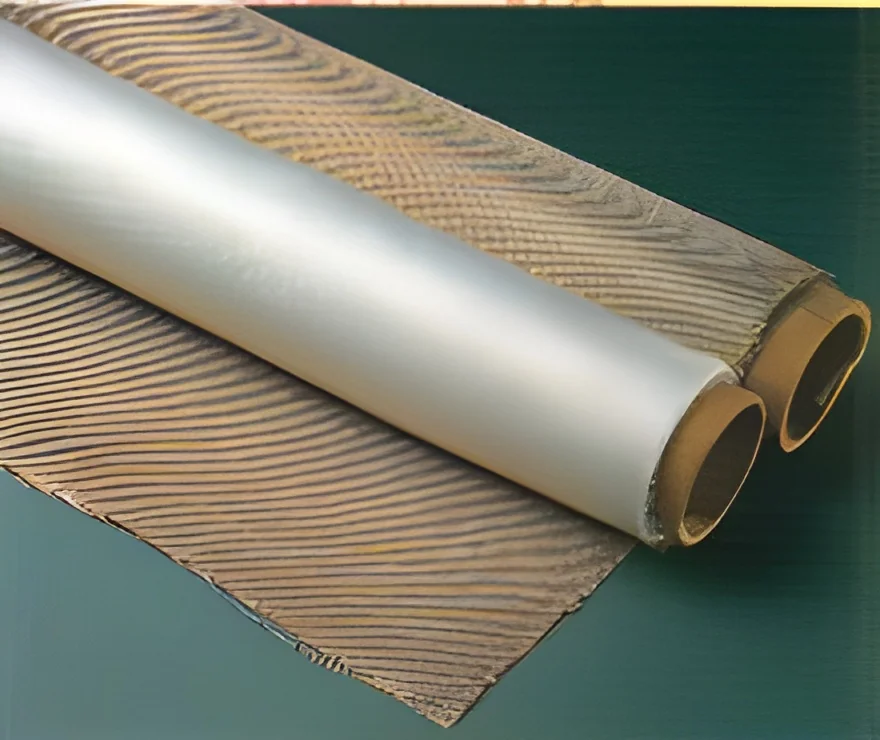
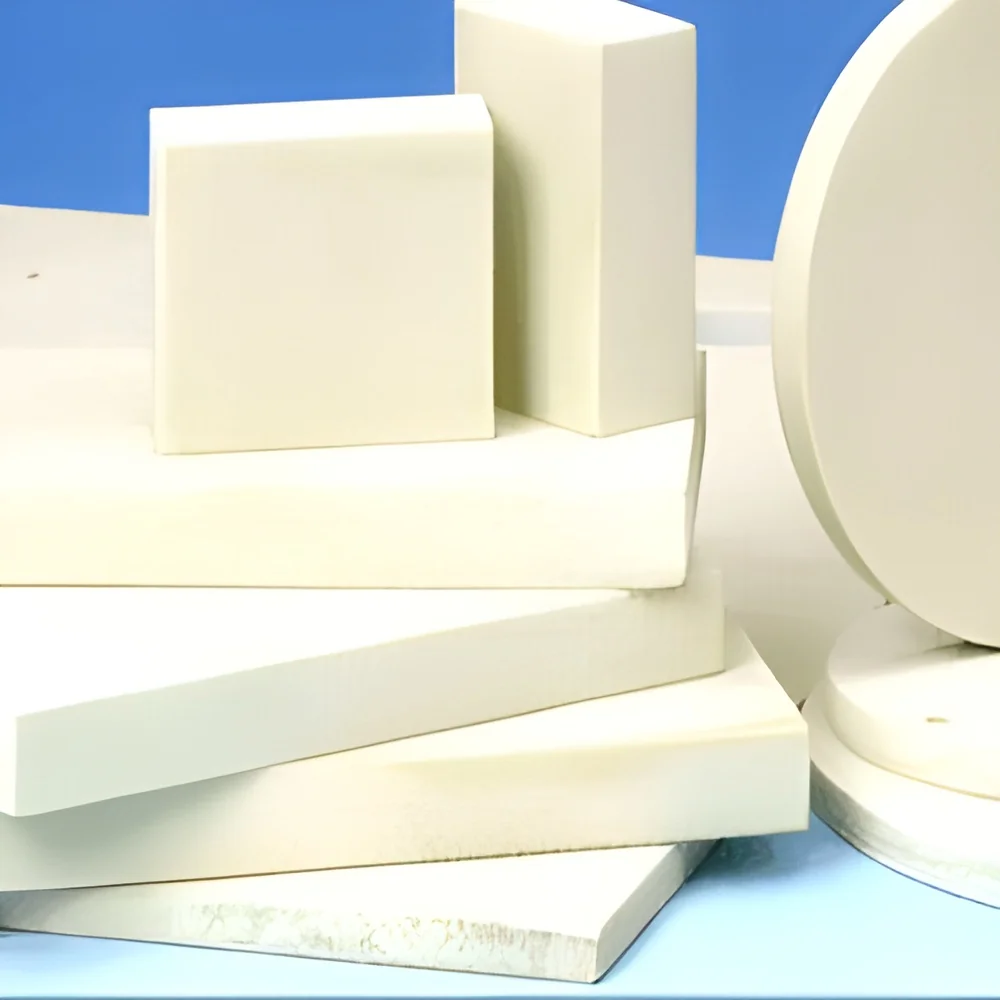
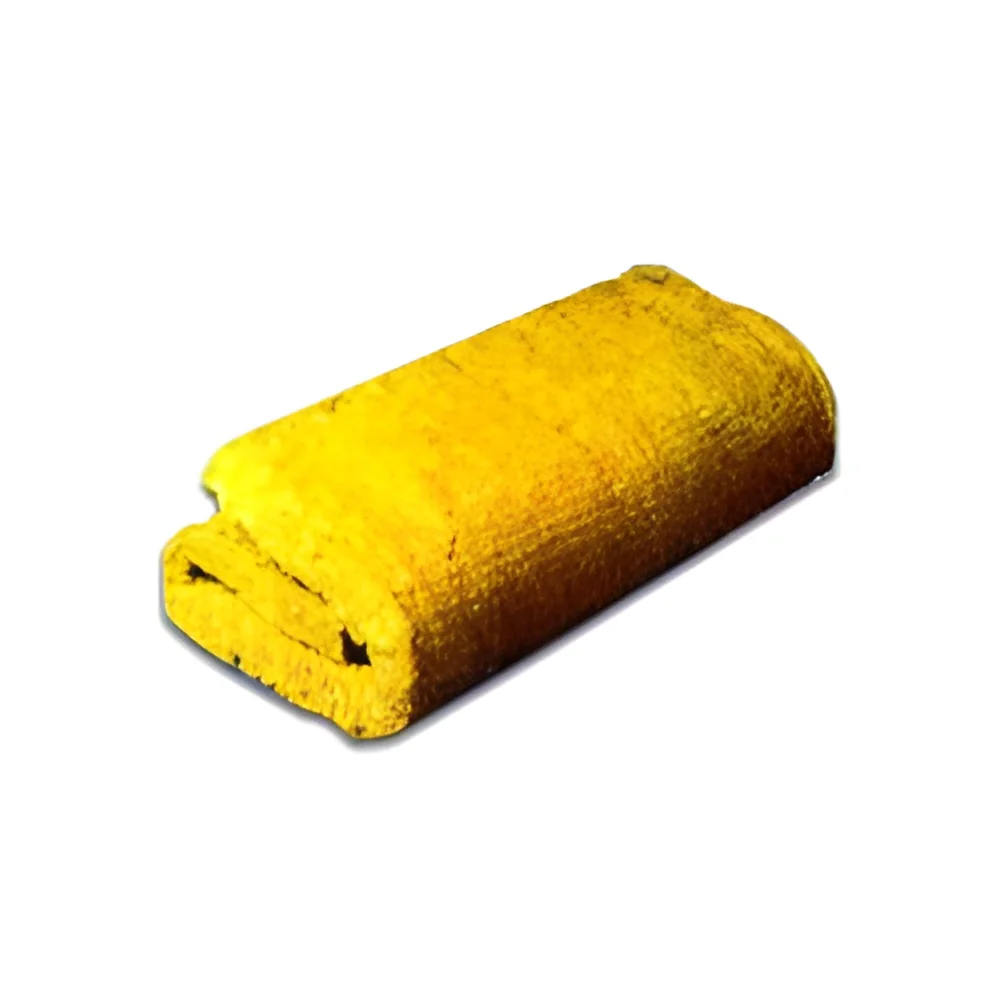
- Options include pre-formed sections, flexible rolls, or rigid boards.
8. Lifespan
- Refers to the expected operational life of the insulation material.
- Typically ranges from 10 to 30 years based on material and application.
In summary, understanding these specifications helps businesses select the right insulation material for their boiler systems, ensuring efficiency and safety.
Common Applications and Use Cases
Insulation material for boilers finds applications across various industries, each with specific needs.
1. Power Generation: High-temperature insulation is used to cover boiler systems, steam lines, and heat exchangers, ensuring effective heat retention and energy efficiency.
2. Manufacturing: Insulation is essential for maintaining temperature in industrial heating processes, minimizing energy costs while maximizing safety.
3. Food Processing: Insulation materials help maintain consistent temperatures in heating and cooling systems, which is crucial for food safety and quality.
4. Oil and Gas: Insulation is used in pipeline systems to prevent heat loss and protect against environmental factors, enhancing the efficiency of transportation processes.
5. Chemical Processing: Insulation ensures safety by preventing heat loss in reaction vessels and pipelines, reducing the risk of hazardous material exposure.
6. HVAC Systems: Insulation materials are critical in ductwork to maintain temperature and improve energy efficiency in heating and cooling systems.
7. Marine Applications: Insulation protects boiler systems on ships, where temperature control is vital for operational efficiency and safety.
Product Variants and Subcategories
Insulation materials for boilers come in various forms, catering to different application needs and environmental conditions.
Fiberglass Insulation
This variant is lightweight and has excellent thermal resistance, making it suitable for high-temperature applications. It is often used in commercial and industrial boilers.
Mineral Wool Insulation
Known for its fire-resistant properties, mineral wool insulation is ideal for environments where safety is a priority. It is commonly used in power generation facilities.
Ceramic Fiber Insulation
This high-temperature insulation is suitable for applications exceeding 1000 degrees Celsius. Ceramic fiber is often used in energy-intensive industries like metal processing.
Polyurethane Foam Insulation
This option offers excellent thermal performance and is often utilized in situations requiring lightweight solutions with high insulating properties. It is suitable for both hot and cold applications.
Benefits and Advantages
Utilizing insulation materials for boilers provides several key benefits to businesses.
1. Improved Energy Efficiency: Effective insulation reduces heat loss, leading to lower energy consumption and operational costs.
2. Enhanced Safety: Insulation materials protect personnel from burns and other hazards associated with high-temperature surfaces.
3. Extended Equipment Lifespan: Proper insulation helps maintain consistent operating conditions, which can prolong the life of boiler systems.
4. Noise Reduction: Insulation materials can reduce sound transmission, creating a more comfortable working environment.
5. Environmental Impact: By improving energy efficiency, insulation contributes to reducing the carbon footprint of industrial operations.
6. Compliance with Regulations: Using certified insulation materials helps ensure compliance with safety and environmental standards.
Buying Guide for B2B Buyers
When sourcing insulation material for boilers, several factors should be taken into account to ensure a suitable purchase.
1. Quality Assessment: Evaluate insulation materials based on thermal performance and safety ratings. Look for compliance with industry standards like CE and UL.
2. Supplier Verification: Vet suppliers for reliability and reputation in the market. Check for customer reviews and previous project references.
3. Pricing and MOQ: Analyze pricing structures and minimum order quantities. A balance between cost and quality is essential for effective procurement.
4. Delivery and Lead Times: Factor in logistics and delivery schedules to avoid project delays. Confirm lead times with suppliers before finalizing orders.
5. Compliance Requirements: Ensure that the materials meet local and international regulatory requirements for safety and environmental impact.
Compliance and Certifications
Insulation materials for boilers must adhere to various quality standards and certifications to ensure safety and performance.
ISO 9001 sets the framework for quality management systems, emphasizing continual improvement and customer satisfaction. Compliance with this standard ensures that manufacturers maintain high-quality production processes.
Industry certifications such as CE and UL are crucial for demonstrating that insulation materials meet safety standards. CE marking indicates compliance with European safety, health, and environmental protection legislation. UL certification signifies that products have been tested for safety and performance by an independent organization.
Safety testing requirements often include assessments of thermal performance, flammability, and moisture resistance. Meeting these criteria is vital for ensuring the safety and reliability of insulation materials in demanding environments.
Regional compliance considerations may vary, so it is essential for businesses to understand local regulations governing insulation materials and their applications.
Why Source Insulation Material for Boilers from Pepagora?
Pepagora offers a reliable platform for sourcing insulation material for boilers, providing several key advantages to B2B buyers.
Verified Supplier Network: Pepagora connects buyers with a network of verified suppliers who have undergone thorough screening processes. This ensures that businesses can trust the quality and reliability of their chosen suppliers.
Streamlined RFQ Process: The platform simplifies the request for quotation process, allowing buyers to efficiently compare offers from multiple suppliers. This helps in making informed purchasing decisions.
Trade Assurance and Support: Pepagora provides trade assurance, protecting buyers against potential risks in transactions. The platform also offers support to help resolve any issues that may arise during the procurement process.
Regional Coverage: With a strong presence in India, the GCC, and Southeast Asia, Pepagora facilitates connections across various markets, making it easier for businesses to source insulation materials tailored to their regional needs.

 IN
IN