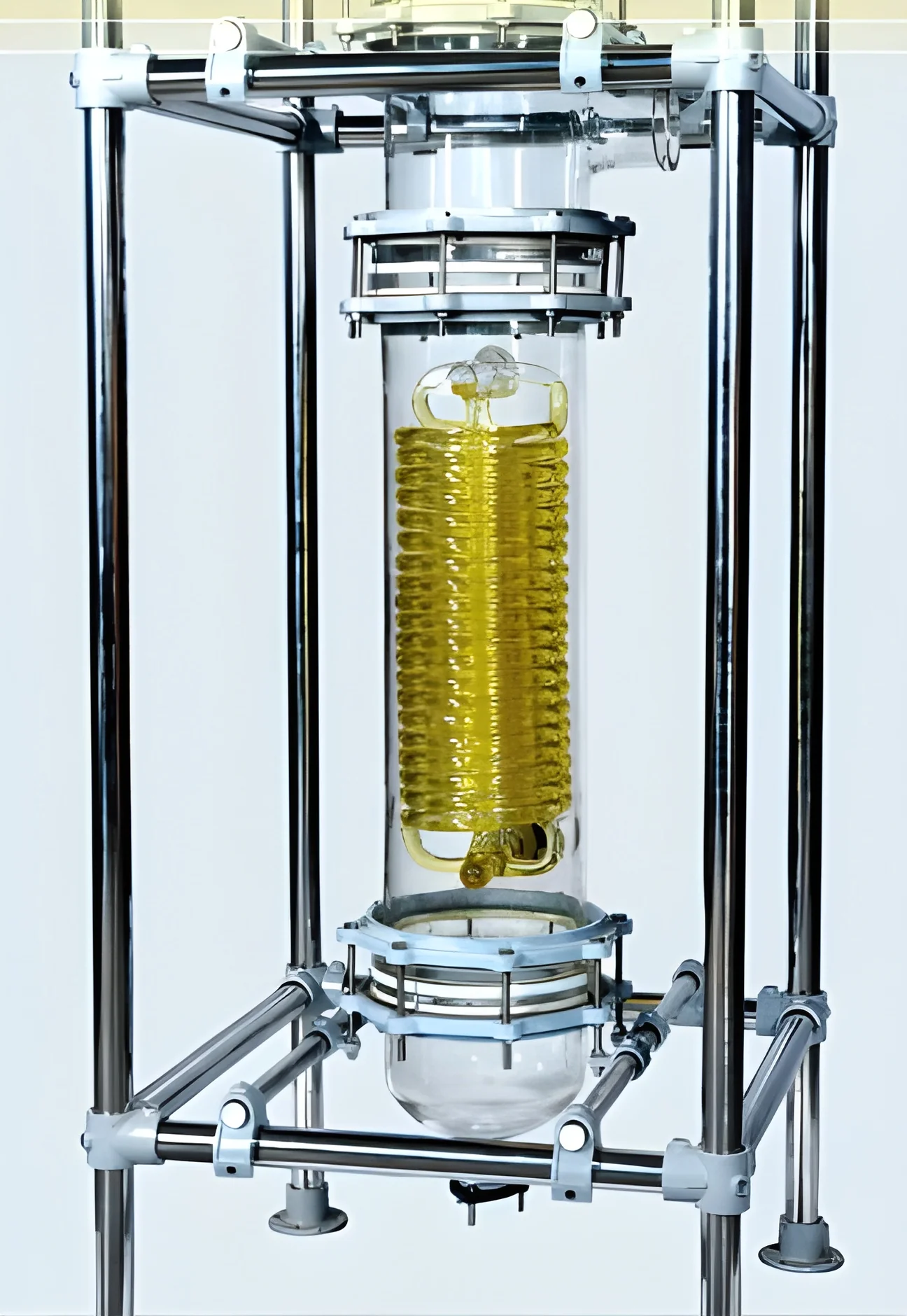
What are Graphite Heat Exchangers?
Graphite heat exchangers are specialized devices designed to transfer heat between two or more fluids without mixing them. They utilize graphite as the primary material due to its excellent thermal conductivity and resistance to corrosion. Graphite's unique properties enable heat exchangers to operate efficiently in high-temperature and aggressive chemical environments, making them suitable for various industries.
These heat exchangers are primarily used in industries such as chemicals, pharmaceuticals, and petrochemicals. They handle processes that require precise temperature control and efficient heat transfer. Graphite heat exchangers are ideal for applications involving acidic or caustic fluids where traditional metal exchangers would corrode. As industries continue to push for more efficient and durable solutions, the demand for graphite heat exchangers is growing, highlighting their significance in today's market.
Key Features and Specifications
Graphite heat exchangers come with a range of features and specifications that make them suitable for diverse applications. These specifications are crucial for buyers to understand to select the right product for their needs.
Key specifications include:
1. Material Composition
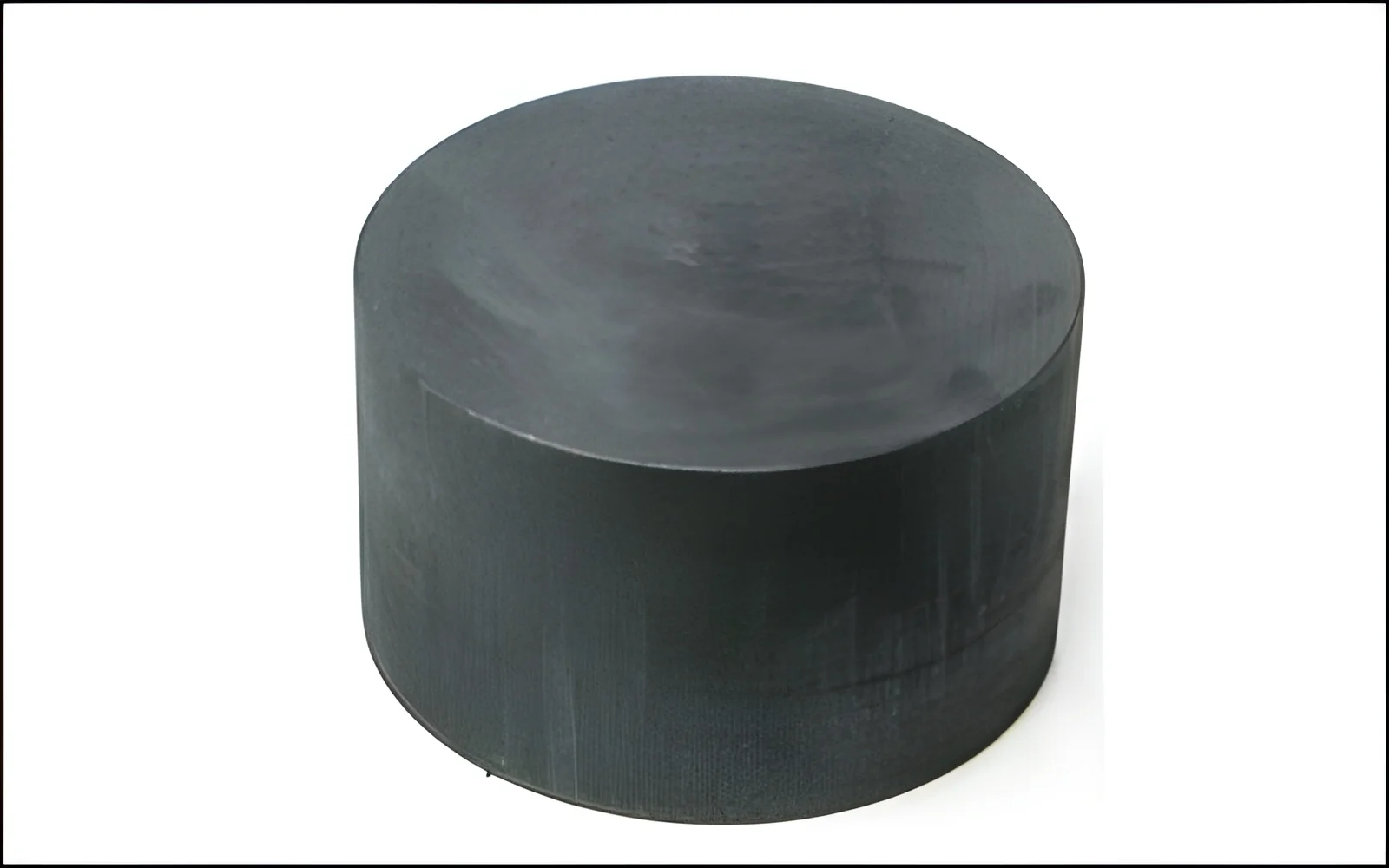
- Constructed primarily from high-purity graphite
- Offers excellent thermal conductivity and resistance to corrosion
2. Operational Temperature Range
- Capable of functioning in high-temperature environments
- Specific temperature limits may vary based on design
3. Pressure Rating
- Rated for different pressure levels depending on the application
- Typically designed for high-pressure processes
4. Design Configuration
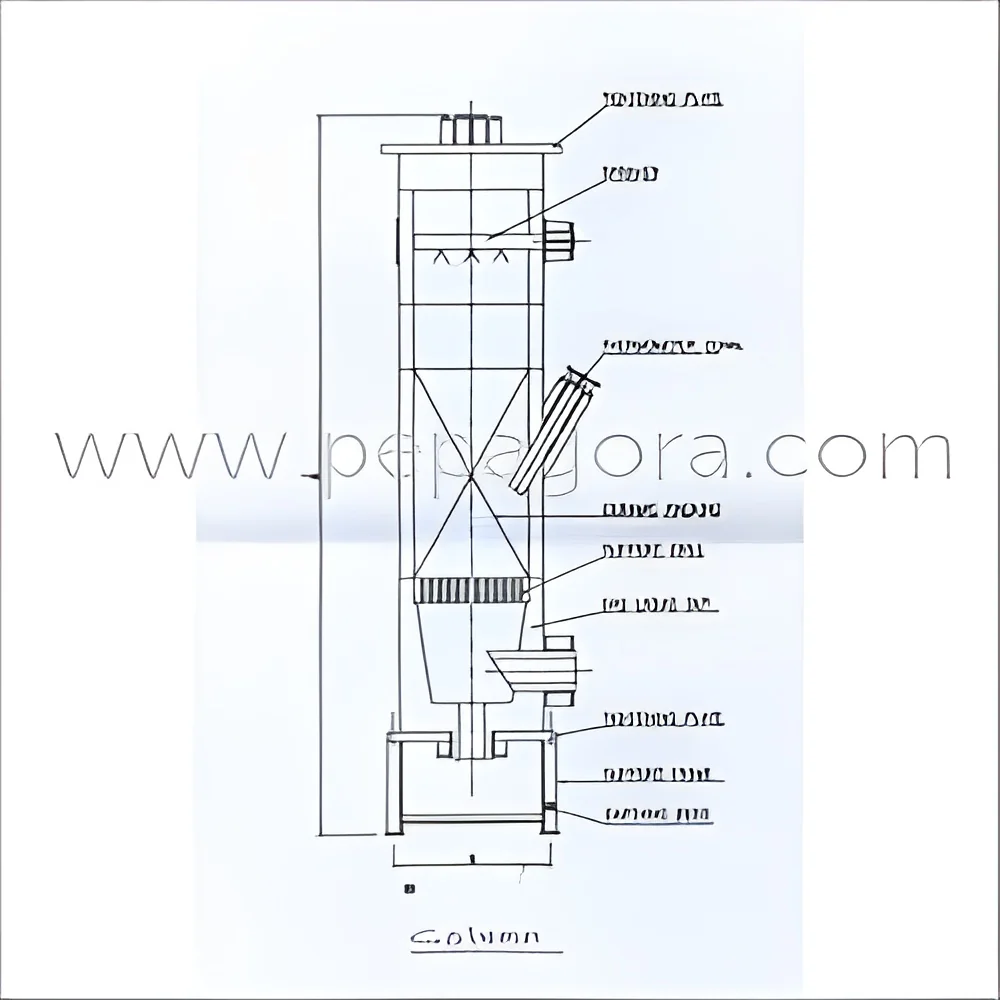
- Available in various designs, including block type and shell and tube
- Configuration affects heat transfer efficiency and space requirements
5. Flow Arrangement
- Options for counterflow, parallel flow, or crossflow configurations
- Each arrangement impacts the thermal performance and efficiency
6. Maintenance Requirements
- Generally low maintenance due to the durability of graphite
- Regular inspections recommended to ensure optimal performance
7. Customization Options
- Many manufacturers offer tailored designs based on specific requirements
- Custom features can include size, shape, and connection types
In summary, understanding these features and specifications helps buyers choose the right graphite heat exchanger for their operational needs.
Common Applications and Use Cases
Graphite heat exchangers serve various industries, providing effective solutions for heat transfer challenges.
1. Chemical Manufacturing: In chemical processes, graphite heat exchangers manage temperature-sensitive reactions, ensuring optimal conditions without compromising material integrity.
2. Pharmaceutical Industry: These exchangers are used to maintain precise temperature control in drug formulation and production, where contamination and corrosion are critical concerns.
3. Petrochemical Sector: Graphite heat exchangers play a vital role in refining processes, effectively handling corrosive substances and high temperatures.
4. Food Processing: They are utilized for heat recovery and thermal regulation in certain food production processes, where non-reactive materials are essential.
5. Waste Treatment: Graphite exchangers are employed in waste heat recovery systems, improving energy efficiency in various waste management applications.
6. Power Generation: In some power generation setups, they provide efficient heat transfer, especially in geothermal and solar thermal applications.
7. Semiconductor Manufacturing: These heat exchangers are crucial for controlling temperatures in sensitive semiconductor processes, ensuring product quality.
Product Variants and Subcategories
Graphite heat exchangers come in various configurations to meet different industrial needs.
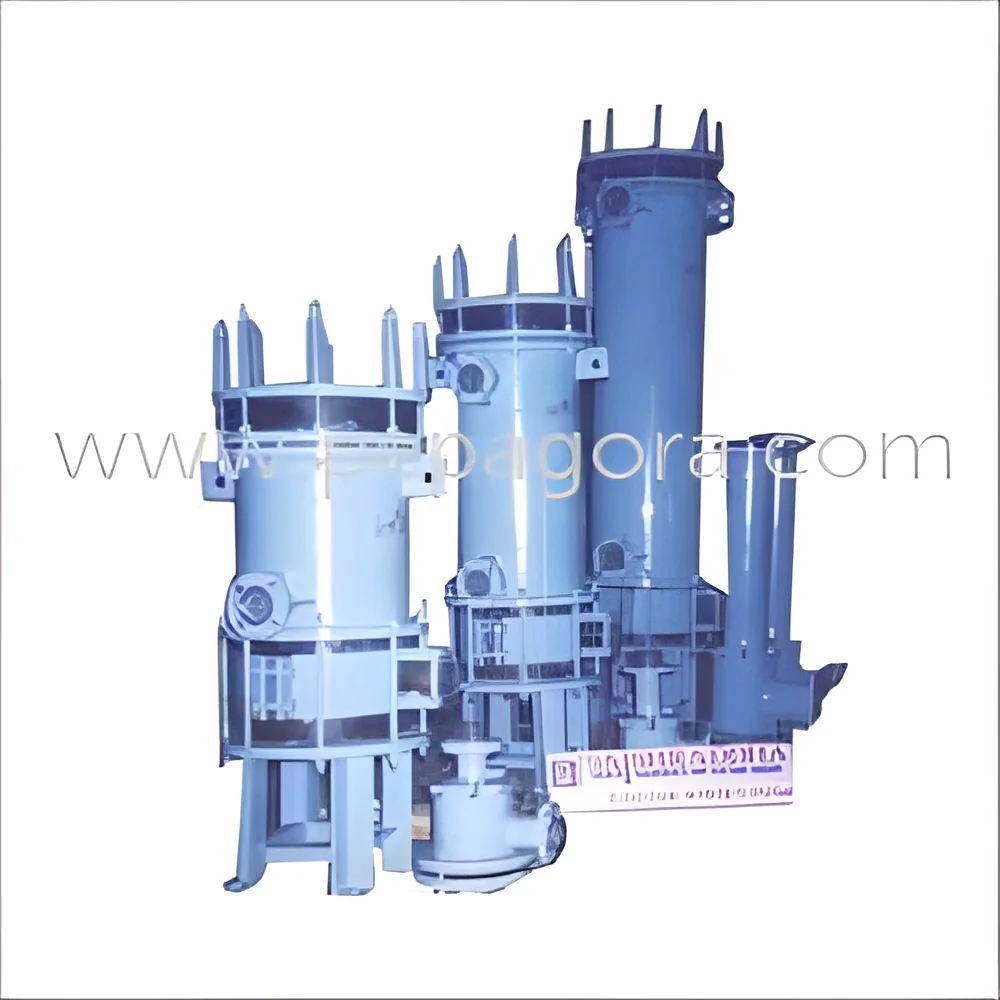
Shell and Tube Heat Exchanger: This variant consists of a series of tubes, with one fluid flowing through the tubes and another fluid surrounding them. It is effective for large-scale applications where space allows.
Block Type Heat Exchanger: Featuring a compact design, this variant uses stacked plates or blocks of graphite. It is suitable for applications requiring high heat transfer efficiency in limited spaces.
Customized Heat Exchangers: Many manufacturers offer custom solutions tailored to specific operational requirements, allowing businesses to optimize performance based on their unique processes.
Benefits and Advantages
Graphite heat exchangers offer several key benefits that make them an appealing choice for industrial applications.
1. High Corrosion Resistance: Graphite's inherent properties provide exceptional resistance to a wide range of corrosive fluids, extending the lifespan of the equipment.
2. Excellent Thermal Conductivity: These heat exchangers offer superior heat transfer efficiency, enabling better energy management and reduced operational costs.
3. Low Maintenance Needs: With minimal wear and tear, graphite heat exchangers typically require less frequent maintenance, saving both time and resources.
4. Versatile Applications: Suitable for various industries, they can handle an array of fluids and temperatures, making them a flexible solution for heat transfer.
5. Lightweight Design: Compared to traditional metal exchangers, graphite units are lighter, making installation and transportation easier.
6. Customization Potential: The ability to customize designs allows businesses to meet specific operational requirements effectively.
Buying Guide for B2B Buyers
When sourcing graphite heat exchangers, several factors should be considered to ensure a suitable purchase.
1. Quality Assessment: Evaluate the manufacturing quality and material standards. Look for products that meet industry benchmarks and are designed for specific operational conditions.
2. Supplier Verification: Vet potential suppliers by checking their reputation, certifications, and customer feedback. Reliable suppliers should have a proven track record in the industry.
3. Pricing and MOQ: Understand the pricing structure and minimum order quantities, as these can vary significantly between suppliers. Ensure the pricing aligns with the budget and expected volume.
4. Delivery and Lead Times: Consider logistics, including lead times for production and delivery. Timely availability is crucial for maintaining operational efficiency.
5. Compliance Requirements: Ensure that the heat exchangers meet all relevant regulatory and safety standards. This includes certifications such as CE and compliance with local regulations.
Compliance and Certifications
Compliance and certifications are critical for ensuring the reliability and safety of graphite heat exchangers.
Manufacturers typically adhere to relevant quality standards such as ISO 9001, which ensures a consistent quality management system. This standard is essential for maintaining the integrity of manufacturing processes and end products.
Additionally, compliance with HACCP (Hazard Analysis and Critical Control Points) and GDP (Good Distribution Practices) is important, especially in industries like food and pharmaceuticals. These standards help ensure that the heat exchangers do not introduce contaminants during processing.
Industry certifications, such as CE marking, indicate conformity with European safety standards, providing assurance to buyers about product safety and performance.
Regional compliance considerations may vary, so it is vital for manufacturers to stay updated on local regulations and standards applicable in the regions they serve.
Why Source Graphite Heat Exchangers from Pepagora?
Pepagora offers a trusted platform for sourcing graphite heat exchangers, providing several key advantages to B2B buyers.
Verified Supplier Network: Pepagora features a network of verified suppliers known for their quality and dependability. This network allows buyers to connect with reputable manufacturers and distributors, ensuring a reliable sourcing experience.
Streamlined RFQ Process: The request for quotation (RFQ) process on Pepagora is designed to be straightforward and efficient. Buyers can easily submit their needs and receive competitive quotes from multiple suppliers, facilitating informed decision-making.
Trade Assurance and Support: Pepagora emphasizes buyer protection through trade assurance policies. This provides peace of mind, knowing that there is support available for transactions and any potential issues that may arise.
Regional Coverage: With a strong presence in markets such as India, the Gulf Cooperation Council (GCC), and Southeast Asia, Pepagora ensures that buyers can access graphite heat exchangers tailored to regional specifications and demands. This geographic reach enhances the ability to source products quickly and efficiently.

 IN
IN