
 IN
INEmission Monitoring Equipment
14 products available
What are Emission Monitoring Equipment?
Key Features and Specifications
Common Applications and Use Cases
Product Variants and Subcategories
Benefits and Advantages
Buying Guide for B2B Buyers
Compliance and Certifications
Why Source Emission Monitoring Equipment from Pepagora?



Frequently Asked Questions
What are Emission Monitoring Equipment?
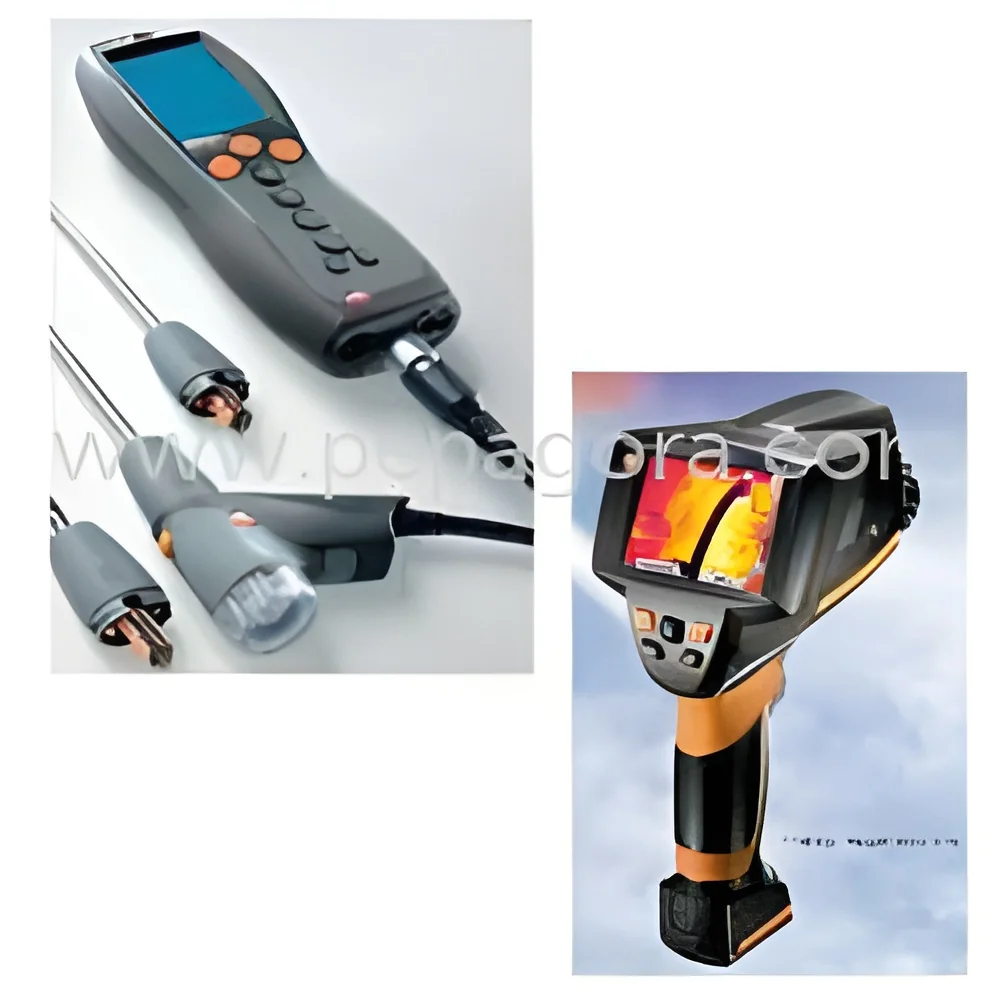
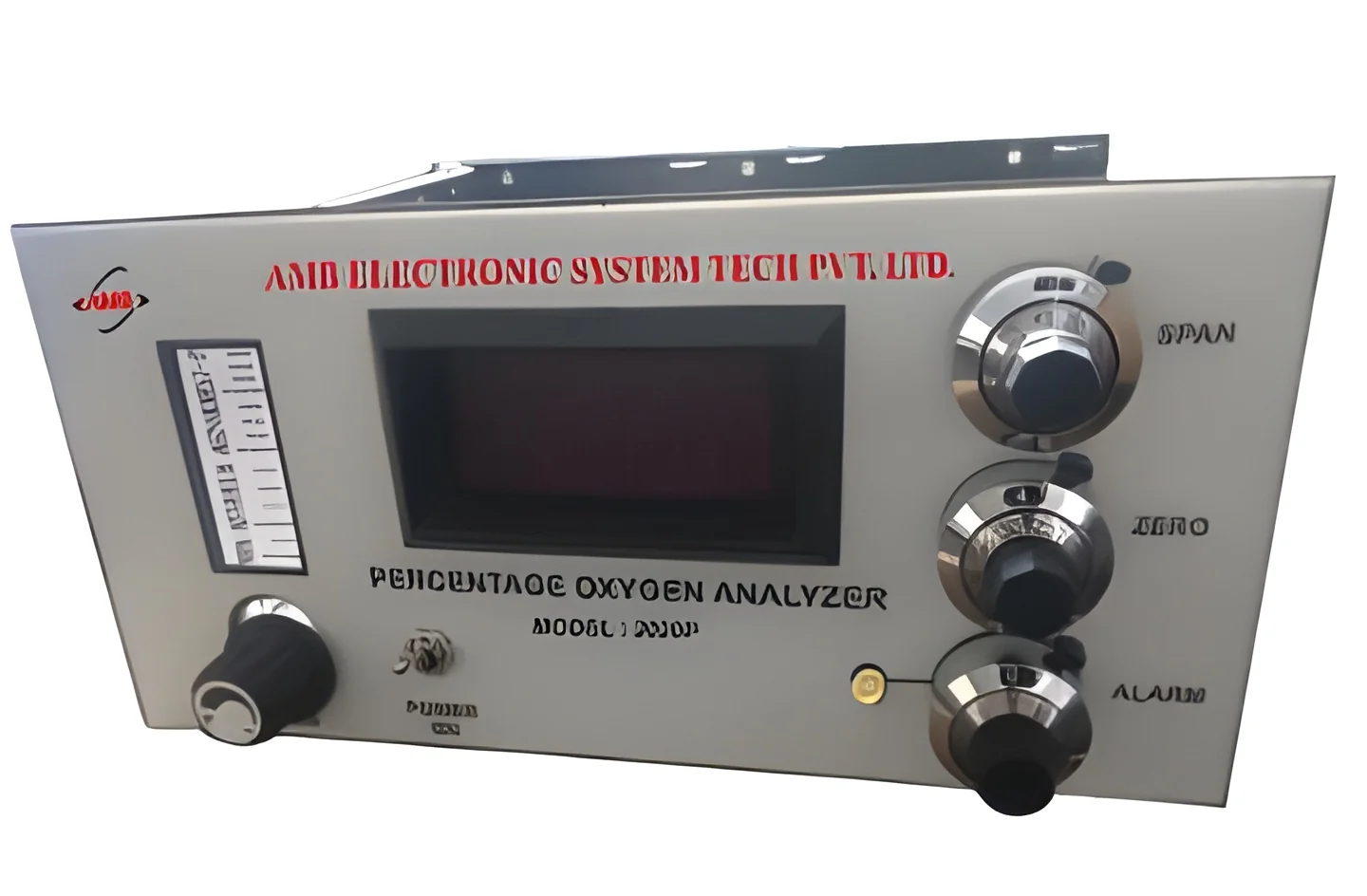
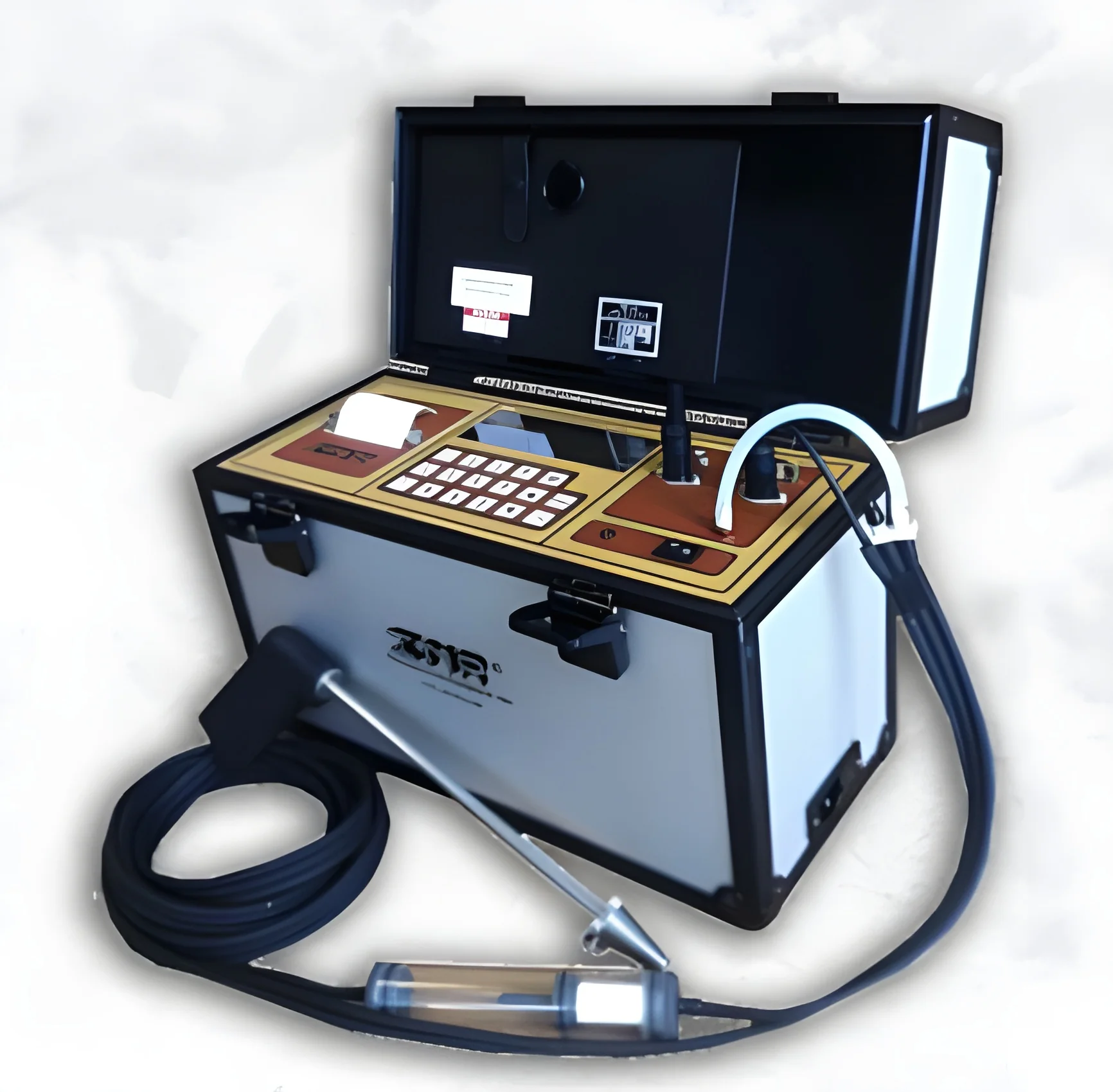
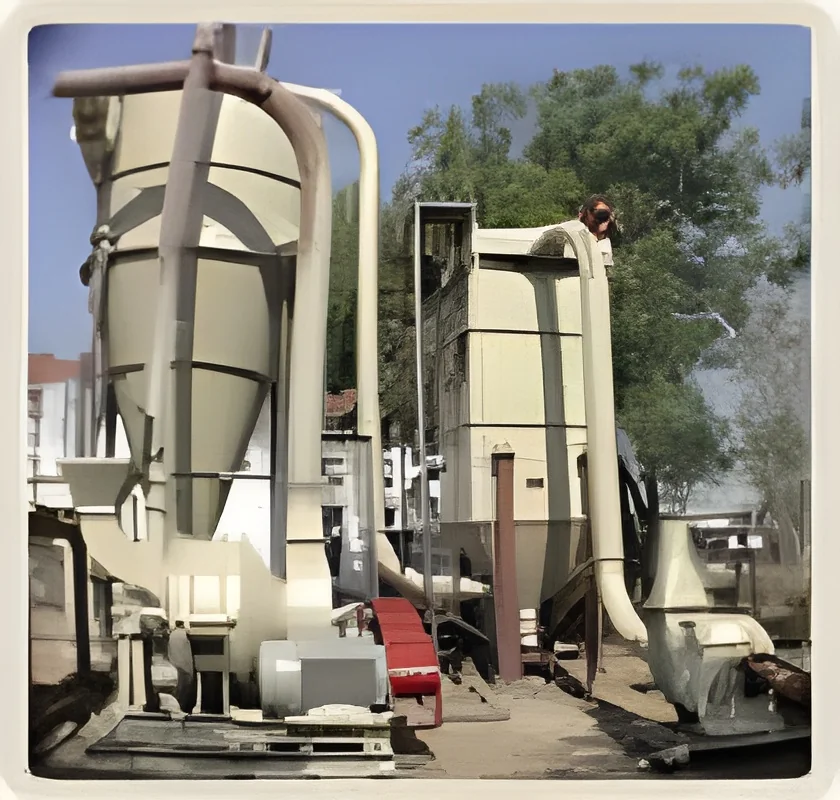
Emission Monitoring Equipment refers to devices and systems used to measure and analyze the emissions from industrial processes. These tools are vital for ensuring compliance with environmental regulations and for monitoring air quality. They help in identifying the types and quantities of pollutants released into the atmosphere.
What are the different types of Emission Monitoring Equipment?
There are several types of Emission Monitoring Equipment, including Continuous Emission Monitoring Systems (CEMS), Portable Emission Monitors, and Ambient Air Quality Monitors. Each type serves specific purposes, such as continuous monitoring of emissions or temporary assessments of air quality. Choosing the right type depends on the specific monitoring needs and regulatory requirements.
How do I choose the right Emission Monitoring Equipment?
Selecting the right Emission Monitoring Equipment involves considering factors such as the type of emissions to be monitored, compliance requirements, and the environment where the equipment will be used. It's also essential to evaluate the equipment's accuracy, ease of use, and maintenance needs. Consulting with suppliers or experts in the field can provide valuable insights for making the right choice.
What are the standard specifications for Emission Monitoring Equipment?
Standard specifications for Emission Monitoring Equipment typically include measurement range, accuracy, response time, and calibration requirements. Additionally, specifications may cover data logging capabilities and communication interfaces for integrating with existing monitoring systems. It's important to verify that the equipment meets both national and international standards.
What is the price range for Emission Monitoring Equipment?
The price range for Emission Monitoring Equipment can vary significantly based on the type, features, and manufacturer. Basic portable monitors may start from a few thousand Indian Rupees, while advanced Continuous Emission Monitoring Systems can cost several lakhs. It's advisable to compare different suppliers to find equipment that fits your budget and requirements.
What quality standards apply to Emission Monitoring Equipment?
Emission Monitoring Equipment must comply with various quality standards, including ISO 9001 for quality management systems and ISO 14001 for environmental management. Additionally, specific industry standards such as those set by the Central Pollution Control Board (CPCB) in India may apply. Ensuring compliance with these standards is crucial for reliable and accurate emission monitoring.
Where can I find Emission Monitoring Equipment suppliers in India?
You can find Emission Monitoring Equipment suppliers in India through various channels, including online B2B marketplaces like Pepagora, industry trade shows, and local directories. It's important to research potential suppliers and assess their credibility, product offerings, and customer reviews to ensure you are sourcing from reputable manufacturers.
Can Emission Monitoring Equipment be customized?
Yes, many manufacturers offer customization options for Emission Monitoring Equipment to meet specific customer requirements. Customizations may include modifications in measurement capabilities, data logging features, and integration with existing systems. It's advisable to discuss your specific needs with suppliers to explore available customization options.
What is the typical minimum order quantity for Emission Monitoring Equipment?
The typical minimum order quantity (MOQ) for Emission Monitoring Equipment varies by manufacturer and product type. Generally, for standard products, the MOQ can range from one unit to several units for bulk orders. It's best to check with individual suppliers for their specific MOQ policies.
What is the typical lead time for Emission Monitoring Equipment?
The typical lead time for Emission Monitoring Equipment can range from a few weeks to several months, depending on the type of equipment and the manufacturer's production capacity. Factors such as customization requests and order volume can also affect delivery times. It's advisable to confirm the expected lead time with the supplier at the time of order placement.
Why Businesses Trust Pepagora
Thousands of companies trust Pepagora to source smarter and sell faster
Expand Your Sales Globally

Source Smarter,Grow Faster
