IN
IN₹
Apparel & Fashion
Description
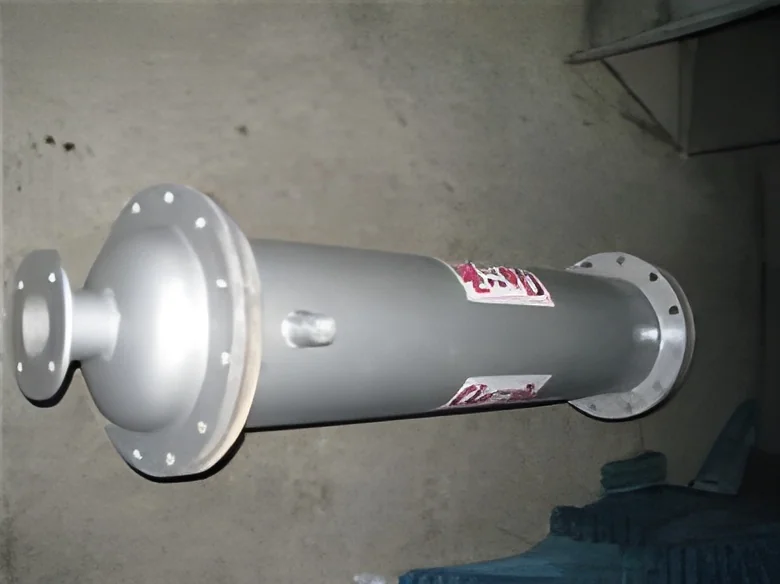
Industrial shell and tube heat exchangers are engineered for superior thermal management in demanding industrial processes. These units combine a robust cylindrical shell with an internal tube bundle to efficiently transfer heat between fluids while maintaining structural integrity under high-pressure conditions. Constructed from quality materials like stainless steel or carbon steel, they handle various fluids including heat transfer oils, lubricants, and process coolants with reliability. The design focuses on maximizing heat transfer efficiency while ensuring durability and long service life, making them ideal for continuous industrial operations where temperature control is critical for process stability and product quality.

These heat exchangers serve vital roles across multiple industrial sectors including chemical processing, power generation, oil and gas operations, HVAC systems, and food production facilities. In chemical plants, they enable precise heating and cooling of rea...
Industrial shell and tube heat exchangers are engineered for superior thermal management in demanding industrial processes. These units combine a robust cylindrical shell with an internal tube bundle to efficiently transfer heat between fluids while maintaining structural integrity under high-pressure conditions. Constructed from quality materials like stainless steel or carbon steel, they handle various fluids including heat transfer oils, lubricants, and process coolants with reliability. The design focuses on maximizing heat transfer efficiency while ensuring durability and long service life, making them ideal for continuous industrial operations where temperature control is critical for process stability and product quality.

These heat exchangers serve vital roles across multiple industrial sectors including chemical processing, power generation, oil and gas operations, HVAC systems, and food production facilities. In chemical plants, they enable precise heating and cooling of reactive substances, while power generation facilities utilize them for condenser applications to optimize energy output. The oil and gas industry depends on them for heat recovery systems and fluid temperature management in refinery operations. Large-scale HVAC installations employ them for climate control in commercial and industrial buildings, while food processing plants rely on them for pasteurization and sterilization processes that require strict temperature management.

The business value of these heat exchangers lies in their ability to enhance operational efficiency while reducing total cost of ownership. Their robust construction minimizes maintenance requirements and extends equipment lifespan, ensuring reliable performance over years of continuous operation. The efficient heat transfer capabilities contribute to energy savings and process optimization, directly impacting productivity and operational costs. These units help facilities meet industry standards for safety and environmental compliance while supporting sustainability initiatives through improved energy utilization. With proven performance across global industries, they represent a dependable investment for thermal management needs.

Key Features:
- Durable construction using high-quality materials for corrosion resistance and longevity
- Efficient heat transfer design suitable for high-pressure and high-temperature applications
- Reliable performance with tested components ensuring operational safety
- Low maintenance requirements with accessible design for cleaning and inspection
- Versatile configuration options to match specific process requirements

Benefits:
- Enhanced operational efficiency through optimal heat transfer performance
- Reduced maintenance costs and extended equipment service life
- Energy savings contributing to lower operational expenses
- Consistent temperature control for improved process stability
- Reliable performance in demanding industrial environments
Specifications
| Key Attributes | |
|---|---|
| type | shell & tube |
| Additional Information | |
|---|---|
| Country of Origin | India |
Application
Shell and tube heat exchangers provide robust thermal regulation for heavy industries, handling high-pressure and high-temperature applications with proven reliability. Their efficient design transfers heat between fluids through tubes in a cylindrical shell, ensuring precise temperature control in challenging operational environments. These units are widely adopted across chemical processing, power generation, and HVAC sectors due to their adaptability in both heating and cooling operations.
The versatile design accommodates various operational requirements through material selection, tube configurations, and pressure ratings. This flexibility ensures compatibility with diverse fluids including corrosive chemicals, viscous oils, and aqueous solutions. Industries depend on these heat exchangers for continuous operation, minimal maintenance needs, and extended service life, reducing operational costs while maintaining consistent process temperatures and safety standards.
- Cooling hydraulic oil and lubricants in manufacturing machinery to prevent overheating and ensure smooth operation
- Heating chemical reactants in pharmaceutical and chemical production to maintain optimal reaction temperatures
- Condensing steam in power plants to improve energy efficiency and turbine performance
- Temperature control in food and beverage processing for pasteurization, fermentation, and storage
- Heat recovery systems in refineries and petrochemical plants to reuse waste heat and reduce energy consumption
Trade Details
| Available Stock | In Stock |
| Sample Availability | No |
Payment Terms
| Payment Terms |
|
Company Profile
CLASSIK COOLING TOWERS, Tamil Nadu
 Tamil Nadu, India
Tamil Nadu, IndiaIndustrial Equipment & Machinery•Manufacturer•Distributor / Wholesaler•Importer / Exporter
Factory Details
Factory SizeBelow 1000 sqm
Annual Production Capacity0
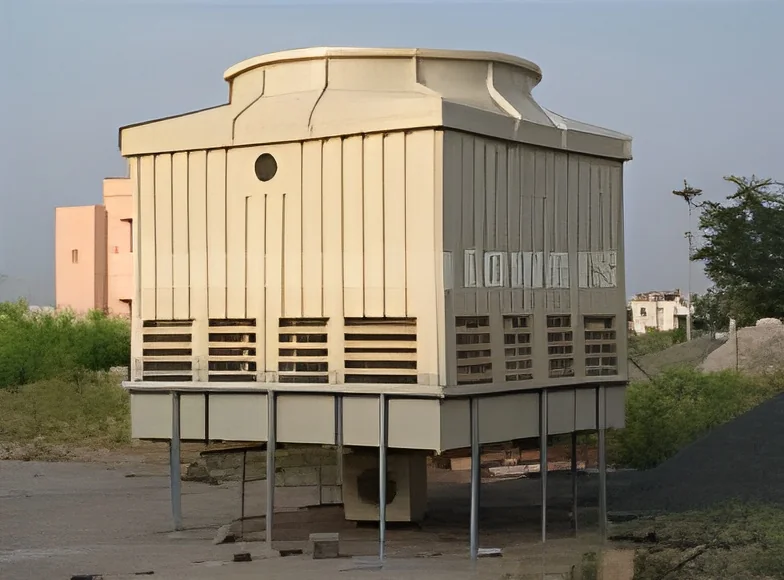
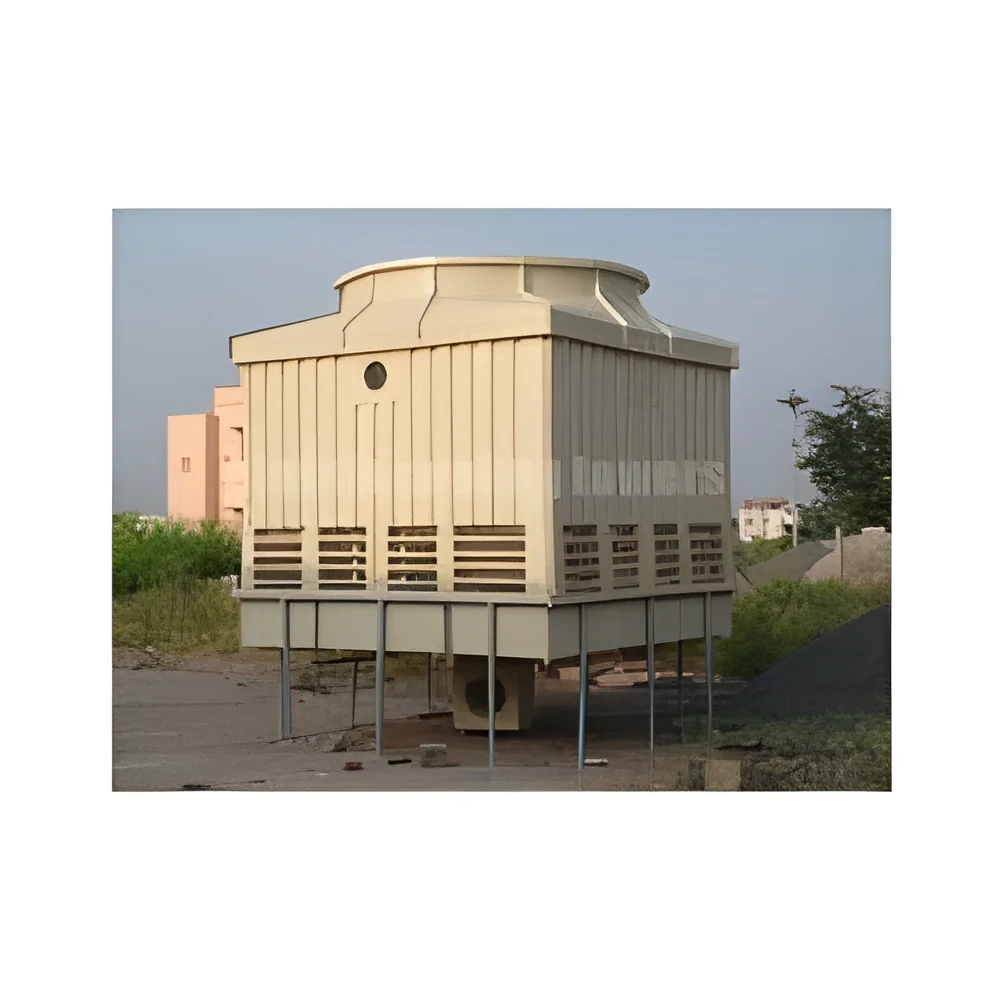
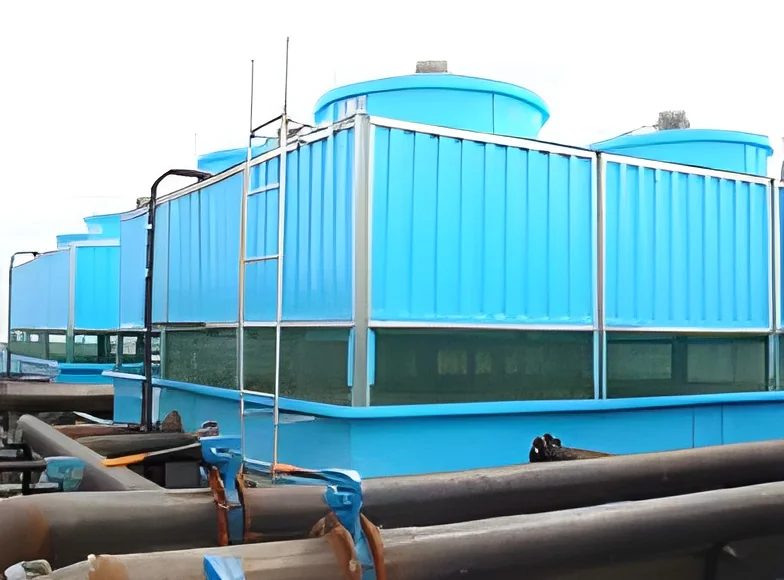
Industrial Shell And Tube Heat Exchanger For Efficient Thermal Management
Industrial shell and tube heat exchangers deliver efficient thermal management for oils, coolants, and process fluids. Built for durability and reliability in demanding industrial environments with optimal heat transfer performance.
Min. Order Quantity: 1 unit
Shipping
Shipping fee and delivery date to be negotiated. Contact supplier now for more details.
CLASSIK COOLING TOWERS
 Tamil Nadu, India
Tamil Nadu, IndiaIndustrial Equipment & MachineryManufacturer