IN
IN₹
Apparel & Fashion
Description
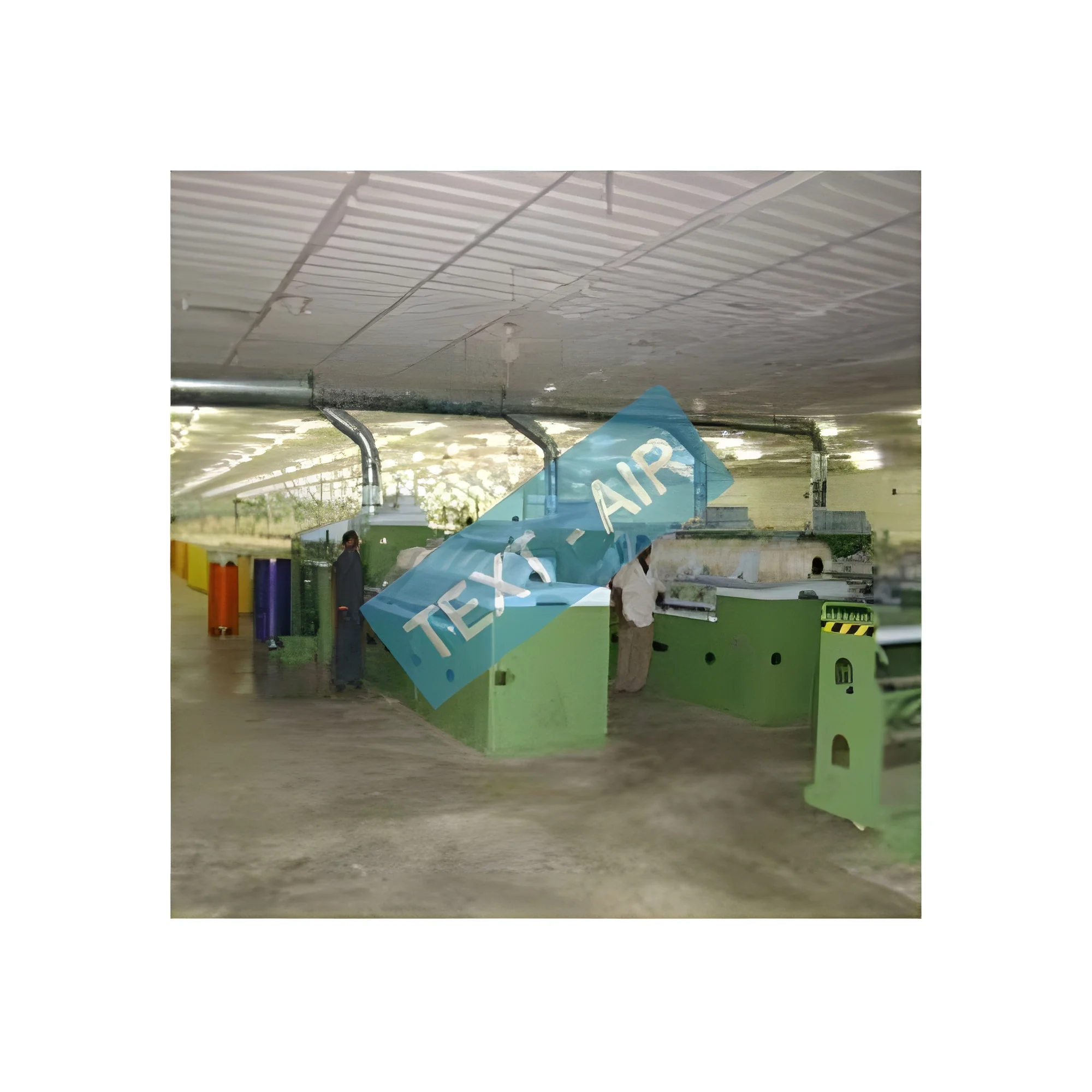
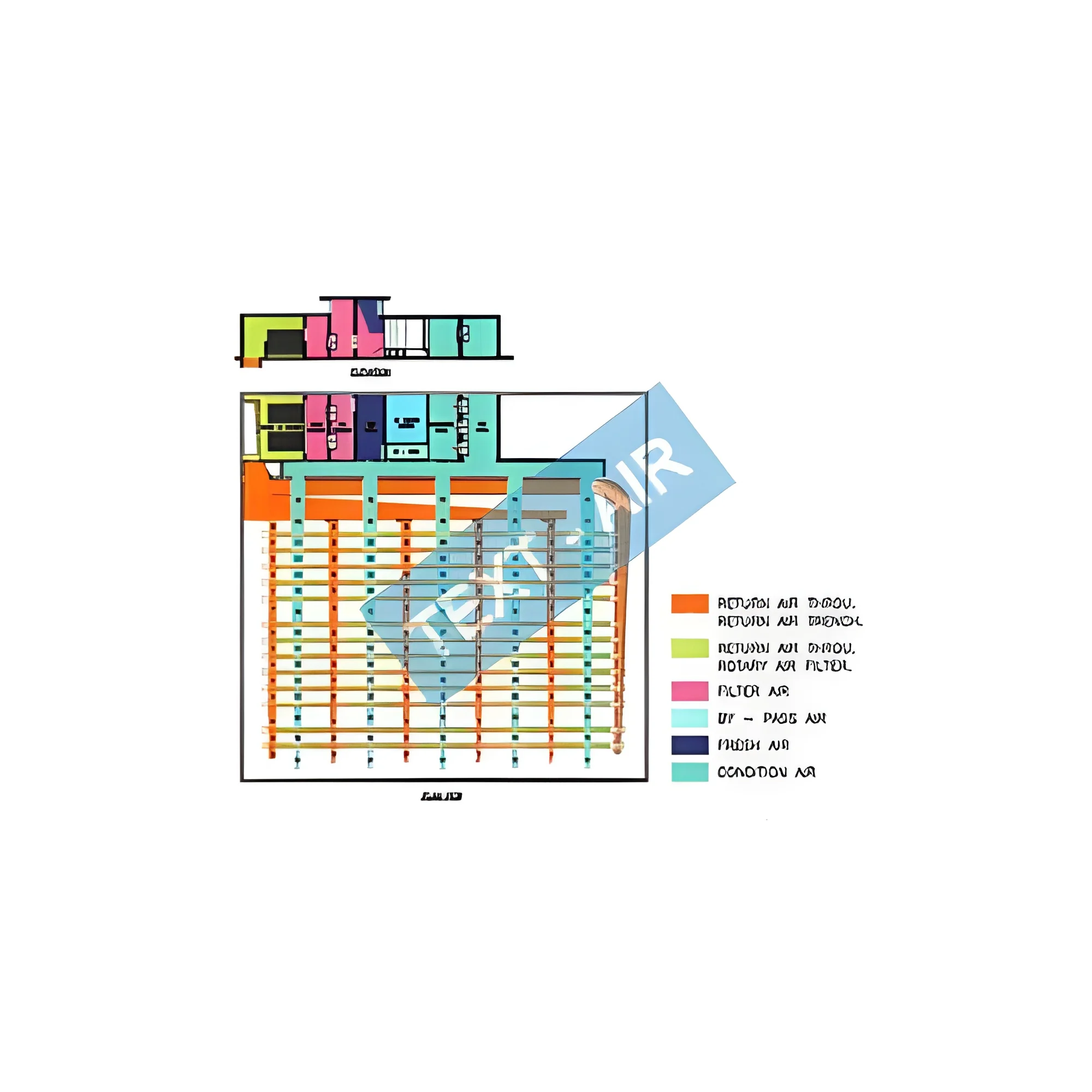
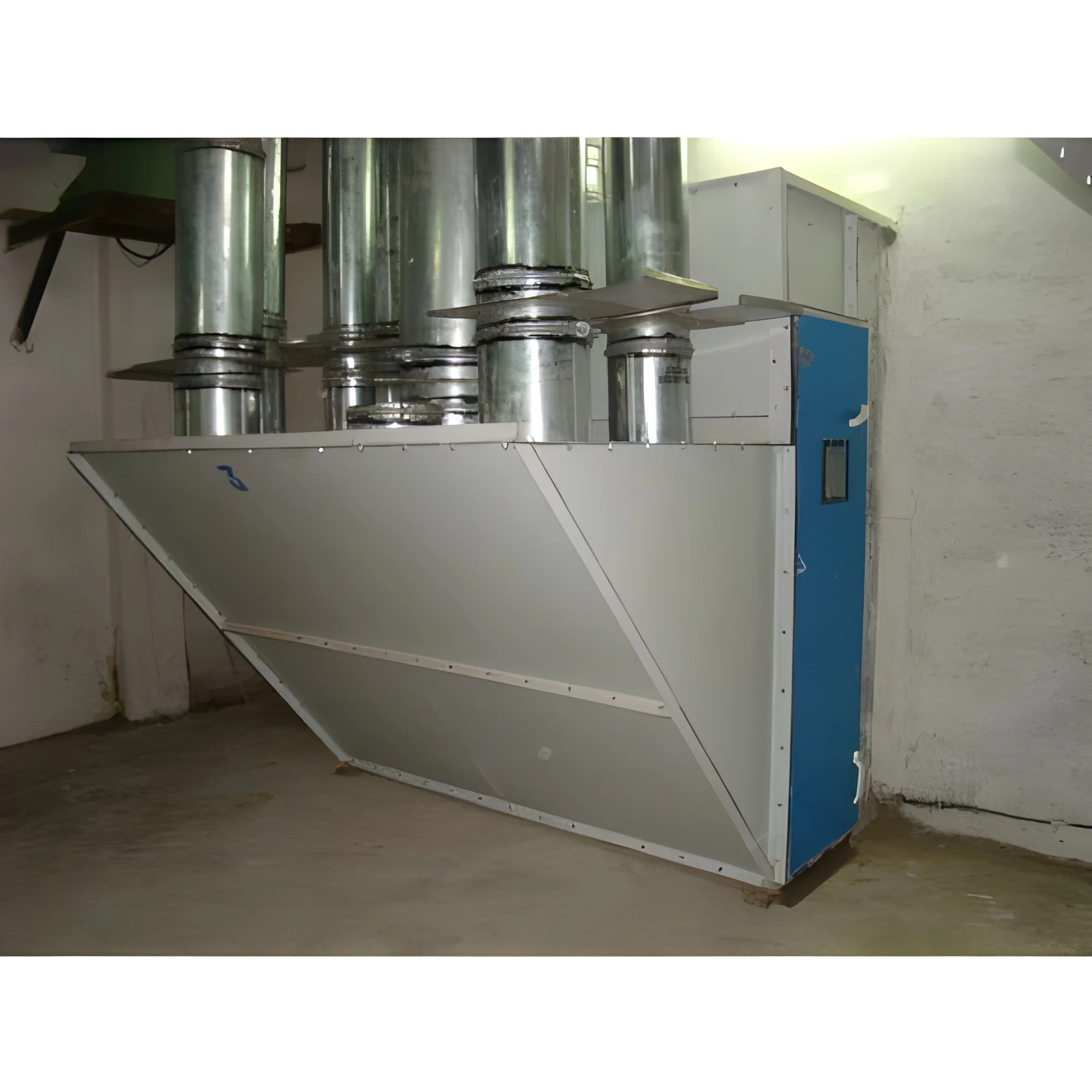
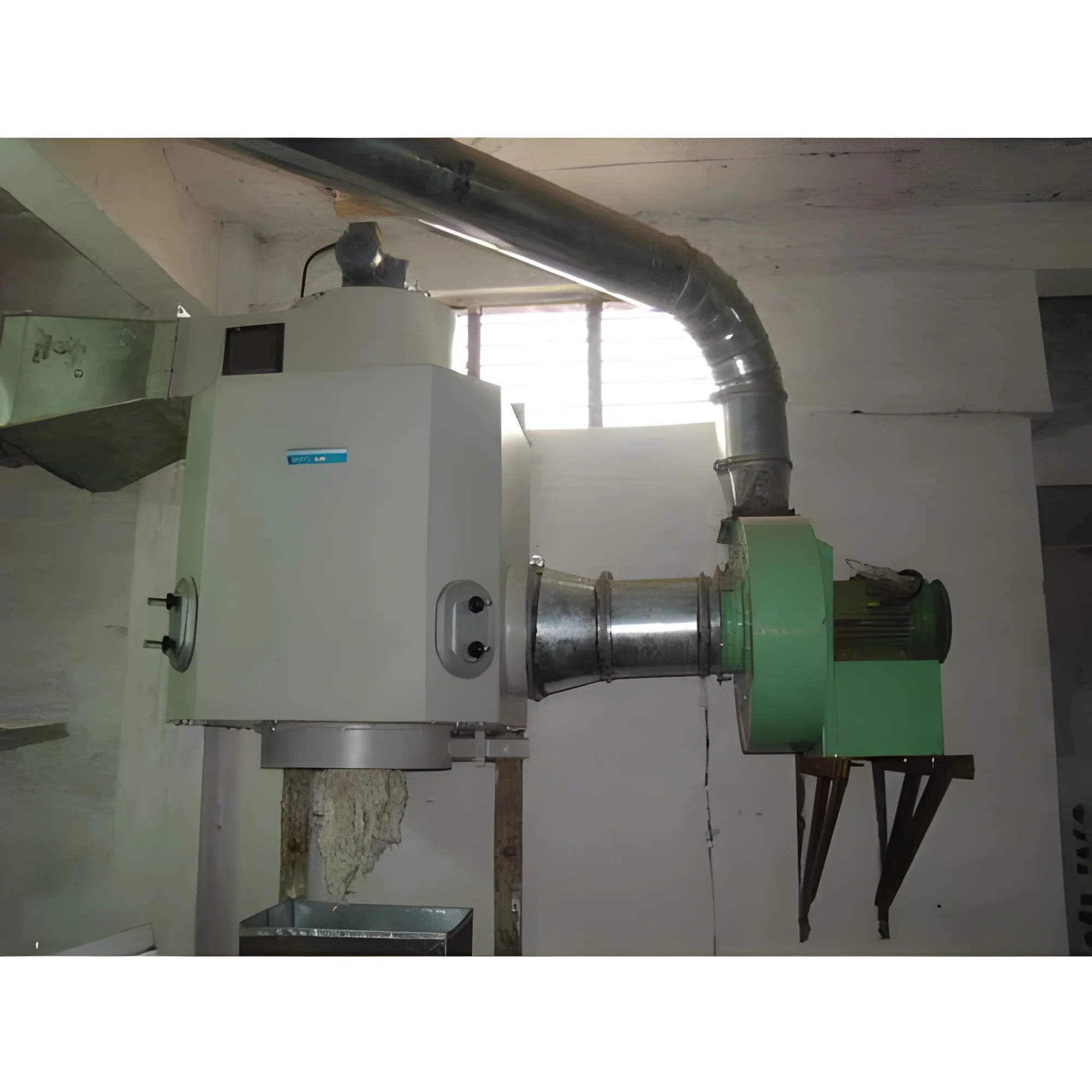
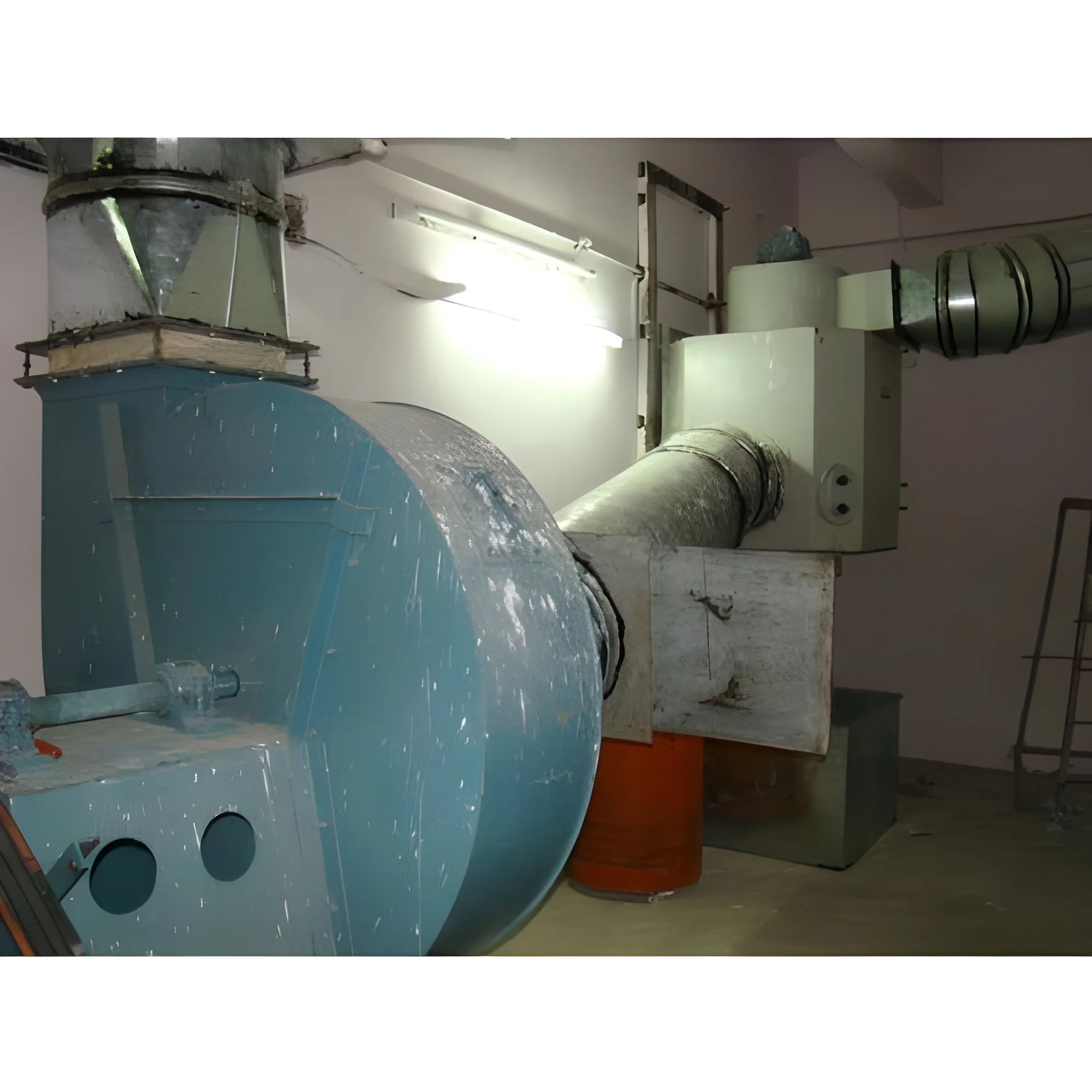
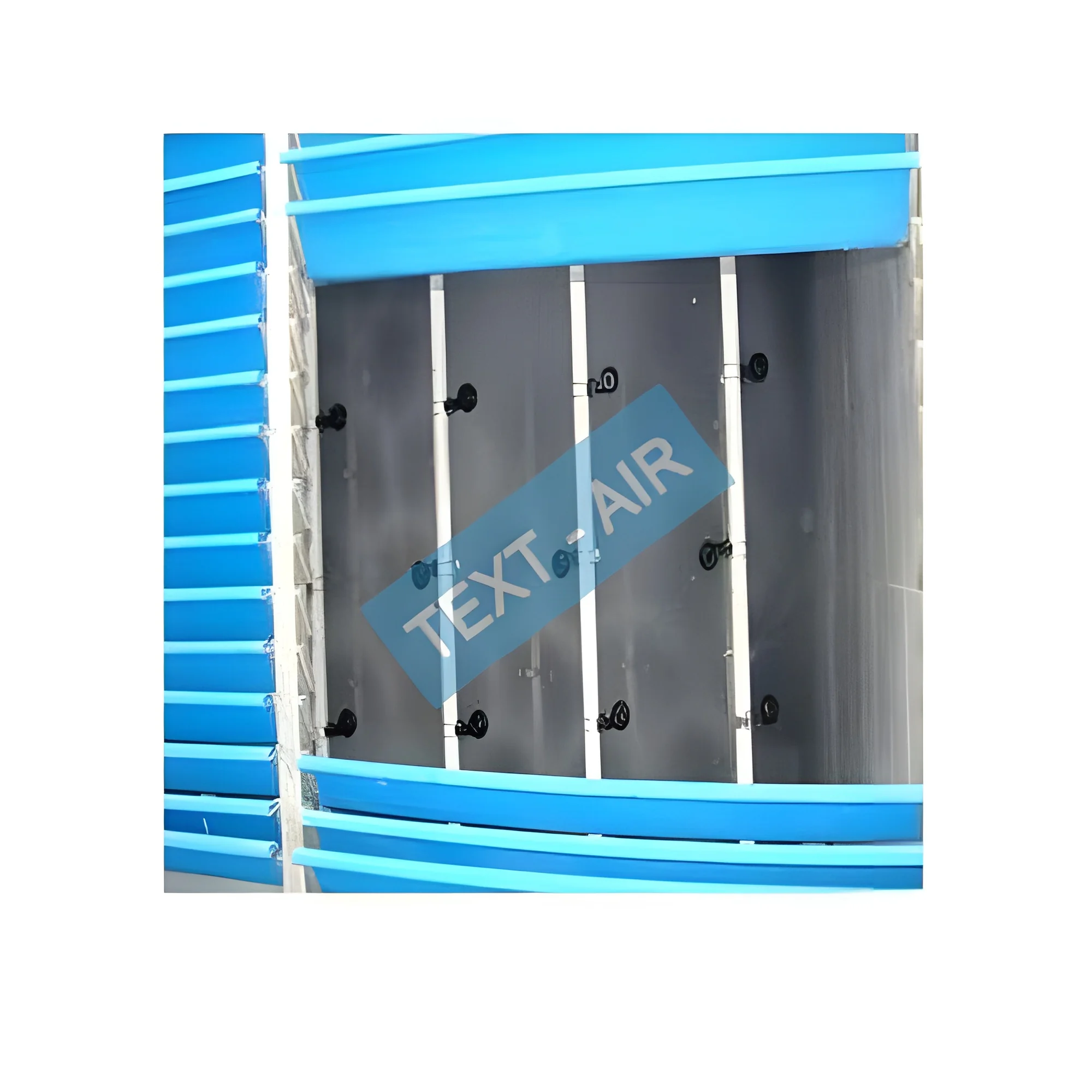
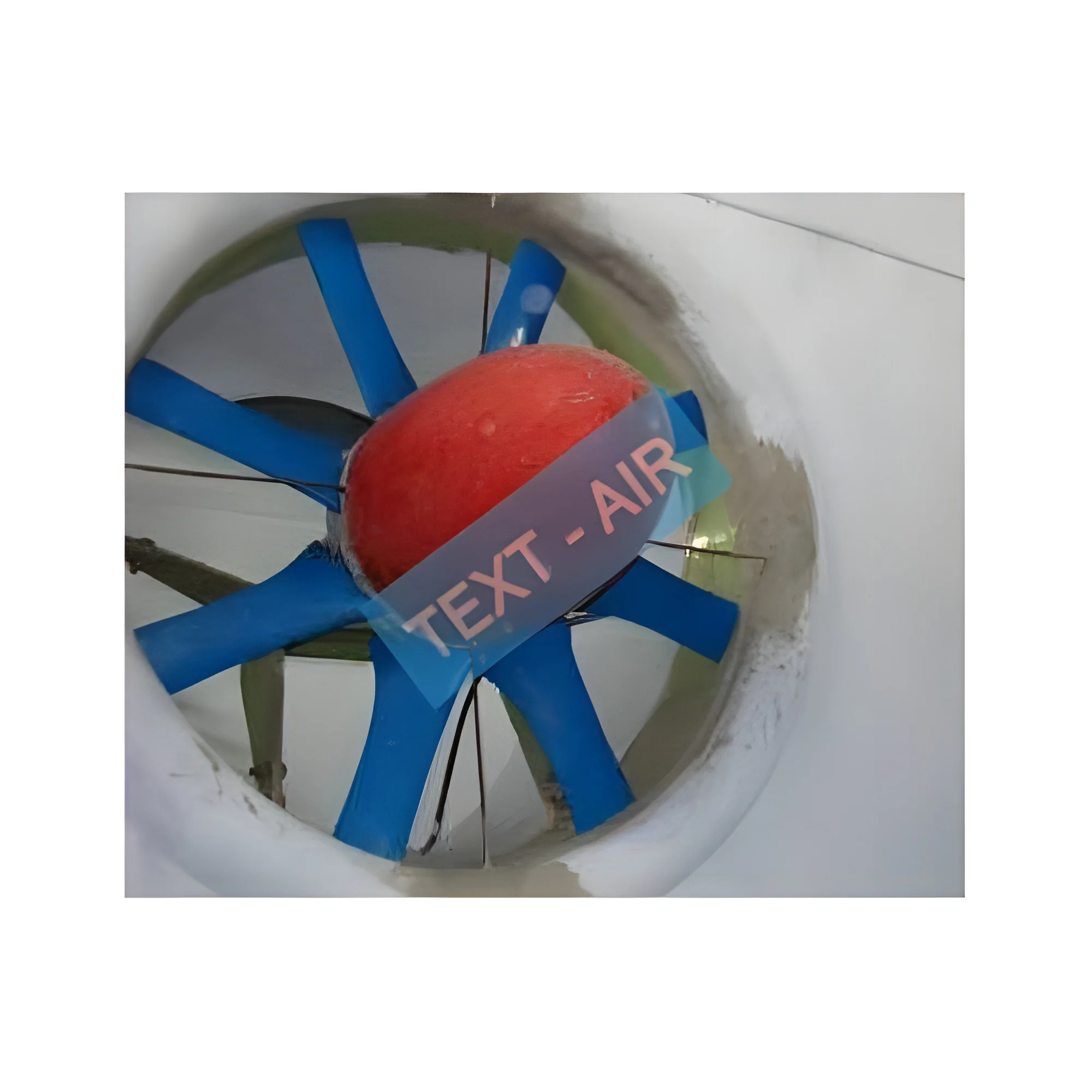
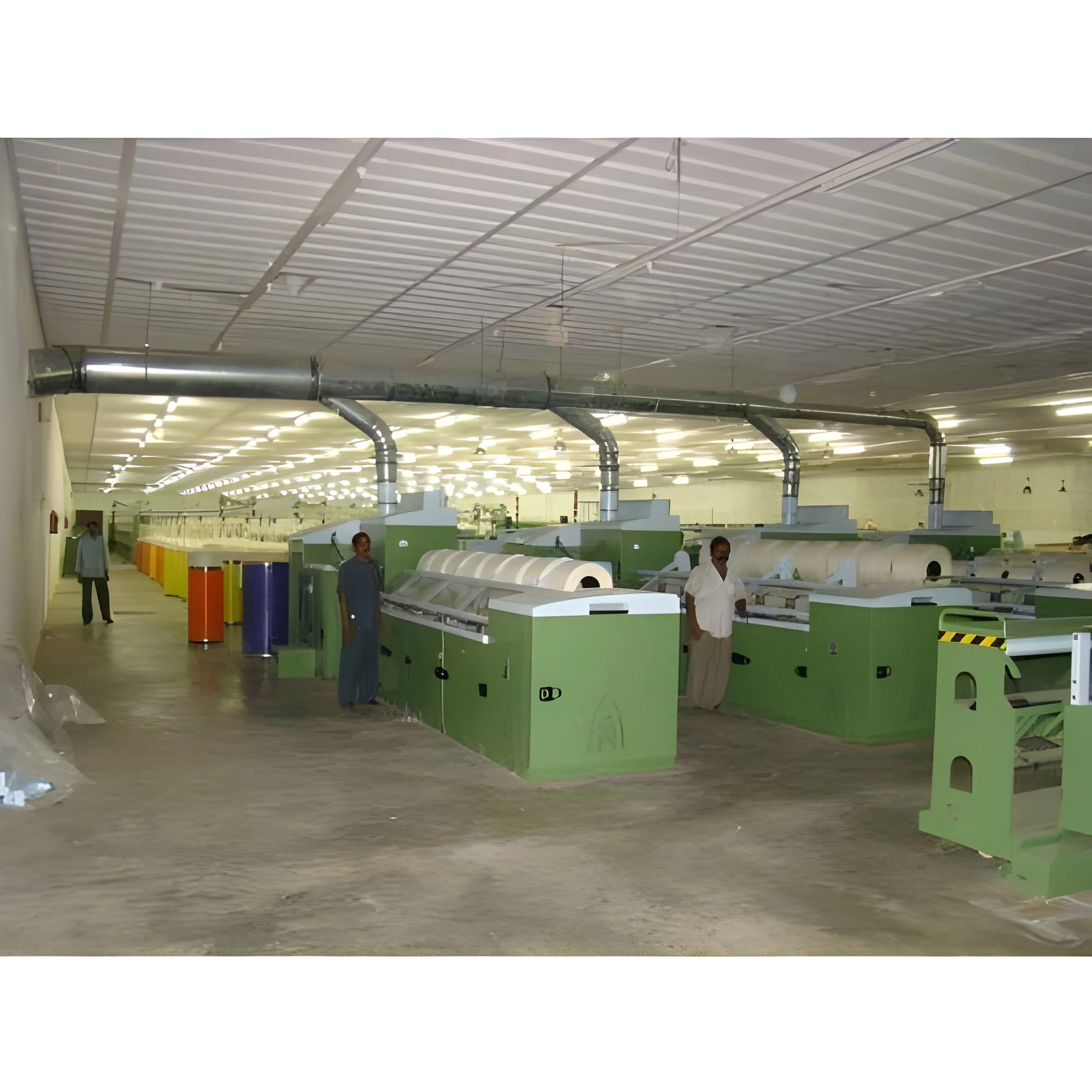
Our Cotton Spinning Mill High Efficiency Comber Waste Collection System represents precision engineering specifically designed for textile manufacturing operations. These specialized systems efficiently manage waste generated during the combing process where cotton fibers are straightened and parallelized before spinning. The equipment effectively captures noil, short fibers, and impurities while maintaining optimal operational conditions for continuous production. Built with robust materials and advanced engineering principles, these waste collectors ensure reliable performance in demanding textile manufacturing environments where effective waste management is critical for both product quality and operational efficiency.

Textile manufacturers worldwide rely on our comber waste collection systems for maintaining efficient operations in cotton spinning mills. These systems prove particularly valuable in facilities producing high-quality yarns where effective waste removal directly impa...
Our Cotton Spinning Mill High Efficiency Comber Waste Collection System represents precision engineering specifically designed for textile manufacturing operations. These specialized systems efficiently manage waste generated during the combing process where cotton fibers are straightened and parallelized before spinning. The equipment effectively captures noil, short fibers, and impurities while maintaining optimal operational conditions for continuous production. Built with robust materials and advanced engineering principles, these waste collectors ensure reliable performance in demanding textile manufacturing environments where effective waste management is critical for both product quality and operational efficiency.

Textile manufacturers worldwide rely on our comber waste collection systems for maintaining efficient operations in cotton spinning mills. These systems prove particularly valuable in facilities producing high-quality yarns where effective waste removal directly impacts final product excellence. From large-scale integrated textile plants to specialized spinning units, our equipment supports continuous operation by preventing machine clogging and reducing maintenance downtime. The systems are essential for mills processing various cotton varieties where combing is necessary to achieve superior yarn strength, evenness, and overall quality in textile production.

Manufacturers choose our comber waste collection systems for their proven reliability and significant operational advantages. The equipment delivers measurable value through reduced power consumption, lower maintenance costs, and extended service life that translates to improved return on investment. The robust construction ensures consistent performance even in challenging operating conditions, providing confidence for mill operators who depend on uninterrupted production schedules and consistent output quality. This reliability makes the system a strategic investment for textile operations focused on long-term operational efficiency and product quality maintenance.

Key Features:
- High-efficiency waste collection mechanism for optimal material recovery
- Energy-efficient design reducing operational power consumption
- Durable construction using quality materials for extended service life
- Seamless integration capability with existing mill machinery
- Advanced filtration systems ensuring clean operation and environmental compliance

Benefits:
- Reduced operational costs through lower energy consumption
- Extended equipment lifespan minimizing replacement frequency
- Improved production efficiency with consistent waste removal
- Enhanced product quality through contamination prevention
- Lower maintenance requirements reducing operational downtime
Specifications
| Additional Information | |
|---|---|
| Country of Origin | India |
Application
Our high-efficiency comber waste collection systems maintain clean production environments in cotton spinning mills by effectively removing waste materials during combing processes. These systems prevent contamination while ensuring smooth textile manufacturing workflows through seamless integration with existing mill machinery and reliable performance across various production scales.
These waste collectors handle multiple waste types including noil, short fibers, and impurities generated during cotton combing operations. Designed for demanding mill conditions, they provide consistent performance with easy maintenance requirements and adaptability to specific facility layouts, making them suitable for both new installations and facility upgrades in textile manufacturing settings.
- Efficiently collecting noil and short fiber waste during cotton combing processes
- Maintaining clean machinery and production areas in textile manufacturing facilities
- Processing waste materials from high-speed comber machines in large-scale operations
- Supporting quality control by preventing fiber contamination in premium yarn production
- Enabling waste recycling initiatives through systematic collection of reusable textile materials
Trade Details
| Available Stock | In Stock |
| Sample Availability | No |
Payment Terms
| Payment Terms |
|
Company Profile

Manvi Textile Air Engineers Pvt Ltd, Maharashtra
 Maharashtra, India
Maharashtra, IndiaHome & Lifestyle•Manufacturer•Importer / Exporter
Factory Details
Factory SizeBelow 1000 sqm
Annual Production Capacity0
Cotton Spinning Mill High Efficiency Comber Waste Collection System
Cotton Spinning Mill High Efficiency Comber Waste Collection System reduces power consumption while ensuring reliable performance and long service life for textile manufacturing operations.
Min. Order Quantity: 1 unit
Shipping
Shipping fee and delivery date to be negotiated. Contact supplier now for more details.
Manvi Textile Air Engineers Pvt Ltd
 Maharashtra, India
Maharashtra, IndiaHome & LifestyleManufacturer