What are Ring Spinning Machines?
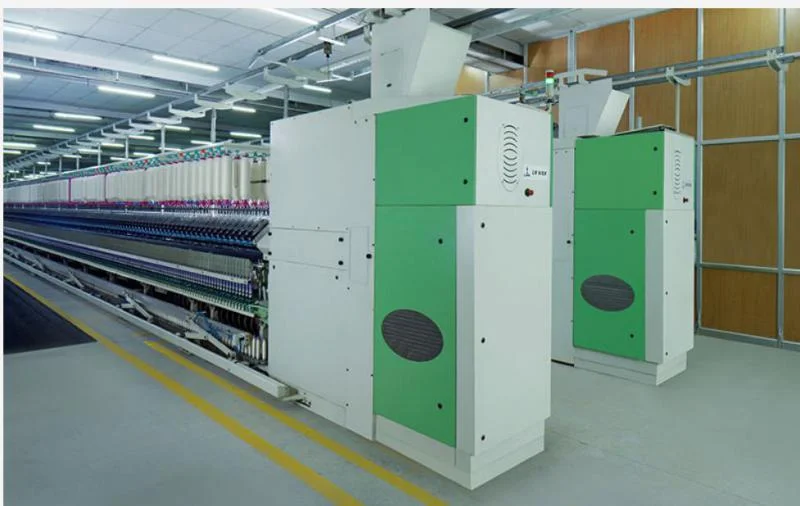
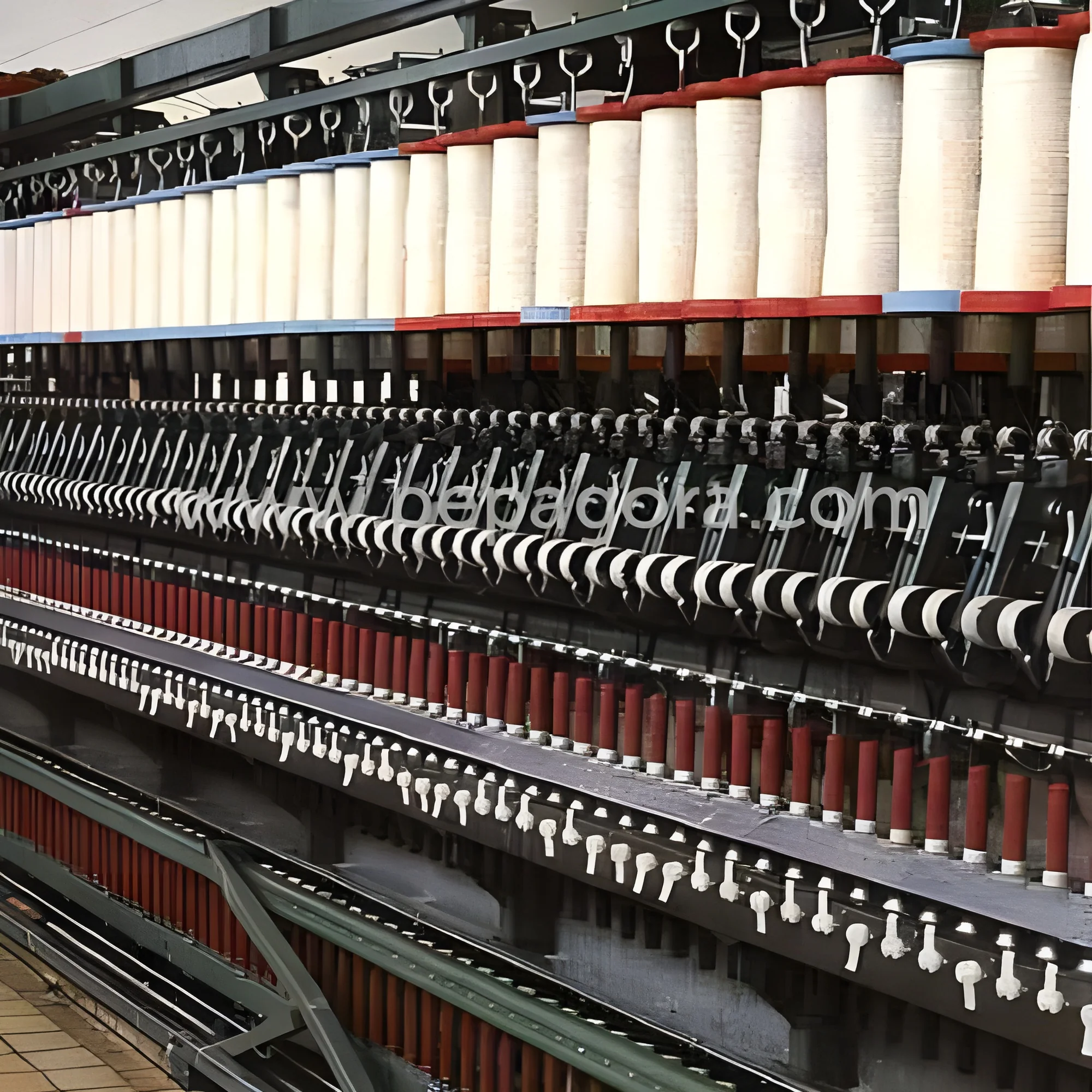
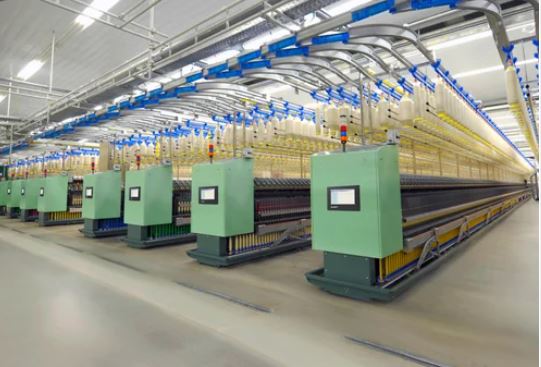
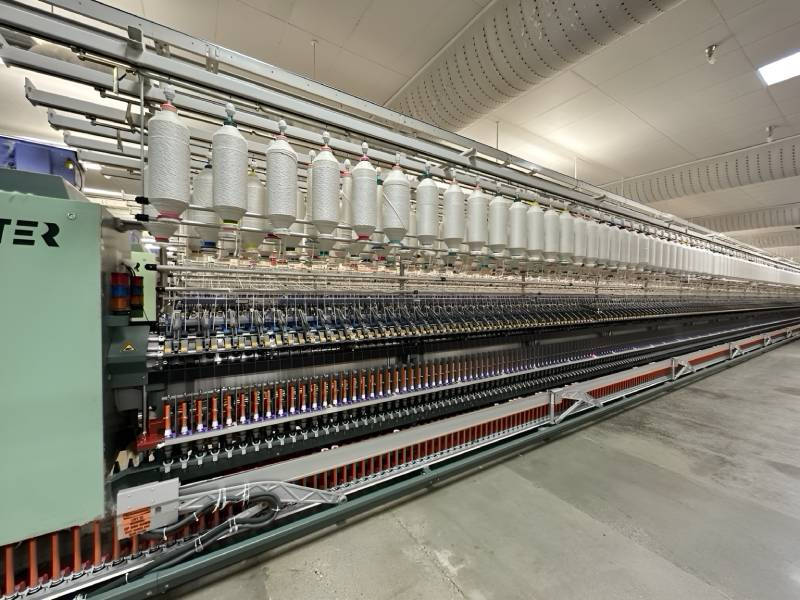
Ring spinning machines are advanced textile manufacturing devices used primarily to produce yarn from fiber. The process involves drawing out and twisting fibers to form a continuous strand of yarn. This method is known for producing high-quality yarns with excellent strength and uniformity, making it suitable for various textile applications. Ring spinning machines are essential in the textile industry, providing efficiency and precision in yarn production.
These machines have a wide range of applications across different sectors, including apparel, home textiles, and industrial fabric production. They are particularly valued in environments where high-volume and consistent output is critical. The ability to produce various yarn types, including cotton, wool, and synthetic fibers, further enhances their utility. The textile industry relies heavily on these machines to meet the demands of both domestic and international markets, emphasizing their relevance in today's manufacturing landscape.
As the global textile market continues to grow, the demand for efficient and reliable spinning technologies, like ring spinning machines, is expected to increase. Manufacturers are continuously seeking ways to enhance productivity and reduce costs, making these machines a fundamental component of modern textile production.
Key Features and Specifications
Ring spinning machines come equipped with various features and specifications that enhance their performance and usability. These specifications ensure that manufacturers can achieve optimal results in yarn production while maintaining quality standards.
Key specifications include:
1. Production Speed
- This specification indicates the maximum speed at which yarn can be produced.
- Typical ranges include 150 to 250 meters per minute.
2. Spindle Count
- Refers to the number of spindles available for yarn production.
- Common configurations range from 100 to 1,200 spindles per machine.
3. Yarn Count Range
- Describes the range of yarn thickness that the machine can produce.
- This typically varies from 10s to 80s in cotton yarn count.
4. Power Consumption
- Indicates the energy required to operate the machine.
- Average power consumption ranges from 15 kW to 25 kW.
5. Control System
- Describes the type of automation and monitoring system used.
- Modern machines often feature integrated digital control systems.
6. Maintenance Requirements
- Refers to the ease of maintenance and servicing needs.
- Machines are designed for easy access to key components.
7. Noise Level
- Indicates the operational noise during usage.
- Typically, machines operate within 70 to 85 dB.
8. Safety Features
- Includes built-in safety mechanisms to protect operators.
- Common features involve emergency stop buttons and safety guards.
In summary, these specifications are crucial for manufacturers to consider when selecting ring spinning machines. Understanding these features helps companies choose the right equipment to meet their production needs.
Common Applications and Use Cases
Ring spinning machines find utility across multiple industries, each leveraging their capabilities to produce high-quality yarns.
1. Textile Manufacturing: Ring spinning machines are extensively used in textile mills to produce various types of yarn, essential for weaving and knitting processes.
2. Apparel Industry: Fashion brands rely on these machines for producing yarns used in garments, ensuring quality and durability in their textile products.
3. Home Textiles: Manufacturers of bed linens, towels, and curtains utilize ring spinning machines to create soft, comfortable, and resilient fabrics.
4. Industrial Fabrics: These machines are also employed in producing technical textiles used in automotive, aerospace, and other industrial applications requiring specific performance characteristics.
5. Non-Woven Fabrics: Some applications involve producing yarn for non-woven fabrics, which are used in filtration and insulation materials.
6. Specialty Yarns: Ring spinning can be adapted to produce specialty yarns, such as those with unique textures or blends, catering to niche markets.
7. Sustainable Textiles: The rise of eco-friendly textiles has led to increased interest in using ring spinning machines for organic and recycled fibers.
Product Variants and Subcategories
Ring spinning machines come in various models to cater to different production needs and preferences. Each variant offers unique features and benefits.
Standard Ring Spinning Machine: This is the most common variant, designed for high-volume production of conventional yarn. It offers flexibility in yarn count and is suitable for various fiber types.
High-Speed Ring Spinning Machine: This variant is engineered for increased production rates while maintaining quality. It is ideal for manufacturers looking to maximize output without compromising on the yarn's characteristics.
Compact Ring Spinning Machine: Designed to produce high-quality compact yarns, this machine minimizes the amount of fluff and enhances yarn strength. It is particularly favored for applications requiring finer yarns.
Automatic Ring Spinning Machine: This type integrates advanced automation features, reducing manual intervention and enhancing efficiency. It is suitable for manufacturers aiming to streamline operations.
Benefits and Advantages
Investing in ring spinning machines provides several key advantages for manufacturers looking to optimize their yarn production processes.
1. High Productivity: These machines are designed for continuous operation, maximizing output and reducing downtime.
2. Quality Yarn Production: Ring spinning machines deliver consistent and high-quality yarn, essential for meeting customer standards.
3. Versatility: They can process a wide range of fibers and yarn counts, allowing manufacturers to diversify their product offerings.
4. Reduced Labor Costs: Automation features lead to lower labor requirements, reducing overall operational costs.
5. Enhanced Yarn Strength: The twisting process involved in ring spinning results in stronger yarns, improving the durability of the final textile products.
6. Energy Efficiency: Modern ring spinning machines are designed to consume less energy, contributing to lower operational costs and enhanced sustainability.
Buying Guide for B2B Buyers
When sourcing ring spinning machines, buyers should consider several critical factors to ensure they make informed decisions.
1. Quality Assessment: Evaluate the machine's build quality and reliability. Look for manufacturers that adhere to recognized quality standards to ensure long-term performance.
2. Supplier Verification: Vet suppliers to confirm their reputation and reliability. Check for industry certifications and customer reviews to gauge their credibility.
3. Pricing and MOQ: Understand the pricing structure and minimum order quantities. Comparing quotes from multiple suppliers can help in negotiations.
4. Delivery and Lead Times: Clarify the expected delivery times and logistics involved. Timely delivery is crucial for maintaining production schedules.
5. Compliance Requirements: Ensure that the machines meet industry compliance and safety standards, including any regional regulations that may apply.
Compliance and Certifications
Ring spinning machines must comply with various quality standards and safety regulations to ensure they operate effectively and safely.
ISO 9001 is a key standard that focuses on quality management systems. Manufacturers of ring spinning machines should adhere to these standards to ensure consistent quality in their production processes.
CE certification is essential for machines sold in Europe, indicating compliance with health, safety, and environmental protection standards. This certification assures buyers of the machine's reliability and safety.
Safety testing is another critical aspect, ensuring that machines operate without posing risks to operators. This includes rigorous assessments of mechanical and electrical components.
Regional compliance considerations may vary, depending on the market. Buyers should familiarize themselves with local regulations to ensure that their machines meet all necessary requirements.
Why Source Ring Spinning Machines from Pepagora?
Pepagora provides an excellent platform for sourcing ring spinning machines, offering numerous advantages to buyers in the textile industry.
The verified supplier network ensures that buyers have access to reputable manufacturers. This verification process minimizes risks and helps buyers find quality machines that meet their specific needs.
The streamlined RFQ process simplifies obtaining quotations from multiple suppliers. This efficiency allows buyers to compare options easily and make informed decisions based on their requirements.
Pepagora also offers trade assurance and support, ensuring that buyers are protected throughout their purchasing journey. This includes assistance with negotiations and dispute resolution, enhancing the overall buying experience.
With a strong geographic reach covering India, the GCC, and Southeast Asia, Pepagora connects buyers with manufacturers across key markets, facilitating access to advanced ring spinning technologies. This regional coverage makes it easier for businesses to source machines that fit their operational needs.

 IN
IN


 India
India