
 IN
Other Textile Machinery
99 products available
What are Other Textile Machinery?
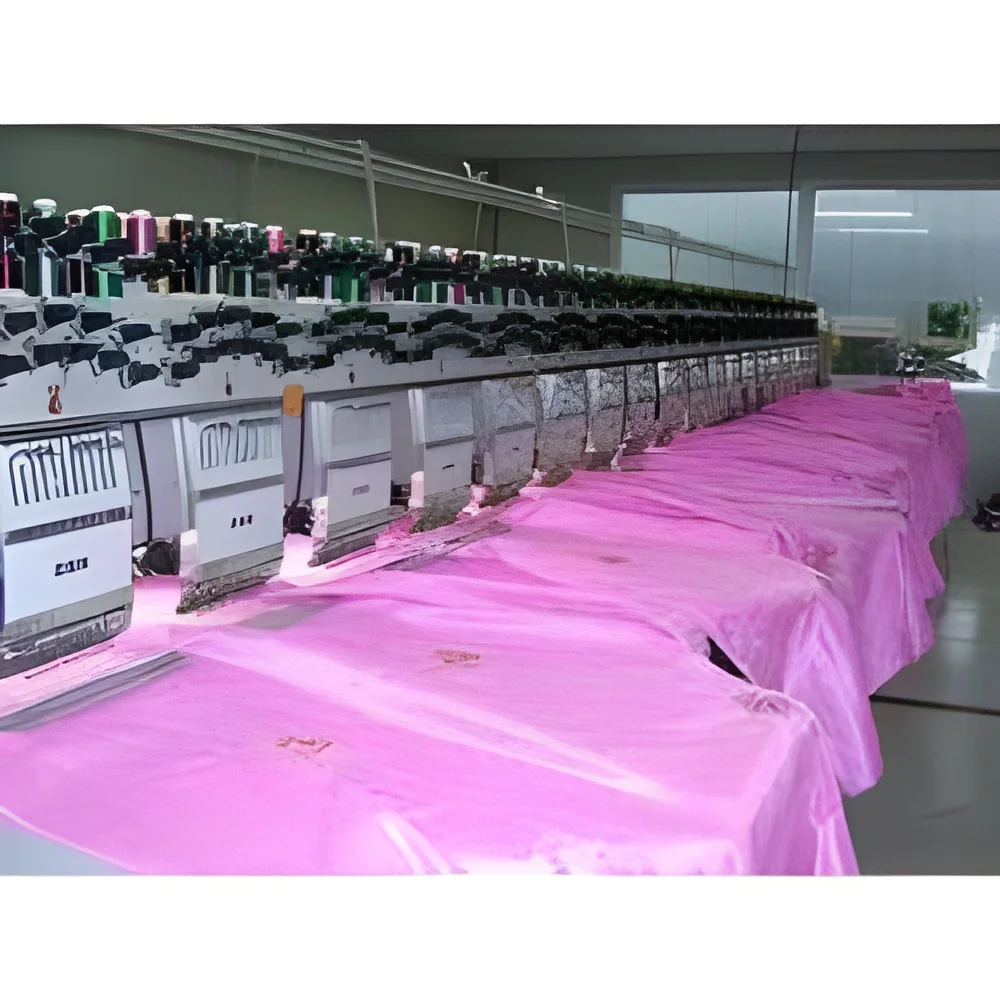
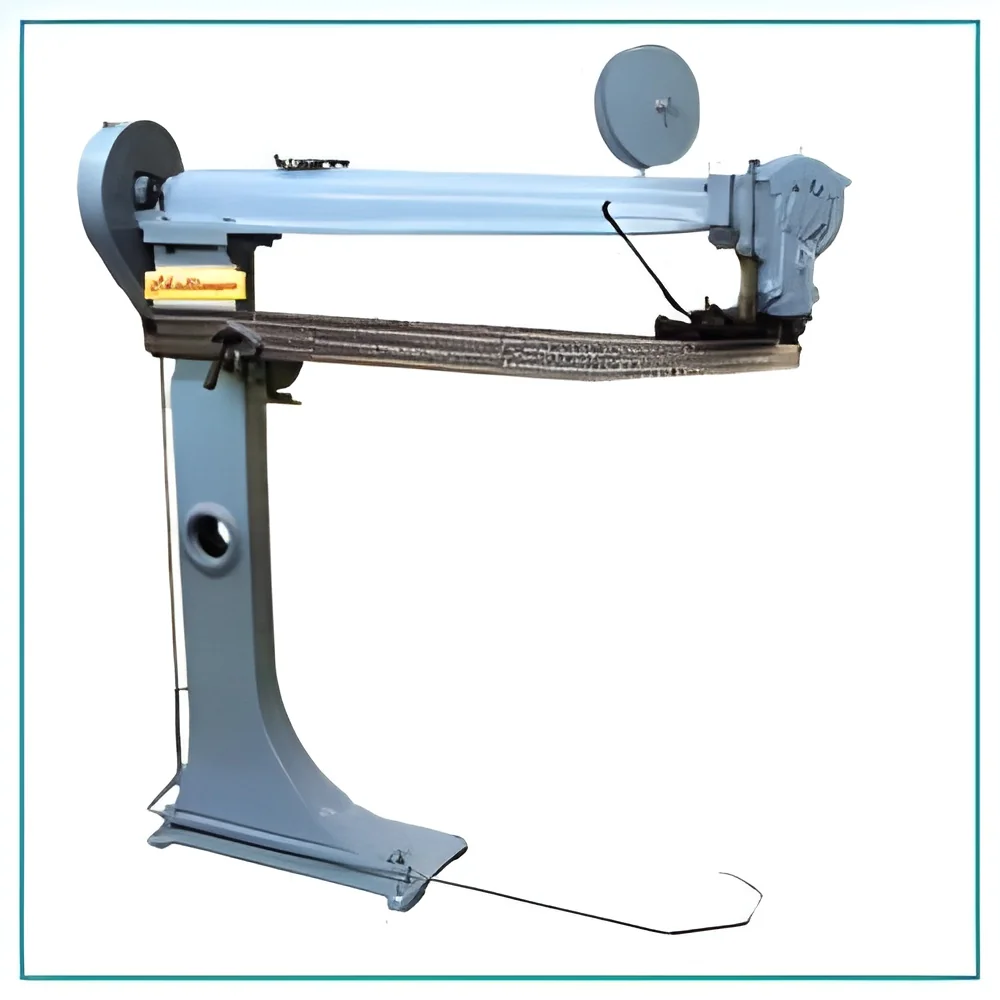
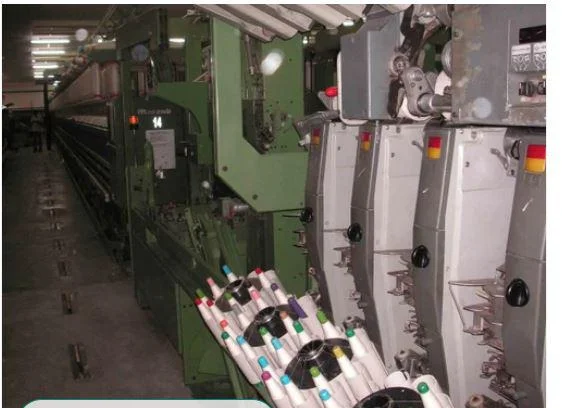
Other Textile Machinery encompasses a range of specialized equipment used in the textile industry for various production processes. This category includes machinery that does not fall under the primary classifications of spinning, weaving, or finishing but plays a crucial role in enhancing textile production efficiency. These machines are vital for operations such as fabric processing, dyeing, and printing, as well as various auxiliary functions that support the main textile manufacturing processes.
The primary uses of Other Textile Machinery are found in industries that require precise and efficient handling of textile materials. These machines are utilized for tasks such as fabric inspection, tensioning, and moisture control, which are essential for maintaining quality standards in textile production. Businesses in the fashion, home textiles, and technical textiles sectors rely on these machines to ensure their products meet market demands while optimizing production workflows. The relevance of Other Textile Machinery in the textile industry cannot be overstated, as it supports the overall efficiency and quality of textile manufacturing.
Key Features and Specifications
When evaluating Other Textile Machinery, several key features and specifications should be considered to ensure optimal performance and compatibility with production needs. These specifications provide insight into the machinery's capabilities and efficiency.
Key specifications include:
1. Functionality
- Various functions such as fabric inspection, dyeing, and moisture control.
- Tailored to meet specific production requirements.
2. Automation Level
- Range from manual to fully automated systems.
- Automation enhances efficiency and reduces labor costs.
3. Capacity
- Different machines have varying production capacities.
- Capacity specifications are crucial for meeting production targets.
4. Energy Efficiency
- Equipment designed to minimize energy consumption.
- Important for reducing operational costs.
5. Maintenance Requirements
- Specifications on ease of maintenance and servicing schedules.
- Regular maintenance is vital for ensuring longevity and performance.
6. Connectivity Features
- Options for integrating with existing production systems.
- Connectivity improves data monitoring and process automation.
7. Safety Standards
- Compliance with industry safety regulations.
- Safety features are essential for protecting operators and minimizing risks.
8. Customization Options
- Availability of customization to fit specific operational needs.
- Custom features enhance the versatility of the machinery.
In summary, understanding these specifications helps businesses select the right Other Textile Machinery to meet their production demands and operational efficiency goals.
Common Applications and Use Cases
Other Textile Machinery serves a variety of industries, each with specific applications that enhance textile production.
1. Fashion Industry: Machinery is used for fabric inspection and dyeing, ensuring quality and color consistency in garments.
2. Home Textiles: Equipment facilitates the production of curtains, upholstery, and bedding by providing precise fabric handling and finishing.
3. Technical Textiles: Specialized machinery is employed in the production of industrial textiles used in automotive, construction, and medical applications.
4. Non-Woven Fabrics: Machinery is utilized for the manufacturing of non-woven textiles, which are pivotal in applications like hygiene products and geotextiles.
5. Carpet Manufacturing: Equipment supports the production processes involved in creating durable and aesthetically pleasing carpets.
6. Textile Recycling: Machinery aids in the recycling of textiles, ensuring sustainable practices within the textile industry.
7. Specialty Fabrics: Equipment is used to produce fabrics with unique properties, such as water resistance or flame retardance, for niche markets.
Product Variants and Subcategories
The diversity of Other Textile Machinery allows for various configurations and functionalities tailored to specific production needs. Each variant offers unique features that cater to different applications.
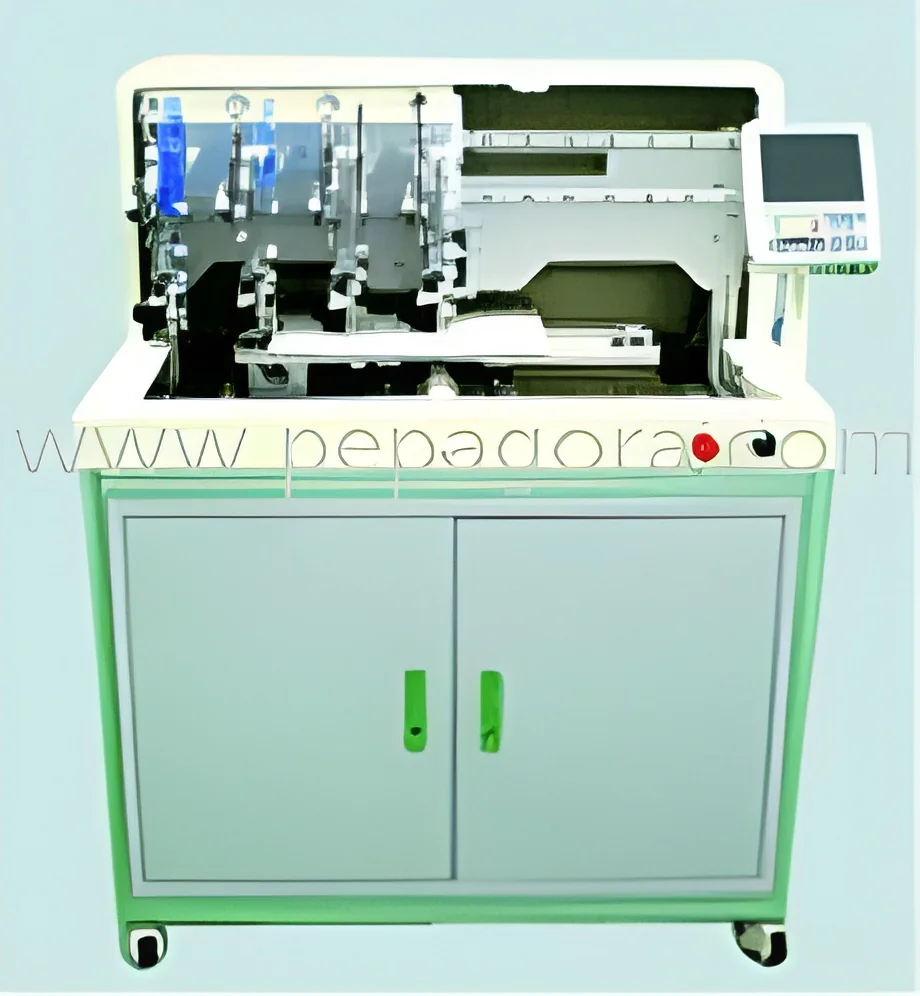
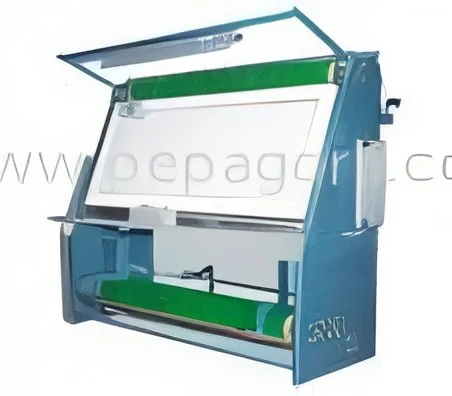
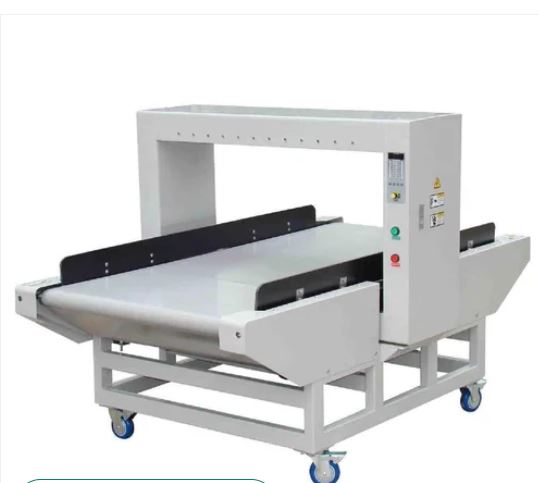
Fabric Inspection Machine: This variant is designed to ensure the quality of fabrics by detecting defects as they pass through the machine. It is essential for maintaining high standards in textile production.
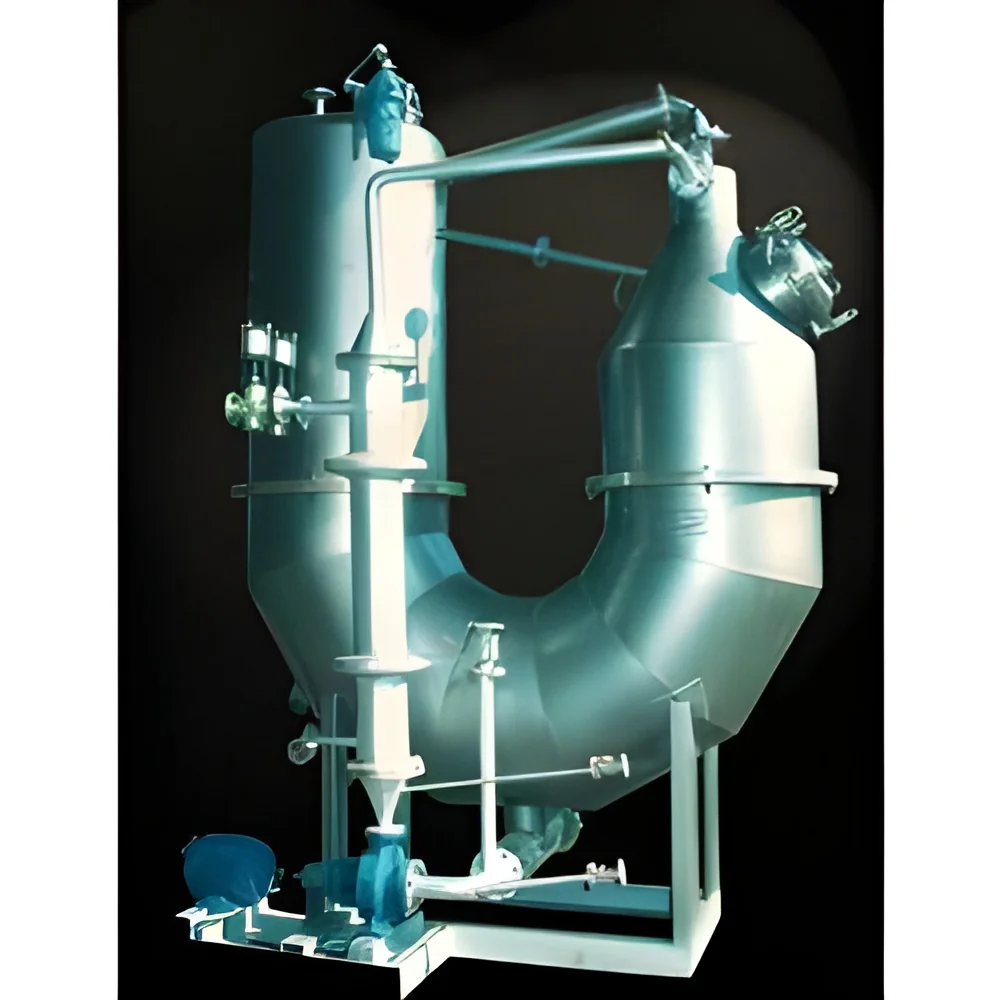
Dyeing Machine: This type of machinery specializes in dyeing textiles uniformly, ensuring consistent color application across fabrics. It is crucial for achieving desired color outcomes in finished products.
Moisture Control System: These systems are designed to monitor and regulate moisture levels in textiles during production, preventing issues related to humidity that can affect quality.
Fabric Finishing Equipment: This machinery enhances the surface properties of fabrics, improving texture, appearance, and performance characteristics.
Benefits and Advantages
Investing in Other Textile Machinery provides several key benefits that can enhance production efficiency and product quality.
1. Improved Quality Control: Equipped with advanced inspection features, these machines help identify defects early in the production process, ensuring high-quality output.
2. Enhanced Productivity: Automation and efficient design lead to increased throughput, allowing businesses to meet higher production demands with less manual labor.
3. Cost Efficiency: Energy-efficient designs and reduced waste can significantly lower operational costs over time, enhancing profitability.
4. Versatility: The ability to customize machinery to fit specific production needs allows businesses to adapt to changing market requirements.
5. Increased Safety: Many machines incorporate safety features that protect operators and reduce the risk of accidents in the workplace.
6. Sustainability: Machinery designed for recycling and efficient resource use supports sustainable practices within the textile industry, appealing to environmentally conscious consumers.
Buying Guide for B2B Buyers
When sourcing Other Textile Machinery, it is essential for B2B buyers to consider several factors to ensure they make informed purchasing decisions.
1. Quality Assessment: Evaluate the quality of the machinery based on manufacturer reputation, customer reviews, and adherence to international standards. Quality machinery ensures longevity and reliable performance.
2. Supplier Verification: Conduct thorough research on potential suppliers, checking for certifications, customer references, and their history in the industry. Verified suppliers are critical for securing reliable equipment.
3. Pricing and MOQ: Understand the pricing structure and minimum order quantities (MOQ) required by suppliers. This helps in budgeting and negotiating better deals.
4. Delivery and Lead Times: Consider logistics when determining delivery timelines. Ensure suppliers can meet your schedule to avoid disruptions in production.
5. Compliance Requirements: Verify compliance with relevant industry regulations and standards. This ensures that the machinery meets safety and operational requirements in your region.
Compliance and Certifications
Compliance and certifications are crucial in the textile machinery industry, ensuring products meet established quality and safety standards.
Relevant quality standards such as ISO 9001 assure buyers of consistent quality management systems in manufacturing processes. This certification indicates that the machinery is produced under strict quality control guidelines.
Industry certifications, such as CE marking, confirm that the machinery meets European safety, health, and environmental protection standards. This certification is essential for companies looking to operate within the EU market.
Safety and testing requirements also play a significant role. Manufacturers must comply with various safety regulations to protect operators and ensure machinery is safe for use.
Regional compliance considerations should not be overlooked. Different markets may have specific regulations that machinery must adhere to before being sold or operated.
Why Source Other Textile Machinery from Pepagora?
Pepagora provides a trusted platform for sourcing Other Textile Machinery with several key advantages that benefit B2B buyers.
Verified Supplier Network: Pepagora offers a comprehensive network of verified suppliers, ensuring that buyers can access high-quality machinery from reputable manufacturers. The verification process ensures reliability and trustworthiness.
Streamlined RFQ Process: The platform simplifies the request for quotation (RFQ) process, allowing buyers to easily compare offers from multiple suppliers. This efficiency helps in making quicker and more informed purchasing decisions.
Trade Assurance and Support: Pepagora provides trade assurance to protect buyers during transactions. This includes support throughout the purchasing process, ensuring customer satisfaction and security.
Regional Coverage: With a focus on markets like India, the GCC, and Southeast Asia, Pepagora ensures that buyers can find local suppliers who understand regional requirements, further enhancing the sourcing experience.

Frequently Asked Questions
What are Other Textile Machinery?
Other Textile Machinery refers to a variety of machines used in the textile industry that do not fit into specific categories such as spinning, weaving, or finishing. These machines include equipment for processes like dyeing, printing, and fabric handling, among others, essential for textile production.
What are the different types of Other Textile Machinery?
The different types of Other Textile Machinery include dyeing machines, printing machines, fabric inspection machines, and finishing equipment. Each type serves a unique purpose in the textile production process, enhancing the quality and efficiency of various operations.
How do I choose the right Other Textile Machinery?
To choose the right Other Textile Machinery, consider factors such as the specific textile processes you need to conduct, the production capacity required, and the compatibility with your existing setup. Additionally, evaluate the machine's efficiency, ease of operation, and maintenance requirements to ensure it meets your operational needs.
What are the standard specifications for Other Textile Machinery?
Standard specifications for Other Textile Machinery can vary based on the type of machine but generally include parameters such as production capacity, power consumption, dimensions, and material compatibility. It's important to review the specifications provided by manufacturers to find equipment that meets your requirements.
What is the price range for Other Textile Machinery?
The price range for Other Textile Machinery can vary significantly based on the type of machine, its features, and the manufacturer. Typically, prices can range from a few thousand to several lakhs of Indian Rupees, depending on the complexity and technology of the equipment.
What quality standards apply to Other Textile Machinery?
Quality standards for Other Textile Machinery typically include compliance with industry regulations and certifications such as ISO, CE, or BIS. These standards ensure that the machinery operates efficiently, safely, and produces high-quality textile products.
Where can I find Other Textile Machinery suppliers in India?
You can find Other Textile Machinery suppliers in India through various platforms, including B2B marketplaces like Pepagora.com, industry trade shows, and local textile machinery exhibitions. Additionally, online directories and industry associations can help you connect with reputable manufacturers and suppliers.
Can Other Textile Machinery be customized?
Yes, Other Textile Machinery can often be customized to meet specific production needs or requirements. Many manufacturers offer customization options that allow buyers to modify features, sizes, and functionalities to better align with their operational processes.
What is the typical minimum order quantity for Other Textile Machinery?
The typical minimum order quantity (MOQ) for Other Textile Machinery varies by supplier and machine type. Generally, MOQs can range from one unit for standard machines to multiple units for specialized or custom-designed equipment.
What is the typical lead time for Other Textile Machinery?
The typical lead time for Other Textile Machinery can vary based on the machine type and the manufacturer's production capacity. Generally, lead times can range from a few weeks to several months, especially for customized equipment, so it's advisable to check with suppliers for specific timelines.
Why Businesses Trust Pepagora
Thousands of companies trust Pepagora to source smarter and sell faster
Expand Your Sales Globally

Source Smarter,Grow Faster
