IN
IN₹
Apparel & Fashion
Description
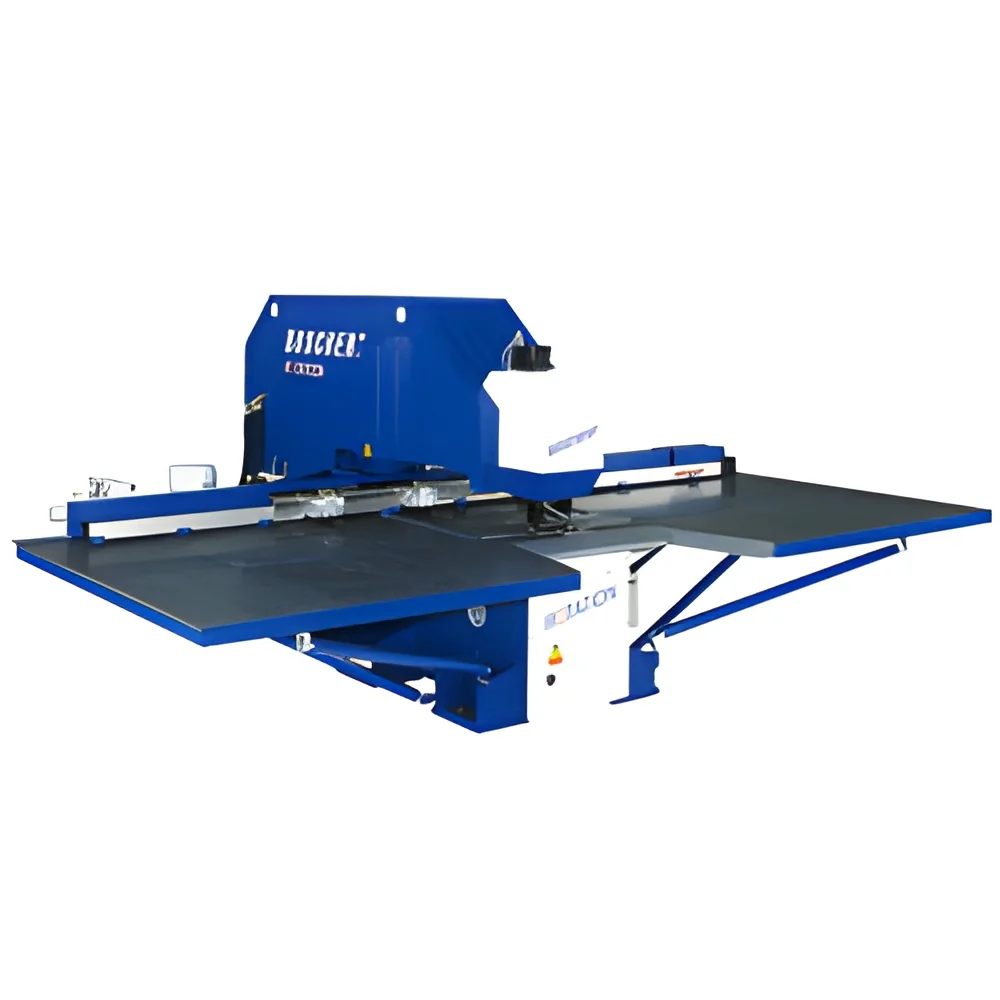
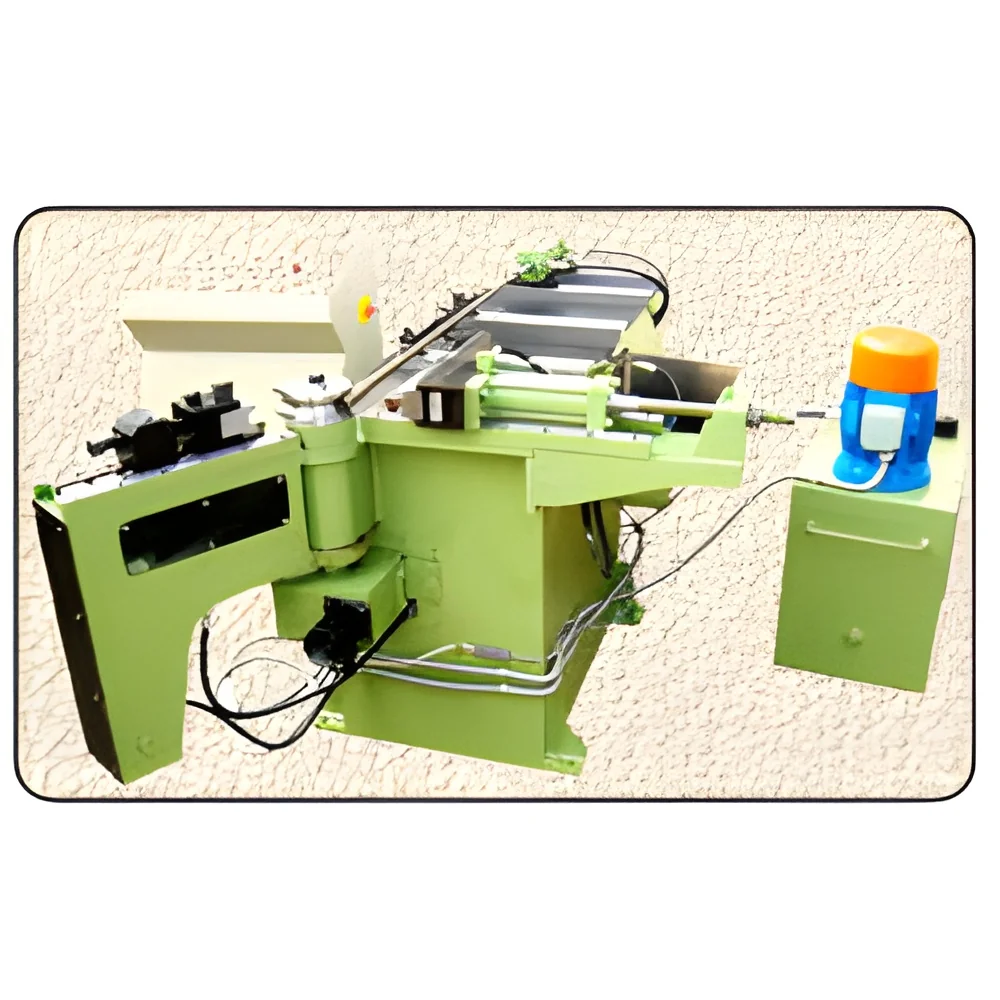
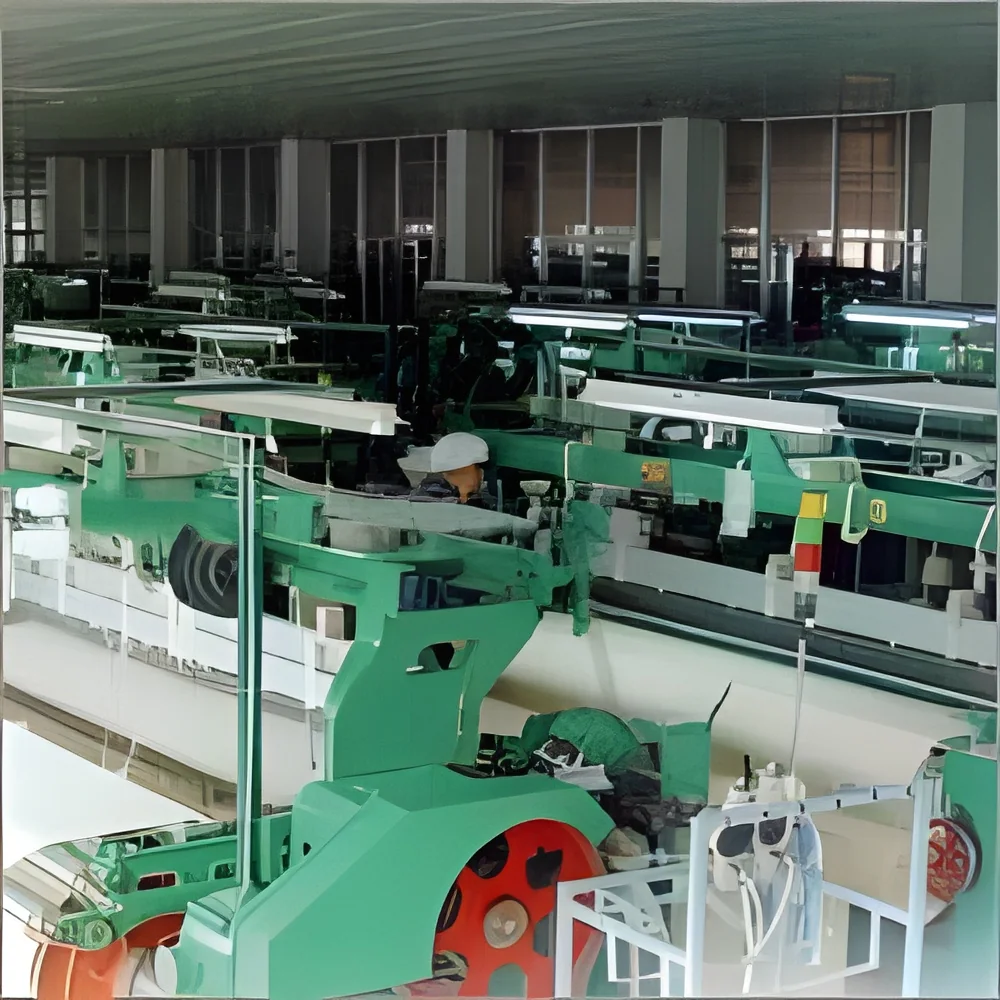
Our premium industrial textile machinery represents advanced manufacturing equipment specifically engineered for comprehensive textile production. It covers critical processes including dyeing, spinning, weaving, knitting, and finishing. These machines are built with precision components and sophisticated control systems to ensure optimal, reliable performance across diverse manufacturing requirements. Designed for continuous industrial operation, the machinery incorporates technological advancements while maintaining intuitive interfaces that reduce training time and minimize operational errors. Sourced from trusted manufacturers with proven expertise, each unit meets international quality standards to deliver consistent results in the most demanding production environments.

This versatile machinery serves a broad spectrum of industries, including apparel manufacturing, home furnishings production, technical textiles development, and automotive interior components. Large-scale textil...
Our premium industrial textile machinery represents advanced manufacturing equipment specifically engineered for comprehensive textile production. It covers critical processes including dyeing, spinning, weaving, knitting, and finishing. These machines are built with precision components and sophisticated control systems to ensure optimal, reliable performance across diverse manufacturing requirements. Designed for continuous industrial operation, the machinery incorporates technological advancements while maintaining intuitive interfaces that reduce training time and minimize operational errors. Sourced from trusted manufacturers with proven expertise, each unit meets international quality standards to deliver consistent results in the most demanding production environments.

This versatile machinery serves a broad spectrum of industries, including apparel manufacturing, home furnishings production, technical textiles development, and automotive interior components. Large-scale textile mills utilize these systems for high-volume production of yarns, woven and knitted fabrics, ensuring quality consistency across large batches. The fashion and garment industry relies on the equipment for precise color application and pattern execution. Technical textile manufacturers benefit from its capability to handle specialized materials like high-tenacity fibers, nonwovens, and composites, adapting to various material types and advanced production methodologies from traditional natural fibers to modern synthetics.

The core business value lies in exceptional operational reliability, reduced maintenance needs, and significant long-term cost savings. These machines are engineered for minimal downtime, ensuring continuous production flow and maximizing output efficiency. The available configurations allow operations to tailor equipment to specific production needs, whether for specialized fabric constructions, unique process sequences, or seamless integration with existing manufacturing lines. This adaptability, combined with robust construction and energy-efficient operation, provides textile manufacturers with a tangible competitive advantage through superior product quality, lower per-unit production costs, and scalable manufacturing capabilities that support business growth and market responsiveness.

Key Features:
- Robust construction using industrial-grade materials ensures long-term durability and minimizes maintenance.
- Energy-efficient motor and drive systems significantly reduce overall power consumption.
- Intuitive digital controls and user-friendly interfaces simplify operation and reduce training overhead.
- High-performance mechanisms guarantee consistent production quality and meet high-volume output targets.
- Configurable setups and modular designs adapt to specific technical and workflow requirements.

Benefits:
- Enhanced production reliability and reduced unplanned downtime ensure consistent output and delivery schedules.
- Lower operational costs through improved energy efficiency and reduced maintenance expenditures.
- Faster operator proficiency and fewer errors due to simplified, logical control systems.
- Consistent, high-quality fabric output that meets stringent market and customer specifications.
- Operational flexibility to handle diverse fabric types and adapt to evolving production demands.
Specifications
| Additional Information | |
|---|---|
| Country of Origin | India |
Application
This comprehensive textile machinery supports the complete fabric production lifecycle, from raw fiber processing to finished goods. It is engineered for demanding industrial environments, delivering high-volume output, precision, and consistent quality across all operational phases. The robust design minimizes operational complexities while maintaining stringent performance standards for modern production units.
Manufacturers across sectors rely on this equipment for its adaptability and robust performance in diverse production scenarios. The machinery integrates seamlessly into existing workflows, offering configurations that cater to specific fabric types, production speeds, and quality requirements. This operational flexibility makes it suitable for established textile mills and expanding facilities seeking to upgrade their manufacturing capabilities and throughput.
- High-speed yarn spinning and thread manufacturing in large-scale textile mills.
- Precision fabric weaving and knitting for apparel, home textiles, and industrial fabrics.
- Consistent industrial dyeing and color application processes for uniform coloration.
- Advanced textile printing and intricate pattern implementation for fashion and technical fabrics.
- Final finishing, coating, and quality enhancement treatments for premium fabric output.
Trade Details
| Available Stock | In Stock |
| Sample Availability | No |
Payment Terms
| Payment Terms |
|
Company Profile
Annapurna Enterprises, Andhra Pradesh
 Andhra Pradesh, India
Andhra Pradesh, IndiaFood & Agriculture•Manufacturer•Trading Company•Importer / Exporter
Factory Details
Factory SizeBelow 1000 sqm
Annual Production Capacity0
Main Markets
Mid East
Eastern Asia
Domestic
Industrial Textile Machinery For Dyeing Spinning Weaving Knitting Finishing
Premium industrial textile machinery for dyeing, spinning, weaving, knitting, and finishing. Engineered for reliability and efficiency to boost production quality and output for manufacturers and industrial operations.
Min. Order Quantity: 1 unit
Shipping
Shipping fee and delivery date to be negotiated. Contact supplier now for more details.
Annapurna Enterprises
 Andhra Pradesh, India
Andhra Pradesh, IndiaFood & AgricultureManufacturer