IN
IN₹
Apparel & Fashion
Description
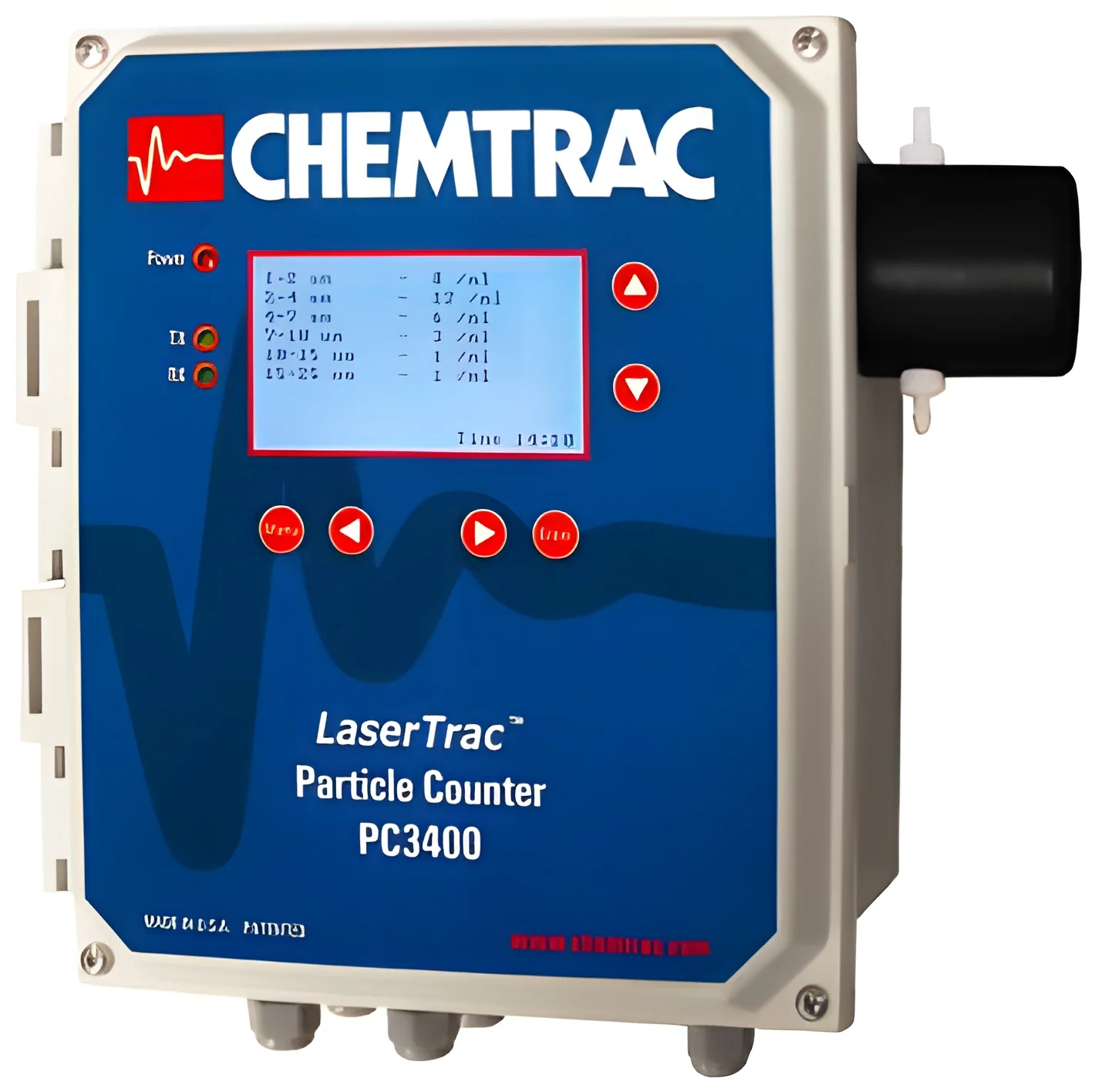
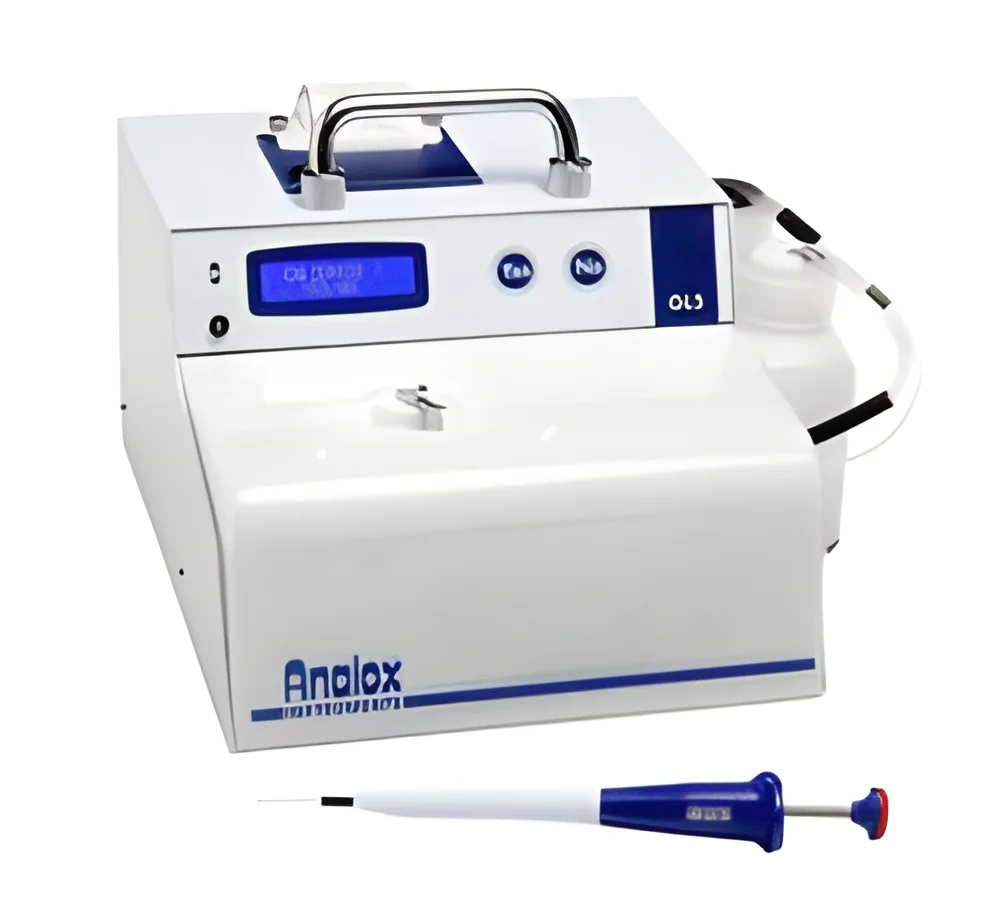
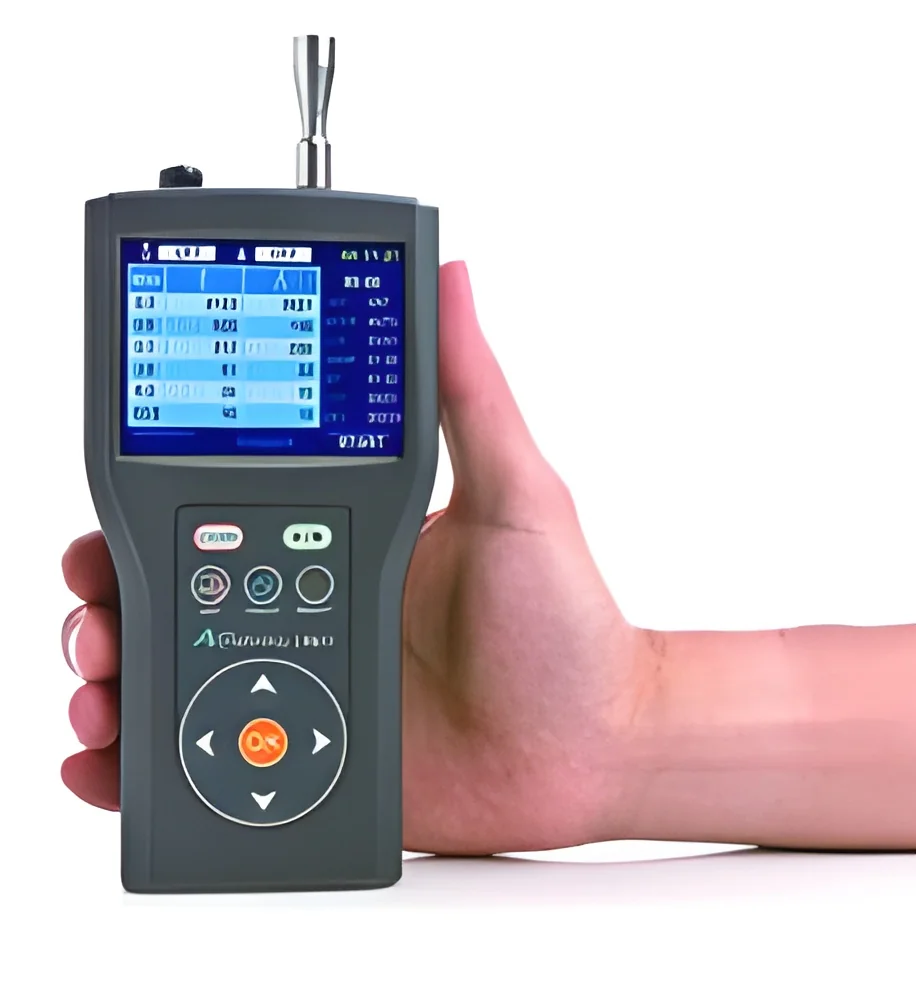
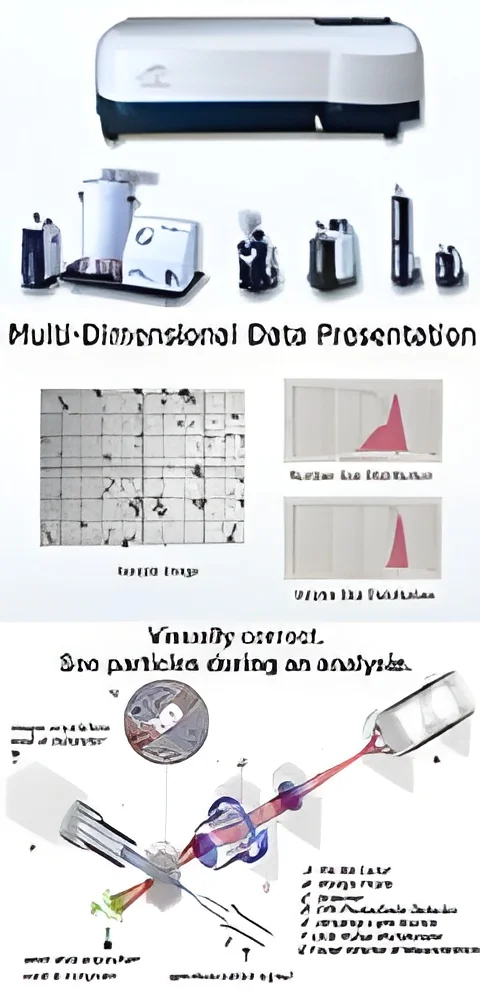
Particle size and shape analyzers represent precision instrumentation engineered for comprehensive material characterization at microscopic levels. These advanced systems deliver accurate measurements of particle distribution, morphological characteristics, and surface area parameters that prove critical across multiple industrial sectors. Utilizing sophisticated technologies including laser diffraction, dynamic image analysis, and sedimentation methodologies, these analyzers generate reliable data that drives quality control processes, research initiatives, and development programs. They serve as essential tools for scientists, engineers, and quality assurance professionals who require precise material characterization to guarantee product consistency and optimal performance outcomes.

These analytical instruments fulfill crucial functions across diverse sectors including pharmaceutical manufacturing where they measure drug powders and injectable solutions, environmental science appli...
Particle size and shape analyzers represent precision instrumentation engineered for comprehensive material characterization at microscopic levels. These advanced systems deliver accurate measurements of particle distribution, morphological characteristics, and surface area parameters that prove critical across multiple industrial sectors. Utilizing sophisticated technologies including laser diffraction, dynamic image analysis, and sedimentation methodologies, these analyzers generate reliable data that drives quality control processes, research initiatives, and development programs. They serve as essential tools for scientists, engineers, and quality assurance professionals who require precise material characterization to guarantee product consistency and optimal performance outcomes.

These analytical instruments fulfill crucial functions across diverse sectors including pharmaceutical manufacturing where they measure drug powders and injectable solutions, environmental science applications for water quality assessment, geological studies for soil and mineral analysis, and food production facilities for emulsion and powder consistency monitoring. Heavy industries utilize them for polymer characterization, pigment dispersion evaluation, and coating quality control, while life sciences depend on them for bacterial analysis and cellular research. The energy sector employs these instruments for fuel analysis and coal quality assessment, demonstrating their remarkable versatility across both traditional manufacturing environments and advanced research applications.

The substantial business value of these analyzers manifests through their capacity to enhance product quality standards, reduce manufacturing expenses, and ensure regulatory compliance. Their proven reliability stems from robust construction, consistent performance metrics, and calibration stability, establishing them as valuable long-term investments for serious laboratory facilities and production operations. These instruments distinguish themselves through unique quality assurance protocols, customization possibilities for specific application requirements, and demonstrated durability in demanding operational environments. They provide the critical analytical data necessary to optimize manufacturing processes, improve final product characteristics, and maintain competitive advantage in quality-focused markets.

Key Features:
- Precise particle size distribution measurement across diverse material types
- Advanced shape analysis capabilities for comprehensive material characterization
- Robust construction ensuring durability and long-term reliability in laboratory settings
- Customizable configurations addressing specific industry requirements and application needs
- User-friendly interface complemented by comprehensive data reporting and analysis software

Benefits:
- Enhanced product quality through precise particle measurement and characterization
- Reduced manufacturing costs via optimized processes and material usage
- Regulatory compliance assurance through accurate and reproducible test results
- Long-term operational reliability minimizing downtime and maintenance requirements
- Comprehensive data analysis supporting informed decision-making and process improvements
Specifications
| Additional Information | |
|---|---|
| Country of Origin | India |
Application
Particle size and shape analyzers provide essential measurement data across scientific research and industrial manufacturing sectors. These instruments accurately characterize granular materials, suspensions, and emulsions, supporting both quality assurance protocols and research development initiatives. Their precision makes them indispensable for analyzing raw materials and finished products in regulated environments where consistency matters most.
Industries depend on these analyzers for reliable particle distribution data that directly influences product performance and safety standards. From pharmaceutical powders to industrial coatings, accurate measurement ensures compliance with strict industry regulations while optimizing manufacturing processes. These tools deliver reproducible results suitable for both laboratory research settings and production floor quality control operations.
- Measuring soil clay and sand particles in geological surveys and construction material quality assurance
- Analyzing water samples including ocean water, tap water, and wastewater for environmental monitoring
- Characterizing pharmaceutical powders, suspensions, and injectable solutions in drug manufacturing
- Testing food products like chocolate and flour emulsions for consistency and safety compliance
- Evaluating industrial materials including catalysts, resins, and pigments in chemical production
Trade Details
| Available Stock | In Stock |
| Sample Availability | No |
Payment Terms
| Payment Terms |
|
Company Profile
Anamtrix instruments tech p ltd, Karnataka
 Karnataka, India
Karnataka, IndiaHealth & Personal Care•Manufacturer
Factory Details
Factory SizeBelow 1000 sqm
Annual Production Capacity0
Particle Size And Shape Analyzer For Material Characterization
Professional particle size and shape analyzers deliver precise material characterization for geology, pharmaceuticals, and industrial applications. Ensure accurate measurements for quality control and research with reliable performance.
Min. Order Quantity: 1 unit
Shipping
Shipping fee and delivery date to be negotiated. Contact supplier now for more details.
Anamtrix instruments tech p ltd
 Karnataka, India
Karnataka, IndiaHealth & Personal CareManufacturer