
 IN
Knitting Machines
12 products available
What are Knitting Machines?
Knitting machines are specialized industrial equipment designed for the automated production of knitted fabrics. These machines utilize a series of needles and yarns to create various knitted patterns and textures. They range from simple manual machines to complex computerized systems that can produce intricate designs with high precision.
The primary use of knitting machines is in the textile and garment manufacturing industries. Businesses utilize these machines to create a wide range of products, including apparel, home textiles, and sportswear. The efficiency and speed of knitting machines significantly enhance production capabilities, allowing manufacturers to meet market demand while maintaining quality.
In the current market context, knitting machines play a crucial role in the global textile industry. With the increasing demand for customized and high-quality knitted products, these machines are essential for businesses looking to innovate and stay competitive. The evolution of technology in knitting machines has led to enhanced features, making them more user-friendly and versatile.
Key Features and Specifications
Knitting machines come equipped with numerous features that enhance their performance and versatility. Understanding these specifications is essential for businesses looking to invest in these machines.
Key specifications include:
1. Needle Type
- The type of needles used impacts the knitting technique.
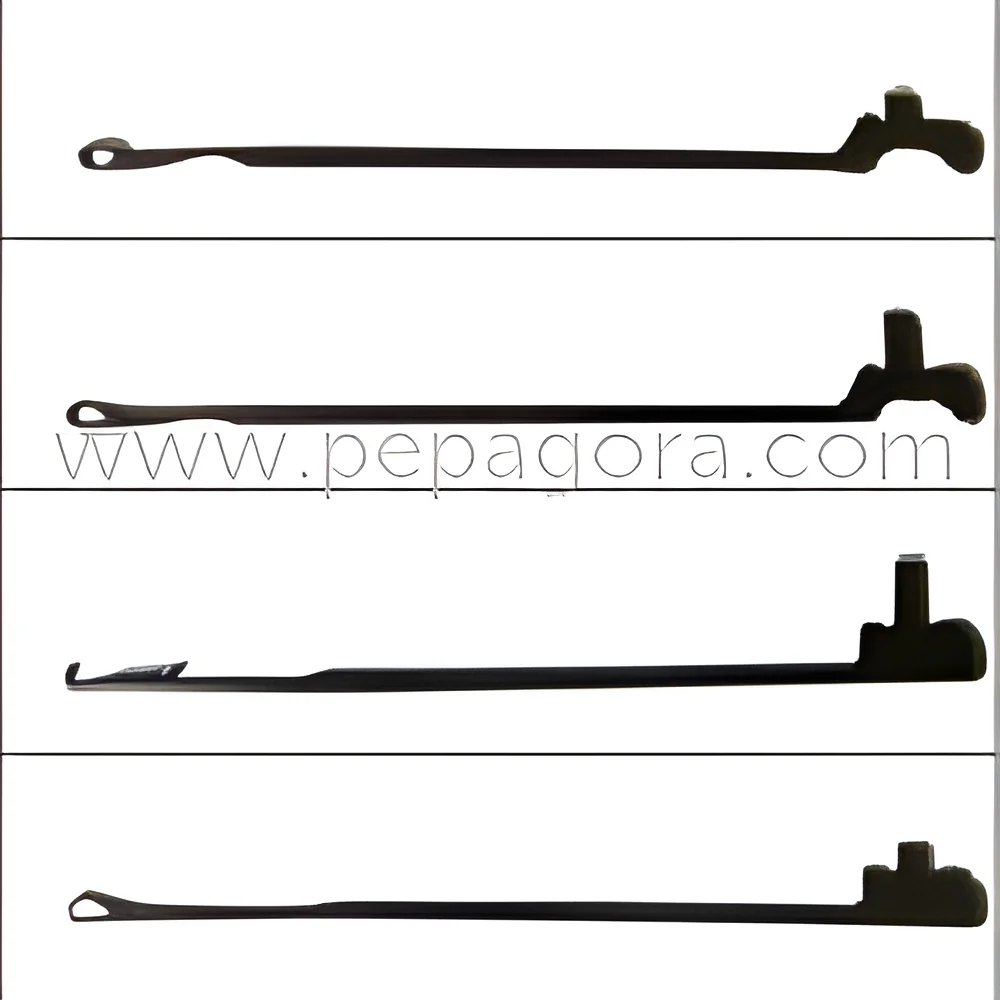
- Common types include latch, spring, and compound needles.
2. Gauge
- Refers to the number of needles per unit length.
- It determines the thickness of the knitted fabric.
3. Yarn Feeder
- Mechanism for supplying yarn to the needles.
- Can be automatic or manual, affecting efficiency.
4. Stitch Formation
- The method used to create stitches.
- Common methods are weft and warp knitting.
5. Machine Speed
- Measured in stitches per minute.
- Higher speeds increase production capacity.
6. Computerization
- Many modern machines include computerized controls.
- This feature enhances design flexibility and precision.
7. Fabric Width
- The maximum width of fabric that can be produced.
- Varies based on machine design and intended use.
8. Frame Construction
- The material and design of the machine frame.
- Affects durability and stability during operation.
In summary, understanding these key features and specifications helps businesses select the right knitting machine for their production needs.
Common Applications and Use Cases
Knitting machines are utilized across various industries, each benefiting from their unique capabilities.
1. Apparel Industry: Knitting machines produce a wide array of clothing items, from t-shirts to sweaters, allowing for diverse styles and patterns.
2. Home Textiles: These machines are essential for creating knitted home products, such as blankets, cushions, and curtains, providing comfort and aesthetic appeal.
3. Sportswear: The ability to produce high-performance fabrics makes knitting machines invaluable in the sportswear sector, where elasticity and breathability are crucial.
4. Medical Textiles: Knitted fabrics are used in medical applications, such as compression garments, due to their stretchability and comfort.
5. Automotive: Knitting machines contribute to the automotive industry by producing seat covers and interior textiles that require durability and design flexibility.
6. Fashion Accessories: Knitted items like scarves, hats, and socks are produced using these machines, allowing for creativity in fashion design.
7. Industrial Textiles: Specialized knitted fabrics are used in various industrial applications, such as filters and insulation materials.
Product Variants and Subcategories
Knitting machines come in various types, each designed to meet specific production needs.
Circular Knitting Machine: This variant is designed for seamless production of tubular fabrics, making it ideal for t-shirts and other apparel. Its ability to produce long runs without interruptions is a significant advantage.
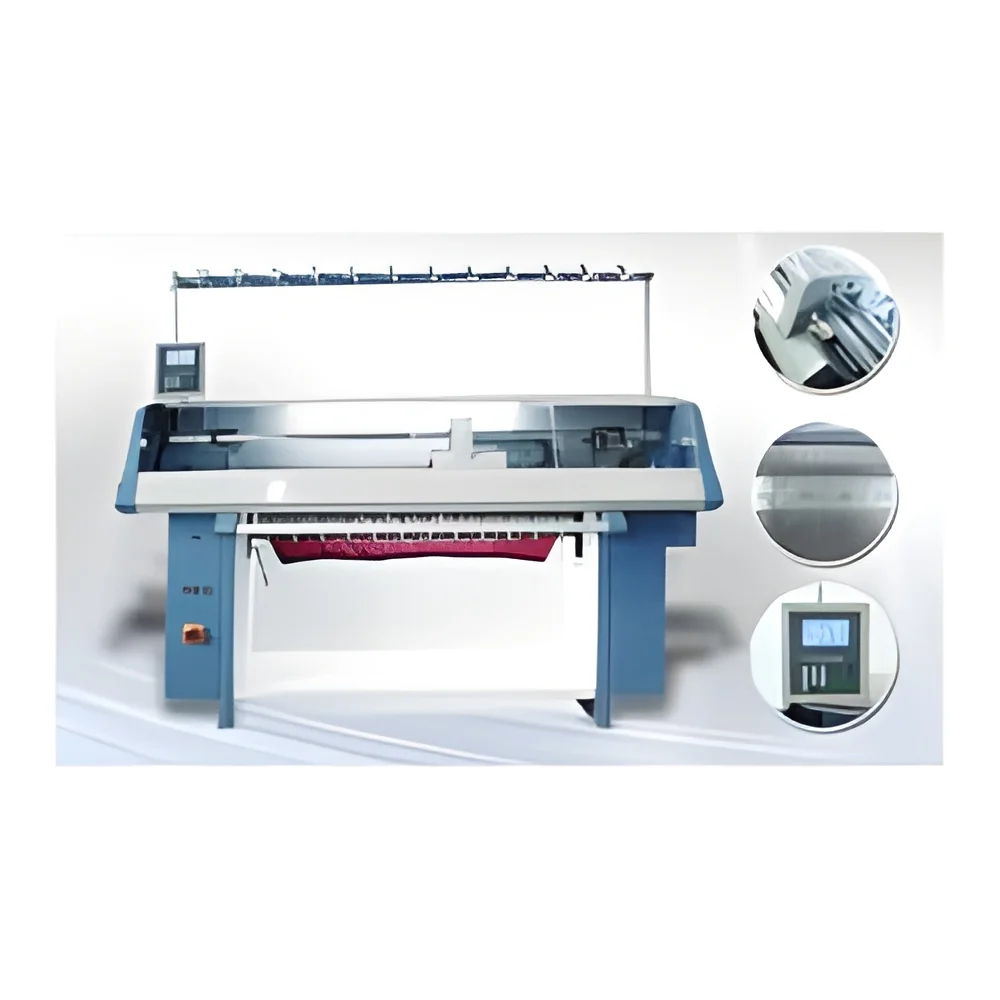
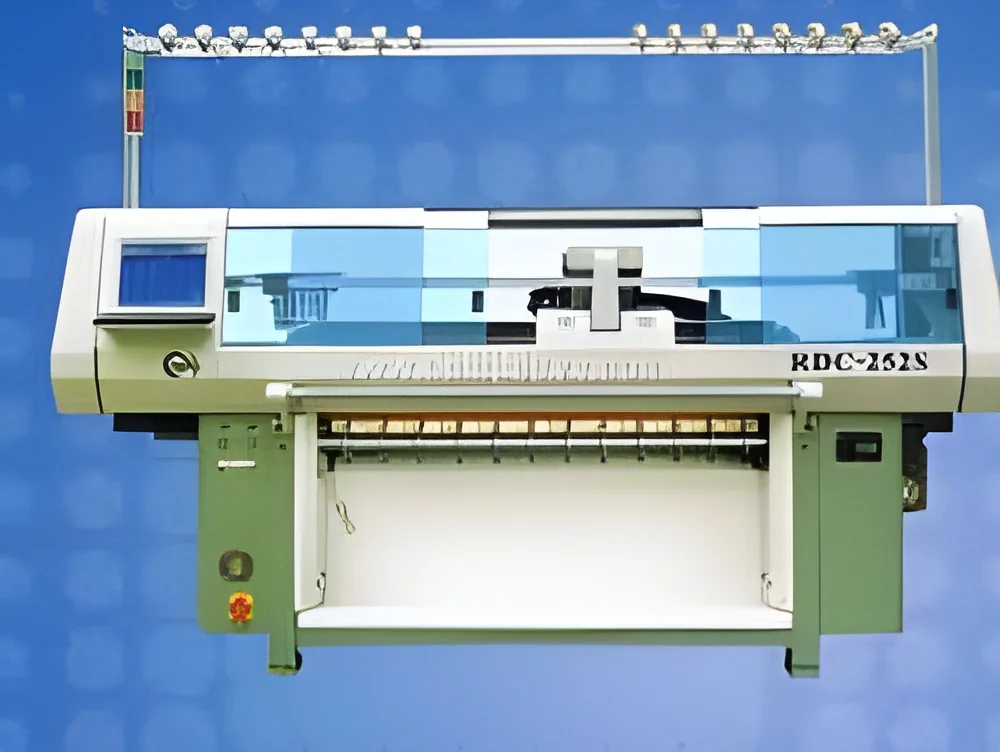
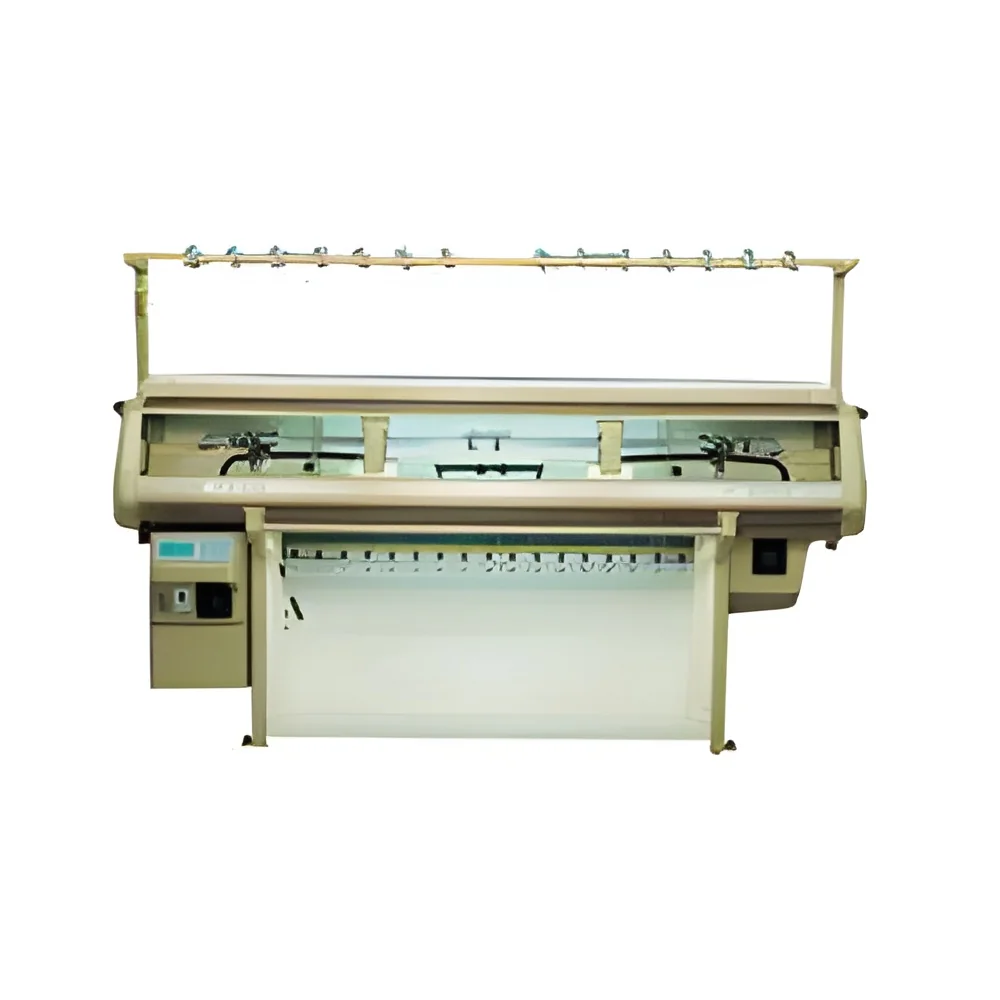
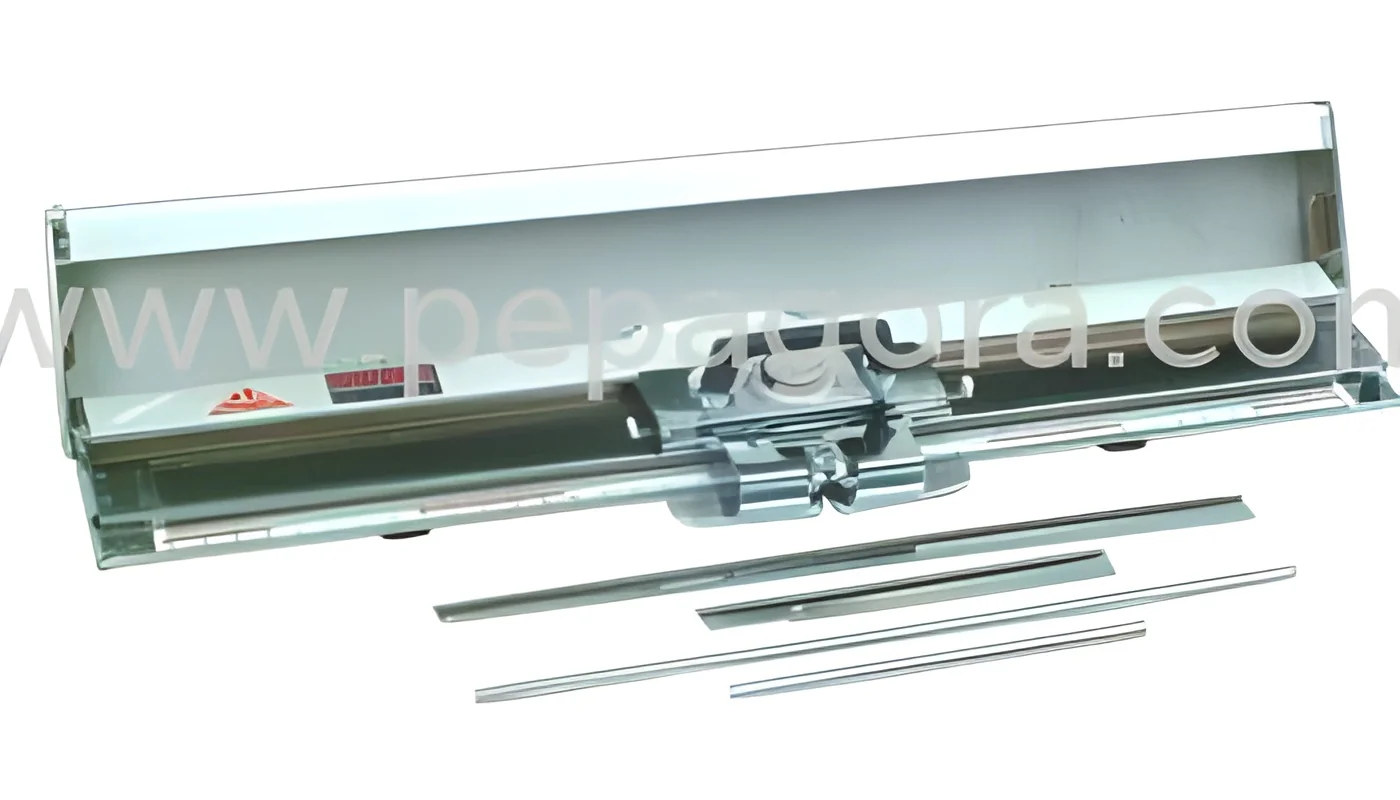
Flat Knitting Machine: These machines create flat pieces of fabric, suitable for items like sweaters and cardigans. They offer flexibility in design and are often used for more intricate patterns.
Shaped Knitting Machine: This type is capable of producing three-dimensional knitted items, allowing for more complex designs and applications in fashion and technical textiles.
Computerized Knitting Machine: Equipped with advanced technology, these machines allow for precise control and customization of designs, catering to modern textile demands.
Benefits and Advantages
Investing in knitting machines offers several key benefits for businesses.
1. Increased Production Efficiency: Knitting machines automate the knitting process, allowing for faster production rates compared to manual methods.
2. Versatility in Design: Modern knitting machines can produce a wide range of patterns and textures, enabling businesses to cater to diverse market demands.
3. Cost-Effectiveness: The efficiency and speed of knitting machines reduce labor costs and waste, leading to overall cost savings.
4. Enhanced Quality Control: Automated systems ensure consistent quality in production, reducing defects and improving customer satisfaction.
5. Customization Capabilities: Many knitting machines offer options for customization, allowing businesses to create unique products that stand out in the market.
6. Reduced Labor Dependency: Automation decreases reliance on manual labor, which can mitigate risks associated with labor shortages or fluctuations.
Buying Guide for B2B Buyers
When sourcing knitting machines, B2B buyers should consider several important factors.
1. Quality Assessment: Evaluate the machine's build quality and performance metrics. Look for machines that meet industry standards to ensure reliability and durability.
2. Supplier Verification: Vet potential suppliers to confirm their credibility. Check for certifications, customer reviews, and their reputation within the industry.
3. Pricing and MOQ: Understand the pricing structure and minimum order quantities. Compare costs across suppliers to find the best value without compromising quality.
4. Delivery and Lead Times: Assess the supplier's ability to meet delivery schedules. Timely delivery is crucial to maintaining production timelines.
5. Compliance Requirements: Ensure that the knitting machines meet regional and international compliance standards for safety and quality. This may include certifications such as CE.
Compliance and Certifications
Knitting machines must adhere to various quality standards to ensure safety and efficiency in production. ISO 9001 is a widely recognized standard that focuses on quality management systems, ensuring that manufacturers maintain high-quality products.
In addition to ISO standards, the CE mark is crucial for products sold in Europe, indicating compliance with safety and health requirements. Other relevant certifications may apply depending on specific applications, such as those in medical or automotive textiles.
Safety and testing requirements are essential in the manufacturing process, ensuring that machines operate reliably without posing risks to operators. Regional compliance considerations may also vary, necessitating a thorough understanding of local regulations to avoid potential legal issues.
Why Source Knitting Machines from Pepagora?
Pepagora provides a trusted platform for sourcing knitting machines, offering multiple advantages to businesses.
Verified Supplier Network: Pepagora maintains a network of verified suppliers, ensuring that buyers can connect with reputable manufacturers who meet industry standards.
Streamlined RFQ Process: The platform simplifies the request for quotation process, allowing buyers to receive competitive quotes quickly and efficiently, thereby saving time and effort.
Trade Assurance and Support: Buyers benefit from trade assurance programs that protect their investments and ensure that suppliers adhere to their commitments.
Regional Coverage: Pepagora's reach includes key markets such as India, the GCC, and Southeast Asia, providing businesses with access to a diverse range of suppliers and products tailored to their specific needs.

 India
 India
 India
 India
Frequently Asked Questions
What are Knitting Machines?
Knitting machines are specialized equipment used for producing knitted fabrics by interlocking loops of yarn. These machines automate the knitting process, allowing for increased efficiency and consistency in fabric production.
What are the different types of Knitting Machines?
There are several types of knitting machines, including flat knitting machines, circular knitting machines, and warp knitting machines. Each type serves different purposes and is suited for specific fabric types and production requirements.
How do I choose the right Knitting Machines?
Choosing the right knitting machine depends on factors such as the type of fabric you wish to produce, the scale of production, and your budget. Assessing the machine's specifications and features will help ensure it meets your production needs.
What are the standard specifications for Knitting Machines?
Standard specifications for knitting machines typically include gauge, needle type, and machine capacity. Additional features may involve automation capabilities, stitch patterns, and yarn compatibility, which vary by machine type.
What is the price range for Knitting Machines?
The price range for knitting machines can vary significantly, starting from a few thousand to several lakhs of Indian Rupees, depending on the type, brand, and features. Generally, industrial-grade machines tend to be more expensive due to their advanced capabilities.
What quality standards apply to Knitting Machines?
Quality standards for knitting machines typically include adherence to ISO certifications and specific manufacturing regulations. These standards ensure that machines are safe, reliable, and capable of producing high-quality knitted fabrics.
Where can I find Knitting Machines suppliers in India?
You can find knitting machines suppliers in India through B2B marketplaces like Pepagora, trade shows, and industry directories. Researching online and contacting manufacturers directly can also yield reliable suppliers.
Can Knitting Machines be customized?
Yes, many manufacturers offer customization options for knitting machines to meet specific production requirements. Customization can include modifications to machine size, features, and capabilities, depending on the supplier.
What is the typical minimum order quantity for Knitting Machines?
The typical minimum order quantity (MOQ) for knitting machines varies by manufacturer but often starts at one unit for standard models. Larger orders may be required for customized machines or bulk purchases.
What is the typical lead time for Knitting Machines?
The typical lead time for knitting machines can range from a few weeks to several months, depending on factors such as the type of machine, customization requirements, and the manufacturer's production schedule. It's advisable to confirm lead times with the supplier at the time of order.
Why Businesses Trust Pepagora
Thousands of companies trust Pepagora to source smarter and sell faster
Expand Your Sales Globally

Source Smarter,Grow Faster
