IN
IN₹
Apparel & Fashion
Description
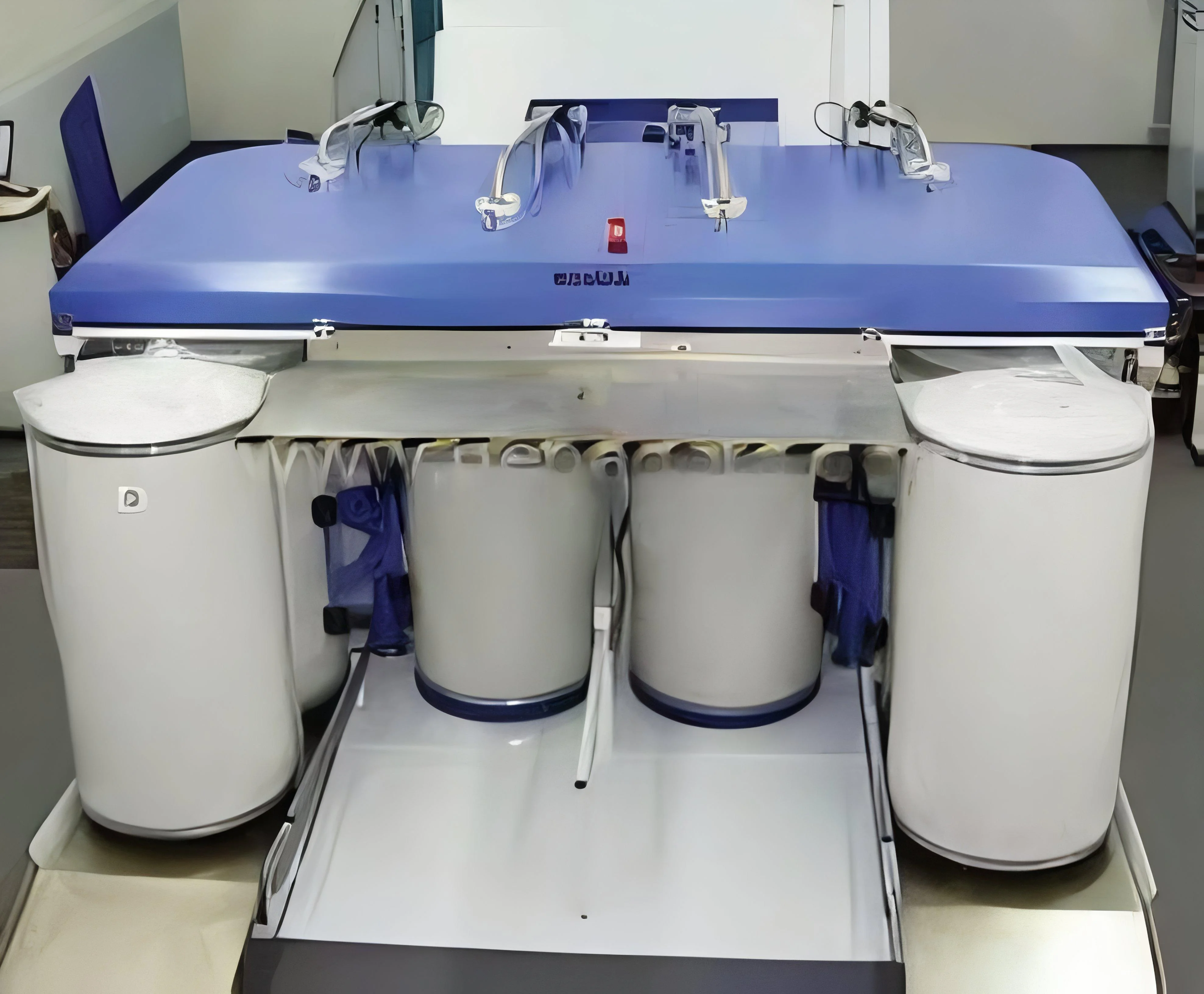
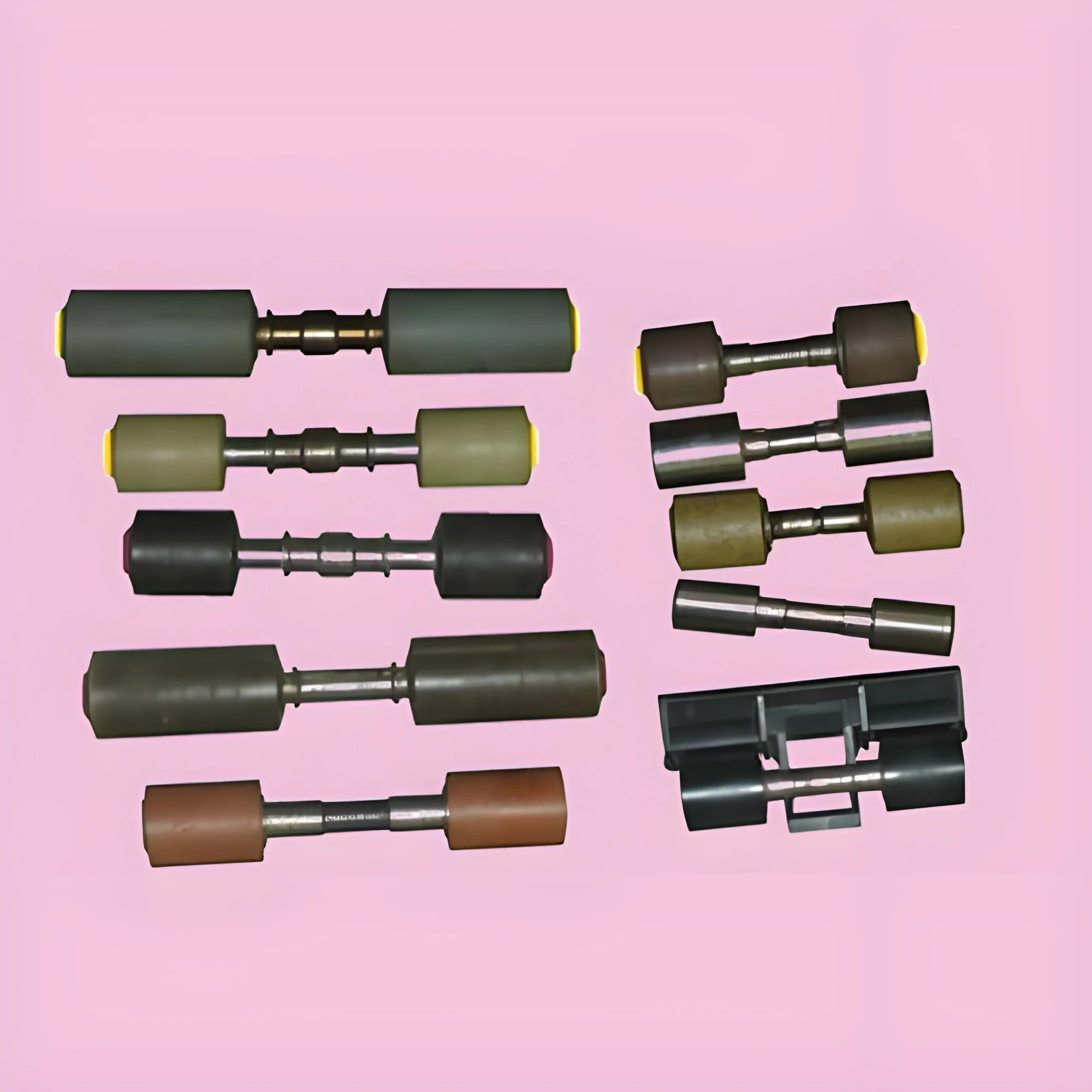
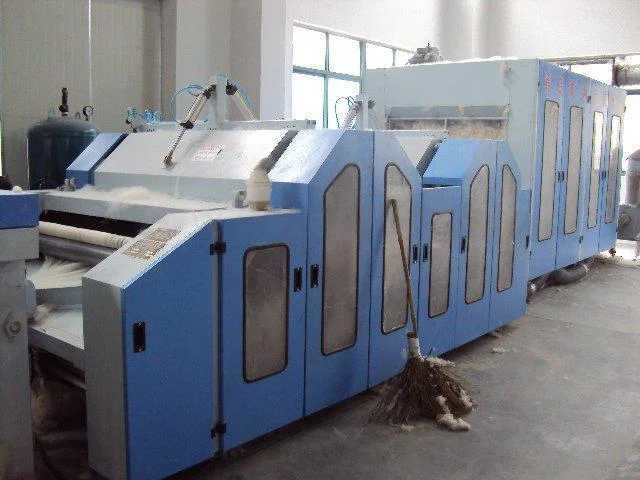
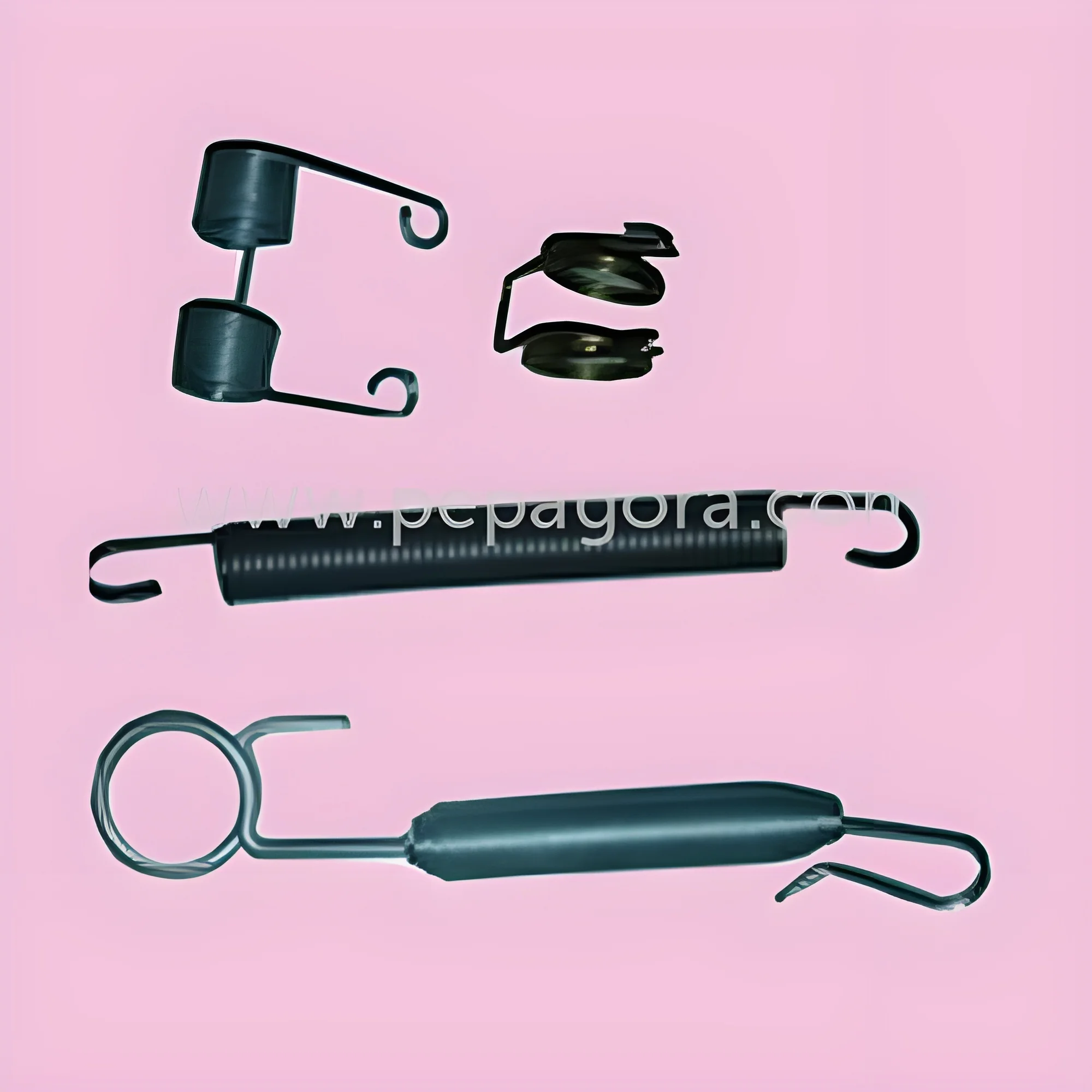
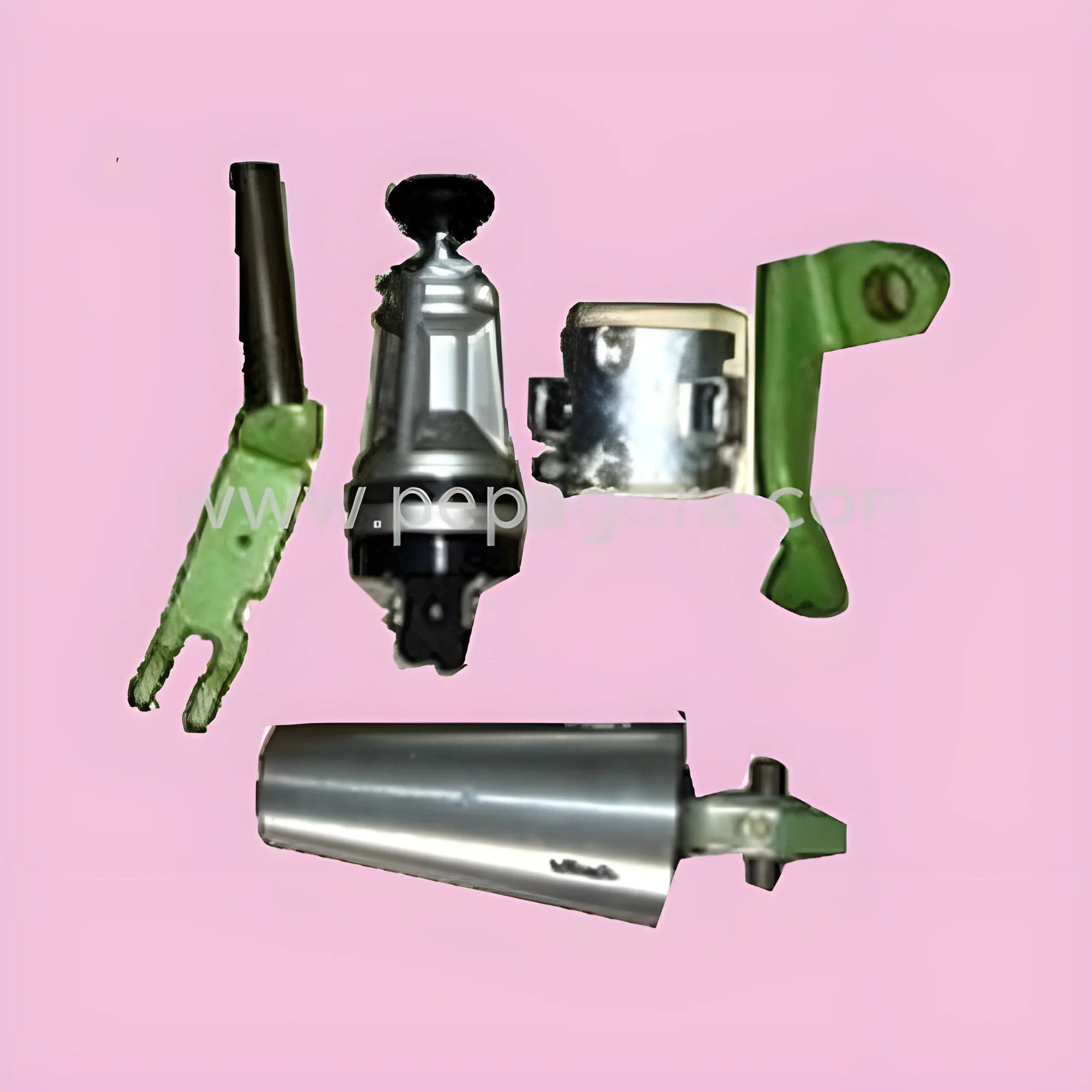
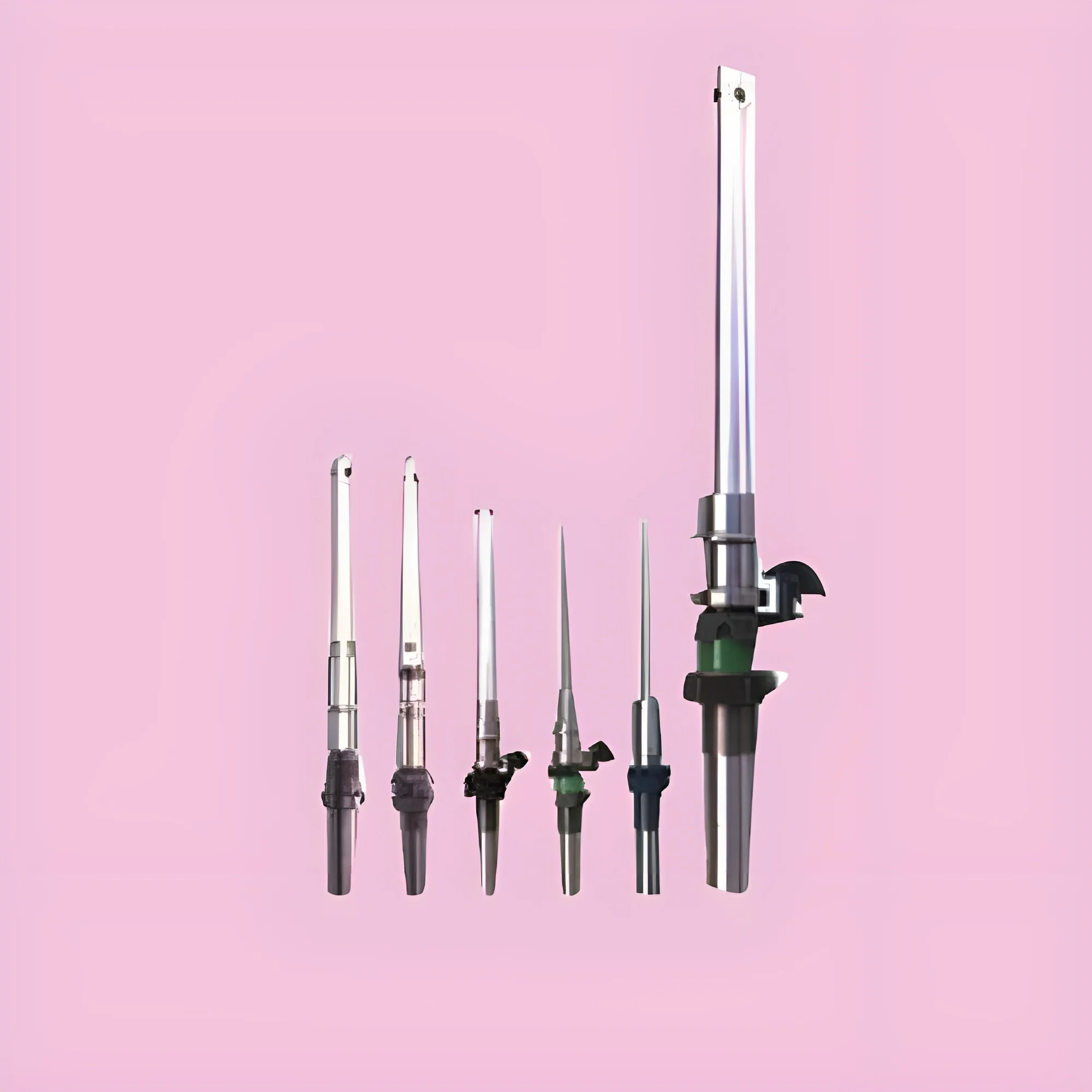
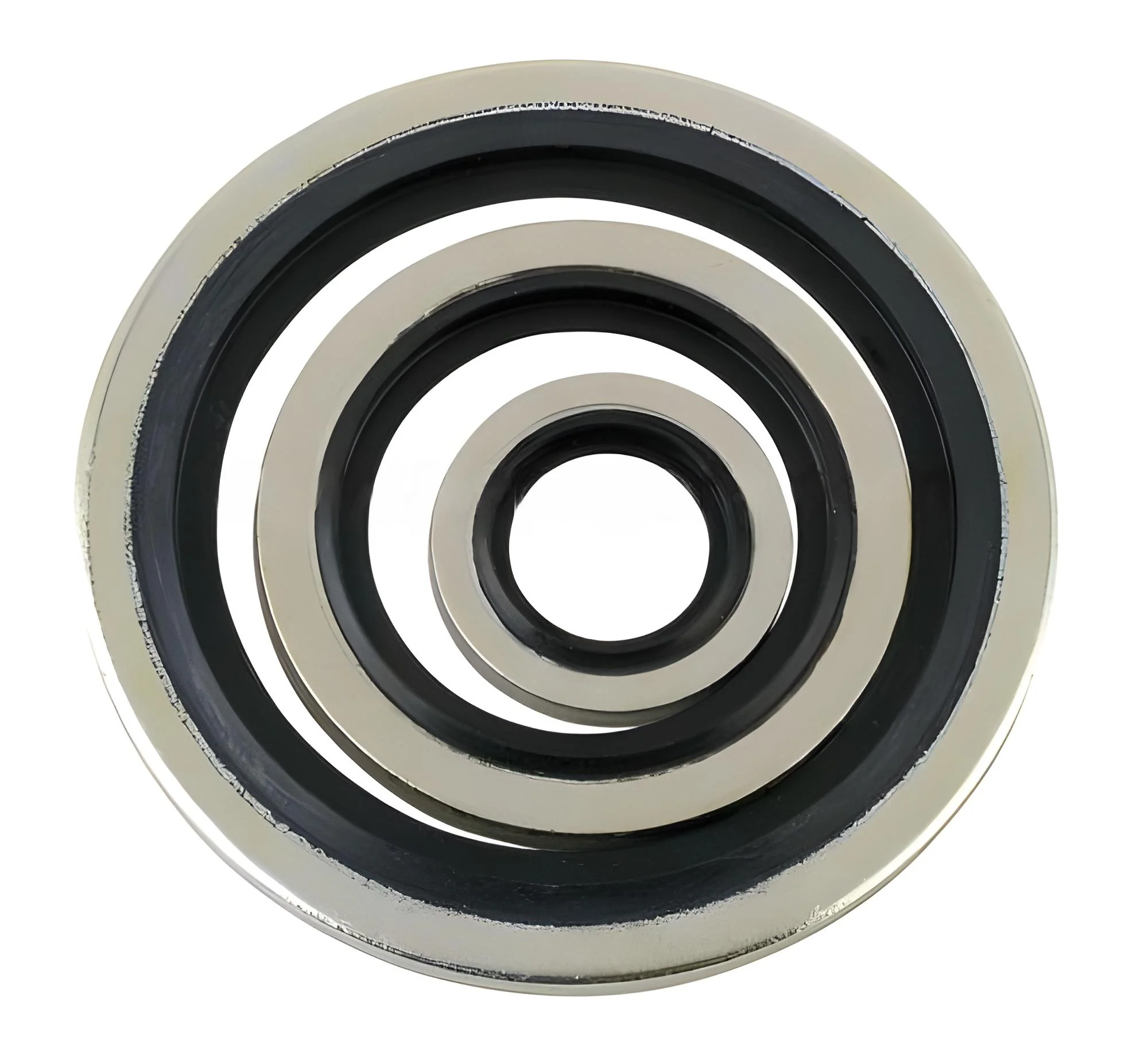
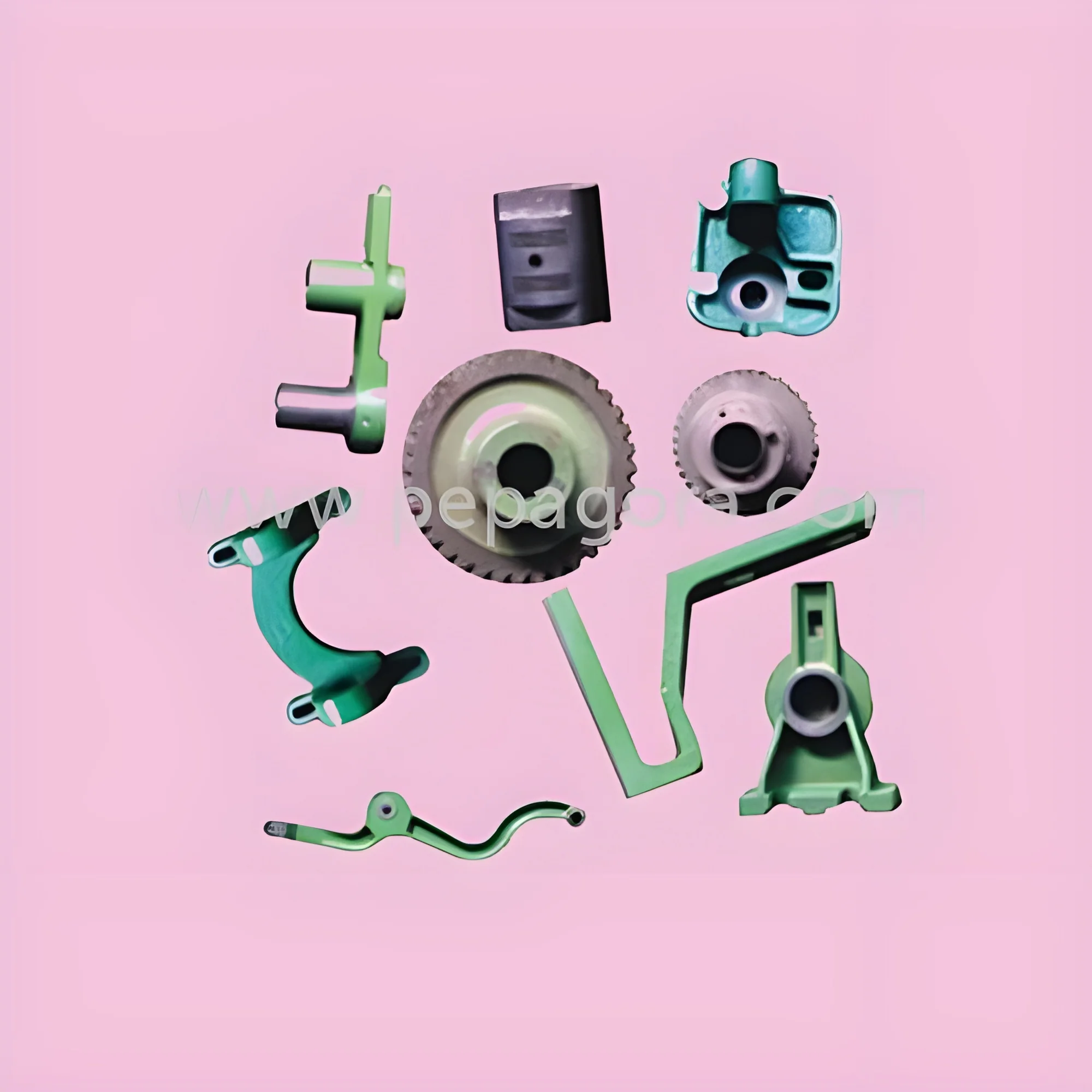
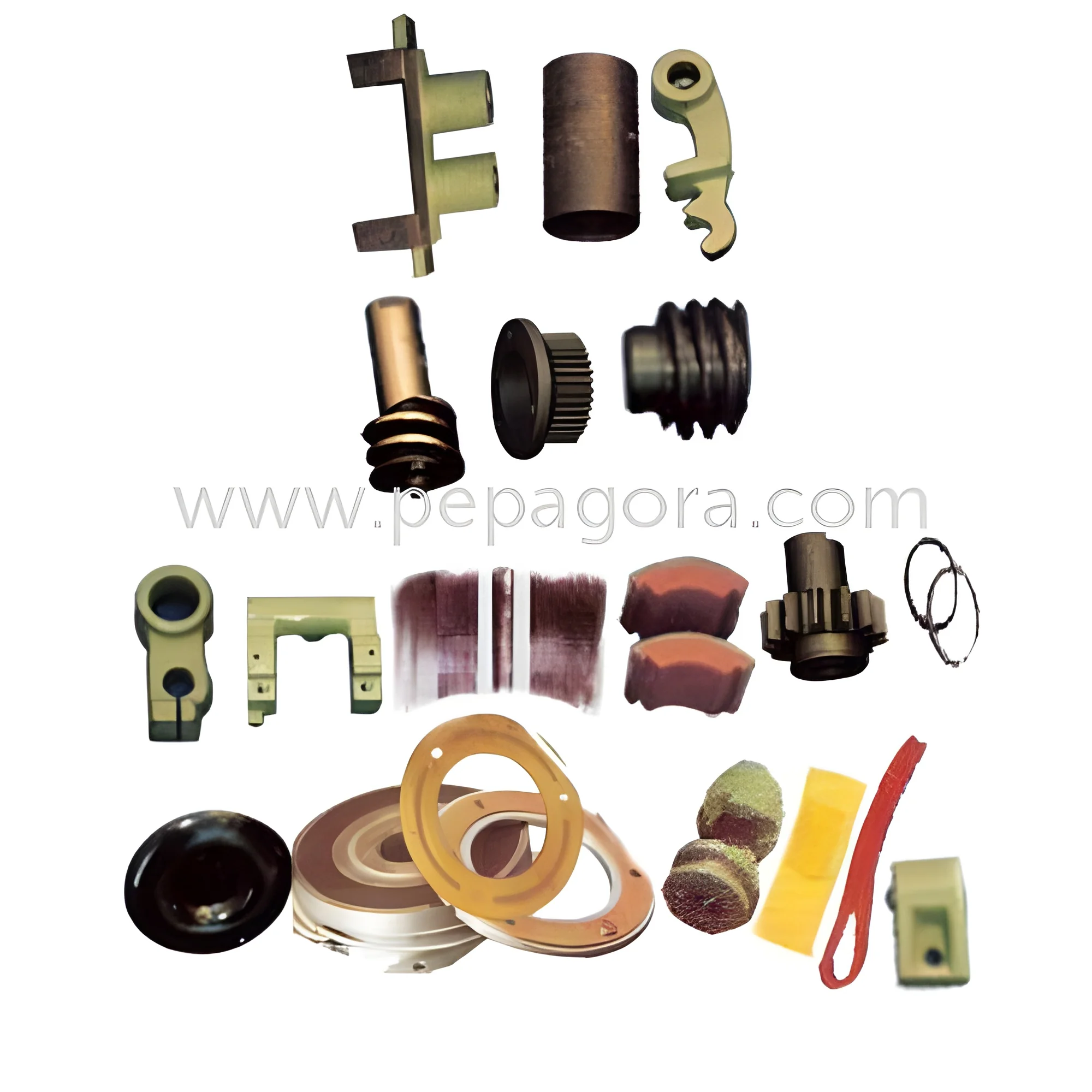
Textile machinery carding spares represent precision-engineered components specifically designed for carding equipment that forms the foundation of fiber processing operations. These specialized parts are manufactured using premium materials including NBR, SBR, EPDM, silicone, PU, NR, and extruded rubber, ensuring optimal performance in demanding industrial environments. The spares are available in customized designs, sizes, and specifications to meet diverse machinery requirements. Produced using advanced moulding and extrusion techniques, these components maintain new condition standards and offer negotiable pricing suitable for procurement needs. Their construction emphasizes durability, precision fit, and consistent performance, making them essential for maintaining operational efficiency in textile manufacturing processes where reliability directly impacts production outcomes.

The textile industry extensively utilizes carding spares across multiple segments including spinning mil...
Textile machinery carding spares represent precision-engineered components specifically designed for carding equipment that forms the foundation of fiber processing operations. These specialized parts are manufactured using premium materials including NBR, SBR, EPDM, silicone, PU, NR, and extruded rubber, ensuring optimal performance in demanding industrial environments. The spares are available in customized designs, sizes, and specifications to meet diverse machinery requirements. Produced using advanced moulding and extrusion techniques, these components maintain new condition standards and offer negotiable pricing suitable for procurement needs. Their construction emphasizes durability, precision fit, and consistent performance, making them essential for maintaining operational efficiency in textile manufacturing processes where reliability directly impacts production outcomes.

The textile industry extensively utilizes carding spares across multiple segments including spinning mills, yarn production facilities, fabric manufacturing units, and non-woven material producers. These components are critical in cotton processing plants where carding machines clean and align fibers before spinning operations. Wool processing facilities rely on these spares for blending and fiber preparation, while synthetic fiber manufacturers use them in production lines requiring precise fiber handling. Jute and linen processing industries incorporate these components for their durability in handling coarse fibers. The availability of multiple material options allows different textile sectors to select spares that best suit their specific fiber types, production speeds, and environmental conditions, ensuring optimal machine performance across diverse applications and production requirements.

Investing in quality carding spares delivers significant business value through reduced operational downtime, improved production efficiency, and enhanced final product quality. These components offer reliability through precise engineering and material selection that withstands continuous operation demands. The customization options ensure perfect compatibility with existing machinery, eliminating operational disruptions and maintenance issues. Sourcing from reputable vendors guarantees consistent quality and performance, while negotiable pricing structures provide cost-effective solutions for bulk procurement. The standardized manufacturing processes ensure repeatable quality, and the variety of material options allows businesses to optimize their spare part selections based on specific operational requirements and budget considerations, ultimately contributing to better return on investment through sustained production efficiency and reduced maintenance costs.

Key Features:
- Multiple material options including NBR, SBR, EPDM, silicone, PU, NR, and extruded rubber
- Customized designs and sizes tailored to specific machinery requirements
- Standard and non-standard specifications to match various equipment models
- New condition components ensuring optimal performance and longevity
- Precision engineering for perfect fit and reliable operation in textile machinery

Benefits:
- Enhanced production efficiency through reliable component performance
- Reduced operational downtime with precise fit and compatibility
- Extended machinery lifespan with durable, wear-resistant materials
- Cost-effective maintenance solutions with negotiable pricing options
- Consistent fiber quality output through precision-engineered components
Specifications
| Key Attributes | |
|---|---|
| Type | Carding Spares |
| Design | Customized |
| Industrial | Textile |
| Color | Customized |
| Condition | New |
| Price | Negotiable |
| Size | Customized |
| Standard or Non Standard | Standard |
| Material | NBR, SBR, EPDM, SILICONE, PU, NR |
| Dimensions | As per Clients Request |
| Material Used | From Vendors Of High Repute |
| Produce Method | Moulded Rubber, Extrude Rubber |
| Additional Information | |
|---|---|
| Country of Origin | India |
Application
Carding spares serve as essential components in textile manufacturing processes, specifically engineered for carding machines that clean, align, and separate fibers. These precision parts ensure smooth operation and maintain fiber quality throughout extended production cycles. Their durability and material versatility make them suitable for various textile applications where operational reliability is critical for maintaining consistent output quality and production efficiency in demanding industrial environments.
These industrial spares perform critical functions across spinning mills, yarn manufacturing units, and fabric production facilities. Engineered to withstand continuous operation under challenging conditions while maintaining consistent performance standards. The availability of multiple material options allows textile manufacturers to select spares that precisely match their specific operational requirements, environmental conditions, and fiber processing needs, ensuring optimal machine performance across diverse production scenarios.
- Replacement components for carding machines in cotton spinning and processing mills
- Maintenance parts for wool processing, blending, and fiber preparation operations
- Essential spares for synthetic fiber production and handling facilities
- Critical wear components in jute, linen, and coarse fiber processing plants
- Precision parts for non-woven fabric manufacturing and technical textile production
Trade Details
| Available Stock | In Stock |
| Sample Availability | No |
Payment Terms
| Payment Terms |
|
Shipping & Logistics
| Port of Dispatch | Coimbatore |
Company Profile
National Textile Traders, Tamil Nadu
 Tamil Nadu, India
Tamil Nadu, IndiaIndustrial Equipment & Machinery•Manufacturer•Distributor / Wholesaler
Factory Details
Factory SizeBelow 1000 sqm
Annual Production Capacity0
Main Markets
Eastern Asia
South Asia
Southeast Asia
Textile Machinery Carding Spares NBR SBR EPDM Silicone PU NR
Premium textile machinery carding spares available in NBR SBR EPDM silicone PU NR materials. Customized designs and sizes ensure perfect fit for carding machines. New condition components with negotiable pricing for reliable fiber processing operations.
Min. Order Quantity: 1 piece
Shipping
Shipping fee and delivery date to be negotiated. Contact supplier now for more details.
National Textile Traders
 Tamil Nadu, India
Tamil Nadu, IndiaIndustrial Equipment & MachineryManufacturer