Key Features and Specifications
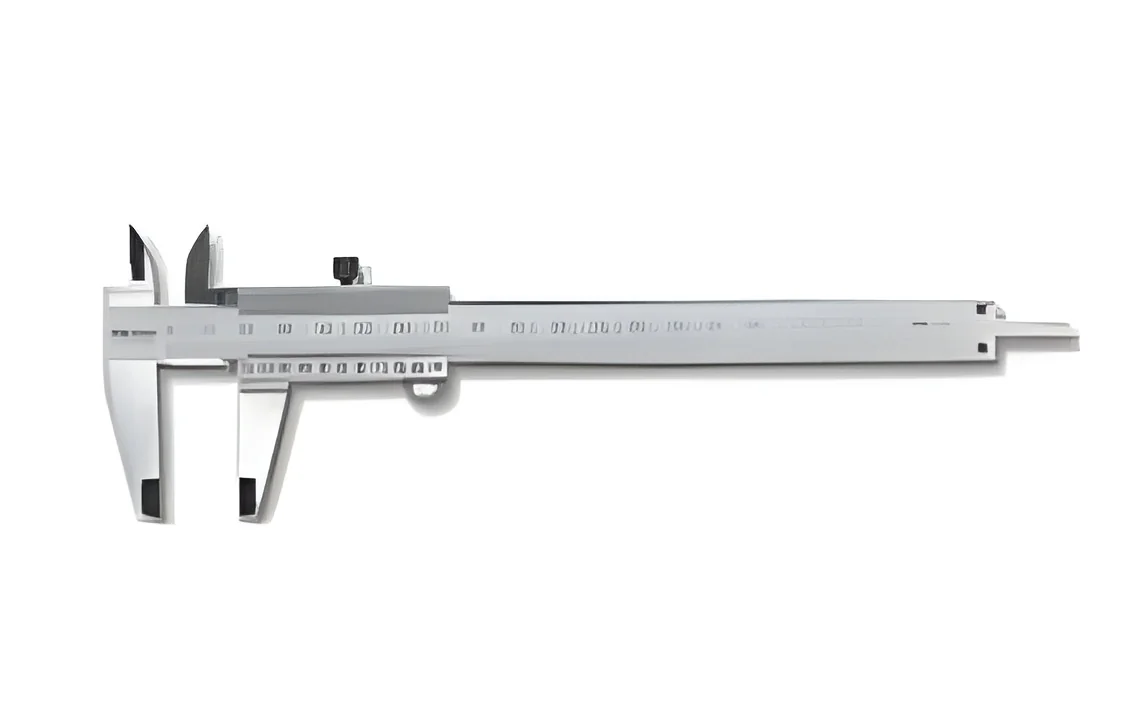
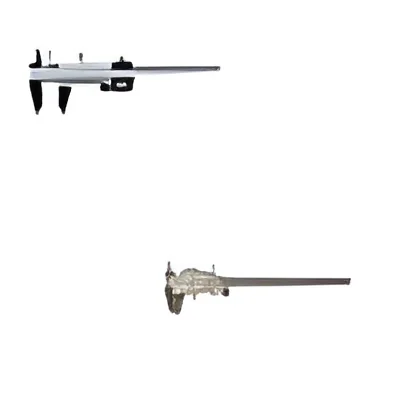
Vernier calipers are designed with a range of features that contribute to their functionality and accuracy. Understanding these specifications is essential for selecting the right tool for specific applications.
Key specifications include:
1. Measurement Range
- Typically ranges from 0 to 150 mm or 0 to 300 mm
- Some models may offer extended ranges up to 600 mm
2. Accuracy
- Digital calipers often have an accuracy of ±0.02 mm
- Analog calipers typically offer an accuracy of ±0.05 mm
3. Resolution
- Digital versions provide a resolution of 0.01 mm
- Analog versions can achieve a resolution of 0.1 mm
4. Material
- Commonly made from stainless steel for durability
- Some models may feature plastic components for lightweight applications
5. Display Type
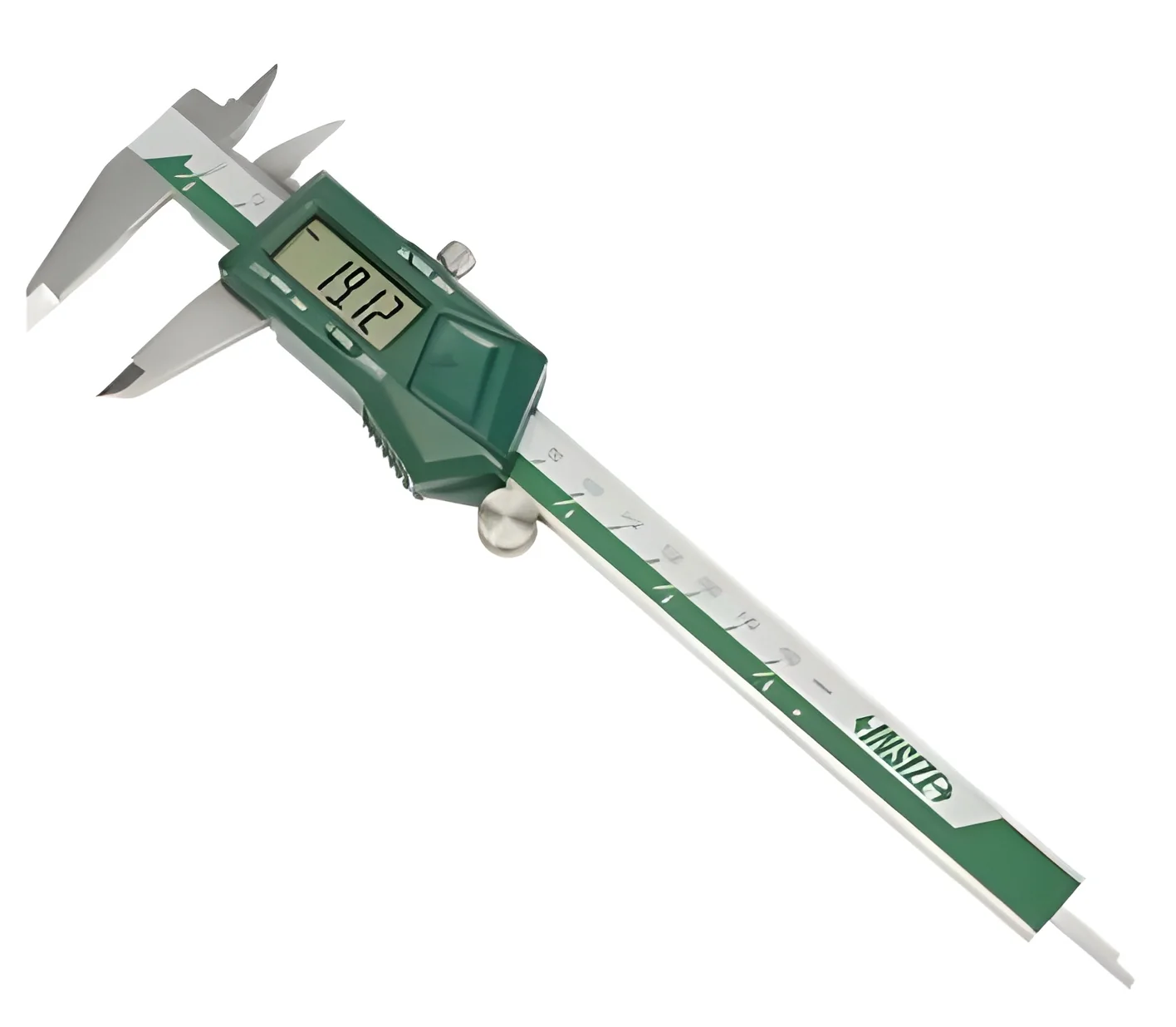
- Digital models feature an LCD display
- Analog models have a dial or scale for measurement reading
6. Locking Mechanism
- Many models include a locking screw to hold measurements in place
- This feature prevents accidental movement during measurement
7. Depth Measurement Rod
- Integrated depth gauge for measuring depths accurately
- Useful for determining hole depths and other recessed measurements
8. Power Source
- Digital calipers typically operate on batteries, often with long battery life
- Some models may feature automatic shut-off to conserve power
Understanding these specifications helps buyers make informed decisions regarding the right vernier caliper for their specific needs.
Common Applications and Use Cases
Vernier calipers are utilized across a variety of industries, demonstrating their versatility and importance in precise measurement tasks.
1. Manufacturing: In manufacturing, vernier calipers are essential for measuring the dimensions of parts and components. They help ensure that products meet stringent quality standards.
2. Automotive: In the automotive sector, these tools are used for measuring engine parts, ensuring proper fit and alignment during assembly.
3. Aerospace: Aerospace engineers rely on vernier calipers for precise measurements of components used in aircraft, where safety and performance are critical.
4. Medical: In the medical field, vernier calipers are used to measure medical instruments and devices, ensuring they meet regulatory standards.
5. Education: Educators use vernier calipers in laboratories to teach students about measurement techniques and the importance of precision in scientific experiments.
6. Construction: In construction, they are used to measure materials and components, aiding in accurate building dimensions.
7. Research: Scientific researchers utilize vernier calipers for detailed measurements in experiments, ensuring data accuracy.
Product Variants and Subcategories
Vernier calipers come in various types and designs, catering to different measurement needs.
Digital Vernier Calipers
Digital calipers offer an electronic display for easy reading, often with additional features like data hold and conversion between measurement units. They are ideal for users who require quick and accurate measurements in a range of environments.
Analog Vernier Calipers
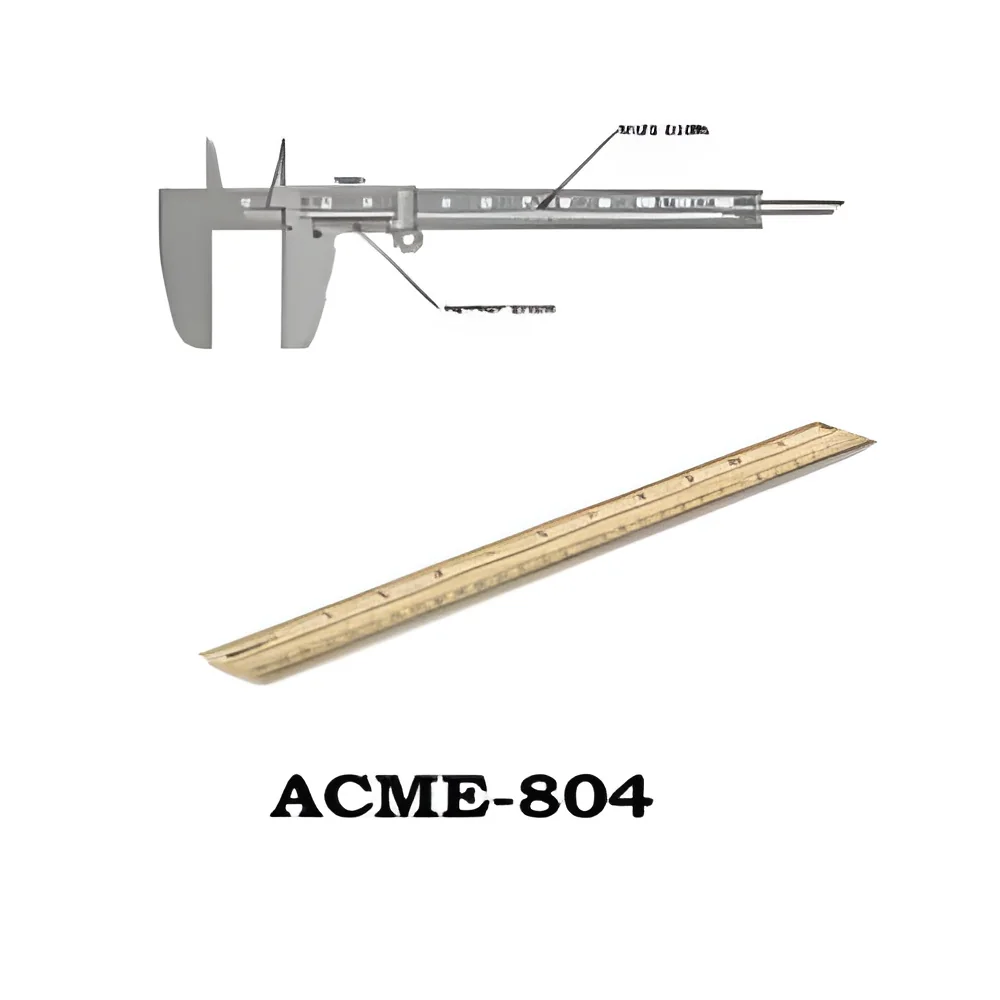
Analog calipers feature a traditional sliding scale and dial. They are favored for their simplicity and reliability, especially in environments where electronic devices may be less practical. They are a cost-effective solution for many measurement tasks.
Benefits and Advantages
Vernier calipers provide numerous benefits that enhance their value in various applications.
1. High Accuracy: Vernier calipers offer precise measurements, essential for quality control and engineering applications.
2. Versatility: These tools can measure internal, external, and depth dimensions, making them suitable for diverse tasks.
3. User-Friendly: Digital models feature easy-to-read displays, while analog versions are straightforward and require no batteries.
4. Durability: Made from robust materials like stainless steel, vernier calipers are built to withstand heavy use in industrial settings.
5. Cost-Effective: Compared to other measuring instruments, vernier calipers are affordable and accessible for a wide range of users.
6. Portability: Their compact design allows for easy transport, making them handy for fieldwork or onsite measurements.
Buying Guide for B2B Buyers
When sourcing Vernier Calipers (Digital/Analog), it is crucial for B2B buyers to consider several factors to ensure they select the right tools for their needs.
1. Quality Assessment: Evaluate the materials and construction of the calipers to ensure durability and reliability. Look for models that meet recognized quality standards.
2. Supplier Verification: Vet suppliers thoroughly to confirm their reputation and reliability. Consider checking references and reviewing customer feedback.
3. Pricing and MOQ: Compare pricing across different suppliers while considering minimum order quantities (MOQ). Ensure the pricing aligns with budget constraints.
4. Delivery and Lead Times: Discuss delivery options and lead times with suppliers to ensure timely access to the products. Understand the logistics involved in shipping.
5. Compliance Requirements: Confirm that the calipers meet necessary regulatory and compliance standards relevant to the industry, ensuring they are suitable for use.
Compliance and Certifications
Vernier calipers are subject to various quality standards and certifications that ensure their reliability and safety.
Relevant quality standards include ISO 9001, which focuses on quality management systems, helping manufacturers maintain consistent quality in their products. In addition, compliance with HACCP and GDP standards may be necessary for sectors like food and pharmaceuticals, where measurement accuracy is critical.
Industry certifications such as CE mark indicate compliance with European safety standards, reassuring users of the product's reliability. Safety and testing requirements may vary by region, and it is essential to check local regulations to ensure compliance.
Regional compliance considerations can also be crucial, especially when sourcing internationally. Understanding the specific requirements for different markets can help prevent regulatory issues.
Why Source Vernier Calipers (Digital/Analog) from Pepagora?
Pepagora provides a trusted platform for sourcing Vernier Calipers (Digital/Analog), offering several key advantages that benefit B2B buyers.
Verified Supplier Network: Pepagora connects buyers with a verified network of suppliers, ensuring that each supplier meets stringent quality and reliability standards.
Streamlined RFQ Process: The request for quotation (RFQ) process at Pepagora is efficient, allowing buyers to receive quotations quickly and compare options easily.
Trade Assurance and Support: Buyers benefit from trade assurance, providing protection against potential issues in the purchasing process. This support fosters confidence in every transaction.
Regional Coverage: Pepagora caters to various geographic regions, including India, the GCC, and Southeast Asia, expanding access to quality vernier calipers for businesses in these areas.
By leveraging Pepagora's comprehensive services, buyers can confidently source high-quality Vernier Calipers tailored to their specific needs.

 IN
IN

 India
India