
 IN
Refractometers
17 products available
What are Refractometers?
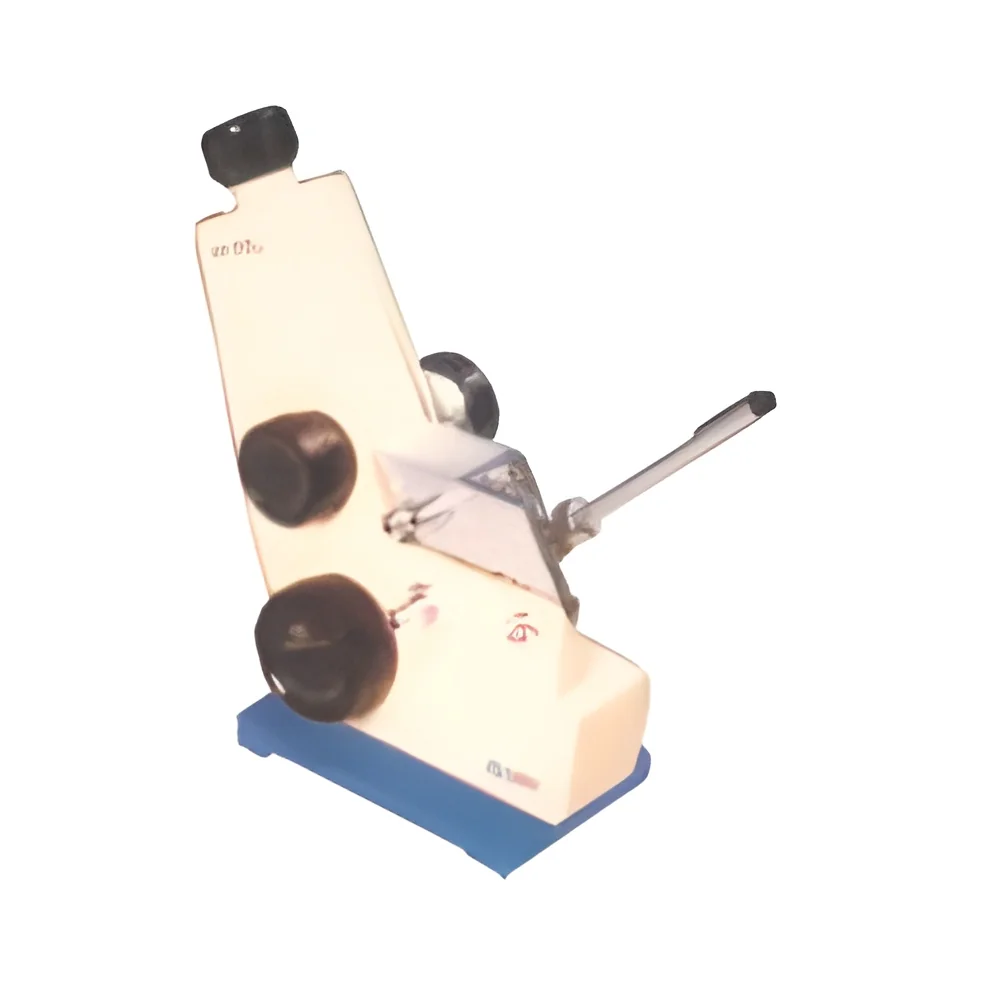
Refractometers are precision optical instruments used to measure the refractive index of liquids or solids. They work by analyzing how light bends as it passes through a substance. This bending, or refraction, is measured and expressed as a numerical value, which can then be correlated to the concentration of a solution or the purity of a substance. Refractometers can be handheld or bench-mounted, and they are essential tools in various scientific and industrial applications.
The primary uses of refractometers include quality control, formulation, and research in industries such as food and beverage, pharmaceuticals, and chemical manufacturing. For instance, in the food industry, they are widely used to measure sugar content in syrups and juices, ensuring product consistency and compliance with industry standards. In pharmaceuticals, refractometers help in determining the purity of raw materials. With the growing emphasis on quality assurance across industries, the demand for refractometers continues to rise, highlighting their relevance in modern manufacturing and research processes.
Key Features and Specifications
Refractometers are equipped with several features that enhance their usability and accuracy. These specifications are vital for selecting the right instrument for your business needs.
Key specifications include:
1. Measurement Range
- The range over which the refractometer can accurately measure refractive index values.
- Typically ranges from 1.333 to 1.600 for standard models.
2. Accuracy
- The precision of the refractometer in its readings.
- Usually expressed in ±0.001 to ±0.003 refractive index units.
3. Temperature Compensation
- Many refractometers come with automatic temperature compensation to ensure accurate readings under varying temperature conditions.
4. Scale Type
- Refractometers may offer multiple scales, such as Brix for sugar content or specific gravity for density measurements.
5. Interface
- Some models feature digital displays, while others may be analog, catering to different user preferences.
6. Calibration
- Ease of calibration is crucial for maintaining accuracy over time, with some instruments offering one-touch calibration features.
7. Portability
- Handheld models are designed for field use, while benchtop models are more suited for laboratory environments.
8. Build Quality
- Look for durable materials and robust construction, particularly for instruments used in harsh industrial settings.
In summary, understanding these features and specifications will help businesses select the right refractometer tailored to their specific applications.
Common Applications and Use Cases
Refractometers find applications across various industries due to their ability to provide precise measurements.
1. Food and Beverage: They are used to measure sugar content in products like juices and syrups, ensuring quality and consistency in taste.
2. Pharmaceuticals: Refractometers aid in determining the purity of compounds, which is critical for drug formulation and compliance with health regulations.
3. Chemical Manufacturing: These instruments are essential for monitoring concentrations of solutions in chemical processes, ensuring optimal production efficiency.
4. Agriculture: Farmers use refractometers to measure the sugar levels in crops, helping to determine the best harvest times.
5. Oil and Gas: Used for analyzing the purity of oil products, refractometers play a role in maintaining quality standards in the energy sector.
6. Environmental Testing: Refractometers can measure the salinity of water samples, which is important for environmental monitoring.
7. Laboratory Research: In research environments, refractometers are used to study the properties of various materials.
Product Variants and Subcategories
Refractometers come in various types tailored to specific needs and applications, allowing businesses to choose the right tool for their operations.
Digital Refractometers: These models provide quick readings and are often easier to use than traditional analog devices. They are suitable for labs and fieldwork due to their portability.
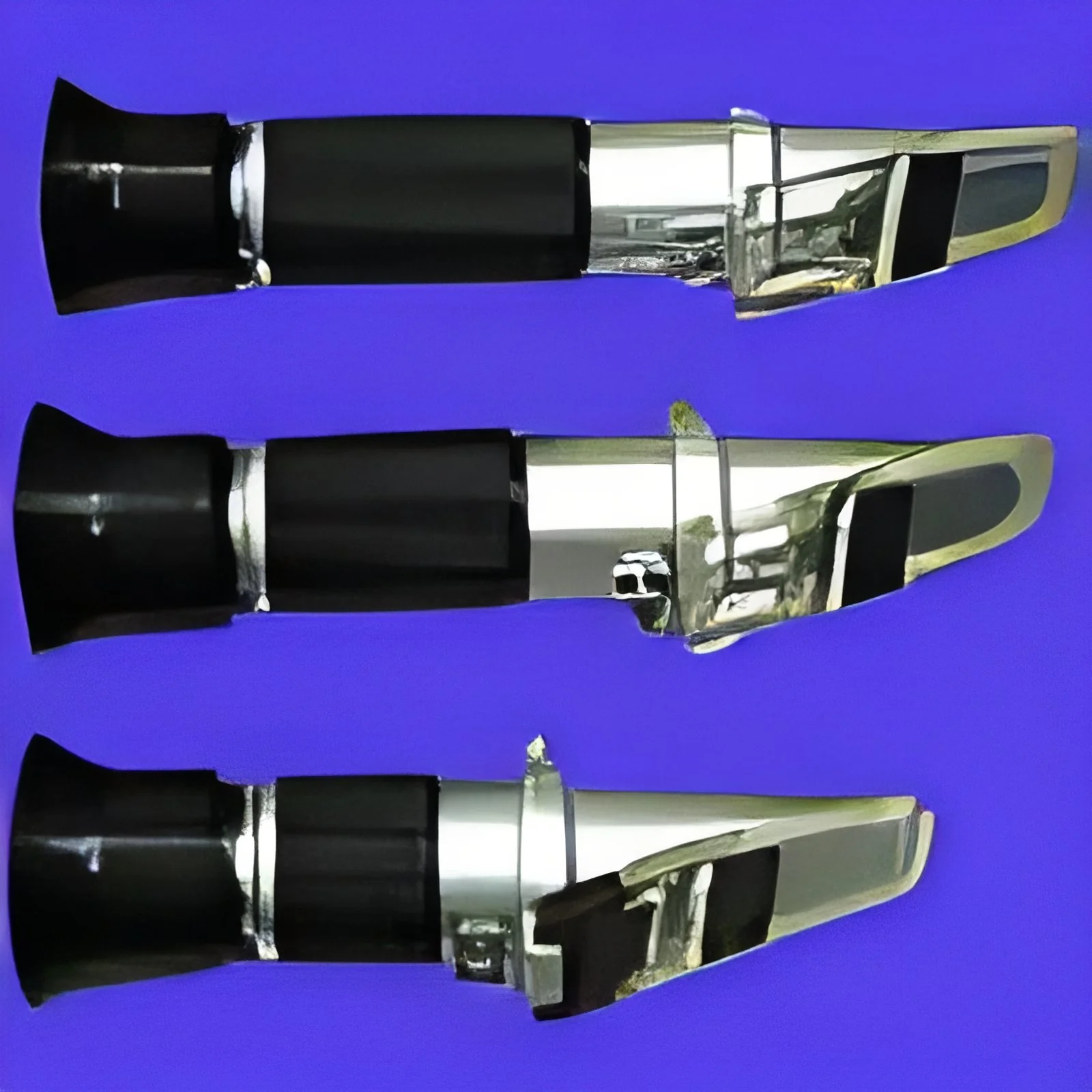
Handheld Refractometers: Lightweight and compact, these refractometers are ideal for on-the-go measurements, commonly used in agricultural settings and food production.
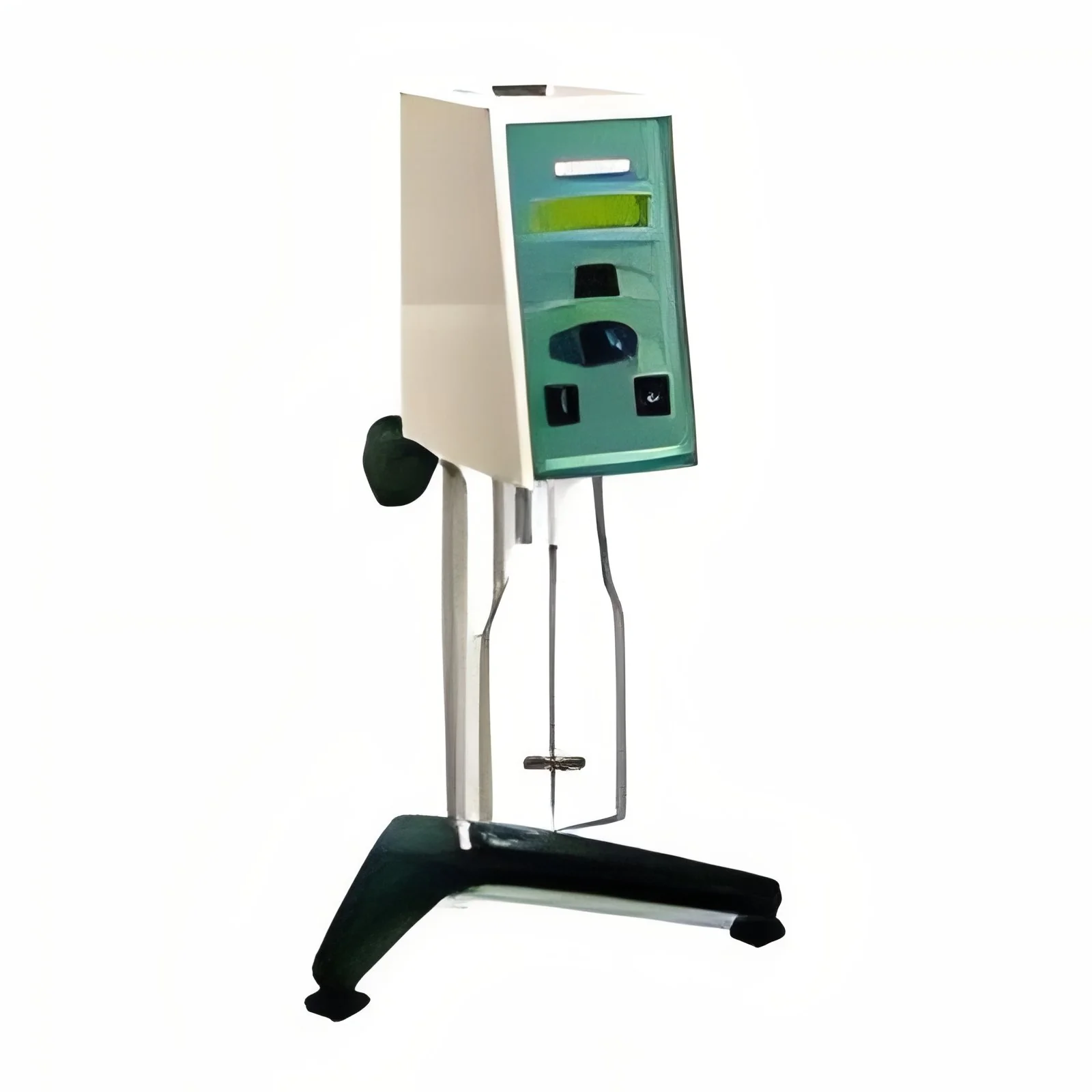
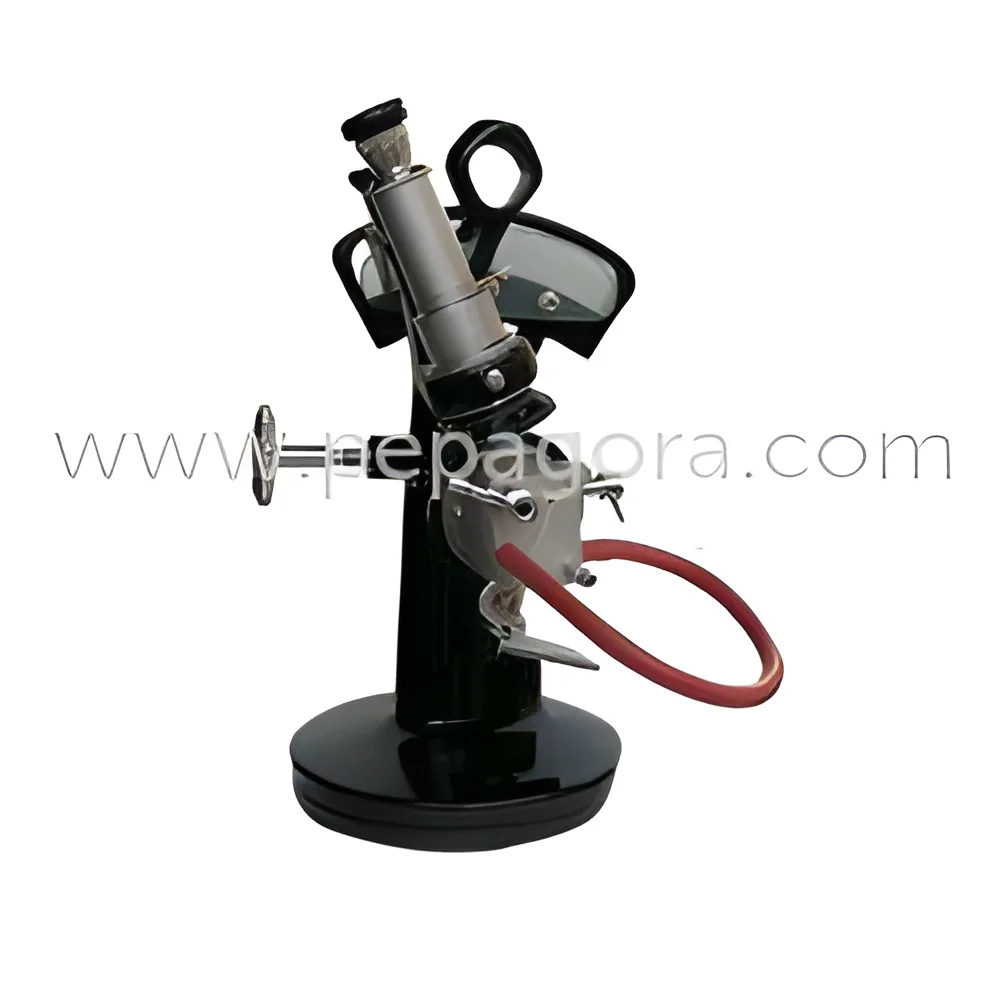
Benchtop Refractometers: Designed for laboratory use, these instruments offer higher accuracy and often include advanced features like data logging and extensive calibration options.
Pocket Refractometers: Compact and user-friendly, these are perfect for quick checks in food and beverage applications, allowing for easy portability.
Benefits and Advantages
Refractometers offer numerous advantages that enhance operational efficiency across industries.
1. Enhanced Accuracy: Refractometers provide precise measurements that help in maintaining product quality and compliance with industry standards.
2. Improved Efficiency: The ability to quickly measure refractive index saves time in production and quality control processes.
3. Versatility: With various scales and measurement capabilities, refractometers can be used in different applications, making them a valuable investment.
4. Ease of Use: Many modern refractometers are designed for user-friendliness, enabling operators with minimal training to obtain accurate readings.
5. Cost-Effective: Investing in a refractometer can reduce costs associated with product testing, as they allow for rapid in-house quality checks.
6. Portability: Handheld models are convenient for fieldwork, providing flexibility and immediate results.
Buying Guide for B2B Buyers
When sourcing refractometers, there are several factors to consider to ensure you make an informed decision.
1. Quality Assessment: Look for refractometers that meet international quality standards, ensuring reliability and accuracy in measurements.
2. Supplier Verification: Vet potential suppliers by checking their credentials, customer reviews, and industry reputation to ensure you are sourcing from reliable manufacturers.
3. Pricing and MOQ: Evaluate the pricing structure and minimum order quantities (MOQ) offered by suppliers to find options that fit your budget and needs.
4. Delivery and Lead Times: Consider logistics and the expected delivery times when placing orders, as timely delivery can impact production schedules.
5. Compliance Requirements: Ensure that the refractometers comply with relevant industry regulations and standards to avoid issues with quality assurance.
Compliance and Certifications
Refractometers must adhere to several quality and safety standards to ensure their reliability in various applications.
Relevant quality standards such as ISO 9001 are important as they signify that the manufacturing process has been vetted for quality management. Compliance with HACCP (Hazard Analysis Critical Control Point) is critical in the food industry, ensuring that safety protocols are followed during production.
Many refractometers also carry certifications like CE, indicating they meet European safety and health requirements. This is especially important for businesses operating in regulated markets.
Additionally, safety and testing requirements must be observed during the manufacturing of refractometers to ensure their durability and accuracy. Regional compliance considerations may vary, so it is essential to be aware of local regulations where the instruments will be utilized.
Why Source Refractometers from Pepagora?
Pepagora provides a trusted platform for sourcing refractometers with several key advantages that can benefit B2B buyers.
Verified Supplier Network: Pepagora boasts a robust network of verified suppliers, ensuring that buyers have access to high-quality refractometers from reputable manufacturers. This verification process helps mitigate risks and ensures product reliability.
Streamlined RFQ Process: The platform simplifies the request for quotation (RFQ) process, allowing buyers to easily compare offers and select the best options based on their specific needs.
Trade Assurance and Support: Pepagora offers trade assurance, providing buyers with protection during transactions. This support helps build trust and confidence in the purchasing process.
Regional Coverage: With a strong presence in India, GCC, and Southeast Asia, Pepagora ensures that buyers can access refractometers suited to their regional requirements, facilitating smoother operations across borders.

 India
 India
 India
Frequently Asked Questions
What are Refractometers?
Refractometers are precision instruments used to measure the refractive index of liquids and solids. They are widely used in various industries, including food, beverage, and pharmaceuticals, to determine the concentration of solutes in a solution.
What are the different types of Refractometers?
The main types of refractometers include handheld refractometers, digital refractometers, and laboratory refractometers. Each type is designed for specific applications, with handheld models being portable and easy to use, while digital models offer enhanced accuracy and features.
How do I choose the right Refractometers?
To choose the right refractometer, consider factors such as the type of samples you will be measuring, the required accuracy, and whether you need portability. Additionally, evaluate whether you need a manual or digital model based on your specific application and budget.
What are the standard specifications for Refractometers?
Standard specifications for refractometers typically include measurement range, accuracy, and resolution. Common ranges can vary from 1.33 to 1.66 for refractive index, with accuracy often specified to within 0.001 or 0.002.
What is the price range for Refractometers?
The price of refractometers can vary significantly based on their type and features. Handheld models may start around INR 2,000, while high-end laboratory refractometers can exceed INR 50,000.
What quality standards apply to Refractometers?
Refractometers are typically manufactured according to international quality standards such as ISO and ASTM. These standards ensure the accuracy, reliability, and safety of the instruments in various applications.
Where can I find Refractometers suppliers in India?
You can find refractometers suppliers in India through B2B marketplaces like Pepagora, industry trade shows, and online directories. Many suppliers also have dedicated websites where you can view their products and specifications.
Can Refractometers be customized?
Yes, some manufacturers offer customization options for refractometers to meet specific user requirements. This may include modifications in design, additional features, or calibration for particular applications.
What is the typical minimum order quantity for Refractometers?
The typical minimum order quantity (MOQ) for refractometers can vary by supplier but usually ranges from 1 to 10 units. It is advisable to check with individual suppliers for their specific MOQ policies.
What is the typical lead time for Refractometers?
The lead time for refractometers generally ranges from 1 to 4 weeks, depending on the supplier and the specific model ordered. Custom orders may require additional time for manufacturing and calibration.
Why Businesses Trust Pepagora
Thousands of companies trust Pepagora to source smarter and sell faster
Expand Your Sales Globally

Source Smarter,Grow Faster
