
 IN
Moisture Analyzers
11 products available
What are Moisture Analyzers?
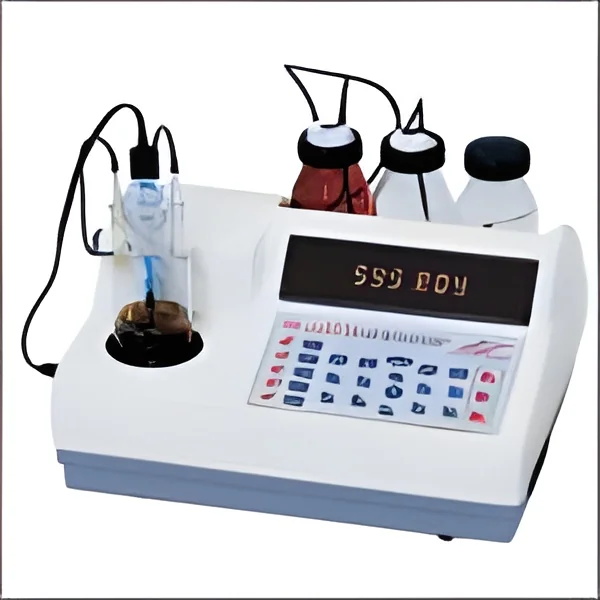
Moisture analyzers are precision instruments designed to measure the moisture content in various materials. They utilize advanced technology to provide accurate and reliable readings, which are essential for ensuring the quality and consistency of products in multiple industries. By measuring moisture levels, these analyzers help businesses maintain product integrity, comply with industry standards, and optimize processes.
The primary uses of moisture analyzers include quality control, production monitoring, and research and development. Industries such as food and beverage, pharmaceuticals, agriculture, and construction rely on these devices to assess moisture levels in raw materials and finished products. Accurate moisture measurement is critical in these sectors to prevent spoilage, ensure proper storage conditions, and enhance product performance.
In the current market context, moisture analyzers are increasingly relevant due to growing demands for quality assurance and regulatory compliance. The rise of automation in manufacturing processes has also contributed to the advancement of moisture analysis technology. As industries focus on improving efficiency and reducing waste, moisture analyzers have become vital tools for achieving these goals.
Key Features and Specifications
Moisture analyzers come equipped with a range of features that enhance their functionality and usability. These features help businesses select the right model based on their specific needs and applications.
Key specifications include:
1. Measurement Range
- Typically between 0.01% to 100%
- Allows for a broad spectrum of materials to be analyzed
2. Accuracy
- Generally within ±0.1% to ±0.5%
- Ensures reliable and precise moisture content measurements
3. Operating Temperature
- Usually from ambient temperature up to 200 degrees Celsius
- Accommodates various environmental conditions during testing
4. Display Type
- Digital LCD or LED screens
- Facilitates easy reading of results
5. Sample Size
- Standard sizes range from 1g to 100g
- Varies based on the specific application and material type
6. Calibration
- Auto-calibration functions available
- Ensures consistent accuracy over time
7. Connectivity Options
- USB or Ethernet ports for data transfer
- Enables easy integration with existing systems
8. Power Supply
- Options for battery or AC power
- Provides flexibility in different operational environments
In summary, moisture analyzers offer a combination of features and specifications that cater to diverse industrial needs, ensuring accurate moisture measurement for quality control and process optimization.
Common Applications and Use Cases
Moisture analyzers are utilized across various industries, each with specific applications that highlight the importance of moisture measurement.
1. Food and Beverage: In this industry, moisture analyzers are used to ensure that products such as grains, fruits, and beverages meet safety and quality standards. Accurate moisture content helps prevent spoilage and ensures optimal flavor and texture.
2. Pharmaceuticals: Moisture content in active ingredients and finished products is critical for stability and efficacy. Moisture analyzers help manufacturers maintain precise levels to ensure product safety and compliance with regulatory requirements.
3. Agriculture: Farmers and agricultural producers use moisture analyzers to monitor moisture levels in crops and soil. This information aids in irrigation management and post-harvest processing, leading to improved yields and reduced waste.
4. Construction: Building materials like concrete and wood must have specific moisture levels to ensure structural integrity. Moisture analyzers assist in monitoring these levels to prevent issues such as cracking or mold growth.
5. Plastics and Polymers: In the plastics industry, moisture content can affect the quality of the final product. Moisture analyzers are used to monitor resin and polymer moisture levels to ensure optimal processing conditions.
6. Textiles: Manufacturers use moisture analyzers to check the moisture content in fabrics and fibers. Accurate readings are essential for ensuring the quality and performance of textile products.
7. Chemicals: In chemical manufacturing, moisture content can affect reactions and product quality. Moisture analyzers are used to maintain optimal moisture levels throughout the production process.
Product Variants and Subcategories
Moisture analyzers come in a variety of forms to meet different industrial needs. Each variant offers unique features suited for specific applications.
Infrared Moisture Analyzers: These devices utilize infrared technology to quickly measure moisture content without the need for extensive sample preparation. They are ideal for fast-paced environments where efficiency is crucial.
Halogen Moisture Analyzers: These analyzers use halogen heating to provide rapid moisture measurement. Their ability to heat samples evenly makes them suitable for materials that require consistent drying processes.
TGA (Thermogravimetric Analysis) Moisture Analyzers: TGA analyzers provide detailed moisture analysis by measuring weight changes in samples as they are heated. This method is beneficial for research and development applications where accuracy is critical.
Benefits and Advantages
Investing in moisture analyzers offers numerous advantages for businesses across various sectors. These benefits enhance operational efficiency and product quality.
1. Improved Quality Control: Moisture analyzers help maintain consistent product quality by ensuring moisture content is within specified limits.
2. Cost Savings: By preventing spoilage and waste, these devices contribute to significant cost savings throughout the production process.
3. Enhanced Compliance: Accurate moisture measurement supports compliance with industry regulations and standards, reducing the risk of penalties.
4. Increased Efficiency: Automation and rapid measurements streamline processes, allowing for faster decision-making and improved productivity.
5. Customization Options: Many moisture analyzers offer customizable features, enabling businesses to tailor solutions to their specific needs.
6. User-Friendly Interfaces: Most models come with intuitive displays and controls, making them easy to operate even for non-technical staff.
Buying Guide for B2B Buyers
When sourcing moisture analyzers for business needs, several factors should be considered to ensure the selection of the right equipment.
1. Quality Assessment: Evaluate the quality of moisture analyzers by reviewing manufacturer specifications, customer reviews, and performance data. Look for products that meet industry standards.
2. Supplier Verification: Vet potential suppliers by checking their reputation, certifications, and customer support offerings. Reliable suppliers should provide documentation and references.
3. Pricing and MOQ: Consider the pricing structures and minimum order quantities (MOQ) offered by suppliers. Balance cost with quality to ensure a worthwhile investment.
4. Delivery and Lead Times: Assess logistics capabilities and delivery schedules to ensure timely access to moisture analyzers. Confirm lead times before placing orders to avoid operational delays.
5. Compliance Requirements: Understand the regulatory requirements specific to your industry and ensure that the moisture analyzers you source meet these standards.
Compliance and Certifications
Compliance with quality standards and certifications is crucial for moisture analyzers to ensure reliability and safety in industrial applications. Key standards include ISO 9001, which focuses on quality management systems, ensuring that manufacturers adhere to consistent quality processes.
In addition to ISO certifications, compliance with HACCP (Hazard Analysis Critical Control Point) is essential for industries like food and beverages, where moisture content can impact safety. CE certification indicates that the moisture analyzer meets European health, safety, and environmental protection standards.
Safety and testing requirements are also vital. Manufacturers must ensure that their products undergo rigorous testing to meet industry specifications. Regional compliance considerations may vary, so it is important to stay informed about local regulations that might affect moisture analyzer usage.
Why Source Moisture Analyzers from Pepagora?
Pepagora offers a trusted platform for sourcing moisture analyzers, providing several key advantages to businesses.
Verified Supplier Network: Pepagora connects buyers with a network of verified suppliers, ensuring that all listed products meet high-quality standards. This network enhances buyer confidence and reduces the risk of procurement issues.
Streamlined RFQ Process: The platform offers a user-friendly request for quotation (RFQ) system, allowing buyers to easily obtain pricing and product details from multiple suppliers. This process simplifies decision-making and fosters competitive pricing.
Trade Assurance and Support: Pepagora provides trade assurance, giving buyers peace of mind through protection against potential disputes. Additionally, dedicated customer support is available to assist buyers throughout the procurement process.
Regional Coverage: With a strong presence in regions like India, the GCC, and Southeast Asia, Pepagora ensures that businesses can access moisture analyzers tailored to their local markets. This geographic reach allows for efficient sourcing and delivery, catering to diverse industrial needs.



 India
 India
 India
 India
 India
 India
 India
Frequently Asked Questions
What are Moisture Analyzers?
Moisture analyzers are specialized instruments used to determine the moisture content in various materials. They are essential in industries such as food, pharmaceuticals, and construction, where moisture levels can significantly affect product quality and performance.
What are the different types of Moisture Analyzers?
Moisture analyzers come in several types, including infrared moisture analyzers, microwave moisture analyzers, and Karl Fischer titration analyzers. Each type employs different methods and technologies to measure moisture content, catering to specific applications and material types.
How do I choose the right Moisture Analyzers?
Choosing the right moisture analyzer involves considering factors such as the type of material being tested, the required accuracy, and the measurement method suitable for your application. It is also essential to evaluate the analyzer's features, such as ease of use, calibration options, and data output capabilities.
What are the standard specifications for Moisture Analyzers?
Standard specifications for moisture analyzers typically include measurement range, accuracy, resolution, and response time. Additionally, features such as operating temperature range, power supply, and data storage capacity should also be considered.
What is the price range for Moisture Analyzers?
The price of moisture analyzers can vary widely based on their type, specifications, and manufacturer. Generally, prices can range from a few thousand to several lakh rupees, depending on the features and technology employed.
What quality standards apply to Moisture Analyzers?
Moisture analyzers are subject to various quality standards, including ISO, ASTM, and other industry-specific certifications. These standards ensure that the instruments provide accurate and reliable measurements, which are crucial for maintaining product quality.
Where can I find Moisture Analyzers suppliers in India?
You can find moisture analyzer suppliers in India through various channels, including online B2B marketplaces, industry trade shows, and specialized equipment suppliers. Websites like Pepagora.com offer a platform to connect with verified manufacturers and suppliers.
Can Moisture Analyzers be customized?
Yes, many manufacturers offer customization options for moisture analyzers to meet specific application requirements. Customizations can include adjustments in measurement range, additional features, and tailored software solutions.
What is the typical minimum order quantity for Moisture Analyzers?
The typical minimum order quantity (MOQ) for moisture analyzers can vary by supplier and product specifications. Generally, MOQs can range from one unit for standard models to larger quantities for bulk orders or specialized equipment.
What is the typical lead time for Moisture Analyzers?
The lead time for moisture analyzers typically ranges from a few days to several weeks, depending on the supplier's inventory and the specific model requested. Custom orders may have longer lead times due to additional manufacturing and testing processes.
Why Businesses Trust Pepagora
Thousands of companies trust Pepagora to source smarter and sell faster
Expand Your Sales Globally

Source Smarter,Grow Faster
