IN
IN₹
Apparel & Fashion
Description
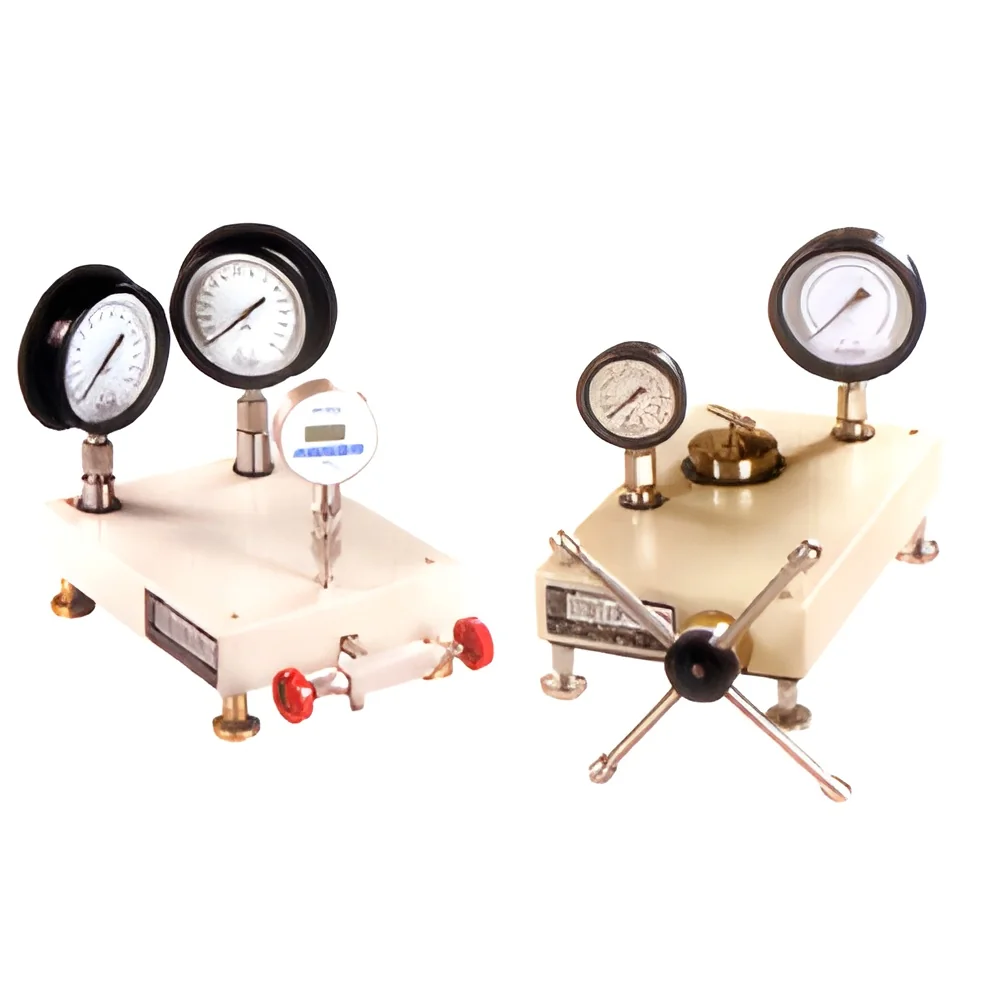
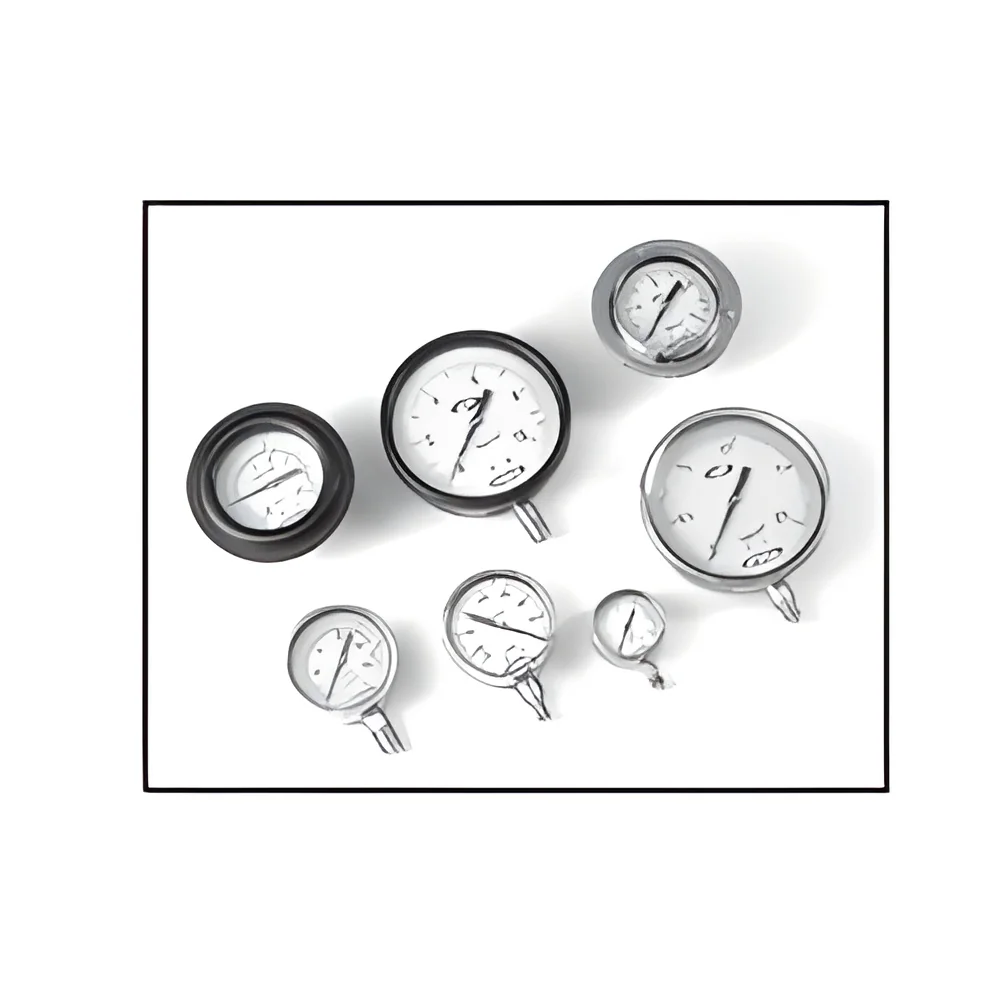
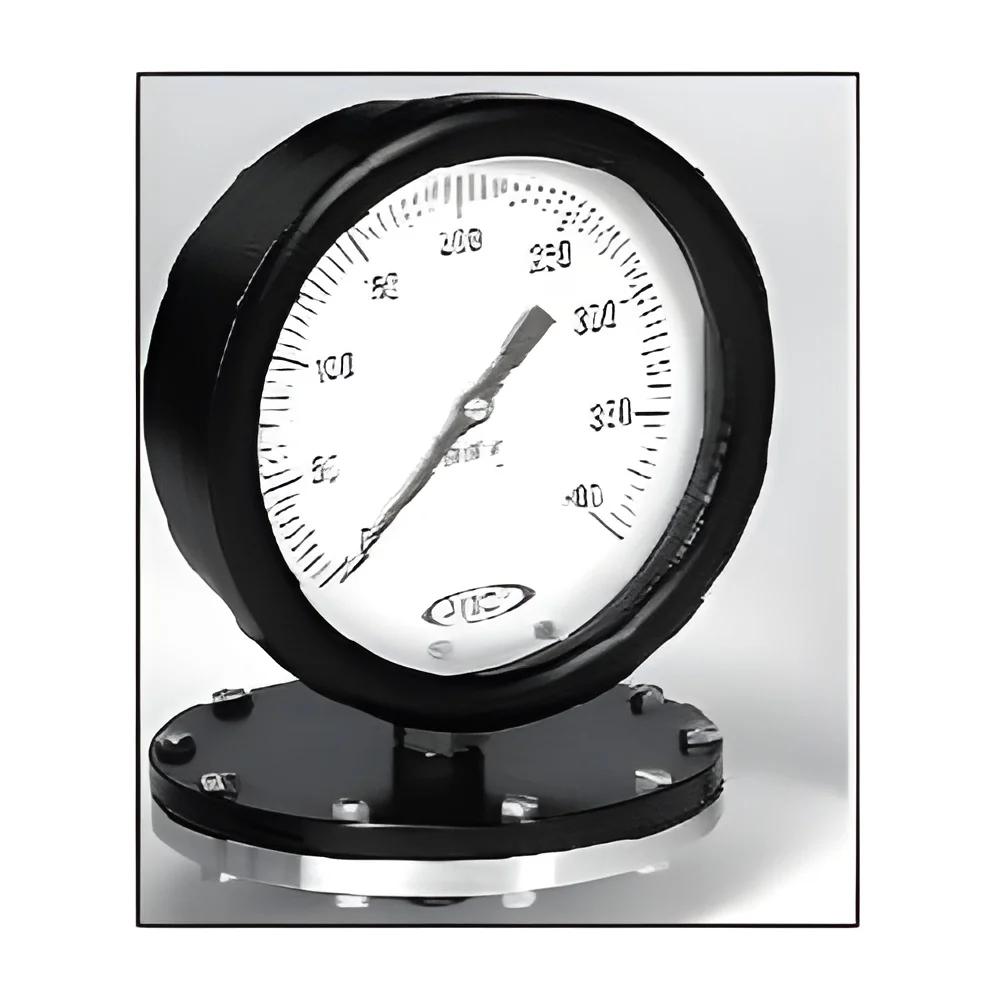
Industrial Low Pressure Diaphragm Capsule Gauges represent precision engineering for accurate measurement of minimal pressure variations in demanding industrial environments. These instruments feature sensitive corrugated diaphragms or welded capsule elements that detect even the slightest pressure changes, translating them into clear, readable measurements through reliable movement mechanisms. Available in pressure ranges from 0-0.6 bar to 25 bars for diaphragm types and 0-500 mm WC to 0-5000 mm WC for capsule variants, these gauges provide exceptional sensitivity where conventional pressure instruments might fall short. The construction includes choice of brass or SS316/SS316L wetted parts with durable cases, ensuring compatibility with various media and challenging environmental conditions while maintaining measurement integrity.

These precision instruments serve critical functions across multiple industries including pharmaceutical manufacturing, water treatment facilities, HVAC s...
Industrial Low Pressure Diaphragm Capsule Gauges represent precision engineering for accurate measurement of minimal pressure variations in demanding industrial environments. These instruments feature sensitive corrugated diaphragms or welded capsule elements that detect even the slightest pressure changes, translating them into clear, readable measurements through reliable movement mechanisms. Available in pressure ranges from 0-0.6 bar to 25 bars for diaphragm types and 0-500 mm WC to 0-5000 mm WC for capsule variants, these gauges provide exceptional sensitivity where conventional pressure instruments might fall short. The construction includes choice of brass or SS316/SS316L wetted parts with durable cases, ensuring compatibility with various media and challenging environmental conditions while maintaining measurement integrity.

These precision instruments serve critical functions across multiple industries including pharmaceutical manufacturing, water treatment facilities, HVAC systems, industrial automation, and laboratory research. In pharmaceutical applications, they ensure precise pressure conditions during sensitive manufacturing processes where accuracy is paramount. Water treatment plants rely on them for monitoring filtration systems and flow rates to maintain process efficiency, while HVAC professionals use them to maintain optimal air pressure and ventilation performance. Manufacturing facilities employ these gauges for pneumatic system control and process monitoring, ensuring consistent production quality and operational safety across diverse industrial environments requiring reliable low-pressure measurement solutions.

The business value of these low pressure gauges lies in their exceptional reliability, accuracy, and adaptability that directly impact operational efficiency and cost management. With accuracy levels of ±1.5% to ±0.25% FSD, they provide trustworthy measurements that support quality control and process optimization initiatives. The availability of various mounting options, connection types, and specialized features ensures perfect suitability for specific operational needs across different industries. This reliability translates to reduced downtime, minimized maintenance costs, and enhanced process safety, making them a strategic investment for operations prioritizing equipment performance, measurement accuracy, and long-term operational excellence in low-pressure monitoring applications.

Key Features:
- Precision sensing with corrugated diaphragm or welded capsule elements for accurate low-pressure measurement
- Multiple pressure ranges from 0-0.6 bar to 25 bars and 0-500 mm WC to 5000 mm WC
- Choice of wetted parts including brass, SS316, or SS316L for media compatibility
- Robust construction with durable cases for long-lasting performance
- Customization options for dial sizes, connections, mounting types, and special features

Benefits:
- Exceptional measurement accuracy for reliable process monitoring and control
- Wide pressure range coverage suitable for various industrial applications
- Material compatibility with different media types and environmental conditions
- Durable construction ensuring long service life and reduced replacement costs
- Flexible customization to match specific operational requirements and standards
Specifications
| Additional Information | |
|---|---|
| Country of Origin | India |
Application
Industrial Low Pressure Diaphragm Capsule Gauges deliver exceptional precision for measuring minimal pressure variations in sensitive industrial processes. Their advanced sensing mechanisms ensure accurate readings even at extremely low pressure ranges, making them essential where minute pressure changes significantly impact system performance and operational safety across multiple industries and applications requiring reliable monitoring solutions.
These precision instruments serve critical roles across pharmaceuticals, water treatment, HVAC systems, and manufacturing environments. The robust construction with durable materials ensures long-lasting performance in challenging conditions, while customization options for dial sizes, connections, and wetted materials allow perfect adaptation to specific operational requirements and industry standards for consistent, reliable pressure measurement.
- Monitoring air flow and filter pressure in HVAC systems to maintain optimal energy efficiency
- Measuring liquid levels and flow rates in water treatment plants for precise process control
- Ensuring exact pressure conditions in pharmaceutical manufacturing for quality compliance
- Controlling pneumatic systems in manufacturing and automation processes for consistent operation
- Monitoring gas pressures in laboratory and research environments for experimental accuracy
Trade Details
| Available Stock | In Stock |
| Sample Availability | No |
Payment Terms
| Payment Terms |
|
Company Profile

Altop Industries Ltd, Gujarat
 Gujarat, India
Gujarat, IndiaManufacturer•Distributor / Wholesaler•Importer / Exporter
Factory Details
Factory SizeBelow 1000 sqm
Annual Production Capacity0
Industrial Low Pressure Diaphragm Capsule Gauges Brass SS316
Industrial Low Pressure Diaphragm Capsule Gauges from trusted manufacturers provide precise measurement for low-pressure industrial applications. Available in brass or SS316 wetted parts with reliable accuracy and customization options for various operational needs.
Min. Order Quantity: 1 unit
Shipping
Shipping fee and delivery date to be negotiated. Contact supplier now for more details.
Altop Industries Ltd
 Gujarat, India
Gujarat, IndiaManufacturer