
 IN
INLevel Sensors (Radar, Float)
5 products available
Key Features and Specifications
Common Applications and Use Cases
Product Variants and Subcategories
Benefits and Advantages
Buying Guide for B2B Buyers
Compliance and Certifications

 India
India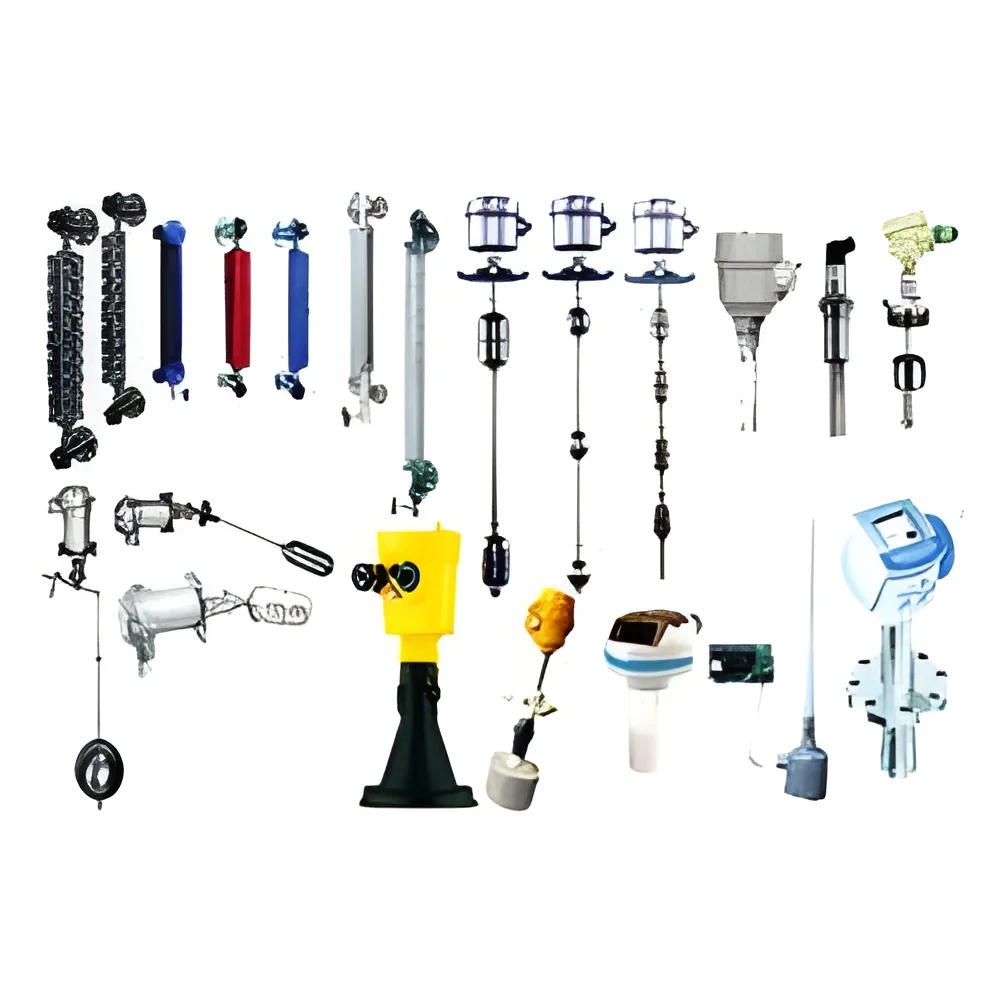 India
India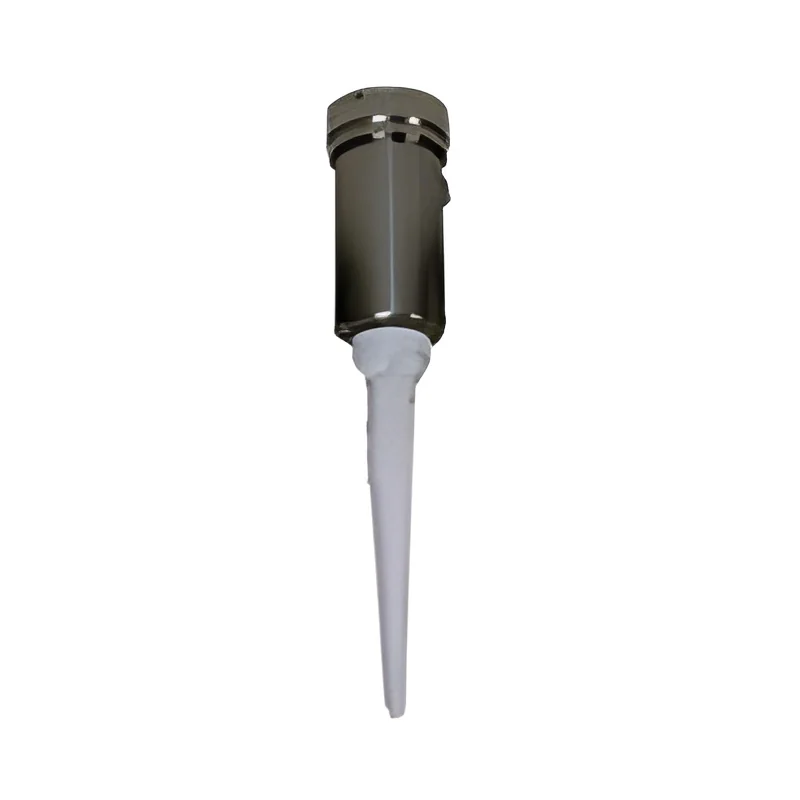 India
India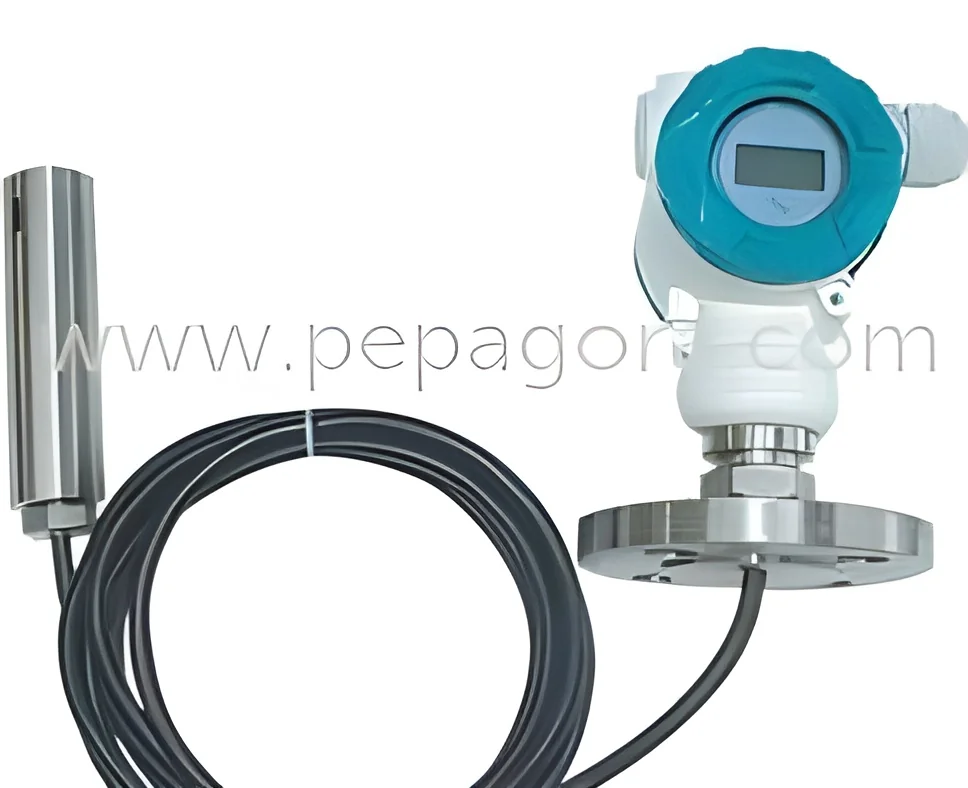 India
India
Frequently Asked Questions
What are Level Sensors (Radar, Float)?
Level Sensors (Radar, Float) are devices used to measure the level of liquids or solids in various applications. Radar level sensors use microwave signals to determine the distance to the surface of the material, while float level sensors rely on buoyancy to detect the level based on the rise and fall of a floating object.
What are the different types of Level Sensors (Radar, Float)?
The two main types of Level Sensors are Radar level sensors and Float level sensors. Radar sensors can be further categorized into guided wave radar and non-contact radar, while float sensors can be mechanical floats or magnetic floats, each suited for different applications.
How do I choose the right Level Sensors (Radar, Float)?
Selecting the right Level Sensors involves considering factors such as the type of material being measured, the operating environment, and the required accuracy. Additionally, assess the compatibility with existing systems and any specific features needed for your application, such as temperature or pressure ratings.
What are the standard specifications for Level Sensors (Radar, Float)?
Standard specifications for Level Sensors typically include measurement range, accuracy, operating temperature, and pressure ratings. For radar sensors, specifications may also cover frequency, beam angle, and dielectric constant, while float sensors might specify float material and size.
What is the price range for Level Sensors (Radar, Float)?
The price range for Level Sensors (Radar, Float) can vary widely based on type and specifications, typically ranging from INR 5,000 to INR 50,000 or more. Factors influencing price include technology, brand, and additional features such as remote monitoring capabilities.
What quality standards apply to Level Sensors (Radar, Float)?
Level Sensors (Radar, Float) are often manufactured to meet industry standards such as ISO, IEC, and ASTM. Compliance with these standards ensures reliability, accuracy, and safety in various applications, particularly in industries such as oil and gas, food processing, and water management.
Where can I find Level Sensors (Radar, Float) suppliers in India?
You can find Level Sensors (Radar, Float) suppliers in India through online B2B marketplaces like Pepagora, industry trade shows, and manufacturer directories. Researching and comparing multiple suppliers can help you identify the best options based on quality, price, and service.
Can Level Sensors (Radar, Float) be customized?
Yes, Level Sensors (Radar, Float) can often be customized to meet specific application requirements. Customization can include adjustments in size, materials, and additional features such as output signals or communication protocols.
What is the typical minimum order quantity for Level Sensors (Radar, Float)?
The typical minimum order quantity (MOQ) for Level Sensors (Radar, Float) can vary by supplier but generally ranges from 1 to 10 units. Larger orders may qualify for bulk pricing discounts, so it's advisable to discuss your needs with the supplier.
What is the typical lead time for Level Sensors (Radar, Float)?
The typical lead time for Level Sensors (Radar, Float) can range from a few days to several weeks, depending on factors such as stock availability and customization requirements. It is recommended to confirm lead times with your supplier at the time of order placement.
Why Businesses Trust Pepagora
Thousands of companies trust Pepagora to source smarter and sell faster
Expand Your Sales Globally

Source Smarter,Grow Faster
