IN
IN₹
Apparel & Fashion
Description
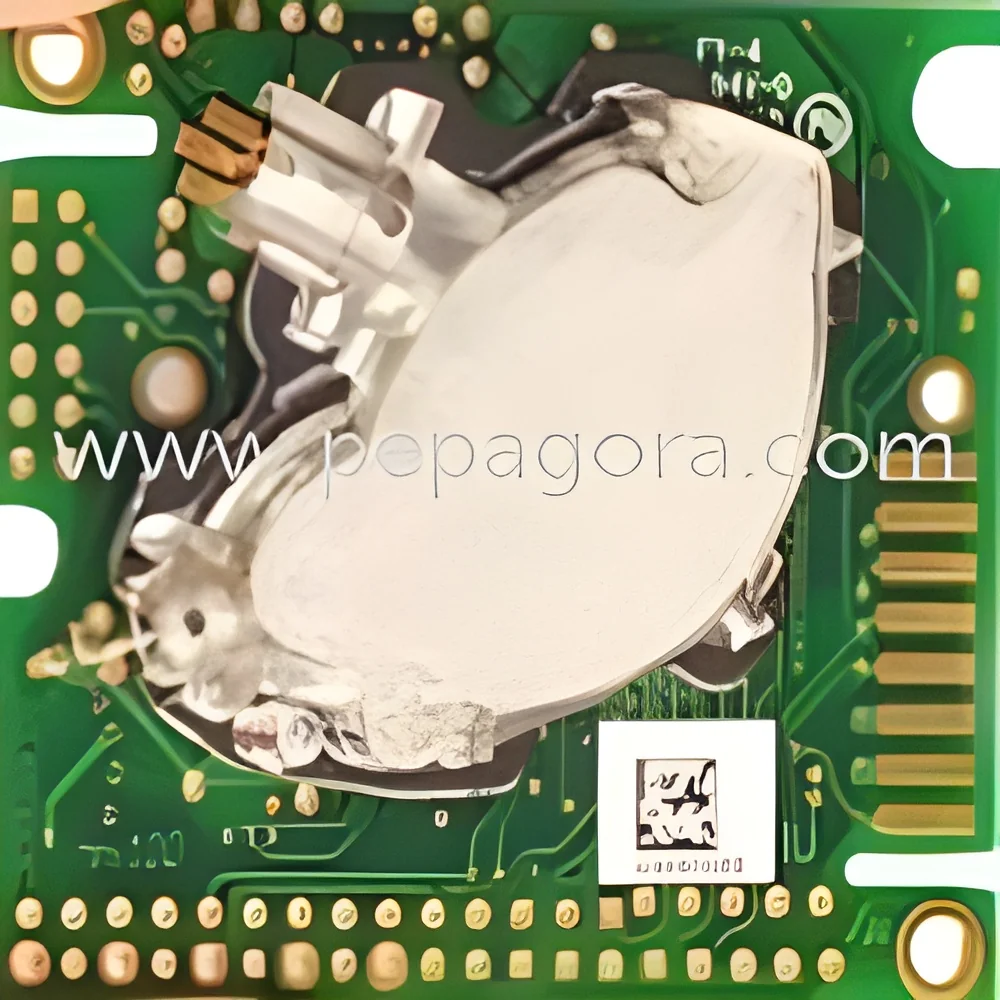
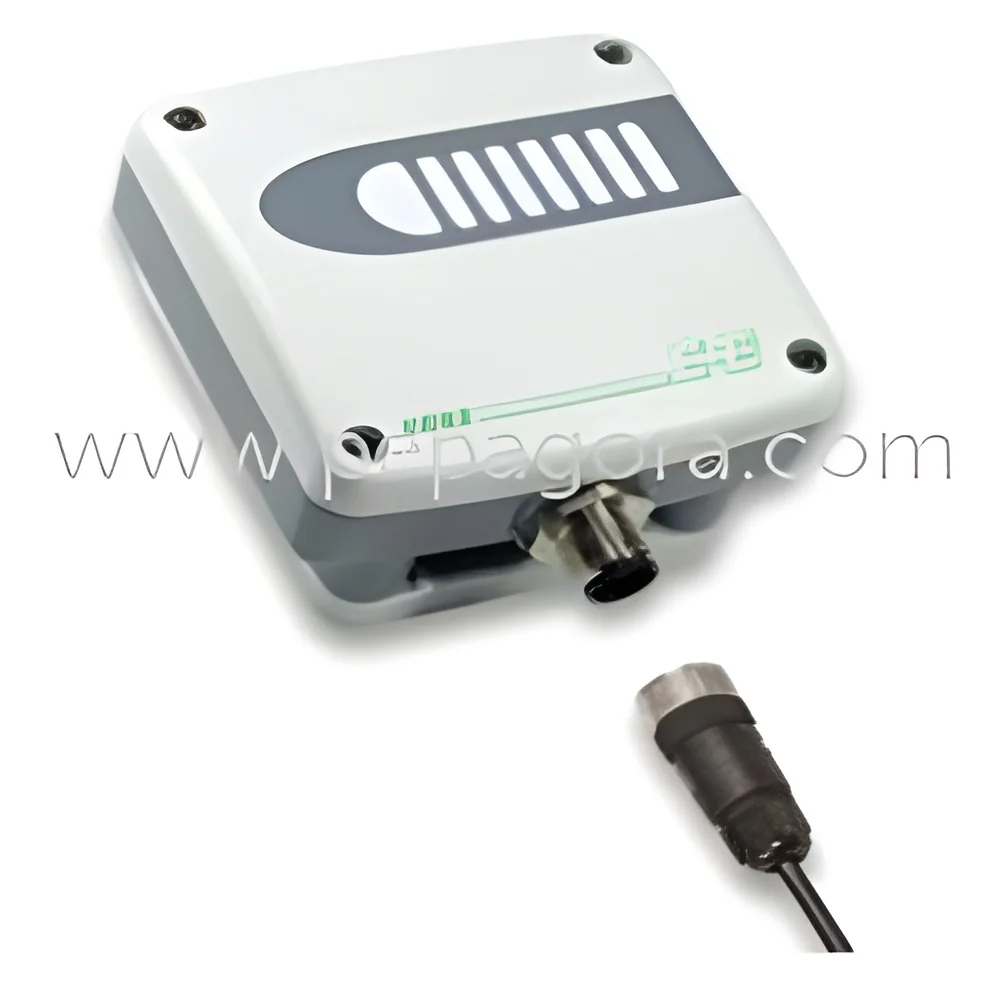
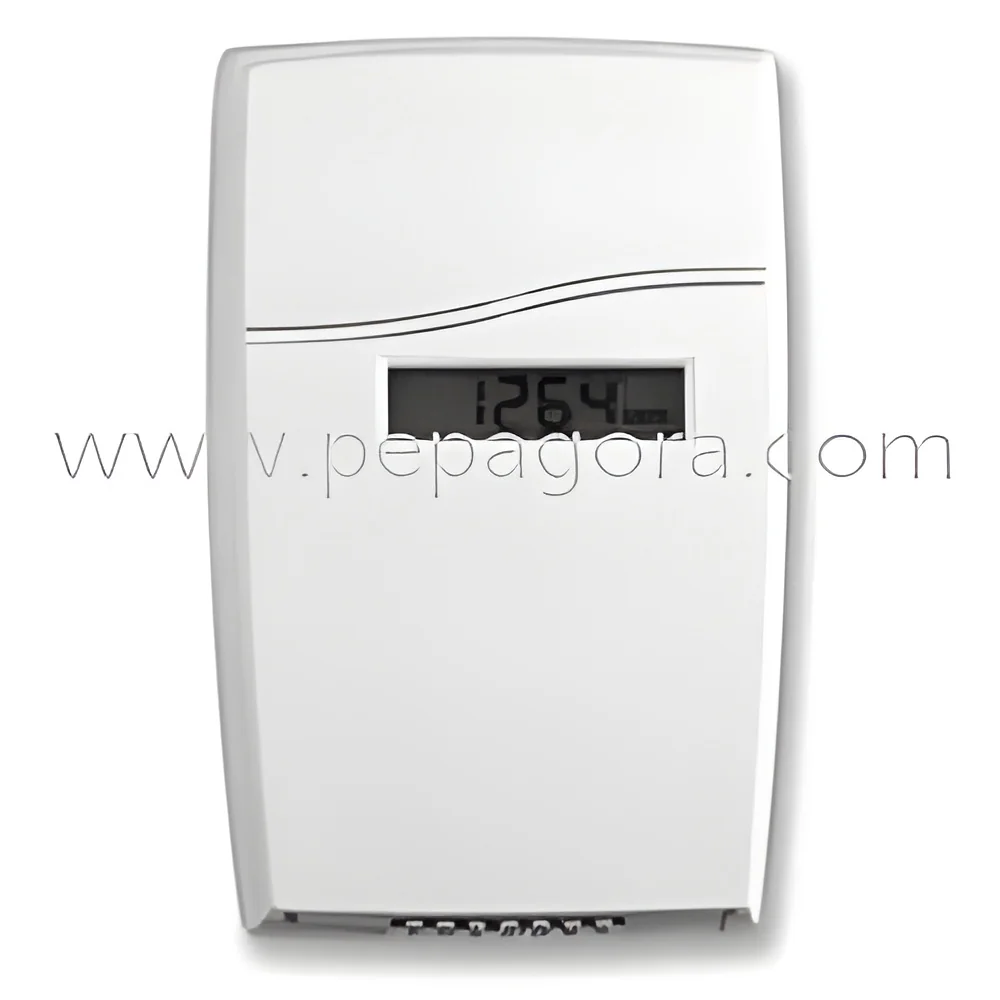
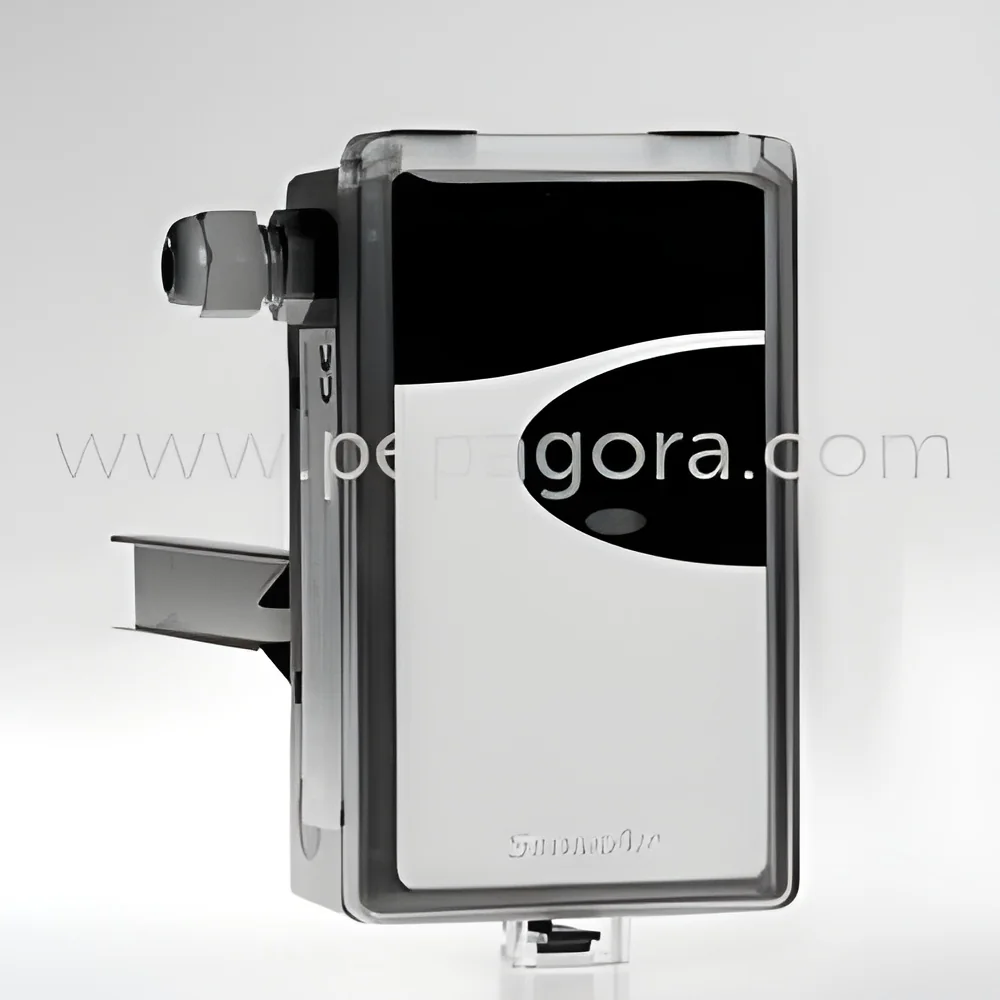
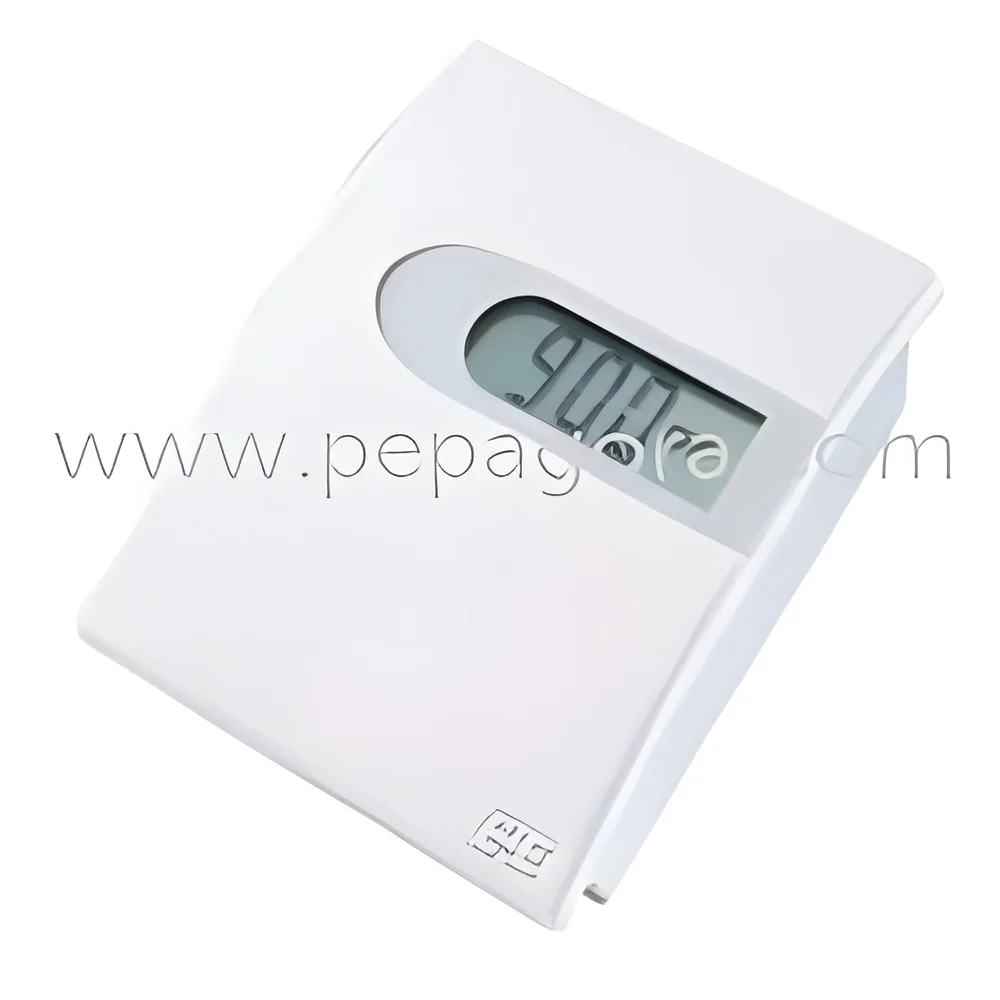
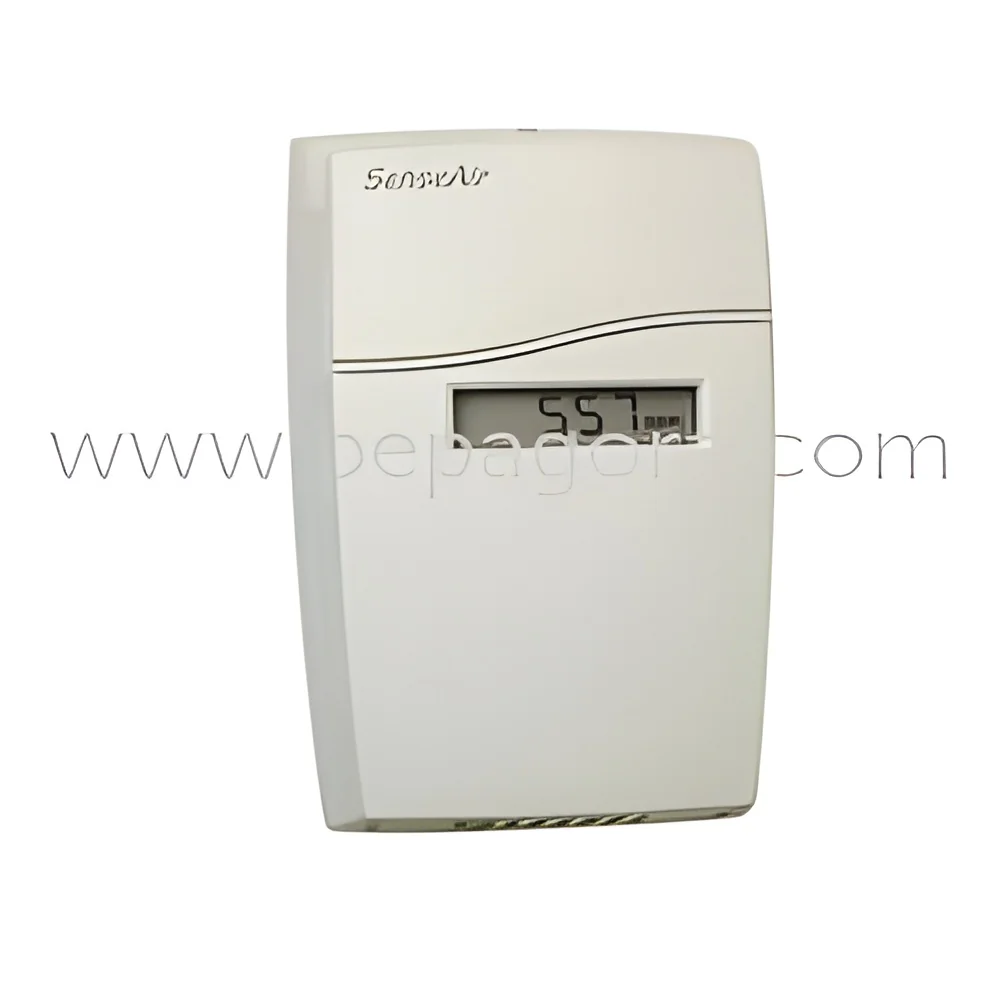
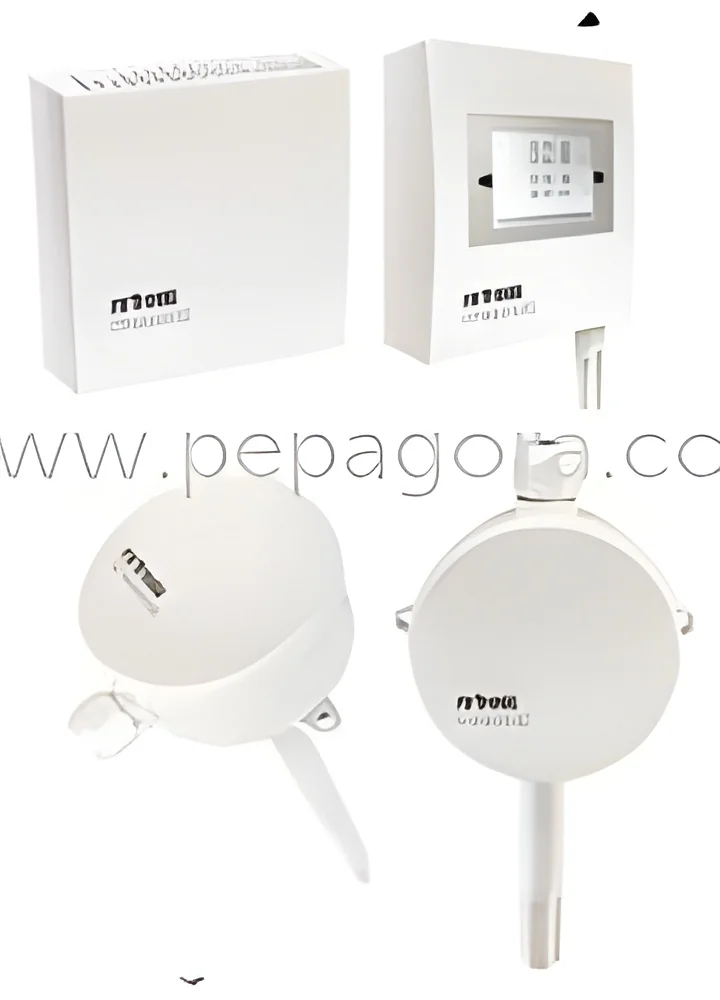
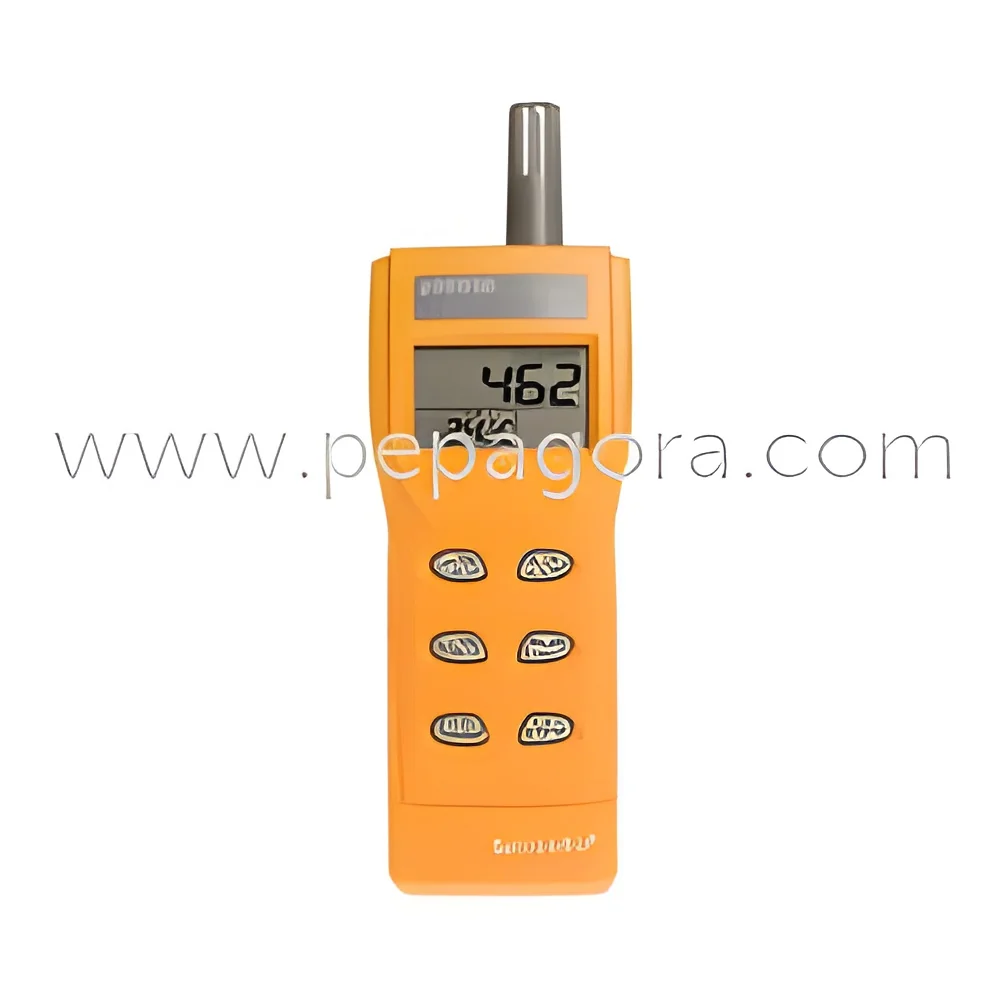
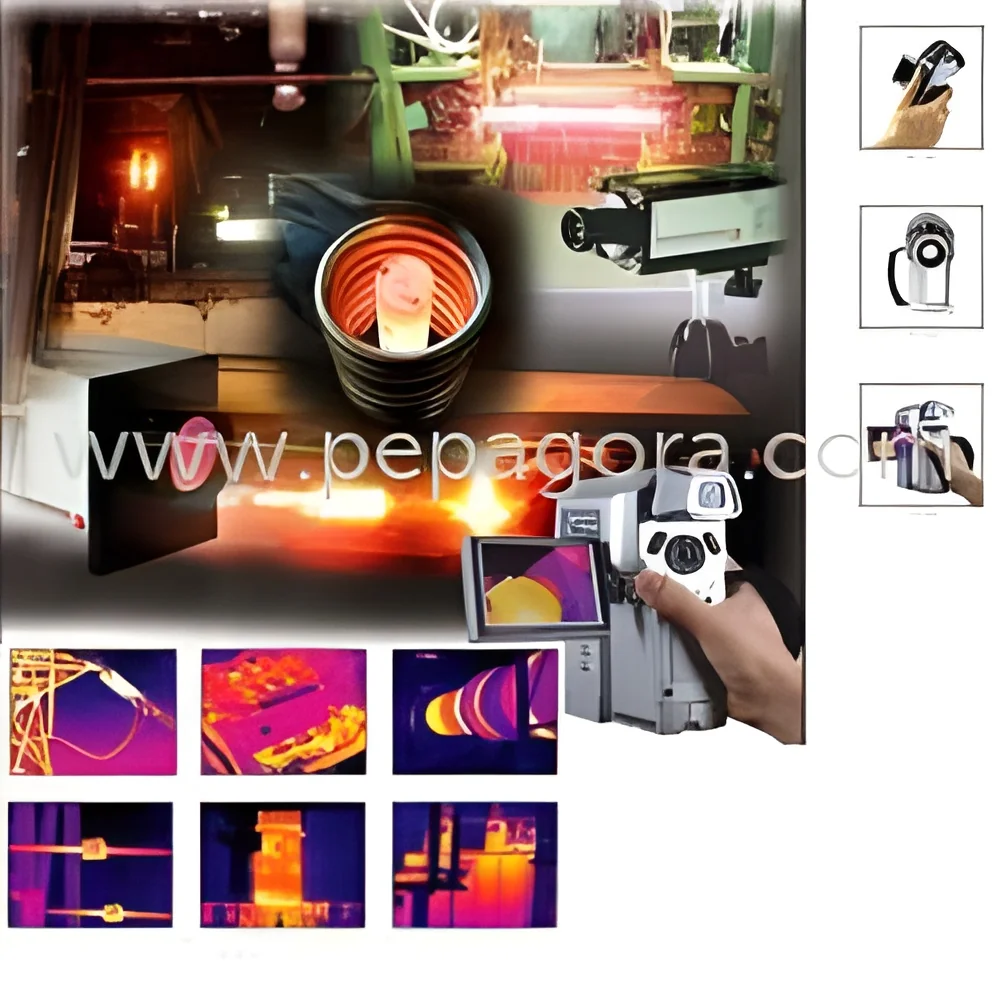
The Industrial Infrared High Temperature Sensor represents precision non-contact temperature measurement technology engineered for demanding industrial environments. This advanced instrument detects thermal radiation from surfaces without physical contact, eliminating contamination risks and sensor degradation in extreme conditions. It delivers accurate readings across wide temperature ranges while maintaining consistent performance in challenging operational settings. The sensor's robust construction ensures long-term reliability with minimal maintenance requirements, making it an ideal solution for continuous process monitoring applications where operational continuity is essential.

This sensor serves critical functions across multiple heavy industries including metal processing, glass manufacturing, chemical production, and energy generation. In steel mills and foundries, it monitors furnace temperatures and molten metal processes with precision. Glass manufacturers depend on it fo...
The Industrial Infrared High Temperature Sensor represents precision non-contact temperature measurement technology engineered for demanding industrial environments. This advanced instrument detects thermal radiation from surfaces without physical contact, eliminating contamination risks and sensor degradation in extreme conditions. It delivers accurate readings across wide temperature ranges while maintaining consistent performance in challenging operational settings. The sensor's robust construction ensures long-term reliability with minimal maintenance requirements, making it an ideal solution for continuous process monitoring applications where operational continuity is essential.

This sensor serves critical functions across multiple heavy industries including metal processing, glass manufacturing, chemical production, and energy generation. In steel mills and foundries, it monitors furnace temperatures and molten metal processes with precision. Glass manufacturers depend on it for exact temperature control during forming and annealing stages where thermal consistency determines product quality. Chemical plants utilize these sensors for reactor monitoring and safety applications where accurate temperature data prevents hazardous conditions. Research institutions employ them for material testing and development where precise thermal measurements are fundamental to experimental validity. The sensor's versatility makes it suitable for any application requiring reliable non-contact temperature measurement in high-heat industrial environments.

The operational value of this infrared high temperature sensor lies in its ability to enhance process efficiency, improve product quality, and reduce maintenance costs. By providing accurate real-time temperature data, it enables precise process control that minimizes energy consumption and reduces material waste. The sensor's reliability ensures consistent operation without frequent calibrations or replacements, leading to lower total operational costs. Its robust design withstands harsh industrial environments while the non-contact measurement eliminates wear and tear associated with traditional contact sensors. These factors combine to deliver exceptional operational return through improved process stability, reduced downtime, and enhanced product consistency across industrial applications.

Key Features:
- Non-contact infrared temperature measurement technology
- Wide operational temperature range for extreme industrial applications
- Robust construction for reliable operation in harsh environments
- Customizable configurations to meet specific process requirements
- Maintenance-free design with long-term calibration stability

Benefits:
- Accurate non-contact temperature measurement without process interference
- Reliable performance in extreme heat and challenging industrial conditions
- Reduced maintenance costs and minimal operational downtime
- Enhanced process control through real-time temperature monitoring
- Improved product quality and consistency through precise thermal management
Specifications
| Additional Information | |
|---|---|
| Country of Origin | India |
Application
This infrared high temperature sensor provides critical non-contact temperature monitoring where traditional sensors cannot operate. It delivers continuous, accurate readings in extreme heat environments without physical contact, ensuring process safety and product consistency. The sensor maintains reliable performance in conditions that would degrade conventional measurement devices.
Industries rely on this sensor for precise thermal control that directly impacts production quality and operational efficiency. It enables real-time process adjustments by detecting temperature variations instantly, preventing costly deviations. The instrument integrates seamlessly with existing control systems across manufacturing, energy, and research facilities where accurate temperature data drives outcomes.
- Continuous furnace temperature monitoring in metal forging and heat treatment operations
- Precision thermal control during glass melting, forming, and annealing processes
- Reactor temperature monitoring in chemical production and petroleum refining
- Material testing and development in research laboratories
- Thermal monitoring in power generation systems and energy production facilities
Trade Details
| Available Stock | In Stock |
| Sample Availability | No |
Payment Terms
| Payment Terms |
|
Company Profile
Jupiter Integrated Sensor System Pvt Ltd, Maharashtra
 Maharashtra, India
Maharashtra, IndiaAutomotive & Transport•Manufacturer•Trading Company•Distributor / Wholesaler
Factory Details
Factory SizeBelow 1000 sqm
Annual Production Capacity0
Industrial Infrared High Temperature Sensor For Process Control
Industrial Infrared High Temperature Sensor delivers accurate non-contact temperature measurement for process control in demanding industrial environments. This reliable sensor offers maintenance-free operation with customization for precise thermal monitoring needs.
Min. Order Quantity: 1 unit
Shipping
Shipping fee and delivery date to be negotiated. Contact supplier now for more details.
Jupiter Integrated Sensor System Pvt Ltd
 Maharashtra, India
Maharashtra, IndiaAutomotive & TransportManufacturer