
 IN
Digital Multimeters
6 products available
What are Digital Multimeters?
Digital multimeters are versatile electronic instruments used to measure various electrical parameters such as voltage, current, and resistance. Unlike analog multimeters, digital versions provide precise readings displayed on a digital screen, making them easier to read and interpret. They are essential tools for anyone working in electrical engineering, maintenance, or technical fields.
These instruments find extensive applications in a multitude of business environments, including electronics manufacturing, telecommunications, automotive repair, and energy management. Digital multimeters enable technicians and engineers to troubleshoot and ensure proper functioning of circuits and devices. Their accuracy and reliability make them indispensable for both diagnostic and routine maintenance tasks.
As industries continue to evolve toward increasingly sophisticated electronic systems, the demand for reliable measurement tools like digital multimeters grows. The market for these devices is expanding, driven by technological advancements and the need for enhanced precision in electrical measurements across various sectors.
Key Features and Specifications
Digital multimeters come equipped with a range of features that cater to different measurement needs. Understanding these specifications is crucial for selecting the right device for specific applications.
Key specifications include:
1. Measurement Range
- This refers to the maximum and minimum values the multimeter can accurately measure.
- Typical voltage ranges can be from microvolts to kilovolts, while current ranges often span from milliamps to hundreds of amps.
2. Accuracy Level
- Accuracy indicates how close the measured value is to the actual value.
- It is usually expressed as a percentage of reading plus a number of least significant digits (LSD).
3. Display Type
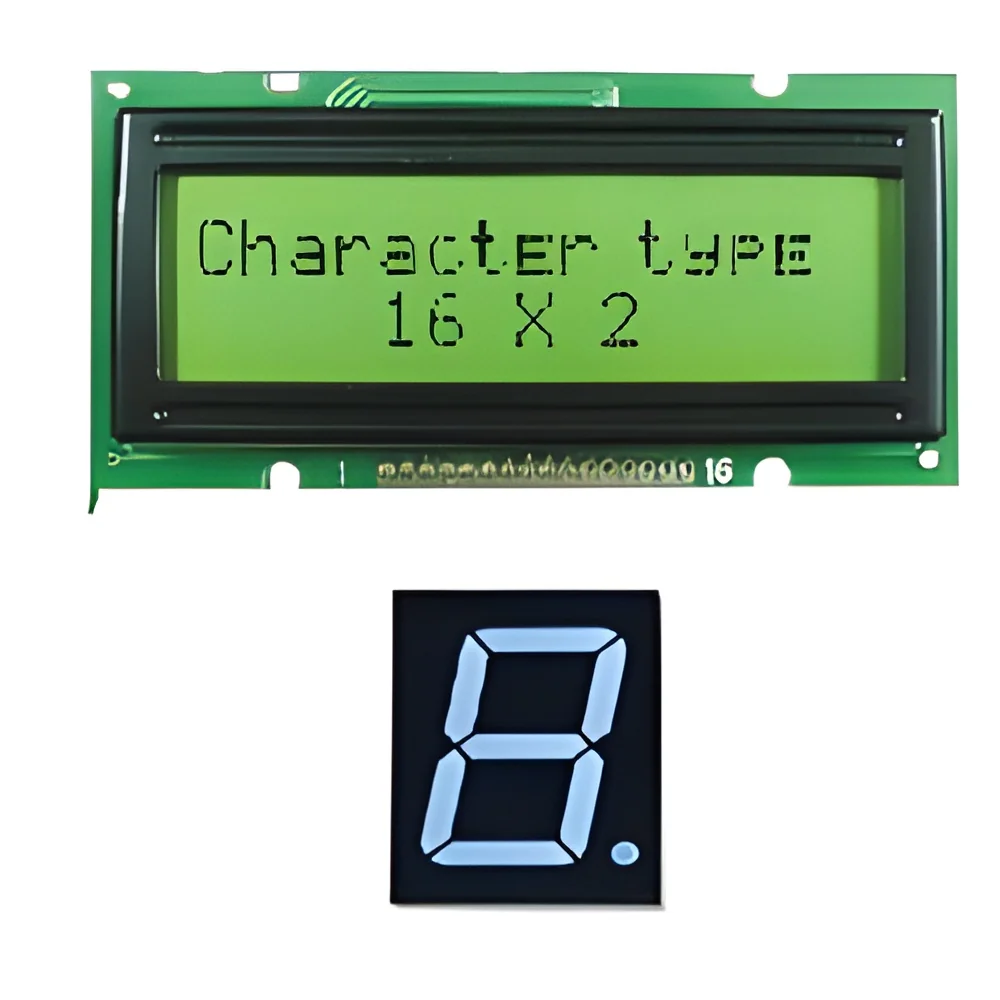
- Most digital multimeters have an LCD display, which provides clear visibility.
- Some advanced models may feature backlit displays for better readability in low-light conditions.
4. Continuity Test
- This feature allows users to check if a circuit is complete by producing an audible beep.
- It is essential for troubleshooting electrical connections.
5. Data Hold Function
- This function allows users to freeze the displayed measurement for easy reading.
- It is particularly useful in environments where quick checks are necessary.
6. Auto-ranging Capability
- Auto-ranging eliminates the need for manual setting adjustments, automatically selecting the correct measurement range.
- This feature simplifies the use of the multimeter for less experienced users.
7. Battery Life
- Battery life is crucial for ensuring reliable operation in the field.
- Many models have energy-saving features that extend battery life.
8. Safety Ratings
- Digital multimeters are often rated for safety according to standards such as CAT II, CAT III, or CAT IV, indicating the level of electrical environment in which they can be safely used.
In summary, selecting a digital multimeter with the right specifications ensures accurate measurements and improves efficiency in various applications.
Common Applications and Use Cases
Digital multimeters are utilized in numerous industries, each with specific measurement requirements.
1. Electronics Manufacturing: In this sector, digital multimeters are employed to test components and ensure proper assembly of electronic devices.
2. Automotive Repair: Technicians use these instruments to diagnose electrical issues in vehicles, such as battery health and circuit integrity.
3. Telecommunications: Digital multimeters help validate signal integrity and troubleshoot communication lines in telecommunication systems.
4. HVAC Systems: Professionals in heating, ventilation, and air conditioning use these tools to measure electrical parameters of system controls and sensors.
5. Energy Management: In energy sectors, digital multimeters are used for monitoring electrical consumption and optimizing energy efficiency.
6. Research and Development: Engineers and scientists rely on digital multimeters for precise measurements during experiments and product development.
7. Electrical Installation: Electricians use these tools to ensure safe and effective installations by verifying voltage and current levels.
Product Variants and Subcategories
Digital multimeters come in several variants designed to meet diverse user needs.
Standard Digital Multimeter
This is the most common type, suitable for general-purpose use in various applications. It offers features like measurement of voltage, current, and resistance.
Advanced Digital Multimeter
These models provide additional functionalities, such as data logging and connectivity options for advanced analysis and reporting. They are ideal for professionals who require extensive measurement capabilities.
Clamp Meter
While not a traditional multimeter, clamp meters measure current without disconnecting circuits. They are particularly useful in situations where measuring current is essential but intrusive access is limited.
Benefits and Advantages
Digital multimeters offer several advantages that enhance their utility in various fields.
1. Precision Measurements: Digital multimeters provide accurate readings, reducing the risk of errors in electrical diagnostics.
2. User-Friendly Interface: The digital display makes it easy to read measurements, even for those with limited technical expertise.
3. Versatility: These instruments can measure multiple electrical parameters, making them suitable for a wide range of applications.
4. Portability: Many models are compact and lightweight, allowing for easy transport and use in the field.
5. Enhanced Safety Features: With built-in safety ratings, digital multimeters help ensure that users operate within safe electrical environments.
6. Cost-Effectiveness: Investing in a digital multimeter can reduce long-term costs associated with misdiagnosis and unnecessary repairs.
Buying Guide for B2B Buyers
When sourcing digital multimeters, it is essential for B2B buyers to consider several factors to ensure they select the right product.
1. Quality Assessment: Look for devices that meet industry standards for accuracy and reliability. Reading reviews and seeking recommendations can help assess quality.
2. Supplier Verification: Vet potential suppliers to ensure they have a strong reputation and offer genuine products. This may involve checking certifications and customer feedback.
3. Pricing and MOQ: Understand the pricing structure and minimum order quantities (MOQ) as this can impact overall project budgets and supplier relationships.
4. Delivery and Lead Times: Evaluate suppliers based on their ability to meet delivery schedules. Timely delivery is crucial for maintaining project timelines.
5. Compliance Requirements: Ensure that the digital multimeters comply with relevant industry standards and regulations, which vary by region and application.
Compliance and Certifications
Digital multimeters must adhere to various compliance standards to ensure safety and performance.
Common quality standards include ISO 9001, which focuses on quality management systems, ensuring manufacturers maintain high production standards. Certifications such as UL (Underwriters Laboratories) and CE (Conformité Européene) indicate that the devices meet specific safety and performance criteria.
Safety and testing requirements are critical, especially in high-voltage applications. Manufacturers often conduct rigorous testing to ensure their products can withstand specified electrical environments.
Regional compliance considerations may vary, with different countries having unique regulations regarding electrical instruments. Buyers should ensure the multimeters they choose are compliant with local laws and standards.
Why Source Digital Multimeters from Pepagora?
Pepagora provides a trusted platform for sourcing digital multimeters, offering several key advantages that cater to B2B buyers.
Verified Supplier Network: Pepagora has established a network of verified suppliers, ensuring that buyers can access high-quality products from reputable manufacturers. This reduces the risk of sourcing issues and enhances buyer confidence.
Streamlined RFQ Process: The Request for Quotation (RFQ) system on Pepagora simplifies the procurement process. Buyers can easily request quotes from multiple suppliers, facilitating better price comparisons and informed decision-making.
Trade Assurance and Support: Pepagora offers trade assurance programs that protect buyers in their transactions. This includes support for disputes and guarantees on product quality, providing peace of mind during the purchasing process.
Regional Coverage: With a strong presence in India, the GCC, and Southeast Asia, Pepagora connects buyers to suppliers across these regions, enhancing accessibility and options for sourcing digital multimeters. This broad geographic reach ensures that buyers can find the right products to meet their needs efficiently.


 India
 India

 India
 India
Frequently Asked Questions
What are Digital Multimeters?
Digital Multimeters are versatile electronic measuring instruments used to measure voltage, current, and resistance. They provide precise readings and often include additional features like diode testing and continuity checks. These devices are essential in various fields, including electronics, electrical maintenance, and troubleshooting.
What are the different types of Digital Multimeters?
There are mainly two types of Digital Multimeters: handheld and bench multimeters. Handheld multimeters are portable and suitable for fieldwork, while bench multimeters are designed for laboratory use and offer higher precision and additional functionalities.
How do I choose the right Digital Multimeters?
When selecting a Digital Multimeter, consider factors such as measurement range, accuracy, and additional features like data logging or Bluetooth connectivity. It's also essential to evaluate the specific requirements of your projects to ensure the multimeter meets your needs.
What are the standard specifications for Digital Multimeters?
Standard specifications for Digital Multimeters include measurement ranges for voltage (AC and DC), current (AC and DC), and resistance, as well as accuracy ratings. Common features may also include display type, battery life, and safety ratings.
What is the price range for Digital Multimeters?
The price range for Digital Multimeters can vary significantly based on features and accuracy. Basic models may start from around ₹1,000, while advanced multimeters can cost upwards of ₹10,000 or more, depending on the brand and specifications.
What quality standards apply to Digital Multimeters?
Digital Multimeters must comply with various quality standards, including ISO 9001 for quality management and IEC 61010 for safety requirements. These standards ensure that the devices are reliable and safe for use in different environments.
Where can I find Digital Multimeters suppliers in India?
You can find Digital Multimeters suppliers in India through various online B2B marketplaces, industry trade shows, and electronics supply stores. Websites like Pepagora.com list numerous manufacturers and suppliers, making it easier to compare options.
Can Digital Multimeters be customized?
Yes, many manufacturers offer customization options for Digital Multimeters. Customizations can include branding, specific measurement features, or tailored packaging to meet the needs of various industries.
What is the typical minimum order quantity for Digital Multimeters?
The typical minimum order quantity (MOQ) for Digital Multimeters varies by supplier but usually ranges from 10 to 50 units. It is advisable to check with individual manufacturers for their specific MOQs.
What is the typical lead time for Digital Multimeters?
The typical lead time for Digital Multimeters can range from 1 to 4 weeks, depending on the supplier's stock availability and the complexity of any customizations. It is recommended to confirm the lead time with the supplier before placing an order.
Why Businesses Trust Pepagora
Thousands of companies trust Pepagora to source smarter and sell faster
Expand Your Sales Globally

Source Smarter,Grow Faster
