
 IN
Dial Indicators
18 products available
What are Dial Indicators?
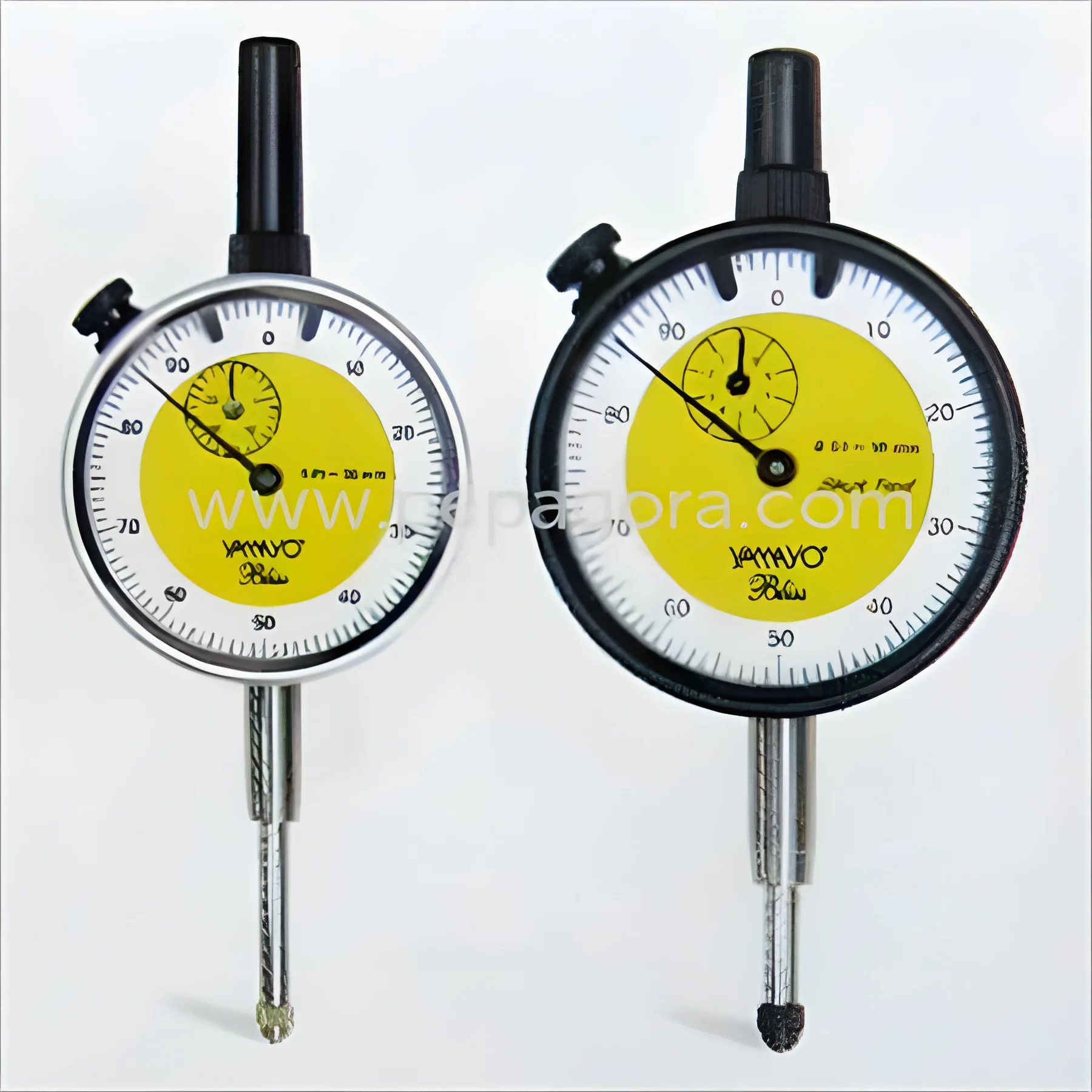
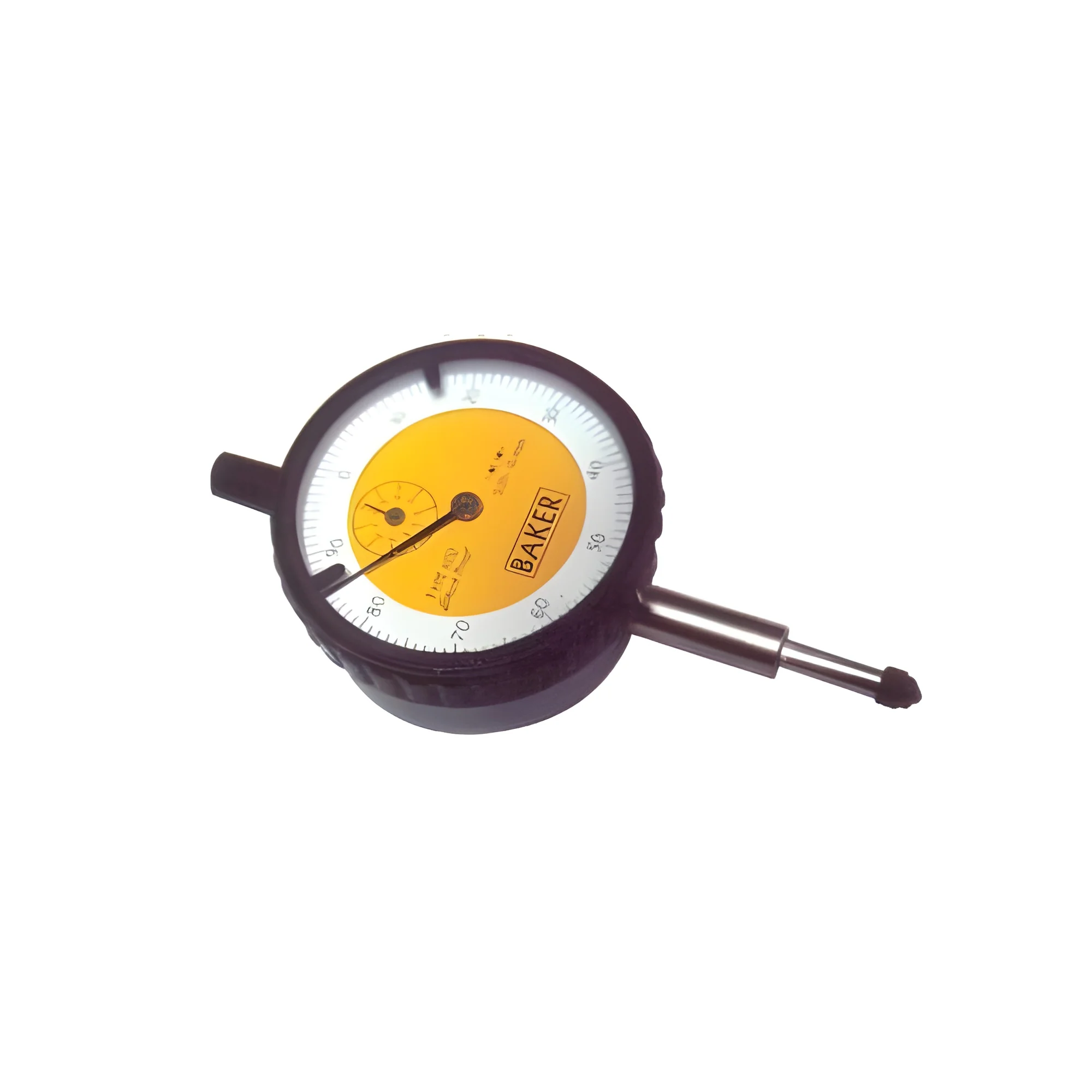
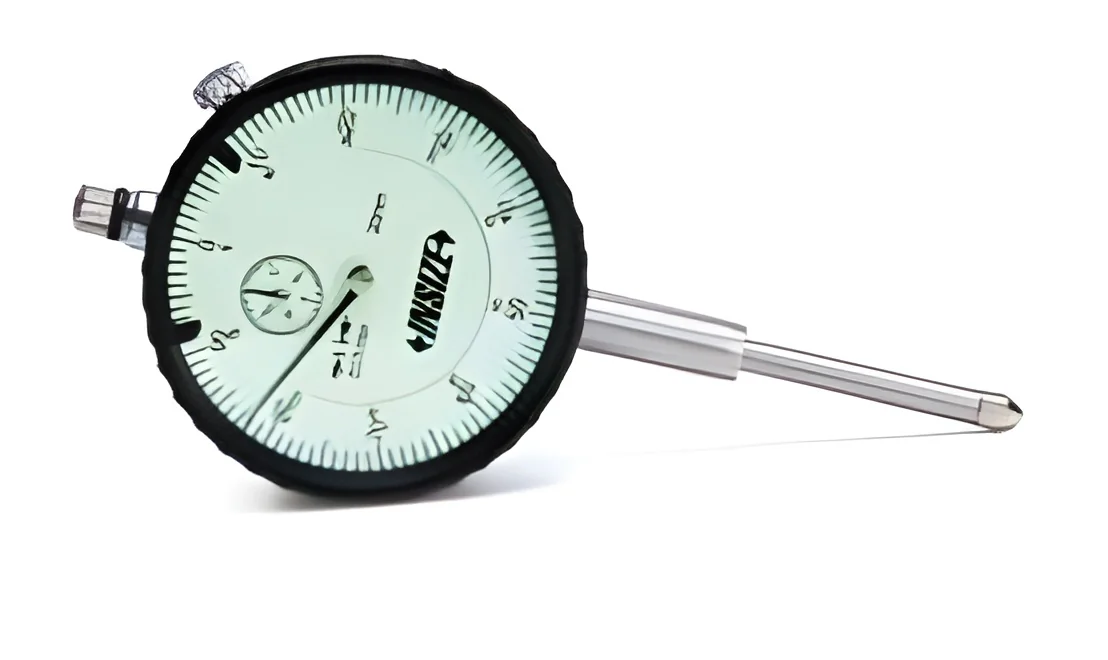
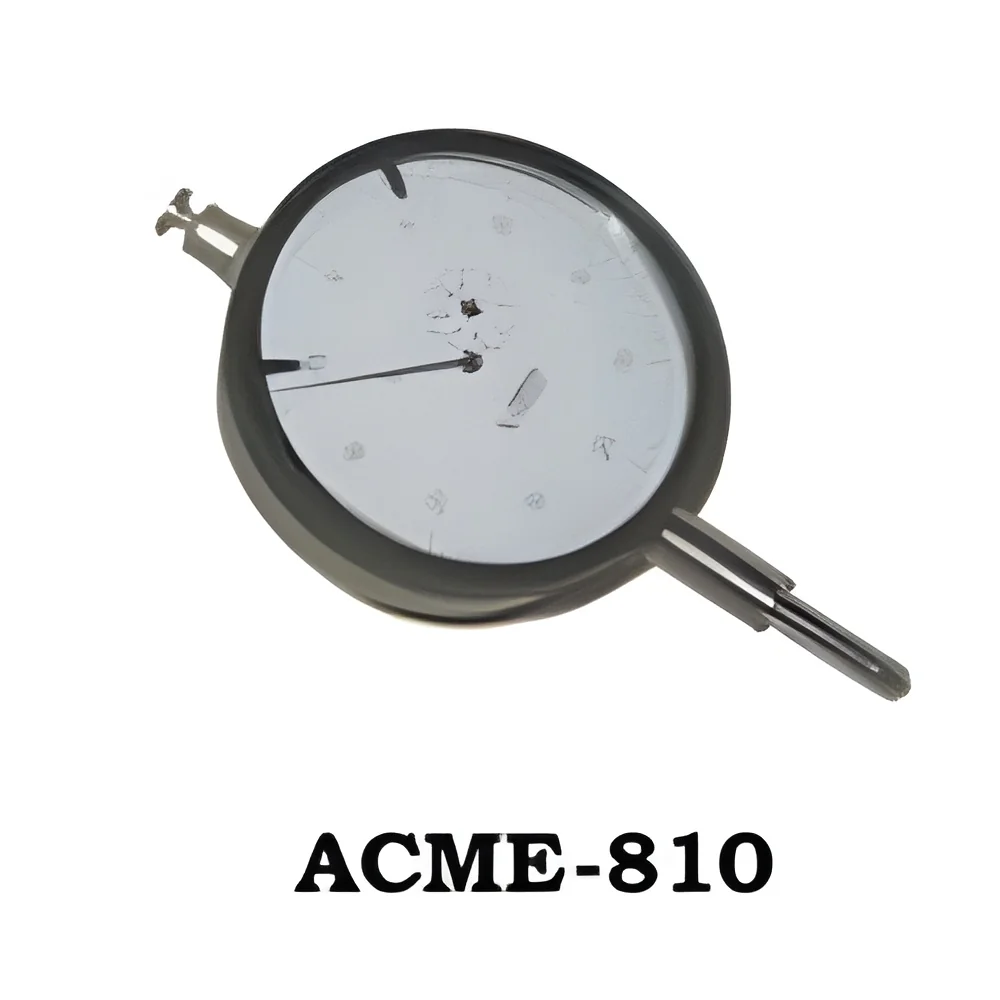
Dial indicators are precision measuring tools used to assess the displacement or movement of an object. They consist of a dial with a rotating needle that points to a scale, allowing users to measure small distances accurately. These instruments are renowned for their ability to provide clear and precise readings, making them essential in various industrial applications.
The primary uses of dial indicators include measuring the thickness of materials, aligning machinery, and monitoring the wear of components. They are instrumental in quality control processes, ensuring that products meet specified tolerances. Businesses that rely on mechanical parts or assemblies frequently use dial indicators to maintain operational efficiency and accuracy.
In the market context, dial indicators are relevant across numerous industries including manufacturing, automotive, aerospace, and engineering. Their design and functionality have made them a standard tool in workshops and laboratories, where precision is paramount. As industries continue to demand higher accuracy in measurements, the importance of dial indicators remains significant.
Key Features and Specifications
Dial indicators come with various features that enhance their functionality and precision. Understanding these specifications is crucial for selecting the right tool for specific applications.
Key specifications include:
1. Measurement Range
- This specification refers to the total distance the indicator can measure.
- Typical ranges include 0-1 inch, 0-2 inches, and metric equivalents.
2. Resolution
- The smallest increment that can be measured.
- Common resolutions are 0.001 inch or 0.01 millimeter.
3. Accuracy
- Indicates how closely the measurements reflect the actual dimension.
- Typical accuracy ratings are ±0.001 inch.
4. Dial Size
- The diameter of the dial face, which affects readability.
- Standard sizes range from 1.5 inches to 3 inches.
5. Stem Length
- The length of the stem that connects the dial to the measuring tip.
- Common lengths are 2 inches and 4 inches.
6. Contact Point Type
- Refers to the shape and material of the measuring tip.
- Options include pointed, flat, or spherical tips.
7. Weight
- Important for portability and ease of use in the field.
- Weights typically vary from 200 grams to 500 grams.
8. Construction Material
- The materials used can affect durability and resistance to environmental factors.
- Common materials include stainless steel and plastic.
In summary, understanding the features and specifications of dial indicators is essential for making informed purchasing decisions. Selecting the right combination can significantly enhance measurement accuracy and operational efficiency.
Common Applications and Use Cases
Dial indicators serve various industries, effectively meeting their measurement needs.
1. Manufacturing: In manufacturing, dial indicators are used for quality control to ensure that parts meet strict tolerances. They are essential in verifying the dimensions of machined components.
2. Automotive: In the automotive industry, these tools are utilized for checking wheel alignment and measuring component wear. They help ensure vehicles function safely and effectively.
3. Aerospace: Aerospace applications involve the use of dial indicators for precise measurement of critical components. Accuracy is vital in maintaining safety and performance standards.
4. Engineering: Engineers utilize dial indicators in design and testing phases to measure deviations in prototypes. Their precision aids in refining designs before full-scale production.
5. Metalworking: In metalworking, dial indicators are employed to measure flatness, roundness, and other surface characteristics. They help achieve high-quality finishes on metal parts.
6. Calibration: Calibration labs rely on dial indicators to verify the accuracy of other measuring instruments. They are crucial in maintaining the integrity of measurement systems.
7. Woodworking: In woodworking, dial indicators assist in measuring the thickness of materials and ensuring proper alignment during assembly. They contribute to the quality of finished products.
Product Variants and Subcategories
Dial indicators come in various models tailored to specific applications and user needs. Each variant offers distinct features that cater to different measurement tasks.
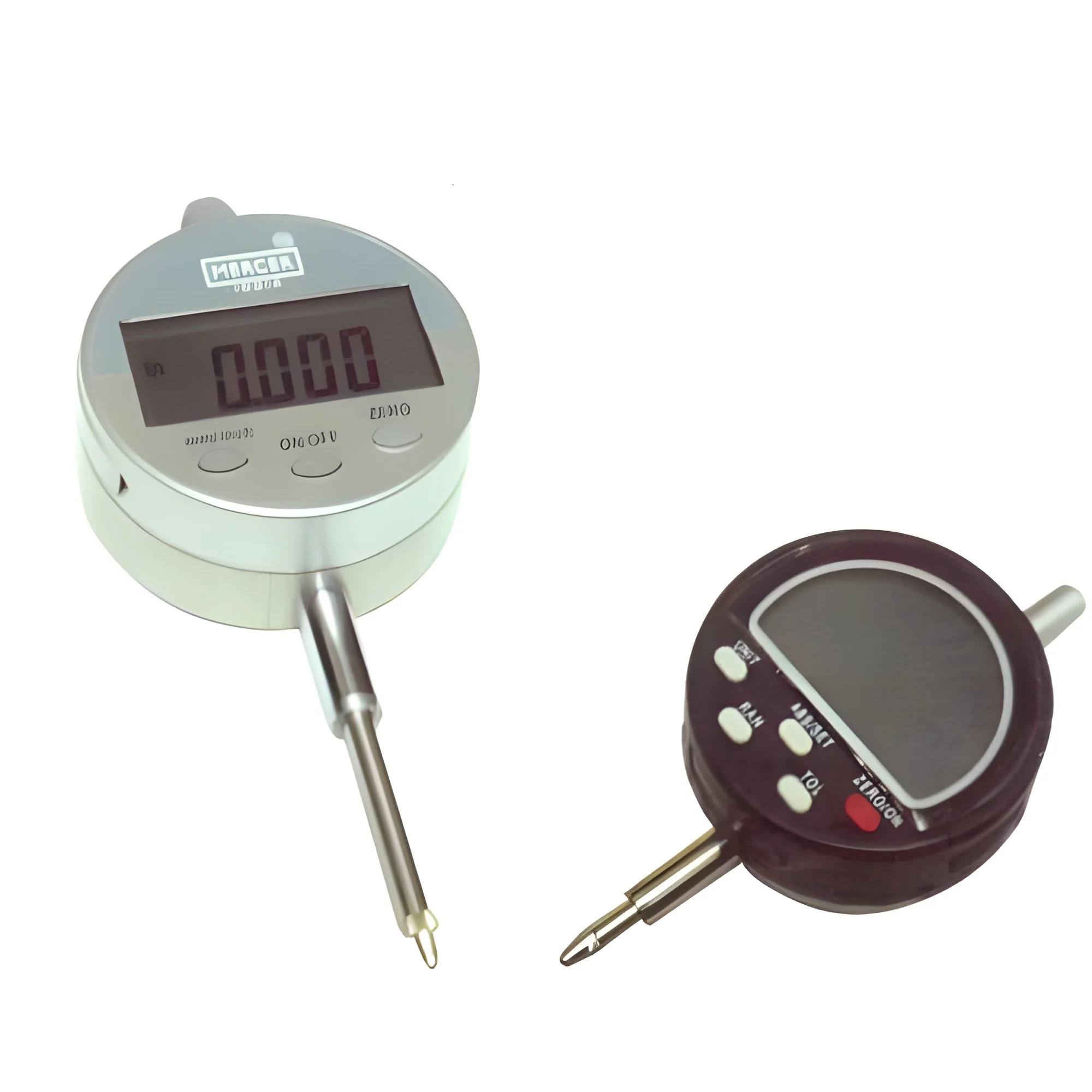
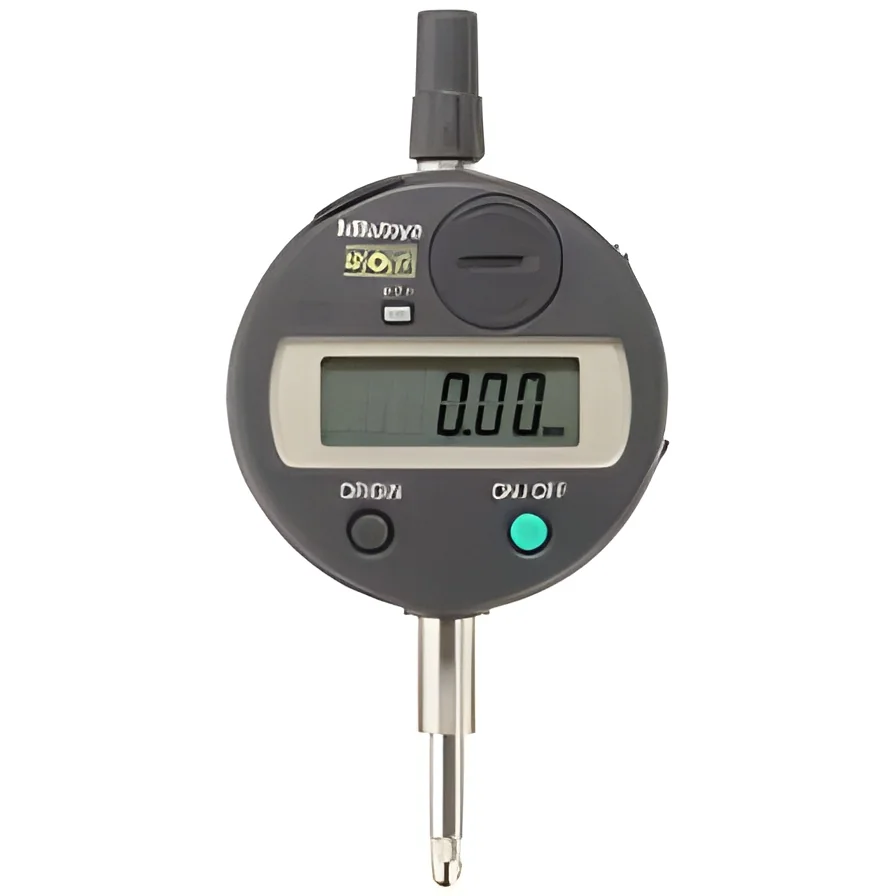
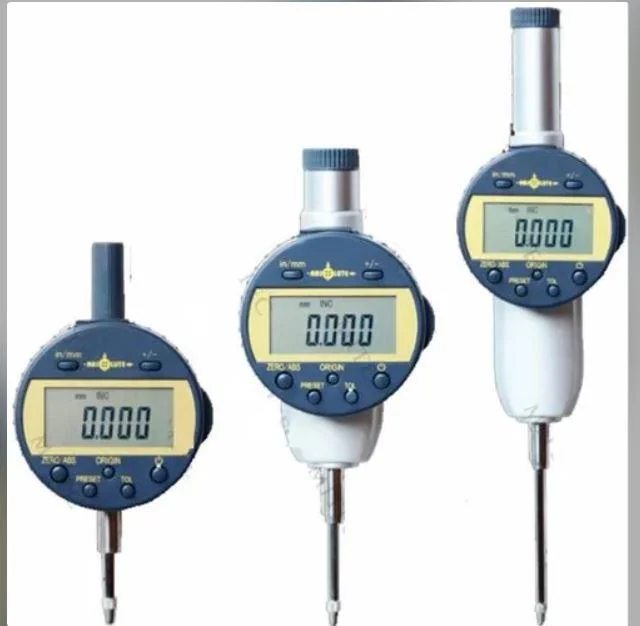
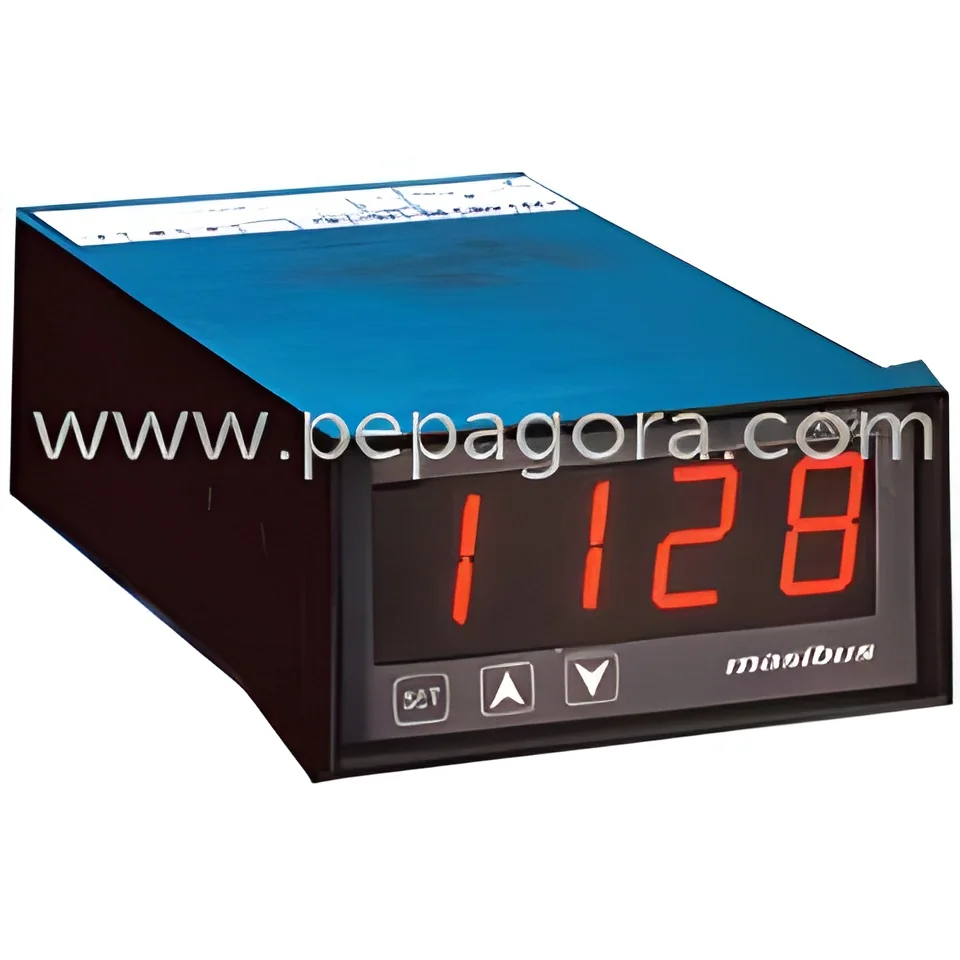
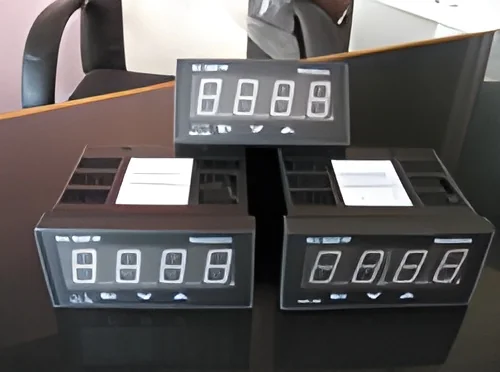
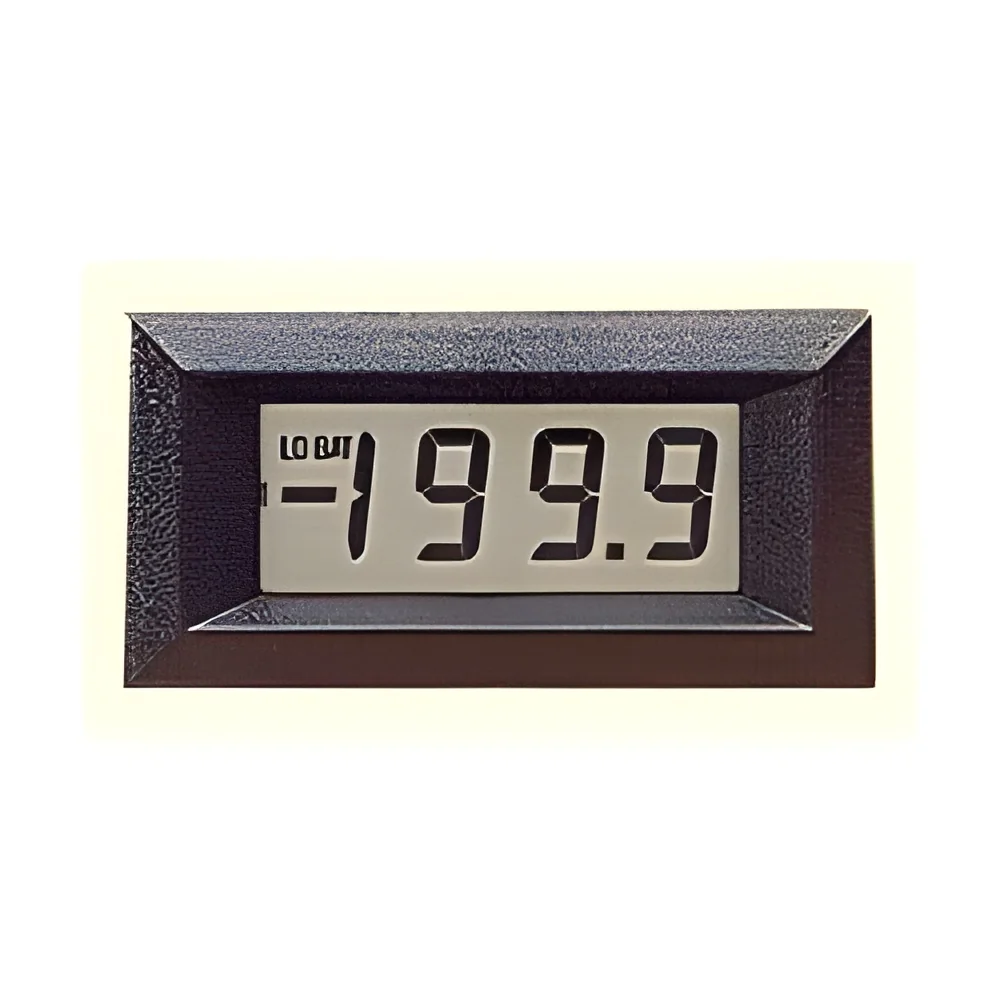
Digital Dial Indicators: These models provide electronic readouts, often with additional features like data logging and connectivity options. They are ideal for users who prefer digital interfaces.
Mechanical Dial Indicators: Traditional mechanical models offer simplicity and reliability. They are often used in environments where electronic devices may be less practical.
Depth Gauges: A specialized form of dial indicator, depth gauges measure the depth of holes or recesses. These are crucial in applications where precise depth measurements are required.
Test Indicators: These are precision instruments designed for measuring small displacements with high accuracy. They are often used in setups requiring fine adjustments in alignment.
Benefits and Advantages
Dial indicators offer several advantages that enhance their value in industrial applications.
1. High Precision: Dial indicators provide accurate measurements, minimizing errors in production and quality control.
2. Ease of Use: Their straightforward design allows for quick setup and operation, making them accessible to operators of all skill levels.
3. Versatility: These tools can be used in a variety of applications across different industries, showcasing their adaptability.
4. Durability: Many dial indicators are designed with robust materials, ensuring longevity even in demanding environments.
5. Enhanced Quality Control: Regular use of dial indicators helps maintain strict quality standards, leading to improved product reliability.
6. Cost-Effective: Investing in dial indicators can reduce long-term costs by preventing errors and ensuring consistent production quality.
Buying Guide for B2B Buyers
When sourcing dial indicators, several factors should be considered to ensure optimal selection and performance.
1. Quality Assessment: Evaluate the quality of the indicators by checking for certifications such as CE. High-quality instruments will provide reliable and accurate measurements.
2. Supplier Verification: Vet suppliers to ensure they have a good reputation and track record in providing quality products. Look for reviews and testimonials from previous clients.
3. Pricing and MOQ: Understand the pricing structure and any minimum order quantities that may apply. This can impact overall procurement costs and budgeting.
4. Delivery and Lead Times: Consider the logistics involved in sourcing dial indicators, including delivery times. Timely delivery is critical for maintaining operational schedules.
5. Compliance Requirements: Be aware of any regulatory compliance requirements that may affect your choice of dial indicators. Ensure that the products meet industry standards relevant to your sector.
Compliance and Certifications
Dial indicators must often comply with various quality standards to ensure their reliability and accuracy. Key standards include ISO 9001, which specifies requirements for a quality management system, ensuring that products meet customer and regulatory requirements.
Industry certifications such as CE indicate that the product meets European safety and environmental standards. This is crucial for ensuring that the indicators are safe to use and perform reliably in industrial settings.
Safety and testing requirements are also significant. Dial indicators should undergo rigorous testing to verify their accuracy and durability, ensuring they can withstand the demands of their intended applications.
Regional compliance considerations may vary based on local regulations. It is essential for businesses to stay informed about the specific compliance requirements in their operational regions.
Why Source Dial Indicators from Pepagora?
Pepagora provides a trusted platform for sourcing dial indicators, offering several key advantages that enhance the buying experience.
Verified Supplier Network: Pepagora ensures that all suppliers are thoroughly verified, providing buyers with confidence in the quality of products and services. This network helps businesses find reliable partners for their measurement needs.
Streamlined RFQ Process: The platform features a simplified request for quotation (RFQ) process, allowing buyers to easily compare prices and specifications from multiple suppliers. This efficiency saves time and facilitates informed decision-making.
Trade Assurance and Support: Pepagora offers buyer protection through trade assurance programs. This support ensures that buyers have recourse in case of issues with their orders, providing peace of mind during transactions.
Regional Coverage: With a geographic reach that includes India, GCC, and Southeast Asia, Pepagora connects businesses with local suppliers. This regional coverage helps reduce lead times and shipping costs, making it easier for companies to source the right tools for their operations.


 India
 India
 India
 India
 India
 India
 India
 India
 India
 India
 India

 India
Frequently Asked Questions
What are Dial Indicators?
Dial indicators are precision measuring instruments used to measure small distances or deviations with high accuracy. They feature a dial gauge that displays the measurement via a needle or digital readout, allowing users to detect minute variations in size, shape, or position.
What are the different types of Dial Indicators?
Dial indicators come in various types, including mechanical dial indicators, digital dial indicators, and test indicators. Mechanical dial indicators typically use a needle and dial for measurement, while digital dial indicators provide electronic readouts for easier interpretation.
How do I choose the right Dial Indicators?
Choosing the right dial indicators involves considering factors such as the measurement range, accuracy, and type of application. Additionally, assess the environment in which the instrument will be used to ensure it meets specific operational requirements.
What are the standard specifications for Dial Indicators?
Standard specifications for dial indicators include measurement range, accuracy, resolution, and dial size. Typical ranges can vary from 0-10 mm to 0-25 mm, with accuracy levels often expressed in micrometers.
What is the price range for Dial Indicators?
The price range for dial indicators varies based on type, brand, and specifications, generally falling between INR 500 to INR 15,000. Higher-end models with advanced features may exceed this range, depending on the manufacturer.
What quality standards apply to Dial Indicators?
Dial indicators are often manufactured under strict quality standards such as ISO 9001, ensuring consistency and reliability in measurements. Additionally, look for compliance with industry-specific standards that may apply based on the intended use.
Where can I find Dial Indicators suppliers in India?
You can find dial indicators suppliers in India through online B2B marketplaces like Pepagora, industry trade shows, and local manufacturing directories. Engaging with reputable suppliers will help you access a range of quality products.
Can Dial Indicators be customized?
Yes, many manufacturers offer customization options for dial indicators to meet specific requirements. Custom features may include unique measurement ranges, dial sizes, or additional functionalities tailored to particular applications.
What is the typical minimum order quantity for Dial Indicators?
The typical minimum order quantity (MOQ) for dial indicators can vary widely among suppliers, often ranging from 10 to 100 units. It is advisable to check with individual manufacturers for their specific MOQ policies.
What is the typical lead time for Dial Indicators?
The typical lead time for dial indicators depends on the supplier and the order size, usually ranging from 1 to 4 weeks. Factors such as customization and stock availability can also affect the delivery timeframe.
Why Businesses Trust Pepagora
Thousands of companies trust Pepagora to source smarter and sell faster
Expand Your Sales Globally

Source Smarter,Grow Faster
