
 IN
Coordinate Measuring Machines (CMM)
13 products available
Key Features and Specifications
Coordinate Measuring Machines come equipped with a range of features that enhance their functionality and performance. These machines are designed to cater to various measurement needs and can be tailored to specific applications.
Key specifications include:
1. Measurement Range
- The range refers to the maximum dimensions the CMM can measure.
- Common ranges include 500mm to 3000mm in length.
2. Probe Types
- CMMs utilize different probe types for measurement, such as mechanical, optical, laser, and white light.
- Each probe type is suited for specific applications, ensuring accuracy.
3. Accuracy
- This specification indicates the degree of correctness of the measurements.
- Typical accuracy can range from ±1.5 µm to ±5 µm.
4. Repeatability
- This is the ability of the CMM to produce the same measurement under unchanged conditions.
- Repeatability values are generally within ±1.0 µm.
5. Measurement Speed
- The speed at which the CMM can perform measurements affects productivity.
- Modern CMMs can achieve speeds of up to 500 mm/s.
6. Software Compatibility
- CMMs often come with advanced software for data analysis and reporting.
- Compatibility with CAD software is essential for seamless integration.
7. Environmental Conditions
- CMMs can function under specific temperature and humidity conditions.
- Data not available for specific ranges.
8. Certification
- CMMs may require certain certifications to ensure compliance with industry standards.
- CE certification is commonly sought for safety and quality assurance.
In summary, CMMs are equipped with essential features that cater to the diverse measurement needs of industries. Their specifications determine their performance and suitability for specific applications.
Common Applications and Use Cases
Coordinate Measuring Machines play a crucial role in various industries due to their precision and reliability.
1. Aerospace: CMMs are employed to measure complex geometries of aircraft components, ensuring they meet strict safety and performance standards.
2. Automotive: In the automotive industry, CMMs are used for quality control of parts and assemblies, helping manufacturers maintain high levels of accuracy.
3. Electronics: CMMs facilitate the measurement of small electronic components, ensuring they fit into larger systems correctly.
4. Medical Devices: In the production of medical devices, CMMs ensure precision in manufacturing to meet regulatory requirements.
5. Tool and Die: CMMs are essential in tool and die making for checking the accuracy of molds and dies used in production.
6. Industrial Machinery: Manufacturers of industrial machinery use CMMs to verify the dimensions of critical components.
7. Fabrication: In metal fabrication, CMMs help ensure parts are manufactured to the correct specifications.
Product Variants and Subcategories
Coordinate Measuring Machines are available in various configurations to meet the needs of different applications.
Bridge CMM
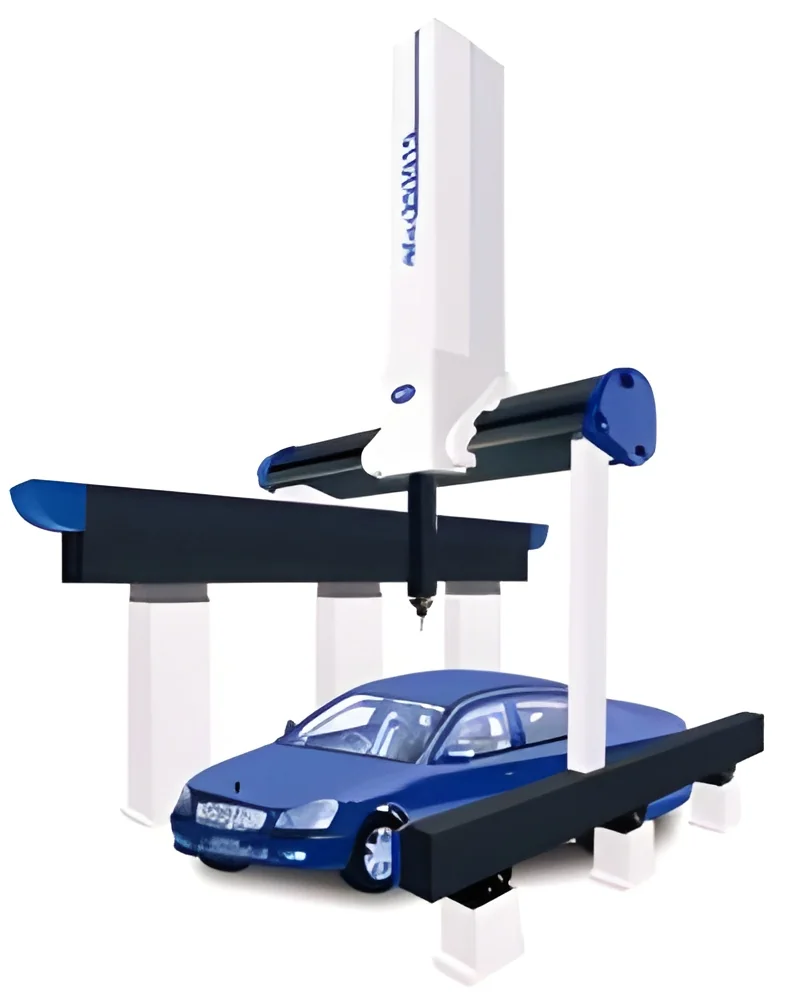
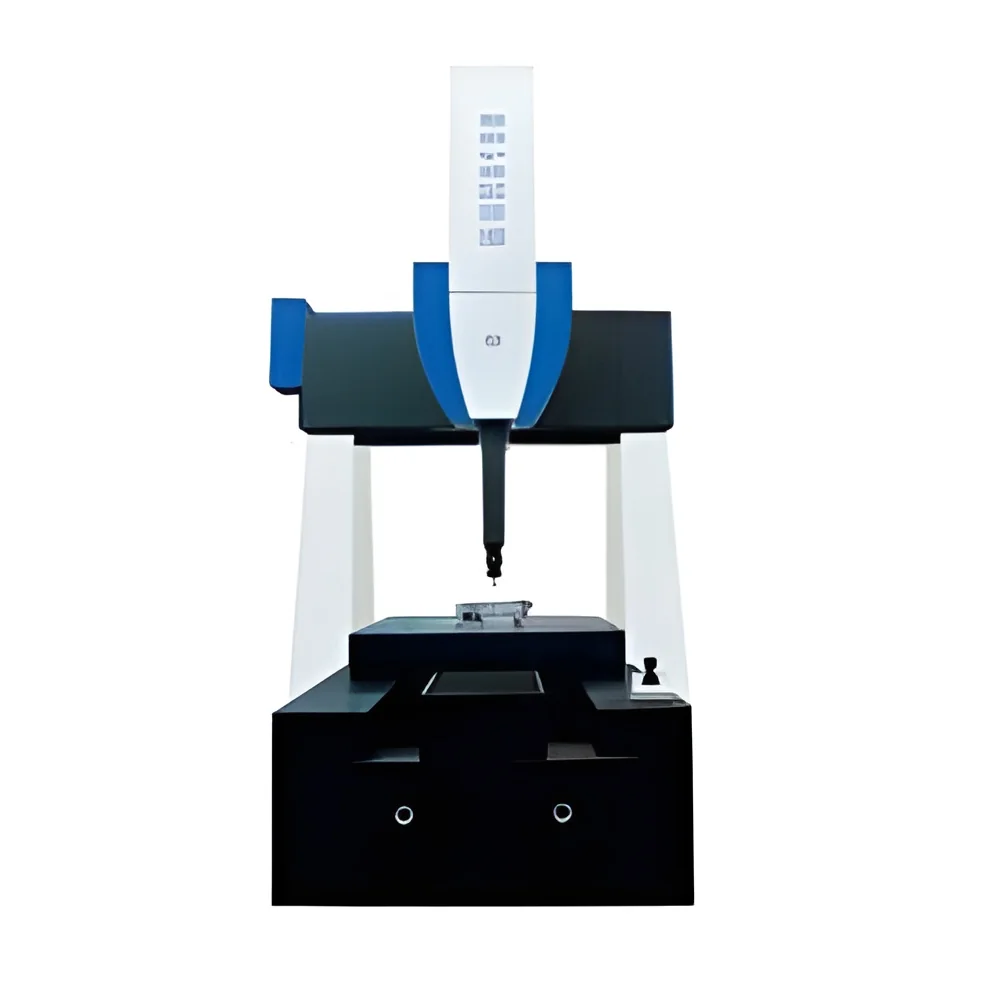
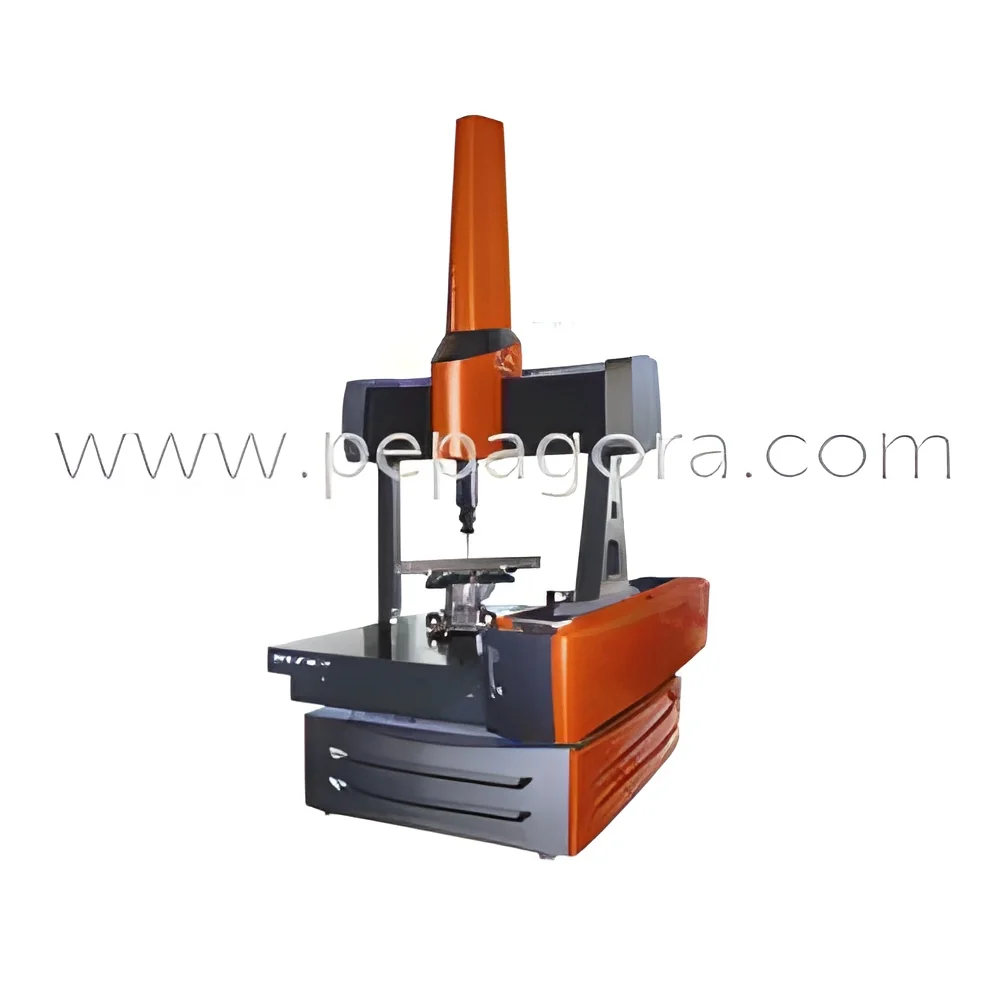
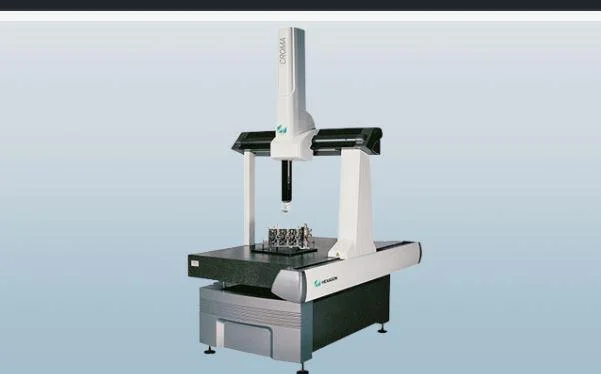
Bridge CMMs feature a bridge-like structure that provides stability and accuracy for large measurements. They are ideal for shop floor environments and are commonly used in automotive and aerospace industries.
Arm CMM
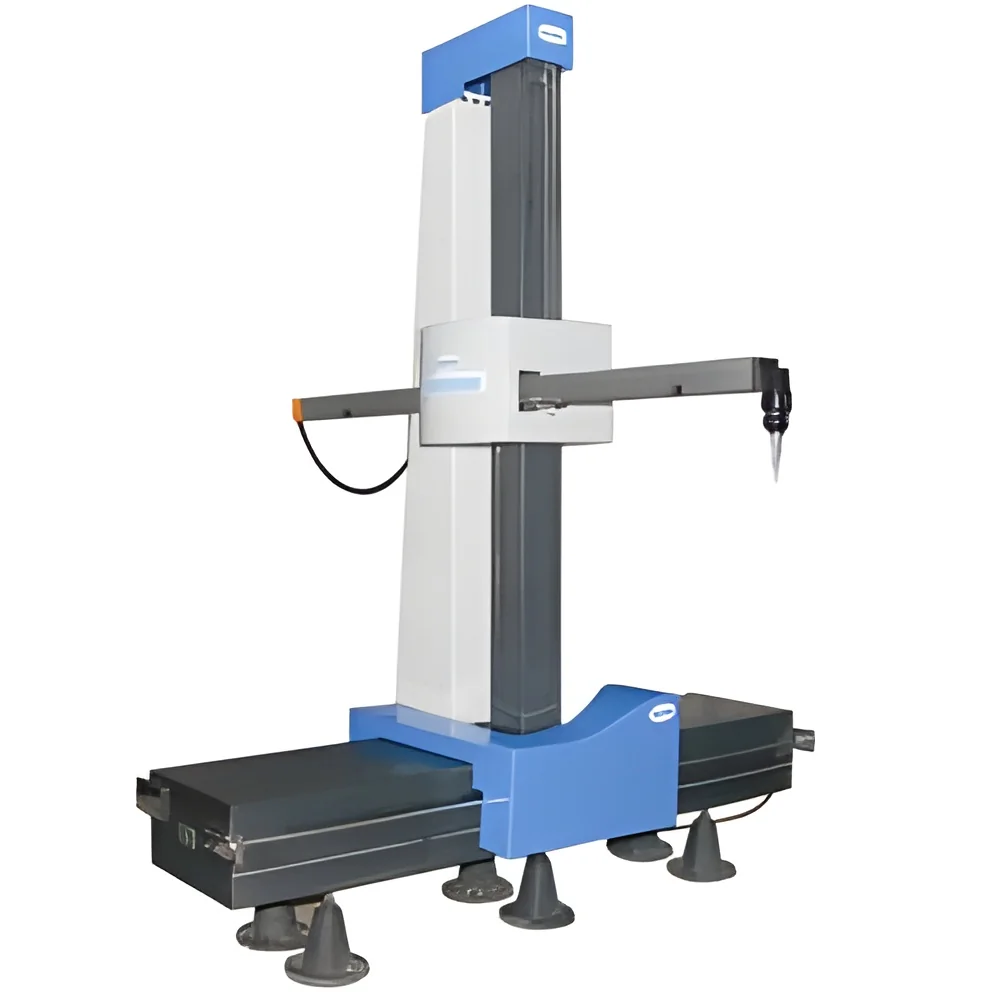
Arm CMMs are portable and designed for large parts measurement. Their flexibility allows for easy access to complex geometries, making them suitable for field applications and quality control.
Horizontal Arm CMM
This variant is designed for measuring large, heavy components. The horizontal arm design allows for easy access and is commonly used in manufacturing environments.
Benefits and Advantages
The use of Coordinate Measuring Machines offers several significant advantages for businesses.
1. Enhanced Accuracy: CMMs provide precise measurements, reducing the risk of errors in production processes.
2. Increased Efficiency: Automated CMMs can perform measurements faster than manual methods, leading to higher throughput.
3. Data-Driven Insights: CMMs can generate detailed reports, helping businesses analyze performance and improve processes.
4. Quality Assurance: Regular use of CMMs ensures that products meet stringent quality standards, boosting customer satisfaction.
5. Cost Savings: By identifying measurement errors early in production, CMMs help reduce waste and rework costs.
6. Versatility: CMMs can measure a wide variety of materials and components, making them adaptable to different industries and applications.
Buying Guide for B2B Buyers
When sourcing Coordinate Measuring Machines, several key factors should be considered to ensure a successful purchase.
1. Quality Assessment: Look for machines that meet established quality standards. Consider accuracy, repeatability, and features that align with your specific needs.
2. Supplier Verification: Vet potential suppliers thoroughly. Check for customer reviews, industry reputation, and certifications to ensure reliability.
3. Pricing and MOQ: Understand the pricing structure and minimum order quantities. This will help in budgeting and planning your procurement.
4. Delivery and Lead Times: Inquire about the expected delivery times and logistics involved in shipping the CMM to your location.
5. Compliance Requirements: Ensure the CMM meets relevant regulatory and industry standards, such as CE certification, to avoid compliance issues.
Compliance and Certifications
Coordinate Measuring Machines are subject to various quality standards and certifications that ensure their reliability and safety in industrial applications.
ISO 9001 is a widely recognized quality management standard that ensures manufacturers maintain effective processes to improve customer satisfaction. Compliance with this standard is crucial for businesses aiming for excellence.
CE certification is essential in the European market, indicating that the product meets health, safety, and environmental protection standards. This certification is critical for manufacturers seeking to sell CMMs in Europe.
Additionally, safety and testing requirements must be adhered to, ensuring that CMMs operate safely within specified parameters. Regional compliance considerations may vary, so it is important for buyers to be aware of local regulations and standards.
Why Source Coordinate Measuring Machines (CMM) from Pepagora?
Pepagora provides a trusted platform for sourcing Coordinate Measuring Machines, offering several key advantages to B2B buyers.
Verified Supplier Network: Pepagora features a network of verified suppliers, ensuring that buyers connect with reputable manufacturers. This reduces the risk of sourcing low-quality products.
Streamlined RFQ Process: The platform's request for quotation (RFQ) process simplifies procurement. Buyers can easily request quotes and compare offers from multiple suppliers.
Trade Assurance and Support: Pepagora offers trade assurance, providing protection for buyers throughout the procurement process. Support services are available to assist with any inquiries or issues.
Regional Coverage: With a strong presence in India, the GCC, and Southeast Asia, Pepagora facilitates access to CMMs across diverse markets, making it easier for businesses to find suitable products.

 India
 India
 India
 India
 India
 India

 India
 India
Frequently Asked Questions
What are Coordinate Measuring Machines (CMM)?
Coordinate Measuring Machines (CMM) are advanced devices used to measure the physical geometrical characteristics of an object. They can be operated manually or controlled via computer and utilize a probe to touch the surface of the object being measured, providing precise dimensional data.
What are the different types of Coordinate Measuring Machines (CMM)?
There are several types of Coordinate Measuring Machines (CMM), including bridge CMMs, cantilever CMMs, and articulated arm CMMs. Each type has its unique structure and functionality, catering to different measurement needs and environments.
How do I choose the right Coordinate Measuring Machines (CMM)?
Choosing the right Coordinate Measuring Machine (CMM) involves considering factors such as the size of the parts to be measured, the required accuracy, and the measurement environment. Additionally, evaluating the software capabilities and support services offered by manufacturers is crucial.
What are the standard specifications for Coordinate Measuring Machines (CMM)?
Standard specifications for Coordinate Measuring Machines (CMM) typically include measurement range, accuracy, repeatability, and probe types. These specifications can vary significantly based on the type of CMM and its intended application.
What is the price range for Coordinate Measuring Machines (CMM)?
The price range for Coordinate Measuring Machines (CMM) can vary widely, typically starting from a few thousand dollars for basic models and going up to several hundred thousand dollars for high-end, advanced systems. Factors influencing price include size, accuracy, and additional features.
What quality standards apply to Coordinate Measuring Machines (CMM)?
Coordinate Measuring Machines (CMM) must adhere to various quality standards, including ISO 10360 and ASME B89.4. These standards ensure that the machines provide accurate and reliable measurements, essential for quality control in manufacturing.
Where can I find Coordinate Measuring Machines (CMM) suppliers in India?
Coordinate Measuring Machines (CMM) suppliers in India can be found through various B2B marketplaces, industrial trade shows, and manufacturer directories. Online platforms like Pepagora.com provide a comprehensive list of verified suppliers and manufacturers.
Can Coordinate Measuring Machines (CMM) be customized?
Yes, Coordinate Measuring Machines (CMM) can often be customized to meet specific measurement needs or accommodate unique parts. Customization options may include different probe types, software features, and measurement configurations.
What is the typical minimum order quantity for Coordinate Measuring Machines (CMM)?
The typical minimum order quantity (MOQ) for Coordinate Measuring Machines (CMM) can vary depending on the supplier and machine type. Generally, for customized or specialized CMMs, the MOQ may be one unit, while bulk orders may attract different MOQ conditions.
What is the typical lead time for Coordinate Measuring Machines (CMM)?
The typical lead time for Coordinate Measuring Machines (CMM) can range from a few weeks to several months, depending on the complexity and customization of the machine. It is advisable to check with suppliers for specific timelines based on your order requirements.
Why Businesses Trust Pepagora
Thousands of companies trust Pepagora to source smarter and sell faster
Expand Your Sales Globally

Source Smarter,Grow Faster
