𝗪𝗵𝗮𝘁 𝗮𝗿𝗲 𝗧𝗲𝘅𝘁𝗶𝗹𝗲 𝗠𝗮𝗰𝗵𝗶𝗻𝗲𝗿𝘆?
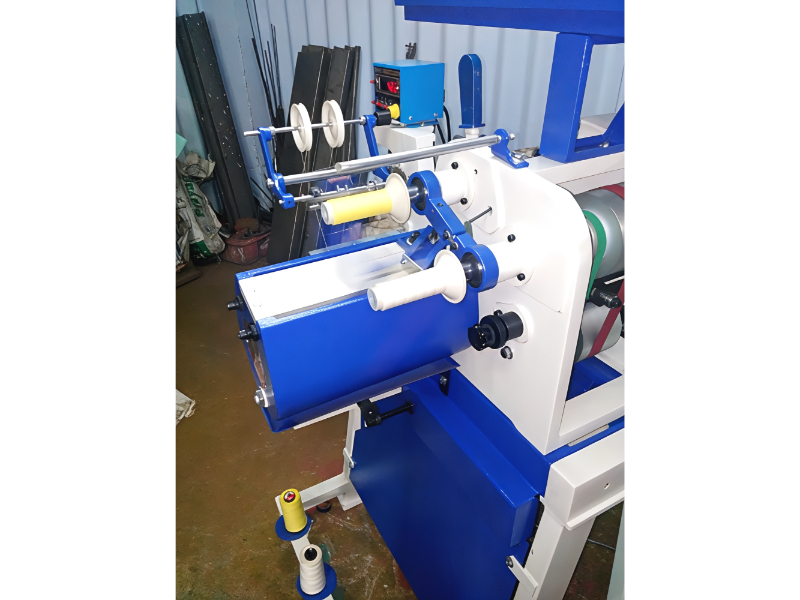
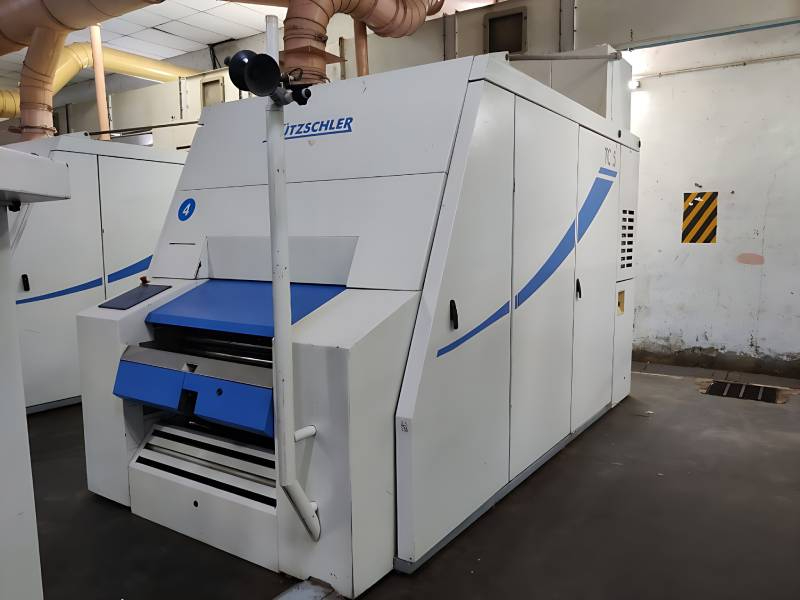
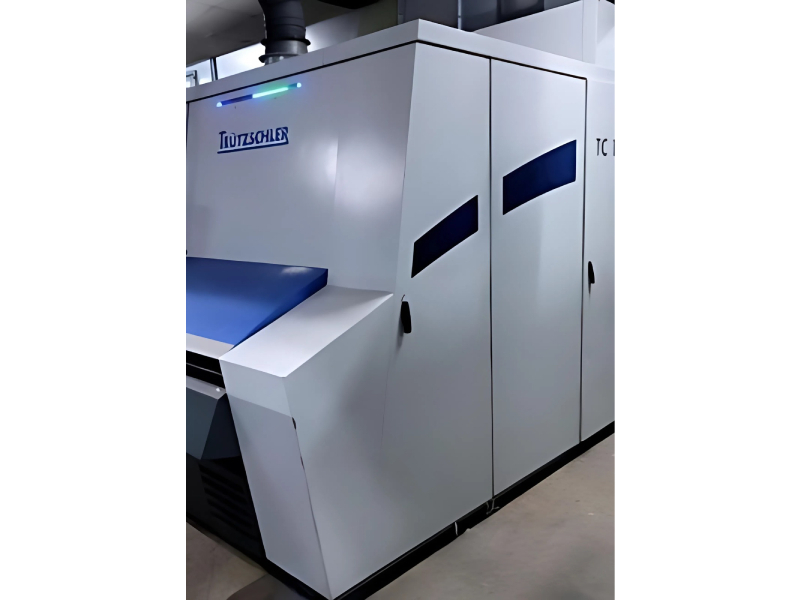
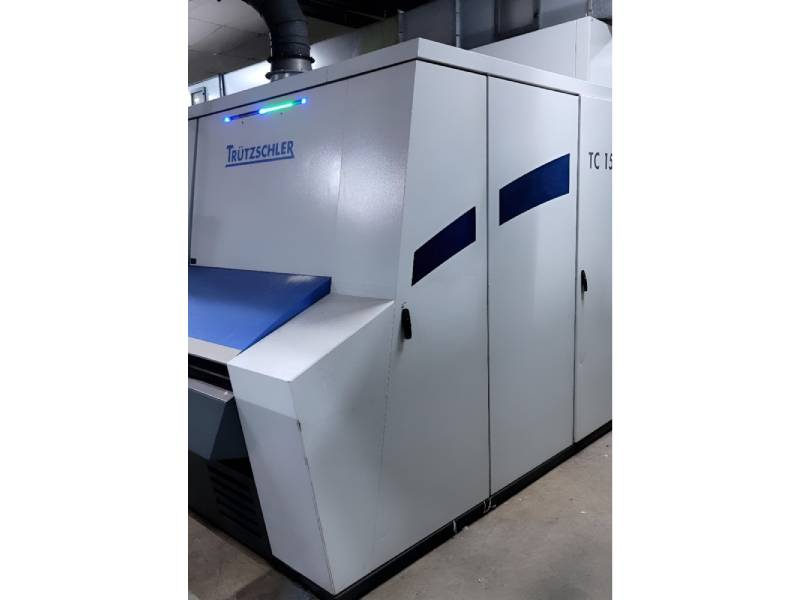
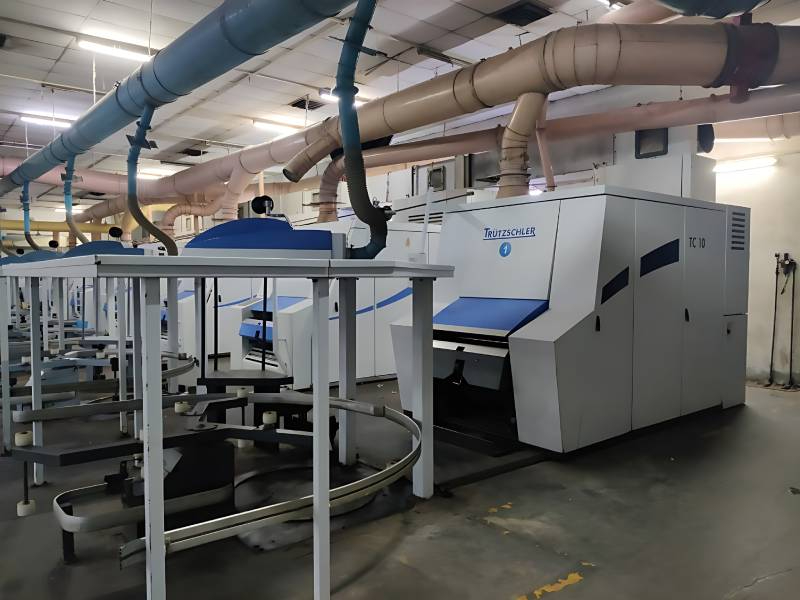
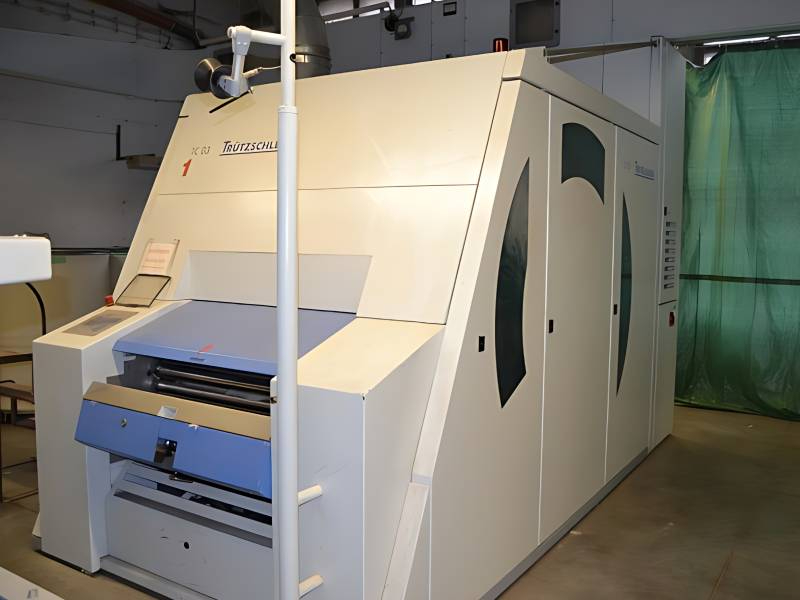
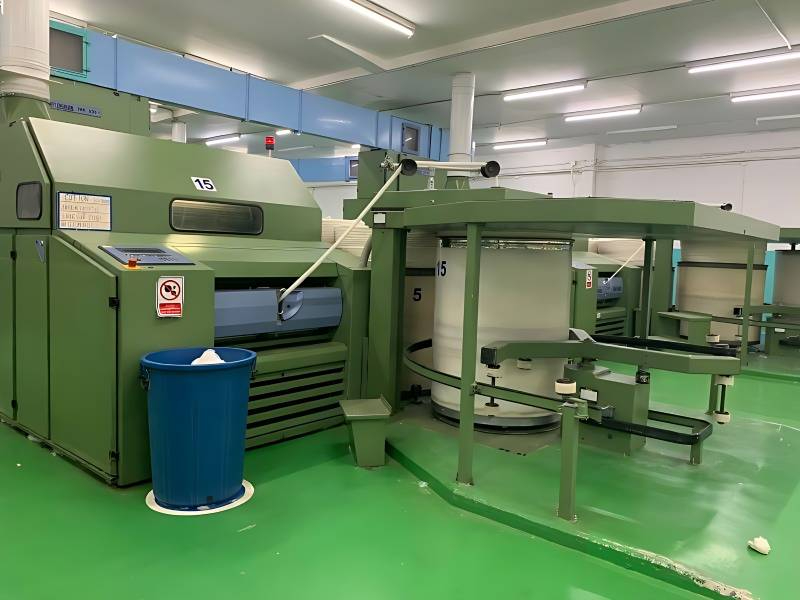
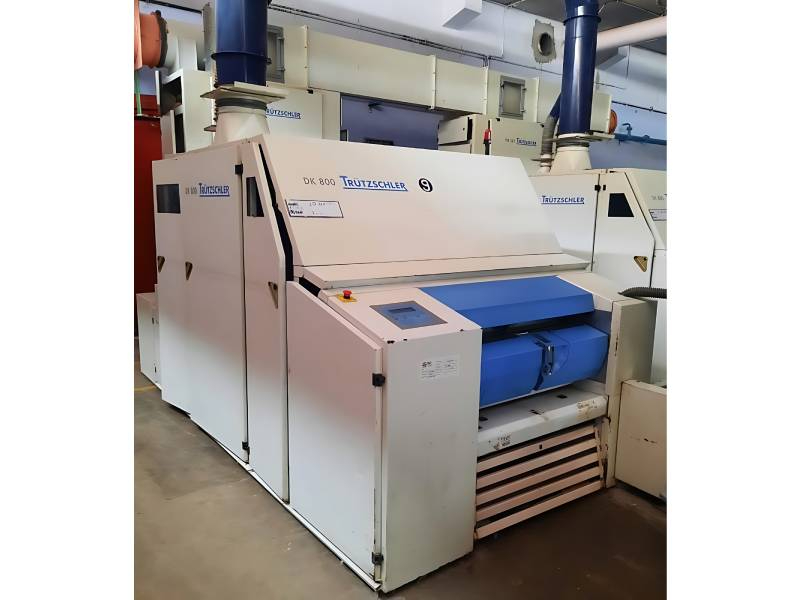
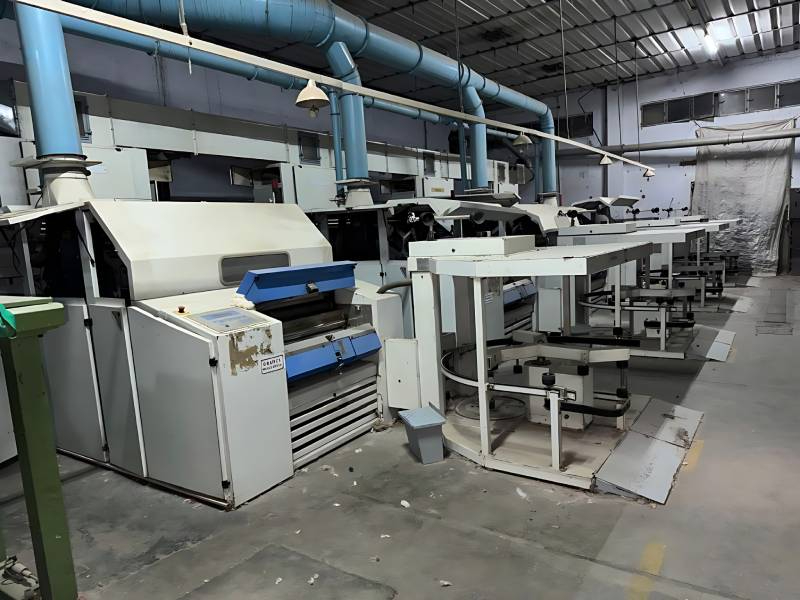
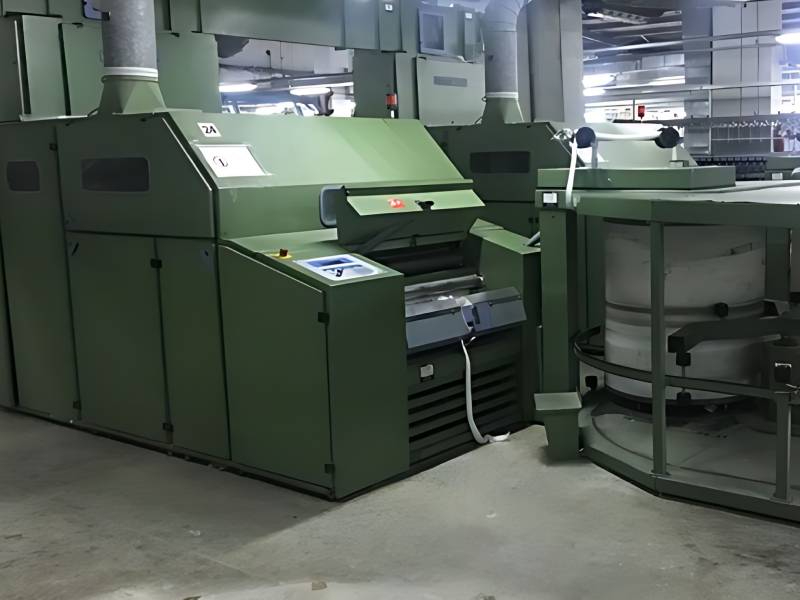
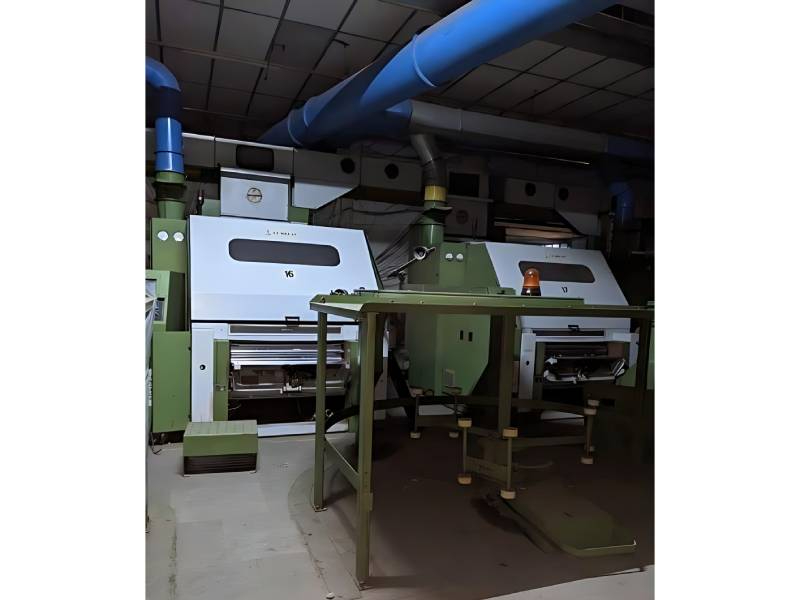
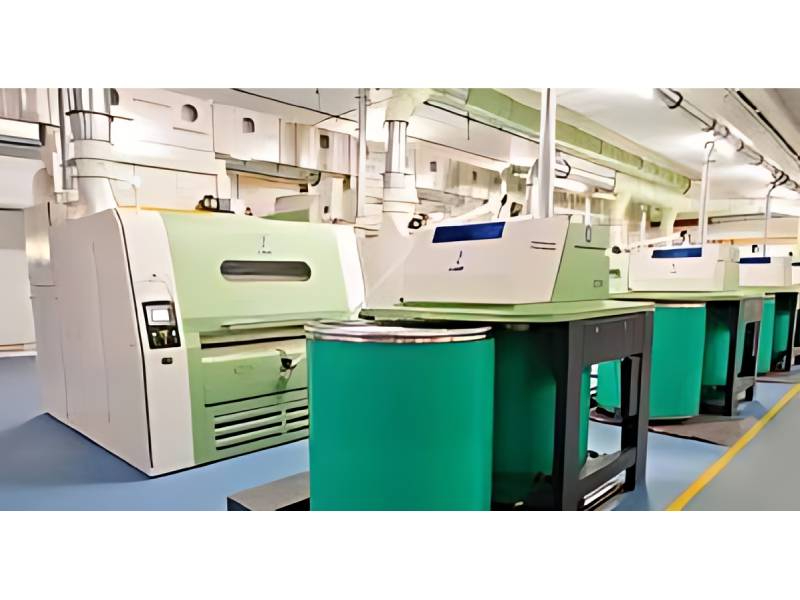
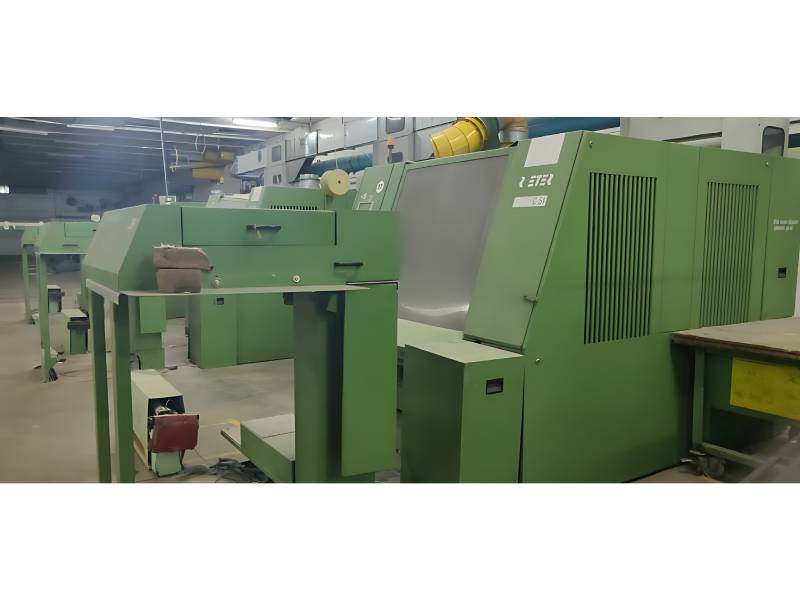
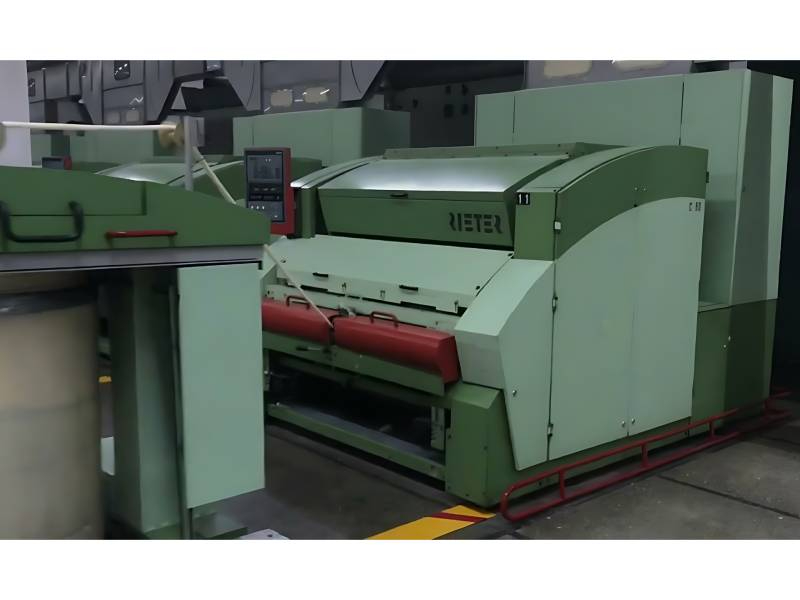
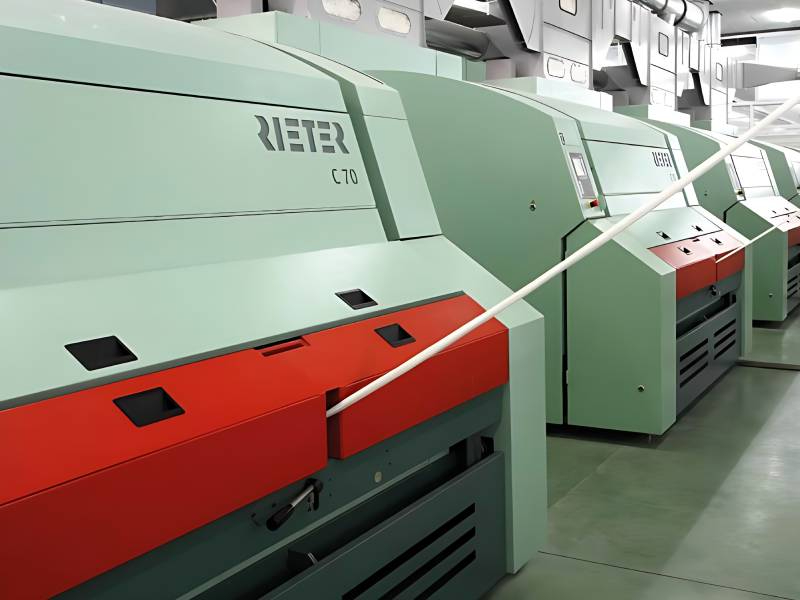
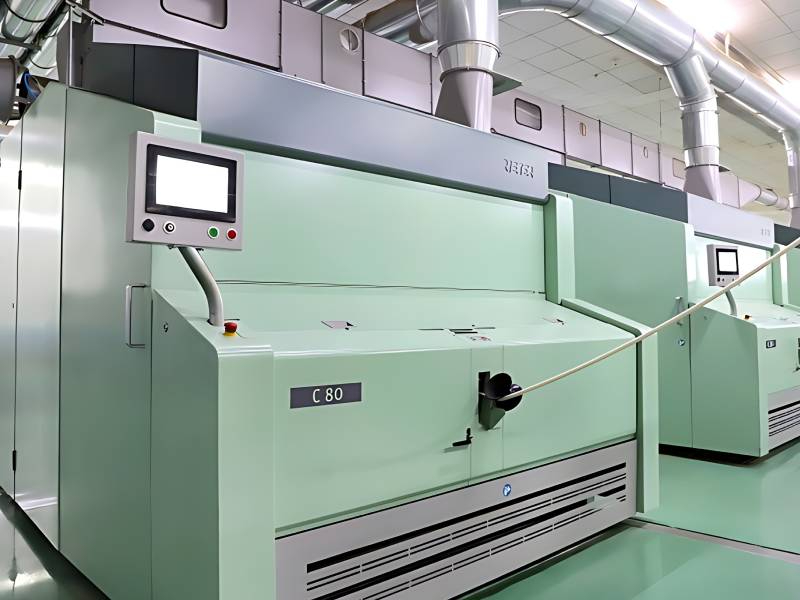
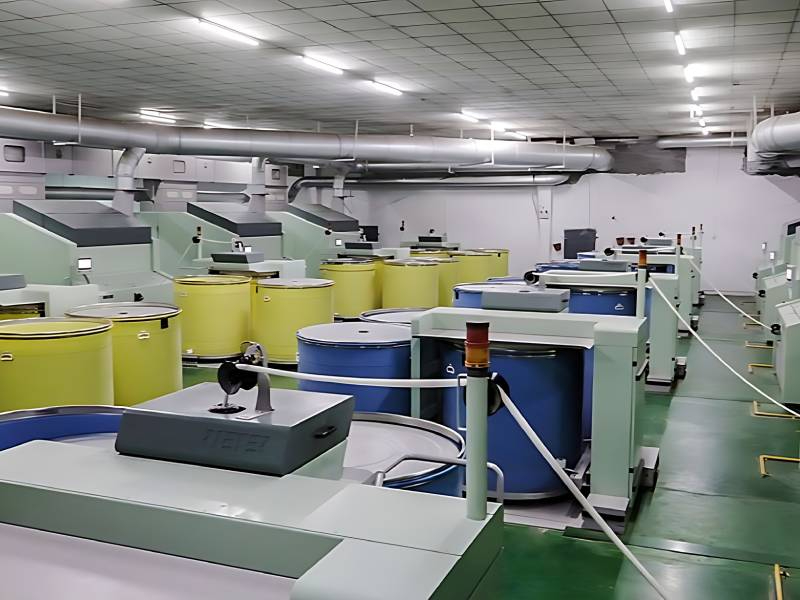
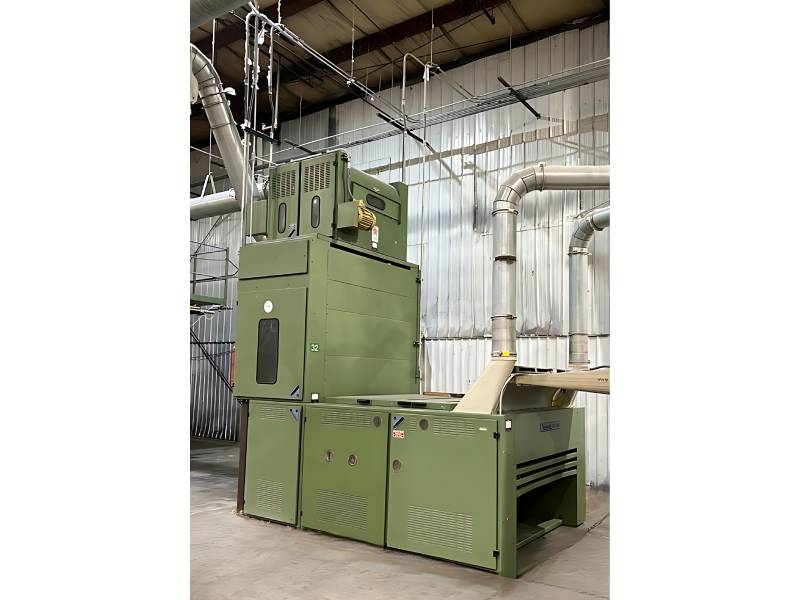
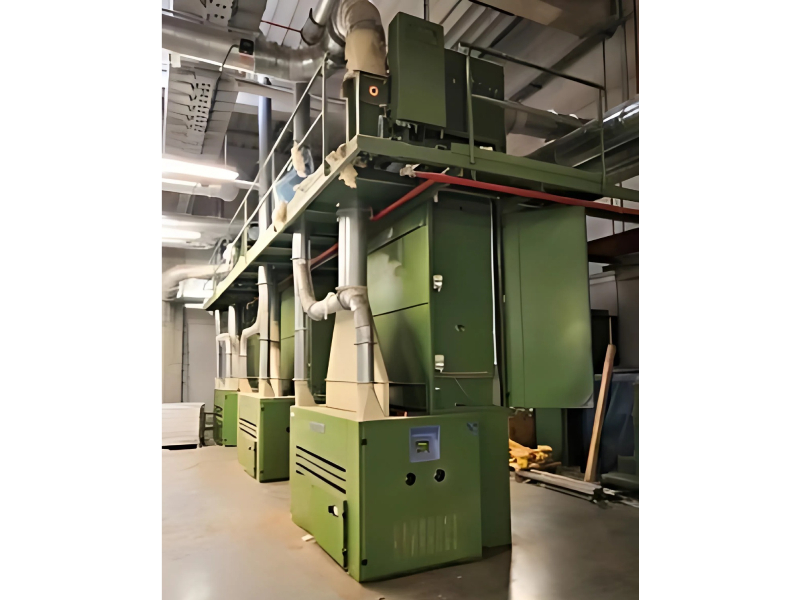
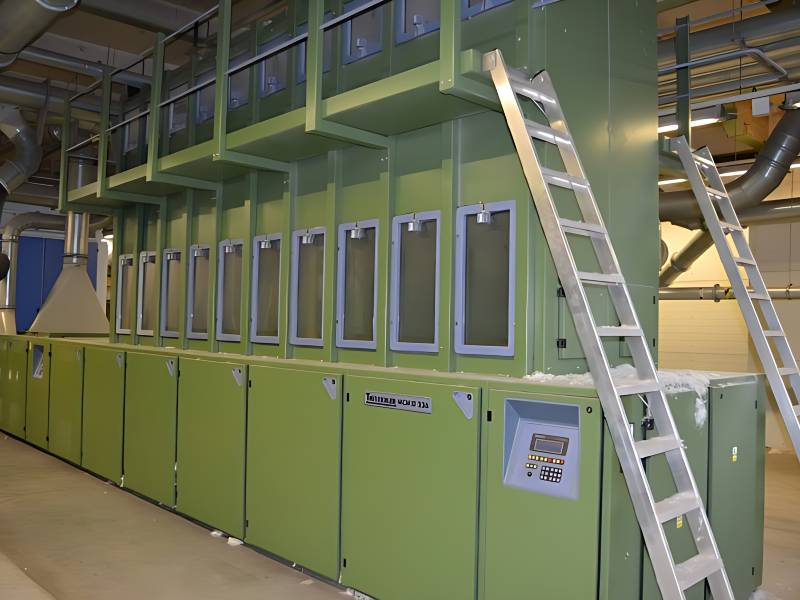
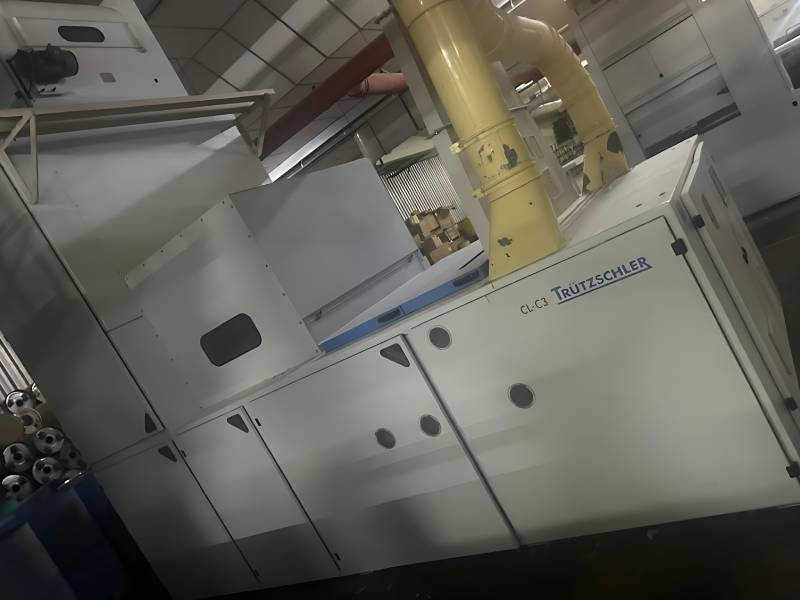
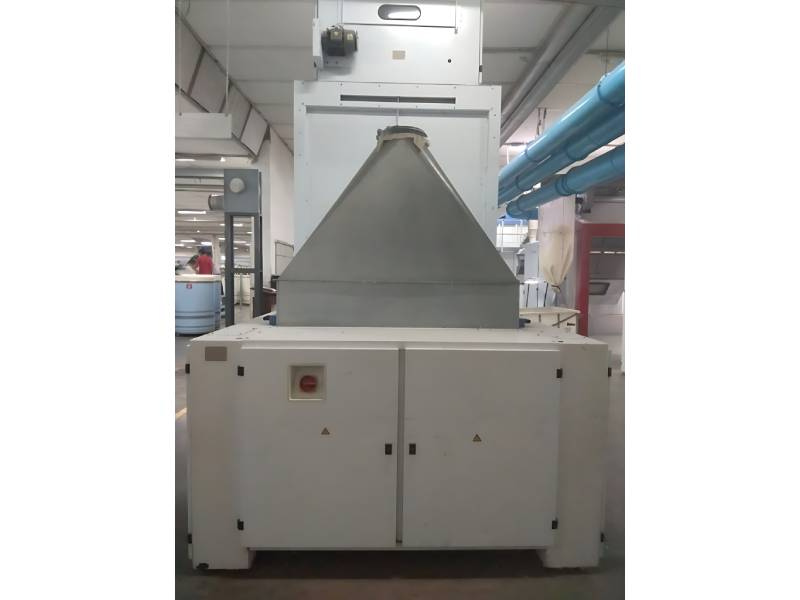
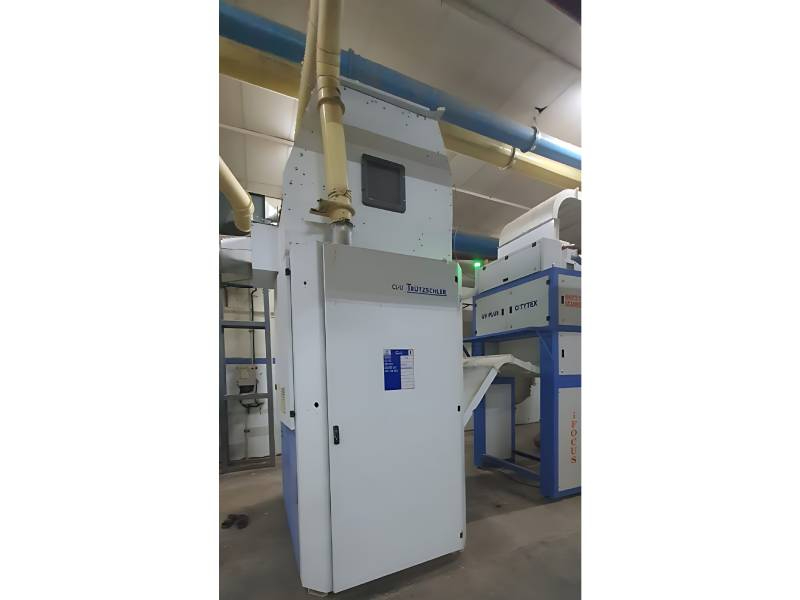
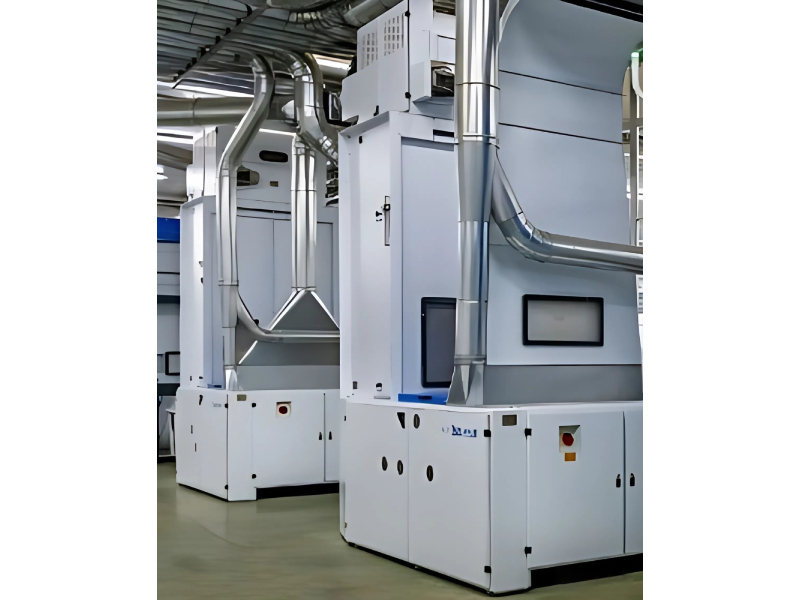
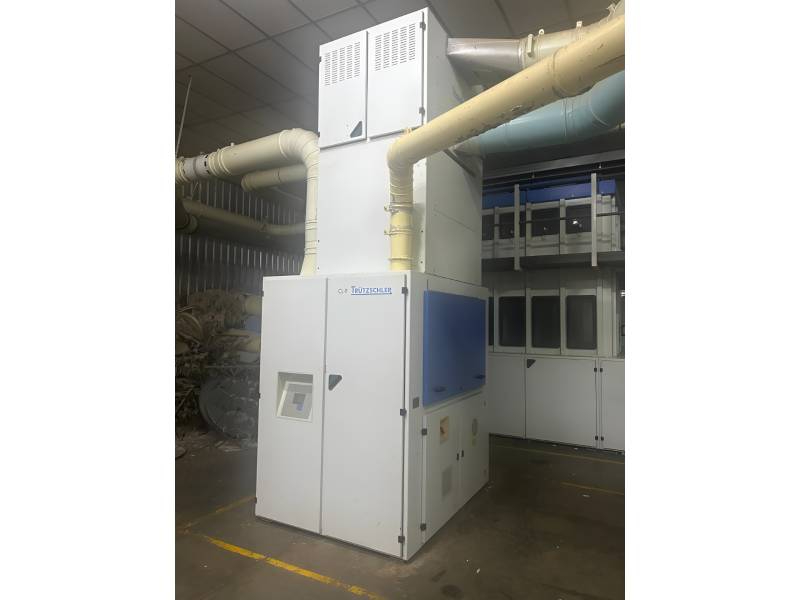
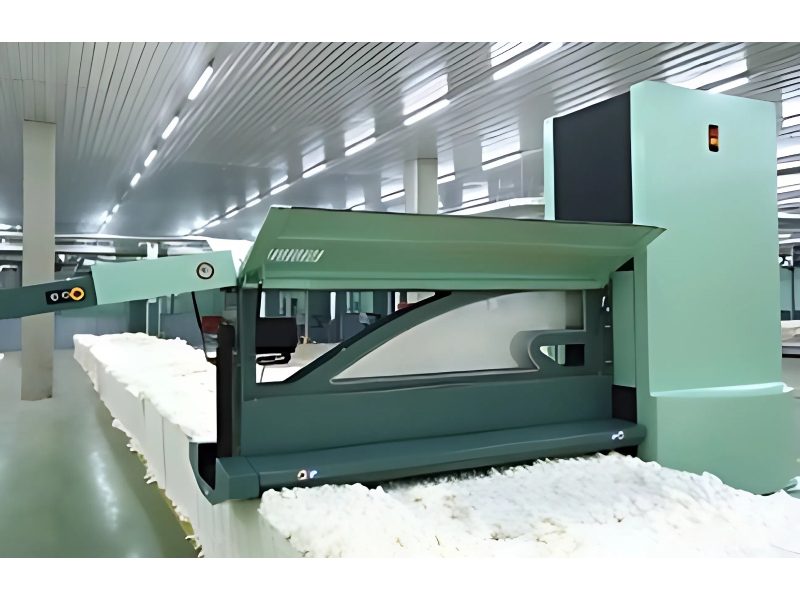
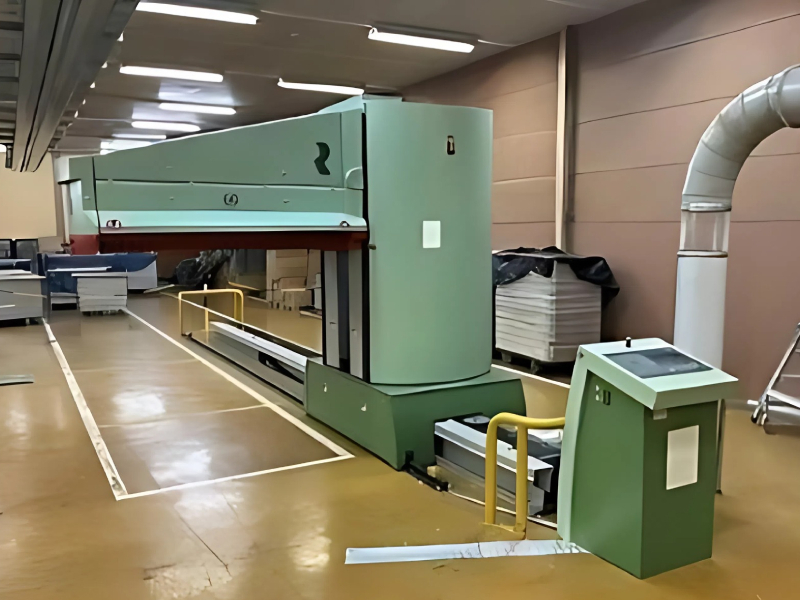
Textile machinery refers to the various machines and equipment used in the production and processing of textiles. This includes machinery used for spinning, weaving, knitting, dyeing, printing, and finishing fabrics. The range of textile machinery is extensive, incorporating both large-scale industrial machines and smaller equipment for specialized tasks. These machines are essential for transforming raw materials, such as cotton, wool, and synthetic fibers, into finished textiles suitable for various applications.
The primary uses of textile machinery include the production of fabrics for apparel, home furnishings, and industrial applications. In addition, these machines are crucial for enhancing the quality and efficiency of textile production processes. Businesses in the fashion, automotive, and medical industries, among others, rely heavily on advanced textile machinery to meet their production demands. As the textile industry evolves, the focus is increasingly on automation and sustainability, making modern machinery a vital investment for businesses looking to remain competitive.
Textile machinery plays a significant role in the global textile market, which is continually growing. With innovations in technology and increasing demand for high-quality textile products, the industry is becoming increasingly efficient and productive. Companies that invest in advanced textile machinery can achieve faster production times and improved product quality, positioning themselves favorably in the market.
𝗞𝗲𝘆 𝗙𝗲𝗮𝘁𝘂𝗿𝗲𝘀 𝗮𝗻𝗱 𝗦𝗽𝗲𝗰𝗶𝗳𝗶𝗰𝗮𝘁𝗶𝗼𝗻𝘀
When considering textile machinery, understanding key features and specifications is essential. These specifications not only influence the performance of the machinery but also impact the overall cost and efficiency of production processes.
Key specifications include:
1. Production Capacity
- Indicates the amount of fabric produced per hour or day
- Typically ranges from small-scale to large-scale production capabilities
2. Power Consumption
- Defines the electrical power required for operation
- Measured in kilowatts (kW) and varies by machine type
3. Machine Dimensions
- Refers to the physical size of the equipment
- Important for space planning in manufacturing setups
4. Automation Level
- Determines the extent of automated features such as programmable settings
- Ranges from manual to fully automated systems
5. Material Compatibility
- Specifies the types of fabrics or fibers the machine can process
- Includes natural and synthetic materials
6. Maintenance Requirements
- Outlines the frequency and type of maintenance needed
- Ensures long-term operational efficiency
7. Safety Features
- Includes emergency stops, guards, and other safety mechanisms
- Critical for compliance with industry safety standards
8. Warranty and Support
- Indicates the duration and coverage of manufacturer warranties
- Essential for ensuring ongoing support and service availability
Investing in the right textile machinery with these specifications can lead to enhanced productivity and reduced operational costs.
𝗖𝗼𝗺𝗺𝗼𝗻 𝗔𝗽𝗽𝗹𝗶𝗰𝗮𝘁𝗶𝗼𝗻𝘀 𝗮𝗻𝗱 𝗨𝘀𝗲 𝗖𝗮𝘀𝗲𝘀
Textile machinery serves various industries, each with specific applications that leverage the capabilities of these machines.
1. Apparel Industry: Textile machinery is used for weaving and knitting fabrics that are then fashioned into clothing items. High-speed machines improve efficiency in mass production.
2. Home Furnishings: Machines produce upholstery fabrics, curtains, and other home textile products, allowing for customization and diverse design options.
3. Automotive Industry: Specialized textile machinery creates fabrics used in vehicle interiors, including seat covers and safety belts, focusing on durability and performance.
4. Medical Textiles: Machinery processes fabrics that are used for medical applications, such as surgical gowns and bandages, emphasizing hygiene and safety.
5. Technical Textiles: Textile machinery is instrumental in producing materials for industrial applications, including geotextiles and composites, which require specific performance characteristics.
6. Footwear Manufacturing: Machines are utilized to create diverse materials for shoes, ensuring comfort and style while meeting production needs.
7. Nonwoven Fabrics: Textile machinery is essential for producing nonwoven materials used in various applications, from hygiene products to industrial filters.
𝗣𝗿𝗼𝗱𝘂𝗰𝘁 𝗩𝗮𝗿𝗶𝗮𝗻𝘁𝘀 𝗮𝗻𝗱 𝗦𝘂𝗯𝗰𝗮𝘁𝗲𝗴𝗼𝗿𝗶𝗲𝘀
Textile machinery is diverse, with various models designed to meet different production needs.
Weaving Machines
Weaving machines are designed to interlace yarns to create fabric. They come in various types, including shuttle and shuttleless looms, optimized for speed and versatility in fabric production.
Knitting Machines
These machines knit yarns into fabric, allowing for the production of stretchable materials. They are crucial for producing garments that require elasticity and comfort.
Dyeing Machines
Dyeing machines are used to add color to fabrics. They come with advanced features for temperature control and dyeing consistency, essential for achieving vibrant colors.
Finishing Machines
These machines provide the final treatments to fabrics, enhancing their qualities. They can include processes such as softening, water repellency, and anti-wrinkle treatments.
𝗕𝗲𝗻𝗲𝗳𝗶𝘁𝘀 𝗮𝗻𝗱 𝗔𝗱𝘃𝗮𝗻𝘁𝗮𝗴𝗲𝘀
Investing in textile machinery brings numerous benefits to manufacturers.
Key benefits include:
1. Increased Efficiency: Modern textile machinery is designed for high-speed production, significantly reducing the time needed to create textiles.
2. Improved Quality: Advanced technology in textile machinery ensures consistent quality and precision in fabric production, meeting high industry standards.
3. Cost Savings: Efficient machinery leads to lower operational costs through reduced waste and energy consumption, improving overall profitability.
4. Customization Capabilities: Many machines offer flexibility in design, allowing manufacturers to produce a wide range of fabrics tailored to market demands.
5. Enhanced Safety: Modern textile machinery incorporates advanced safety features, helping to protect operators and reduce workplace accidents.
6. Sustainability: Newer machinery often includes eco-friendly technologies that minimize environmental impact, aligning production with sustainability goals.
𝗕𝘂𝘆𝗶𝗻𝗴 𝗚𝘂𝗶𝗱𝗲 𝗳𝗼𝗿 𝗕𝟮𝗕 𝗕𝘂𝘆𝗲𝗿𝘀
When sourcing textile machinery, businesses should consider several critical factors to ensure a suitable purchase.
1. Quality Assessment: Evaluate the quality of machinery by reviewing certifications and customer feedback. High-quality machines often lead to better output and reliability.
2. Supplier Verification: Conduct thorough due diligence on suppliers, including checking references and previous client experiences, to ensure they are reputable and reliable.
3. Pricing and MOQ: Understand the pricing structure and minimum order quantities (MOQ) required by suppliers. This will help in budgeting and managing inventory effectively.
4. Delivery and Lead Times: Assess supplier delivery timelines to ensure they align with your production schedules. Delays can impact your overall supply chain.
5. Compliance Requirements: Be aware of any industry standards and regulatory needs for machinery operation, including safety and environmental compliance.
𝗖𝗼𝗺𝗽𝗹𝗶𝗮𝗻𝗰𝗲 𝗮𝗻𝗱 𝗖𝗲𝗿𝘁𝗶𝗳𝗶𝗰𝗮𝘁𝗶𝗼𝗻𝘀
Compliance with industry standards and certifications is crucial for textile machinery. Relevant quality standards include ISO 9001, which ensures that manufacturers meet quality management systems. Additionally, compliance with regulations such as CE certification indicates that machinery meets European safety, health, and environmental protection standards.
Safety and testing requirements should be rigorously followed to ensure that machinery operates safely and efficiently. Businesses must also consider regional compliance, as different countries may have specific regulations that impact machinery operation and design.
𝗪𝗵𝘆 𝗦𝗼𝘂𝗿𝗰𝗲 𝗧𝗲𝘅𝘁𝗶𝗹𝗲 𝗠𝗮𝗰𝗵𝗶𝗻𝗲𝗿𝘆 𝗳𝗿𝗼𝗺 𝗣𝗲𝗽𝗮𝗴𝗼𝗿𝗮?
Pepagora provides a trusted platform for sourcing textile machinery, offering several key advantages for B2B buyers.
Verified Supplier Network: Pepagora maintains a rigorous verification process for suppliers, ensuring that only reputable manufacturers are featured on the platform. This helps buyers make informed decisions with confidence.
Streamlined RFQ Process: The platform offers a simplified Request for Quotation (RFQ) process, allowing buyers to easily request quotes from multiple suppliers. This saves time and enhances the purchasing experience.
Trade Assurance and Support: Pepagora offers buyer protection through trade assurance, ensuring that transactions are secure and that buyers receive the support they need throughout the purchasing process.
Regional Coverage: With a strong presence in India, the GCC, and Southeast Asia, Pepagora effectively connects buyers with suppliers across these regions, facilitating access to high-quality textile machinery tailored to various production needs.

 IN
IN