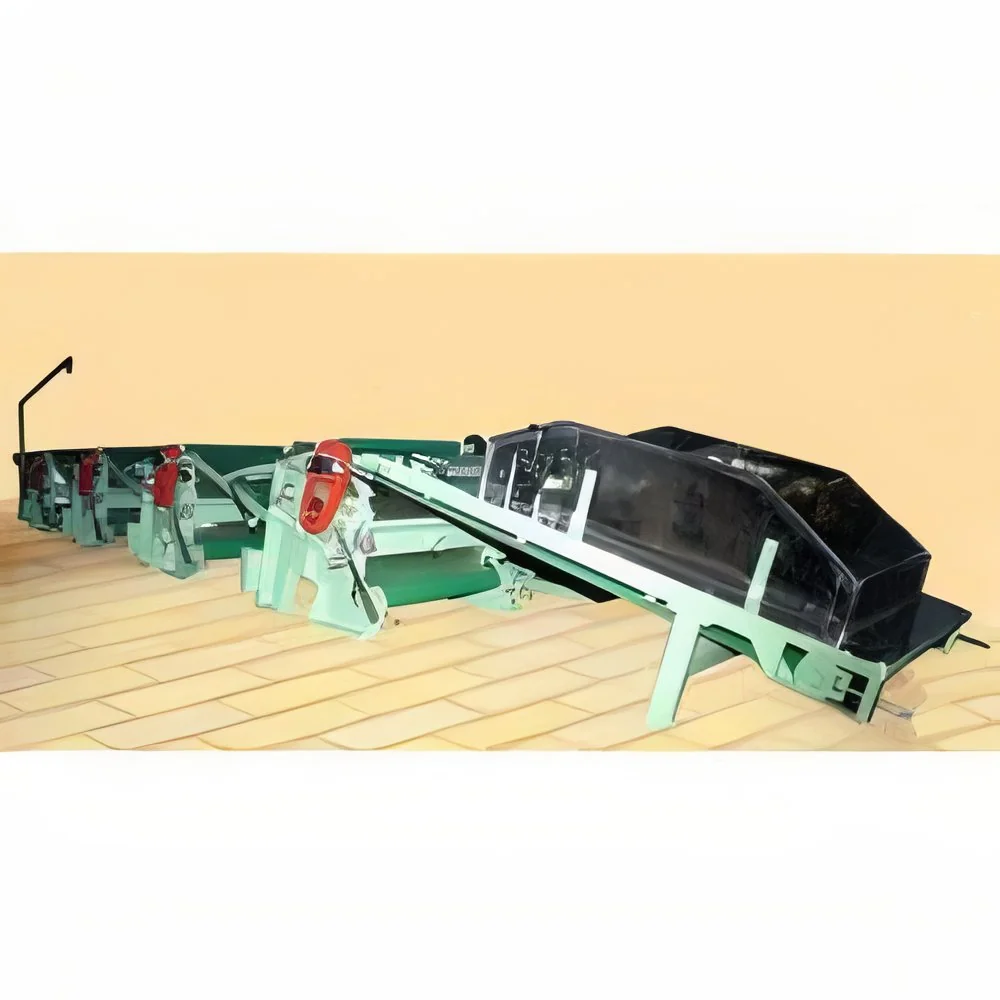
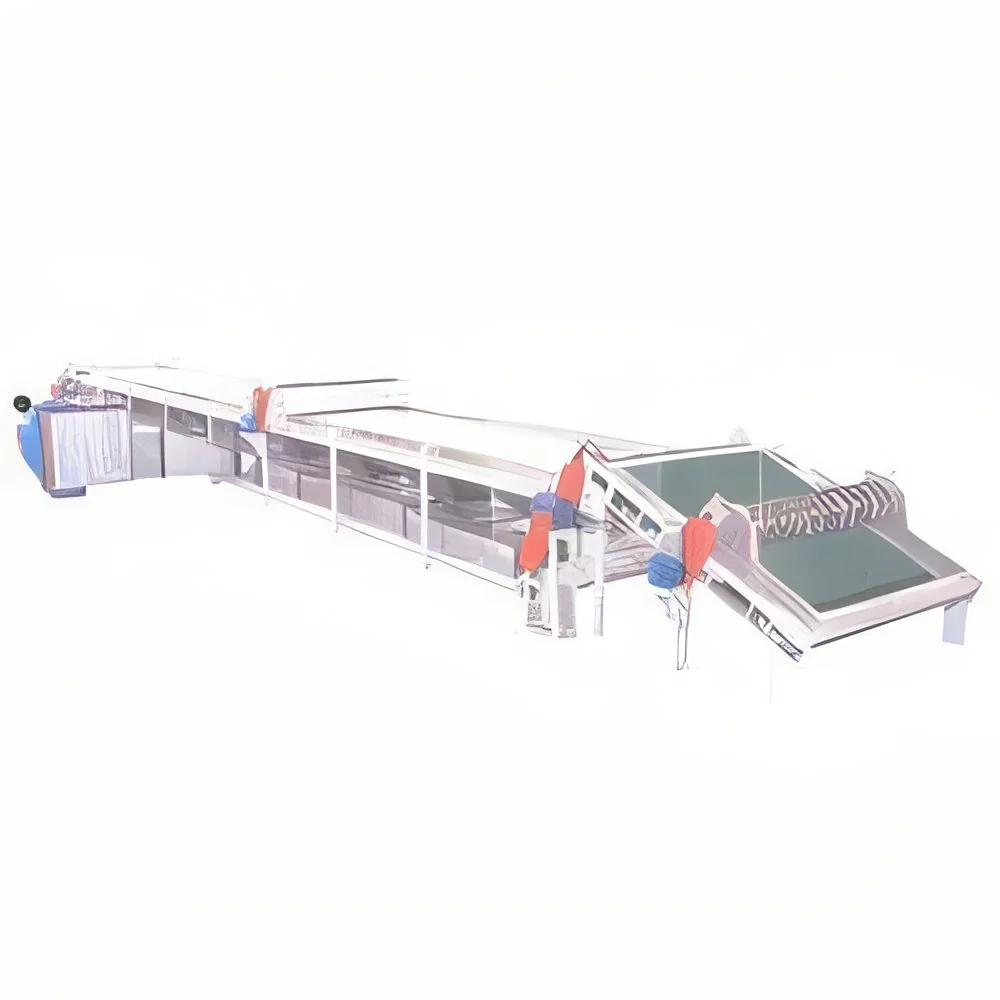
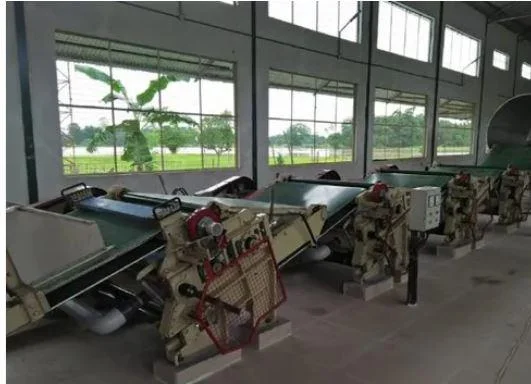
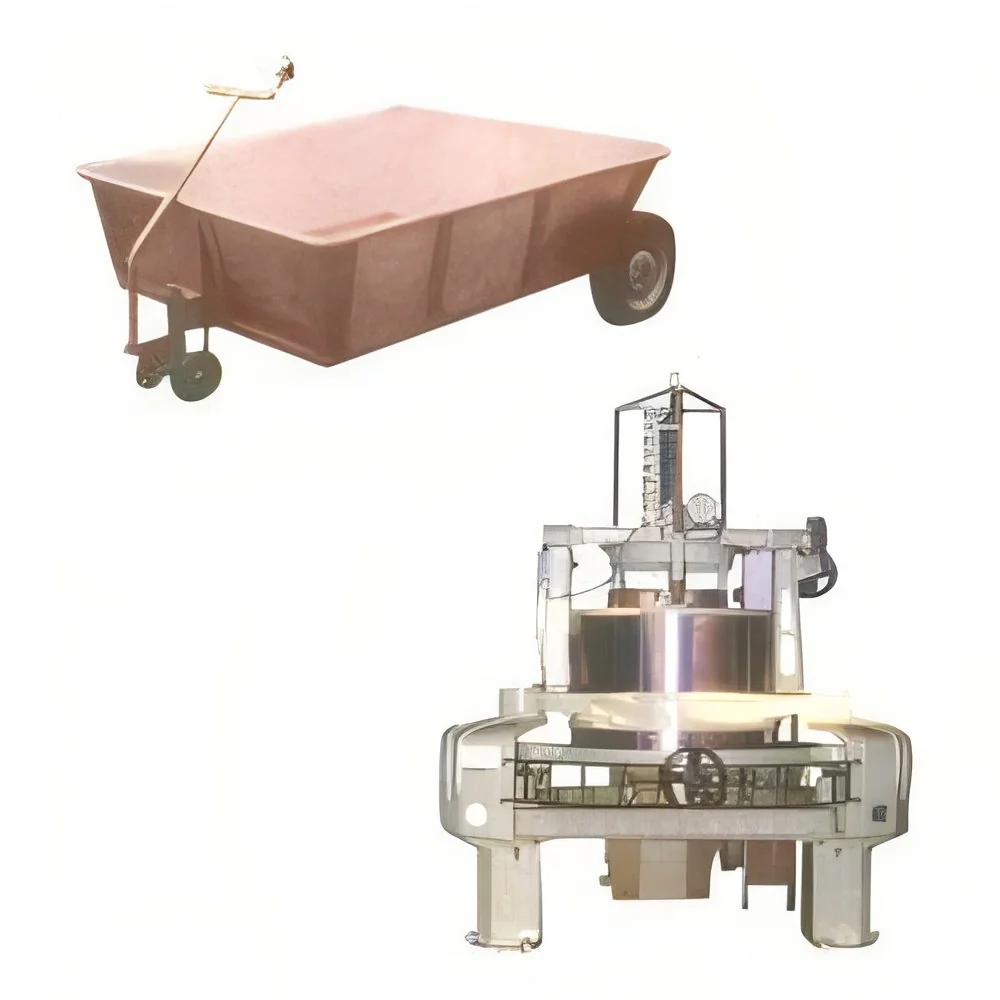
What are Tea & Coffee Processing Machines?
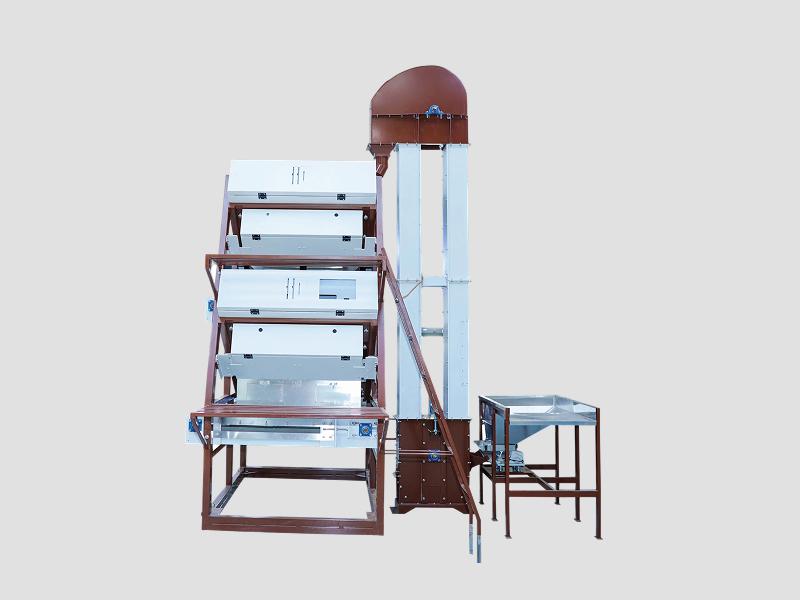
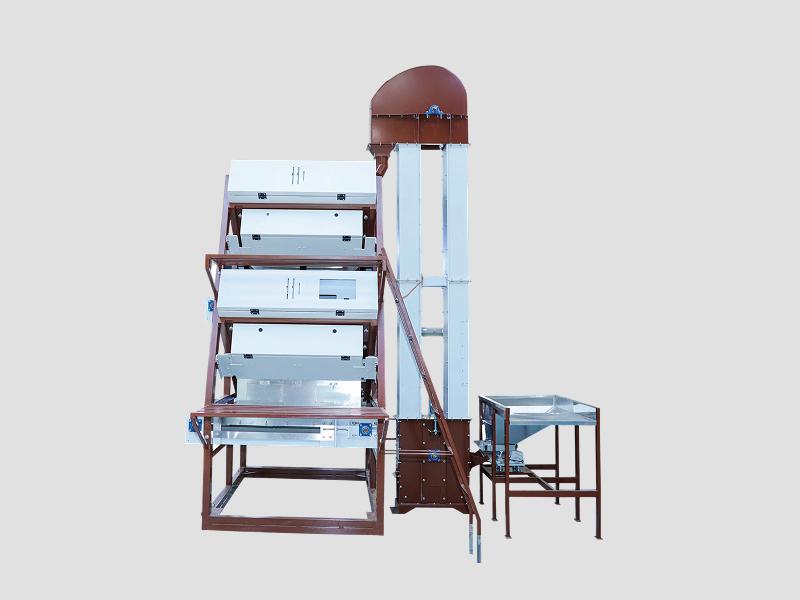
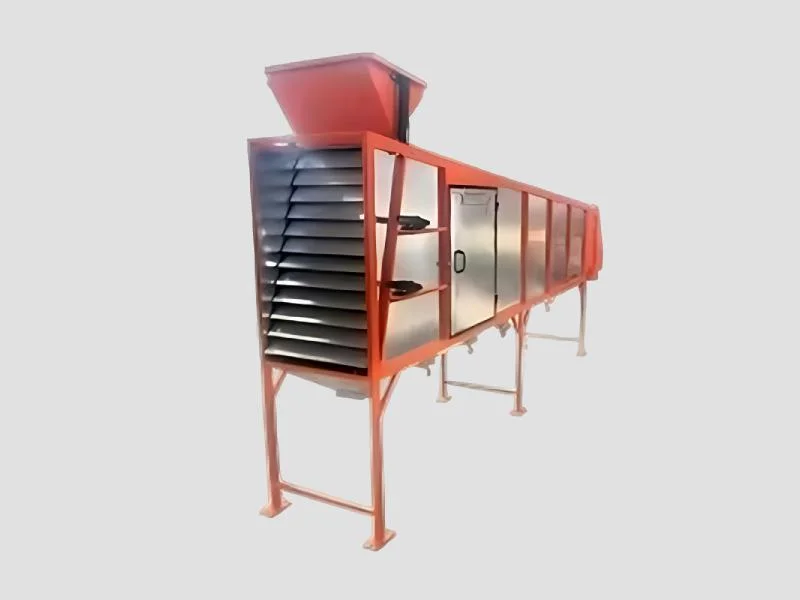
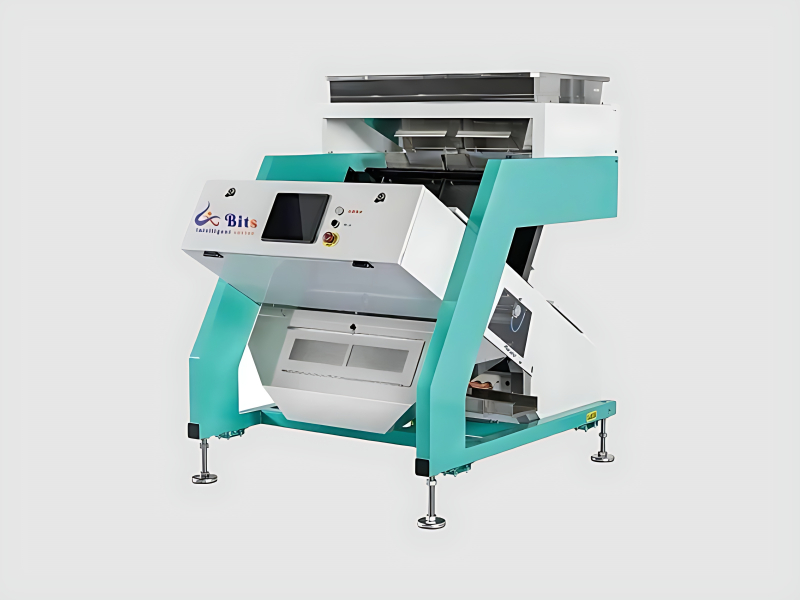
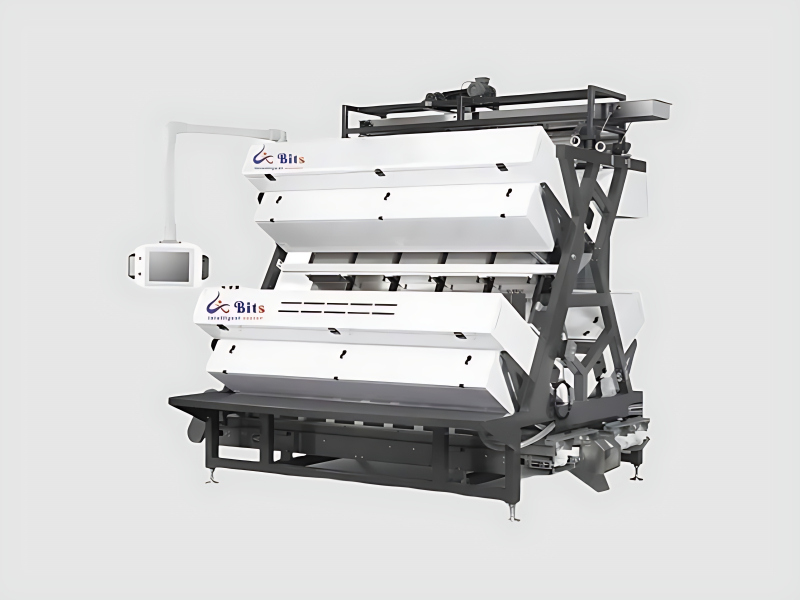
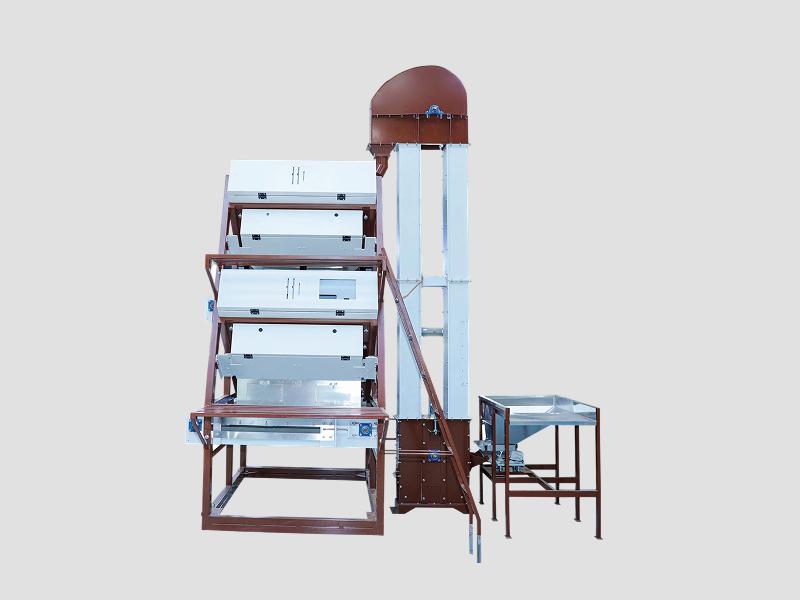
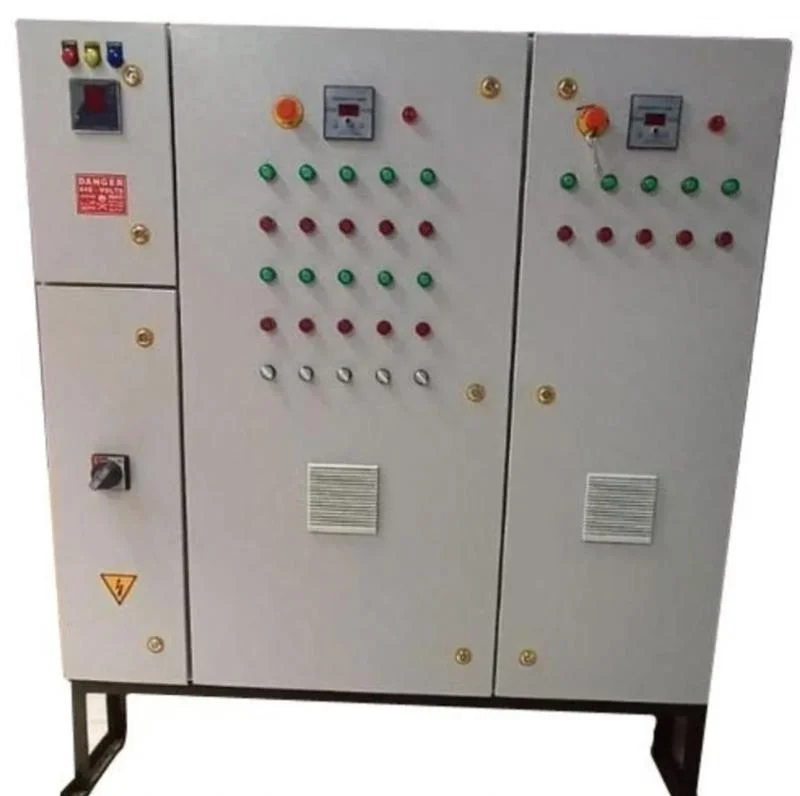
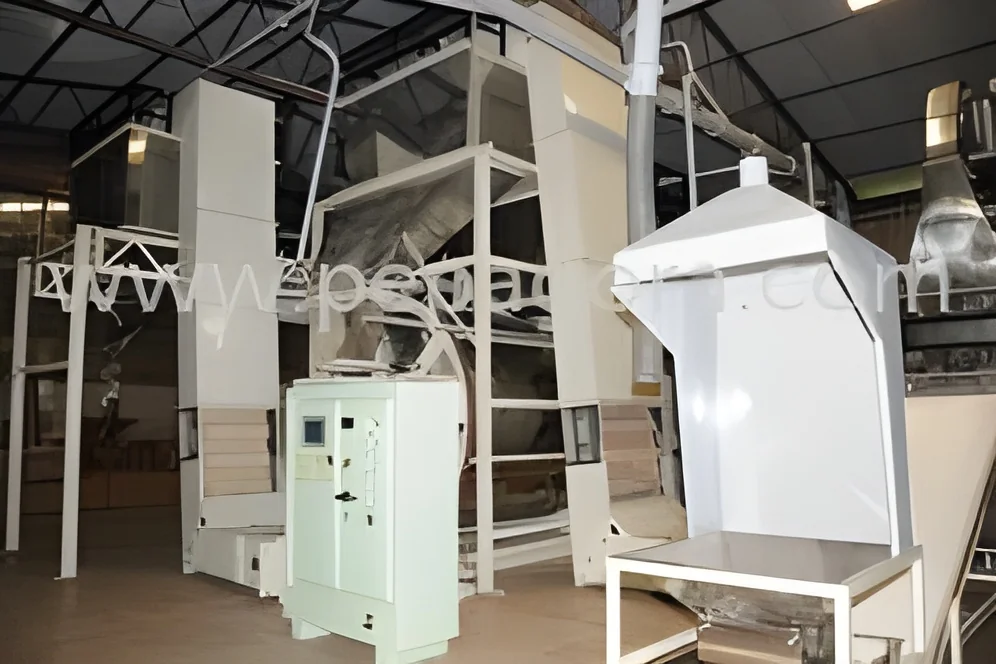
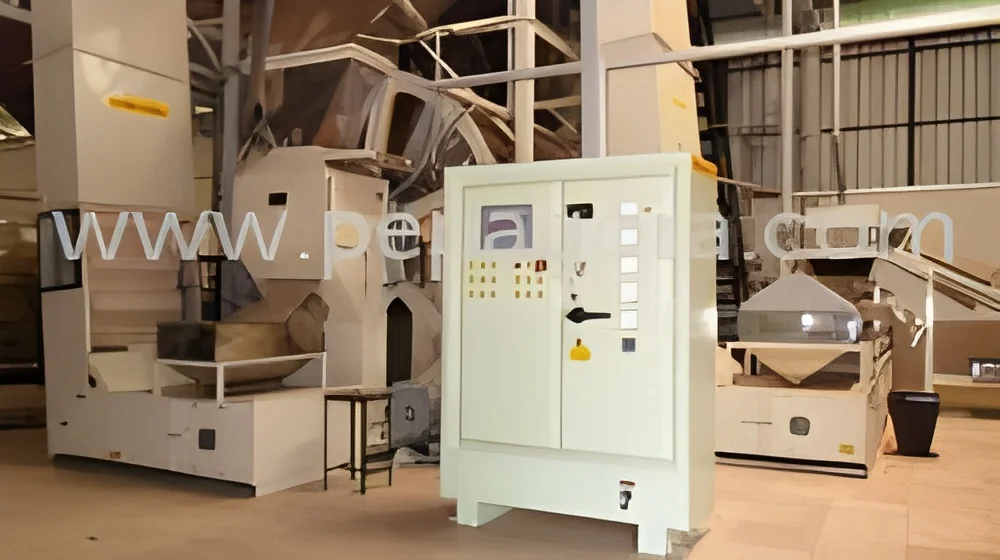
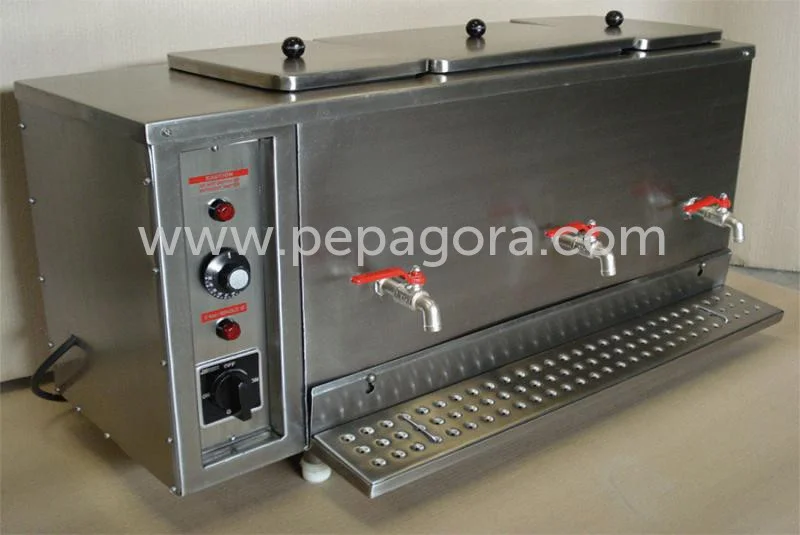
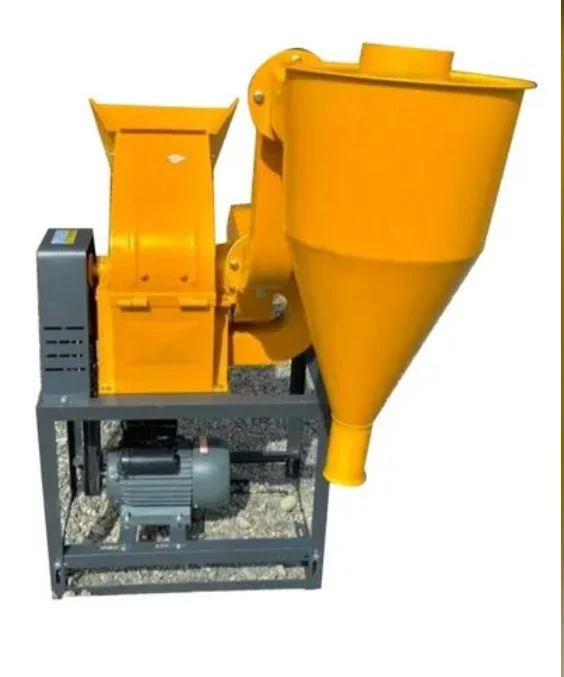
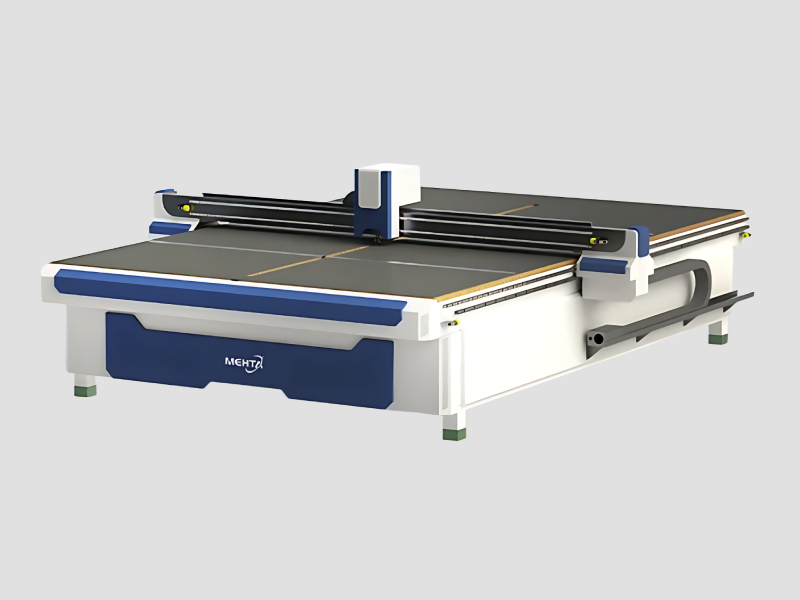
Tea and coffee processing machines are specialized equipment designed to handle various stages of tea and coffee production. These machines play a crucial role in transforming raw tea leaves and coffee beans into market-ready products. The processing stages typically include cleaning, drying, grinding, and packaging. Each machine is tailored for specific processes, ensuring efficiency and consistency in production.
These machines find their primary applications in commercial tea estates, coffee plantations, and processing units. Businesses utilize them to streamline operations, improve product quality, and increase output. With the growing global demand for tea and coffee, these machines are vital for producers looking to enhance their competitiveness in the market. As consumer preferences diversify, having reliable processing technology is essential for meeting quality standards and production goals.
The tea and coffee processing machine market is influenced by several factors, including advancements in technology and an increase in consumer demand for specialty beverages. The industry is characterized by significant investments in modern equipment to maintain quality and reduce production costs. As such, manufacturers are continually innovating to meet the evolving needs of the market.
Key Features and Specifications
Tea and coffee processing machines come with a range of features designed to improve efficiency and quality. Understanding these specifications is crucial for making informed purchasing decisions.
Key specifications include:
1. Processing Capacity
- The amount of raw material the machine can process per hour.
- Typical ranges vary based on machine type, from small units handling hundreds of kilograms to large industrial machines processing several tons.
2. Energy Consumption
- The level of energy required for operation.
- Measured in kilowatts, with efficient machines designed to minimize power usage.
3. Automation Level
- The extent to which the machine operates automatically versus manual control.
- Machines may range from fully automated systems to semi-automated setups requiring some manual intervention.
4. Maintenance Requirements
- The frequency and complexity of upkeep needed to ensure optimal performance.
- Machines with fewer moving parts typically require less maintenance.
5. Material Construction
- The type of materials used in the machine's construction, affecting durability and hygiene.
- Stainless steel is common for its resistance to corrosion and ease of cleaning.
6. Safety Features
- Built-in mechanisms to protect operators and ensure safe operation.
- Features may include emergency stop buttons, safety guards, and interlock systems.
7. Size and Footprint
- Dimensions of the machine, impacting the space needed for installation.
- Compact designs are available for smaller operations.
8. Compliance Standards
- Adherence to industry regulations and quality standards.
- Many machines are designed to meet certifications such as CE.
These specifications highlight the importance of selecting machines that align with specific business needs and operational goals.
Common Applications and Use Cases
Tea and coffee processing machines are utilized across various industries, each with specific applications that enhance production efficiency.
1. Beverage Industry: These machines are essential for large-scale tea and coffee production, ensuring consistent quality and taste in the final products.
2. Food Processing: Manufacturers use these machines to create instant tea and coffee products, catering to the convenience market.
3. Hospitality Sector: Coffee shops and restaurants employ smaller machines for on-site processing to maintain freshness and quality.
4. Export Market: Companies involved in exporting tea and coffee rely on these machines to meet international quality standards and packaging requirements.
5. Organic Farming: Producers focusing on organic products use specialized machines designed to handle organic tea and coffee without contamination.
6. Retail Packaging: Retailers use processing machines to package loose tea and coffee for sale, ensuring attractive presentation and preservation of freshness.
7. Research and Development: Institutions study tea and coffee processing technologies to innovate and improve methods, requiring specialized equipment for experimentation.
Product Variants and Subcategories
Tea and coffee processing machines come in various types, each designed to meet specific processing needs.
Roasters
These machines are used to roast coffee beans, enhancing flavor through controlled heat application. They can vary in size and capacity, catering to both small artisan roasters and large commercial operations.
Grinders
Grinders are essential for transforming roasted coffee beans into the desired consistency for brewing. Options include blade grinders for smaller batches and burr grinders for larger operations needing uniform particle size.
Brewing Equipment
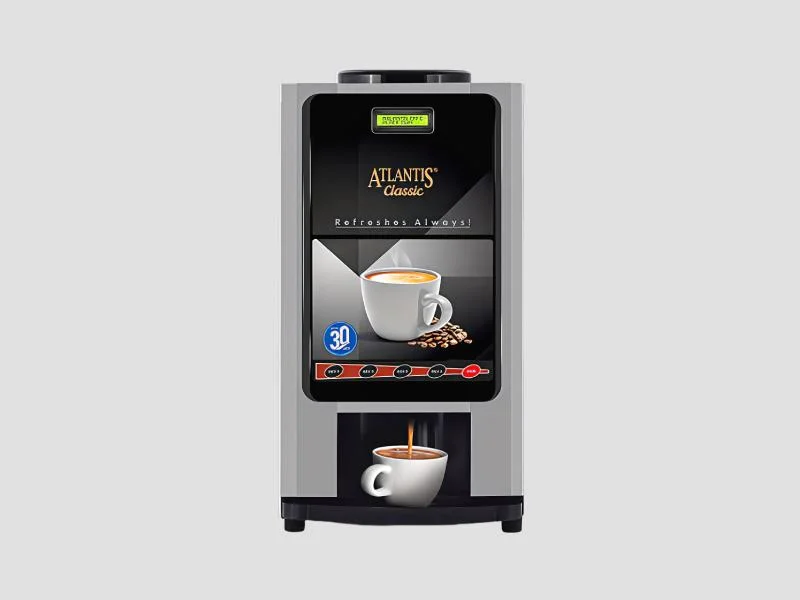
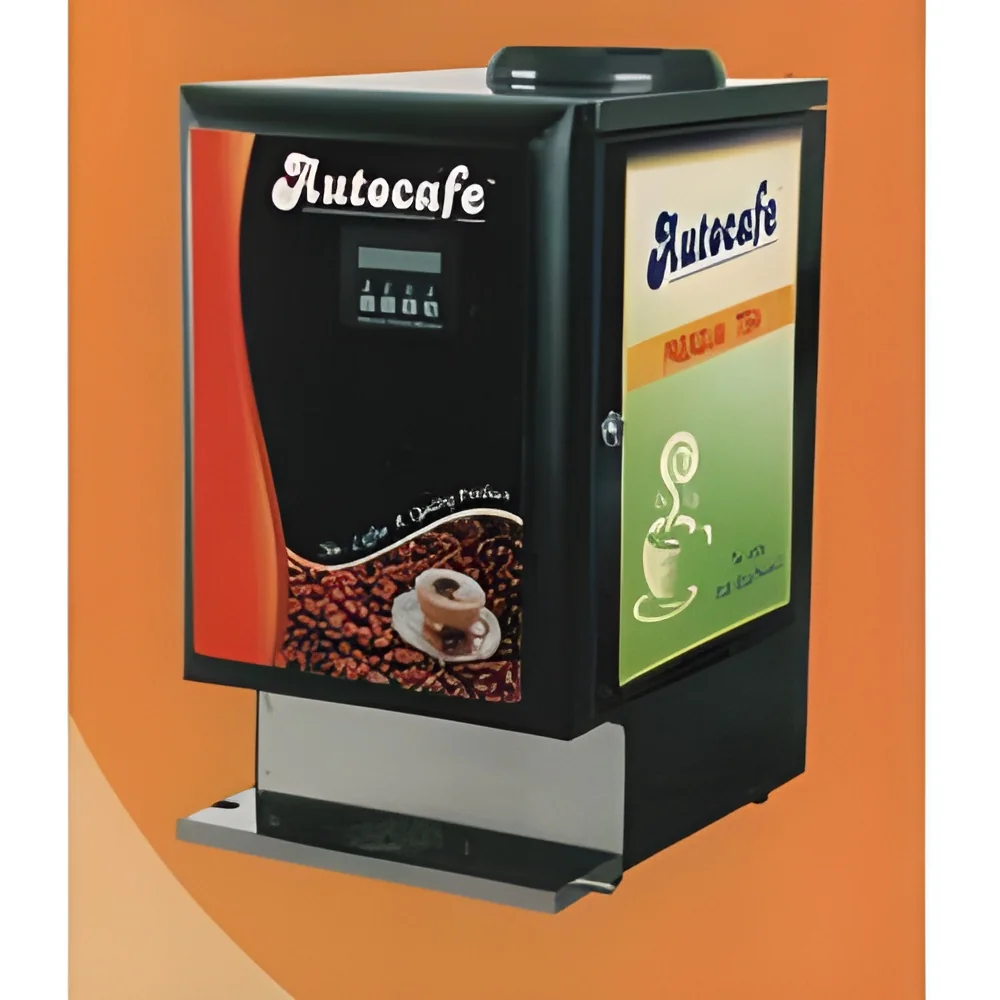
This category includes machines that extract flavors from tea leaves and coffee grounds. They range from simple drip coffee makers to complex espresso machines designed for high-volume settings.
Packaging Machines
Packaging equipment ensures that tea and coffee products are sealed properly for freshness. This includes vacuum sealers and automated filling machines that streamline the packaging process.
Benefits and Advantages
Investing in tea and coffee processing machines offers numerous benefits for businesses.
1. Improved Efficiency: Automation and modern technology enhance production speed and reduce labor costs.
2. Consistent Quality: Advanced machines maintain quality control during processing, ensuring uniform taste and aroma.
3. Versatility: Many machines can handle different types of tea and coffee, allowing producers to diversify their product offerings.
4. Cost Savings: Efficient machines reduce energy and operational costs, leading to long-term savings.
5. Enhanced Safety: Modern machines incorporate safety features that protect operators and minimize workplace accidents.
6. Regulatory Compliance: Machines designed to meet industry standards help businesses avoid legal issues and ensure product safety.
Buying Guide for B2B Buyers
When sourcing tea and coffee processing machines, several factors should be considered to ensure the best purchase decision.
1. Quality Assessment: Buyers should evaluate the quality of materials and construction of the machines. Robust designs typically lead to longer lifespans and less downtime.
2. Supplier Verification: It is crucial to vet suppliers for reliability and reputation. Checking reviews and certifications can provide insights into their credibility.
3. Pricing and MOQ: Understanding the pricing structure and minimum order quantities will help buyers plan their budgets effectively.
4. Delivery and Lead Times: Assessing delivery schedules and lead times is important for aligning with production timelines and operational needs.
5. Compliance Requirements: Buyers should be aware of any regulatory certifications necessary for their region to ensure machines meet local standards.
Compliance and Certifications
Tea and coffee processing machines are subject to various quality standards and certifications that ensure safety and reliability.
ISO 9001 is a well-known standard that focuses on quality management systems. Compliance indicates that the manufacturer adheres to consistent quality practices throughout production.
HACCP (Hazard Analysis and Critical Control Points) is essential in the food industry. Machines compliant with HACCP guidelines help prevent contamination and ensure food safety.
CE marking signifies that a product meets European health, safety, and environmental protection standards. This certification is crucial for machines sold within the European market.
Safety and testing requirements are also paramount. Manufacturers typically conduct rigorous testing to ensure machines operate safely and effectively under various conditions.
Regional compliance considerations may vary, with different countries enforcing specific regulations that machines must meet before entering the market.
Why Source Tea & Coffee Processing Machines from Pepagora?
Pepagora offers a trusted platform for sourcing tea and coffee processing machines, providing several key advantages for buyers.
Verified Supplier Network: Pepagora connects buyers with a network of verified suppliers, ensuring that only reliable and reputable manufacturers are included. This network helps buyers make informed decisions based on supplier credentials.
Streamlined RFQ Process: The Request for Quotation (RFQ) process on Pepagora is designed to be efficient and user-friendly. Buyers can easily submit their requirements and receive competitive quotes from multiple suppliers.
Trade Assurance and Support: Pepagora provides trade assurance, offering buyers protection during transactions. This support includes assistance with any potential disputes and ensures a smoother purchasing experience.
Regional Coverage: Pepagora's services extend across India, the GCC, and Southeast Asia. This broad geographic reach allows buyers to access a diverse range of suppliers and products tailored to their regional needs.

 IN
IN